Cyclic Ketone Market Size & Forecasts 2026-2035, By Segments (Process, Purity, Type, Application, End-User Industry), Growth Opportunities, Innovation Landscape, Regulatory Shifts, Strategic Regional Insights (U.S., Japan, China, South Korea, UK, Germany, France), and Competitive Dynamics (Eastman Chemical, BASF, Covestro, Huntsman Corporation, Lanxess)
Jump to Content
Market Size and Growth Outlook
Cyclic Ketone Market size is forecast to climb from USD 12.48 billion in 2025 to USD 18.65 billion by 2035, expanding at a CAGR of over 4.1% during 2026-2035. Industry revenue in 2026 is projected at USD 12.92 billion.
Get more details on this report
Request Free Sample ReportCyclic Ketone Market Intelligence Snapshot
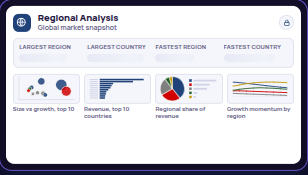
Regional Market Dynamics
Segment Momentum
Market Expansion Drivers
Leading Market Participants
Global Market Forecast Snapshot
Market Outlook
Regional and Segment Outlook
Market Growth Drivers and Industry Trends
The increasing demand for cyclic ketones in pharmaceutical and specialty chemical sectors is a key growth catalyst for the cyclic ketone market. Pharmaceutical companies, such as Pfizer and Novartis, have highlighted cyclic ketones’ vital role as intermediates in the synthesis of active pharmaceutical ingredients (APIs), driving product innovation and efficiency. Regulatory emphasis on high-purity compounds, as seen in FDA guidelines, further elevates the importance of cyclic ketones. This trend offers established manufacturers the chance to deepen partnerships with drug developers, while new entrants can focus on niche specialty chemicals with tailored functionalities. As drug formulations diversify, the cyclic ketone market is positioned to evolve alongside advances in medicinal chemistry and regulatory compliance.
Adoption in Fragrance and Flavor Applications
Cyclic ketones are increasingly incorporated as key ingredients in fragrances and flavors, enhancing product complexity and stability. Major players like Givaudan and Firmenich have publicly emphasized cyclic ketones for delivering long-lasting, natural-scented profiles aligned with consumer preferences for sustainable and authentic products. This shift is strengthening the cyclic ketone market through expanded usage in personal care and food industries, where innovation in sensory experiences drives competition. Both incumbents and newcomers can capitalize on consumer-driven demand for natural and clean-label formulations, leveraging supply chain integration to ensure traceability and sustainability. With regulatory bodies tightening standards on synthetic additives, the cyclic ketone market gains strategic relevance in premium fragrance and flavor segments.
Long-Term Innovation in Cyclic Ketone Derivatives
Ongoing research and development into cyclic ketone derivatives underpin sustained growth within the cyclic ketone market by unlocking new application avenues. Companies such as BASF and Evonik are actively investing in novel catalytic processes and green chemistry techniques to improve yield, reduce environmental impact, and diversify product portfolios. Innovations span from advanced polymers to agrochemicals, creating cross-sector opportunities. This continuous technological progress encourages incumbents to adopt more sustainable production while enabling startups to enter with differentiated offerings. As environmental policies tighten globally, these innovations will solidify the cyclic ketone market’s adaptability and relevance, fostering competitive advantage through sustainable and advanced derivative solutions.
Industry Restraints:
Stringent Environmental and Safety Regulations
Heightened regulatory scrutiny on chemical manufacturing processes significantly constrains cyclic ketone producers. Regulatory agencies such as the U.S. Environmental Protection Agency (EPA) and the European Chemicals Agency (ECHA) impose rigorous standards on emissions, waste disposal, and worker safety that increase operational complexity and costs. For instance, the EPA’s updated Toxic Substances Control Act (TSCA) requirements compel companies to invest heavily in cleaner production technologies and comprehensive risk assessments. This regulatory environment disproportionately challenges smaller entrants lacking scale and compliance infrastructure while forcing incumbents to divert capital towards compliance rather than innovation. Consequently, market participants must navigate extended approval timelines and elevated capital expenditure, thereby slowing product development and market expansion. The persistence of stringent regulations, reinforced by global sustainability commitments, suggests ongoing pressure on operational models, underscoring the need for strategic investment in environmentally sustainable cyclic ketone synthesis.
Volatility in Raw Material Supply Chains
Cyclic ketone production relies heavily on petrochemical derivatives such as cyclohexanone, whose supply chain volatility disrupts manufacturing continuity and inflates costs. Recent supply disruptions, driven by geopolitical tensions and fluctuating crude oil prices noted by the International Energy Agency (IEA), have exacerbated raw material scarcity, pushing manufacturers to secure alternative sources or strategic stockpiles. This dependency constrains flexibility, impacting pricing stability and profit margins across the value chain. Established companies with integrated supply networks have a competitive advantage in mitigating such risks, while new market entrants face higher barriers to securing reliable inputs. The ongoing geopolitical uncertainty and raw material price swings suggest that supply volatility will remain a critical constraint, compelling cyclic ketone market players to enhance supply chain resilience through diversification and strategic partnerships in the near to medium term.
| Growth Driver | Impact on CAGR | Regulatory Influence | Geographic Relevance | Adoption Rate | Impact Timeline |
|---|---|---|---|---|---|
| Rising demand in pharmaceuticals and specialty chemicals | 1.80% | Short term (≤ 2 yrs) | North America, Europe | Medium | Fast |
| Adoption in fragrance and flavor applications | 1.50% | Medium term (2–5 yrs) | Asia Pacific, North America | Medium | Moderate |
| Long-term innovation in cyclic ketone derivatives | 0.80% | Long term (5+ yrs) | Europe, Asia Pacific | Low | Slow |
Unlock insights tailored to your business with our bespoke market research solutions.
Click to get your customized report now.
Regional Demand Dynamics

North America captured over 36.2% of the global cyclic ketone market in 2025, establishing itself as the largest regional player. This preeminence is driven primarily by robust demand for engineering plastics and pharmaceutical intermediates, sectors where cyclic ketones are critical due to their chemical versatility and performance characteristics. Companies like Eastman Chemical and Pfizer have publicly highlighted expanded production capacities and R&D investments aligned with these end-use industries, reinforcing market leadership. The region’s innovation ecosystem, combined with regulatory support from entities such as the U.S. Environmental Protection Agency, further fosters sustainable production methods, enhancing product appeal. Additionally, the region benefits from resilient supply chains and skilled workforce availability that sustain steady output despite global disruptions. Going forward, North America’s ability to integrate technological advancements in manufacturing and meet stringent quality standards opens significant opportunities for cyclic ketone market expansion.
The United States anchors the North American cyclic ketone market, propelled by its expansive pharmaceutical and automotive sectors that intensify demand for high-purity intermediates and advanced plastics. Key players like BASF Corporation and DuPont have recently announced strategic partnerships and capacity enhancements, reflecting a focus on innovation and supply reliability. Moreover, evolving regulatory frameworks under the U.S. Food and Drug Administration (FDA) emphasize stringent safety and environmental criteria, pushing companies to develop greener synthesis routes. This environment nurtures not only established businesses but also emerging startups specializing in sustainable chemistry. Consequently, the U.S. market’s dynamic landscape not only supports regional dominance but also attracts global stakeholders aiming to capitalize on cyclic ketone applications, reinforcing North America’s strategic importance in this market.
Asia Pacific Market Analysis:
Asia Pacific emerged as the fastest-growing region in the cyclic ketone market, registering rapid growth with a robust CAGR of 5.74%. This dynamic expansion is primarily driven by rapid economic development and escalating demand for chemical products, particularly in China. The region’s growth is bolstered by its increasing industrialization and the rising utilization of cyclic ketones in pharmaceuticals, agrochemicals, and specialty chemicals. Additionally, favorable government initiatives promoting chemical manufacturing, combined with enhanced infrastructure and supply chain efficiencies, further stimulate market momentum. Asia Pacific’s shifting consumer preferences toward sustainable and high-performance chemical solutions reinforce this trend, supported by multinational corporations investing heavily in regional R&D centers. According to the Asia Chemical Industry Association, several new capacities for ketone derivatives are ramping up in the region. Looking ahead, Asia Pacific offers significant opportunities for cyclic ketone market expansion due to its integrated production capabilities, evolving regulatory frameworks, and growing adoption of innovative chemical applications.
China plays a pivotal role in the Asia Pacific cyclic ketone market, acting as the primary catalyst for regional growth. The country’s rapid economic growth has intensified demand for chemical intermediates, driven by industrial sectors like pharmaceuticals, agriculture, and coatings. China’s aggressive push toward modernization and advanced manufacturing technologies under initiatives like “Made in China 2025” supports enhanced production quality and volume, according to the Ministry of Industry and Information Technology. Furthermore, evolving environmental regulations are pushing manufacturers to adopt greener, more efficient processes, aligning with global sustainability trends. These dynamics attract significant foreign and domestic investments, illustrating the country’s strategic importance. China’s dominant position not only sustains regional supply chains but also accelerates innovation in cyclic ketone derivatives, reinforcing Asia Pacific as a lucrative market hub.
Japan complements the Asia Pacific cyclic ketone market through its sophisticated technological infrastructure and strong emphasis on innovation. The country’s well-established chemical industry focuses on high-purity and specialty chemical production, catering to niche segments such as pharmaceuticals and electronics. According to the Japan Chemical Industry Association, leading Japanese companies are intensifying R&D activities to develop eco-friendly cyclic ketone formulations, meeting stringent regulatory standards and shifting consumer expectations for sustainable products. Japan’s aging demographic drives demand for advanced pharmaceutical compounds where cyclic ketones are critical intermediates, while its efficient logistics networks ensure steady supply chain operations. This strategic positioning supports Asia Pacific’s market growth by enhancing product quality and diversifying applications. Ultimately, Japan’s advanced capabilities and innovation-driven approach bolster the region’s expanding cyclic ketone market landscape.
Europe Market Trends:
Europe maintained notable presence in the cyclic ketone market, underpinned by its robust chemical manufacturing infrastructure and growing emphasis on sustainable production methods. The region’s strategic focus on green chemistry and evolving regulatory frameworks within the European Chemicals Agency (ECHA) have propelled demand for cyclic ketones in pharmaceuticals and specialty chemicals, as highlighted by BASF’s recent sustainability initiatives. Moreover, shifting consumer preferences towards eco-friendly products and the adoption of advanced process technologies foster competitive advantages among European producers. Cross-border supply chain efficiencies and skilled workforce availability further consolidate Europe’s market influence. These dynamics position the region as a pivotal hub for innovation and growth, with expanding opportunities tied to stricter environmental mandates and rising application sectors across automotive and agrochemical industries.
Germany plays a leading role in Europe’s cyclic ketone market, driven by its industrial prowess and stringent environmental policies. The country’s investment in sustainable chemical synthesis, demonstrated by Evonik Industries’ latest bio-based cyclic ketone product launch, reflects a commitment to reducing carbon footprints and aligning with EU climate goals. High demand from pharmaceutical manufacturers and increasing R&D collaborations with technical universities facilitate product innovation and adoption of cutting-edge manufacturing techniques. Consequently, Germany’s cyclic ketone market acts as a bellwether for regional trends, offering a blueprint for integrating sustainability with commercial scalability, which reinforces Europe’s competitive positioning globally.
France represents a significant growth node within the European cyclic ketone market, fueled by its dynamic pharmaceutical sector and supportive regulatory environment. Recent expansions by Arkema in specialty chemicals production signal rising demand for premium cyclic ketone derivatives tailored to advanced applications, including agrochemicals and polymers. France’s strategic focus on innovation ecosystems and digital transformation aids operational efficiency and rapid product development. Government incentives encouraging green chemistry, as led by the French Ministry of Ecological Transition, further stimulate market activity. This positions France as an essential contributor to Europe’s cyclic ketone market evolution, enhancing the region’s capacity to meet emerging industrial and regulatory challenges effectively.
| Parameter | North America | Asia Pacific | Europe | Latin America | MEA |
|---|---|---|---|---|---|
| Innovation HubiScaleNascentDeveloping Advanced | |||||
| Cost-Sensitive RegioniScaleLowMedium High | |||||
| Regulatory EnvironmentiScaleRestrictiveNeutral Supportive | |||||
| Demand DriversiScaleWeakModerate Strong | |||||
| Development StageiScaleEmergingDeveloping Developed | |||||
| Adoption RateiScaleLowMedium High | |||||
| New Entrants / StartupsiScaleSparseModerate Dense | |||||
| Macro IndicatorsiScaleWeakStable Strong |
Cyclic Ketone Market Share (%), by Process, 2026
Go beyond the chart, access full insights & data tables
Request Free Sample ReportThe hydrogenation segment held the largest share in the cyclic ketone market in 2025, driven primarily by its preference for producing high-purity cyclic ketones essential as chemical intermediates. This process's dominance reflects industry demand for consistent quality and efficiency, especially in fine chemical and pharmaceutical supply chains, where regulatory standards set by authorities like the U.S. Food and Drug Administration emphasize purity and safety. Companies such as BASF have emphasized hydrogenation advancements in recent press releases, underscoring its strategic importance. For both established manufacturers and new entrants, hydrogenation’s scalability and reliability create competitive advantages in product differentiation and operational efficiency. Given ongoing innovations in catalyst design and integration with green chemistry protocols, this segment is poised to maintain its leadership amid tightening environmental regulations and evolving industrial applications.
Analysis by Purity
The >99% purity segment represented the largest share of the cyclic ketone market in 2025, reflecting robust demand for ultra-pure compounds in pharmaceuticals and fine chemicals. This leadership is tied to stringent quality requirements driven by customer preferences for highly reliable intermediates that guarantee drug safety and efficacy, as reinforced by compliance mandates from the European Medicines Agency. Industry leaders like Pfizer and Eli Lilly have increasingly sourced >99% purity cyclic ketones to meet these standards, signaling strong market validation. This segment offers opportunities for firms focusing on advanced purification technologies and digital traceability in supply chains, enabling enhanced product assurance. Continued emphasis on precision medicine and regulatory scrutiny ensures that >99% purity cyclic ketones will remain critical across pharmaceutical and specialty chemical innovation pipelines.
Analysis by Type
The cyclohexanone segment dominated the cyclic ketone market in 2025, supported by its widespread use as a solvent and intermediate in nylon and resin manufacturing. Its market leadership stems from cyclohexanone’s versatility and established position within global chemical value chains, including strong demand driven by Asia-Pacific industrial expansion. Regulatory updates from agencies like the Environmental Protection Agency highlighting solvent emissions have accelerated adoption of optimized cyclohexanone processes, reflecting evolving sustainability priorities. Major chemical producers such as Covestro have reported strategic investments to enhance cyclohexanone production capacity to meet this demand. This segment offers strategic levers for incumbents to leverage process innovations and for emerging players to address niche applications in high-performance materials. Given ongoing industrial growth and regulatory focus on safer, efficient intermediates, cyclohexanone’s relevance persists in near- to medium-term market dynamics.
| Segment | Sub-Segment | Largest Segment | Fastest Growing |
|---|---|---|---|
| Process | Hydrogenation, Cyclodesulfurization, Oxidation | ||
| Purity | >99%, 98-99%, 95-98% | ||
| Type | Cyclobutanone, Cyclohexanone, Cyclopentanone, Cycloheptanone, Cyclooctanone | ||
| Application | Chemical Intermediates, Solvents, Plasticizers, Pharmaceuticals, Fragrances | ||
| End-User Industry | Paints and Coatings, Pharmaceuticals, Automotive, Electronics, Cosmetics |
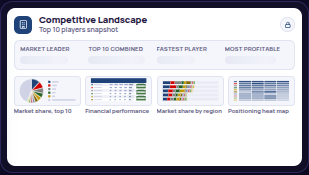
Competitive Landscape and Market Positioning
The competitive landscape of the cyclic ketone market is marked by strategic endeavors such as robust alliances, targeted acquisitions, and progressive research investment by leading companies. For instance, Covestro and Celanese Corporation have intensified their focus on sustainability-linked formulations, enhancing market appeal amid tightening environmental standards. Huntsman and Lanxess have introduced specialty cyclic ketones targeting high-value sectors like pharmaceuticals and polymers, reinforcing technological differentiation. Meanwhile, SABIC’s collaborations with regional partners underline a commitment to geographic expansion and innovation, collectively driving a dynamic environment where product differentiation and supply chain resilience are pivotal.
Strategic / Actionable Recommendations for Regional Players
North American players could capitalize on synergies through partnerships with technology innovators specializing in green chemistry, gaining access to emerging biodegradable cyclic ketone derivatives. Emphasizing proprietary R&D could also fortify their leadership against increased competition while targeting specialty markets with high-value applications.
In Asia Pacific, intensifying cooperation with downstream industries such as automotive and electronics may unlock demand for tailored cyclic ketones. Expanding manufacturing capabilities and adopting automation-driven efficiencies could provide a competitive edge in volume-driven segments and accelerate time-to-market.
European companies might benefit from integrating circular economy principles into their product development, appealing to stringent regulatory frameworks and sustainability criteria. Aligning innovations with global environmental initiatives and forming strategic alliances could reinforce their status as preferred suppliers in premium market niches.
| Company | Market Share | Company Revenue | Revenue CAGR (%) | Product Portfolio | Geographic Presence | Innovation / R&D Focus | Strategic Developments |
|---|---|---|---|---|---|---|---|
| No companies available. | |||||||
Customize Your Report
Explore examples of how this report can be tailored to different research needs, including custom segments, additional topics or chapters, and related reports. Click a section of the wheel or its numbered marker to explore the available options.
Cyclic Ketone Market — Custom Segments
| Segment | Sub-Segment |
|---|---|
| No segment data available. | |
Cyclic Ketone Market — Custom TOC
| Custom Chapter | Chapter Details |
|---|---|
| No custom TOC data available. | |
Need a different cut of the data?
Request Custom ResearchFrequently Asked Questions
What is the forecasted size of the cyclic ketone industry?
Which territory demonstrates the strongest presence in the cyclic ketone market?
In which region is the cyclic ketone sector expanding most rapidly?
Which is the largest sub-segment within the process segment for cyclic ketone industry?
Why does >99% sub-segment dominate the purity segment of cyclic ketone sector?
How does cyclohexanone segment fare in the cyclic ketone industry?
What share does chemical intermediates segment hold in the cyclic ketone sector as of 2025?
Where is the pharmaceuticals segment seeing the strongest adoption within the cyclic ketone industry?
Which companies are driving growth in the cyclic ketone landscape?
Our Clients
"The report helped us understand emerging consumer trends in our product category. It clarified where to focus innovation for the next product launch."
LyondellBasell
"The regional forecast section was incredibly useful. We were able to identify two new potential partners in Europe thanks to the vendor mapping you included."
SABIC
"We appreciated how actionable the recommendations were. It guided us to improve supply chain resilience."
Olin Corporation
Our Research Team & Methodology
Every Fundamental Business Insights report is built by a dedicated vertical research team, validated through a structured primary-and-secondary methodology, and reviewed for accuracy before it reaches you.
Delivery
Published
Available
Support
- Market Size & Forecast
- Market Segmentation
- Regional Analysis
- Growth Drivers & Challenges
- Market Dynamics
- Competitive Landscape
- Company Profiles
- Competitive Benchmarking
- Mergers & Acquisitions
- Market Share Analysis or Key Company Strategies
- Value Chain Analysis
- Porter's Five Forces
- PESTLE Analysis
- Pricing Trends
- Supply-Demand Analysis
- Technology Landscape
- Regulatory Landscape
- Investment & Funding Landscape
- Emerging Opportunities
- Future Market Outlook