Liquor Confectionery Market Size & Growth Forecast 2027–2036, By Segments (Type, Distribution Channel), Regional Demand Trends (North America, Asia Pacific, Europe), Key Country Insights (U.S., Japan, South Korea, Germany, France, Italy), and Competitive Landscape
Jump to content
Market Size and Growth Outlook
Liquor Confectionery Market size was around USD 831.3 million in 2026 and is slated to grow at a 6.08% CAGR from 2027 to 2036, reaching USD 1.5 billion by 2036. The industry revenue for 2027 is assessed at USD 873.86 million.
Get more details on this report
Request Free Sample ReportLiquor Confectionery Market Intelligence Snapshot
Regional Market Dynamics
- Europe accounted for a 51.30% share in 2026, supported by mature confectionery manufacturing, established retail channels, and strong consumer familiarity with alcohol-infused sweets.
- Asia Pacific is projected to grow at a 7.35% CAGR, driven by urban consumption, e-commerce expansion, and rising interest in premium confectionery products.
Segment Momentum
- Chocolates accounted for a 66.45% share in 2026 due to their strong fit with liquor-infused flavors, premium positioning, gifting appeal, and sustained demand during seasonal and indulgence-focused purchases.
- Online retail is expanding fastest as consumers increasingly value convenient digital shopping, broader product selection, easier access to premium offerings, and flexible gifting without visiting physical stores.
Market Expansion Drivers
- Rising demand for premium alcohol-infused chocolates driving artisanal confectionery consumption.
- Expanding gifting culture and seasonal luxury confectionery purchases boosting liquor confectionery sales.
- Growing product innovation in sugar-free and low-calorie liquor confectionery expanding health-conscious consumer adoption.
Leading Market Participants
- Key players in the liquor confectionery market include Neuhaus NV (Belgium), Toms Gruppen A/S (Denmark), Chocolaterie Abtey (France), Anthon Berg A/S (Denmark), Lindt & Sprüngli AG (Switzerland), Ferrero Group (Italy), Mars, Incorporated (USA), Godiva Chocolatier (USA).
Global Market Forecast Snapshot
Market Outlook
- 2026 Market Size: USD 831.3 million
- 2027 Estimated Market Size: USD 873.86 million.
- Projected Market Size: USD 1.5 billion by 2036
- Growth Forecast: 6.08% CAGR (2027-2036)
Regional and Segment Outlook
- Leading Regional Market: Europe
- High-Growth Regional Hub: Asia Pacific
- Core Revenue Segment: Chocolates (Type) | Supermarkets (Distribution Channel)
- Emerging Opportunity Segment: Candies (Type) | Online Retail (Distribution Channel)
Market Growth Drivers and Industry Trends
Rising demand for premium alcohol-infused chocolates driving artisanal confectionery consumption
Consumer interest in indulgent and sophisticated confectionery products is increasing demand for chocolates that combine premium ingredients with distinctive flavor profiles and alcohol-based fillings. This preference will drive the liquor confectionery market growth as consumers increasingly view alcohol-infused chocolates as specialty treats suited to personal indulgence, social occasions, and premium gifting. Artisanal confectioners can differentiate their offerings through combinations of chocolate with spirits, liqueurs, and complementary flavors, creating products with a more experiential character than conventional confectionery. The appeal of refined presentation, complex taste profiles, and craftsmanship is also supporting greater interest in specialty liquor-filled chocolates across premium confectionery channels.
Expanding gifting culture and seasonal luxury confectionery purchases boosting liquor confectionery sales
The growing culture of gifting during holidays, celebrations, and personal milestones is creating additional opportunities for premium confectionery products positioned as distinctive and sophisticated gifts. The liquor confectionery market is benefiting from this trend because alcohol-infused chocolates can combine indulgence, presentation, and perceived exclusivity within a single gifting product. Seasonal assortments, decorative packaging, and limited-edition selections can further increase consumer interest around festive periods and special occasions. Retailers and confectionery producers can also use occasion-based product positioning to appeal to consumers seeking alternatives to traditional gift items, particularly where premium chocolate and alcoholic flavor combinations are associated with celebratory experiences.
Growing product innovation in sugar-free and low-calorie liquor confectionery expanding health-conscious consumer adoption
Product development focused on reduced-sugar and lower-calorie formulations is broadening the potential consumer base for indulgent confectionery products. Innovation in the liquor confectionery market is enabling manufacturers to address consumers who remain interested in chocolate-based treats but are increasingly attentive to sugar intake, calorie content, and ingredient composition. Reformulation approaches can include alternative sweetening systems, portion-conscious formats, and carefully balanced chocolate and liquor profiles that preserve sensory appeal while addressing changing dietary preferences. Such innovation allows premium liquor confectionery to reach consumers who may otherwise limit their consumption of conventional high-sugar products because of greater awareness of nutritional considerations.
| Growth Driver | Impact on CAGR | Regulatory Influence | Geographic Relevance | Adoption Rate | Impact Timeline |
|---|---|---|---|---|---|
| Rising demand for premium alcohol-infused chocolates driving artisanal confectionery consumption | 2.00% | Moderate | Europe, North America | High | Near Term |
| Expanding gifting culture and seasonal luxury confectionery purchases boosting liquor confectionery sales | 1.80% | Low | Europe, Asia Pacific | High | Near Term |
| Growing product innovation in sugar-free and low-calorie liquor confectionery expanding health-conscious consumer adoption | 1.30% | Moderate | North America, Europe | Medium | Mid Term |
Unlock insights tailored to your business with our bespoke market research solutions.
Click to get your customized report now.
Regional Demand Dynamics
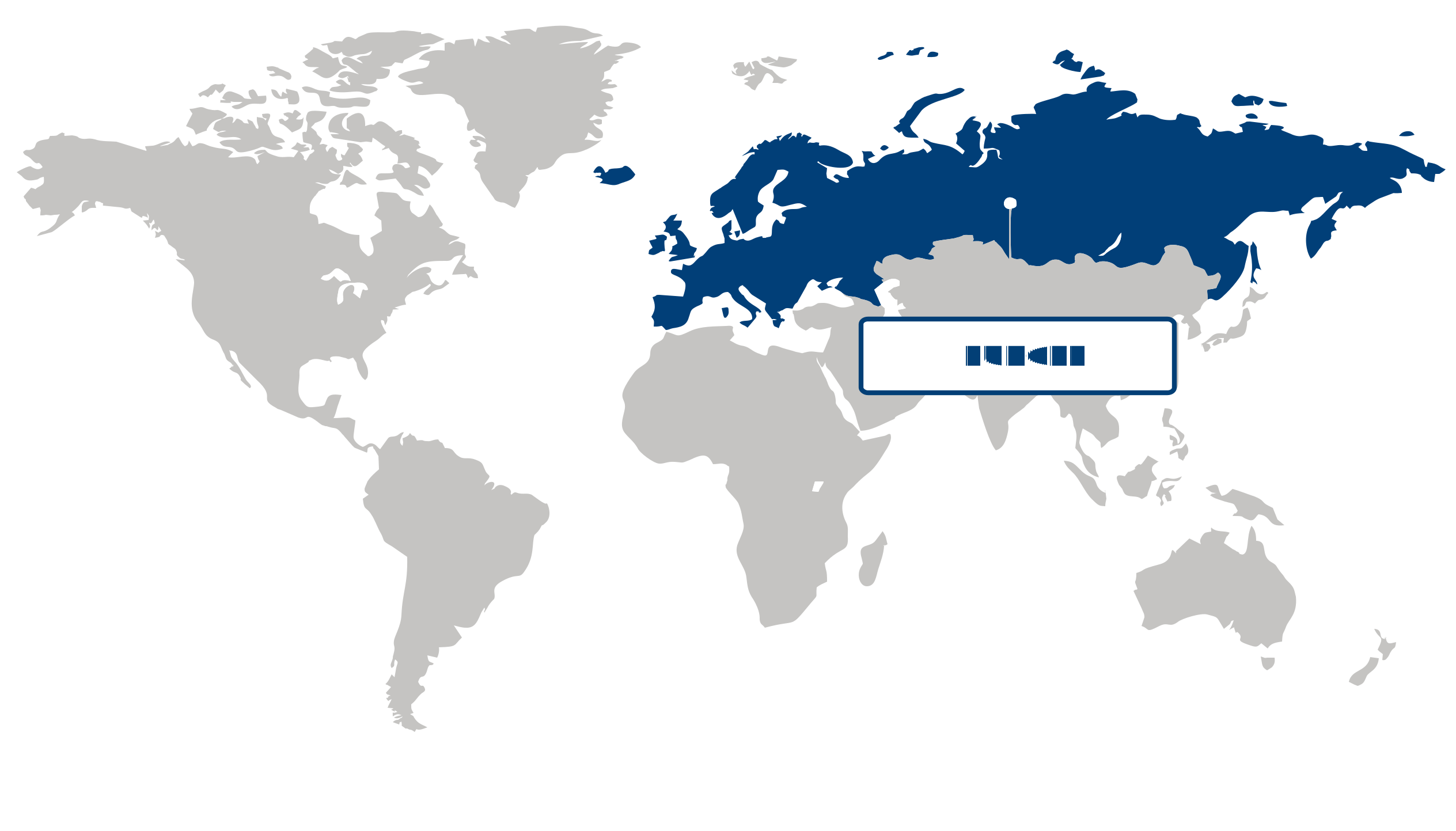
Europe (Largest Region)
Europe held the largest share of the liquor confectionery market at 51.30% in 2026, reflecting the region's established confectionery culture, strong preference for premium treats, and longstanding consumer familiarity with spirits-inspired flavors. Manufacturers benefit from a mature premium food and beverage ecosystem in which indulgent products are increasingly differentiated through flavor complexity, craftsmanship, and distinctive presentation. Demand for sophisticated confectionery experiences, seasonal gifting, and premium product offerings continues to support the region's strong market position.
Asia Pacific (Fastest-Growing Region)
Asia Pacific is emerging as the fastest-growing region, supported by expanding disposable incomes, evolving consumer preferences, and increasing interest in premium and novel confectionery products. Urban consumers are showing greater willingness to explore distinctive flavor combinations and indulgent products that combine traditional confectionery formats with adult-oriented taste profiles. Expanding modern retail, e-commerce accessibility, and the growing influence of premium food culture are creating additional opportunities for liquor confectionery adoption across the region.
| Parameter | North America | Asia Pacific | Europe | Latin America | MEA |
|---|---|---|---|---|---|
| Innovation HubiScaleNascentDeveloping Advanced | |||||
| Cost-Sensitive RegioniScaleLowMedium High | |||||
| Regulatory EnvironmentiScaleRestrictiveNeutral Supportive | |||||
| Demand DriversiScaleWeakModerate Strong | |||||
| Development StageiScaleEmergingDeveloping Developed | |||||
| Adoption RateiScaleLowMedium High | |||||
| New Entrants / StartupsiScaleSparseModerate Dense | |||||
| Macro IndicatorsiScaleWeakStable Strong |
Key Country Insights
Germany 🇩🇪
Heritage Flavor InnovationGermany combines traditional confectionery expertise with premium alcoholic flavor profiles to broaden product offerings. The market increasingly emphasizes authentic ingredients, refined taste experiences, and specialty products targeted at gifting and festive occasions.
France 🇫🇷
Gourmet Confectionery FusionFrance emphasizes liquor confectionery that blends artisanal confectionery traditions with premium alcoholic ingredients. Producers focus on sophisticated flavor profiles, premium craftsmanship, and products suited to specialty retail channels and gift purchases.
Italy 🇮🇹
Artisan Premium SelectionItaly continues expanding premium liquor confectionery inspired by regional confectionery traditions and distinctive liqueur flavors. The market values quality ingredients, elegant presentation, and products designed for specialty retail and celebratory consumption.
Japan 🇯🇵
Refined Premium IndulgenceJapan favors liquor confectionery featuring balanced flavors, premium presentation, and carefully crafted product quality. Manufacturers continue introducing limited-edition offerings that appeal to consumers seeking distinctive confectionery products for gifting and personal indulgence.
South Korea 🇰🇷
Trend-Led Product DevelopmentSouth Korea supports liquor confectionery through innovative flavor combinations and visually appealing packaging that resonate with adult consumers. The market continues responding to premium food trends with limited releases and modern retail positioning.
United States 🇺🇸
Premium Gifting AppealThe U.S. liquor confectionery market benefits from consumer interest in premium gifting and seasonal specialty products. Manufacturers continue introducing sophisticated flavor combinations and premium packaging to attract adult consumers seeking differentiated confectionery experiences.
Liquor Confectionery Market Share (%), by Type, 2026
Go beyond the chart, access full insights & data tables
Request Free Sample ReportType Segment Analysis: Chocolates (Largest Segment) vs Candies (Fastest-Growing Segment)
The chocolates segment dominated the liquor confectionery market in 2026, accounting for a 66.45% share, supported by the strong consumer appeal of chocolate-based confectionery and its ability to accommodate liquor-inspired or liquor-infused formulations. Chocolate provides a versatile base for premium confectionery products, allowing manufacturers to combine indulgent textures and flavors with distinctive alcoholic notes. Growing consumer interest in premium treats, gifting products, and sophisticated flavor combinations is reinforcing demand for liquor chocolates. The segment also benefits from the established familiarity of chocolate products, which makes liquor-infused variations accessible to consumers seeking novel confectionery experiences without moving away from a familiar product format.
Candies are expected to register the fastest growth as manufacturers increasingly experiment with unconventional flavors, textures, and ingredient combinations to attract consumers seeking differentiated confectionery experiences. Liquor-inspired candies can offer portability and convenient consumption while providing opportunities for distinctive flavor profiles that differentiate them from conventional sweets. Innovation in product formats and premium confectionery is supporting greater interest in these offerings, while changing consumer preferences toward experiential and novel treats is creating additional opportunities for liquor-based candy products.
Distribution Channel Segment Analysis: Supermarkets (Largest Segment) vs Online Retail (Fastest-Growing Segment)
Supermarkets held the largest position in the liquor confectionery market in 2026, supported by their broad product assortments, high consumer accessibility, and ability to provide direct visibility for confectionery products. Supermarkets allow consumers to compare different product formats and brands while purchasing liquor confectionery alongside other food and gifting items. Their established retail infrastructure and prominent shelf placement support product discovery, particularly for premium or seasonal confectionery. The availability of diverse confectionery choices within a single shopping environment continues to make supermarkets an important channel for reaching a broad consumer base.
Online retail is emerging as the fastest-growing distribution channel as digital shopping increasingly influences confectionery discovery and purchasing. E-commerce platforms enable consumers to access specialized liquor confectionery products that may have limited availability through conventional retail outlets. Detailed product descriptions, customer reviews, attractive digital presentation, and convenient home delivery can encourage consumers to explore premium and niche confectionery offerings. The growing role of digital gifting and online product discovery is further supporting the expansion of online retail within the liquor confectionery market.
| Segment | Sub-Segment | Largest Segment | Fastest Growing |
|---|---|---|---|
| Type | Chocolates, Candies, Others | Chocolates | Candies |
| Distribution Channel | Supermarkets, Online Retail, Specialty Stores, Others | Supermarkets | Online Retail |
Competitive Landscape and Market Positioning
Top players in the liquor confectionery market:
1. Neuhaus NV (Belgium)
2. Toms Gruppen A/S (Denmark)
3. Chocolaterie Abtey (France)
4. Anthon Berg A/S (Denmark)
5. Lindt & Sprüngli AG (Switzerland)
6. Ferrero Group (Italy)
7. Mars Incorporated (USA)
8. Godiva Chocolatier (USA)
The liquor confectionery market is evolving through the introduction of premium flavor combinations and sophisticated product formats targeting adult consumers. Manufacturers are experimenting with artisanal ingredients, luxury packaging, and seasonal product launches to create differentiated confectionery experiences. Growing consumer interest in novelty gifting and indulgent treats is also supporting innovation within the market.
| Company | Market Share | Company Revenue | Revenue CAGR (%) | Product Portfolio | Geographic Presence | Innovation / R&D Focus | Strategic Developments |
|---|---|---|---|---|---|---|---|
| Neuhaus NV (Belgium) | |||||||
| Toms Gruppen A/S (Denmark) | |||||||
| Chocolaterie Abtey (France) | |||||||
| Anthon Berg A/S (Denmark) | |||||||
| Lindt & Sprüngli AG (Switzerland) | |||||||
| Ferrero Group (Italy) | |||||||
| Mars Incorporated (USA) | |||||||
| Godiva Chocolatier (USA). |
Customize Your Report
Explore examples of how this report can be tailored to different research needs, including custom segments, additional topics or chapters, and related reports. Click a section of the wheel or its numbered marker to explore the available options.
Liquor Confectionery Market — Custom Segments
| Segment | Sub-Segment |
|---|---|
| Alcohol Type | Liqueur-Based, Spirit-Based, Wine-Based, Beer-Based |
| Price Range | Economy, Mid-Range, Premium, Super-Premium |
| Consumption Occasion | Gifting, Celebrations and Festivities, Impulse and Everyday Consumption, Seasonal Occasions |
Liquor Confectionery Market — Custom TOC
| Custom Chapter | Chapter Details |
|---|---|
| Premiumization and Consumer Preference Trends |
|
| Brand Positioning and Portfolio Optimization |
|
| Alcohol-Infused Product Innovation |
|
Need a different cut of the data?
Request Custom ResearchFrequently Asked Questions
How much is the liquor confectionery market worth?
How will the liquor confectionery industry grow in terms of size and CAGR by 2036?
How is premiumization reshaping consumer purchasing behavior in the liquor confectionery market?
What market trends are expanding the customer base for liquor confectionery products?
Why do chocolates dominate the liquor confectionery market?
Why is online retail the fastest-growing distribution channel in the liquor confectionery market?
Why does Europe remain the largest market for liquor confectionery?
How is Asia Pacific creating new growth opportunities in liquor confectionery?
What are the key competitors in the liquor confectionery landscape?
Our Clients
"The report provided a thorough look at market trends, technological advancements, and the competitive landscape. The depth of insights was really valuable."
ITC Limited
"We would highly recommend Fundamental Business Insights & Consulting to anyone looking for reliable, detailed, and comprehensive market research in the Food industry."
Tyson Foods
"The clarity and presentation of the information were commendable. The report was delivered timely, which made the overall experience smooth and convenient."
Mondelēz International
Our Research Team & Methodology
Every Fundamental Business Insights report is built by a dedicated vertical research team, validated through a structured primary-and-secondary methodology, and reviewed for accuracy before it reaches you.
Delivery
Published
Available
Support
- Market Size & Forecast
- Market Segmentation
- Regional Analysis
- Growth Drivers & Challenges
- Market Dynamics
- Competitive Landscape
- Company Profiles
- Competitive Benchmarking
- Mergers & Acquisitions
- Market Share Analysis or Key Company Strategies
- Value Chain Analysis
- Porter's Five Forces
- PESTLE Analysis
- Pricing Trends
- Supply-Demand Analysis
- Technology Landscape
- Regulatory Landscape
- Investment & Funding Landscape
- Emerging Opportunities
- Future Market Outlook