



Sports Tourism Market Size & Growth Forecast 2027–2036, By Segments (Tourism Type, Sports Type), Regional Demand Trends (North America, Asia Pacific, Europe), Key Country Insights (U.S., Japan, South Korea, Germany, France, Italy), and Competitive Landscape
Market Size and Growth Outlook
Sports Tourism Market size was valued at USD 927.9 billion in 2026 and is anticipated to grow at a 16.15% CAGR from 2027 to 2036, attaining USD 4.15 trillion by 2036. The industry revenue for 2027 is assessed at USD 1.05 trillion.
Base Year Value (2026)
USD 927.9 billion
CAGR (2027-2036)
16.15%
Forecast Year Value (2036)
USD 4.15 trillion

Historical Data Period
2022-2026

Largest Region
Europe

Forecast Period
2027-2036
Sports Tourism Market Intelligence Snapshot:
-
Regional Market Dynamics:
- Europe leads with a 40.28% share due to a dense international sports calendar, strong stadium infrastructure, and well-developed travel and hospitality ecosystems supporting consistent event-based tourism demand.
- Asia Pacific is growing at a 19.6% CAGR driven by rising event hosting, improving air connectivity, and increasing consumer travel for live sports experiences across expanding regional markets.
-
Segment Momentum:
- Passive tourism accounted for 45.37% of the market in 2026 because attending sporting events is accessible to a broad audience, including casual fans, families, and international spectators.
- Cricket is the fastest-growing sports type due to expanding tournament ecosystems and increasing travel demand linked to international fixtures and franchise-based competitions that encourage event-driven tourism.
-
Market Expansion Drivers:
- Rising experiential travel demand driving immersive sports tourism experiences.
- Digital sports platforms converting global fandom into cross-border travel.
- Government-backed initiatives accelerating development of sports tourism destinations.
-
Leading Market Participants:
Major players in the sports tourism market include BAC Sports (United Kingdom), Inspiresport (United Kingdom), Gulliver’s Sports Travel Ltd (United Kingdom), Dream Team Sports Tours (United States), Navigo Sports Tour, LLC (United States), Allsports Travel (Australia), Australian Sports Tours (Australia), Premium Sport Tours (United States), La Vacanza Travel (India), XL Sports Tours (United States).
Global Market Forecast Snapshot:
-
Market Outlook:
- 2026 Market Size: USD 927.9 billion
- 2027 Estimated Market Size: USD 1.05 trillion.
- Projected Market Size: USD 4.15 trillion by 2036
- Growth Forecasts: 16.15% CAGR (2027-2036)
-
Regional and Segment Outlook:
- Leading Regional Market: Europe
- High-Growth Regional Hub: Asia Pacific
- Core Revenue Segment: Passive (Tourism Type) | Soccer (Sports Type)
- Emerging Opportunity Segment: Active (Tourism Type) | Cricket (Sports Type)
Market Growth Drivers and Industry Trends
Rising experiential travel demand driving immersive sports tourism experiences
Demand for memorable and activity-focused travel is creating favorable conditions for the sports tourism market, as travelers increasingly seek experiences built around participation, spectatorship, and direct engagement with sporting events. Major competitions, training camps, adventure activities, and sports-themed destinations can provide travelers with experiences that extend beyond conventional sightseeing. The combination of live entertainment, local culture, recreation, and social interaction is encouraging tourism providers to develop packages that cater to sports enthusiasts and active travelers. This shift toward experience-led travel is also broadening the appeal of sports tourism among visitors who may combine sporting activities with wider leisure itineraries.
Digital sports platforms converting global fandom into cross-border travel
Digital sports platforms are helping transform international interest in teams, athletes, leagues, and competitions into physical travel demand, supporting the sports tourism market through greater accessibility to sports-related content and communities. Streaming services, social media, fan platforms, and digital ticketing tools allow audiences to follow sporting events across borders and discover opportunities to attend matches or participate in related experiences. Online engagement can strengthen emotional connections with sporting destinations while simplifying trip planning, ticket acquisition, accommodation selection, and event discovery. Growing interaction between digital fandom and travel planning is also enabling destinations to reach international audiences more directly.
Government-backed initiatives accelerating development of sports tourism destinations
Public-sector investment in sporting infrastructure, event hosting, destination promotion, and tourism development is contributing to the sports tourism market by strengthening the ability of locations to attract visitors around sporting activities. Government-backed initiatives can support the development of stadiums, training facilities, transport connectivity, accommodation infrastructure, and supporting recreational amenities that improve the overall visitor experience. Hosting tournaments and other sporting events can further increase destination visibility while encouraging partnerships between tourism authorities, event organizers, hospitality providers, and local businesses. Such coordinated development can expand the range of sports-related experiences available to domestic and international visitors.
| Growth Driver Assessment Framework | |||||
| Growth Driver | Impact On CAGR | Regulatory Influence | Geographic Relevance | Adoption Rate | Impact Timeline |
|---|---|---|---|---|---|
| Rising experiential travel demand driving immersive sports tourism experiences | 2.20% | Moderate | Europe, North America | High | Near Term |
| Digital sports platforms converting global fandom into cross-border travel | 1.80% | Low | Europe, Asia Pacific | High | Near Term |
| Government-backed initiatives accelerating development of sports tourism destinations | 2.50% | High | Europe, Asia Pacific, Middle East | High | Mid Term |
Unlock insights tailored to your business with our bespoke market research solutions - Click to get your customized report now!
Regional Demand Dynamics
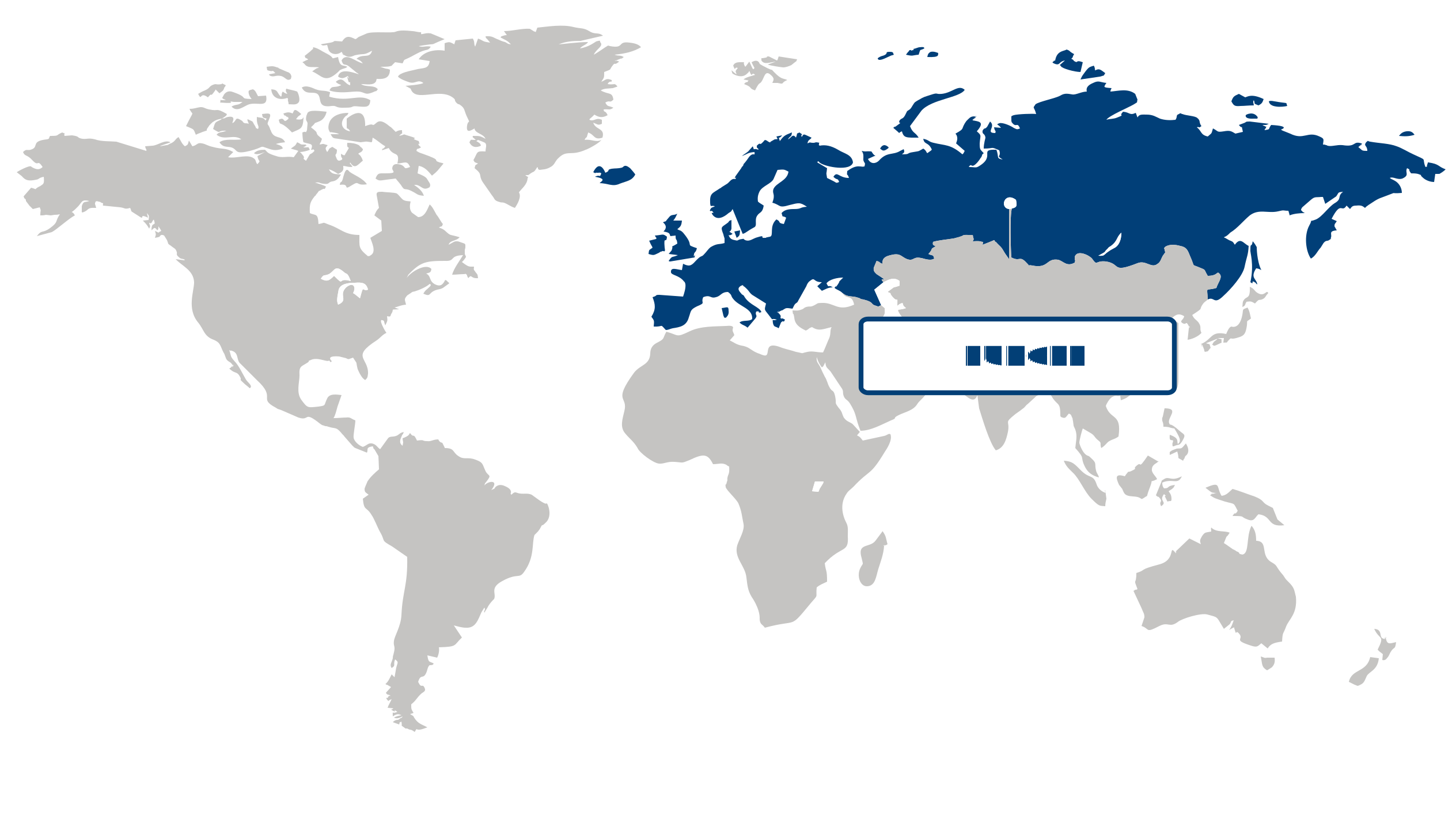
Largest Region
Europe
40.28% Market Share in 2026
Europe (Largest Region) vs Asia Pacific (Fastest-Growing Region)
Europe held the largest share of the sports tourism market, accounting for 40.28% in 2026, reflecting its mature tourism infrastructure, concentration of internationally recognized sporting events, and strong integration of sports with leisure travel. Extensive transportation networks, established hospitality capacity, and the popularity of football, motorsports, tennis, cycling, and winter sports support sustained visitor flows associated with competitions and sporting experiences. In contrast, Asia Pacific is emerging as the fastest-growing region as governments and tourism stakeholders expand sports infrastructure, promote international competitions, and use sporting events to strengthen destination appeal. Rising disposable incomes, increasing participation in sports, and greater regional connectivity are also encouraging both domestic and international travel centered on sporting events and active recreation.
Key Country Insights
The U.S. sports tourism market benefits from a broad calendar of professional, collegiate, and amateur sporting events that stimulate domestic and international travel. Destination operators in the U.S. continue enhancing venue experiences and hospitality services to attract sports-focused visitors throughout the year.
Japan emphasizes seamless sports tourism experiences supported by modern venues, efficient transport, and high-quality visitor services. Event organizers in Japan continue enhancing digital engagement and destination partnerships to encourage repeat travel linked to major sporting events.
South Korea expands the sports tourism market through international competitions, esports events, and active recreation offerings. Tourism stakeholders in South Korea increasingly integrate sports events with entertainment, retail, and cultural attractions to create broader visitor experiences.
Germany strengthens the sports tourism market by combining international sporting competitions with well-developed transportation and hospitality infrastructure. Tourism organizations in Germany increasingly package sporting events with cultural experiences to extend visitor stays and increase destination appeal.
France leverages internationally recognized sporting events alongside established tourism infrastructure to support sports-related travel. Tourism providers in France continue enhancing premium hospitality, regional experiences, and event accessibility to strengthen visitor engagement around sporting occasions.
Italy combines major sporting events with cultural tourism to create diverse sports travel experiences. Destination managers in Italy increasingly promote cycling, motorsports, football, and outdoor recreation through integrated travel packages that encourage longer visitor itineraries.
Segment Leadership and Growth Trends
Tourism Type Segment Analysis: Passive (Largest Segment) vs Active (Fastest-Growing Segment)
The passive segment led the sports tourism market, accounting for a 45.37% share in 2026, supported by strong consumer interest in traveling to attend sporting events as spectators. Major tournaments and competitive events attract visitors seeking live experiences, creating demand for accommodation, transportation, dining, and other destination services. The growing appeal of combining sports entertainment with leisure travel also strengthens the segment, particularly as destinations use sporting events to enhance tourism visibility and visitor engagement.
Active sports tourism is expected to register the fastest growth as travelers increasingly participate directly in sporting activities rather than limiting their involvement to spectatorship. Rising interest in fitness, adventure, recreational sports, and experience-oriented travel is encouraging consumers to select destinations that offer opportunities for participation. This trend is also supported by the expansion of sports facilities, organized sporting experiences, and destination-based activities that appeal to travelers seeking more immersive and health-focused tourism experiences.
Sports Type Segment Analysis: Soccer (Largest Segment) vs Cricket (Fastest-Growing Segment)
Soccer held the largest share of the sports tourism market at 39.86% in 2026, reflecting its broad international following and strong ability to generate travel around professional matches, tournaments, and major sporting events. The sport's extensive fan base creates sustained demand for event-related travel and encourages visitors to travel both domestically and internationally to experience matches in person. Strong sporting culture, established venues, and the emotional engagement associated with soccer further reinforce its contribution to sports-driven tourism.
Cricket represents the fastest-growing sports type, supported by its expanding popularity and the growing tendency of fans to travel for matches and tournaments. Increasing international exposure, strong spectator engagement, and the development of cricket-focused events are creating additional opportunities for destination tourism. The sport's ability to attract visitors for both major competitions and recurring fixtures is also encouraging hospitality, transportation, and leisure spending around cricket-related travel.
| Report Segmentation | |||
| Segment | Sub-Segment | Largest Segment | Fastest Growing Segment |
|---|---|---|---|
| Tourism Type | Active, Passive, Nostalgia | Passive | Active |
| Sports Type | Soccer, Cricket, Basketball, Tennis, Motorsport, Others | Soccer | Cricket |
 Read our Research Approach
Competitive Landscape and Market Positioning
Prominent players in the sports tourism market:
1. BAC Sports (United Kingdom)
2. Inspiresport (United Kingdom)
3. Gulliver’s Sports Travel Ltd (United Kingdom)
4. Dream Team Sports Tours (United States)
5. Navigo Sports Tour LLC (United States)
6. Allsports Travel (Australia)
7. Australian Sports Tours (Australia)
8. Premium Sport Tours (United States)
9. La Vacanza Travel (India)
10. XL Sports Tours (United States)
The sports tourism market is evolving rapidly as travel providers and event organizers focus on creating immersive fan experiences and destination-based sporting events. Integration of digital booking platforms, personalized travel packages, and interactive event services is enhancing customer engagement across the sports tourism market. Growing global interest in international sporting events and active leisure travel is also supporting market expansion.
Industry Development/News
| Company Name | Date | Key Development |
|---|---|---|
| Esports World Cup Foundation | Jul-25 | The foundation partnered with Saudi, Welcome to Arabia for the 2025 Esports World Cup in Riyadh, featuring 25 tournaments and a $70 million prize pool. The event successfully leveraged high-profile esports competition to drive international tourism, with 40% of early ticket sales attributed to overseas visitors, demonstrating the commercial efficacy of large-scale gaming events in regional sports tourism strategies. |
| Reno-Sparks Convention & Visitors Authority | Dec-24 | The authority inaugurated a World Athletics-certified indoor track facility at the Reno-Sparks Convention Center. This infrastructure investment significantly expands the region’s capacity to host national-level track and field competitions, strategically positioning the venue to capture increased sports tourism revenue and diversify the city's event-based economic activity through specialized athletic infrastructure. |
| National Junior College Athletic Association | Jun-26 | The NJCAA extended its partnership with Cedar Rapids to host the Division II Volleyball Championship through 2030. This long-term commitment secures a stable pipeline of athletic events for the city, providing consistent visitor spending and reinforcing the municipal strategy of utilizing multi-year sports hosting agreements to anchor local tourism demand and maintain competitive positioning in the events market. |
| City of Salem | Jul-24 | The city completed a major modernization project at the James I. Moyer Sports Complex. By upgrading the facility, Salem has enhanced its operational capacity to host a broader range of competitive sporting events, directly supporting its economic development goals by creating a more robust infrastructure foundation to attract recurring sports tourism traffic and event-related hospitality spending. |
| Atlantic 10 Conference | May-25 | The conference extended its agreement with the Henrico Sports & Entertainment Authority and Richmond Region Tourism to host the A-10 Women’s Basketball Championship through 2029. This strategic extension solidifies the Henrico Sports & Events Center as a premier regional hub, illustrating the role of long-term venue partnerships in ensuring sustained sports tourism and regional economic impact. |
| City of Charleston | Apr-24 | Construction commenced on the Capital Sports Center following site demolition, representing a material step in the city’s investment in dedicated sports tourism infrastructure. This development is designed to enhance Charleston’s capability to attract large-scale athletic events, signaling a proactive shift toward expanding regional facility footprints to capture a larger share of the competitive sports events market. |
| Challenge Family | May-26 | Challenge Family entered a strategic partnership with ANFI Group to promote sports tourism in Gran Canaria. By integrating triathlon event programming with destination-based tourism experiences, the collaboration aims to capture the international sports-traveler segment, reflecting a broader trend of leveraging specialized endurance sporting events to drive premium tourism traffic and enhance local destination branding. |
Why Choose Us
Specialized Expertise: Our team comprises industry experts with a deep understanding of your market segment. We bring specialized knowledge and experience that ensures our research and consulting services are tailored to your unique needs.
Customized Solutions: We understand that every client is different. That's why we offer customized research and consulting solutions designed specifically to address your challenges and capitalize on opportunities within your industry.
Proven Results: With a track record of successful projects and satisfied clients, we have demonstrated our ability to deliver tangible results. Our case studies and testimonials speak to our effectiveness in helping clients achieve their goals.
Cutting-Edge Methodologies: We leverage the latest methodologies and technologies to gather insights and drive informed decision-making. Our innovative approach ensures that you stay ahead of the curve and gain a competitive edge in your market.
Client-Centric Approach: Your satisfaction is our top priority. We prioritize open communication, responsiveness, and transparency to ensure that we not only meet but exceed your expectations at every stage of the engagement.
Continuous Innovation: We are committed to continuous improvement and staying at the forefront of our industry. Through ongoing learning, professional development, and investment in new technologies, we ensure that our services are always evolving to meet your evolving needs.
Value for Money: Our competitive pricing and flexible engagement models ensure that you get maximum value for your investment. We are committed to delivering high-quality results that help you achieve a strong return on your investment.
Select Licence Type

