Adult Day Care Market Size & Growth Forecast 2027–2036, By Segments (Funding, Services), Regional Demand Trends (North America, Asia Pacific, Europe), Key Country Insights (U.S., Japan, South Korea, Germany, France, Italy), and Competitive Landscape
Jump to Content
Market Size and Growth Outlook
Adult Day Care Market size was valued at USD 20.3 billion in 2026 and is anticipated to grow at a 5.04% CAGR from 2027 to 2036, reaching USD 33.19 billion by 2036. The industry revenue for 2027 is estimated at USD 21.16 billion.
Get more details on this report
Request Free Sample ReportAdult Day Care Market Intelligence Snapshot
Regional Market Dynamics
- North America captured 47.70% of the market in 2026, supported by an established care center network, broad acceptance of community-based elder care, and consistent utilization by family caregivers.
- Asia Pacific is expected to expand at a 5.88% CAGR as growing elder care needs and rising demand for organized daytime support encourage wider adoption of adult day care centers.
Segment Momentum
- Public funding held a 69.41% share in 2026 because government-backed reimbursement and community support programs provide stable payment structures that enable broad access to adult day care services.
- Specialized Day Care Services are the fastest-growing segment because families increasingly seek structured support for individuals with cognitive, physical, or chronic care needs that require dedicated supervision and tailored programs.
Market Expansion Drivers
- Rapid global aging population increasing demand for structured elderly care services.
- Rising Alzheimer’s and cognitive disorder cases boosting specialized day care programs.
- Urbanization and nuclear family structures increasing reliance on institutional elderly support systems.
Leading Market Participants
- Key players in the adult day care market include Active Day, Inc. (United States), Age UK (United Kingdom), Adult Life Programs, Inc. (United States), Grace Adult Day Health Care, Inc. (United States), CCACC Joyful Day Care Center (United States), Ascension Living (United States), Care Futures Ltd. (United Kingdom), Badisa (South Africa), Deutsches Altenheim, Inc. (United States), GerHogar Servicios Asistenciales (Spain).
Global Market Forecast Snapshot
Market Outlook
- 2026 Market Size: USD 20.3 billion
- 2027 Estimated Market Size: USD 21.16 billion.
- Projected Market Size: USD 33.19 billion by 2036
- Growth Forecast: 5.04% CAGR (2027-2036)
Regional and Segment Outlook
- Leading Regional Market: North America
- High-Growth Regional Hub: Asia Pacific
- Core Revenue Segment: Public (Funding) | Specialized Day Care Services (Services)
- Emerging Opportunity Segment: Private (Funding) | Specialized Day Care Services (Services)
Market Growth Drivers and Industry Trends
Rapid global aging population increasing demand for structured elderly care services
A rapidly aging population is expected to drive the adult day care market as more families require dependable daytime support for older adults. Structured care programs provide an organized setting for supervision, daily assistance, social engagement, and other services, increasing reliance on specialized elderly care providers as the need for age-related support becomes more widespread.
Rising Alzheimer’s and cognitive disorder cases boosting specialized day care programs
The increasing prevalence of alzheimer’s disease and other cognitive disorders is strengthening the adult day care market by raising demand for programs designed around specialized supervision and support needs. Care providers are expanding services that accommodate individuals requiring structured routines and attentive assistance, enabling families to access dedicated daytime care while maintaining their existing household arrangements.
Urbanization and nuclear family structures increasing reliance on institutional elderly support systems
Urbanization and the growing prevalence of nuclear family structures are contributing to the adult day care market as traditional household-based caregiving becomes more difficult to maintain alongside work and other responsibilities. Adult day care services offer families access to organized elderly support during the day, creating greater dependence on professional care settings for supervision and assistance.
| Growth Driver | Impact on CAGR | Regulatory Influence | Geographic Relevance | Adoption Rate | Impact Timeline |
|---|---|---|---|---|---|
| Rapid global aging population increasing demand for structured elderly care services | 2.00% | Moderate | North America, Asia Pacific | High | Near Term |
| Rising Alzheimer’s and cognitive disorder cases boosting specialized day care programs | 1.50% | High | North America, Europe | High | Mid Term |
| Urbanization and nuclear family structures increasing reliance on institutional elderly support systems | 1.00% | Moderate | Asia Pacific | Medium | Mid Term |
Unlock insights tailored to your business with our bespoke market research solutions.
Click to get your customized report now.
Regional Demand Dynamics

North America (Largest Region)
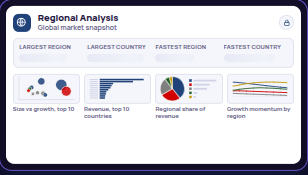
North America dominated the adult day care market with a 47.70% share in 2026, supported by an established eldercare infrastructure, growing demand for community-based services, and increasing preference for care models that allow individuals to remain in familiar home environments. Adult day care facilities provide a combination of supervision, social engagement, health monitoring, and supportive services, making them valuable for older adults and individuals requiring daytime assistance. An aging population, greater awareness of alternatives to institutional care, and the involvement of family caregivers are strengthening demand for structured daytime services. Established healthcare and social service networks, along with broader recognition of coordinated community care, provide a strong foundation for regional market development.
Asia Pacific (Fastest-Growing Region)
Asia Pacific is the fastest-growing region, driven by demographic aging, changing family structures, urbanization, and the gradual expansion of formal eldercare systems. Traditional family-based caregiving remains important across many markets, but migration, workforce participation, and smaller household structures are increasing the need for supplementary professional care services. Governments and private healthcare providers are also placing greater emphasis on developing community-based and long-term care infrastructure. Growing awareness of senior wellness, social engagement, and supportive daytime services is creating new opportunities for adult day care providers as healthcare systems evolve toward more accessible and integrated models of care.
| Parameter | North America | Asia Pacific | Europe | Latin America | MEA |
|---|---|---|---|---|---|
| Innovation HubiScaleNascentDeveloping Advanced | |||||
| Cost-Sensitive RegioniScaleLowMedium High | |||||
| Regulatory EnvironmentiScaleRestrictiveNeutral Supportive | |||||
| Demand DriversiScaleWeakModerate Strong | |||||
| Development StageiScaleEmergingDeveloping Developed | |||||
| Adoption RateiScaleLowMedium High | |||||
| New Entrants / StartupsiScaleSparseModerate Dense | |||||
| Macro IndicatorsiScaleWeakStable Strong |
Key Country Insights
Germany 🇩🇪
Integrated Senior SupportGermany's adult day care market is closely linked to long-term care insurance frameworks and the need for coordinated elder services. Operators in Germany are emphasizing structured daytime supervision and rehabilitation programs that reduce family caregiving burdens while supporting independent living.
France 🇫🇷
Preventive Elder ServicesFrance's adult day care market is increasingly focused on preventive care and reducing unnecessary institutional admissions. French care centers are broadening wellness, rehabilitation, and respite offerings to address growing demand for community-based senior support services.
Italy 🇮🇹
Localized Senior NetworksItaly's adult day care market relies heavily on regional and community care networks serving an aging population. Italian providers are developing day programs that combine social engagement and health assistance to support elderly individuals and provide relief for family caregivers.
Japan 🇯🇵
Dementia Care FocusJapan's adult day care market prioritizes specialized services for an aging population with increasing cognitive care requirements. Japanese providers are expanding dementia-oriented programs and technology-assisted monitoring to improve care quality and extend aging-in-place initiatives.
South Korea 🇰🇷
Family Care ExtensionSouth Korea is strengthening adult day care services as demographic changes place greater pressure on traditional family caregiving arrangements. Providers in South Korea are enhancing therapeutic activities and healthcare coordination to support seniors requiring regular supervision and social interaction.
United States 🇺🇸
Community Aging ServicesThe U.S. adult day care market is expanding around community-based care models that help older adults remain outside institutional settings. Providers in the U.S. are integrating health monitoring, dementia support, and social engagement services to address caregiver shortages and rising demand for flexible eldercare solutions.
Adult Day Care Market Share (%), by Funding, 2026
Go beyond the chart, access full insights & data tables
Request Free Sample ReportFunding Segment Analysis: Public (Largest Segment) vs Private (Fastest-Growing Segment)
The public funding segment represented the largest share of the adult day care market at 69.41% in 2026, supported by the important role of government-backed programs in making daytime care services accessible to older adults and individuals requiring ongoing support. Public funding can help address affordability barriers and enable providers to serve populations that may otherwise face limitations in accessing structured care, supervision, social activities, and supportive services. Growing demand for community-based care and efforts to reduce reliance on more intensive institutional settings continue to support public financing.
Private funding is expanding more rapidly as demand for flexible and personalized adult day care options increases. Private payment models can give families greater choice in selecting services tailored to individual care needs, schedules, and preferences, while also supporting the development of differentiated service offerings. Increasing awareness of alternatives to full-time institutional care and the growing preference for individualized support are creating opportunities for private-funded adult day care services.
Services Segment Analysis: Specialized Day Care Services (Largest & Fastest-Growing Segment)
Specialized day care services accounted for 40.75% of the adult day care market in 2026 while also representing the fastest-growing service segment, reflecting increasing demand for care programs tailored to individuals with specific medical, cognitive, behavioral, or functional needs. These services can combine supervision and social engagement with targeted support, therapy, and health-related assistance, enabling participants to receive more individualized care within a community setting. The growing preference for person-centered care and the need to support complex care requirements are strengthening demand for specialized adult day care programs.
| Segment | Sub-Segment | Largest Segment | Fastest Growing |
|---|---|---|---|
| Funding | Private, Public | Public | Private |
| Services | Adult Social Day Services, Adult Day Healthcare Services, Specialized Day Care Services | Specialized Day Care Services | Specialized Day Care Services |
Competitive Landscape and Market Positioning
Top players in the adult day care market:
1. Active Day Inc. (United States)
2. Age UK (United Kingdom)
3. Adult Life Programs Inc. (United States)
4. Grace Adult Day Health Care Inc. (United States)
5. CCACC Joyful Day Care Center (United States)
6. Ascension Living (United States)
7. Care Futures Ltd. (United Kingdom)
8. Badisa (South Africa)
9. Deutsches Altenheim Inc. (United States)
10. GerHogar Servicios Asistenciales (Spain)
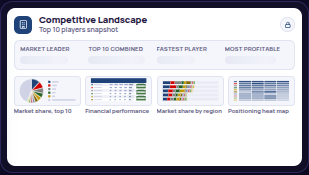
Expansion of community-based care models is redefining the adult day care market, with service structures increasingly shaped by accessibility and personalized care delivery. Providers are streamlining operations through digitized scheduling, monitoring, and care coordination systems that improve responsiveness and reduce administrative friction. Demand patterns are also shifting toward integrated wellness support rather than isolated care services, encouraging more holistic program designs. These combined shifts are gradually strengthening service consistency while enabling broader geographic and demographic reach.
| Company | Market Share | Company Revenue | Revenue CAGR (%) | Product Portfolio | Geographic Presence | Innovation / R&D Focus | Strategic Developments |
|---|---|---|---|---|---|---|---|
| Active Day Inc. (United States) | |||||||
| Age UK (United Kingdom) | |||||||
| Adult Life Programs Inc. (United States) | |||||||
| Grace Adult Day Health Care Inc. (United States) | |||||||
| CCACC Joyful Day Care Center (United States) | |||||||
| Ascension Living (United States) | |||||||
| Care Futures Ltd. (United Kingdom) | |||||||
| Badisa (South Africa) | |||||||
| Deutsches Altenheim Inc. (United States) | |||||||
| GerHogar Servicios Asistenciales (Spain). |
Industry Development/News
| Company Name | Date | Key Development |
|---|---|---|
| myPlace Health | May-24 | myPlace Health launched its inaugural PACE-focused care center in Los Angeles. The facility integrates comprehensive medical services with adult day programming, representing a strategic shift toward coordinated, all-inclusive care models designed to support seniors in maintaining independence while receiving complex medical and social support. |
| Nam Long Commercial Property | May-24 | Nam Long Commercial Property entered a strategic partnership with Thrive to co-develop a senior living ecosystem in Vietnam. This initiative marks a significant expansion into specialized care infrastructure, combining residential offerings with integrated adult day services to address the growing demand for structured senior support within the region. |
| Small Town Home Health Solutions | May-24 | Small Town Home Health Solutions announced plans to launch dedicated adult day services by 2026 to serve southern Ohio. This move signifies a strategic diversification from home-based health support into non-residential center-based care, aiming to capture the rising demand for community-based adult social and medical support programs. |
| Lily Life | Apr-24 | A fully leased adult day care facility operated by Lily Life in Bergen County was listed for sale at $15 million. This transaction reflects ongoing investor interest in stabilized senior care real estate as an asset class, highlighting the commercial viability and maturity of properties dedicated to structured, daily non-residential care. |
| Solace Friends | Apr-24 | Solace Friends inaugurated Solace Home, a facility designed to provide end-of-life support for individuals experiencing housing insecurity. This expansion of supportive care services addresses critical gaps in palliative and terminal care provision, representing a specialized evolution in community-based care models for vulnerable populations. |
| Centra | Apr-24 | Centra ceased operations at its Bedford Adult Day Care Center. The closure represents a strategic restructuring of the organization’s care delivery footprint, impacting local market capacity for structured daytime senior care and highlighting the operational volatility often associated with individual center performance in the broader day care sector. |
| Rockynol Retirement Community | Mar-24 | Rockynol Retirement Community secured planning approval to expand its operations with a dedicated adult day care facility in Akron. This project enhances the retirement community’s service portfolio, providing integrated, structured daytime care within an established residential environment to better serve the surrounding aging population. |
Customize Your Report
Explore examples of how this report can be tailored to different research needs, including custom segments, additional topics or chapters, and related reports. Click a section of the wheel or its numbered marker to explore the available options.
Adult Day Care Market — Custom Segments
| Segment | Sub-Segment |
|---|---|
| Care Setting | Standalone Adult Day Care Centers, Senior Living–Integrated Centers, Community-Based Centers, Healthcare-Integrated Centers |
| Facility Capacity | Small Facilities, Medium Facilities, Large Facilities |
| Participant Care Needs | Social & Recreational Support, Assisted Daily Living Support, Cognitive & Behavioral Support, Complex Care & Supervision |
Adult Day Care Market — Custom TOC
| Custom Chapter | Chapter Details |
|---|---|
| Community-Based Care Demand Hotspot Analysis |
|
| Reimbursement and Funding Landscape Assessment |
|
| Site Selection and Expansion Strategy Assessment |
|
Need a different cut of the data?
Request Custom ResearchFrequently Asked Questions
What is the current revenue of the adult day care market?
What is the projected value of the adult day care industry by 2036?
How is rising prevalence of cognitive disorders influencing service specialization in adult day care centers?
Why is urbanization increasing reliance on adult day care services in modern family structures?
Why is public funding the largest funding segment in the adult day care market?
Why are Specialized Day Care Services the fastest-growing segment in the adult day care market?
Why does North America lead the adult day care market?
What is accelerating adult day care market growth in Asia Pacific?
Which companies are driving growth in the adult day care landscape?
Our Clients
"The team took the time to understand our specific business needs and delivered a report that was well aligned with our objectives. Their expertise and understanding of the industry were clearly reflected in the quality and relevance of the insights provided."
Siemens Healthcare
"Our experience in acquiring the research report has been excellent. The depth of analysis, and actionable insights provided have been extremely valuable in supporting our ongoing R&D efforts."
GC Biopharma
"The report offered a comprehensive view of the market trends. The in-depth segmentation and analysis of emerging opportunities gave us a better understanding of the market."
Medtronic
Our Research Team & Methodology
Every Fundamental Business Insights report is built by a dedicated vertical research team, validated through a structured primary-and-secondary methodology, and reviewed for accuracy before it reaches you.
Delivery
Published
Available
Support
- Market Size & Forecast
- Market Segmentation
- Regional Analysis
- Growth Drivers & Challenges
- Market Dynamics
- Competitive Landscape
- Company Profiles
- Competitive Benchmarking
- Mergers & Acquisitions
- Market Share Analysis or Key Company Strategies
- Value Chain Analysis
- Porter's Five Forces
- PESTLE Analysis
- Pricing Trends
- Supply-Demand Analysis
- Technology Landscape
- Regulatory Landscape
- Investment & Funding Landscape
- Emerging Opportunities
- Future Market Outlook