Advanced Vehicle Lighting Market Size & Growth Forecast 2027–2036, By Segments (Sales Channel, Vehicle, Propulsion, Application, Product), Regional Demand Trends (North America, Asia Pacific, Europe), Key Country Insights (U.S., Japan, South Korea, Germany, France, Italy), and Competitive Landscape
Jump to Content
Market Size and Growth Outlook
Advanced Vehicle Lighting Market size was over USD 24.06 billion in 2026 and is likely to grow at a 7.84% CAGR between 2027 and 2036, surpassing USD 51.18 billion by 2036. The industry revenue for 2027 is assessed at USD 25.66 billion.
Get more details on this report
Request Free Sample ReportAdvanced Vehicle Lighting Market Intelligence Snapshot
Regional Market Dynamics
- Europe's strong automotive manufacturing base, focus on vehicle safety, and adoption of adaptive and LED-based lighting support demand for intelligent illumination, premium features, and energy-efficient technologies.
- Expanding automotive production, rising vehicle ownership, and growing adoption of electric and connected vehicles are increasing demand for advanced lighting that combines safety, energy efficiency, and distinctive styling.
Segment Momentum
- OEMs accounted for 68.16% of the sales channel segment in 2026, reflecting automakers' preference for integrating advanced lighting directly into vehicle production to support safety, styling, visibility, and intelligent illumination features.
- BEVs are the fastest-growing propulsion segment, supported by demand for intelligent illumination, distinctive lighting designs, and electronically integrated features suited to increasingly software-driven electric vehicle architectures.
Market Expansion Drivers
- Regulatory Push for Safer Vehicle Lighting.
- Growth of Electric & Autonomous Vehicles.
- Advanced LED & Laser Lighting Tech Development.
Leading Market Participants
- Leading companies in the advanced vehicle lighting market include Koito Manufacturing (Japan), Hella (Germany), Valeo (France), Stanley Electric (Japan), ZKW (Austria), Lumileds (USA/Netherlands), OSRAM (Germany), Hyundai Mobis (South Korea), Marelli (Italy), Nichia (Japan).
Global Market Forecast Snapshot
Market Outlook
- 2026 Market Size: USD 24.06 billion
- 2027 Estimated Market Size: USD 25.66 billion
- Projected Market Size: USD 51.18 billion by 2036
- Growth Forecast: 7.84% CAGR (2027-2036)
Regional and Segment Outlook
- Leading Regional Market: Europe
- High-Growth Regional Hub: Asia Pacific
- Core Revenue Segment: Sales Channel (OEM) | Vehicle (Passenger Car) | Propulsion (ICE) | Application (Front Lighting) | Product (LED)
- Emerging Opportunity Segment: Sales Channel (OEM) | Vehicle (Passenger Car) | Propulsion (BEV) | Application (Front Lighting) | Product (LED)
Market Growth Drivers and Industry Trends
Regulatory Push for Safer Vehicle Lighting
The growing emphasis on road safety is encouraging the adoption of advanced vehicle lighting systems that improve visibility for drivers, pedestrians, and other road users. Regulatory requirements related to illumination performance, visibility, signaling, and vehicle safety are prompting automakers to integrate more capable lighting technologies into new vehicle designs. Furthermore, advanced lighting systems can provide improved illumination under varying driving conditions, supporting safer nighttime and adverse-weather operation. These factors are contributing to the increasing integration of advanced vehicle lighting across passenger and commercial vehicles.
Growth of Electric & Autonomous Vehicles
The expansion of electric and autonomous vehicles is creating new opportunities for advanced vehicle lighting systems as automakers seek technologies that complement modern vehicle architectures and intelligent mobility features. Electric vehicles provide greater flexibility in exterior and interior design, enabling manufacturers to integrate innovative lighting configurations that support functionality, communication, and vehicle identification. Meanwhile, autonomous driving technologies require enhanced visual communication between vehicles and surrounding road users. Such developments are increasing the importance of advanced lighting systems in next-generation vehicle design.
Advanced LED & Laser Lighting Tech Development
Continuous advancements in LED and laser lighting technologies are improving the efficiency, precision, durability, and design flexibility of vehicle lighting systems. Modern lighting architectures can provide more controlled illumination patterns while enabling compact designs and sophisticated adaptive lighting functions. In addition, ongoing development in optical components, light control systems, and intelligent illumination technologies is expanding the range of applications for advanced vehicle lighting. Increasing demand for enhanced visibility and distinctive vehicle styling is further supporting the adoption of these technologies.
| Growth Driver | Impact on CAGR | Regulatory Influence | Geographic Relevance | Adoption Rate | Impact Timeline |
|---|---|---|---|---|---|
| Regulatory Push for Safer Vehicle Lighting | 1.2% | Short term (≤ 2 yrs) | Europe; North America; Spillover Asia Pacific | High | Fast |
| Growth of Electric & Autonomous Vehicles | 1.1% | Medium term (2–5 yrs) | Asia Pacific; North America; Spillover Europe | Medium | Moderate |
| Advanced LED & Laser Lighting Tech Development | 1% | Long term (5+ yrs) | North America; Europe; Spillover Asia Pacific | Low | Slow |
Explore Growth Opportunities
Request Free Sample ReportRegional Demand Dynamics
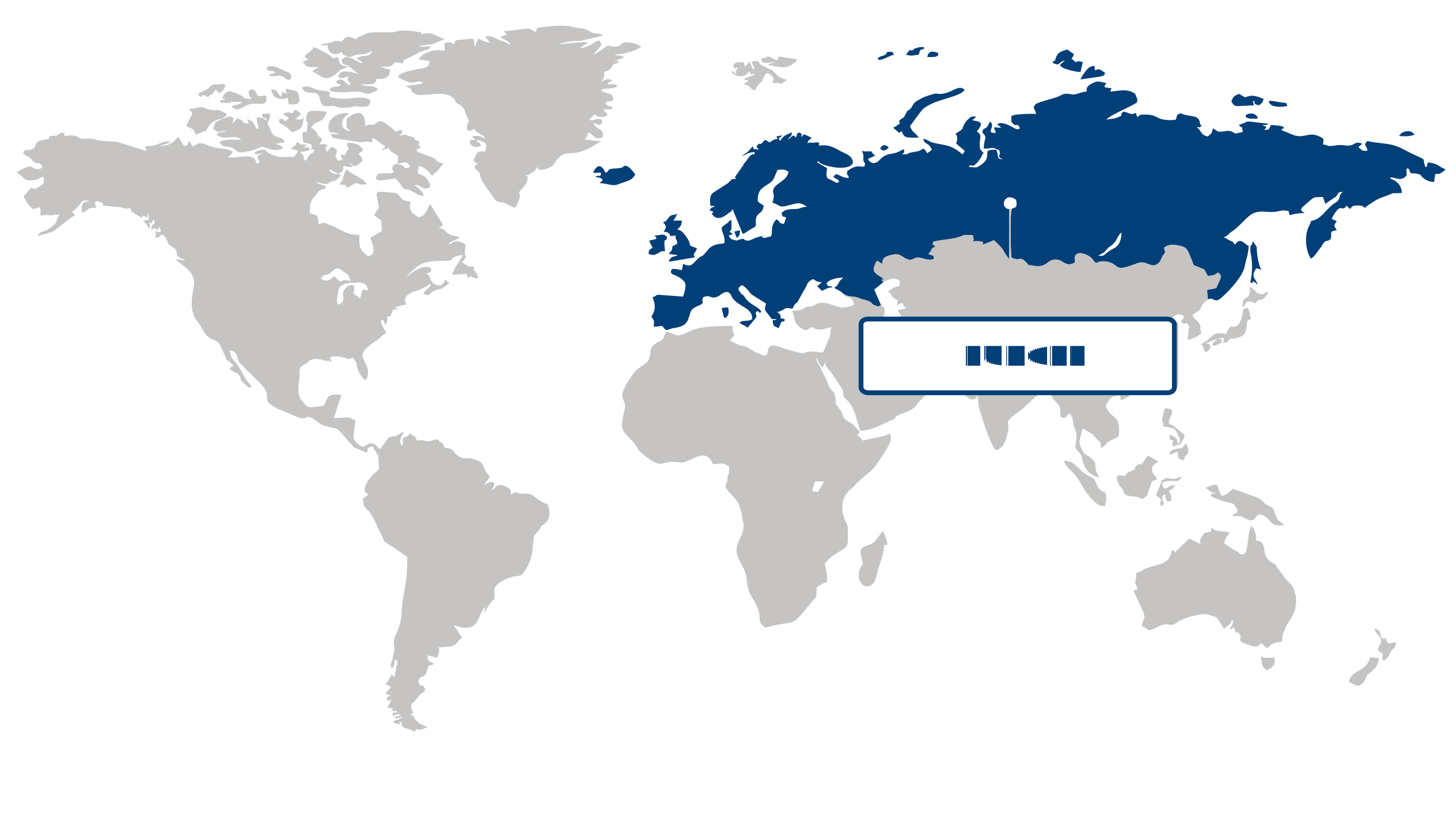
Europe (Largest Region)
Europe accounted for the majority share of the advanced vehicle lighting market in 2026, propelled by a strong automotive manufacturing base, increasing emphasis on vehicle safety, and growing adoption of intelligent lighting technologies. The region has a well-established automotive ecosystem in which manufacturers and consumers place significant importance on improved visibility, driving comfort, energy efficiency, and vehicle design. Demand is being reinforced by the transition toward connected and electrified vehicles, where advanced lighting systems can support enhanced functionality, distinctive vehicle styling, and improved energy management. Regulatory attention toward road safety and vehicle illumination is also encouraging the integration of sophisticated lighting technologies across passenger and commercial vehicles. In addition, growing consumer preference for premium vehicle features is supporting adoption of adaptive, LED-based, and electronically controlled lighting solutions. Continued investment in automotive technology, research, and manufacturing capabilities is expected to sustain demand as vehicle lighting increasingly becomes an integrated component of broader intelligent mobility systems.
Asia Pacific (Fastest-Growing Region)
Asia Pacific is expected to experience the fastest growth in the advanced vehicle lighting market, led by expanding automotive production, rising vehicle ownership, and increasing adoption of technologically advanced vehicle features. Rapid urbanization and infrastructure development are supporting demand for vehicles equipped with improved illumination and safety technologies, particularly in emerging automotive markets. The growing presence of electric and connected vehicles is further creating opportunities for sophisticated lighting systems that combine energy efficiency, functionality, and distinctive exterior design. Consumers are becoming increasingly receptive to premium vehicle technologies, encouraging automakers to integrate advanced lighting features into a wider range of vehicle segments. The expansion of local automotive manufacturing and component supply chains is also improving access to advanced lighting technologies and supporting broader market adoption. Increasing attention to road safety, vehicle aesthetics, and energy-efficient components is expected to further strengthen regional demand.
| Parameter | North America | Asia Pacific | Europe | Latin America | MEA |
|---|---|---|---|---|---|
| Innovation HubiScaleNascentDeveloping Advanced | |||||
| Cost-Sensitive RegioniScaleLowMedium High | |||||
| Regulatory EnvironmentiScaleRestrictiveNeutral Supportive | |||||
| Demand DriversiScaleWeakModerate Strong | |||||
| Development StageiScaleEmergingDeveloping Developed | |||||
| Adoption RateiScaleLowMedium High | |||||
| New Entrants / StartupsiScaleSparseModerate Dense | |||||
| Macro IndicatorsiScaleWeakStable Strong |
Key Country Insights
United States 🇺🇸
Intelligent Lighting IntegrationThe U.S. advanced vehicle lighting market is supported by adoption of LED, adaptive, and digitally controlled lighting technologies across passenger and commercial vehicles. Suppliers are prioritizing lighting systems that improve visibility, styling flexibility, energy efficiency, and integration with increasingly software-enabled vehicle architectures.
Germany 🇩🇪
Premium Adaptive SystemsGermany’s automotive sector places strong emphasis on sophisticated lighting performance, adaptive functionality, and distinctive vehicle design. Advanced headlamps and intelligent lighting modules are being integrated with driver-assistance and electronic architectures, creating opportunities for suppliers capable of delivering precise control and premium visual differentiation.
Japan 🇯🇵
Efficient Lighting TechnologyJapan’s advanced vehicle lighting market emphasizes compact, reliable, and energy-efficient systems for increasingly electrified vehicles. Manufacturers are focusing on LED and adaptive technologies that support visibility, aerodynamic design, packaging efficiency, and integration with vehicle electronics without compromising long-term reliability.
South Korea 🇰🇷
Smart Lighting ElectronicsSouth Korea’s automotive lighting demand is increasingly tied to electronically controlled, connected, and design-oriented vehicle systems. Suppliers can address market priorities through adaptive LED technologies, sophisticated light signatures, efficient electronic controls, and integration with advanced driver-assistance platforms.
France 🇫🇷
Design-Driven Vehicle LightingFrance’s advanced vehicle lighting market places considerable value on distinctive exterior styling alongside functional illumination. Automotive manufacturers and suppliers are developing LED and adaptive solutions that reinforce vehicle identity while improving visibility, energy efficiency, and integration with digitally controlled vehicle systems.
Italy 🇮🇹
Styling-Centric Lighting SystemsItaly’s vehicle lighting market is strongly influenced by design, brand identity, and premium automotive styling. Advanced LED and adaptive systems offer manufacturers ways to create distinctive light signatures while incorporating improved illumination, compact packaging, and electronic control into increasingly sophisticated vehicle platforms.
Advanced Vehicle Lighting Market Share (%), by Sales Channel, 2026
Go beyond the chart, access full insights & data tables
Request Free Sample ReportSales Channel Segment Analysis: OEM (Largest & Fastest-Growing Segment)
The OEM segment held the largest share of the sales channel segment, accounting for a 2026 market share of 68.16%, as vehicle manufacturers increasingly integrate advanced lighting technologies directly into new vehicle production to enhance safety, visibility, styling, and overall vehicle functionality. OEM integration enables lighting systems to be designed alongside vehicle electrical and electronic architectures, supporting the adoption of adaptive lighting, intelligent beam control, and other advanced illumination features as part of factory-installed equipment. The growing emphasis on vehicle differentiation and premium in-vehicle technologies is further encouraging manufacturers to incorporate sophisticated lighting systems during the production stage rather than relying on aftermarket upgrades. At the same time, the OEM channel is expected to remain the fastest-growing segment as increasing vehicle electrification, greater use of electronic control systems, and evolving safety requirements create additional opportunities for factory-installed advanced lighting solutions. Close collaboration between vehicle manufacturers and lighting system suppliers also facilitates the development of application-specific lighting technologies, supporting broader integration across new vehicle platforms.
Vehicle Segment Analysis: Passenger Car (Largest & Fastest-Growing Segment)
The passenger car segment represented the largest share of the vehicle segment in 2026, supported by the broad adoption of advanced lighting technologies across passenger vehicles as manufacturers place greater emphasis on safety, exterior styling, visibility, and intelligent vehicle functions. Passenger cars increasingly incorporate sophisticated lighting systems that can adapt to driving conditions, improve road illumination, and contribute to vehicle design and brand differentiation. The integration of electronic control technologies and connected vehicle features is also creating greater scope for advanced lighting applications in passenger cars, particularly as consumers increasingly expect enhanced safety and convenience features in new vehicles. In addition, passenger cars are projected to remain the fastest-growing segment as manufacturers continue upgrading lighting architectures across new vehicle models and increasingly integrate intelligent illumination functions into standard and higher-end configurations. The expanding adoption of advanced driver-assistance features and electronically controlled vehicle systems further supports demand for lighting technologies capable of interacting with broader vehicle functions, strengthening the role of advanced lighting in the evolving passenger car market.
Propulsion Segment Analysis: ICE (Largest Segment) vs BEV (Fastest-Growing Segment)
The ICE segment represented the largest share of the propulsion segment in 2026, reflecting the continued presence of internal combustion engine vehicles across the global vehicle fleet and their broad production base. Advanced lighting technologies are increasingly being incorporated into ICE vehicles as manufacturers seek to enhance road safety, improve nighttime visibility, and provide differentiated exterior styling without being limited to electric vehicle platforms. The established manufacturing ecosystem and extensive availability of ICE vehicle platforms continue to support the integration of advanced lighting systems across passenger and commercial applications. As manufacturers progressively modernize conventional vehicle architectures, advanced lighting can be incorporated alongside electronic control systems and other vehicle technologies, sustaining demand in the ICE segment.
The BEV segment is expected to register the fastest growth as the transition toward vehicle electrification encourages manufacturers to adopt technologies specifically suited to digitally controlled and highly integrated electric vehicle architectures. BEVs provide greater flexibility for incorporating electronically controlled lighting functions, intelligent illumination, distinctive light signatures, and energy-efficient lighting technologies as part of their broader vehicle design strategies. Advanced lighting also contributes to the visual differentiation of electric vehicles while supporting safety and communication functions associated with increasingly software-driven vehicle platforms. As electric vehicle adoption expands and manufacturers place greater emphasis on connected, electronically integrated vehicle systems, demand for advanced lighting solutions in the BEV segment is expected to accelerate.
| Segment | Sub-Segment | Largest Segment | Fastest Growing |
|---|---|---|---|
| Sales Channel | OEM, Aftermarket | OEM | OEM |
| Vehicle | Passenger Car, Commercial Vehicle | Passenger Car | Passenger Car |
| Propulsion | ICE, BEV, HEV, PHEV, FCEV | ICE | BEV |
| Application | Front Lighting, Rear Lighting, Interior Lighting, Side & Corner Lighting, Fog and Auxiliary Lights, Communication Lighting | Front Lighting | Front Lighting |
| Product | Halogen, Xenon/HID, LED, Laser, OLED, Matrix LED | LED | LED |
Unlock insights tailored to your business with our bespoke market research solutions.
Click to get your customized report now.
Competitive Landscape and Market Positioning
Analyst Perspective:
Advanced vehicle lighting is transitioning from basic illumination to an integrated mix of dynamic functionality, efficiency, and exterior aesthetics. Differentiating capabilities now center on adaptive matrix LED beam control, which dynamically shapes light output based on real-time vehicle sensor inputs. To complement these systems, laser-assisted long-range modules offer extended forward visibility for premium vehicle designs. As component density increases within compact lamp housings, energy-efficient thermal management has become crucial to prevent performance degradation and ensure long-term LED reliability. Furthermore, suppliers must reconcile complex thermal and optical hardware with sleek bezel integration, supporting automakers in delivering signature exterior styling without compromising lighting precision.
Key companies in the advanced vehicle lighting market:
- Koito Manufacturing (Japan)
- Hella (Germany)
- Valeo (France)
- Stanley Electric (Japan)
- ZKW (Austria)
- Lumileds (USA/Netherlands)
- OSRAM (Germany)
- Hyundai Mobis (South Korea)
- Marelli (Italy)
- Nichia (Japan)
| Company | Market Share | Company Revenue | Revenue CAGR (%) | Product Portfolio | Geographic Presence | Innovation / R&D Focus | Strategic Developments |
|---|---|---|---|---|---|---|---|
| Koito Manufacturing (Japan) | |||||||
| Hella (Germany) | |||||||
| Valeo (France) | |||||||
| Stanley Electric (Japan) | |||||||
| ZKW (Austria) | |||||||
| Lumileds (USA/Netherlands) | |||||||
| OSRAM (Germany) | |||||||
| Hyundai Mobis (South Korea) | |||||||
| Marelli (Italy) | |||||||
| Nichia (Japan) |
Industry Development/News
| Company Name | Date | Key Development |
|---|---|---|
| Valeo | April 2025 | Valeo entered into a strategic partnership with Appotronics to co-develop an all-in-one full-color laser headlight combining Adaptive Driving Beam technology with high-definition road-surface projection and in-car cinema functions, merging lighting systems leadership with laser projection capabilities. |
| Continental | April 2025 | Continental demonstrated its automotive lighting ecosystem at Auto Shanghai, featuring near-field projection grounded on laser beam scanning technology capable of displaying high-accuracy images and navigation directions on the ground with an automatic leveling feature. |
| Marelli | April 2025 | Marelli announced three innovative lighting technologies, including the Pixel Rear Lamp, Near-Field Ground Projection system, and ultra-thin Thin Lit Line Headlamp, aimed at improving safety, personalization, and design flexibility with select technologies entering mass production. |
| Motherson | April 2022 | Motherson and Valeo entered into a Memorandum of Understanding to combine lighting systems with cabin interior modules and surfaces, focusing on the development of next-generation illuminated interior solutions for instrument panels, door panels, and center consoles. |
Customize Your Report
Explore examples of how this report can be tailored to different research needs, including custom segments, additional topics or chapters, and related reports. Click a section of the wheel or its numbered marker to explore the available options.
Advanced Vehicle Lighting Market — Custom Segments
| Segment | Sub-Segment |
|---|---|
| Intégration de l'éclairage intelligent | Systèmes d'éclairage conventionnels, systèmes d'éclairage adaptatifs, systèmes d'éclairage connectés, systèmes d'éclairage entièrement intelligents |
| Architecture d'éclairage des véhicules | Architecture centralisée, architecture distribuée, architecture zonale |
| Fonctionnalités d'éclairage | Éclairage statique, contrôle adaptatif du faisceau, signalisation dynamique, éclairage de communication et de projection |
Advanced Vehicle Lighting Market — Custom TOC
| Custom Chapter | Chapter Details |
|---|---|
| OEM Design-In Strategy |
|
| Intelligent Lighting Adoption Scenarios |
|
| Vehicle Lighting Compliance Roadmap |
|
Need a different cut of the data?
Request Custom ResearchFrequently Asked Questions
What is the market size of the advanced vehicle lighting market?
How is the advanced vehicle lighting industry size expected to evolve during the forecast period?
How are safety regulations influencing adoption of advanced vehicle lighting?
How are electric and autonomous vehicles changing demand for advanced lighting systems?
Why do OEMs dominate the advanced vehicle lighting market?
How are battery electric vehicles driving growth in advanced vehicle lighting?
How does Europe maintain its leadership in the advanced vehicle lighting market?
What is driving Asia Pacific's rapid growth in advanced vehicle lighting?
Who are the major participants shaping the advanced vehicle lighting landscape?
Our Clients
"The team surpassed our expectations with the report depth. The actionable insights provided proved crucial in navigating market challenges."
Tata Motors
"We found the report to be very informative. The expertise and attention to market nuances significantly influenced our business direction."
DENSO Corporation
"The consumer survey findings were quite good. We now have a clearer picture of the customer churning and retention strategy."
HL Mando
Our Research Team & Methodology
Every Fundamental Business Insights report is built by a dedicated vertical research team, validated through a structured primary-and-secondary methodology, and reviewed for accuracy before it reaches you.
This report was prepared by the Automotive & Transportation Research Team at Fundamental Business Insights, a dedicated research group specializing in the global automotive, mobility, and transportation industries. Our analysts continuously monitor vehicle technology advancements, electrification trends, autonomous and connected mobility, manufacturing developments, supply chain dynamics, regulatory standards, emissions policies, aftermarket activities, and evolving consumer and commercial transportation requirements to deliver timely and reliable market intelligence. The research is developed using a structured methodology that combines primary discussions with vehicle manufacturers, component suppliers, technology providers, distributors, logistics stakeholders, and industry experts, along with company annual reports, regulatory publications, government transportation statistics, industry associations, technical standards, and other authoritative secondary sources. Market estimates are validated through multiple research techniques, including top-down and bottom-up analysis, before undergoing an internal quality review to ensure accuracy, consistency, and methodological integrity prior to publication.
Delivery
Published
Available
Support
- Market Size & Forecast
- Market Segmentation
- Regional Analysis
- Growth Drivers & Challenges
- Market Dynamics
- Competitive Landscape
- Company Profiles
- Competitive Benchmarking
- Mergers & Acquisitions
- Market Share Analysis or Key Company Strategies
- Value Chain Analysis
- Porter's Five Forces
- PESTLE Analysis
- Pricing Trends
- Supply-Demand Analysis
- Technology Landscape
- Regulatory Landscape
- Investment & Funding Landscape
- Emerging Opportunities
- Future Market Outlook