



Aerosol Packaging Market Size & Forecasts 2026-2035, By Segments (Material, Product Type, Application, End Use), Growth Opportunities, Innovation Landscape, Regulatory Shifts, Strategic Regional Insights (U.S., Japan, China, South Korea, UK, Germany, France), and Competitive Dynamics (Ball Corporation, Crown Holdings, Amcor, AptarGroup, Silgan Holdings)
Market Size and Growth Outlook
Aerosol Packaging Market size is projected to grow steadily from USD 8 billion in 2025 to USD 13.54 billion by 2035, demonstrating a CAGR exceeding 5.4% through the forecast period (2026-2035). The 2026 revenue is estimated at USD 8.37 billion.
Base Year Value (2025)
USD 8 Billion
CAGR (2026-2035)
5.4%
Forecast Year Value (2035)
USD 13.54 Billion

Historical Data Period
2022-2025

Largest Region
Europe

Forecast Period
2026-2035
Key Takeaways
- Europe region garnered over 37.8% market share in 2025, due to high demand in personal care and household products.
- Asia Pacific region will register over 7% CAGR through 2035, propelled by rising consumer goods market and urbanization.
- The aluminum segment in the aerosol packaging market reached 56.65% share in 2025, driven by infinite recyclability aligning with sustainability goals.
- The cans segment will hold a 58.2% share of the market in 2025, fueled by lightweight and recyclable properties enhancing convenience in personal care.
- Achieving a 26.25% share in 2025, the deodorants segment maintained its lead in the aerosol packaging market, propelled by rising hygiene awareness boosting demand for portable personal care formats.
- Key companies dominating the aerosol packaging market are Ball Corporation (USA), Crown Holdings (USA), Amcor (Australia), AptarGroup (USA), Silgan Holdings (USA), CCL Industries (Canada), Trivium Packaging (Netherlands), Ardagh Group (Luxembourg), Toyo Seikan (Japan), Sonoco (USA).
Market Growth Drivers and Industry Trends
Rising Demand for Packaged Consumer Products
The aerosol packaging market is experiencing significant growth driven by an escalating demand for packaged consumer products, particularly in sectors such as personal care and household cleaning. As consumers increasingly seek convenience and hygiene, brands are responding by innovating their product offerings. For instance, Procter & Gamble has expanded its aerosol line in response to consumer preferences for easy-to-use, effective products. This shift not only enhances brand loyalty but also opens avenues for new entrants to capitalize on niche markets, such as organic or specialty aerosol products. The ongoing trend toward packaged solutions reflects broader consumer behavior shifts, presenting strategic opportunities for both established players and startups to innovate and differentiate their offerings.
Innovation in Aerosol Packaging Materials and Designs
Innovation within the aerosol packaging market is a critical growth driver, as companies are increasingly investing in advanced materials and designs to enhance functionality and consumer appeal. Recent advancements from companies like Ball Corporation highlight the shift towards lightweight, durable materials that improve product performance while reducing costs. Enhanced functionalities, such as precision spray mechanisms and ergonomic designs, cater to evolving consumer preferences, making products more user-friendly. This focus on innovation not only allows existing companies to maintain competitive advantages but also creates entry points for new players to introduce disruptive technologies, thereby reshaping market dynamics.
Sustainability and Recyclability Trends
The aerosol packaging market is increasingly influenced by sustainability and recyclability trends, as both consumers and regulators prioritize environmentally friendly practices. Companies such as Unilever are leading the charge by committing to recyclable packaging and reducing carbon footprints. This shift aligns with global sustainability goals and reflects a growing consumer demand for eco-conscious products. As regulations tighten and consumer awareness rises, brands that proactively adopt sustainable practices can enhance their market positioning. This trend presents substantial opportunities for both established firms and newcomers to innovate in eco-friendly packaging solutions, setting the stage for a more sustainable future in the aerosol packaging market.
Industry Restraints:
Environmental Regulations on Propellants
The aerosol packaging market is significantly constrained by stringent environmental regulations concerning the use of propellants, particularly volatile organic compounds (VOCs). Authorities such as the Environmental Protection Agency (EPA) in the United States and the European Chemicals Agency (ECHA) have implemented strict guidelines to mitigate environmental impacts, compelling manufacturers to reformulate their products. This shift often necessitates substantial investment in research and development, leading to increased operational costs and extended timeframes for product launches. For instance, the 2021 revision of the EU’s REACH regulation has heightened compliance requirements, pressuring companies to adapt swiftly or risk losing market access. As a result, established players face challenges in maintaining competitive pricing, while new entrants may struggle to meet these compliance demands, thereby stifling innovation and market entry.
Supply Chain Disruptions in Raw Material Sourcing
Another critical restraint affecting the aerosol packaging market is the volatility in the supply chain for essential raw materials, such as aluminum and plastics. The COVID-19 pandemic has exacerbated existing vulnerabilities, leading to significant price fluctuations and shortages. Reports from the International Aluminum Institute indicate that global aluminum prices surged by over 30% in 2021, driven by supply chain bottlenecks and increased demand. This instability not only affects the cost structure for manufacturers but also creates uncertainty in production schedules, ultimately impacting product availability in the market. Established companies may be better equipped to absorb these shocks, yet they still face pressure to optimize their supply chains to avoid disruptions. New entrants, however, may find it increasingly difficult to navigate these challenges, limiting their ability to compete effectively. In the near to medium term, as geopolitical tensions and economic conditions remain unpredictable, the aerosol packaging market will likely continue to grapple with these supply chain issues, necessitating strategic adaptations from all market participants.
| Growth Driver Assessment Framework | |||||
| Growth Driver | Impact On CAGR | Regulatory Influence | Geographic Relevance | Adoption Rate | Impact Timeline |
|---|---|---|---|---|---|
| Rising demand for packaged consumer products | 2.00% | Short term (≤ 2 yrs) | North America, Europe | Low | Fast |
| Innovation in aerosol packaging materials and designs | 1.50% | Medium term (2–5 yrs) | Europe, Asia Pacific | Medium | Moderate |
| Sustainability and recyclability trends | 1.90% | Long term (5+ yrs) | Europe, North America | High | Slow |
Unlock insights tailored to your business with our bespoke market research solutions - Click to get your customized report now!
Regional Demand Dynamics
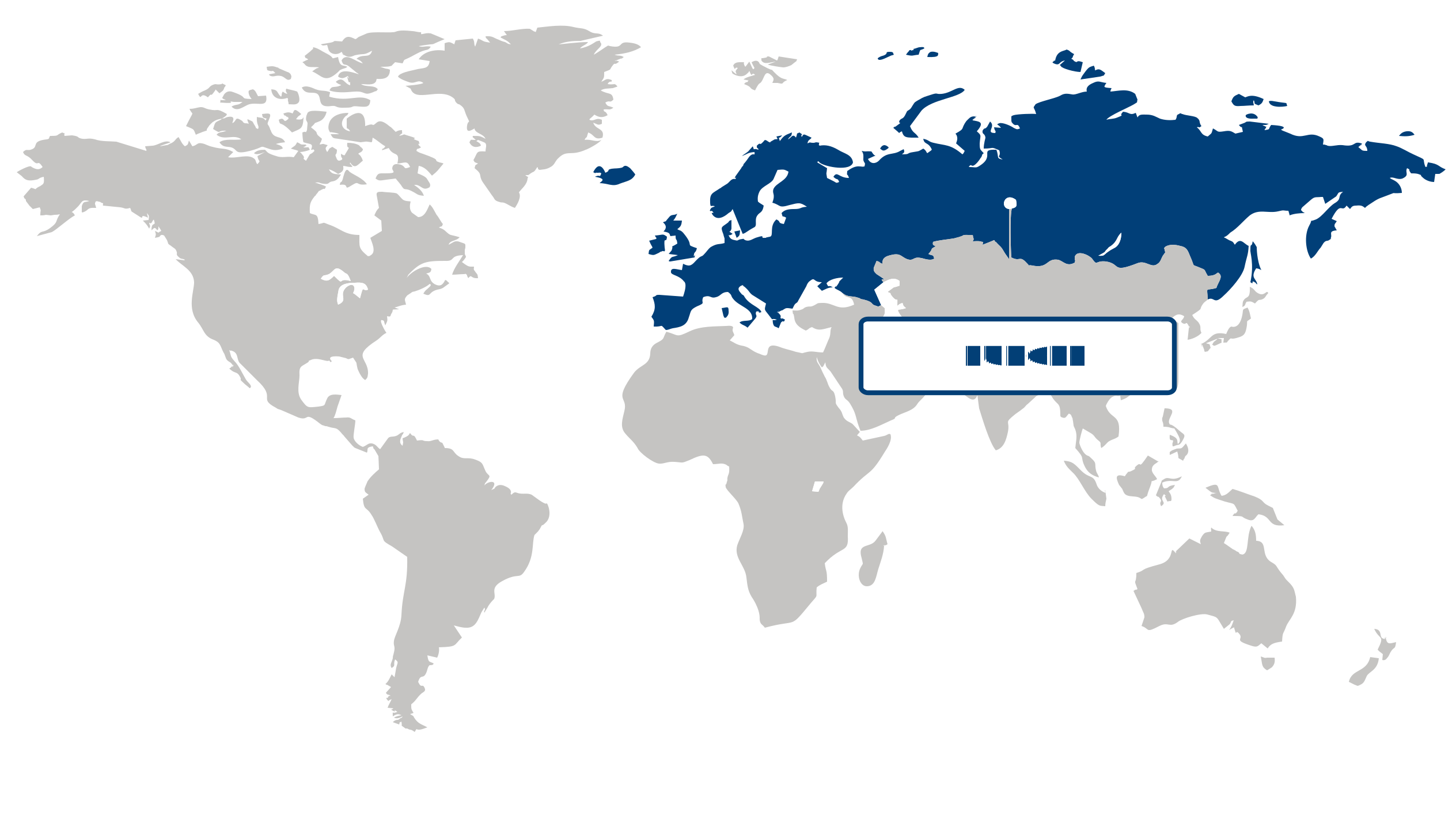
Largest Region
Europe
37.8% Market Share in 2025
Europe Market Statistics:
Europe represented more than 37.8% of the global aerosol packaging market in 2025, establishing itself as the largest and fastest-growing region. This dominance is largely driven by high demand in personal care and household products, where consumers increasingly favor convenient and efficient packaging solutions. The region's robust regulatory frameworks promote sustainability, encouraging manufacturers to innovate with eco-friendly materials and processes. Additionally, evolving consumer preferences towards premium products and the rise of e-commerce have reshaped spending patterns, propelling growth in the aerosol packaging sector. According to the European Aerosol Federation, the shift towards sustainable packaging practices is evident, as companies like Unilever and Procter & Gamble are prioritizing environmentally responsible packaging in their product offerings. As a result, Europe offers significant opportunities for investment and growth in the aerosol packaging market, driven by both consumer demand and regulatory support.
Germany anchors the European aerosol packaging market, characterized by a strong emphasis on sustainability and innovation. The country’s stringent environmental regulations have prompted local manufacturers to adopt advanced technologies that enhance product efficiency and reduce waste. For instance, the German Packaging Institute has reported that companies are increasingly investing in recyclable and biodegradable aerosol solutions to meet consumer expectations for sustainability. This focus on eco-friendly packaging not only aligns with regulatory requirements but also caters to the growing consumer preference for responsible brands. As a pivotal player, Germany's advancements in aerosol technology and commitment to sustainability position it as a key contributor to the region's overall market dynamics.
France plays a crucial role in the European aerosol packaging market, driven by a vibrant cosmetics and personal care sector that heavily utilizes aerosol solutions. The French government’s support for innovation in packaging technologies has led to a surge in the development of new aerosol products that cater to consumer trends for convenience and luxury. Major brands like L'Oréal have embraced aerosol packaging for their personal care lines, emphasizing both functionality and aesthetic appeal. This cultural inclination towards premium personal care products, combined with supportive regulatory frameworks, enhances France's competitive edge in the aerosol packaging market. The synergies between consumer demand and regulatory support in France further reinforce the overall growth trajectory of the European region.
Asia Pacific Market Analysis:
The Asia Pacific region emerged as the fastest-growing market in aerosol packaging, registering a robust CAGR of 7%. This rapid growth is primarily driven by the rising consumer goods market and urbanization, which are significantly reshaping demand dynamics. As urban centers expand, there is a notable shift in consumer preferences towards convenience and innovative packaging solutions, propelling the adoption of aerosol formats across various sectors including personal care, household products, and food and beverages. Additionally, the region's increasing focus on sustainability is prompting manufacturers to invest in eco-friendly packaging technologies, enhancing the overall appeal of aerosol products. Recent data from the Asia Pacific Packaging Federation highlights that the demand for sustainable packaging solutions is surging, further solidifying the region's importance in the global aerosol packaging landscape.
Japan plays a crucial role in the aerosol packaging market, characterized by its advanced technological capabilities and high consumer expectations. The country's strong orientation towards quality and innovation is evident in its adoption of sophisticated aerosol technologies, which cater to the growing demand for premium personal care products. According to the Japan Packaging Institute, the personal care segment is projected to witness a significant uptick in aerosol usage, driven by consumer preferences for convenience and effectiveness. Furthermore, Japan's regulatory environment, emphasizing safety and environmental standards, is pushing manufacturers to innovate while maintaining compliance. This strategic positioning allows Japan to not only meet domestic demands but also serve as a hub for exporting innovative aerosol solutions within the region.
China, as another key player in the Asia Pacific aerosol packaging market, is experiencing a transformative shift driven by rapid urbanization and an expanding middle class. The country's consumer behavior is evolving, with increased spending on personal care and household products that utilize aerosol packaging. The China National Packaging Federation reports that the aerosol market is projected to grow significantly due to rising disposable incomes and changing lifestyles. Additionally, the government's initiatives promoting green packaging solutions align with global sustainability trends, encouraging investments in eco-friendly aerosol technologies. China's competitive landscape is marked by both domestic and international players striving to capture market share, making it a dynamic environment for innovation and growth. Together, Japan and China exemplify the diverse opportunities within the Asia Pacific region, reinforcing its leadership in the global aerosol packaging market.
North America Market Trends:
The aerosol packaging market in North America held a commanding share, driven by an increasing focus on convenience and efficiency in consumer goods. This region's significance is underscored by its robust manufacturing capabilities, a strong regulatory framework promoting safety and sustainability, and evolving consumer preferences favoring eco-friendly products. Notably, the shift towards sustainable packaging solutions is becoming a pivotal factor as companies adapt to stricter environmental regulations and consumer demand for greener alternatives. Recent insights from the American Chemistry Council highlight the acceleration of technological advancements in aerosol packaging, enhancing production efficiency and reducing waste. The region's economic resilience further positions it as a fertile ground for innovation, offering substantial opportunities for growth in the aerosol packaging sector.
In the U.S., the aerosol packaging market is experiencing moderate growth, largely fueled by the booming personal care and household products sectors. The increasing consumer inclination towards ready-to-use products has led to a surge in demand for aerosolized formulations, as noted in a report by the Consumer Specialty Products Association. Additionally, regulatory support for sustainable practices has prompted many companies to invest in eco-friendly aerosol technologies, enhancing their market competitiveness. For example, Procter & Gamble's commitment to reducing plastic waste through innovative aerosol packaging solutions illustrates the alignment of corporate strategy with consumer values. This dynamic positions the U.S. as a critical player in the North American market, creating strategic opportunities for companies looking to capitalize on evolving consumer trends and regulatory landscapes.
No card data available for this language/report.
Segment Leadership and Growth Trends
Analysis by Material
The aerosol packaging market for materials is dominated by aluminum, which is projected to hold a commanding 56.65% share in 2025. This leadership stems from aluminum's infinite recyclability, aligning seamlessly with the growing sustainability goals in packaging. As consumers increasingly prioritize eco-friendly options, the demand for aluminum aerosols has surged, driven by brands like Unilever and Procter & Gamble that emphasize sustainable practices. This segment presents strategic advantages for established firms and emerging players, enabling them to capitalize on the trend towards environmentally responsible packaging solutions. Given the continuous advancements in recycling technologies and increasing regulatory support for sustainable materials, aluminum is expected to maintain its relevance in the near to medium term.
Analysis by Product Type
In the aerosol packaging market, cans have captured over 58.2% share in 2025, reflecting their lightweight and recyclable properties that enhance convenience in personal care applications. The preference for cans is bolstered by their ability to deliver a wide range of products efficiently, with companies like Colgate-Palmolive leveraging this format to meet consumer demand for portable solutions. This segment creates opportunities for both established brands and new entrants to innovate in product delivery and design. With ongoing trends towards convenience and sustainability, cans are likely to remain a preferred choice in the aerosol packaging landscape for the foreseeable future.
Analysis by Application
The aerosol packaging market for applications is significantly led by deodorants, which represented more than 26.25% of the market share in 2025. This segment's prominence is driven by rising hygiene awareness, which boosts demand for portable personal care formats among consumers. Major players like Henkel are responding to this trend by developing new deodorant formulations in aerosol formats that cater to evolving consumer preferences. The deodorant segment offers strategic advantages for both established companies and startups, allowing them to tap into the growing market for personal care products. As the focus on hygiene and personal wellness continues to grow, the deodorant application in aerosol packaging is expected to maintain its importance in the coming years.
| Report Segmentation | |||
| Segment | Sub-Segment | Largest Segment | Fastest Growing Segment |
|---|---|---|---|
| Material | Steel, Aluminum, Others | ||
| Product Type | Cans, Bottles, Jars, Cylinder, Others | ||
| Application | Deodorants, Insecticides, Greases & Lubricants, Cleaners, Inhaler, Sprayable Flavours, Others | ||
| End Use | Cosmetics and Personal Care, Household Products, Food and Beverage, Pharmaceutical, Paint and Coating, Automotive, Industrial, Others | ||
 Read our Research Approach
Competitive Landscape and Market Positioning
Key players in the aerosol packaging market include notable names such as Ball Corporation, Crown Holdings, Amcor, and AptarGroup, among others. These companies have established themselves as influential entities, leveraging their extensive experience and innovative capabilities to dominate the landscape. For instance, Ball Corporation is recognized for its commitment to sustainability and advanced manufacturing processes, while Crown Holdings has a strong reputation for its diverse product offerings and global reach. Amcor stands out with its focus on flexible packaging solutions, and AptarGroup is known for its pioneering dispensing technologies. Silgan Holdings, CCL Industries, Trivium Packaging, Ardagh Group, Toyo Seikan, and Sonoco further contribute to the competitive fabric of the market, each bringing unique strengths and strategic focus areas that enhance their market positioning and influence.
The competitive environment in the aerosol packaging market is characterized by dynamic strategic initiatives that reflect the ambitions of the top players. Companies are actively engaging in collaborative efforts and forging alliances to enhance their technological capabilities and broaden their product portfolios. For example, recent advancements in R&D have enabled firms to introduce innovative designs and eco-friendly materials, catering to the increasing demand for sustainable packaging solutions. Furthermore, mergers and acquisitions have been pivotal in consolidating market presence and expanding operational efficiencies. These actions not only bolster competitiveness but also drive innovation, as players seek to differentiate themselves in a rapidly evolving market landscape.
Strategic / Actionable Recommendations for Regional Players
In North America, players should consider forming partnerships with technology innovators to enhance their product offerings and streamline manufacturing processes. Collaborating with tech firms specializing in sustainable materials could lead to the development of environmentally friendly packaging solutions that resonate with consumer preferences.
In the Asia Pacific region, targeting high-growth sub-segments such as personal care and household products can yield significant opportunities. Engaging with local distributors and retailers to understand market dynamics will facilitate tailored solutions that meet regional demand, fostering deeper market penetration.
European players are encouraged to respond to competitive initiatives by investing in advanced manufacturing technologies that improve efficiency and reduce environmental impact. Establishing alliances with sustainability-focused organizations can also enhance brand reputation and align product development with evolving regulatory standards, positioning companies as leaders in responsible packaging.
Why Choose Us
Specialized Expertise: Our team comprises industry experts with a deep understanding of your market segment. We bring specialized knowledge and experience that ensures our research and consulting services are tailored to your unique needs.
Customized Solutions: We understand that every client is different. That's why we offer customized research and consulting solutions designed specifically to address your challenges and capitalize on opportunities within your industry.
Proven Results: With a track record of successful projects and satisfied clients, we have demonstrated our ability to deliver tangible results. Our case studies and testimonials speak to our effectiveness in helping clients achieve their goals.
Cutting-Edge Methodologies: We leverage the latest methodologies and technologies to gather insights and drive informed decision-making. Our innovative approach ensures that you stay ahead of the curve and gain a competitive edge in your market.
Client-Centric Approach: Your satisfaction is our top priority. We prioritize open communication, responsiveness, and transparency to ensure that we not only meet but exceed your expectations at every stage of the engagement.
Continuous Innovation: We are committed to continuous improvement and staying at the forefront of our industry. Through ongoing learning, professional development, and investment in new technologies, we ensure that our services are always evolving to meet your evolving needs.
Value for Money: Our competitive pricing and flexible engagement models ensure that you get maximum value for your investment. We are committed to delivering high-quality results that help you achieve a strong return on your investment.
Select Licence Type

