Agritourism Market Size & Forecasts 2026-2035, By Segments (Type), Growth Opportunities, Innovation Landscape, Regulatory Shifts, Strategic Regional Insights (U.S., Japan, China, South Korea, UK, Germany, France), and Competitive Dynamics (John Deere, AGCO Corporation, CNH Industrial, Kubota Corporation, CLAAS)
Jump to Content
Market Size and Growth Outlook
Agritourism Market size is set to grow from USD 9.79 billion in 2025 to USD 29.87 billion by 2035, reflecting a CAGR greater than 11.8% through 2026-2035. Industry revenues in 2026 are estimated at USD 10.82 billion.
Get more details on this report
Request Free Sample ReportAgritourism Market Intelligence Snapshot
Regional Market Dynamics
Segment Momentum
Market Expansion Drivers
Leading Market Participants
Global Market Forecast Snapshot
Market Outlook
Regional and Segment Outlook
Market Growth Drivers and Industry Trends
The agritourism market is being significantly shaped by consumers’ growing preference for immersive and authentic experiences. Travelers increasingly seek meaningful connections to rural life, local food production, and hands-on farm activities, driven by cultural shifts and lifestyle changes favoring sustainability and wellness. The U.S. Department of Agriculture highlights a surge in farm-stay programs and agritourism events, reflecting strong consumer interest. This trend allows established agritourism operators to diversify offerings beyond traditional tours, while new entrants can capitalize by developing niche experiences such as farm-to-table dining and educational workshops. Looking ahead, the market is poised to benefit from sustained demand for experiential travel as consumers prioritize unique, socially responsible adventures aligned with environmental consciousness.
Integration of Digital Platforms for Booking and Marketing
Digital transformation is rapidly advancing the agritourism market by enhancing accessibility and visibility through sophisticated online booking and marketing platforms. Companies like Airbnb and Viator have expanded their rural and farm experience listings, simplifying consumer access and broadening marketplace reach. This shift aligns with broader e-commerce trends and changing consumer behavior seeking convenience and real-time information. For incumbents, investing in seamless digital user experiences presents an opportunity to increase bookings and customer loyalty. Meanwhile, digital-native startups can leverage data analytics and targeted marketing to efficiently penetrate demand-driven segments. Continued digital integration will be essential for optimizing customer acquisition and operational scalability in an increasingly competitive agritourism landscape.
Regulatory Support for Rural Development and Tourism
Government initiatives promoting rural economic revitalization are fostering growth in the agritourism market by incentivizing infrastructure improvements and business formation. For instance, the European Commission’s Rural Development Program and India’s Ministry of Tourism schemes provide funding and policy frameworks encouraging agritourism ventures. These measures not only enhance local livelihoods but also attract private investment by reducing entry barriers. Established firms can benefit from expanded rural tourism infrastructure, while startups gain access to subsidies and advisory services. As regulatory bodies continue to prioritize sustainable rural tourism, the agritourism market will likely experience improved operational environments and increased appeal to socially conscious investors and strategic partners focused on rural regeneration.
Industry Restraints:
Stringent Regulatory Compliance and Zoning Restrictions
Regulatory challenges significantly restrict the expansion of agritourism by imposing complex compliance requirements and zoning limitations that vary widely by region. For instance, the U.S. Department of Agriculture (USDA) highlights that many farms face prolonged approval processes for visitor accommodations and activity permits, causing operational delays and increased overhead. These regulatory burdens disproportionately impact small and mid-sized operators, constraining their ability to diversify offerings or scale sustainably. Moreover, inconsistent local zoning laws, as noted by the American Farm Bureau Federation, create barriers for converting agricultural land to mixed-use agritourism purposes. Strategically, this inconsistency adds legal risk and forecasting difficulty for both established farms and new entrants aiming to innovate or expand. Looking ahead, unless policymakers adopt harmonized frameworks, regulatory friction will likely continue to slow market evolution, necessitating proactive stakeholder engagement to mitigate compliance delays.
Seasonality and Limited Consumer Engagement Windows
The intrinsic seasonality of agricultural cycles restricts agritourism’s profitability and growth potential by limiting visitor engagement to narrow timeframes aligned with harvests and favorable weather, as documented by the Food and Agriculture Organization (FAO). This season-dependent demand results in operational inefficiencies and underutilized capacity for many operators throughout the off-peak months. Consumer hesitation to engage year-round, compounded by unpredictable climate patterns reported by the World Meteorological Organization, further dampens revenue stability. Established players face challenges in smoothing cash flows, while newcomers struggle to attract consistent patronage beyond peak seasons. Consequently, market participants must invest strategically in diversified experiences or complementary offerings to buffer seasonality effects. This temporal constraint will continue shaping business models, incentivizing innovation in off-season programming and digital engagement to enhance year-round viability.
| Growth Driver | Impact on CAGR | Regulatory Influence | Geographic Relevance | Adoption Rate | Impact Timeline |
|---|---|---|---|---|---|
| Rising demand for experiential tourism and agritourism activities | 4.00% | Short term (≤ 2 yrs) | Europe, North America; Spillover: Asia Pacific | Low | Fast |
| Integration of digital platforms for booking and marketing | 3.50% | Medium term (2–5 yrs) | North America, Asia Pacific; Spillover: Europe | Medium | Moderate |
| Regulatory support for rural development and tourism | 4.30% | Long term (5+ yrs) | Europe, North America; Spillover: Asia Pacific | High | Slow |
Explore Growth Opportunities
Request Free Sample ReportRegional Demand Dynamics
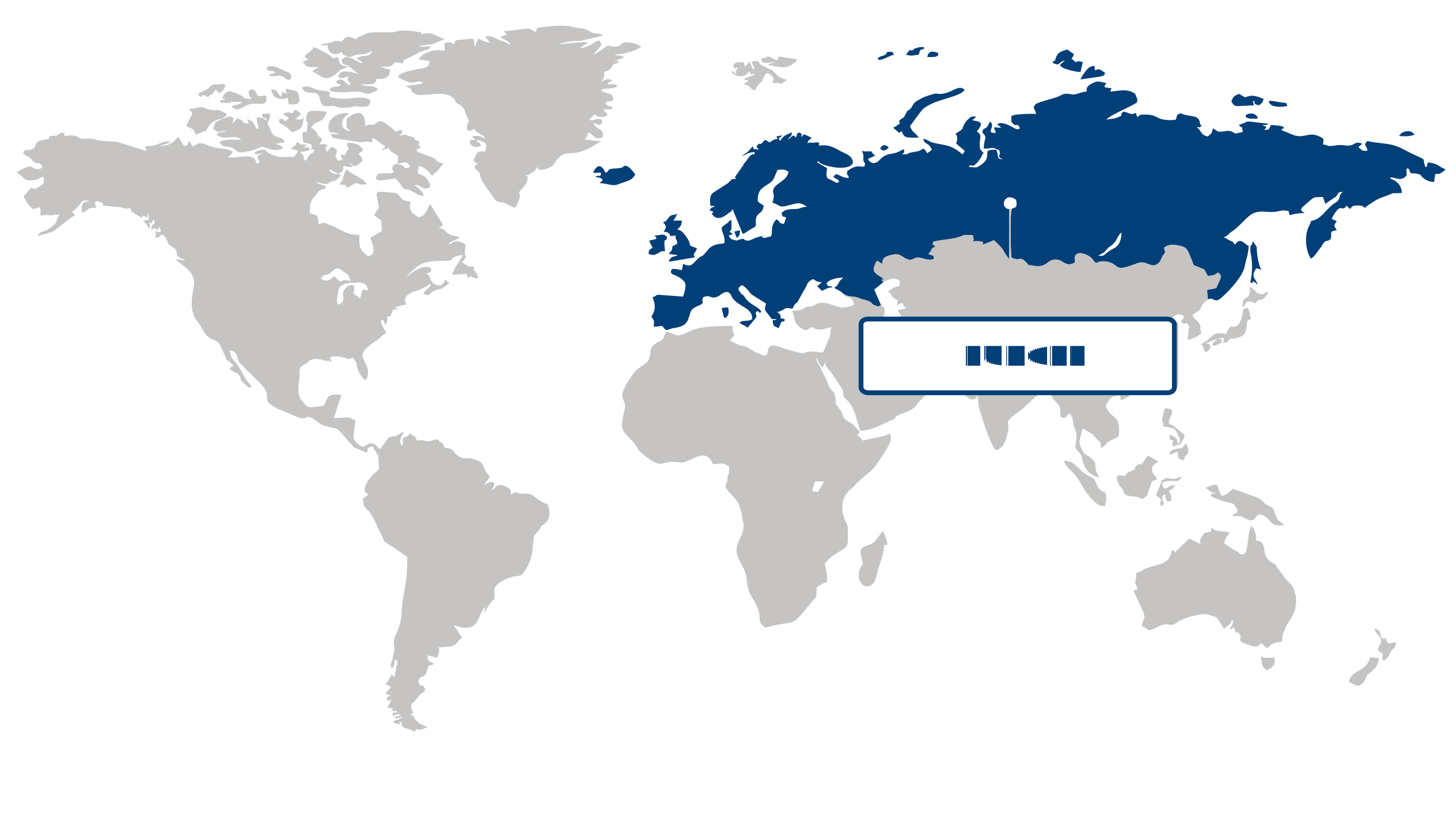
Europe dominated the agritourism market in 2025, representing more than 44% of the global share. This leadership is primarily driven by the region’s deep-rooted rural tourism culture and a surge in consumer preference for sustainable travel experiences. Countries across Europe have intensified efforts to integrate authentic local farming experiences with environmentally conscious tourism offerings, aligning with shifting consumer priorities as reported by the European Tourism Association. Government support through rural development programs, such as those by the European Network for Rural Development, has further propelled infrastructure and service enhancements. Additionally, digital platforms facilitating direct farm-to-visitor engagements are transforming operational models, enhancing market reach. With heightened consumer interest in eco-friendly, immersive travel experiences and ongoing regional policy support, Europe presents substantial growth potential for investors aiming to capitalize on evolving tourism dynamics within the agritourism market.
Germany anchors the European agritourism market, characterized by strong demand for experiential and sustainable leisure activities. German consumers increasingly seek farm stays and organic food experiences, supported by initiatives from the German Federal Ministry of Food and Agriculture promoting rural diversification. The country’s extensive network of certified eco-farms fosters high-quality offerings, reinforcing competitive positioning. France plays a complementary role, leveraging its diverse rural landscape and cultural heritage to attract agritourists. The French Ministry of Agriculture’s emphasis on sustainable rural tourism development and partnerships with organizations like Accueil Paysan enhance farm tourism visibility. Together, Germany and France’s strategic focus on sustainability and cultural authenticity strengthens Europe’s agritourism appeal, reinforcing regional market leadership and promising sustained investor interest.
Asia Pacific Market Analysis:
Asia Pacific emerged as the fastest-growing region in the agritourism market, registering a robust CAGR of 13.2%. This rapid expansion is primarily driven by rising disposable incomes, which have enhanced consumer spending power and elevated demand for unique, experience-based travel. Expanding domestic tourism further fuels this dynamic, as regional travelers increasingly seek immersive farm-based experiences that blend cultural heritage with recreational activities. Governments across Asia Pacific, including initiatives from the Japan Tourism Agency and China’s Ministry of Culture and Tourism, are promoting rural revitalization and sustainable agriculture, reinforcing this demand shift. Technological adoption and digital platforms facilitating bookings and marketing have improved access and engagement, while evolving consumer preferences toward authenticity and sustainability strengthen market resilience. This combination positions Asia Pacific as a critical hub for agritourism, offering investors significant growth opportunities driven by demographic diversity and expanding middle-class segments.
Japan anchors Asia Pacific’s agritourism market through its deep-rooted agricultural traditions and sophisticated tourism infrastructure. Rising domestic travel encouraged by campaigns from the Japan Tourism Agency has increased interest in farm stays and rural experiences, appealing to urban residents seeking respite and cultural connection. The country’s regulatory framework supports local producers and encourages sustainable rural tourism development, fostering competitive and innovative agritourism offerings. For example, initiatives like the Ministry of Agriculture, Forestry and Fisheries’ certification of farm-based accommodations enhance quality assurance and consumer trust. This well-integrated ecosystem positions Japan as a model for blending modern tourism demands with traditional agrarian lifestyles, reinforcing broader regional growth in agritourism.
China plays a pivotal role in Asia Pacific’s agritourism expansion, supported by rapid urbanization and rising disposable incomes. The Chinese government’s Rural Revitalization Strategy, as emphasized by the National Development and Reform Commission, has prioritized infrastructure development and promotion of farm-based tourism to stimulate rural economies. Domestic tourists are increasingly drawn to experiences involving organic farming, ecological tours, and cultural heritage, reflecting a shift towards sustainable and health-conscious leisure activities. Digital platforms such as Alibaba’s travel division enable seamless access and customization of agritourism products, enhancing market penetration. China’s vast rural population and growing middle class, combined with strategic policy backing, underscore its capacity to drive Asia Pacific’s agritourism growth, making it an indispensable market for investors and strategists.
North America Market Trends:
North America maintained a notable presence in the agritourism market, driven by evolving consumer preferences towards authentic rural experiences and sustainable travel. The region benefits from well-established farm infrastructure and a diverse agricultural landscape that appeals to a broad demographic seeking experiential tourism. According to the U.S. Department of Agriculture (USDA), rising interest in farm-to-table initiatives and educational farm visits has bolstered local agritourism ventures. Additionally, regional policies supporting rural development and digital platforms enhancing direct farmer-to-consumer engagement have further accelerated growth. The North American agritourism market’s adaptability amid economic uncertainties and increasing emphasis on environmental stewardship signals expanding opportunities for innovative agritourism models and technology integration in visitor engagement.
The U.S. plays a pivotal role in North America’s agritourism market, characterized by heightened consumer demand for immersive farm stays and hands-on agricultural activities. The U.S. Department of Agriculture’s Rural Development Program has been instrumental in providing grants and technical assistance, enabling farms to diversify income streams. Notably, initiatives in states like California and Vermont, highlighted by the American Farm Bureau Federation, showcase how agri-experiences tied to local organic farming and artisan food production attract both domestic and international travelers. This combination of strong policy support and consumer interest positions the U.S. to further catalyze regional growth by fostering innovation and expanding agritourism’s appeal across diverse market segments.
| Parameter | North America | Asia Pacific | Europe | Latin America | MEA |
|---|---|---|---|---|---|
| Innovation HubiScaleNascentDeveloping Advanced | |||||
| Cost-Sensitive RegioniScaleLowMedium High | |||||
| Regulatory EnvironmentiScaleRestrictiveNeutral Supportive | |||||
| Demand DriversiScaleWeakModerate Strong | |||||
| Development StageiScaleEmergingDeveloping Developed | |||||
| Adoption RateiScaleLowMedium High | |||||
| New Entrants / StartupsiScaleSparseModerate Dense | |||||
| Macro IndicatorsiScaleWeakStable Strong |
Agritourism Market Share (%), by Type, 2026
Go beyond the chart, access full insights & data tables
Request Free Sample ReportEvent & Recreation represented the largest share in the agritourism market in 2025, reflecting the robust consumer demand for experiential and outdoor recreation travel that immerses tourists in rural lifestyles and diverse agritourism activities. This segment leads due to its appeal among travelers seeking authentic experiences tied to nature and community engagement. Increasing interest in sustainable tourism and cultural immersion complements this growth, supported by promotional efforts from organizations such as the United States Department of Agriculture (USDA) that emphasize farm-based recreational offerings. The segment also benefits from expanded supply chains enabling diversified packages and collaborations between farms and local event planners. For established companies and startups, Event & Recreation presents opportunities to innovate customer experiences and leverage digital platforms for broader outreach. Given the sustained consumer preference for active, experience-based travel, this segment is poised to maintain its critical role in agritourism market dynamics.
| Segment | Sub-Segment | Largest Segment | Fastest Growing |
|---|---|---|---|
| Type | Education & Experience, Direct-Market, Event & Recreation |
Unlock insights tailored to your business with our bespoke market research solutions.
Click to get your customized report now.
Competitive Landscape and Market Positioning
The competitive landscape is characterized by targeted collaborations and resource optimization among these leaders, enabling novel service offerings and enhanced operational efficiencies. Strategic acquisitions and alliances enrich their portfolios, allowing adaptation to shifting consumer preferences in experiential agriculture. Innovative investments in technology and sustainable practices empower differentiation and resilience amid evolving market needs. This dynamic fosters an environment where continuous enhancement of user experience and commitment to environmental concerns underpin competitive advantage.
Strategic / Actionable Recommendations for Regional Players
In North America, leveraging partnerships with technology startups focusing on immersive agritourism experiences can enhance offerings. Embracing digital platforms to personalize visitor engagement and extending product-service integration would reinforce market position against established incumbents.
For Asia Pacific, tapping into the rising domestic leisure travel trend by aligning with local agricultural communities can expand reach. Incorporating smart farming technologies to offer educational visits may captivate tech-savvy and eco-conscious consumer segments, thereby differentiating regional players.
European participants should deepen cooperation across agritourism value chains, emphasizing sustainable models that resonate with environmentally conscious visitors. Advancing R&D in low-impact farming techniques and tailoring services to cultural heritage tourism will likely improve competitiveness and attract diverse clientele.
| Company | Market Share | Company Revenue | Revenue CAGR (%) | Product Portfolio | Geographic Presence | Innovation / R&D Focus | Strategic Developments |
|---|---|---|---|---|---|---|---|
| No companies available. | |||||||
Customize Your Report
Explore examples of how this report can be tailored to different research needs, including custom segments, additional topics or chapters, and related reports. Click a section of the wheel or its numbered marker to explore the available options.
Agritourism Market — Custom Segments
| Segment | Sub-Segment |
|---|---|
| No segment data available. | |
Agritourism Market — Custom TOC
| Custom Chapter | Chapter Details |
|---|---|
| No custom TOC data available. | |
Need a different cut of the data?
Request Custom ResearchFrequently Asked Questions
How is the agritourism industry projected to perform over the next decade?
Which territory dominates the agritourism market share rankings?
Who is driving the fastest regional growth in the agritourism sector?
Why does event & recreation sub-segment dominate the type segment of agritourism sector?
Which organizations are considered leaders in the agritourism landscape?
Our Clients
"The report provided us with a clear direction, and the level of detail was beyond what we expected. I would definitely recommend their services to others."
Haier Appliances
"The collaboration with Fundamental Business Insights has added significant value to our decision-making process, and we look forward to continuing this partnership for our future market research requirements."
Luxottica Group S.p.A.
"The team at FBI delivered an exceptional research report. The insights on industry innovations were particularly impressive and added a lot of value to the overall report."
Nike
Our Research Team & Methodology
Every Fundamental Business Insights report is built by a dedicated vertical research team, validated through a structured primary-and-secondary methodology, and reviewed for accuracy before it reaches you.
This report was prepared by the Consumer Goods & Services Research Team at Fundamental Business Insights, a dedicated research group specializing in global consumer markets, retail industries, and service-oriented businesses. The team closely tracks evolving consumer preferences, purchasing behavior, product innovation, brand strategies, retail and e-commerce developments, pricing trends, distribution channels, sustainability initiatives, demographic shifts, and changing lifestyle patterns to deliver timely and reliable market intelligence. The research is developed using a structured methodology that combines primary discussions with manufacturers, brand owners, retailers, distributors, service providers, industry experts, and other key stakeholders, along with company annual reports, government consumer statistics, regulatory publications, industry associations, retail market data, trade publications, and other authoritative secondary sources. Market estimates are validated through multiple research techniques, including top-down and bottom-up analysis, before undergoing an internal quality review to ensure accuracy, consistency, and methodological integrity prior to publication.
Delivery
Published
Available
Support
- Market Size & Forecast
- Market Segmentation
- Regional Analysis
- Growth Drivers & Challenges
- Market Dynamics
- Competitive Landscape
- Company Profiles
- Competitive Benchmarking
- Mergers & Acquisitions
- Market Share Analysis or Key Company Strategies
- Value Chain Analysis
- Porter's Five Forces
- PESTLE Analysis
- Pricing Trends
- Supply-Demand Analysis
- Technology Landscape
- Regulatory Landscape
- Investment & Funding Landscape
- Emerging Opportunities
- Future Market Outlook