Air Powered Vehicle Market Size & Forecasts 2026-2035, By Segments (Energy Mode, Vehicle Type), Growth Opportunities, Innovation Landscape, Regulatory Shifts, Strategic Regional Insights (U.S., Japan, China, South Korea, UK, Germany, France), and Competitive Dynamics (AirPod, Tata Motors, Zero Pollution Motors, MDI, Peugeot)
Jump to Content
Market Size and Growth Outlook
Air Powered Vehicle Market size is likely to expand from USD 379.46 million in 2025 to USD 14.05 billion by 2035, posting a CAGR above 43.5% across 2026-2035. The industry’s revenue potential for 2026 is USD 531.22 million.
Get more details on this report
Request Free Sample ReportAir Powered Vehicle Market Intelligence Snapshot
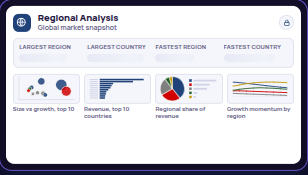
Regional Market Dynamics
Segment Momentum
Market Expansion Drivers
Leading Market Participants
Global Market Forecast Snapshot
Market Outlook
Regional and Segment Outlook
Market Growth Drivers and Industry Trends
The air powered vehicle market is evolving rapidly due to breakthroughs in compressed air vehicle technology, which allow vehicles to operate without traditional fuel sources. Companies like Tata Motors have demonstrated prototypes that use compressed air as the primary propulsion method, underscoring the shift toward cleaner alternatives aligned with tightening emissions regulations globally. This spurs a dual incentive: vehicle manufacturers can differentiate themselves by integrating novel propulsion systems, while fresh entrants can capitalize on lower barriers to innovation compared to internal combustion engines. The industry's move towards commercial viability signals increasing investor confidence and sets the stage for broader adoption, particularly as early adopters prove concept feasibility and reliability in real-world applications.
Advancements in Energy-Efficient Air Compression and Storage Systems
Energy efficiency improvements in air compression and storage systems are critical to the air powered vehicle market’s progression. Innovations reported by organizations such as the Fraunhofer Institute for Energy Economics enhance the energy retention and pressure capabilities of air tanks, significantly increasing vehicle range and reducing operational costs. These technical strides address historical limitations of compressed air vehicles, improving consumer appeal by offering more competitive performance metrics. For incumbents, integrating these systems boosts their portfolio’s sustainability credentials, while startups benefit from emerging modular solutions that can be rapidly deployed. As regulatory bodies increasingly incentivize energy-efficient transport modes, these innovations will underpin the mainstreaming of air powered vehicles.
Large-Scale Adoption in Urban Mobility and Fleet Solutions
The air powered vehicle market is gaining traction through expanding adoption in urban mobility and fleet segments, driven by municipal policies targeting pollution and noise reduction. Cities like Paris and Amsterdam, via transport authorities, have initiated pilot programs integrating compressed air vehicles into public transit and delivery fleets. This shift responds to growing consumer preference for eco-friendly transport combined with logistical demands for cost-effective, low-maintenance fleets. Established automotive firms are forming public-private partnerships to leverage these initiatives, while startups have opportunities to introduce specialized models tailored to short-range urban use. Continued government support and evolving urban transport infrastructure will sustain momentum in this sector, fostering sustained demand and further industry collaboration.
Industry Restraints:
High Energy Storage and Efficiency Limitations
The core technical challenge of air powered vehicles lies in their relatively low energy density and efficiency compared to conventional and electric alternatives. Compressed air tanks struggle to store sufficient energy for long-range travel or sustained performance, limiting operational viability. According to research from the International Energy Agency (IEA), current compressed air storage systems require bulky, heavy tanks that constrain vehicle design and payload capacity, dampening consumer appeal. This inefficiency creates cost and range anxieties, hindering mainstream adoption and deterring significant R&D investment from major automakers. Established manufacturers face steep retrofitting costs, while startups battle ongoing technical bottlenecks. Given ongoing attempts to improve materials and compressor technologies reported by companies like Air Energy Systems, incremental advances are expected, but fundamental physics will likely keep these constraints active over the near to medium term, slowing widespread market penetration.
Regulatory and Safety Compliance Challenges
Stringent safety regulations concerning high-pressure air storage impose considerable barriers to air powered vehicle commercialization. Regulatory bodies such as the U.S. Department of Transportation and the European Union’s ECE have enacted detailed standards to mitigate explosion and leakage risks, requiring costly certifications and extensive testing. These compliance demands increase time-to-market and elevate production expenses, disproportionately affecting smaller entrants unable to absorb such regulatory overhead. Established automakers with greater capital can navigate these hurdles but remain cautious, often prioritizing electric or hybrid technologies with clearer regulatory pathways. As public safety remains paramount, evolving standards will continue to shape certification complexity, preserving this restraint as a persistent market factor. Strategic collaboration between industry consortia and regulators, alongside technological innovation in lightweight, fail-safe containment systems, will be critical to easing this burden in the coming years.
| Growth Driver | Impact on CAGR | Regulatory Influence | Geographic Relevance | Adoption Rate | Impact Timeline |
|---|---|---|---|---|---|
| Development and commercialization of compressed air vehicle technology | 12.00% | Short term (≤ 2 yrs) | Europe, North America; Spillover: Asia Pacific | Medium | Fast |
| Advancements in energy-efficient air compression and storage systems | 15.00% | Medium term (2–5 yrs) | North America, Europe; Spillover: Asia Pacific | Medium | Moderate |
| Large-scale adoption in urban mobility and fleet solutions | 10.00% | Long term (5+ yrs) | Europe, Asia Pacific; Spillover: North America | Low | Moderate |
Go beyond the chart, access full insights & data tables
Request Free Sample ReportRegional Demand Dynamics

North America dominated with over 45% share of the global air powered vehicle market in 2025, driven largely by substantial R&D investments in zero-emission alternative propulsion technologies and the establishment of supportive urban air mobility guidelines. As the largest regional market, North America benefits from a confluence of advanced technological innovation hubs, progressive regulatory frameworks, and increased consumer readiness for sustainable mobility solutions. Organizations such as NASA and the Federal Aviation Administration have actively collaborated to develop safety and operational standards that facilitate urban air vehicle integration. Leading aerospace companies like Honeywell and Boeing continue to accelerate innovation, while municipal policies in cities like Los Angeles and Toronto focus on integrating air powered vehicles into public transit networks, underscoring a vibrant ecosystem for growth. These dynamics position North America as a critical market offering significant opportunities for investors and manufacturers in advancing next-gen mobility.
The United States anchors the North American air powered vehicle market through its unparalleled commitment to research and development and a robust regulatory environment. The Federal Aviation Administration’s recently updated urban air mobility framework has laid a foundation for safe and scalable deployment of air powered vehicles, fostering partnerships with OEMs like Joby Aviation and Archer Aviation. Consumer acceptance is strongly influenced by rising demand for green transportation options amid tightening emission norms. Moreover, venture capital funding and government grants incentivize innovation clusters, especially in California and Texas, further catalyzing industry momentum. This blend of regulatory foresight, financial support, and consumer trends reinforces the U.S. as the principal driver in North America’s air powered vehicle landscape, unlocking broader regional growth prospects.
Asia Pacific Market Analysis:
Asia Pacific emerged as the fastest-growing region in the air powered vehicle market, registering a robust CAGR of 60%. This exceptional growth is largely driven by rapid urbanization and the expansion of advanced compressed-air research facilities in emerging economies across the region. The surge in urban populations has intensified demand for eco-friendly and cost-effective transportation options, driving manufacturers and governments to prioritize sustainable mobility solutions. Countries like China and India have intensified investments in air-powered vehicle technologies, supported by public-private partnerships that aim to reduce pollution and traffic congestion. For instance, the Japan Automobile Research Institute highlighted advancements in compressed-air propulsion that are rapidly moving from laboratories to commercial-ready applications. The Asia Pacific region’s blend of technological innovation, expanding urban markets, and heightened environmental awareness positions it as a critical hub for air powered vehicle market growth in the coming years.
Japan plays a pivotal role in the Asia Pacific air powered vehicle market as a leader in technological innovation and infrastructure development. Japan’s commitment to integrating advanced compressed-air technologies into its automotive sector is reflected in initiatives led by the New Energy and Industrial Technology Development Organization (NEDO), which supports research collaborations between automakers and academic institutions. Japanese consumers’ preference for fuel-efficient and low-emission vehicles aligns with the country’s ambitious sustainability targets set forth by the Ministry of Economy, Trade and Industry. This strategic focus has fostered increased adoption of air powered vehicles in metropolitan areas like Tokyo and Osaka, reinforcing Japan’s position as a technology incubator that accelerates regional market growth.
China’s evolving air powered vehicle market is marked by aggressive urbanization and a strong emphasis on clean energy technologies, making it a cornerstone of Asia Pacific’s growth trajectory. The Chinese government’s push under its “New Energy Vehicle” policy has stimulated significant investment in compressed-air vehicle research, with institutions such as Tsinghua University pioneering practical applications. This aligns with rising consumer demand for affordable and environmentally friendly transportation amid the country’s sprawling urban centers. Additionally, competitive dynamics among domestic manufacturers have fueled innovation and cost reductions, further expanding market penetration. China’s integration of air powered vehicles into public transit fleets and shared mobility schemes underscores the country’s strategic importance and complements broader regional expansion in this sector.
Europe Market Trends:
Europe maintained a notable presence in the air powered vehicle market, driven by increasing urbanization and heightened environmental awareness among consumers and policymakers. The region’s emphasis on reducing vehicular emissions and improving air quality has encouraged adoption of innovative transportation solutions, with air powered vehicles gaining traction as a sustainable alternative. Regulatory frameworks spearheaded by entities like the European Union, promoting low-emission mobility, alongside investments in advanced manufacturing and clean technology sectors, have strengthened market dynamics. Additionally, Europe’s well-established logistics networks and a skilled workforce have facilitated integration of air powered vehicles into public and private transportation fleets, a trend evident from announcements by companies such as PSA Group and Airbus Urban Mobility. This confluence of regulatory support, technological innovation, and shifting consumer preferences positions Europe for significant advances in the air powered vehicle market in the near term.
Germany holds a central role within the European air powered vehicle market, reflecting strong industrial capabilities and proactive government incentives targeting clean mobility solutions. Public and private sector collaboration, exemplified by programs from the German Federal Ministry for Economic Affairs and Climate Action, has accelerated research and deployment of air powered transportation, responding to growing consumer demand for eco-friendly vehicles. Germany’s automotive sector giants like Bosch and BMW have begun exploring air-powered propulsion technologies for urban mobility, enhancing competitive intensity and innovation. This robust ecosystem not only reinforces Germany’s leadership in the market but also anchors broader European adoption patterns, making it a strategic hub for scaling air powered vehicle initiatives across the continent.
France contributes significantly to the European air powered vehicle market through progressive sustainability policies and supportive infrastructure development, which have boosted regional growth momentum. The French government, via the Ministry of Ecological Transition, has launched several initiatives encouraging low-emission vehicles, accompanied by funding for pilot projects in metropolitan areas such as Paris and Lyon. Renault’s recent ventures into alternative propulsion models underscore the market’s alignment with changing consumer preferences toward cleaner urban transport. France’s focus on integrating air powered vehicles within existing public transit systems and its ongoing digital transformation in mobility services underscore its role as a vital growth engine, reinforcing Europe’s overall advancement in this sector.
| Parameter | North America | Asia Pacific | Europe | Latin America | MEA |
|---|---|---|---|---|---|
| Innovation HubiScaleNascentDeveloping Advanced | |||||
| Cost-Sensitive RegioniScaleLowMedium High | |||||
| Regulatory EnvironmentiScaleRestrictiveNeutral Supportive | |||||
| Demand DriversiScaleWeakModerate Strong | |||||
| Development StageiScaleEmergingDeveloping Developed | |||||
| Adoption RateiScaleLowMedium High | |||||
| New Entrants / StartupsiScaleSparseModerate Dense | |||||
| Macro IndicatorsiScaleWeakStable Strong |
Air Powered Vehicle Market Share (%), by Energy Mode, 2026
Unlock insights tailored to your business with our bespoke market research solutions.
Click to get your customized report now.
Go beyond the chart, access full insights & data tables
Request Free Sample ReportSingle energy mode represented the largest share in the air powered vehicle market in 2025, driven primarily by its simpler design and lower production costs compared to dual energy alternatives. This segment appeals to cost-conscious customers and fleet operators seeking reliable, easy-to-maintain vehicles, aligning with global sustainability agendas that prioritize affordable green mobility solutions. Regulatory bodies like the European Environment Agency have highlighted the benefits of streamlined incentives for simpler clean-energy vehicles, reinforcing market confidence. The competitive landscape favors manufacturers capable of scaling production efficiently while minimizing complexity, thereby accelerating adoption. Strategic entry into this segment offers firms steady demand from urban and short-range applications. Given ongoing supply chain optimizations and increasing environmental regulations, single energy mode vehicles are positioned to sustain their relevance, maintaining appeal for diverse consumer groups focused on practical, eco-friendly urban transport.
Analysis by Vehicle Type
Passenger cars held the largest share in the air powered vehicle market in 2025, propelled by higher consumer acceptance and growing demand for air-powered passenger vehicles. Increasing urbanization and shifting consumer priorities toward sustainability have elevated passenger cars as preferred options for clean mobility, supported by numerous pilot projects spearheaded by companies like Tata Motors and initiatives from the Indian Ministry of Heavy Industries. The segment benefits from digital advancements in vehicle control systems and manufacturing, enhancing user experience and operational efficiency. Moreover, lifestyle trends emphasizing environmental consciousness among younger demographics reinforce demand. This segment provides ample opportunity for both established automakers and emerging innovators to capitalize on evolving mobility patterns. With continued regulatory focus on emission reductions and increasing infrastructure for alternative transportation, passenger air-powered vehicles are set to retain prominence in the near to medium term.
| Segment | Sub-Segment | Largest Segment | Fastest Growing |
|---|---|---|---|
| Energy Mode | Single Energy Mode, Dual Energy Mode | ||
| Vehicle Type | Passenger Car, LCV, HCV |
Competitive Landscape and Market Positioning
The competitive landscape is intensely dynamic, with these companies engaging in a range of initiatives to enhance their market foothold. Strategic collaborations and technology sharing between automotive veterans and emerging innovators are driving accelerated product development cycles. Investments in research and development are yielding advances in air compression efficiency and lightweight materials. New model launches by firms like AirPod and BlueMotion reflect an emphasis on user-centric designs and operational affordability, while alliances spanning multiple regions facilitate broader market access and technology exchange. These moves collectively sharpen the competitive edge and deepen technological differentiation among leading firms.
Strategic / Actionable Recommendations for Regional Players
In North America, stakeholders could benefit from forging partnerships that combine technological innovation with established distribution networks. Embracing modular air propulsion components may address a growing demand for customization and cost-effectiveness in urban mobility.
Within the Asia Pacific, leveraging the region’s manufacturing capabilities alongside a focus on emerging urban centers can boost penetration. Alliances focused on integrating air powered vehicles with smart city infrastructure and electric mobility trends would nurture a competitive edge.
European players might strengthen their position by focusing on sustainability credentials and regulatory compliance. Collaborations targeting niche sub-segments such as light commercial vehicles and last-mile delivery can capitalize on evolving logistical needs while reinforcing environmental commitments.
| Company | Market Share | Company Revenue | Revenue CAGR (%) | Product Portfolio | Geographic Presence | Innovation / R&D Focus | Strategic Developments |
|---|---|---|---|---|---|---|---|
| No companies available. | |||||||
Customize Your Report
Explore examples of how this report can be tailored to different research needs, including custom segments, additional topics or chapters, and related reports. Click a section of the wheel or its numbered marker to explore the available options.
Air Powered Vehicle Market — Custom Segments
| Segment | Sub-Segment |
|---|---|
| No segment data available. | |
Air Powered Vehicle Market — Custom TOC
| Custom Chapter | Chapter Details |
|---|---|
| No custom TOC data available. | |
Need a different cut of the data?
Request Custom ResearchFrequently Asked Questions
How will the air powered vehicle industry grow in terms of size and CAGR by 2035?
What is the leading region in terms of air powered vehicle market share?
Who is driving the fastest regional growth in the air powered vehicle sector?
Why does single energy mode sub-segment dominate the energy mode segment of air powered vehicle sector?
How does passenger car segment fare in the air powered vehicle industry?
What are the key competitors in the air powered vehicle landscape?
Our Clients
"The team surpassed our expectations with the report depth. The actionable insights provided proved crucial in navigating market challenges."
Tata Motors
"We found the report to be very informative. The expertise and attention to market nuances significantly influenced our business direction."
DENSO Corporation
"The consumer survey findings were quite good. We now have a clearer picture of the customer churning and retention strategy."
HL Mando
Our Research Team & Methodology
Every Fundamental Business Insights report is built by a dedicated vertical research team, validated through a structured primary-and-secondary methodology, and reviewed for accuracy before it reaches you.
Delivery
Published
Available
Support
- Market Size & Forecast
- Market Segmentation
- Regional Analysis
- Growth Drivers & Challenges
- Market Dynamics
- Competitive Landscape
- Company Profiles
- Competitive Benchmarking
- Mergers & Acquisitions
- Market Share Analysis or Key Company Strategies
- Value Chain Analysis
- Porter's Five Forces
- PESTLE Analysis
- Pricing Trends
- Supply-Demand Analysis
- Technology Landscape
- Regulatory Landscape
- Investment & Funding Landscape
- Emerging Opportunities
- Future Market Outlook