Algae-Based Animal Feed Market Size & Growth Forecast 2027–2036, By Segments (Form, Source, Animal Type), Regional Demand Trends (North America, Asia Pacific, Europe), Key Country Insights (U.S., Japan, South Korea, Germany, France, Italy), and Competitive Landscape
Jump to Content
Market Size and Growth Outlook
Algae-Based Animal Feed Market size was more than USD 4.8 billion in 2026 and is set to grow at a 4.21% CAGR between 2027 and 2036, crossing USD 7.25 billion by 2036. The industry revenue for 2027 is calculated at USD 4.97 billion.
Get more details on this report
Request Free Sample ReportAlgae-Based Animal Feed Market Intelligence Snapshot
Regional Market Dynamics
- Europe leads through sustainable agriculture initiatives, an established animal nutrition industry, and growing interest in alternative feed ingredients that support nutritional performance and reduce environmental impacts.
- Expanding aquaculture and livestock production, rising animal protein demand, and investments in algae cultivation and processing are creating opportunities for sustainable feed ingredients and specialized nutrition solutions.
Segment Momentum
- Powder accounted for 56.75% of the market in 2026 and is also the fastest-growing form, offering convenient storage, transportation, and blending with conventional feed formulations while delivering concentrated nutritional benefits.
- Microalgae leads and is the fastest-growing source segment because it provides proteins, essential fatty acids, vitamins, minerals, and other bioactive compounds, supporting demand for nutrient-rich alternative ingredients in animal nutrition.
Market Expansion Drivers
- Adoption of sustainable animal feed alternatives.
- Expansion of aquaculture & livestock sectors.
- Long-term R&D in algae-based feed formulations.
Leading Market Participants
- Top companies in the algae-based animal feed market include Algatech (Israel), AlgaEnergy (Spain), Cyanotech Corporation (USA), Corbion (Netherlands), Dunaliella Biotech (Israel), Green Plains Inc. (USA), Krebs Biochemicals (USA), Nutraceutical Corporation (USA), Valagro (Italy), Solazyme (USA).
Global Market Forecast Snapshot
Market Outlook
- 2026 Market Size: USD 4.8 billion
- 2027 Estimated Market Size: USD 4.97 billion
- Projected Market Size: USD 7.25 billion by 2036
- Growth Forecast: 4.21% CAGR (2027-2036)
Regional and Segment Outlook
- Leading Regional Market: Europe
- High-Growth Regional Hub: Asia Pacific
- Core Revenue Segment: Form (Powder) | Source (Microalgae) | Animal Type (Aquaculture)
- Emerging Opportunity Segment: Form (Powder) | Source (Microalgae) | Animal Type (Aquaculture)
Market Growth Drivers and Industry Trends
Adoption of Sustainable Animal Feed Alternatives
Increasing emphasis on sustainable food production is encouraging the adoption of algae-based alternatives as animal feed ingredients. Algae can provide proteins, lipids, vitamins, minerals, and other bioactive compounds while offering an alternative source of nutrition to conventional feed ingredients. Growing concerns regarding resource efficiency, environmental impact, and feed sustainability are encouraging producers to explore algae-based formulations as part of more resilient animal nutrition strategies.
Expansion of Aquaculture & Livestock Sectors
The expansion of aquaculture and livestock production is increasing demand for efficient and nutritionally balanced animal feed solutions. Algae-based ingredients can provide valuable nutrients that support animal growth, health, and feed quality across different production systems. Increasing efforts to improve feed efficiency and diversify ingredient sources are creating opportunities for algae-based formulations, particularly as producers seek alternatives that can complement conventional feed materials.
Long-Term R&D in Algae-Based Feed Formulations
Ongoing research and development is improving the nutritional functionality and application potential of algae-based animal feed. Researchers and feed producers are exploring different algae species, cultivation approaches, processing techniques, and formulation strategies to improve digestibility, nutrient availability, and consistency. Continued innovation is helping address formulation challenges and supporting the broader integration of algae-derived ingredients into animal nutrition systems.
| Growth Driver | Impact on CAGR | Regulatory Influence | Geographic Relevance | Adoption Rate | Impact Timeline |
|---|---|---|---|---|---|
| Adoption of sustainable animal feed alternatives | 1.5% | Short term (≤ 2 yrs) | Europe; North America; spillover Asia Pacific | Medium | Fast |
| Expansion of aquaculture & livestock sectors | 1.2% | Medium term (2–5 yrs) | Asia Pacific; Europe | Low | Moderate |
| Long-term R&D in algae-based feed formulations | 1.4% | Long term (5+ yrs) | North America; Europe | Low | Slow |
Explore Growth Opportunities
Request Free Sample ReportRegional Demand Dynamics
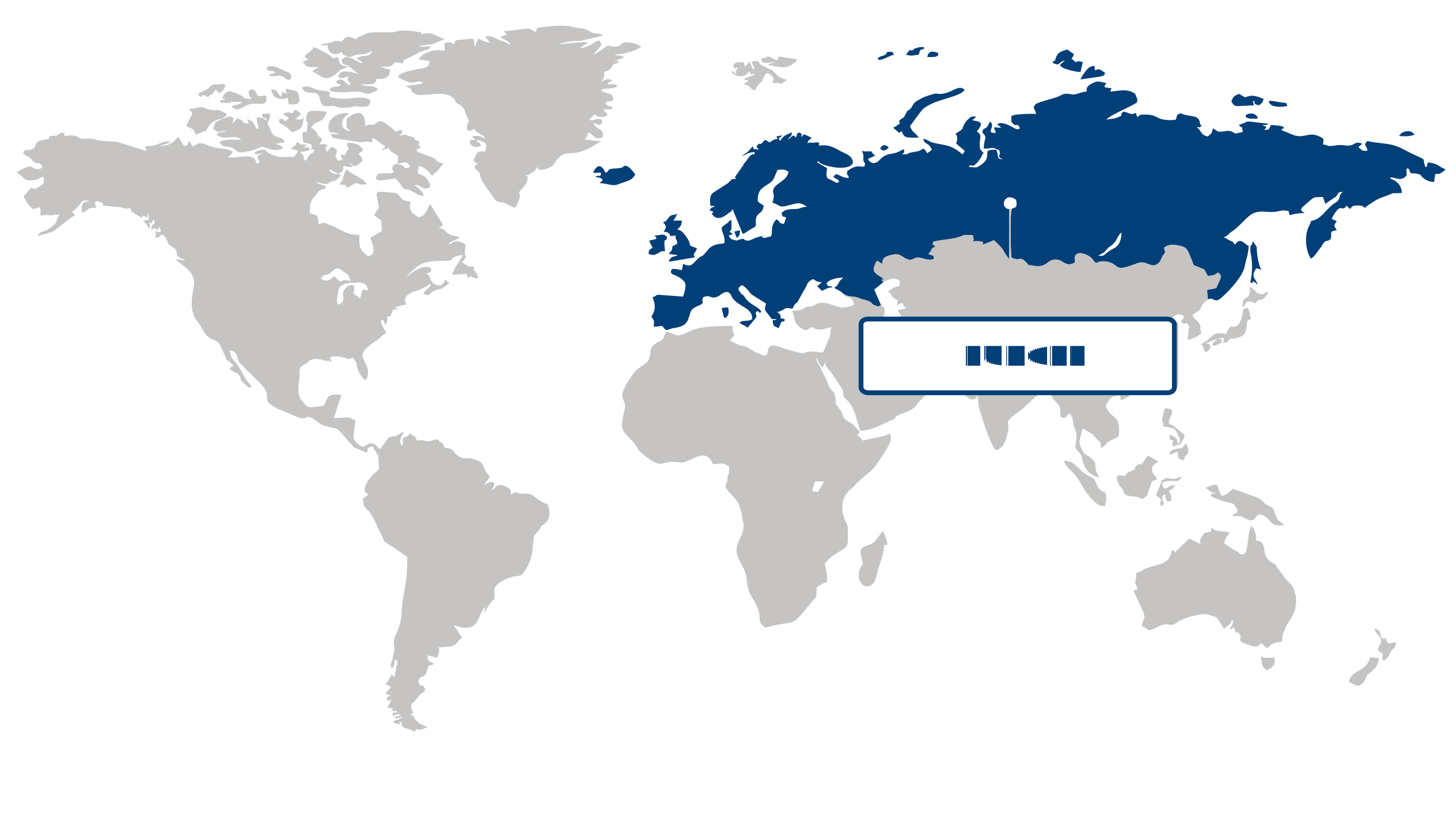
Europe (Largest Region)
The Europe algae-based animal feed market holds the largest regional position, supported by a strong focus on sustainable agriculture, growing interest in alternative feed ingredients, and increasing emphasis on reducing the environmental footprint of livestock production. The region's established animal nutrition industry and sustainability-oriented agricultural practices are creating opportunities for algae-derived ingredients as sources of protein, lipids, pigments, and other valuable nutrients. Algae-based feed ingredients are attracting attention for their potential to improve feed formulations while reducing dependence on conventional agricultural feed resources. Growing interest in responsible livestock production and the efficient use of natural resources is encouraging feed manufacturers to explore alternative ingredients that support nutritional performance and environmental objectives. In addition, the region's focus on feed quality, animal welfare, and agricultural innovation is supporting research into algae cultivation, processing, and commercial applications.
Asia Pacific (Fastest-Growing Region)
The Asia Pacific algae-based animal feed market is expected to grow at the fastest pace, driven by expanding livestock and aquaculture production, rising demand for high-quality animal protein, and increasing interest in sustainable feed ingredients. The region's extensive aquaculture industry creates opportunities for algae-derived ingredients that can contribute essential nutrients, improve feed formulation, and support the nutritional requirements of farmed aquatic species. Growing demand for poultry, livestock, and seafood products is encouraging producers to improve feed efficiency and explore alternative nutritional inputs. Algae cultivation also offers potential advantages in resource utilization and the development of specialized feed ingredients, supporting interest among feed manufacturers seeking to diversify their raw material sources. In addition, expanding research into algae-based nutrition and the development of commercial cultivation and processing capabilities are helping broaden potential applications. Continued growth in aquaculture, rising awareness of sustainable animal nutrition, and increasing investment in alternative feed technologies are expected to support the region's market expansion.
| Parameter | North America | Asia Pacific | Europe | Latin America | MEA |
|---|---|---|---|---|---|
| Innovation HubiScaleNascentDeveloping Advanced | |||||
| Cost-Sensitive RegioniScaleLowMedium High | |||||
| Regulatory EnvironmentiScaleRestrictiveNeutral Supportive | |||||
| Demand DriversiScaleWeakModerate Strong | |||||
| Development StageiScaleEmergingDeveloping Developed | |||||
| Adoption RateiScaleLowMedium High | |||||
| New Entrants / StartupsiScaleSparseModerate Dense | |||||
| Macro IndicatorsiScaleWeakStable Strong |
Key Country Insights
United States 🇺🇸
Scalable Feed IntegrationThe U.S. market provides a strong commercial setting for integrating algae-based ingredients into animal feed formulations, particularly where producers seek alternative nutritional inputs. Priorities include formulation consistency, reliable sourcing, feed compatibility, and practical integration into established livestock and aquaculture production systems.
Germany 🇩🇪
Sustainable Feed FormulationGermany offers a market environment where algae-based animal feed can align with growing attention to resource-efficient and sustainable feed inputs. Commercial priorities include demonstrating formulation practicality, maintaining nutritional consistency, and integrating algae ingredients into established feed manufacturing processes.
Japan 🇯🇵
Aquaculture Feed ApplicationsJapan provides a relevant setting for algae-based animal feed applications through its established seafood production and demand for specialized feed inputs. Suppliers should focus on nutritional functionality, formulation consistency, and feed solutions that can integrate efficiently into aquaculture operations.
South Korea 🇰🇷
Aquaculture Ingredient AdoptionSouth Korea's algae-based animal feed market can benefit from practical adoption in aquaculture-oriented applications and demand for differentiated feed ingredients. Market priorities include reliable ingredient quality, compatibility with commercial feed formulations, and solutions that support efficient production practices.
France 🇫🇷
Sustainable Nutrition InputsFrance presents opportunities for algae-based feed ingredients where sustainability considerations intersect with animal nutrition requirements. Companies should prioritize dependable formulation performance, traceable sourcing, and practical feed applications that allow producers to incorporate alternative ingredients without disrupting established feeding practices.
Italy 🇮🇹
Specialty Feed ApplicationsItaly provides scope for algae-based animal feed through specialized nutritional applications and interest in alternative feed ingredients. Commercial attention can center on formulation versatility, consistent ingredient quality, and targeted applications where algae-derived inputs add nutritional value to established feed products.
Algae-Based Animal Feed Market Share (%), by Form, 2026
Go beyond the chart, access full insights & data tables
Request Free Sample ReportForm Segment Analysis: Powder (Largest & Fastest-Growing Segment)
The powder form accounted for a 56.75% share of the algae-based animal feed market in 2026 and is also expected to register the fastest growth over the forecast period. Powdered algae-based feed offers practical advantages in handling, storage, transportation, and incorporation into animal diets, supporting its widespread adoption across feed applications. Its concentrated nutrient profile, ease of blending with conventional feed formulations, and compatibility with different feeding systems make powder a convenient format for producers seeking functional and nutritionally enriched feed solutions. Growing interest in sustainable feed ingredients is further supporting demand for algae-derived products, as algae can provide valuable proteins, lipids, vitamins, minerals, and other bioactive compounds. These characteristics are strengthening the role of powdered algae-based feed as both a widely adopted and rapidly expanding form in the market.
Source Segment Analysis: Microalgae (Largest & Fastest-Growing Segment)
Microalgae represents the largest and fastest-growing source segment in the algae-based animal feed market, supported by its broad nutritional and functional potential across animal feed applications. Microalgae can provide proteins, essential fatty acids, pigments, vitamins, minerals, and other bioactive components, making it increasingly relevant as producers seek alternative ingredients that can enhance the nutritional value of feed. Its ability to be cultivated under controlled conditions also supports interest in microalgae as a scalable and sustainable feed resource. Increasing attention toward reducing dependence on conventional feed ingredients, improving feed quality, and incorporating nutrient-rich alternative sources is expected to encourage greater utilization of microalgae in animal nutrition, reinforcing its strong position in the source segment.
Animal Type Segment Analysis: Aquaculture (Largest & Fastest-Growing Segment)
Aquaculture represents the largest and fastest-growing animal type segment in the algae-based animal feed market, reflecting the increasing relevance of algae-derived ingredients in aquatic nutrition. Algae can supply important nutrients and functional compounds that support balanced feed formulations for farmed aquatic species, while also providing an alternative source of proteins, lipids, vitamins, and other beneficial nutrients. The expanding focus on sustainable aquaculture practices is encouraging the adoption of feed ingredients that can help reduce pressure on conventional marine and terrestrial resources. In addition, the need for nutritionally efficient feeds that support growth and overall animal performance is contributing to greater interest in algae-based solutions, positioning aquaculture as a key application area for continued market development.
| Segment | Sub-Segment | Largest Segment | Fastest Growing |
|---|---|---|---|
| Form | Powder, Liquid | Powder | Powder |
| Source | Microalgae, Macroalgae (seaweed) | Microalgae | Microalgae |
| Animal Type | Aquaculture, Poultry, Ruminants, Swine, Pets, Others | Aquaculture | Aquaculture |
Unlock insights tailored to your business with our bespoke market research solutions.
Click to get your customized report now.
Competitive Landscape and Market Positioning
Analyst Perspective:
Unlocking commercial scale in microalgae feed hinges on translating high protein density and omega-3 enrichment into predictable, cost-competitive livestock outcomes. While nutrient concentration and gut health optimization elevate algae above baseline protein substitutes, adoption ultimately depends on cultivation photobioreactor economics. Producers must achieve batch-to-batch nutritional consistency while aligning capital and operating expenses against traditional feed benchmarks on a cost-per-nutrient basis. Suppliers that balance scalable bioreactor economics with validated bio-availability will capture key growth opportunities in specialized animal nutrition.
Key companies in the algae-based animal feed market:
- Algatech (Israel)
- AlgaEnergy (Spain)
- Cyanotech Corporation (USA)
- Corbion (Netherlands)
- Dunaliella Biotech (Israel)
- Green Plains Inc. (USA)
- Krebs Biochemicals (USA)
- Nutraceutical Corporation (USA)
- Valagro (Italy)
- Solazyme (USA)
| Company | Market Share | Company Revenue | Revenue CAGR (%) | Product Portfolio | Geographic Presence | Innovation / R&D Focus | Strategic Developments |
|---|---|---|---|---|---|---|---|
| Algatech (Israel) | |||||||
| AlgaEnergy (Spain) | |||||||
| Cyanotech Corporation (USA) | |||||||
| Corbion (Netherlands) | |||||||
| Dunaliella Biotech (Israel) | |||||||
| Green Plains Inc. (USA) | |||||||
| Krebs Biochemicals (USA) | |||||||
| Nutraceutical Corporation (USA) | |||||||
| Valagro (Italy) | |||||||
| Solazyme (USA) |
Industry Development/News
| Company Name | Date | Key Development |
|---|---|---|
| Cellana | October 2024 | Cellana announced a merger with PhytoSmart to establish an integrated algae cultivation and processing platform. This strategic combination pairs Hawaiian production facilities with established European distribution networks to strengthen commercial scalability and operational reach within the market ecosystem. |
| Brevel | January 2024 | Brevel opened a new commercial facility with a production capacity of one hundred tons to manufacture microalgal protein concentrates. The site produces a white powdered concentrate containing 60 to 70% microalgal protein along with high-value co-products designed to compete directly with alternative plant proteins. |
| BioMar | February 2022 | BioMar increased its utilization of microalgae as an operational ingredient in fish feed production. This transition follows extensive research and development studies focused on integrating sustainable algae-based inputs into commercial aquaculture feed formulations. |
| Veramaris | May 2021 | Veramaris opened an algal oil facility in Nebraska supported by an investment of USD 200 million. This manufacturing plant enables large-scale commercial production of algal oil specifically targeted for use in aquaculture feed, expanding regional production capacity and supply chain availability. |
Customize Your Report
Explore examples of how this report can be tailored to different research needs, including custom segments, additional topics or chapters, and related reports. Click a section of the wheel or its numbered marker to explore the available options.
Algae-Based Animal Feed Market — Custom Segments
| Segment | Sub-Segment |
|---|---|
| Nutritional Function | Protein supplementation, Lipid and fatty acid supplementation, Pigment supplementation, Functional and bioactive supplementation |
| Feed Type | Complete feed, Concentrated feed, Feed additives and supplements |
| Production Method | Cultivated algae, Harvested wild algae, Fermentation-based algae production |
Algae-Based Animal Feed Market — Custom TOC
| Custom Chapter | Chapter Details |
|---|---|
| Algae Feedstock Security Strategy |
|
| Feed-Mill Integration & Buyer Adoption |
|
| Commercial Scale-Up & Financing Landscape |
|
Need a different cut of the data?
Request Custom ResearchFrequently Asked Questions
How big is the algae-based animal feed market?
How will the algae-based animal feed industry grow in terms of size and CAGR by 2036?
How is the shift toward sustainable nutrition influencing adoption of algae-based animal feed?
How is R&D improving the commercial integration of algae-based feed ingredients?
Why is powdered algae-based feed gaining market share?
How is microalgae supporting growth in the algae-based animal feed market?
Why does Europe lead the algae-based animal feed market?
What is accelerating algae-based animal feed market growth in Asia Pacific?
Who are the leading players in the algae-based animal feed landscape?
Our Clients
"The report provided a thorough look at market trends, technological advancements, and the competitive landscape. The depth of insights was really valuable."
ITC Limited
"We would highly recommend Fundamental Business Insights & Consulting to anyone looking for reliable, detailed, and comprehensive market research in the Food industry."
Tyson Foods
"The clarity and presentation of the information were commendable. The report was delivered timely, which made the overall experience smooth and convenient."
Mondelēz International
Our Research Team & Methodology
Every Fundamental Business Insights report is built by a dedicated vertical research team, validated through a structured primary-and-secondary methodology, and reviewed for accuracy before it reaches you.
This report was prepared by the Food & Beverage Research Team at Fundamental Business Insights, a dedicated research group specializing in the global food, beverage, ingredients, and food processing industries. Our analysts continuously monitor evolving consumer preferences, product innovation, ingredient developments, food safety regulations, manufacturing technologies, supply chain dynamics, pricing trends, sustainability initiatives, and changing retail and foodservice landscapes to deliver timely and reliable market intelligence. The research is developed using a structured methodology that combines primary discussions with food manufacturers, ingredient suppliers, distributors, retailers, industry experts, and other key stakeholders, along with company annual reports, regulatory publications, government trade statistics, food safety authorities, industry associations, technical publications, and other authoritative secondary sources. Market estimates are validated through multiple research techniques, including top-down and bottom-up analysis, before undergoing an internal quality review to ensure accuracy, consistency, and methodological integrity prior to publication.
Delivery
Published
Available
Support
- Market Size & Forecast
- Market Segmentation
- Regional Analysis
- Growth Drivers & Challenges
- Market Dynamics
- Competitive Landscape
- Company Profiles
- Competitive Benchmarking
- Mergers & Acquisitions
- Market Share Analysis or Key Company Strategies
- Value Chain Analysis
- Porter's Five Forces
- PESTLE Analysis
- Pricing Trends
- Supply-Demand Analysis
- Technology Landscape
- Regulatory Landscape
- Investment & Funding Landscape
- Emerging Opportunities
- Future Market Outlook