Aluminum Oxide Market Size & Forecasts 2026-2035, By Segments (Application, Structural Form Type), Growth Opportunities, Innovation Landscape, Regulatory Shifts, Strategic Regional Insights (U.S., Japan, China, South Korea, UK, Germany, France), and Competitive Dynamics (Alcoa, Rusal, Rio Tinto, Baosteel, Sumitomo Chemical)
Jump to Content
Market Size and Growth Outlook
Aluminum Oxide Market size is anticipated to rise from USD 6.5 billion in 2025 to USD 10.59 billion by 2035, reflecting a CAGR surpassing 5% over the forecast horizon of 2026-2035. The estimated revenue for 2026 is USD 6.78 billion.
Get more details on this report
Request Free Sample ReportAluminum Oxide Market Intelligence Snapshot
Regional Market Dynamics
Segment Momentum
Market Expansion Drivers
Leading Market Participants
Global Market Forecast Snapshot
Market Outlook
Regional and Segment Outlook
Market Growth Drivers and Industry Trends
The expanding use of aluminum oxide in abrasives and refractory materials is significantly shaping the aluminum oxide market. Demand for durable abrasives in manufacturing and construction sectors is rising, driven by industrial modernization and stricter quality standards. The International Labour Organization highlights increasing industrial activity in sectors requiring precision abrasive materials, fueling this trend. Refractory applications benefit from heightened demand in steel-making and glass production, where aluminum oxide's heat resistance is crucial. This evolution opens opportunities for producers to innovate and cater to specialized industrial needs, supporting product differentiation. Established players can leverage their supply chain efficiency, while new entrants may explore niche abrasives or refractory segments. Continued investment in product performance improvements will be central as industries seek sustainable and efficient materials aligned with evolving environmental regulations.
Advances in High-Purity Aluminum Oxide Production
Technological innovations in producing high-purity aluminum oxide are redefining competitiveness within the aluminum oxide market. Companies like Alcoa and Krosaki Harima have publicized breakthroughs in refining processes that enhance particle uniformity and impurity control, addressing stringent industrial requirements such as electronic and pharmaceutical manufacturing. This capability aligns with rising consumer preferences for materials that support high-performance and eco-friendly products, as reflected in the U.S. Environmental Protection Agency’s initiatives on material purity standards. These advances enable market players to create premium product lines commanding higher margins and foster entry into specialized sectors. Moving forward, stakeholders focusing on R&D partnerships and intellectual property protection will gain a strategic edge as purity standards and application complexity grow.
Infrastructure and Automotive Growth in Asia Pacific
Rapid infrastructure development and automotive production in the Asia Pacific region are key growth drivers in the aluminum oxide market. Data from the Asian Development Bank illustrate substantial investments in urban transport and smart city projects, elevating demand for aluminum oxide in abrasive tools, ceramics, and catalysis applications essential for construction and vehicle manufacturing. Simultaneously, automotive manufacturers such as Tata Motors and Hyundai have publicly committed to integrating advanced lightweight materials to meet efficiency regulations, increasing raw material consumption. This dynamic creates strategic opportunities for local producers to scale capacity and for global firms to partner with regional suppliers to optimize logistics. The market will continue to be shaped by regulatory shifts favoring sustainable materials and the ongoing economic expansion within Asia Pacific’s manufacturing hubs.
Industry Restraints:
Environmental and Regulatory Compliance Costs
Stringent environmental regulations on mining and refining aluminum oxide pose a significant constraint on market expansion. The extraction process involves energy-intensive operations and generates substantial waste, prompting agencies like the U.S. Environmental Protection Agency (EPA) to impose strict emission limits and waste management standards. These mandates increase operational costs and delay project approvals, affecting both incumbent producers such as Alcoa and emerging players. Compliance complexities also necessitate investments in cleaner technologies, which not all firms can readily afford, thus creating barriers to entry. Going forward, tightening global environmental standards, especially in Europe and North America, will sustain pressure on manufacturers to innovate toward greener processes or risk financial and reputational penalties, curbing rapid market growth.
Volatility in Bauxite Supply Chains
Dependence on bauxite, the primary raw material for aluminum oxide, exposes the market to supply chain disruptions that restrain development. Political instability in major bauxite-producing countries like Guinea, where Société Minière de Boké operates, periodically restricts ore availability, leading to procurement uncertainties and price volatility. Shipping delays and infrastructure gaps further exacerbate supply risks, impacting manufacturers such as Norsk Hydro who rely on steady feedstock inflows. These challenges complicate long-term planning and limit the ability of companies to scale production efficiently. Given persistent geopolitical and logistical vulnerabilities, market participants must prioritize diversification and supply chain resilience to mitigate disruptions and sustain operations in an increasingly uncertain environment.
| Growth Driver | Impact on CAGR | Regulatory Influence | Geographic Relevance | Adoption Rate | Impact Timeline |
|---|---|---|---|---|---|
| Growth in abrasives & refractory applications | 2.00% | Short term (≤ 2 yrs) | North America, Europe | Medium | Fast |
| Advances in high-purity aluminum oxide production | 1.50% | Medium term (2–5 yrs) | Asia Pacific, Europe | Low | Moderate |
| Infrastructure and automotive growth in Asia Pacific | 1.50% | Long term (5+ yrs) | Asia Pacific; Spillover: North America | Low | Moderate |
Explore Growth Opportunities
Request Free Sample ReportRegional Demand Dynamics
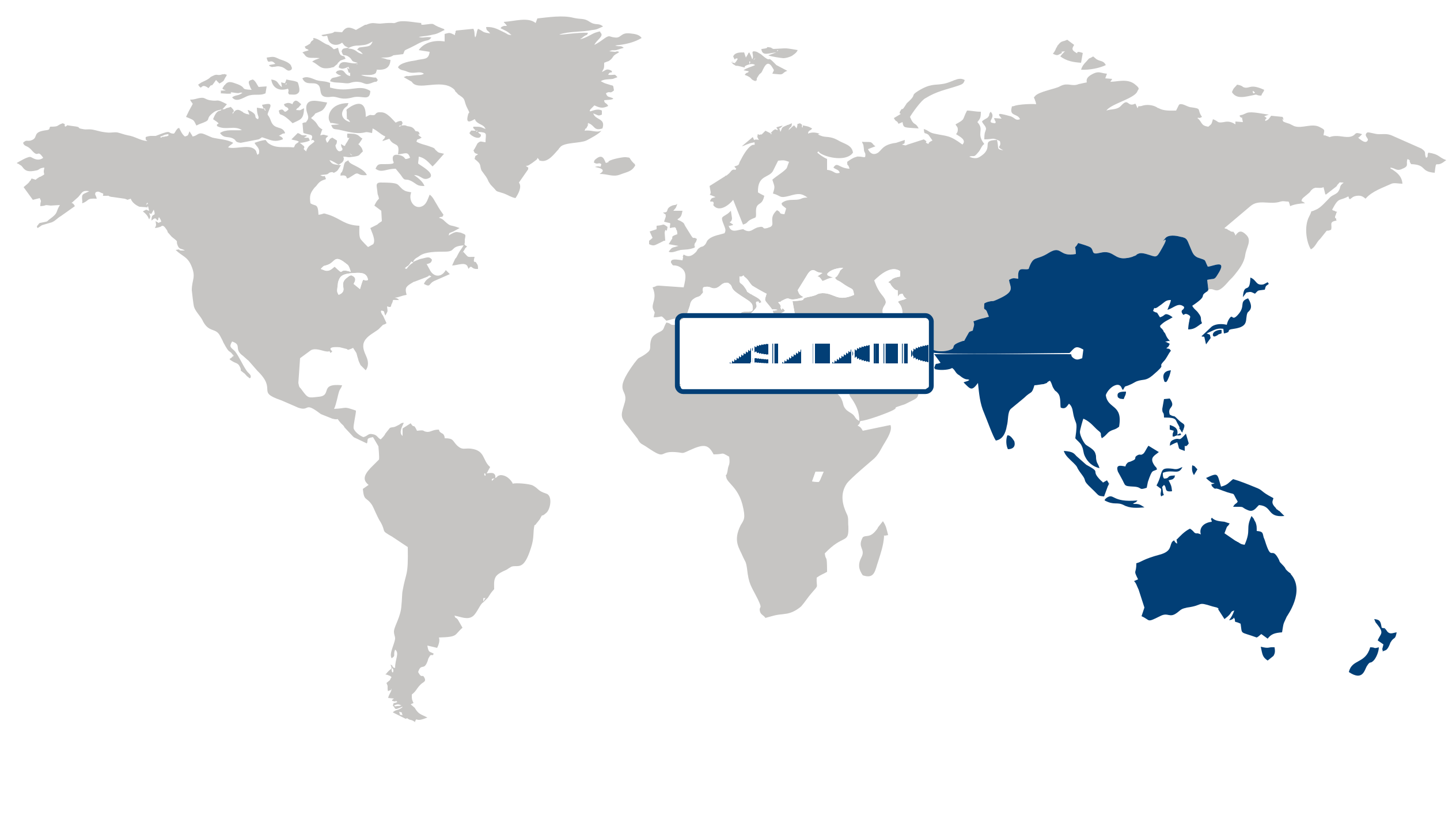
Asia Pacific dominated the aluminum oxide market in 2025, capturing more than 60.2% of the global share while also emerging as the fastest-growing region with a 5.8% CAGR. This leadership stems largely from the region’s strong presence of major market players and sprawling manufacturing hubs, which underpin robust production and supply chain efficiency. For instance, China’s industrial policies promoting downstream value addition—highlighted by the Ministry of Industry and Information Technology of China—have accelerated investments in advanced processing facilities. Concurrently, Japan’s emphasis on innovation in materials science through organizations like the Japan Aluminium Association advances product quality and application diversity. These dynamics align with shifting demand patterns favoring high-purity aluminum oxide in electronics and automotive sectors, reinforced by rising sustainability standards that encourage material efficiency. With such integrated capabilities and evolving consumer demands, the Asia Pacific region presents substantial opportunities for investors and strategists aiming to capitalize on expanding applications and regional resilience.
Japan is positioned as a pivotal hub in the Asia Pacific aluminum oxide market, leveraging its technological edge and regulatory environments that incentivize innovation. The Japan Aluminium Association’s recent initiatives promoting eco-friendly manufacturing reflect broader domestic policies focused on sustainability and energy efficiency, aiding companies like Sumitomo Chemical in developing high-grade alumina products. This focus enhances Japan’s competitiveness in specialized sectors such as semiconductors and electric vehicles, where demand for superior aluminum oxide is intensifying. Consequently, Japan not only anchors regional innovation but also sets benchmarks that ripple across Asia Pacific’s industrial landscape, supporting the region’s strategic growth.
China drives the Asia Pacific aluminum oxide market through its expansive manufacturing infrastructure and government-backed capacity expansions. As documented by the China Nonferrous Metals Industry Association, industrial clusters across provinces such as Shandong and Henan have attracted multinational firms and integrated advanced production lines, enabling economies of scale and cost competitiveness. Coupled with China’s tightening environmental regulations fostering cleaner technologies, leading players like China Hongqiao Group have upgraded their operations to meet higher standards, thus strengthening market credibility. This centralized production strength combined with domestic demand from automotive and electronics industries fortifies China’s role as the region’s production powerhouse, reinforcing Asia Pacific’s dominant stance in the global aluminum oxide market.
Europe Market Analysis:
Europe held a commanding share in the aluminum oxide market, reflecting its established industrial base and evolving demand dynamics. The region’s prominence is driven by its extensive manufacturing sector, especially in automotive, aerospace, and electronics industries that require high-purity aluminum oxide for coatings, abrasives, and insulators. Europe's commitment to sustainability and circular economy principles, reinforced through stringent regulations from the European Chemicals Agency (ECHA) and policies under the European Green Deal, has prompted manufacturers to adopt cleaner production methods, enhancing competitive positioning. Additionally, advancements in operational technologies within Germany and France contribute to efficient supply chains and product innovation, supported by collaborations with institutions like the Fraunhofer Society. These factors, combined with robust consumer preferences for high-quality, eco-friendly materials, underscore Europe’s resilience amidst global disruptions. This strategic integration of regulatory compliance and technological advancement positions Europe to maintain its pivotal role in the aluminum oxide market in coming years.
Germany plays a pivotal role as a primary driver of Europe’s aluminum oxide market, leveraging its advanced manufacturing infrastructure and rigorous environmental standards. Demand in automotive and electrical component sectors is particularly strong, fueled by Germany’s leadership in electric vehicle production and industrial automation, supported by initiatives from the Federal Ministry for Economic Affairs and Energy. Leading companies such as BASF and SGL Carbon have enhanced their aluminum oxide offerings through innovation in nano-materials and sustainable sourcing, reinforcing Germany’s influence on product quality and environmental stewardship. This blend of cutting-edge research and stringent regulations elevates market standards and supply chain reliability, positioning Germany as a linchpin in Europe’s aluminum oxide landscape, fostering opportunities for growth and sustainable innovation across the continent.
France contributes significantly to Europe’s aluminum oxide market through its growing aerospace and electronics segments, which prioritize high-performance materials. Regulatory oversight from the French Agency for Food, Environmental and Occupational Health & Safety (ANSES) ensures compliance with environmental and safety policies, encouraging manufacturers to optimize production processes and reduce carbon footprints. Companies like Imerys have expanded their footprint by adopting advanced refining technologies and collaborating with research entities such as CNRS to improve product efficiency and sustainability. French consumer demand increasingly favors eco-conscious products, influencing supply chain transparency and the prioritization of recyclable materials. France’s strategic approach to innovation and regulatory adherence strengthens Europe’s competitive edge, reinforcing regional opportunities and enhancing the overall aluminum oxide market’s growth trajectory.
North America Market Trends:
North America maintained a substantial share in the aluminum oxide market, driven by the region’s robust industrial infrastructure and evolving manufacturing landscape. The U.S.’s emphasis on advanced manufacturing and growing demand in aerospace and automotive sectors have notably heightened consumption of high-purity aluminum oxide. Concurrently, regulatory shifts promoting sustainable production and emission reductions have pushed companies like Alcoa Corporation to invest heavily in greener technologies, enhancing operational efficiencies. The integration of digital technologies to optimize supply chains and quality control, combined with a talented workforce adept in high-tech manufacturing, has reinforced North America’s competitive edge. According to the U.S. Geological Survey, increasing domestic production capacity supports the region's resilience amid supply chain disruptions. These dynamics position North America to capitalize on technological advancements and escalating demand for specialty aluminum oxide grades, unlocking substantial growth prospects over the near term.
The U.S. serves as the pivotal player in the aluminum oxide market within North America, propelled by significant industrial demand and stringent environmental policies influencing production methods. Leading manufacturers such as Reynolds American have adopted cutting-edge electrochemical techniques, supporting both quality enhancement and regulatory compliance. The aerospace sector’s expansion, underscored by the Federal Aviation Administration’s push for lightweight materials, has intensified demand for high-grade aluminum oxide ceramics and abrasives. Furthermore, government incentives through the Department of Energy for sustainable manufacturing practices foster innovation and reduce the industry’s carbon footprint, as reported in their recent press releases. These country-specific dynamics affirm the U.S. as a cornerstone of North America’s aluminum oxide market, where continued investments and regulatory alignment will advance regional opportunities and set benchmarks for sustainability-driven growth.
| Parameter | North America | Asia Pacific | Europe | Latin America | MEA |
|---|---|---|---|---|---|
| Innovation HubiScaleNascentDeveloping Advanced | |||||
| Cost-Sensitive RegioniScaleLowMedium High | |||||
| Regulatory EnvironmentiScaleRestrictiveNeutral Supportive | |||||
| Demand DriversiScaleWeakModerate Strong | |||||
| Development StageiScaleEmergingDeveloping Developed | |||||
| Adoption RateiScaleLowMedium High | |||||
| New Entrants / StartupsiScaleSparseModerate Dense | |||||
| Macro IndicatorsiScaleWeakStable Strong |
Aluminum Oxide Market Share (%), by Application, 2026
Go beyond the chart, access full insights & data tables
Request Free Sample ReportThe abrasive segment held the largest share in the aluminum oxide market in 2025, driven primarily by robust demand for high-hardness materials essential to metal fabrication and surface finishing. This leadership reflects the segment’s alignment with industrial trends favoring precision machining and enhanced durability, especially in automotive and aerospace sectors, where regulatory standards on product quality and sustainability are increasingly stringent. According to Saint-Gobain, a global abrasives manufacturer, innovations in ultra-fine alumina abrasives have bolstered product efficiency, meeting higher customer expectations for performance and longevity. The abrasive segment offers strategic advantages for both incumbents and new entrants through opportunities in specialty abrasives tailored to emerging manufacturing technologies. With ongoing advancements in surface engineering and the rise of automated production lines, the abrasive segment is poised to maintain its dominant role in serving diverse industrial end-markets.
Analysis by Structural Form Type
The powder segment represented the largest share of the aluminum oxide market in 2025, owing to its extensive application in ceramics and refractory products. Its dominance is tied to the adaptability of powdered alumina in high-temperature environments and structural components, supporting evolving customer demands for materials with improved thermal stability and strength. The U.S. Department of Energy underscores the significance of powdered alumina in enhancing the efficiency of refractory linings in clean energy systems, which also supports regulatory pushes toward lower emissions. This segment’s established supply chains and compatibility with digital manufacturing technologies offer both seasoned manufacturers and start-ups a foundation for innovation and rapid scalability. As industries continue prioritizing sustainable high-performance materials, the powder segment will remain central to the aluminum oxide market’s growth trajectory.
| Segment | Sub-Segment | Largest Segment | Fastest Growing |
|---|---|---|---|
| Application | Abrasive, Aluminum Smelting, Engineered Ceramics, Aluminum Chemicals, Refractories | ||
| Structural Form Type | Powder, Nanoparticles, Tablets, Sputtering Targets, Pellets |
Unlock insights tailored to your business with our bespoke market research solutions.
Click to get your customized report now.
Competitive Landscape and Market Positioning
The market landscape reflects proactive maneuvers by these leaders to bolster innovation and presence. Collaborative ventures and expansions into adjacent material technologies are shaping competitive edges, as seen with alliances that enhance refining capacities or optimize raw material sourcing. Investment into advanced research has enabled refinements in aluminum oxide purity and particle size control, crucial for high-end industrial applications. Additionally, several players have introduced novel production processes aimed at improving operational efficiencies, underscoring a clear focus on sustainability and cost-effectiveness. These coordinated moves contribute to a dynamic environment where differentiation arises from technological breakthroughs and integrated supply networks rather than solely price competition, positioning leaders for sustained advantage.
Strategic / Actionable Recommendations for Regional Players
In North America, market participants should deepen connective frameworks with technological innovators and research institutions to accelerate development of high-performance aluminum oxide grades. Exploring partnerships with end-users in industries such as electronics and catalysis can generate tailored solutions that capture specialized demand. Emphasizing advanced manufacturing techniques and lean production could further solidify competitive standing amid evolving regulatory and environmental expectations.
Within the Asia Pacific, actors stand to gain from harnessing rapid industrial expansion by focusing on scaling capacity and enhancing product portfolios in line with burgeoning sectors like automotive and renewable energy. Strengthening cross-border cooperative efforts, particularly aligning Chinese and Japanese expertise, may catalyze breakthroughs in process efficiency and product customization. Additionally, embedding digital technologies across operations can streamline supply chains and responsiveness to shifting market needs.
European players are advised to cultivate synergies involving sustainability-oriented innovations and circular economy practices to meet stringent environmental mandates. Collaborations across the value chain, including downstream aluminum product manufacturers, can facilitate the development of eco-conscious solutions. Investing in incremental advancements in material purity and functional enhancements will enable companies to better serve niche, technologically sophisticated markets where value addition is paramount.
| Company | Market Share | Company Revenue | Revenue CAGR (%) | Product Portfolio | Geographic Presence | Innovation / R&D Focus | Strategic Developments |
|---|---|---|---|---|---|---|---|
| No companies available. | |||||||
Customize Your Report
Explore examples of how this report can be tailored to different research needs, including custom segments, additional topics or chapters, and related reports. Click a section of the wheel or its numbered marker to explore the available options.
Aluminum Oxide Market — Custom Segments
| Segment | Sub-Segment |
|---|---|
| No segment data available. | |
Aluminum Oxide Market — Custom TOC
| Custom Chapter | Chapter Details |
|---|---|
| No custom TOC data available. | |
Need a different cut of the data?
Request Custom ResearchFrequently Asked Questions
How much is the aluminum oxide market worth?
What is the anticipated CAGR of the aluminum oxide industry?
Which part of the world represents the largest segment of the aluminum oxide market?
Which region leads in terms of year-over-year growth for the aluminum oxide sector?
Why does abrasive sub-segment dominate the application segment of aluminum oxide sector?
How does powder segment fare in the aluminum oxide industry?
What are the key competitors in the aluminum oxide landscape?
Our Clients
"The report helped us understand emerging consumer trends in our product category. It clarified where to focus innovation for the next product launch."
LyondellBasell
"The regional forecast section was incredibly useful. We were able to identify two new potential partners in Europe thanks to the vendor mapping you included."
SABIC
"We appreciated how actionable the recommendations were. It guided us to improve supply chain resilience."
Olin Corporation
Our Research Team & Methodology
Every Fundamental Business Insights report is built by a dedicated vertical research team, validated through a structured primary-and-secondary methodology, and reviewed for accuracy before it reaches you.
This report was prepared by the Chemicals & Materials Research Team at Fundamental Business Insights, a dedicated research group specializing in the global chemicals, advanced materials, and industrial manufacturing sectors. Our analysts continuously monitor raw material supply chains, feedstock pricing, production technologies, regulatory developments, sustainability initiatives, environmental compliance, trade dynamics, and evolving end-use applications to deliver timely and reliable market intelligence. The research is developed using a structured methodology that combines primary discussions with manufacturers, raw material suppliers, distributors, and industry experts, along with company annual reports, regulatory publications, government trade statistics, industry associations, technical literature, patent databases, and other authoritative secondary sources. Market estimates are validated through multiple research techniques, including top-down and bottom-up analysis, before undergoing an internal quality review to ensure accuracy, consistency, and methodological integrity prior to publication.
Delivery
Published
Available
Support
- Market Size & Forecast
- Market Segmentation
- Regional Analysis
- Growth Drivers & Challenges
- Market Dynamics
- Competitive Landscape
- Company Profiles
- Competitive Benchmarking
- Mergers & Acquisitions
- Market Share Analysis or Key Company Strategies
- Value Chain Analysis
- Porter's Five Forces
- PESTLE Analysis
- Pricing Trends
- Supply-Demand Analysis
- Technology Landscape
- Regulatory Landscape
- Investment & Funding Landscape
- Emerging Opportunities
- Future Market Outlook