Ashbin Market Size & Forecasts 2026-2035, By Segments (Material Type, Capacity, Technology Integration), Growth Opportunities, Innovation Landscape, Regulatory Shifts, Strategic Regional Insights (U.S., Japan, China, South Korea, UK, Germany, France), and Competitive Dynamics (Global Ash Corp, EcoGreen Solutions, TerraBin Technologies, CleanCycle Inc, BioContainer Ltd)
Jump to Content
Market Size and Growth Outlook
Ashbin Market size is expected to advance from USD 238.05 million in 2025 to USD 438.53 million by 2035, registering a CAGR of more than 6.3% across 2026-2035. By 2026, the industry is anticipated to generate USD 251.12 million in revenue.
Get more details on this report
Request Free Sample ReportAshbin Market Intelligence Snapshot
Regional Market Dynamics
Segment Momentum
Market Expansion Drivers
Leading Market Participants
Global Market Forecast Snapshot
Market Outlook
Regional and Segment Outlook
Market Growth Drivers and Industry Trends
Evolving urban waste management policies are reshaping the ashbin market by enforcing stricter disposal and recycling mandates. For instance, the European Environment Agency highlights increasing governmental emphasis on waste segregation, compelling municipalities to adopt standardized, regulation-compliant ashbins. This regulatory rigor galvanizes demand for certified, durable ashbins that meet health and environmental norms. Established manufacturers can leverage this shift by aligning product lines with compliance criteria, while new entrants can capitalize on innovation in eco-friendly, regulation-ready designs. As governments across Asia and Europe intensify enforcement, the ashbin market is poised to benefit from policy-driven demand, underscoring a strategic need for active engagement with regulatory frameworks.
Advanced Ashbin Designs & Automation
Technological innovation, including sensor-enabled ashbins and automated waste collection systems, is transforming the ashbin market landscape. Companies like Bigbelly are pioneering solar-powered smart ashbins that optimize waste collection routes and reduce operational costs for municipalities. This digital transformation not only responds to urban efficiency demands but also meets rising consumer preference for cleaner, tech-integrated public spaces. For market incumbents, investing in R&D to enhance usability and connectivity offers differentiation, while startups can exploit opportunities in niche smart solutions. The trend towards automation signals an ongoing shift where integrating IoT and data analytics will define market leaders, supported by ever-increasing urban digitization trends.
Expansion in Emerging Urban Markets
Rapid urbanization in regions such as Southeast Asia and Africa is expanding the ashbin market through escalating demand for public sanitation infrastructure. According to UN-Habitat, over half of the global population will reside in urban areas by 2030, especially in emerging economies where waste management systems are in nascent stages. This demographic and infrastructure transformation creates substantial growth prospects for both legacy and emerging players to introduce diverse ashbin products tailored to local needs—ranging from cost-effective basic models to more sophisticated designs. The opportunity lies in agile market entry strategies calibrated to evolving urban landscapes and the scaling of distribution networks to meet increasing demand. This driver underscores the importance of localization and adaptive innovation in future market dynamics.
Industry Restraints:
Stringent Environmental Regulations and Compliance Costs
The growing emphasis on environmental sustainability significantly restrains the ashbin market, as manufacturers must meet increasingly rigorous regulations regarding material composition and recyclability. For instance, the Environmental Protection Agency (EPA) enforces strict guidelines on plastic usage and waste management that compel firms to invest heavily in compliant raw materials and production methods. These requirements elevate operational costs and complicate supply chains, slowing market expansion by limiting flexibility and price competitiveness. Leading players like Rubbermaid and Toter have acknowledged heightened compliance expenditures in their financial disclosures, illustrating the tangible impact on profitability. This environment challenges new entrants struggling to match regulatory adherence without scale economies, while incumbents face the dual pressure of innovation and cost control. As regulatory bodies globally intensify sustainability mandates, the ashbin market will likely see continued operational friction, compelling firms to prioritize eco-friendly innovation and strategic partnerships with environmentally certified suppliers.
Consumer Preferences for Smart and Multi-functional Waste Solutions
Consumer hesitation toward traditional ashbins impedes market growth, as rising demand shifts toward smart, odor-resistant, and multi-functional waste disposal products. Research from the International Solid Waste Association (ISWA) highlights consumer reluctance to adopt conventional ashbins due to sanitation concerns and inconvenience in urban settings, favoring tech-enabled alternatives with odor control and segregated compartments. This trend challenges manufacturers reliant on legacy designs, as adapting to emerging preferences requires substantial R&D investment and redesign efforts. Companies like Simplehuman have responded with sensor-activated bins, setting new market benchmarks that smaller or less innovative producers may struggle to match. Consequently, market participants must navigate consumer-driven innovation and brand differentiation pressures. Looking ahead, this consumer paradigm is expected to intensify, with adoption rates of advanced features influencing market share distribution and accelerating product lifecycle turnover among incumbent and emerging players.
| Growth Driver | Impact on CAGR | Regulatory Influence | Geographic Relevance | Adoption Rate | Impact Timeline |
|---|---|---|---|---|---|
| Urban Waste Management Regulations | 2.50% | Short term (≤ 2 yrs) | North America, Europe | High | Fast |
| Advanced Ashbin Designs & Automation | 1.80% | Medium term (2–5 yrs) | North America, Europe; Spillover: Asia Pacific | Medium | Moderate |
| Expansion in Emerging Urban Markets | 2.00% | Long term (5+ yrs) | Asia Pacific, Latin America | Low | Slow |
Explore Growth Opportunities
Request Free Sample ReportRegional Demand Dynamics
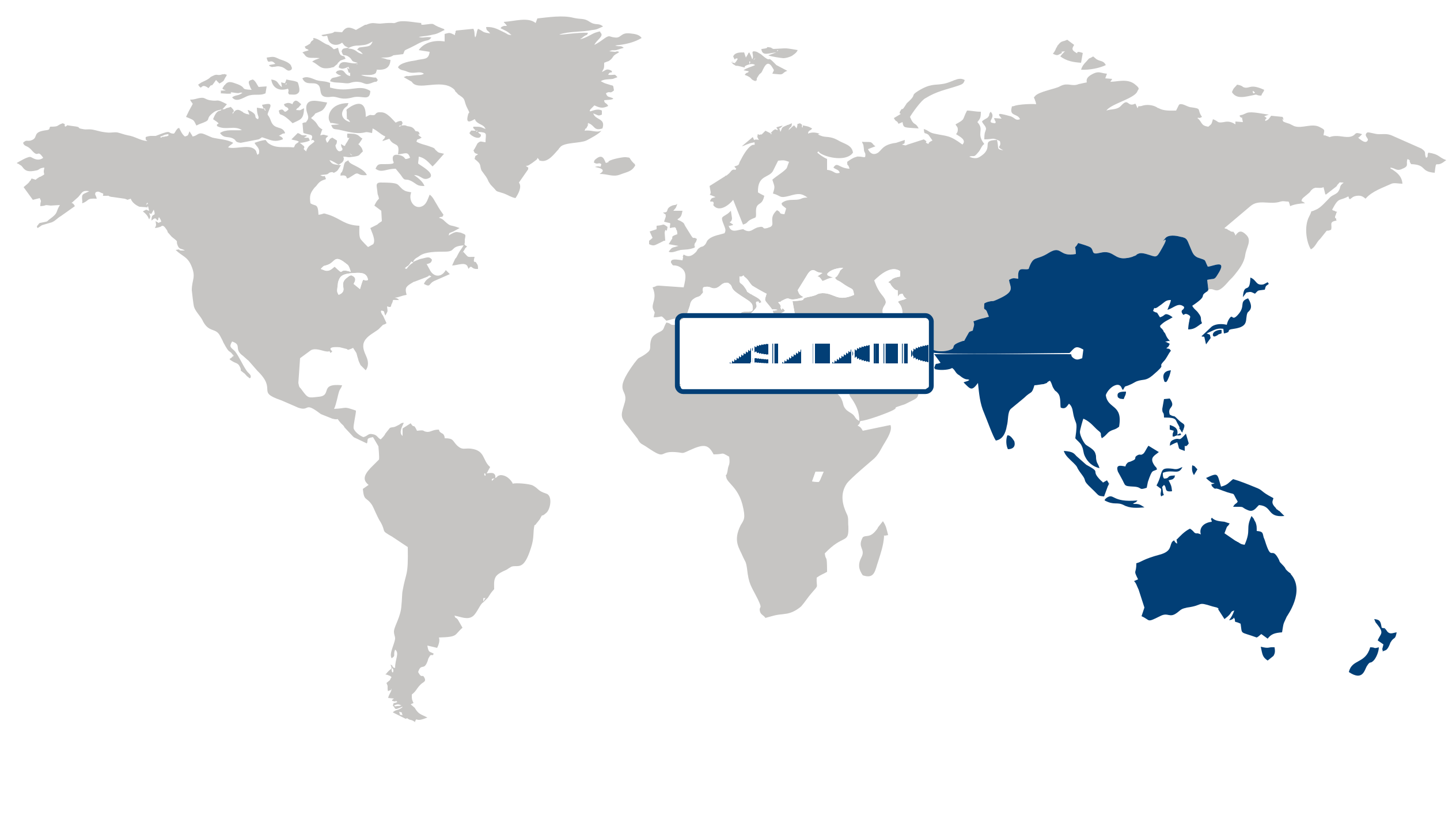
Asia Pacific dominated the ashbin market in 2025, capturing more than 44% of the global share and standing out as the fastest-growing region with a 7.56% CAGR. This leadership is primarily propelled by rapid urbanization and heightened government investments in public sanitation infrastructure. For instance, the Asian Development Bank's recent announcements underscore increased funding for urban cleanliness initiatives across major metropolitan areas. Shifts in public behavior towards cleaner cities, combined with regional regulatory tightening on waste management, amplify demand. Companies like Japan’s TOTO Ltd. are innovating smart sanitation solutions, integrating sensors into ashbins to enhance operational efficiency. The region’s vast and growing urban populations, alongside rising environmental consciousness, position Asia Pacific as a lucrative arena for ashbin market expansion, especially as governments prioritize sustainable urban development.
Japan is positioned as a pivotal hub in the Asia Pacific ashbin market, benefiting from advanced technological integration and stringent environmental regulations. Japanese firms such as Panasonic and Kabushiki Kaisha have introduced sensor-equipped ashbins supporting smart city projects, reflecting strong local demand for innovation combined with sustainability. Government mandates promoting waste segregation and clean public spaces further stimulate market growth. Conversely, China anchors regional scale through massive urban infrastructure investments led by the Ministry of Housing and Urban-Rural Development, which has prioritized sanitation upgrades in rapidly expanding cities like Shanghai and Beijing. This governmental focus, coupled with rising awareness and consumer spending on hygiene, reinforces China’s key role in sustaining Asia Pacific’s market momentum. Together, these country-level trends consolidate the region’s strategic opportunities in the ashbin market.
North America Market Analysis:
North America maintained notable market presence in the ashbin market, driven by increasing urbanization and a growing emphasis on waste management infrastructure modernization. The demand for durable, hygienic, and aesthetically pleasing ashbins has surged as municipalities and private enterprises prioritize improved public cleanliness and sustainable waste disposal solutions. Regulatory frameworks, including stricter littering laws and enhanced recycling mandates from agencies like the U.S. Environmental Protection Agency (EPA), have encouraged the adoption of innovative ashbin designs integrated with smart technologies and eco-friendly materials. Companies such as Rubbermaid and Toter are advancing product lines to meet both commercial and residential needs. This region’s sustained investments in public sanitation and environmental health promise continued opportunities in the ashbin market through innovations aligned with evolving regulatory compliance and consumer expectations.
The U.S. plays a pivotal role in North America’s ashbin market, with consumer demand leaning towards multifunctional and smart waste disposal units suited for urban and suburban settings. The federal government's increased funding for waste management programs and the introduction of smart city initiatives—highlighted by the Smart Cities Council’s work—have propelled the adoption of sensor-enabled ashbins to optimize collection routes and reduce operational costs. Additionally, cultural shifts towards eco-conscious consumption and stringent anti-littering campaigns have fueled market growth. This dynamic environment positions the U.S. as a strategic hub where technological advancements and regulatory rigor converge, reinforcing North America’s potential as a key growth area for innovative ashbin solutions.
Europe Market Trends:
Europe maintained notable presence in the ashbin market, commanding a substantial share driven by evolving urban sanitation standards and heightened environmental awareness. The region’s stringent waste management regulations, combined with consumer shifts towards hygienic and aesthetically pleasing public spaces, have stimulated demand for innovative and durable ashbins. Organizations like the European Environment Agency have reported increased municipal investments in smart waste disposal solutions, emphasizing durability and ease of maintenance. Additionally, the push for sustainable materials aligns with Europe’s broader green agenda, encouraging manufacturers to adopt eco-friendly production processes. Robust logistics networks and a skilled workforce support efficient distribution and customization capabilities. These dynamics position Europe as a fertile ground for growth, offering investors promising opportunities to capitalize on regulatory momentum and evolving consumer preferences in the ashbin market.
Germany plays a pivotal role in the European ashbin market, leveraging its advanced manufacturing sector and stringent regulatory framework to drive innovation. With initiatives led by the Federal Environment Agency promoting waste disposal optimization and public hygiene, German municipalities have increased procurement of technologically advanced ashbins that integrate features like fire resistance and easy cleaning. Companies such as Otto Graf GmbH have highlighted their commitment to sustainability by introducing recycled plastic ashbins, responding to consumer demand for eco-conscious products. This domestic emphasis on quality and environmental compliance positions Germany as a benchmark within Europe, fostering competitive differentiation and setting standards that influence regional supply chain practices and product development strategies.
France holds strategic importance in the European ashbin market due to its comprehensive urban sanitation policies and cultural emphasis on maintaining public cleanliness. The French Ministry of Ecological Transition's campaigns for reducing litter and improving street waste infrastructure have propelled adoption of robust and visually appealing ashbins. Industry leaders like SULO Group France have reported growing orders from metropolitan areas seeking modular and vandal-resistant solutions, reflecting local government priorities on safety and durability. This alignment between policy and consumer expectations highlights France as a key market for tailored innovations, reinforcing Europe’s overall capacity to meet diverse municipal requirements and sustain long-term demand growth in the ashbin sector.
| Parameter | North America | Asia Pacific | Europe | Latin America | MEA |
|---|---|---|---|---|---|
| Innovation HubiScaleNascentDeveloping Advanced | |||||
| Cost-Sensitive RegioniScaleLowMedium High | |||||
| Regulatory EnvironmentiScaleRestrictiveNeutral Supportive | |||||
| Demand DriversiScaleWeakModerate Strong | |||||
| Development StageiScaleEmergingDeveloping Developed | |||||
| Adoption RateiScaleLowMedium High | |||||
| New Entrants / StartupsiScaleSparseModerate Dense | |||||
| Macro IndicatorsiScaleWeakStable Strong |
Ashbin Market Share (%), by Material Type, 2026
Go beyond the chart, access full insights & data tables
Request Free Sample ReportThe ashbin market in 2025 is led by the plastic ash bins segment, which holds the largest share due to its cost-effectiveness, durability, and widespread use in residential and commercial settings. Plastic ash bins meet growing consumer preferences for lightweight, weather-resistant options that are easier to transport and maintain. Supply chain efficiencies introduced by manufacturers such as Rubbermaid have further lowered costs, amplifying their competitive edge. The versatility of plastic aligns with sustainability initiatives promoting reusable and recyclable materials, supported by environmental agencies like the U.S. Environmental Protection Agency. These factors create strategic openings for both established brands and new entrants focusing on innovative plastic composites. Given the ongoing urbanization and increasing waste management needs, the plastic ash bins segment is expected to maintain its dominance through continued adaptation to evolving user demands and environmental standards.
Analysis by Capacity
Small to medium capacity ash bins represented the largest share in the ashbin market in 2025, driven by robust demand in urban public areas and indoor spaces requiring compact waste disposal solutions. The segment’s leadership reflects shifting demographic patterns favoring densely populated cities where space constraints necessitate smaller, more manageable bins. Regulatory efforts around public cleanliness, such as campaigns by the City of London Corporation, emphasize effective placement of ashbins in transit hubs and office complexes, further boosting adoption. This segment also benefits from streamlined logistics and installation ease, supporting rapid deployment by municipal authorities. The preference for smaller sizes among facility managers and commercial properties positions this segment for sustained relevance, reinforced by ongoing smart city initiatives emphasizing practical urban waste management.
Analysis by Technology Integration
Traditional ash bins held the largest share of the ashbin market in 2025, attributed to their widespread, low-cost deployment across diverse settings. Their simplicity suits environments with limited infrastructure for smart technologies, making them a reliable default choice for many municipalities and businesses. For example, the Singapore National Environment Agency continues to rely on traditional ashbins in parks and public walkways, appreciating their durability and minimal maintenance needs. The segment’s leadership is underpinned by customer familiarity and a stable supply network, allowing vendors to leverage economies of scale. While demand for smart ash bins grows, the traditional segment offers stable revenue opportunities and a large installed base, ensuring its continued prominence as infrastructure upgrades progress gradually.
| Segment | Sub-Segment | Largest Segment | Fastest Growing |
|---|---|---|---|
| Material Type | Metal Ash Bins, Plastic Ash Bins | ||
| Capacity | Small to Medium Capacity, Large Capacity Ash Bins | ||
| Technology Integration | Traditional Ash Bins, Smart Ash Bins |
Unlock insights tailored to your business with our bespoke market research solutions.
Click to get your customized report now.
Competitive Landscape and Market Positioning
The competitive landscape is marked by dynamic initiatives, where these top players continually refine their offerings through selective partnerships, integration of advanced materials, and targeted product diversification. Such efforts reinforce their competitive edge, foster innovation, and enhance operational efficiencies. By aligning their strategies with evolving environmental regulations and consumer preferences, they shape market standards, propelling shifts towards eco-friendly and technologically advanced ashbin solutions that respond effectively to urbanization and waste management challenges.
Strategic / Actionable Recommendations for Regional Players
In North America, capitalizing on cutting-edge materials and digital monitoring technologies within collaborative frameworks can elevate product differentiation and operational sustainability. Partnering with municipal and private waste management entities may unlock new application avenues in smart city infrastructures and environmental compliance initiatives.
Asia Pacific players should intensify focus on cost-effective innovation tailored to rapid urban expansion and rising environmental awareness. Alliances with technology providers and regional governments can facilitate scalable production models, addressing demand within emerging economies and leveraging circular economy frameworks.
European firms are advised to deepen engagement with sustainability-driven innovation networks and cross-border consortia. Emphasizing biodegradable and multifunctional ashbin designs aligned with stringent regulatory environments can strengthen market leadership, while capitalizing on established distribution channels in eco-conscious consumer segments.
| Company | Market Share | Company Revenue | Revenue CAGR (%) | Product Portfolio | Geographic Presence | Innovation / R&D Focus | Strategic Developments |
|---|---|---|---|---|---|---|---|
| No companies available. | |||||||
Customize Your Report
Explore examples of how this report can be tailored to different research needs, including custom segments, additional topics or chapters, and related reports. Click a section of the wheel or its numbered marker to explore the available options.
Ashbin Market — Custom Segments
| Segment | Sub-Segment |
|---|---|
| No segment data available. | |
Ashbin Market — Custom TOC
| Custom Chapter | Chapter Details |
|---|---|
| No custom TOC data available. | |
Need a different cut of the data?
Request Custom ResearchFrequently Asked Questions
What is the projected value of the ashbin industry by 2035?
In which region is the ashbin market most concentrated?
Who is driving the fastest regional growth in the ashbin sector?
Why does plastic ash bins sub-segment dominate the material type segment of ashbin sector?
How does small to medium capacity segment fare in the ashbin industry?
What share does traditional ash bins segment hold in the ashbin sector as of 2025?
Who are the leading players in the ashbin landscape?
Our Clients
"The report provided us with a clear direction, and the level of detail was beyond what we expected. I would definitely recommend their services to others."
Haier Appliances
"The collaboration with Fundamental Business Insights has added significant value to our decision-making process, and we look forward to continuing this partnership for our future market research requirements."
Luxottica Group S.p.A.
"The team at FBI delivered an exceptional research report. The insights on industry innovations were particularly impressive and added a lot of value to the overall report."
Nike
Our Research Team & Methodology
Every Fundamental Business Insights report is built by a dedicated vertical research team, validated through a structured primary-and-secondary methodology, and reviewed for accuracy before it reaches you.
This report was prepared by the Consumer Goods & Services Research Team at Fundamental Business Insights, a dedicated research group specializing in global consumer markets, retail industries, and service-oriented businesses. The team closely tracks evolving consumer preferences, purchasing behavior, product innovation, brand strategies, retail and e-commerce developments, pricing trends, distribution channels, sustainability initiatives, demographic shifts, and changing lifestyle patterns to deliver timely and reliable market intelligence. The research is developed using a structured methodology that combines primary discussions with manufacturers, brand owners, retailers, distributors, service providers, industry experts, and other key stakeholders, along with company annual reports, government consumer statistics, regulatory publications, industry associations, retail market data, trade publications, and other authoritative secondary sources. Market estimates are validated through multiple research techniques, including top-down and bottom-up analysis, before undergoing an internal quality review to ensure accuracy, consistency, and methodological integrity prior to publication.
Delivery
Published
Available
Support
- Market Size & Forecast
- Market Segmentation
- Regional Analysis
- Growth Drivers & Challenges
- Market Dynamics
- Competitive Landscape
- Company Profiles
- Competitive Benchmarking
- Mergers & Acquisitions
- Market Share Analysis or Key Company Strategies
- Value Chain Analysis
- Porter's Five Forces
- PESTLE Analysis
- Pricing Trends
- Supply-Demand Analysis
- Technology Landscape
- Regulatory Landscape
- Investment & Funding Landscape
- Emerging Opportunities
- Future Market Outlook