Automotive Integrated Starter-Generator Units Market Size & Growth Forecast 2027–2036, By Segments (Vehicle, Product, Power Rating, Sales Channel, Propulsion), Regional Demand Trends (North America, Asia Pacific, Europe), Key Country Insights (U.S., Japan, South Korea, Germany, France, Italy), and Competitive Landscape
Jump to Content
Market Size and Growth Outlook
Automotive Integrated Starter-Generator Units Market size stood at USD 6.02 billion in 2026 and is predicted to grow at a 9.43% CAGR from 2027 to 2036, reaching USD 14.82 billion by 2036. The industry revenue for 2027 is estimated at USD 6.5 billion.
Get more details on this report
Request Free Sample ReportAutomotive Integrated Starter-Generator Units Market Intelligence Snapshot
Regional Market Dynamics
- Europe accounted for 41.69% of the market in 2026, driven by its established automotive manufacturing base, stringent emissions regulations, and growing adoption of electrified powertrains.
- Expanding vehicle production, rising demand for fuel efficiency, and investments in hybrid powertrains are accelerating adoption, supported by localized component manufacturing and technological advancements.
Segment Momentum
- Passenger cars accounted for 71.04% of the market in 2026 and represent the fastest-growing vehicle segment, driven by increasing adoption of mild-hybrid powertrains, regenerative energy recovery, and fuel-efficient vehicle technologies.
- The 5–10 kW segment is the fastest-growing power rating category, supported by demand for stronger torque assistance, improved regenerative braking, and enhanced energy recovery as automakers expand mild-hybrid vehicle capabilities.
Market Expansion Drivers
- Increasing hybrid & mild-hybrid vehicle production.
- Technological improvements in integrated starter-generator efficiency.
- Government incentives for electrification in emerging markets.
Leading Market Participants
- Key players in the automotive integrated starter-generator units market include Bosch (Germany), Denso (Japan), Mitsubishi Electric (Japan), BorgWarner (USA), Magna International (Canada), ZF Friedrichshafen (Germany), SEG Automotive (Germany), Hitachi Astemo / Astemo (Japan)(Research and Markets), Valeo (France), Continental (Germany), Hitachi (Japan).
Global Market Forecast Snapshot
Market Outlook
- 2026 Market Size: USD 6.02 billion
- 2027 Estimated Market Size: USD 6.5 billion
- Projected Market Size: USD 14.82 billion by 2036
- Growth Forecast: 9.43% CAGR (2027-2036)
Regional and Segment Outlook
- Leading Regional Market: Europe
- High-Growth Regional Hub: Asia Pacific
- Core Revenue Segment: Vehicle (Passenger Cars) | Product (Belt Driven ISG) | Power Rating (Below 5kW) | Sales Channel (OEM) | Propulsion (Mild Hybrid-Electric Vehicles)
- Emerging Opportunity Segment: Vehicle (Passenger Cars) | Product (Belt Driven ISG) | Power Rating (5-10 kW) | Sales Channel (OEM) | Propulsion (Mild Hybrid-Electric Vehicles)
Market Growth Drivers and Industry Trends
Increasing Hybrid & Mild-Hybrid Vehicle Production
The increasing production of hybrid and mild-hybrid vehicles is driving demand for integrated starter-generator units as automakers seek efficient systems that support engine starting, regenerative braking, and electrical power generation. These units enable smoother engine operation while improving fuel efficiency and reducing emissions, making them increasingly important in vehicle powertrain architectures that combine conventional engines with electrified components.
Technological Improvements in Integrated Starter-Generator Efficiency
Technological improvements in integrated starter-generator efficiency are supporting market growth by enhancing power conversion, thermal management, durability, and overall system performance. Advances in motor design, power electronics, control systems, and energy recovery capabilities are enabling these units to deliver more reliable starting and regenerative functions while occupying less space and integrating more effectively with modern vehicle electrical architectures.
Government Incentives for Electrification in Emerging Markets
Government incentives supporting vehicle electrification in emerging markets are encouraging automakers and consumers to adopt hybrid and mild-hybrid technologies. Policies focused on reducing vehicle emissions, improving fuel efficiency, and promoting cleaner transportation are creating a favorable environment for integrated starter-generator systems, particularly as manufacturers seek practical electrification solutions that can be incorporated into existing vehicle platforms.
| Growth Driver | Impact on CAGR | Regulatory Influence | Geographic Relevance | Adoption Rate | Impact Timeline |
|---|---|---|---|---|---|
| Increasing hybrid & mild-hybrid vehicle production | 3.5% | Short term (≤ 2 yrs) | Europe; Asia Pacific | Medium | Fast |
| Technological improvements in integrated starter-generator efficiency | 3% | Medium term (2–5 yrs) | North America; Europe | Medium | Moderate |
| Government incentives for electrification in emerging markets | 2% | Long term (5+ yrs) | Latin America; MEA | High | Slow |
Explore Growth Opportunities
Request Free Sample ReportRegional Demand Dynamics
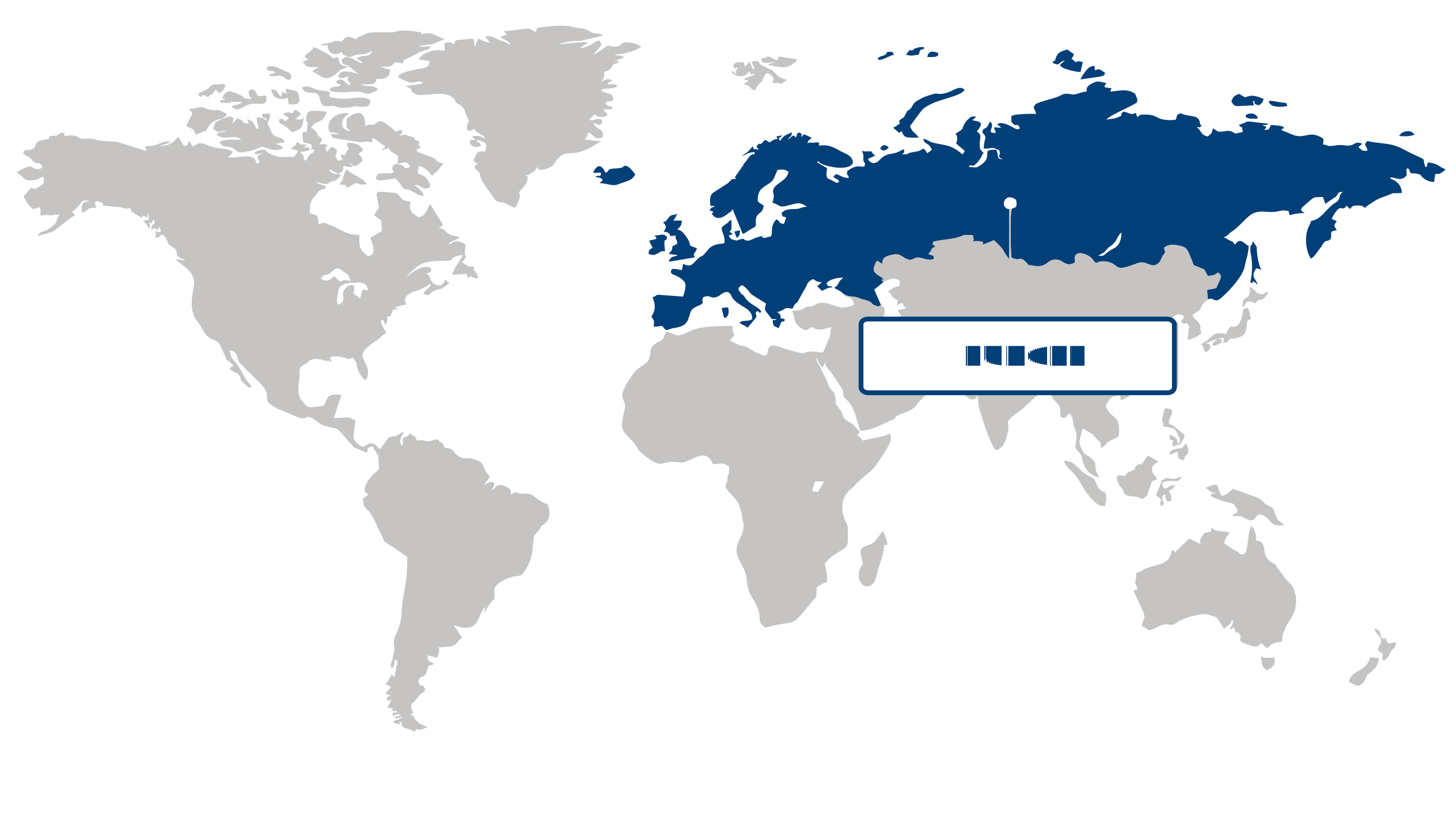
Europe (Largest Region)
Europe accounted for 41.69% share in 2026, propelled by the region’s strong automotive manufacturing base, increasing adoption of electrified powertrain technologies, and stringent emissions regulations encouraging automakers to improve vehicle efficiency. The presence of established automotive production networks, growing demand for fuel-efficient vehicles, and continued investments in advanced powertrain systems are contributing to the adoption of integrated starter-generator units. In addition, the shift toward mild-hybrid and electrified vehicle architectures is creating greater demand for compact systems capable of supporting engine start-stop functions, energy recovery, and improved electrical efficiency.
Asia Pacific (Fastest-Growing Region)
Meanwhile, Asia Pacific is projected to experience the fastest growth, led by expanding vehicle production, rising demand for fuel-efficient automobiles, and increasing integration of electrification technologies across passenger and commercial vehicles. Growing automotive manufacturing capabilities, particularly across major vehicle-producing economies, are encouraging the deployment of advanced starter-generator systems as manufacturers seek to meet evolving efficiency and emissions requirements. Rising consumer interest in vehicles offering improved fuel economy, combined with expanding investments in hybrid and electrified powertrain technologies, is further supporting market development. The increasing localization of automotive component production and continued technological advancements are also expected to accelerate adoption across the region.
| Parameter | North America | Asia Pacific | Europe | Latin America | MEA |
|---|---|---|---|---|---|
| Innovation HubiScaleNascentDeveloping Advanced | |||||
| Cost-Sensitive RegioniScaleLowMedium High | |||||
| Regulatory EnvironmentiScaleRestrictiveNeutral Supportive | |||||
| Demand DriversiScaleWeakModerate Strong | |||||
| Development StageiScaleEmergingDeveloping Developed | |||||
| Adoption RateiScaleLowMedium High | |||||
| New Entrants / StartupsiScaleSparseModerate Dense | |||||
| Macro IndicatorsiScaleWeakStable Strong |
Key Country Insights
United States 🇺🇸
Electrified Powertrain IntegrationThe U.S. market is shaped by continued vehicle electrification and demand for efficient stop-start and hybrid powertrain systems. Automakers and suppliers are prioritizing integrated starter-generator units that support packaging efficiency, regenerative functions, and improved electrical architectures across passenger and commercial vehicle platforms.
Germany 🇩🇪
Premium Hybrid EngineeringGermany emphasizes advanced integrated starter-generator solutions within sophisticated hybrid and electrified powertrains. Automotive manufacturers are focused on compact, high-efficiency systems that integrate reliably with premium vehicle architectures, while engineering priorities center on power density, thermal management, durability, and seamless interaction with increasingly complex onboard electrical systems.
Japan 🇯🇵
Hybrid System OptimizationJapan's automotive sector places strong emphasis on refined hybrid-system efficiency and compact powertrain integration. Integrated starter-generator units support established approaches to regenerative braking, engine restarting, and energy management, encouraging suppliers to develop quiet, durable, lightweight solutions compatible with highly optimized passenger vehicle platforms.
South Korea 🇰🇷
Smart Powertrain ComponentsSouth Korea is prioritizing integrated starter-generator technologies that complement increasingly sophisticated electrified vehicle architectures. Automakers and component suppliers are emphasizing compact packaging, electronic control integration, and reliable energy recovery, with development attention extending toward scalable components suitable for hybrid and electronically managed powertrain platforms.
France 🇫🇷
Efficient Vehicle ElectrificationFrance's automotive industry is using integrated starter-generator technology to enhance powertrain efficiency while supporting broader vehicle electrification objectives. Commercial priorities include compact systems capable of dependable engine restarting and regenerative energy recovery, particularly where manufacturers seek practical electrification without completely redesigning established vehicle platforms.
Italy 🇮🇹
Performance-Oriented IntegrationItaly's automotive sector presents demand for integrated starter-generator units that combine electrification benefits with compact, performance-conscious vehicle engineering. Suppliers can focus on lightweight construction, responsive power delivery, and reliable thermal performance, particularly for applications where sophisticated electrical assistance must coexist with demanding packaging and driving requirements.
Automotive Integrated Starter-Generator Units Market Share (%), by Vehicle, 2026
Go beyond the chart, access full insights & data tables
Request Free Sample ReportVehicle Segment Analysis: Passenger Cars (Largest & Fastest-Growing Segment)
The passenger cars segment dominated the automotive integrated starter-generator units market and accounted for the largest market share of 71.04% in 2026, while also representing the fastest-growing segment. Growth is driven by increasing adoption of mild-hybrid and electrified powertrain technologies in passenger vehicles as automakers seek to improve fuel efficiency, reduce emissions, and enhance overall powertrain performance. Integrated starter-generators enable functions such as efficient engine restarting, regenerative energy recovery, torque assistance, and smoother start-stop operation, making them increasingly relevant to modern passenger vehicle architectures. Growing consumer demand for vehicles with improved efficiency and enhanced driving performance, along with the continued development of hybridized powertrains, is supporting broader integration of these systems across passenger car platforms.
Product Segment Analysis: Belt Driven ISG (Largest & Fastest-Growing Segment)
The belt driven ISG segment dominated the automotive integrated starter-generator units market and accounted for the largest market share of 59.43% in 2026, while also registering the fastest growth. Its expansion is supported by the relatively flexible integration of belt-driven systems into existing vehicle powertrain layouts, enabling automakers to introduce hybridization without requiring extensive redesign of conventional engine architectures. Belt driven ISGs support engine start-stop functionality, regenerative braking, and electrical energy generation while also providing torque assistance when required. Increasing demand for cost-effective electrification solutions, improved fuel economy, and lower vehicle emissions is encouraging wider adoption, particularly in passenger vehicles where manufacturers are progressively incorporating mild-hybrid technologies into established powertrain platforms.
Power Rating Segment Analysis: Below 5kW (Largest Segment) vs 5-10 kW (Fastest-Growing Segment)
The below 5kW power rating segment dominated the automotive integrated starter-generator units market and accounted for the largest market share of 50.88% in 2026. Its leading position is supported by widespread application in vehicle systems where moderate electrical output is sufficient to provide start-stop functionality, regenerative energy recovery, and auxiliary power support. The relatively straightforward integration of lower-power ISG systems into conventional powertrains also supports adoption as automakers pursue incremental electrification while maintaining established vehicle architectures. Growing emphasis on fuel efficiency and emissions reduction is further sustaining demand for compact integrated starter-generator solutions across a broad range of passenger vehicles.
The 5-10 kw power rating segment is anticipated to witness the fastest growth during the forecast period. Expansion of this power-rating category is driven by increasing demand for stronger electrical assistance and greater energy recovery capabilities as vehicle powertrains become more electrified. Systems in the 5-10 kw range can provide enhanced torque support, more effective regenerative braking, and improved start-stop performance compared with lower-output configurations. The growing adoption of mild-hybrid architectures and increasing requirements for efficient power management are encouraging manufacturers to deploy higher-capacity ISG systems, particularly as vehicle platforms incorporate more electrical functions and seek greater reductions in fuel consumption and emissions.
| Segment | Sub-Segment | Largest Segment | Fastest Growing |
|---|---|---|---|
| Vehicle | Passenger Cars, Commercial Vehicles | Passenger Cars | Passenger Cars |
| Product | Belt Driven ISG, Crankshaft-mounted ISG, Dual-clutch Transmission ISG | Belt Driven ISG | Belt Driven ISG |
| Power Rating | Below 5kW, 5-10 kW, Above 10 kW | Below 5kW | 5-10 kW |
| Sales Channel | OEM, Aftermarket | OEM | OEM |
| Propulsion | Mild Hybrid-Electric Vehicles, Internal Combustion Engine Vehicles | Mild Hybrid-Electric Vehicles | Mild Hybrid-Electric Vehicles |
Unlock insights tailored to your business with our bespoke market research solutions.
Click to get your customized report now.
Competitive Landscape and Market Positioning
Analyst Perspective:
Competitive positioning in the automotive integrated starter-generator units market depends on balancing electrical efficiency, thermal reliability, and compact powertrain integration. High-voltage power conversion efficiency affects energy availability for engine starting, power assistance, and energy recovery, while effective thermal management helps sustain output and protect component life under repeated operating cycles. Packaging adds another layer of complexity, as electrical machines, power electronics, cooling systems, and mechanical interfaces must fit within constrained vehicle architectures without compromising serviceability. Regenerative braking torque density also matters, but its practical value depends on energy-storage acceptance, drivetrain configuration, and vehicle control strategies. Suppliers must therefore demonstrate system-level performance rather than isolated technical advantages, combining effective energy recovery with dependable operation, manageable installation requirements, and compatibility with diverse electrified powertrain designs.
Top players in the automotive integrated starter-generator units market:
- Bosch (Germany)
- Denso (Japan)
- Mitsubishi Electric (Japan)
- BorgWarner (USA)
- Magna International (Canada)
- ZF Friedrichshafen (Germany)
- SEG Automotive (Germany)
- Hitachi Astemo / Astemo (Japan)(Research and Markets)
- Valeo (France)
- Continental (Germany)
- Hitachi (Japan)
| Company | Market Share | Company Revenue | Revenue CAGR (%) | Product Portfolio | Geographic Presence | Innovation / R&D Focus | Strategic Developments |
|---|---|---|---|---|---|---|---|
| Bosch (Germany) | |||||||
| Denso (Japan) | |||||||
| Mitsubishi Electric (Japan) | |||||||
| BorgWarner (USA) | |||||||
| Magna International (Canada) | |||||||
| ZF Friedrichshafen (Germany) | |||||||
| SEG Automotive (Germany) | |||||||
| Hitachi Astemo / Astemo (Japan)(Research and Markets) | |||||||
| Valeo (France) | |||||||
| Continental (Germany) | |||||||
| Hitachi (Japan) |
Industry Development/News
| Company Name | Date | Key Development |
|---|---|---|
| EG Automotive | January 2025 | EG Automotive launched a comprehensive portfolio of electrification solutions tailored for the Indian automotive market, transitioning from its hardware roots into sustainable mobility and mechatronics to support accelerating clean mobility trends. |
| Valeo | May 2024 | Valeo signed a multi-year agreement with Hyundai-Kia to supply integrated starter-generator systems for next-generation hybrid vehicles slated for 2025 models, enhancing torque assist and fuel economy while initiating joint R&D for 800V-ready units. |
| Bosch | March 2024 | Bosch introduced a new Belt-Driven Starter Generator designed for 48V mild hybrids to improve efficiency, enable regenerative braking, and reduce CO2 emissions by 15%, with mass production scheduled alongside orders from Volkswagen and Stellantis. |
Customize Your Report
Explore examples of how this report can be tailored to different research needs, including custom segments, additional topics or chapters, and related reports. Click a section of the wheel or its numbered marker to explore the available options.
Automotive Integrated Starter-Generator Units Market — Custom Segments
| Segment | Sub-Segment |
|---|---|
| Tension du système électrique | Systèmes 12 V, systèmes 24 V, systèmes 48 V, systèmes à tension plus élevée |
| Stratégie du système marche/arrêt | Système d'arrêt-démarrage moteur de base, navigation en roue libre et à la voile, système d'arrêt-démarrage régénératif avancé |
| Cycle de service | Service standard, service haute fréquence, service intensif/à charge élevée |
Automotive Integrated Starter-Generator Units Market — Custom TOC
| Custom Chapter | Chapter Details |
|---|---|
| Vehicle Electrification Adoption Roadmap |
|
| OEM Sourcing & Supplier Selection |
|
| 48V Architecture Adoption Outlook |
|
Need a different cut of the data?
Request Custom ResearchFrequently Asked Questions
What is the estimated worth of the automotive integrated starter-generator units market?
What is the anticipated CAGR of the automotive integrated starter-generator units industry?
How is hybrid vehicle production reshaping demand for integrated starter-generator units?
Which technological and policy developments are supporting adoption of integrated starter-generator units?
Why do passenger cars dominate the automotive integrated starter-generator units market?
How are higher-power ISG systems gaining traction among automakers?
Why does Europe dominate the automotive integrated starter-generator units market?
What is driving the fastest growth in Asia Pacific's integrated starter-generator units market?
Which companies are driving growth in the automotive integrated starter-generator units landscape?
Our Clients
"The team surpassed our expectations with the report depth. The actionable insights provided proved crucial in navigating market challenges."
Tata Motors
"We found the report to be very informative. The expertise and attention to market nuances significantly influenced our business direction."
DENSO Corporation
"The consumer survey findings were quite good. We now have a clearer picture of the customer churning and retention strategy."
HL Mando
Our Research Team & Methodology
Every Fundamental Business Insights report is built by a dedicated vertical research team, validated through a structured primary-and-secondary methodology, and reviewed for accuracy before it reaches you.
This report was prepared by the Automotive & Transportation Research Team at Fundamental Business Insights, a dedicated research group specializing in the global automotive, mobility, and transportation industries. Our analysts continuously monitor vehicle technology advancements, electrification trends, autonomous and connected mobility, manufacturing developments, supply chain dynamics, regulatory standards, emissions policies, aftermarket activities, and evolving consumer and commercial transportation requirements to deliver timely and reliable market intelligence. The research is developed using a structured methodology that combines primary discussions with vehicle manufacturers, component suppliers, technology providers, distributors, logistics stakeholders, and industry experts, along with company annual reports, regulatory publications, government transportation statistics, industry associations, technical standards, and other authoritative secondary sources. Market estimates are validated through multiple research techniques, including top-down and bottom-up analysis, before undergoing an internal quality review to ensure accuracy, consistency, and methodological integrity prior to publication.
Delivery
Published
Available
Support
- Market Size & Forecast
- Market Segmentation
- Regional Analysis
- Growth Drivers & Challenges
- Market Dynamics
- Competitive Landscape
- Company Profiles
- Competitive Benchmarking
- Mergers & Acquisitions
- Market Share Analysis or Key Company Strategies
- Value Chain Analysis
- Porter's Five Forces
- PESTLE Analysis
- Pricing Trends
- Supply-Demand Analysis
- Technology Landscape
- Regulatory Landscape
- Investment & Funding Landscape
- Emerging Opportunities
- Future Market Outlook