Biobanks Market Size & Growth Forecast 2027–2036, By Segments (Biospecimen Type, Application Type, Product & Services, Biobanks Type), Regional Demand Trends (North America, Asia Pacific, Europe), Key Country Insights (U.S., Japan, South Korea, Germany, France, Italy), and Competitive Landscape
Jump to Content
Market Size and Growth Outlook
Biobanks Market size was around USD 92.78 Billion in 2026 and is slated to grow at a 8.59% CAGR from 2027 to 2036, exceeding USD 211.52 Billion by 2036. The industry revenue for 2027 is estimated at USD 99.54 Billion.
Get more details on this report
Request Free Sample ReportBiobanks Market Intelligence Snapshot
Regional Market Dynamics
- Europe accounted for 42.4% of the market, supported by established biomedical research infrastructure, academic collaboration, coordinated scientific networks, and growing demand for biological samples in precision medicine and clinical research.
- Asia Pacific is expected to grow fastest as healthcare investment, biomedical research, and clinical studies expand, increasing demand for biological sample storage, standardized data management, and precision medicine resources.
Segment Momentum
- Human tissues held 39.16% of the market in 2026, driven by their importance in translational research, disease characterization, biomarker identification, and personalized treatment development across complex disease areas.
- Drug discovery and clinical research is the fastest-growing application segment, supported by demand for clinically annotated biospecimens in target validation, biomarker development, preclinical research, and clinical investigations.
Market Expansion Drivers
- Biospecimen demand in research.
- Biobank digitalization.
- Long-term genomic storage solutions.
Leading Market Participants
- Leading players in the biobanks market include Thermo Fisher Scientific (USA), Qiagen (Germany), BioStorage Technologies (USA), Covance (USA), Brooks Life Sciences (USA), BD Biosciences (USA), Eppendorf (Germany), Corning (USA), Hamilton Company (USA), Agilent Technologies (USA).
Global Market Forecast Snapshot
Market Outlook
- 2026 Market Size: USD 92.78 Billion
- 2027 Estimated Market Size: USD 99.54 Billion
- Projected Market Size: USD 211.52 Billion by 2036
- Growth Forecast: 8.59% CAGR (2027-2036)
Regional and Segment Outlook
- Leading Regional Market: Europe
- High-Growth Regional Hub: Asia Pacific
- Core Revenue Segment: Biospecimen Type (Human Tissues) | Application Type (Therapeutics) | Product & Services (Services) | Biobanks Type (Physical/Real Biobanks)
- Emerging Opportunity Segment: Biospecimen Type (Human Tissues) | Application Type (Drug Discovery & Clinical Research) | Product & Services (Services) | Biobanks Type (Physical/Real Biobanks)
Market Growth Drivers and Industry Trends
Biospecimen demand in research
The growing demand for high-quality biospecimens is supporting the expansion of biobanks as research institutions increasingly rely on well-characterized biological samples for drug discovery, disease research, biomarker identification, and precision medicine. The rising complexity of biomedical research is creating greater need for diverse and systematically collected specimens linked with reliable clinical and genomic information. In addition, increasing emphasis on translational research and personalized healthcare is encouraging the development of organized biobanking infrastructure that can provide researchers with standardized samples while maintaining sample integrity and traceability.
Biobank digitalization
The digitalization of biobanking operations is improving the efficiency of sample management, data integration, tracking, and retrieval across research and healthcare environments. Advanced laboratory information systems, automated sample identification, digital inventory management, and integrated databases are enabling biobanks to streamline workflows while reducing manual errors and improving traceability. Furthermore, the integration of digital tools with clinical and research data is supporting more effective biospecimen utilization and facilitating collaboration among researchers working across different locations and scientific disciplines.
Long-term genomic storage solutions
The increasing importance of genomic research is driving demand for specialized solutions capable of preserving biological samples and associated genetic information over extended periods. Growing interest in precision medicine, population health studies, inherited disease research, and longitudinal research is creating a need for reliable storage environments that maintain sample quality and genetic integrity. In addition, advancements in cryopreservation, environmental monitoring, and automated storage systems are helping biobanks improve long-term specimen preservation while supporting the future reuse of valuable genomic resources.
| Growth Driver | Impact on CAGR | Regulatory Influence | Geographic Relevance | Adoption Rate | Impact Timeline |
|---|---|---|---|---|---|
| Biospecimen demand in research | 2.8% | Short term (≤ 2 yrs) | North America; Europe | Medium | Moderate |
| Biobank digitalization | 2% | Medium term (2–5 yrs) | Europe; Asia Pacific | Medium | Moderate |
| Long-term genomic storage solutions | 1.4% | Long term (5+ yrs) | North America; Europe | Low | Slow |
Explore Growth Opportunities
Request Free Sample ReportRegional Demand Dynamics
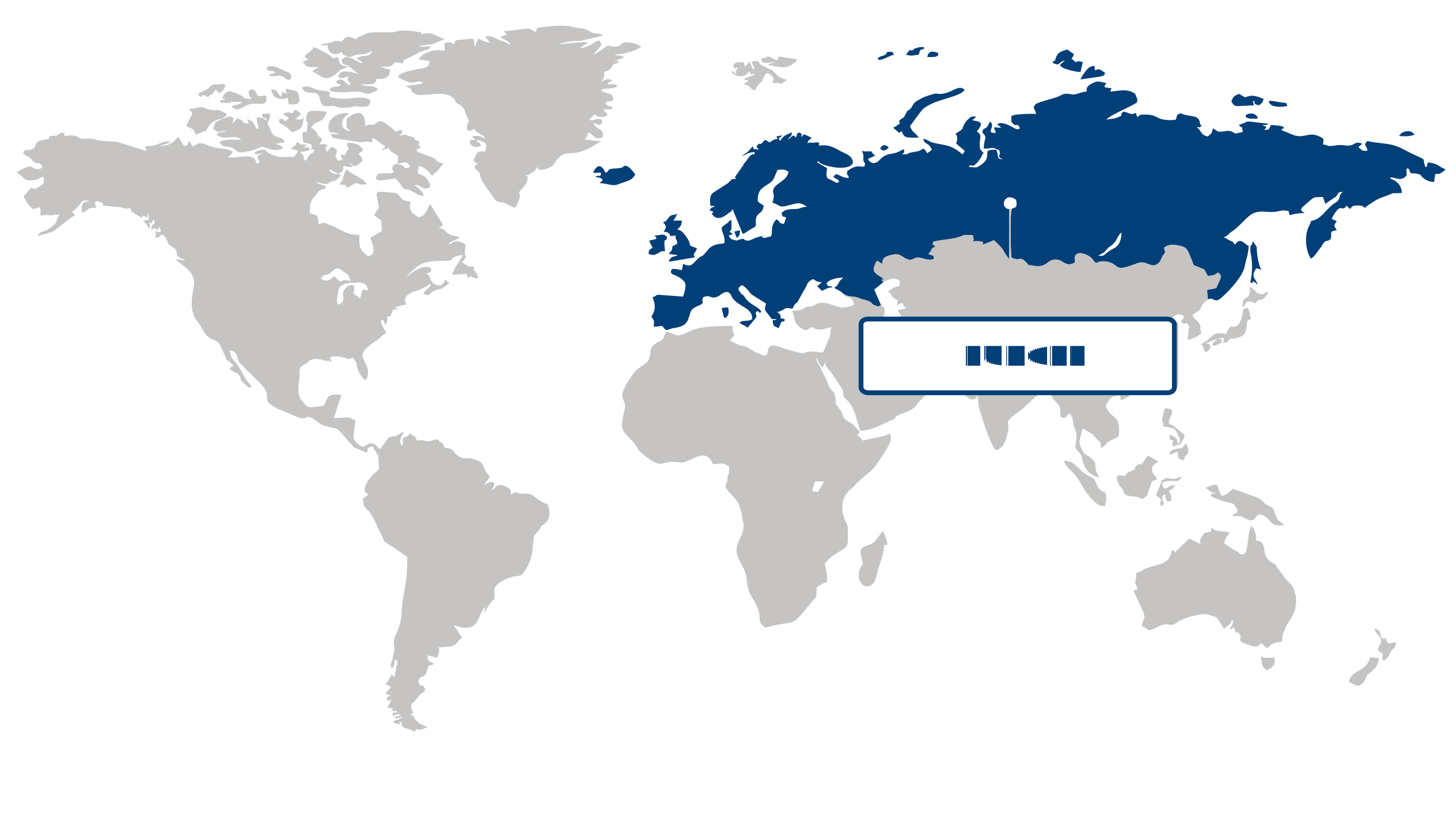
Europe (Largest Region)
The Europe biobanks market accounted for the largest regional share, representing 42.4% of the market. The region’s leading position is supported by established biomedical research infrastructure, extensive academic collaboration, and the growing use of biological samples in clinical research, disease studies, and precision medicine. Biobanks provide essential resources for storing, managing, and distributing biological specimens alongside associated clinical and demographic information, supporting research across a wide range of therapeutic areas. Europe benefits from established research institutions, coordinated scientific networks, and structured approaches to sample collection, consent, and data governance. Increasing interest in personalized medicine, genomic research, and biomarker discovery is further reinforcing the importance of well-characterized biological collections. Collaboration among universities, hospitals, research organizations, and healthcare institutions also supports the development of specialized biobanking capabilities, strengthening Europe’s established position in the market.
Asia Pacific (Fastest-Growing Region)
Asia Pacific is expected to register the fastest growth in the biobanks market, driven by expanding biomedical research, increasing healthcare investment, and growing demand for biological samples in clinical and translational studies. The region’s developing research infrastructure is creating opportunities to establish new biobanking facilities and improve the management of biological specimens for academic, pharmaceutical, and healthcare applications. Rising attention to chronic diseases, cancer research, genetic disorders, and infectious diseases is increasing the importance of reliable biological sample collections. In addition, expanding clinical research activity and greater collaboration between healthcare institutions and research organizations are supporting demand for standardized sample storage and data management systems. Improvements in laboratory infrastructure, sample preservation practices, and digital cataloguing are helping strengthen operational capabilities. However, differences in regulatory frameworks, consent procedures, and data-sharing requirements across countries can influence implementation. Continued investment in research capacity and the growing emphasis on precision medicine are positioning Asia Pacific as an important growth market for biobanking services.
| Parameter | North America | Asia Pacific | Europe | Latin America | MEA |
|---|---|---|---|---|---|
| Innovation HubiScaleNascentDeveloping Advanced | |||||
| Cost-Sensitive RegioniScaleLowMedium High | |||||
| Regulatory EnvironmentiScaleRestrictiveNeutral Supportive | |||||
| Demand DriversiScaleWeakModerate Strong | |||||
| Development StageiScaleEmergingDeveloping Developed | |||||
| Adoption RateiScaleLowMedium High | |||||
| New Entrants / StartupsiScaleSparseModerate Dense | |||||
| Macro IndicatorsiScaleWeakStable Strong |
Key Country Insights
United States 🇺🇸
Research Data IntegrationThe U.S. biobanks market is focused on connecting large and diverse biological sample collections with clinical, genomic, and real-world data. Commercial priorities include improving sample traceability, digital interoperability, and access to high-quality biospecimens for precision medicine, drug discovery, and translational research.
Germany 🇩🇪
Regulated Research InfrastructureGermany emphasizes standardized and well-governed biobanking infrastructure to support biomedical research and clinical studies. Market priorities include harmonized sample handling, quality assurance, and data protection, with demand for systems that enable collaboration between research institutions, hospitals, and life sciences organizations.
Japan 🇯🇵
Precision Medicine SupportJapan's biobanks market is closely linked with genomics research and precision medicine initiatives. Organizations are prioritizing long-term sample preservation, structured clinical data, and technologies that improve the usability of biospecimens for population research, therapeutic development, and increasingly personalized healthcare applications.
South Korea 🇰🇷
Genomics-Linked BiobankingSouth Korea is strengthening biobanking capabilities alongside its digital health and genomics ecosystem. Demand is concentrated around high-throughput sample management, integrated data platforms, and research infrastructure that can support genetic studies, clinical research, and collaboration between healthcare institutions and biotechnology companies.
France 🇫🇷
Collaborative Sample NetworksFrance's biobanks market prioritizes coordinated sample collection and sharing across hospitals, research organizations, and biomedical networks. Commercial opportunities are supported by demand for standardized storage, quality-controlled biospecimens, and secure data management that can facilitate multicenter research and translational medicine programs.
Italy 🇮🇹
Clinical Research EnablementItaly is increasingly using biobanking infrastructure to support clinical research, oncology, rare disease studies, and personalized medicine. Market priorities include improving sample quality and traceability while strengthening interoperability between regional healthcare institutions and research organizations managing fragmented biological collections.
Biobanks Market Share (%), by Biospecimen Type, 2026
Go beyond the chart, access full insights & data tables
Request Free Sample ReportBiospecimen Type Segment Analysis: Human Tissues (Largest & Fastest-Growing Segment)
The human tissues biospecimen segment accounted for a 39.16% share of the biobanks market in 2026, reflecting its central role in supporting translational research, disease characterization, biomarker identification, and the development of personalized treatment approaches. Demand for human tissue specimens is being strengthened by the growing need for biologically representative samples that can help researchers investigate disease mechanisms and evaluate therapeutic responses across diverse patient populations. Increasing research activity in oncology, immunology, regenerative medicine, and other complex disease areas is further expanding the utilization of tissue-based specimens in both academic and commercial settings. In addition, improvements in tissue collection, preservation, annotation, and storage are enhancing the quality and usability of biospecimens, while growing emphasis on well-characterized samples is supporting their adoption in advanced research workflows. These factors are reinforcing human tissues as both the leading and fastest-growing biospecimen type in the biobanks market.
Application Type Segment Analysis: Therapeutics (Largest Segment) vs Drug Discovery & Clinical Research (Fastest-Growing Segment)
The therapeutics application segment accounted for a 39.11% share of the biobanks market in 2026, supported by the growing use of biobanked specimens to understand disease biology, validate therapeutic targets, and support the development of more precise treatment strategies. Access to well-characterized human biospecimens enables researchers to investigate disease progression and treatment response while strengthening translational pathways from laboratory research toward clinical applications. Increasing demand for personalized medicine and biomarker-driven therapies is further supporting the therapeutic use of biobanked samples, particularly in research areas where patient-specific biological information is important for treatment development.
The drug discovery and clinical research application segment is expected to expand at the fastest pace, driven by increasing reliance on high-quality biological samples throughout target validation, preclinical research, biomarker development, and clinical investigation. Biobanks provide researchers with organized and clinically annotated specimens that can facilitate the evaluation of disease characteristics and therapeutic responses across different patient groups. Growing pharmaceutical and biotechnology research activity, greater emphasis on evidence-based drug development, and the increasing integration of genomic and molecular information into clinical research are further strengthening demand. In addition, improved sample standardization, data management, and specimen accessibility are making biobank resources increasingly valuable for collaborative research and accelerating their adoption across drug development and clinical research workflows.
Product & Services Segment Analysis: Services (Largest & Fastest-Growing Segment)
The services segment represents the largest and fastest-growing product and services category in the biobanks market in 2026, reflecting the increasing demand for specialized capabilities across biospecimen collection, processing, preservation, storage, management, and distribution. As biobanking operations become more complex, research organizations and healthcare institutions are increasingly relying on specialized services to maintain sample quality, traceability, and regulatory compliance throughout the biospecimen lifecycle. Growing volumes of biological samples and the need for standardized handling procedures are further supporting demand for professional biobanking services. In addition, advancements in sample management systems, digital tracking, automated storage, and data integration are improving operational efficiency and enabling biobanks to manage increasingly diverse specimen collections. The growing emphasis on high-quality, well-documented biospecimens for research and clinical applications is therefore expected to sustain strong demand for services and reinforce their leading position in the market.
| Segment | Sub-Segment | Largest Segment | Fastest Growing |
|---|---|---|---|
| Biospecimen Type | Human Tissues, Human Organs, Stem Cells, Others | Human Tissues | Human Tissues |
| Application Type | Therapeutics, Drug Discovery & Clinical Research, Clinical Diagnostics, Others | Therapeutics | Drug Discovery & Clinical Research |
| Product & Services | Product, Services | Services | Services |
| Biobanks Type | Physical/Real Biobanks, Virtual Biobanks | Physical/Real Biobanks | Physical/Real Biobanks |
Unlock insights tailored to your business with our bespoke market research solutions.
Click to get your customized report now.
Competitive Landscape and Market Positioning
Analyst Perspective:
In the biobanks market, competitive strength rests on preserving biospecimen integrity while ensuring reliable traceability, ethical governance, and research usability. Temperature-controlled storage, continuous monitoring, backup systems, and documented handling procedures help protect specimens against conditions that could compromise downstream analyses. Equally important, integration with laboratory information management systems supports accurate identification, chain-of-custody documentation, and efficient retrieval across complex research environments. Interoperability and consistent metadata remain important challenges when institutions use different collection and laboratory systems. Biobanks must also manage consent restrictions, participant privacy, and authorized future use of biological materials and associated data. Standardized quality-control protocols and transparent specimen histories further strengthen research confidence by helping investigators assess sample suitability and distinguish biological variation from handling-related effects.
Top players in the biobanks market:
- Thermo Fisher Scientific (USA)
- Qiagen (Germany)
- BioStorage Technologies (USA)
- Covance (USA)
- Brooks Life Sciences (USA)
- BD Biosciences (USA)
- Eppendorf (Germany)
- Corning (USA)
- Hamilton Company (USA)
- Agilent Technologies (USA)
| Company | Market Share | Company Revenue | Revenue CAGR (%) | Product Portfolio | Geographic Presence | Innovation / R&D Focus | Strategic Developments |
|---|---|---|---|---|---|---|---|
| Thermo Fisher Scientific (USA) | |||||||
| Qiagen (Germany) | |||||||
| BioStorage Technologies (USA) | |||||||
| Covance (USA) | |||||||
| Brooks Life Sciences (USA) | |||||||
| BD Biosciences (USA) | |||||||
| Eppendorf (Germany) | |||||||
| Corning (USA) | |||||||
| Hamilton Company (USA) | |||||||
| Agilent Technologies (USA) |
Industry Development/News
| Company Name | Date | Key Development |
|---|---|---|
| Network Bio | August 2026 | Network Bio launched with $50 million in financing to develop disease-specific artificial intelligence models using large-scale human tissue, blood, molecular, and clinical datasets. The company also announced a $30+ million co-development and licensing agreement with a Fortune 100 healthcare company and a collaboration with NVIDIA to scale medical AI models for diagnostics, biomarker discovery, and drug development. |
| Thermo Fisher Scientific | April 2026 | Thermo Fisher Scientific entered a strategic collaboration with Precision Health Research, Singapore (PRECISE) to advance the PRECISE-SG100K population-scale biobank involving more than 100,000 participants. The program combines large-scale biobanking with proteomics and strengthens the role of standardized sample processing and data integration in population-scale biobank operations. |
| PHC Corporation | January 2026 | PHC Corporation launched the ECO 703VXH in North America for biorepositories, biopharmaceutical companies, and academic institutions. The freezer uses dual independent refrigeration and natural refrigerants to support long-term storage of vaccines, cell lines, and therapeutic samples, expanding the company’s biorepository-focused equipment offering in the North American market. |
| German Biobank Node (GBN) | July 2025 | The German Biobank Node (GBN) was set to become part of the Network of University Medicine (NUM), following approval of NUM’s new NUM 3.0 funding phase by the Federal Ministry of Education and Research. The integration strengthens organizational coordination of Germany’s university-based biobank infrastructure within the broader national medical research network. |
| BD | May 2025 | BD launched the FACSDiscover A8 cell analyzer, incorporating spectral and real-time cell imaging technologies capable of analyzing up to 50 characteristics of a single cell. The platform supports higher-content datasets relevant to biobanking and enables downstream multi-omics workflows and biomarker discovery applications, extending analytical capabilities associated with biobank-derived samples. |
| Cryoport | March 2025 | Cryoport launched MVE Biological Solutions’ High-Efficiency 800 C cryogenic freezer as part of its next-generation High-Efficiency Series. The system was developed for applications including biorepositories and clinical laboratories, combining compact dimensions with ergonomic features and consistent performance to address evolving requirements for cryogenic sample storage. |
| Hamilton Company | May 2024 | Hamilton Company announced the installation of four high-capacity Hamilton BiOS automated storage systems at UK Biobank’s new Manchester Science Park headquarters. The deployment represents a major adoption of robotics-driven cold storage and automated sample tracking at a flagship repository, supporting higher-capacity and more automated biobank storage operations. |
| EIT Health | May 2024 | EIT Health introduced a Biobanks and Health Data Portal designed to facilitate collaboration and broaden the use of biobanks. The initiative strengthens access to biobank and health-data resources and supports greater collaboration around the utilization of biobank assets for health-related applications. |
| Charles River Laboratories International, Inc. | December 2023 | Charles River Laboratories International, Inc. announced an agreement with CELLphenomics involving a biobank containing more than 500 in vitro models spanning around 20 tumor entities. The collaboration provides access to complex models of rare and ultra-rare tumors, including thymomas and sarcomas, expanding resources available for biobank-enabled research and drug development. |
Customize Your Report
Explore examples of how this report can be tailored to different research needs, including custom segments, additional topics or chapters, and related reports. Click a section of the wheel or its numbered marker to explore the available options.
Biobanks Market — Custom Segments
| Segment | Sub-Segment |
|---|---|
| Ownership Model | Public/Government-Owned, Academic/Research Institution-Owned, Hospital/Healthcare System-Owned, Commercially Owned, Nonprofit/Consortium-Owned |
| Customer Type | Pharmaceutical & Biotechnology Companies, Academic & Research Institutions, Hospitals & Healthcare Providers, Diagnostic & Clinical Research Organizations, Government & Public Health Institutions |
| Funding Model | Government Funded, Institutional Funded, Commercially Funded, Grant & Consortium Funded, Mixed Funding |
Biobanks Market — Custom TOC
| Custom Chapter | Chapter Details |
|---|---|
| Biobank Business & Revenue Models |
|
| Biobank Data Governance & Consent Models |
|
| Public–Private Biobank Ecosystems |
|
Need a different cut of the data?
Request Custom ResearchFrequently Asked Questions
What is the estimated worth of the biobanks market?
What is the expected industry size of biobanks by 2036?
How is biobank digitalization improving the commercial and research value of biospecimens?
Why are long-term genomic storage capabilities becoming a strategic priority for biobanks?
Why do human tissues account for the largest share of the biobanks market?
How is drug discovery and clinical research driving growth in the biobanks market?
Why does Europe lead the biobanks market?
What is driving the rapid growth of biobanks in Asia Pacific?
Which organizations are considered leaders in the biobanks landscape?
Our Clients
"The team took the time to understand our specific business needs and delivered a report that was well aligned with our objectives. Their expertise and understanding of the industry were clearly reflected in the quality and relevance of the insights provided."
Siemens Healthcare
"Our experience in acquiring the research report has been excellent. The depth of analysis, and actionable insights provided have been extremely valuable in supporting our ongoing R&D efforts."
GC Biopharma
"The report offered a comprehensive view of the market trends. The in-depth segmentation and analysis of emerging opportunities gave us a better understanding of the market."
Medtronic
Our Research Team & Methodology
Every Fundamental Business Insights report is built by a dedicated vertical research team, validated through a structured primary-and-secondary methodology, and reviewed for accuracy before it reaches you.
This report was prepared by the Healthcare & Medical Devices Research Team at Fundamental Business Insights, a dedicated research group specializing in the global healthcare and medical technology industry. Our analysts continuously monitor advancements in medical technologies, clinical adoption trends, regulatory developments, reimbursement policies, healthcare infrastructure investments, competitive strategies, and evolving patient care requirements to deliver timely and reliable market intelligence. The research is developed using a structured methodology that combines primary discussions with healthcare stakeholders, company financial disclosures, regulatory publications, clinical literature, government healthcare databases, medical associations, and other authoritative secondary sources. Market estimates are validated through multiple research techniques, including top-down and bottom-up analysis, before undergoing an internal quality review to ensure accuracy, consistency, and methodological integrity prior to publication.
Delivery
Published
Available
Support
- Market Size & Forecast
- Market Segmentation
- Regional Analysis
- Growth Drivers & Challenges
- Market Dynamics
- Competitive Landscape
- Company Profiles
- Competitive Benchmarking
- Mergers & Acquisitions
- Market Share Analysis or Key Company Strategies
- Value Chain Analysis
- Porter's Five Forces
- PESTLE Analysis
- Pricing Trends
- Supply-Demand Analysis
- Technology Landscape
- Regulatory Landscape
- Investment & Funding Landscape
- Emerging Opportunities
- Future Market Outlook