



Biodegradable Films Market Size & Forecasts 2026-2035, By Segments (Material, Product, End-use Industry), Growth Opportunities, Innovation Landscape, Regulatory Shifts, Strategic Regional Insights (U.S., Japan, China, South Korea, UK, Germany, France), and Competitive Dynamics (Amcor, Berry Global, Mondi, Sealed Air, Huhtamaki)
Market Size and Growth Outlook
Biodegradable Films Market size is projected to grow steadily from USD 1.35 billion in 2025 to USD 2.94 billion by 2035, demonstrating a CAGR exceeding 8.1% through the forecast period (2026-2035). The 2026 revenue is estimated at USD 1.45 billion.
Base Year Value (2025)
USD 1.35 Billion
CAGR (2026-2035)
8.1%
Forecast Year Value (2035)
USD 2.94 Billion

Historical Data Period
2022-2025

Largest Region
Europe

Forecast Period
2026-2035
Key Takeaways
- Europe region gained around 39.9% revenue share in 2025, owing to strong sustainability and packaging regulations.
- Asia Pacific region will record around 9.5% CAGR during the forecast period, impelled by growing eco-friendly packaging demand.
- In 2025, the polylactic acid (PLA) segment captured a 24.89% share of the biodegradable films market, driven by its compostable nature from renewable sources like corn starch boosting adoption in sustainable packaging.
- The bags segment held a 38.05% share of the market in 2025, propelled by growing awareness of plastic pollution accelerating demand for eco-friendly bag alternatives.
- In 2025, the food and beverage segment accounted for a 35.41% share of the biodegradable films market, fueled by rising consumer preference for sustainable packaging solutions in food wrapping and containers.
- Top companies in the biodegradable films market comprise Amcor (Australia), Berry Global (USA), Mondi (UK), Sealed Air (USA), Huhtamaki (Finland), BioPak (Australia), Novolex (USA), Stora Enso (Finland), Smurfit Kappa (Ireland), NatureWorks (USA).
Market Growth Drivers and Industry Trends
Rising Demand for Biodegradable Packaging Films in F&B
The biodegradable films market is experiencing a significant uptick in demand driven by the food and beverage (F&B) sector's shift towards sustainable packaging solutions. Increasing consumer awareness regarding environmental issues has prompted F&B companies to seek alternatives to traditional plastics. For instance, major brands like Unilever have committed to using biodegradable materials in their packaging, aligning with consumer expectations for eco-friendly products. This trend is further supported by initiatives from organizations such as the World Wildlife Fund, which advocate for sustainable practices within the industry. As consumers prioritize sustainability, companies that innovate in biodegradable packaging can capture market share and enhance brand loyalty, creating strategic opportunities for both established players and new entrants alike.
Government Regulations Against Single-Use Plastics
The biodegradable films market is also being shaped by stringent government regulations aimed at reducing single-use plastics. Countries around the globe, including those within the European Union, are implementing bans and restrictions on plastic products, thereby encouraging industries to adopt biodegradable alternatives. The European Commission’s directive on single-use plastics has catalyzed a shift, pushing manufacturers to explore biodegradable film options that comply with new regulations. This regulatory landscape not only creates a pressing need for innovation in biodegradable solutions but also presents opportunities for companies to differentiate themselves through compliance and sustainability. As regulatory pressures mount, businesses that proactively adapt to these changes will likely gain competitive advantages in the evolving market.
Advancements in Bio-Based Polymer Technologies
Technological advancements in bio-based polymer technologies are revolutionizing the biodegradable films market, enhancing the performance and versatility of these materials. Innovations in materials science, such as the development of polylactic acid (PLA) and polyhydroxyalkanoates (PHA), are enabling the production of films that meet both functional and environmental standards. Companies like NatureWorks are at the forefront of this innovation, providing high-quality bio-based polymers that cater to diverse applications. As these technologies mature, they not only improve the mechanical properties of biodegradable films but also reduce production costs, making these solutions more accessible to a broader range of industries. This technological evolution presents significant opportunities for both established firms looking to upgrade their offerings and new entrants eager to capitalize on cutting-edge developments.
Industry Restraints:
Raw Material Availability Challenges
The biodegradable films market is significantly constrained by the availability and cost of raw materials, particularly biopolymers derived from renewable resources. As demand for these materials surges, competition with food production and other industries for agricultural inputs leads to price volatility and supply shortages. According to the Food and Agriculture Organization (FAO), the increasing demand for bioplastics, which includes biodegradable films, places additional pressure on agricultural systems already facing challenges such as climate change and resource depletion. This scarcity can hinder production capabilities, leading to operational inefficiencies and ultimately slowing market growth. Established companies may struggle to adapt their supply chains, while new entrants may find it increasingly difficult to secure necessary materials, limiting innovation and market entry.
Consumer Awareness and Acceptance Barriers
Consumer hesitation regarding the performance and environmental benefits of biodegradable films represents a critical restraint impacting market growth. Despite increasing awareness of environmental issues, many consumers remain skeptical about the biodegradability claims made by manufacturers. A report by the European Bioplastics Association highlights that misconceptions about the disposal and degradation processes of biodegradable products contribute to reluctance in adoption. This skepticism can slow the transition from traditional plastics to biodegradable alternatives, impacting sales and market penetration. For market participants, including both established firms and startups, overcoming these barriers requires significant investment in consumer education and transparent communication about product benefits. As awareness campaigns evolve and regulatory frameworks tighten around plastic use, addressing these consumer concerns will be essential for fostering market acceptance and growth in the coming years.
| Growth Driver Assessment Framework | |||||
| Growth Driver | Impact On CAGR | Regulatory Influence | Geographic Relevance | Adoption Rate | Impact Timeline |
|---|---|---|---|---|---|
| Rising demand for biodegradable packaging films in F&B | 1.00% | Short term (≤ 2 yrs) | Europe, North America (spillover: Asia Pacific) | High | Fast |
| Government regulations against single-use plastics | 0.90% | Medium term (2–5 yrs) | Asia Pacific, Europe (spillover: MEA) | High | Moderate |
| Advancements in bio-based polymer technologies | 0.80% | Long term (5+ yrs) | North America, Europe (spillover: Asia Pacific) | Medium | Slow |
Unlock insights tailored to your business with our bespoke market research solutions - Click to get your customized report now!
Regional Demand Dynamics
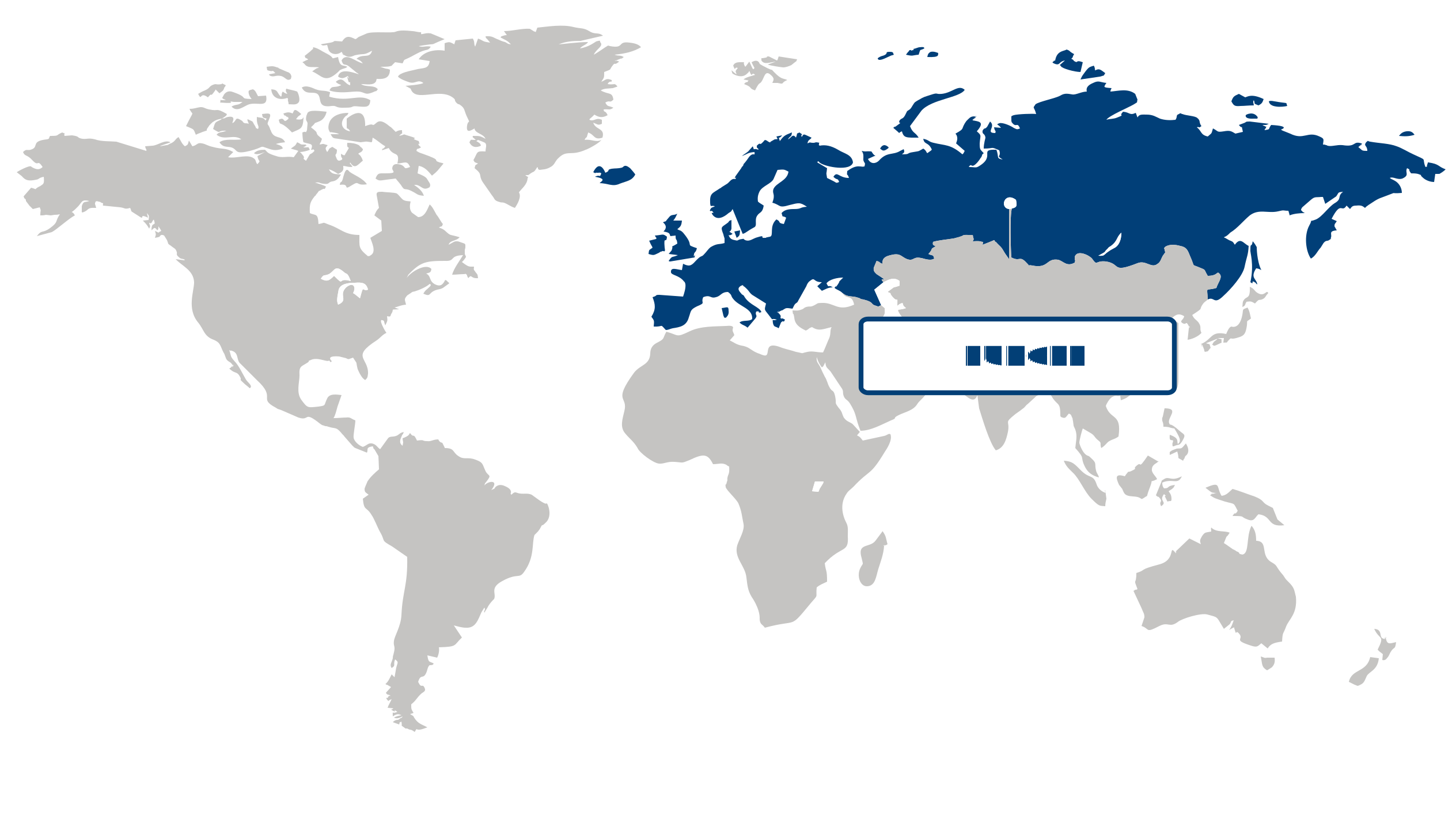
Largest Region
Europe
39.9% Market Share in 2025
Europe Market Statistics:
Europe represented more than 39.9% of the global biodegradable films market in 2025, establishing itself as the largest and fastest-growing region in this sector. This leadership is driven by strong sustainability and packaging regulations that are increasingly shaping consumer preferences and corporate strategies. The region's commitment to environmental sustainability is reflected in initiatives from the European Commission, which has set ambitious targets for reducing plastic waste, thereby fostering a robust market for biodegradable alternatives. As consumers prioritize eco-friendly products, companies are adapting their offerings to meet this demand, enhancing their competitive positioning and operational capabilities. The interplay of these dynamics, alongside technological advancements in biodegradable materials, positions Europe as a fertile ground for growth in the biodegradable films market.
Germany anchors the European biodegradable films market, showcasing a unique blend of consumer demand and regulatory frameworks that favor sustainable packaging solutions. The German government’s stringent regulations on plastic use, as highlighted by the Federal Ministry for the Environment, Nature Conservation and Nuclear Safety, have catalyzed innovation in biodegradable materials, prompting companies like BASF to invest heavily in R&D for eco-friendly products. This proactive stance not only meets local consumer demands for sustainability but also aligns with broader European goals, reinforcing Germany's pivotal role in the region's market dynamics. As a result, Germany's advancements in biodegradable film technology create significant opportunities for regional market expansion.
France also plays a crucial role in the European biodegradable films market, driven by a cultural inclination towards sustainability and strong governmental support for eco-innovation. The French Ministry for the Ecological Transition has implemented policies that incentivize the use of biodegradable materials, encouraging companies such as Novamont to expand their biodegradable film offerings. This regulatory environment, combined with increasing consumer demand for sustainable packaging, positions France as a key player in fostering market growth. The synergy between France's cultural values and regulatory initiatives not only enhances its contribution to the regional biodegradable films market but also underscores the collaborative potential within Europe for advancing sustainable practices.
Asia Pacific Market Analysis:
The Asia Pacific region has emerged as the fastest-growing area in the biodegradable films market, registering a robust CAGR of 9.5%. This significant growth is primarily driven by the increasing demand for eco-friendly packaging solutions, as consumers and businesses alike prioritize sustainability in their purchasing decisions. The region's strong economic resilience and diverse consumer base have fostered a conducive environment for biodegradable film adoption, with countries like Japan and China leading the charge. Moreover, regulatory frameworks are evolving to support sustainable practices, further enhancing market dynamics. For instance, recent initiatives by the Asian Development Bank emphasize the importance of sustainable materials in achieving environmental goals, thereby reinforcing the region's commitment to biodegradable solutions.
Japan plays a pivotal role in the Asia Pacific biodegradable films market, characterized by a strong consumer preference for sustainable products. The country's focus on reducing plastic waste has propelled the adoption of biodegradable films, particularly in the packaging sector. Companies such as Mitsubishi Plastics are innovating to develop advanced biodegradable materials that cater to eco-conscious consumers. Additionally, Japan's regulatory environment is increasingly favorable, with policies encouraging the use of biodegradable alternatives in various industries. This commitment to sustainability not only meets domestic demand but also positions Japan as a leader in exporting biodegradable solutions, thus contributing to regional opportunities in the biodegradable films market.
China, as another key player, is witnessing a surge in the adoption of biodegradable films driven by the growing eco-friendly packaging demand. The country's vast consumer market is increasingly leaning towards environmentally sustainable products, influenced by government initiatives aimed at reducing plastic pollution. Companies like Green Dot Bioplastics are emerging as significant contributors to this trend, leveraging local resources to produce biodegradable films that meet both domestic and international standards. The competitive landscape is also evolving, with a focus on innovation and technological advancements in production processes, making China a crucial player in shaping the future of the biodegradable films market in the Asia Pacific region.
North America Market Trends:
North America has maintained a notable presence in the biodegradable films market, characterized by moderate growth driven by a confluence of consumer demand for sustainable products and supportive regulatory frameworks. The region's significance stems from its robust economic resilience and increasing prioritization of environmental sustainability, which has reshaped spending patterns as consumers gravitate towards eco-friendly alternatives. For instance, the U.S. Environmental Protection Agency's initiatives promoting biodegradable materials reflect a shift in regulatory focus that aligns with growing environmental consciousness among consumers. As companies innovate to meet these demands, the competitive landscape intensifies, fostering advancements in technology and operational efficiencies that enhance product offerings. This evolving market dynamic positions North America as a promising landscape for investment, with ample opportunities for stakeholders to capitalize on the shift towards sustainability in packaging and agriculture.
The U.S. plays a pivotal role in the North American biodegradable films market, driven by a surge in consumer awareness regarding plastic pollution and the environmental impacts of traditional packaging. The demand for biodegradable films is further bolstered by state-level regulations aimed at reducing single-use plastics, such as California's stringent environmental policies that encourage the adoption of sustainable materials. Companies like BASF have responded by expanding their portfolio of biodegradable solutions, underscoring the competitive drive to innovate within this space. As consumer preferences continue to evolve towards greener alternatives, the U.S. market is poised for further growth, offering a strategic advantage for investors looking to tap into the burgeoning demand for biodegradable solutions. This trend not only reinforces the U.S.'s leadership within the region but also highlights the interconnected opportunities that exist across North America in the biodegradable films market.
No card data available for this language/report.
Segment Leadership and Growth Trends
Analysis by Material
The biodegradable films market for materials is led by Polylactic acid (PLA), which captured a commanding 24.89% share in 2025. This segment's leadership is primarily driven by its compostable nature derived from renewable sources like corn starch, making it a favored choice for sustainable packaging solutions. Consumer preferences are increasingly shifting towards eco-friendly options, influenced by heightened awareness of environmental issues and regulatory initiatives promoting biodegradable materials. Industry leaders such as NatureWorks have reported a significant uptick in PLA adoption, underscoring its pivotal role in the market. The strategic advantages for both established firms and new entrants lie in the growing demand for sustainable materials, providing opportunities for innovation and collaboration. As sustainability continues to be a priority across sectors, PLA is expected to maintain its relevance in the biodegradable films market in the near to medium term.
Analysis by Product
In the biodegradable films market, bags dominate the product segment with a remarkable 38.05% share in 2025. This segment's growth is fueled by the increasing awareness of plastic pollution, which has accelerated the demand for eco-friendly alternatives to traditional plastic bags. Changing consumer behaviors, driven by environmental concerns and legislative pressures, have prompted retailers to seek biodegradable options for their packaging needs. Companies like Biome Bioplastics have noted a surge in orders for biodegradable bags, reflecting this trend. Both established brands and startups have the opportunity to capitalize on this shift by innovating in biodegradable bag designs and materials. As the push for reducing plastic waste intensifies, the bags segment is poised to remain a critical component of the biodegradable films market moving forward.
Analysis by End-use Industry
The food and beverage sector represents the largest end-use industry in the biodegradable films market, holding a significant 35.41% share in 2025. This leadership position is largely attributed to the rising consumer preference for sustainable packaging solutions, particularly in food wrapping and containers, which are increasingly seen as essential for maintaining product freshness while minimizing environmental impact. The trend is supported by organizations like the World Wildlife Fund, which advocate for sustainable practices in food packaging. This sector offers strategic advantages for both established firms and emerging players, as the demand for biodegradable solutions continues to grow. With ongoing developments in sustainable practices and consumer education, the food and beverage segment is expected to sustain its prominence in the biodegradable films market in the coming years.
| Report Segmentation | |||
| Segment | Sub-Segment | Largest Segment | Fastest Growing Segment |
|---|---|---|---|
| Material | Polylactic acid (PLA), Polyhydroxyalkanoates (PHA), Starch blends, Biodegradable polyester, Others | ||
| Product | Bags, Wrapping films, Liners, Sheets, Others | ||
| End-use Industry | Food and beverage, Healthcare, Personal care & cosmetics, Electrical & electronics, Others | ||
 Read our Research Approach
Competitive Landscape and Market Positioning
Key players in the biodegradable films market include Amcor, Berry Global, Mondi, Sealed Air, Huhtamaki, BioPak, Novolex, Stora Enso, Smurfit Kappa, and NatureWorks. These companies represent a diverse geographical footprint and a range of innovative capabilities that significantly influence the market landscape. Amcor, for instance, is recognized for its commitment to sustainability and extensive product portfolio, positioning itself as a leader in eco-friendly packaging solutions. Berry Global leverages its strong manufacturing capabilities to deliver a variety of biodegradable options tailored to different industries. Meanwhile, Mondi and Sealed Air emphasize research and development to enhance the performance of their biodegradable films, reflecting their proactive approach to market demands. Other notable players like Huhtamaki and BioPak focus on regional markets, fostering local partnerships to expand their reach and impact, while Novolex, Stora Enso, Smurfit Kappa, and NatureWorks continue to innovate in materials science, thus enhancing their competitive edge in this evolving sector.
The competitive landscape of the biodegradable films market is characterized by dynamic strategic initiatives among these key players. Many of these companies are engaging in collaborative efforts to broaden their technological capabilities and market reach. For instance, partnerships between manufacturers and research institutions are becoming increasingly common, aimed at developing advanced biodegradable materials that meet stringent environmental standards. Additionally, several players are focusing on expanding their product lines through innovative launches that cater to emerging consumer preferences for sustainable packaging solutions. This emphasis on innovation, coupled with strategic alliances, enables these companies to enhance their market positioning and respond effectively to competitive pressures, thereby fostering a culture of continuous improvement and adaptation.
Strategic / Actionable Recommendations for Regional Players
In North America, there is a significant opportunity for players to engage in partnerships with local startups focused on biodegradable technology. By collaborating with agile innovators, established companies can enhance their product offerings and tap into niche markets that prioritize sustainability. The integration of advanced technologies, such as bioplastics derived from renewable resources, could also be pivotal in driving innovation and meeting consumer demands for eco-friendly solutions.
In the Asia Pacific region, market players should consider targeting high-growth sub-segments, such as food packaging and agricultural films, which are witnessing increased demand due to rising environmental awareness. Establishing alliances with local distributors can facilitate market penetration and enhance visibility, allowing companies to adapt their offerings to regional preferences while promoting sustainable practices.
In Europe, responding to competitive initiatives through strategic mergers or acquisitions can provide a pathway for companies to bolster their capabilities and expand their market share. Emphasizing sustainability in product development and marketing can resonate well with environmentally conscious consumers, further solidifying their position in a market that is increasingly leaning towards biodegradable solutions.
Why Choose Us
Specialized Expertise: Our team comprises industry experts with a deep understanding of your market segment. We bring specialized knowledge and experience that ensures our research and consulting services are tailored to your unique needs.
Customized Solutions: We understand that every client is different. That's why we offer customized research and consulting solutions designed specifically to address your challenges and capitalize on opportunities within your industry.
Proven Results: With a track record of successful projects and satisfied clients, we have demonstrated our ability to deliver tangible results. Our case studies and testimonials speak to our effectiveness in helping clients achieve their goals.
Cutting-Edge Methodologies: We leverage the latest methodologies and technologies to gather insights and drive informed decision-making. Our innovative approach ensures that you stay ahead of the curve and gain a competitive edge in your market.
Client-Centric Approach: Your satisfaction is our top priority. We prioritize open communication, responsiveness, and transparency to ensure that we not only meet but exceed your expectations at every stage of the engagement.
Continuous Innovation: We are committed to continuous improvement and staying at the forefront of our industry. Through ongoing learning, professional development, and investment in new technologies, we ensure that our services are always evolving to meet your evolving needs.
Value for Money: Our competitive pricing and flexible engagement models ensure that you get maximum value for your investment. We are committed to delivering high-quality results that help you achieve a strong return on your investment.
Select Licence Type

