Bread Mix Market Size & Growth Forecast 2027–2036, By Segments (Nature, Distribution Channel, Type), Regional Demand Trends (North America, Asia Pacific, Europe), Key Country Insights (U.S., Japan, South Korea, Germany, France, Italy), and Competitive Landscape
Jump to Content
Market Size and Growth Outlook
Bread Mix Market size was over USD 429.32 million in 2026 and is likely to grow at a 6.68% CAGR between 2027 and 2036, surpassing USD 819.62 million by 2036. The industry revenue for 2027 is assessed at USD 453.66 million.
Get more details on this report
Request Free Sample ReportBread Mix Market Intelligence Snapshot
Regional Market Dynamics
- Europe held 38.23% of the market in 2026, supported by established bakery traditions, demand for convenient preparation, diverse bread preferences, and well-developed food processing and retail networks.
- Asia Pacific is growing fastest as urbanization, rising disposable incomes, changing lifestyles, and expanding online grocery channels increase demand for convenient bakery products and home baking solutions.
Segment Momentum
- The conventional segment led the market in 2026 with an 85.65% revenue share, supported by broad consumer acceptance, cost efficiency, established supply networks, and consistent product quality.
- Foodservice is the fastest-growing distribution channel, supported by demand from restaurants, bakeries, hotels, cafés, and catering businesses seeking convenient ingredients, standardized recipes, and efficient high-volume preparation.
Market Expansion Drivers
- Increasing consumer preference for convenience foods.
- Growth in bakery and foodservice sectors.
- Product innovation with health and functional ingredients.
Leading Market Participants
- Leading companies in the bread mix market include King Arthur Baking Company (USA), General Mills (USA), Puratos Group (Belgium), Archer Daniels Midland (USA), Bob’s Red Mill Natural Foods (USA), Continental Mills (USA), British Bakels (UK), Bäckerei Spiegelhauer (Germany), Seitenbacher America LLC (USA), Sonneveld Group (Netherlands).
Global Market Forecast Snapshot
Market Outlook
- 2026 Market Size: USD 429.32 million
- 2027 Estimated Market Size: USD 453.66 million
- Projected Market Size: USD 819.62 million by 2036
- Growth Forecast: 6.68% CAGR (2027-2036)
Regional and Segment Outlook
- Leading Regional Market: Europe
- High-Growth Regional Hub: Asia Pacific
- Core Revenue Segment: Nature (Conventional) | Distribution Channel (Foodservice) | Type (Bread & Roll Mixes)
- Emerging Opportunity Segment: Nature (Conventional) | Distribution Channel (Foodservice) | Type (Bread & Roll Mixes)
Market Growth Drivers and Industry Trends
Increasing consumer preference for convenience foods
The growing preference for convenient food products is driving demand for bread mixes that simplify preparation while reducing the time and effort required for home baking. Consumers are increasingly seeking products that offer consistent results with minimal preparation, particularly as busy lifestyles encourage easier meal and baking solutions. Bread mixes provide convenient access to pre-formulated ingredients and allow consumers to prepare a variety of bakery products without extensive expertise or ingredient sourcing. In addition, the availability of easy-to-use mixes for different bread types and preparation methods is expanding their appeal among households seeking practical and versatile food options.
Growth in bakery and foodservice sectors
The expansion of bakery outlets, foodservice establishments, and other commercial food operations is supporting demand for bread mixes by enabling businesses to streamline preparation and maintain consistent product quality. Commercial users can benefit from standardized ingredient formulations that simplify production processes, reduce preparation complexity, and support more predictable bakery operations. The growing popularity of freshly prepared bakery products across foodservice channels is further increasing the need for efficient ingredient solutions. In addition, bread mixes can help smaller food businesses broaden their product offerings while managing operational requirements and maintaining consistency across batches.
Product innovation with health and functional ingredients
Increasing consumer awareness of nutrition and wellness is encouraging the development of bread mixes incorporating health-oriented and functional ingredients. Manufacturers are increasingly formulating mixes with ingredients associated with higher fiber content, improved nutritional profiles, plant-based nutrition, and other functional benefits to address changing dietary preferences. Demand for products aligned with specific lifestyle choices is also encouraging greater diversification in bread mix formulations. Furthermore, innovation in ingredient combinations and product formats is allowing bread mixes to appeal to consumers seeking convenient bakery products without compromising their focus on healthier and more purposeful food choices.
| Growth Driver | Impact on CAGR | Regulatory Influence | Geographic Relevance | Adoption Rate | Impact Timeline |
|---|---|---|---|---|---|
| Increasing consumer preference for convenience foods | 2.5% | Short term (≤ 2 yrs) | North America; Europe; Spillover: Asia Pacific | Low | Fast |
| Growth in bakery and foodservice sectors | 2% | Medium term (2–5 yrs) | Asia Pacific; Europe; Spillover: North America | Medium | Moderate |
| Product innovation with health and functional ingredients | 2% | Long term (5+ yrs) | North America; Asia Pacific; Spillover: Europe | Medium | Slow |
Explore Growth Opportunities
Request Free Sample ReportRegional Demand Dynamics
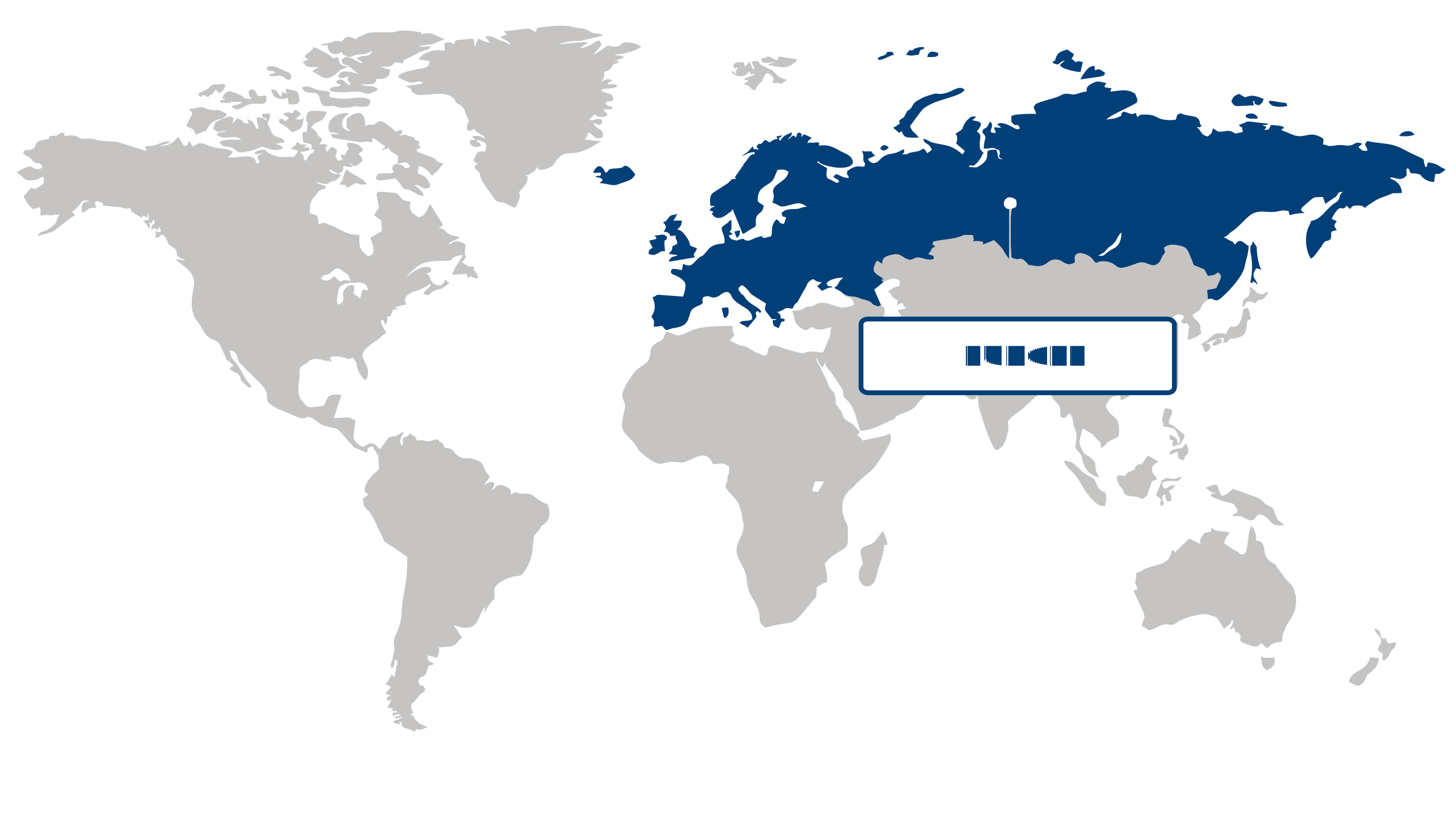
Europe (Largest Region)
Europe accounted for the largest share of 38.23% in 2026 and remains a prominent region in the bread mix market, backed by established bakery traditions, widespread consumption of bread-based products, and strong demand for convenient food preparation solutions. Consumers across the region increasingly value products that reduce preparation time while maintaining consistent taste and texture, supporting the use of ready-to-use and easy-to-prepare bread mixes. The presence of diverse bakery cultures also encourages demand for different formulations suited to regional preferences, including products tailored to specific bread styles and dietary requirements. Furthermore, established food processing and retail networks provide broad distribution opportunities, allowing bread mix products to reach both household consumers and professional foodservice applications.
Asia Pacific (Fastest-Growing Region)
Asia Pacific is the fastest-growing region in the bread mix market, driven by changing lifestyles, rising disposable incomes, urbanization, and growing interest in convenient bakery products. Consumers in developing markets are increasingly seeking simplified food preparation options as busy lifestyles reduce the time available for traditional baking. Expanding modern retail and online grocery channels are improving product accessibility, while growing exposure to international bakery formats is encouraging experimentation with different bread varieties. Rising interest in home baking and greater awareness of packaged food products are further supporting demand, creating opportunities for manufacturers to introduce convenient formulations suited to local tastes and evolving dietary preferences.
| Parameter | North America | Asia Pacific | Europe | Latin America | MEA |
|---|---|---|---|---|---|
| Innovation HubiScaleNascentDeveloping Advanced | |||||
| Cost-Sensitive RegioniScaleLowMedium High | |||||
| Regulatory EnvironmentiScaleRestrictiveNeutral Supportive | |||||
| Demand DriversiScaleWeakModerate Strong | |||||
| Development StageiScaleEmergingDeveloping Developed | |||||
| Adoption RateiScaleLowMedium High | |||||
| New Entrants / StartupsiScaleSparseModerate Dense | |||||
| Macro IndicatorsiScaleWeakStable Strong |
Key Country Insights
United States 🇺🇸
Convenience Baking DemandIn the U.S., bread mixes are supported by demand for convenient home baking, specialty breads, and formulations suited to dietary preferences. Product differentiation around clean-label ingredients, high-protein options, and easy preparation remains commercially relevant across retail and foodservice channels.
Germany 🇩🇪
Artisan Bread AdaptationGermany’s established bread culture creates demand for mixes that replicate regional and artisan-style varieties while simplifying preparation. Suppliers can differentiate through whole-grain formulations, rye-based mixes, organic ingredients, and products aligned with traditional baking preferences.
Japan 🇯🇵
Premium Convenience BakingJapan offers scope for bread mixes combining convenience with premium textures, flavors, and portion formats. Market priorities include easy-to-use home-baking products, soft and enriched bread formulations, and mixes adapted to compact household appliances and Japanese taste preferences.
South Korea 🇰🇷
Home Baking InnovationSouth Korea’s bread mix market is shaped by expanding home-baking interest and experimentation with café-style products. Commercial opportunities center on premium mixes, visually appealing bread formats, distinctive flavors, and formulations compatible with convenient home preparation.
France 🇫🇷
Traditional Bread FormulationFrance’s strong preference for traditional bakery products favors bread mixes that preserve authentic taste and texture while reducing preparation complexity. Suppliers can focus on baguette, rustic, multigrain, and specialty formulations that bridge convenience with established French baking expectations.
Italy 🇮🇹
Specialty Bakery HeritageItaly’s bakery traditions support bread mixes tailored to regional styles and specialty products. Commercial priorities include formulations for rustic breads, focaccia, whole-grain varieties, and premium ingredients, with emphasis on maintaining traditional sensory characteristics through simplified preparation.
Bread Mix Market Share (%), by Nature, 2026
Go beyond the chart, access full insights & data tables
Request Free Sample ReportNature Segment Analysis: Conventional (Largest & Fastest-Growing Segment)
The conventional segment accounted for the largest market revenue share of 85.65% in 2026 and is projected to grow at the fastest pace during the forecast period, supported by its broad consumer acceptance, established production practices, and widespread availability across retail and foodservice channels. Conventional bread mixes offer manufacturers and bakers a familiar and cost-efficient approach to producing consistent bread products while reducing preparation complexity and standardizing ingredient proportions. Their established position in commercial baking operations also supports continued demand, particularly where reliability, ease of handling, and predictable product quality are important considerations. In addition, the extensive availability of conventional ingredients and established supply networks facilitates consistent sourcing and production, making these mixes suitable for a wide variety of bread formulations. As bakeries, foodservice operators, and other commercial users continue to seek convenient solutions that streamline preparation while maintaining consistency, conventional bread mixes are expected to retain their dominant position and support continued segment growth.
Distribution Channel Segment Analysis: Foodservice (Largest & Fastest-Growing Segment)
The foodservice segment accounted for the largest market revenue share of 72.77% in 2026 and is projected to grow at the fastest pace during the forecast period, driven by the widespread use of bread mixes in restaurants, bakeries, hotels, cafés, catering operations, and other commercial food establishments. Foodservice operators increasingly rely on ready-to-use ingredient solutions to simplify baking processes, maintain consistent product quality, and manage preparation time efficiently across high-volume operations. Bread mixes can help standardize recipes and reduce the complexity associated with ingredient measurement and preparation, making them particularly suitable for businesses serving diverse bread and baked-product offerings. The expansion of organized foodservice and changing consumer preferences toward freshly prepared bakery products are further supporting demand through this channel. Moreover, the ability of commercial users to adapt bread mixes to different product formats and recipes provides additional flexibility in menu development. As foodservice establishments continue to prioritize operational efficiency and consistent output, the foodservice distribution channel is expected to remain a major contributor to the bread mix market and sustain strong growth.
Type Segment Analysis: Bread & Roll Mixes (Largest & Fastest-Growing Segment)
The bread & roll mixes segment accounted for the largest market revenue share of 41.26% in 2026 and is projected to grow at the fastest pace during the forecast period, primarily due to the broad consumption of bread and rolls across households, bakeries, restaurants, and other foodservice establishments. These mixes simplify the preparation process by providing a convenient formulation for producing commonly consumed baked products while helping users achieve consistent texture, structure, and flavor. Demand is further supported by the versatility of bread and roll products, which can be adapted to different meal occasions, serving formats, and consumer preferences. Commercial bakers and foodservice operators can also benefit from streamlined preparation and improved consistency when using standardized mixes, particularly in high-volume production environments. Ongoing interest in convenient baking solutions, combined with the continued popularity of bread-based products across foodservice and retail applications, is expected to reinforce the leading position of bread & roll mixes and support their continued expansion.
| Segment | Sub-Segment | Largest Segment | Fastest Growing |
|---|---|---|---|
| Nature | Organic, Conventional | Conventional | Conventional |
| Distribution Channel | Foodservice, Retail | Foodservice | Foodservice |
| Type | Bread & Roll Mixes, Sourdough Bread Mixes, Pizza Mixes, Rue Bread Mixes | Bread & Roll Mixes | Bread & Roll Mixes |
Unlock insights tailored to your business with our bespoke market research solutions.
Click to get your customized report now.
Competitive Landscape and Market Positioning
Analyst Perspective:
Formulators in the bread mix industry face a delicate technical balancing act between clean-label simplicity and functional baking performance. Removing synthetic emulsifiers or introducing organic, gluten-free, and high-protein ingredients significantly alters dough hydration, elasticity, and crumb structure, which can compromise final loaf volume or shelf stability. Consequently, brand loyalty relies heavily on proprietary processing technologies that deliver repeatable baking results without complex preparation steps. Market leaders prevail by engineering allergen-friendly and nutrient-fortified mixes that match conventional sensory expectations, pairing transparent ingredient decks with reliable shelf-life extension.
Key companies in the bread mix market:
- King Arthur Baking Company (USA)
- General Mills (USA)
- Puratos Group (Belgium)
- Archer Daniels Midland (USA)
- Bob’s Red Mill Natural Foods (USA)
- Continental Mills (USA)
- British Bakels (UK)
- Bäckerei Spiegelhauer (Germany)
- Seitenbacher America LLC (USA)
- Sonneveld Group (Netherlands)
| Company | Market Share | Company Revenue | Revenue CAGR (%) | Product Portfolio | Geographic Presence | Innovation / R&D Focus | Strategic Developments |
|---|---|---|---|---|---|---|---|
| King Arthur Baking Company (USA) | |||||||
| General Mills (USA) | |||||||
| Puratos Group (Belgium) | |||||||
| Archer Daniels Midland (USA) | |||||||
| Bob’s Red Mill Natural Foods (USA) | |||||||
| Continental Mills (USA) | |||||||
| British Bakels (UK) | |||||||
| Bäckerei Spiegelhauer (Germany) | |||||||
| Seitenbacher America LLC (USA) | |||||||
| Sonneveld Group (Netherlands) |
Industry Development/News
| Company Name | Date | Key Development |
|---|---|---|
| FREEE | December 2025 | FREEE expanded its gluten-free home-baking range with Dumpling, Crumble and Yorkshire Pudding Mixes, including a gluten-free Dumpling Mix described as the UK’s first of its kind. The expansion broadens the company’s specialized baking mix portfolio and increases the range of convenient gluten-free formats available for home preparation. |
| Flowers Foods, Inc. | February 2025 | Flowers Foods, Inc. completed the acquisition of Simple Mills, a natural brand offering premium better-for-you crackers, cookies, snack bars, and baking mixes. The transaction expands Flowers Foods’ portfolio in the natural and organic baking mix segment, strengthening its participation in a specialized area of the broader bread mix market. |
| Archer Daniels Midland Company | May 2024 | Archer Daniels Midland Company completed the acquisition of a specialty ingredients manufacturer in Brazil, expanding its Latin American bread mix offerings. The transaction strengthens ADM’s presence in the global bread mix market while increasing its activity in the Latin American region through an expanded specialty ingredients platform. |
| King Arthur Baking Company | March 2024 | King Arthur Baking Company introduced a premium savory bread mix kit line spanning Pull-Apart Garlic Bread, Soft & Chewy Pretzel Bites, Crisp & Airy Focaccia, and Perfectly Tender Flatbread. The range expands the company’s packaged mix portfolio with versatile formats positioned for both novice and experienced home bakers, reinforcing convenience within the bread mix segment. |
Customize Your Report
Explore examples of how this report can be tailored to different research needs, including custom segments, additional topics or chapters, and related reports. Click a section of the wheel or its numbered marker to explore the available options.
Bread Mix Market — Custom Segments
| Segment | Sub-Segment |
|---|---|
| Preparation Format | Ready-to-Mix Dry Blends, Concentrated Mixes, Frozen Mixes, Liquid & Wet Mixes |
| Price Tier | Economy, Mid-Range, Premium |
| Consumer Occasion | Everyday Home Baking, Special-Occasion Baking, Commercial & Foodservice Baking |
Bread Mix Market — Custom TOC
| Custom Chapter | Chapter Details |
|---|---|
| Consumer Shift Toward Convenient Baking Solutions |
|
| Retail & Foodservice Channel Economics |
|
| Clean Label Reformulation Strategies |
|
Need a different cut of the data?
Request Custom ResearchFrequently Asked Questions
What is the market valuation of the bread mix market?
How is the bread mix industry size expected to evolve during the forecast period?
How is the shift toward convenience foods accelerating bread mix adoption?
How are health-oriented product innovations expanding the commercial appeal of bread mixes?
Which nature segment holds the largest share of the bread mix market?
Which distribution channel is expected to experience the fastest growth in the bread mix market?
Why does Europe dominate the bread mix market?
How is Asia Pacific creating new growth opportunities in the bread mix market?
Who are the major participants shaping the bread mix landscape?
Our Clients
"The report provided a thorough look at market trends, technological advancements, and the competitive landscape. The depth of insights was really valuable."
ITC Limited
"We would highly recommend Fundamental Business Insights & Consulting to anyone looking for reliable, detailed, and comprehensive market research in the Food industry."
Tyson Foods
"The clarity and presentation of the information were commendable. The report was delivered timely, which made the overall experience smooth and convenient."
Mondelēz International
Our Research Team & Methodology
Every Fundamental Business Insights report is built by a dedicated vertical research team, validated through a structured primary-and-secondary methodology, and reviewed for accuracy before it reaches you.
This report was prepared by the Food & Beverage Research Team at Fundamental Business Insights, a dedicated research group specializing in the global food, beverage, ingredients, and food processing industries. Our analysts continuously monitor evolving consumer preferences, product innovation, ingredient developments, food safety regulations, manufacturing technologies, supply chain dynamics, pricing trends, sustainability initiatives, and changing retail and foodservice landscapes to deliver timely and reliable market intelligence. The research is developed using a structured methodology that combines primary discussions with food manufacturers, ingredient suppliers, distributors, retailers, industry experts, and other key stakeholders, along with company annual reports, regulatory publications, government trade statistics, food safety authorities, industry associations, technical publications, and other authoritative secondary sources. Market estimates are validated through multiple research techniques, including top-down and bottom-up analysis, before undergoing an internal quality review to ensure accuracy, consistency, and methodological integrity prior to publication.
Delivery
Published
Available
Support
- Market Size & Forecast
- Market Segmentation
- Regional Analysis
- Growth Drivers & Challenges
- Market Dynamics
- Competitive Landscape
- Company Profiles
- Competitive Benchmarking
- Mergers & Acquisitions
- Market Share Analysis or Key Company Strategies
- Value Chain Analysis
- Porter's Five Forces
- PESTLE Analysis
- Pricing Trends
- Supply-Demand Analysis
- Technology Landscape
- Regulatory Landscape
- Investment & Funding Landscape
- Emerging Opportunities
- Future Market Outlook