BREEAM-Compliant Materials Market Size & Growth Forecast 2027–2036, By Segments (Application, Material, End Use Sector), Regional Demand Trends (North America, Asia Pacific, Europe), Key Country Insights (U.S., Japan, South Korea, Germany, France, Italy), and Competitive Landscape
Jump to Content
Market Size and Growth Outlook
BREEAM-Compliant Materials Market size was over USD 33.11 billion in 2026 and is likely to grow at a 7.63% CAGR between 2027 and 2036, attaining USD 69.07 billion by 2036. The industry revenue for 2027 is estimated at USD 35.26 billion.
Get more details on this report
Request Free Sample ReportBREEAM-Compliant Materials Market Intelligence Snapshot
Regional Market Dynamics
- Europe held the majority revenue share in 2026, supported by sustainable construction priorities, green building certifications, carbon reduction efforts, and renovation projects targeting improved building performance.
- Asia Pacific is the fastest-growing region, driven by rapid urbanization, infrastructure investment, and expanding green-building initiatives across commercial, residential, and large-scale construction projects.
Segment Momentum
- New construction accounted for 56.75% of the market in 2026, as developers integrate sustainable materials during planning and design to meet BREEAM assessment criteria and improve building energy and environmental performance.
- Insulation materials are the fastest-growing material segment, driven by demand for improved thermal performance, lower heating and cooling requirements, and greater energy efficiency across sustainable construction and renovation projects.
Market Expansion Drivers
- Demand for Sustainable & Low‑Carbon Construction Materials.
- Adoption of BREEAM Standards in Commercial Projects.
- Innovation in Recycled & Bio‑Based Material Solutions.
Leading Market Participants
- Prominent companies in the BREEAM-compliant materials market include Saint-Gobain (France), Holcim (Switzerland), Kingspan Group (Ireland), Rockwool Group (Denmark), Knauf (Germany), Lafarge (France), BASF Construction Solutions (Germany), Sika (Switzerland), Tata Steel Europe (UK), Wienerberger (Austria).
Global Market Forecast Snapshot
Market Outlook
- 2026 Market Size: USD 33.11 billion
- 2027 Estimated Market Size: USD 35.26 billion
- Projected Market Size: USD 69.07 billion by 2036
- Growth Forecast: 7.63% CAGR (2027-2036)
Regional and Segment Outlook
- Leading Regional Market: Europe
- High-Growth Regional Hub: Asia Pacific
- Core Revenue Segment: Application (New Construction) | Material (Concrete and Cement Products) | End Use Sector (Commercial Real Estate)
- Emerging Opportunity Segment: Application (New Construction) | Material (Insulation Materials) | End Use Sector (Commercial Real Estate)
Market Growth Drivers and Industry Trends
Demand for Sustainable & Low-Carbon Construction Materials
The growing emphasis on sustainable construction and carbon reduction is driving demand for materials that support environmentally responsible building practices. Developers and construction stakeholders are increasingly prioritizing materials with lower embodied carbon, improved resource efficiency, reduced environmental impact, and enhanced energy performance to align building projects with sustainability objectives. In addition, growing awareness of lifecycle environmental impacts and the need to meet increasingly stringent green building requirements are encouraging the adoption of compliant construction materials.
Adoption of BREEAM Standards in Commercial Projects
The increasing adoption of BREEAM standards across commercial construction projects is supporting demand for materials that contribute to sustainable building performance and certification requirements. Developers are increasingly incorporating environmentally preferable products into project designs to address criteria related to energy efficiency, responsible sourcing, waste management, indoor environmental quality, and ecological performance. Besides, the growing focus on sustainable commercial buildings is encouraging architects, contractors, and material suppliers to integrate compliant solutions throughout the construction lifecycle.
Innovation in Recycled & Bio-Based Material Solutions
Innovation in recycled and bio-based construction materials is creating new opportunities for the market by expanding the availability of sustainable alternatives to conventional building products. Manufacturers are increasingly developing materials that incorporate recycled content, renewable resources, and environmentally responsible production methods while maintaining the durability and performance required for construction applications. In addition, advancements in material processing and product formulation are improving the suitability of these solutions for green building projects and supporting broader adoption of sustainable construction practices.
| Growth Driver | Impact on CAGR | Regulatory Influence | Geographic Relevance | Adoption Rate | Impact Timeline |
|---|---|---|---|---|---|
| Demand for Sustainable & Low‑Carbon Construction Materials | 2% | Short term (≤ 2 yrs) | Europe; North America; Spillover Asia Pacific | High | Fast |
| Adoption of BREEAM Standards in Commercial Projects | 1.8% | Medium term (2–5 yrs) | Europe; Asia Pacific; Spillover North America | High | Moderate |
| Innovation in Recycled & Bio‑Based Material Solutions | 1.6% | Long term (5+ yrs) | North America; Europe; Spillover Asia Pacific | Medium | Moderate |
Explore Growth Opportunities
Request Free Sample ReportRegional Demand Dynamics
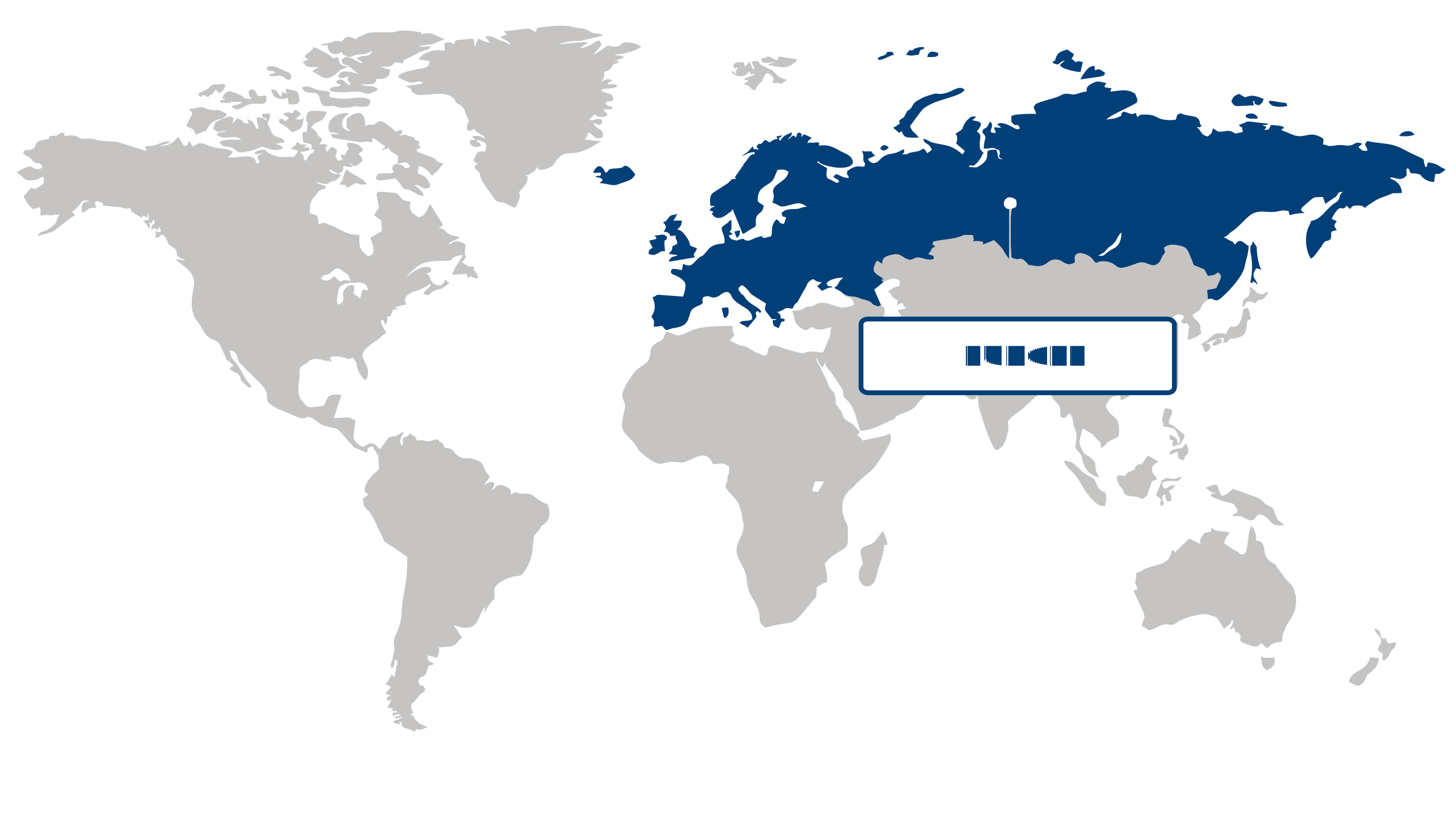
Europe (Largest Region)
The Europe BREEAM-compliant materials market held the majority revenue share in 2026, impelled by the region’s strong emphasis on sustainable construction, energy-efficient buildings, and environmentally responsible material selection. The growing adoption of green building certification frameworks is encouraging developers, architects, and contractors to prioritize materials that support energy performance, resource efficiency, responsible sourcing, indoor environmental quality, and reduced environmental impact. Increasing regulatory attention toward building sustainability and carbon reduction is further strengthening demand for construction materials that align with recognized environmental assessment criteria. The renovation of existing buildings is also creating opportunities for compliant materials as property owners seek to improve building performance while meeting evolving sustainability expectations. In addition, growing investor and occupier interest in environmentally responsible real estate is encouraging developers to integrate sustainability considerations throughout the construction lifecycle, supporting continued demand for materials capable of contributing to certified building performance.
Asia Pacific (Fastest-Growing Region)
Asia Pacific is the fastest-growing region in the BREEAM-compliant materials market, spurred by rapid urban development, expanding green-building initiatives, and increasing awareness of sustainable construction practices. The region’s growing building stock and infrastructure investment are encouraging stakeholders to adopt construction approaches that address energy efficiency, environmental performance, and resource conservation. As developers and property owners increasingly seek internationally recognized sustainability standards, demand is rising for materials that can contribute to environmentally responsible building projects. Growing investment in commercial developments, modern residential properties, and large-scale infrastructure is creating additional opportunities for sustainable material suppliers. The increasing integration of green design principles into new construction and renovation projects is also encouraging manufacturers to develop materials with improved environmental characteristics, recycled content, resource efficiency, and lower lifecycle impacts. These trends are strengthening the role of sustainable materials in the region’s evolving construction ecosystem.
| Parameter | North America | Asia Pacific | Europe | Latin America | MEA |
|---|---|---|---|---|---|
| Innovation HubiScaleNascentDeveloping Advanced | |||||
| Cost-Sensitive RegioniScaleLowMedium High | |||||
| Regulatory EnvironmentiScaleRestrictiveNeutral Supportive | |||||
| Demand DriversiScaleWeakModerate Strong | |||||
| Development StageiScaleEmergingDeveloping Developed | |||||
| Adoption RateiScaleLowMedium High | |||||
| New Entrants / StartupsiScaleSparseModerate Dense | |||||
| Macro IndicatorsiScaleWeakStable Strong |
Key Country Insights
United States 🇺🇸
Green Building IntegrationIn the U.S., BREEAM-compliant materials can support projects pursuing internationally recognized sustainability credentials, particularly in institutional, commercial, and multinational developments. Suppliers are likely to prioritize documented environmental performance, responsible sourcing, and certification-ready product data to meet increasingly structured green building procurement requirements.
Germany 🇩🇪
Circular Material AlignmentGermany’s focus on resource efficiency and circular construction creates demand for BREEAM-compatible materials with transparent environmental documentation. Manufacturers can strengthen market access by emphasizing recycled content, lifecycle performance, responsible sourcing, and digital product information that helps developers and specifiers substantiate sustainability criteria during project assessment.
Japan 🇯🇵
Certification-Ready MaterialsJapan offers opportunities for suppliers able to adapt BREEAM-compliant materials to technically demanding building specifications and sustainability requirements. Product developers are likely to emphasize verified environmental credentials, durability, energy performance, and detailed technical documentation, particularly where internationally oriented projects require compatibility with structured green building assessment frameworks.
South Korea 🇰🇷
Sustainable Specification FocusSouth Korea’s advanced commercial construction sector provides a setting for BREEAM-compliant materials where developers seek internationally recognizable sustainability standards. Suppliers can differentiate through products with strong environmental documentation, efficient building performance characteristics, and certification support tailored to architects, consultants, and project teams managing complex green building specifications.
France 🇫🇷
Low-Impact Material SelectionFrance’s emphasis on sustainable construction supports demand for BREEAM-compliant materials that demonstrate measurable environmental performance and responsible resource use. Market participants can benefit from aligning product documentation with certification requirements while highlighting lifecycle impacts, low-carbon attributes, recycled inputs, and material transparency for specification-driven building projects.
Italy 🇮🇹
Sustainable Renovation MaterialsItaly’s extensive building renovation and refurbishment activity creates scope for BREEAM-compliant materials suited to projects combining heritage considerations with modern sustainability requirements. Suppliers are likely to focus on adaptable, low-impact products supported by clear environmental credentials, enabling architects and developers to address certification objectives without compromising functional or aesthetic specifications.
BREEAM-Compliant Materials Market Share (%), by Application, 2026
Go beyond the chart, access full insights & data tables
Request Free Sample ReportApplication Segment Analysis: New Construction (Largest & Fastest-Growing Segment)
The new construction segment accounted for 56.75% share of the BREEAM-compliant materials market in 2026, reflecting the strong integration of sustainability requirements into newly developed buildings. New construction projects provide greater flexibility to incorporate environmentally responsible materials from the planning and design stages, enabling developers to align material selection with BREEAM assessment criteria related to resource efficiency, energy performance, environmental impact, and occupant well-being. The growing emphasis on green building certifications is encouraging project owners, architects, and contractors to specify compliant materials as part of broader strategies to improve building sustainability and long-term operational performance. The segment is also benefiting from increasing incorporation of sustainable construction practices into commercial, residential, and institutional development projects, where material choices can be optimized before construction begins. As regulatory frameworks and development standards increasingly emphasize environmental performance, the ability to embed compliant materials throughout the construction process is supporting continued adoption across new building projects.
Material Segment Analysis: Concrete and Cement Products (Largest Segment) vs Insulation Materials (Fastest-Growing Segment)
The concrete and cement products segment represented 27.54% share of the BREEAM-compliant materials market in 2026, supported by the fundamental role of concrete-based materials in structural systems and building construction. Their extensive use across foundations, structural components, flooring, and other essential applications creates substantial demand for products that can satisfy sustainability and environmental performance requirements. For BREEAM-oriented construction, greater attention to material sourcing, embodied environmental impact, durability, and resource efficiency is encouraging the adoption of concrete and cement products with improved sustainability characteristics. Developers and contractors are increasingly considering the environmental performance of core construction materials alongside structural requirements, supporting the integration of more resource-efficient and environmentally responsible concrete and cement solutions into building projects.
The insulation materials segment is expected to register the fastest growth, driven by the increasing importance of energy efficiency and thermal performance in sustainable building design. Effective insulation can help reduce heat transfer through building envelopes, supporting lower energy requirements for heating and cooling while contributing to indoor comfort and broader building-performance objectives. As BREEAM-compliant projects place greater emphasis on energy conservation, resource efficiency, and overall environmental performance, insulation materials are becoming an increasingly important component of sustainable construction strategies. Advances in insulation solutions, together with growing awareness of building energy performance and stricter sustainability expectations, are supporting their wider incorporation across new construction and renovation projects. The expanding focus on reducing operational energy consumption is therefore creating favorable conditions for continued adoption of high-performance insulation materials.
End Use Sector Segment Analysis: Commercial Real Estate (Largest & Fastest-Growing Segment)
The commercial real estate segment accounted for the largest share of the BREEAM-compliant materials market in 2026, reflecting the strong adoption of sustainability standards across offices, retail properties, business facilities, and other commercial developments. Commercial property developers and owners increasingly prioritize environmentally responsible construction to improve building efficiency, support sustainability objectives, and align assets with evolving environmental expectations. BREEAM-compliant materials can contribute to broader building certification goals through improved resource efficiency, responsible material selection, energy performance, and environmental impact management. The commercial sector also has a strong incentive to incorporate sustainable materials because building performance can influence operating costs, asset attractiveness, tenant expectations, and long-term property value. As sustainability becomes more integrated into commercial development and property management strategies, demand for compliant materials is expanding across both new projects and major refurbishment activities.
The commercial real estate segment is also expected to experience the fastest growth as sustainability considerations become increasingly embedded in investment, development, and property management decisions. Commercial developers are placing greater emphasis on environmentally efficient buildings that can satisfy evolving regulatory expectations while supporting corporate sustainability commitments and tenant demand for greener workspaces. The expansion of certified and environmentally focused commercial developments is creating additional opportunities for sustainable materials across structural, insulation, interior, and building-envelope applications. Growing investment in energy-efficient buildings and the modernization of existing commercial assets are further supporting the adoption of BREEAM-compliant materials, positioning commercial real estate as a key area of continued demand growth.
| Segment | Sub-Segment | Largest Segment | Fastest Growing |
|---|---|---|---|
| Application | New Construction, Refurbishment and Retrofit, Fit-out and Interior Applications | New Construction | New Construction |
| Material | Concrete and Cement Products, Steel and Metal Products, Insulation Materials, Timber and Wood Products, Flooring and Finishing Materials, Roofing and Envelope Materials | Concrete and Cement Products | Insulation Materials |
| End Use Sector | Commercial Real Estate, Residential Sector, Institutional Buildings, Industrial and Infrastructure | Commercial Real Estate | Commercial Real Estate |
Unlock insights tailored to your business with our bespoke market research solutions.
Click to get your customized report now.
Competitive Landscape and Market Positioning
Analyst Perspective:
Competitive differentiation in the BREEAM-compliant materials market increasingly depends on verifiable sustainability credentials alongside dependable construction performance. Transparent life-cycle carbon data, including credible Environmental Product Declarations, helps project teams compare environmental impacts and substantiate material selection decisions. Responsible sourcing and traceable supply chains further support procurement requirements, while gaps in documentation can complicate sustainability assessments even when products meet technical needs. Indoor environmental quality is another important consideration, particularly where documented emissions performance contributes to healthier occupied spaces. Meanwhile, recycled content offers resource-efficiency benefits only when material quality, durability, and processing impacts remain acceptable. Suppliers therefore need to demonstrate environmental claims through credible evidence rather than relying on individual sustainability attributes alone. The ability to combine verified environmental performance, supply-chain accountability, and application-specific reliability can strengthen specification prospects.
Top players in the BREEAM-compliant materials market:
- Saint-Gobain (France)
- Holcim (Switzerland)
- Kingspan Group (Ireland)
- Rockwool Group (Denmark)
- Knauf (Germany)
- Lafarge (France)
- BASF Construction Solutions (Germany)
- Sika (Switzerland)
- Tata Steel Europe (UK)
- Wienerberger (Austria)
| Company | Market Share | Company Revenue | Revenue CAGR (%) | Product Portfolio | Geographic Presence | Innovation / R&D Focus | Strategic Developments |
|---|---|---|---|---|---|---|---|
| Saint-Gobain (France) | |||||||
| Holcim (Switzerland) | |||||||
| Kingspan Group (Ireland) | |||||||
| Rockwool Group (Denmark) | |||||||
| Knauf (Germany) | |||||||
| Lafarge (France) | |||||||
| BASF Construction Solutions (Germany) | |||||||
| Sika (Switzerland) | |||||||
| Tata Steel Europe (UK) | |||||||
| Wienerberger (Austria) |
Customize Your Report
Explore examples of how this report can be tailored to different research needs, including custom segments, additional topics or chapters, and related reports. Click a section of the wheel or its numbered marker to explore the available options.
BREEAM-Compliant Materials Market — Custom Segments
| Segment | Sub-Segment |
|---|---|
| BREEAM Rating Target | Pass, Good, Very Good, Excellent, Outstanding |
| BREEAM Assessment Category | Energy, Materials, Health and wellbeing, Waste, Water, Pollution, Transport, Land use and ecology |
| Material Sustainability Profile | Low-carbon materials, Recycled-content materials, Responsibly sourced materials, Resource-efficient materials, Low-emission materials |
BREEAM-Compliant Materials Market — Custom TOC
| Custom Chapter | Chapter Details |
|---|---|
| BREEAM Credit Contribution & Specification Strategy |
|
| Sustainable Procurement & Material Traceability |
|
| Green Building Certification Economics |
|
Need a different cut of the data?
Request Custom ResearchFrequently Asked Questions
How much revenue does the BREEAM-compliant materials market generate?
How is the BREEAM-compliant materials industry projected to perform over the next decade?
How is the adoption of BREEAM standards reshaping material selection in commercial construction?
How is innovation in recycled and bio-based materials expanding sustainable construction opportunities?
Why does new construction dominate the BREEAM-compliant materials market?
Why are insulation materials gaining demand in the BREEAM-compliant materials market?
Why does Europe lead the BREEAM-compliant materials market?
How is Asia Pacific creating growth opportunities for BREEAM-compliant materials suppliers?
Who are the major participants shaping the BREEAM-compliant materials landscape?
Our Clients
"Your insights on workforce structures were spot-on. The analysis on mid-to-senior level roles validated some of our hiring decisions and highlighted gaps."
Ateliers De France
"The report gave us insights on competitors in the market. It helped our team refine our bidding strategy for upcoming contracts."
Clark Construction
"The reports provided a deep dive into market trends, and competitive landscape. The strategic insights and recommendations have been very helpful."
Rudolph and Sletten
Our Research Team & Methodology
Every Fundamental Business Insights report is built by a dedicated vertical research team, validated through a structured primary-and-secondary methodology, and reviewed for accuracy before it reaches you.
This report was prepared by the Construction & Manufacturing Research Team at Fundamental Business Insights, a dedicated research group specializing in global construction, building materials, manufacturing processes, and industrial infrastructure markets. The team closely tracks construction activity, infrastructure investments, manufacturing technologies, raw material trends, equipment adoption, labor and productivity developments, sustainability initiatives, regulatory standards, and supply chain dynamics to provide timely and reliable market intelligence. The research is developed using a structured methodology that combines primary discussions with manufacturers, construction companies, equipment suppliers, distributors, contractors, and industry experts, along with company annual reports, government infrastructure statistics, regulatory publications, industry associations, engineering standards, technical publications, and other authoritative secondary sources. Market estimates are validated through multiple research techniques, including top-down and bottom-up analysis, before undergoing an internal quality review to ensure accuracy, consistency, and methodological integrity prior to publication.
Delivery
Published
Available
Support
- Market Size & Forecast
- Market Segmentation
- Regional Analysis
- Growth Drivers & Challenges
- Market Dynamics
- Competitive Landscape
- Company Profiles
- Competitive Benchmarking
- Mergers & Acquisitions
- Market Share Analysis or Key Company Strategies
- Value Chain Analysis
- Porter's Five Forces
- PESTLE Analysis
- Pricing Trends
- Supply-Demand Analysis
- Technology Landscape
- Regulatory Landscape
- Investment & Funding Landscape
- Emerging Opportunities
- Future Market Outlook