Butylated Hydroxytoluene Market Size & Forecasts 2026-2035, By Segments (Grade, End-Use Industry), Growth Opportunities, Innovation Landscape, Regulatory Shifts, Strategic Regional Insights (U.S., Japan, China, South Korea, UK, Germany, France), and Competitive Dynamics (Songwon Industrial, Emerald Performance Materials, BASF, ADEKA Corporation, ICL Industrial Products)
Jump to Content
Market Size and Growth Outlook
Butylated Hydroxytoluene Market size is forecast to climb from USD 349.7 million in 2025 to USD 603.02 million by 2035, expanding at a CAGR of over 5.6% during 2026-2035. Industry revenue in 2026 is projected at USD 366.7 million.
Get more details on this report
Request Free Sample ReportButylated Hydroxytoluene Market Intelligence Snapshot
Regional Market Dynamics
Segment Momentum
Market Expansion Drivers
Leading Market Participants
Global Market Forecast Snapshot
Market Outlook
Regional and Segment Outlook
Market Growth Drivers and Industry Trends
The butylated hydroxytoluene market is significantly propelled by heightened demand for antioxidants in the food and cosmetics sectors, driven by increasing consumer awareness of product safety and shelf-life extension. Companies such as BASF have emphasized BHT’s role in preserving processed foods and personal care items, responding to stricter quality standards set by agencies like the U.S. Food and Drug Administration. This trend encourages manufacturers to adopt BHT to enhance product stability, positioning it as a vital ingredient amid rising global consumption of packaged goods. Established firms can deepen integration into their supply chains, while new entrants may capitalize on niche formulations tailored for natural and clean-label products. Persistent regulatory vigilance ensures continuous refinement of BHT applications, reinforcing its indispensability in preserving product integrity across markets.
Development of Natural & Alternative BHT Derivatives
Innovation in natural and alternative BHT derivatives is reshaping the butylated hydroxytoluene market as companies strive to align with sustainability and health-conscious consumer trends. Industry leaders like Eastman Chemical have announced R&D initiatives focusing on bio-based antioxidants to address mounting regulatory scrutiny over synthetic additives. These developments are prompted by global shifts in consumer preferences towards clean-label ingredients endorsed by organizations such as the European Food Safety Authority, fostering incremental adoption of eco-friendlier substitutes. Such advancements create strategic growth opportunities for incumbents leveraging their technological expertise and for new players specializing in green chemistry. Ongoing refinement and regulatory approvals will dictate the pace at which these derivatives integrate into mainstream applications, sustaining market dynamism.
Expansion in Emerging Industrial Applications
Diversification into emerging industrial applications is a critical growth vector for the butylated hydroxytoluene market, particularly in sectors like lubricants, plastics, and rubber manufacturing. Major corporations such as Chevron Phillips Chemical have underscored BHT’s efficacy in preventing oxidation under extreme operational conditions, aligning with industry demands for durability and product longevity. This extension into technical domains arises amid broader economic trends emphasizing performance and reliability, thereby widening the competitive landscape beyond traditional consumer-facing markets. For leading suppliers, this trend presents avenues to broaden their product portfolio and deepen client relationships, while startups can explore specialty formulations tailored for industrial specificity. The evolving use cases highlight the market’s responsiveness to diversified demand and underscore its potential for sustained relevance.
Industry Restraints:
Stringent Regulatory Scrutiny on Synthetic Antioxidants
Increasing regulatory pressures on synthetic antioxidants like butylated hydroxytoluene (BHT) significantly constrain market growth by imposing complex compliance challenges and elevating costs. Agencies such as the European Food Safety Authority (EFSA) and the U.S. Food and Drug Administration (FDA) have tightened limits on allowable BHT concentrations in food and cosmetics due to potential health concerns, prompting manufacturers to reformulate products or phase out BHT altogether. This regulatory tightening favors natural antioxidant alternatives and demands rigorous safety data, creating barriers for incumbents reliant on BHT. For new entrants, navigating diverse regional regulations increases market entry complexity. Consequently, companies must invest in regulatory expertise and innovation to maintain competitive positions. This trend is expected to persist as evolving toxicological research and consumer advocacy drive further regulations, compelling the BHT market to adopt safer, compliant frameworks amid tightening scrutiny.
Consumer Preference Shift Toward Natural Ingredients
Growing consumer demand for clean-label and natural products limits BHT adoption by undermining market acceptance and branding efforts. Surveys by organizations like the International Food Information Council (IFIC) reveal escalating consumer avoidance of synthetic additives linked to perceived health risks, influencing purchase decisions in key BHT-utilizing sectors such as food preservation and personal care. This hesitance prompts companies like Unilever and Procter & Gamble to prioritize natural antioxidants, impacting BHT producers’ revenue streams and market positioning. The challenge spans both legacy market leaders aiming to protect brand reputation and entrants targeting health-conscious demographics, as reformulation costs and marketing realignment become necessary. Given the sustained consumer-driven momentum towards ingredient transparency and sustainability, the preference for natural additives will continue to restrain BHT market expansion by shaping product portfolios and investor priorities in the near to medium term.
| Growth Driver | Impact on CAGR | Regulatory Influence | Geographic Relevance | Adoption Rate | Impact Timeline |
|---|---|---|---|---|---|
| Rising demand as antioxidant in food & cosmetics | 2.00% | Short term (≤ 2 yrs) | North America, Europe | Medium | Fast |
| Development of natural & alternative BHT derivatives | 1.80% | Medium term (2–5 yrs) | Europe, Asia Pacific | High | Moderate |
| Expansion in emerging industrial applications | 1.80% | Long term (5+ yrs) | Asia Pacific; Spillover: Latin America | Low | Moderate |
Explore Growth Opportunities
Request Free Sample ReportRegional Demand Dynamics
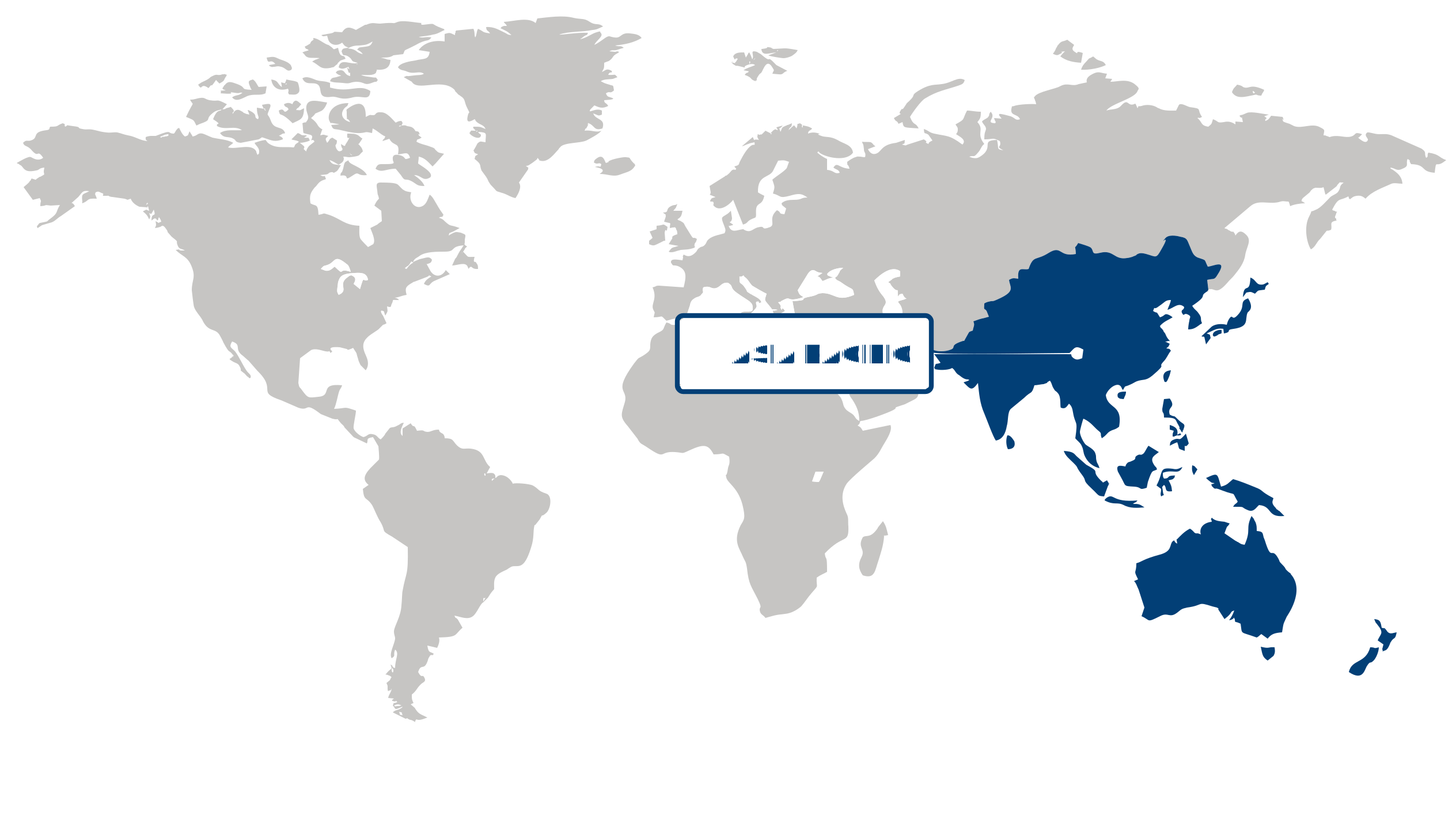
The Asia Pacific region dominated the butylated hydroxytoluene market in 2025, capturing more than 38.25% of the global share and exhibiting the fastest growth with a 6.19% CAGR. This leadership stems primarily from the rapid expansion in processed-food production, plastics, and rubber manufacturing, alongside rising demand in cosmetics and personal care sectors. For instance, the Asia Pacific’s dynamic industrialization and urbanization have bolstered manufacturing capacities, as highlighted by the Asia Pacific Economic Cooperation (APEC) reports on regional supply chain enhancements. Concurrently, changing consumer preferences towards longer shelf life and product safety have driven antioxidant incorporation, supported by regulatory encouragement from the Food Safety and Standards Authority of India (FSSAI) and similar bodies. With ongoing investments in sustainable production technologies by companies such as Lotte Chemical and enhanced logistics networks enhancing raw material availability, Asia Pacific offers significant opportunities for stakeholders aiming to capitalize on the growing butylated hydroxytoluene market.
Japan is positioned as a pivotal hub in the Asia Pacific butylated hydroxytoluene market, leveraging its advanced food processing and cosmetics industries. The country’s stringent quality and safety standards—enforced by the Ministry of Health, Labour and Welfare—push manufacturers to adopt high-performance antioxidants like butylated hydroxytoluene to meet consumer expectations for product freshness and longevity. Major Japanese corporations such as Ajinomoto have publicly emphasized incorporating such preservatives within reformulated food products to enhance shelf life without compromising health compliance. Japan’s innovation-driven environment and emphasis on premium, functional cosmetics further stimulate market growth, underpinning the region’s leadership. This makes Japan strategically vital for regional market penetration and technological development in antioxidant applications.
China anchors the Asia Pacific butylated hydroxytoluene market through its vast production scale and rising domestic consumption. Continuous growth in processed food output, supported by government initiatives under the Made in China 2025 plan, propels demand for preservatives that ensure product stability at lower costs. The National Health Commission’s evolving regulatory frameworks have shaped safer additive use, encouraging manufacturers to optimize antioxidant blends, as seen in company announcements from Inner Mongolia Yili Industrial Group. Additionally, China’s booming cosmetics sector, fueled by middle-class expansion and digital retail innovations championed by platforms like Alibaba, intensifies demand for preservatives adapted to diverse formulations. China’s role as both a major consumer and supplier reinforces Asia Pacific’s dominant growth trajectory in the butylated hydroxytoluene market.
Europe Market Analysis:
Europe held a commanding share in the butylated hydroxytoluene market, driven by the region’s strong regulatory frameworks and increasing consumer preference for antioxidant preservatives in food and cosmetics. The European Food Safety Authority’s stringent safety evaluations and clear usage guidelines for butylated hydroxytoluene (BHT) have fostered industry confidence, promoting steady adoption. Additionally, heightened environmental awareness and demand for longer shelf-life products have propelled manufacturers in Europe to incorporate BHT as a cost-effective antioxidant. The region’s advanced supply chain infrastructure and widespread presence of key players, such as BASF SE and Lanxess AG, further support market stability. With ongoing innovation in personal care formulations and growing bio-based packaging initiatives, Europe is well-positioned to maintain its influential role in the butylated hydroxytoluene market, offering meaningful opportunities for companies seeking sustainable growth in antioxidant applications.
Germany serves as a pivotal driver within Europe’s butylated hydroxytoluene market, reflecting robust industrial activity and stringent consumer safety standards. The country’s strong chemical manufacturing base supports large-scale BHT production and supply, while its proactive environmental policies encourage the development of safer antioxidant blends. German food and cosmetics manufacturers prioritize high-quality preservatives to meet strict local and EU-wide regulations, as observed in compliance updates shared by the German Federal Institute for Risk Assessment (BfR). Additionally, consumer trends toward functional and long-lasting personal care products underpin steady demand. Germany’s leadership in sustainable chemical processes and innovation hubs, such as those coordinated by the German Chemical Industry Association (VCI), highlights its strategic importance and reinforces Europe’s broader market dynamics for butylated hydroxytoluene.
France plays a significant role in Europe’s butylated hydroxytoluene market through growing consumer inclination toward premium and specialty food products that require effective antioxidant protection. The nation’s regulatory environment, underscored by the National Agency for Food, Environmental and Occupational Health & Safety (ANSES), ensures rigorous safety benchmarks, supporting confident use of BHT among domestic producers. Rising demand for convenience foods and natural personal care products fuels BHT incorporation as a stabilizing agent, especially in small-to-medium enterprises innovating in artisanal goods. Furthermore, France’s expanding e-commerce sector enhances product accessibility and consumer awareness. The evolving French market dynamics complement Europe’s overarching trend of sustainability and safety prioritization, making the country an essential contributor to regional growth opportunities in the butylated hydroxytoluene market.
North America Market Trends:
North America held a commanding share in the butylated hydroxytoluene market, driven by robust demand across food preservation, cosmetics, and pharmaceuticals sectors. The region’s well-established industrial infrastructure and stringent regulatory framework under agencies like the U.S. Food and Drug Administration (FDA) ensure high product standards, reinforcing consumer trust and sustained market uptake. Innovations in sustainable antioxidant formulations, encouraged by investments from companies such as BASF Corporation, further underscore North America’s leadership. Additionally, increasing health-conscious consumer trends and shifting preferences toward longer shelf-life products have elevated the demand for butylated hydroxytoluene as a potent preservative. Supply chain resilience amid global disruptions, supported by advanced logistics networks and digital procurement platforms, continues to enable competitive advantage. With evolving sustainability regulations and focus on clean-label products, North America is poised to offer significant growth opportunities in the butylated hydroxytoluene market.
The U.S. occupies a pivotal role within North America’s butylated hydroxytoluene market, propelled largely by vigorous industrial activity in packaging, food processing, and personal care products. The FDA’s reinforcement of antioxidant usage standards has led to higher adoption rates of butylated hydroxytoluene, enhancing product safety while aligning with consumer demand for efficacy. Industry leaders like Eastman Chemical Company have advanced production technologies to ensure cost-effective and environmentally compliant antioxidant solutions. Furthermore, growth in organic and natural product segments has encouraged formulators to innovate with stabilizers and antioxidants, balancing demand for shelf life with clean-label positioning. This dynamic positions the U.S. as a strategic hub, catalyzing regional market expansion and serving as a model for regulatory-driven butylated hydroxytoluene integration across North America.
| Parameter | North America | Asia Pacific | Europe | Latin America | MEA |
|---|---|---|---|---|---|
| Innovation HubiScaleNascentDeveloping Advanced | |||||
| Cost-Sensitive RegioniScaleLowMedium High | |||||
| Regulatory EnvironmentiScaleRestrictiveNeutral Supportive | |||||
| Demand DriversiScaleWeakModerate Strong | |||||
| Development StageiScaleEmergingDeveloping Developed | |||||
| Adoption RateiScaleLowMedium High | |||||
| New Entrants / StartupsiScaleSparseModerate Dense | |||||
| Macro IndicatorsiScaleWeakStable Strong |
Butylated Hydroxytoluene Market Share (%), by Grade, 2026
Go beyond the chart, access full insights & data tables
Request Free Sample ReportThe butylated hydroxytoluene market is dominated by the technical grade segment, which held the largest share in 2025. This leadership is primarily driven by the extensive application of technical grade BHT in plastics, rubbers, and various industrial processes, where its antioxidative properties are critical for product stability and lifespan. Increasing demand for durable automotive parts and consumer goods has fostered supply chain innovations and tighter integration between chemical manufacturers and polymer producers, as evidenced by ExxonMobil's recent expansion in antioxidant additives. Additionally, the technical grade segment benefits from regulatory clearances in industrial sectors, facilitating broader adoption. Established firms and new entrants alike gain strategic advantage by leveraging technology improvements in additive formulation to meet evolving performance standards. Given ongoing industrial modernization and stringent quality requirements, the technical grade segment is poised to maintain its relevance in the medium term, supported by sustained industrial growth and innovation in material science.
Analysis by End-Use Industry
The butylated hydroxytoluene market represented its largest share in the food & beverages segment in 2025, propelled by rising consumption of packaged and processed foods globally. This segment’s prominence aligns with increased consumer preference for preservative-enhanced products ensuring longer shelf life, which complies with safety standards set by agencies such as the U.S. FDA and the European Food Safety Authority. Growing urbanization, changing lifestyles, and the expansion of retail chains have intensified demand patterns favoring convenience foods where BHT prevents oxidation and maintains product quality. Key players like Archer Daniels Midland and Cargill emphasize the use of food-grade BHT to address both efficacy and sustainability concerns, responding to evolving regulatory frameworks and consumer awareness on food safety. The segment offers significant growth opportunities through innovation in clean label formulations and expansion into emerging markets. Its maintained importance is underpinned by persistent demand for processed foods and advancing preservation technologies.
| Segment | Sub-Segment | Largest Segment | Fastest Growing |
|---|---|---|---|
| Grade | Food Grade, Technical Grade | ||
| End-Use Industry | Food & Beverages, Personal Care, Animal Feed, Rubbers & Plastics, Others |
Unlock insights tailored to your business with our bespoke market research solutions.
Click to get your customized report now.
Competitive Landscape and Market Positioning
The competitive landscape of the butylated hydroxytoluene market is characterized by dynamic collaborations and refinement of product offerings among the leading participants. Companies are increasingly combining capabilities through strategic partnerships and alliances to enhance innovation pipelines and expand geographic reach. Notably, investments in research have accelerated the development of tailored antioxidant solutions aligned with evolving regulatory and sustainability requirements. Industry frontrunners also pursue integration within value chains, optimizing supply continuity and reducing operational complexity. Moreover, the launch of advanced formulations and enhancement of production efficiencies have fortified their standing against competitors, promoting resilience. Such orchestrated efforts foster differentiation, enabling these players to effectively address shifting market demands and regulatory landscapes across diverse regions.
Strategic / Actionable Recommendations for Regional Players
In North America, players should explore synergistic collaborations with technology providers to harness cutting-edge production methodologies, further optimizing product efficacy and cost efficiency. Deepening engagement with end-user segments, particularly in high-value industrial applications, will enable tailored solutions that capture increasing demand for performance-driven antioxidants.
Within the Asia Pacific region, capitalizing on emerging sub-segments such as sustainable and bio-based antioxidant alternatives can distinguish companies amid intensifying market competition. Strengthening localized supply chains and partnering with manufacturers to co-develop innovative formulations can accelerate market penetration and resilience.
European market participants are encouraged to leverage advancements in green chemistry and circular economy principles to align with stringent environmental regulations. Collaborations with research institutions to enhance sustainable product profiles will reinforce competitive positioning while meeting increasing customer expectations for eco-friendly additives.
| Company | Market Share | Company Revenue | Revenue CAGR (%) | Product Portfolio | Geographic Presence | Innovation / R&D Focus | Strategic Developments |
|---|---|---|---|---|---|---|---|
| No companies available. | |||||||
Customize Your Report
Explore examples of how this report can be tailored to different research needs, including custom segments, additional topics or chapters, and related reports. Click a section of the wheel or its numbered marker to explore the available options.
Butylated Hydroxytoluene Market — Custom Segments
| Segment | Sub-Segment |
|---|---|
| No segment data available. | |
Butylated Hydroxytoluene Market — Custom TOC
| Custom Chapter | Chapter Details |
|---|---|
| No custom TOC data available. | |
Need a different cut of the data?
Request Custom ResearchFrequently Asked Questions
What is the market valuation of butylated hydroxytoluene?
What is the forecasted size of the butylated hydroxytoluene industry?
Which territory demonstrates the strongest presence in the butylated hydroxytoluene market?
In which region is the butylated hydroxytoluene sector expanding at the quickest pace?
When did technical grade sub-segment emerge as the largest sub-segment in the grade segment of butylated hydroxytoluene sector?
Why is the food & beverages segment leading in the butylated hydroxytoluene industry?
Which companies dominate the butylated hydroxytoluene landscape?
Our Clients
"The report helped us understand emerging consumer trends in our product category. It clarified where to focus innovation for the next product launch."
LyondellBasell
"The regional forecast section was incredibly useful. We were able to identify two new potential partners in Europe thanks to the vendor mapping you included."
SABIC
"We appreciated how actionable the recommendations were. It guided us to improve supply chain resilience."
Olin Corporation
Our Research Team & Methodology
Every Fundamental Business Insights report is built by a dedicated vertical research team, validated through a structured primary-and-secondary methodology, and reviewed for accuracy before it reaches you.
This report was prepared by the Chemicals & Materials Research Team at Fundamental Business Insights, a dedicated research group specializing in the global chemicals, advanced materials, and industrial manufacturing sectors. Our analysts continuously monitor raw material supply chains, feedstock pricing, production technologies, regulatory developments, sustainability initiatives, environmental compliance, trade dynamics, and evolving end-use applications to deliver timely and reliable market intelligence. The research is developed using a structured methodology that combines primary discussions with manufacturers, raw material suppliers, distributors, and industry experts, along with company annual reports, regulatory publications, government trade statistics, industry associations, technical literature, patent databases, and other authoritative secondary sources. Market estimates are validated through multiple research techniques, including top-down and bottom-up analysis, before undergoing an internal quality review to ensure accuracy, consistency, and methodological integrity prior to publication.
Delivery
Published
Available
Support
- Market Size & Forecast
- Market Segmentation
- Regional Analysis
- Growth Drivers & Challenges
- Market Dynamics
- Competitive Landscape
- Company Profiles
- Competitive Benchmarking
- Mergers & Acquisitions
- Market Share Analysis or Key Company Strategies
- Value Chain Analysis
- Porter's Five Forces
- PESTLE Analysis
- Pricing Trends
- Supply-Demand Analysis
- Technology Landscape
- Regulatory Landscape
- Investment & Funding Landscape
- Emerging Opportunities
- Future Market Outlook