Calcium Hypochlorite Market Size & Forecasts 2026-2035, By Segments (Product Form, Application), Growth Opportunities, Innovation Landscape, Regulatory Shifts, Strategic Regional Insights (U.S., Japan, China, South Korea, UK, Germany, France), and Competitive Dynamics (Olin Corporation, Occidental Petroleum Corporation, Aditya Birla Chemicals, Lanxess AG, Kureha Corporation)
Jump to Content
Market Size and Growth Outlook
Calcium Hypochlorite Market size is anticipated to rise from USD 944.04 million in 2025 to USD 2.78 billion by 2035, reflecting a CAGR surpassing 11.4% over the forecast horizon of 2026-2035. The estimated revenue for 2026 is USD 1.04 billion.
Get more details on this report
Request Free Sample ReportCalcium Hypochlorite Market Intelligence Snapshot
Regional Market Dynamics
Segment Momentum
Market Expansion Drivers
Leading Market Participants
Global Market Forecast Snapshot
Market Outlook
Regional and Segment Outlook
Market Growth Drivers and Industry Trends
The expansion of municipal and donor‑funded water projects is directly increasing institutional procurement of disinfectants, and the calcium hypochlorite market benefits as a widely accepted, transportable oxidizing agent for primary disinfection and emergency chlorination. Evidence from the World Bank Water Global Practice and the WHO/UNICEF Joint Monitoring Programme documents ongoing financing and infrastructure upgrades in South Asia and Sub‑Saharan Africa that explicitly prioritize residual disinfection. Established suppliers can secure long‑term municipal contracts and establish local blending/packaging, while new entrants can pursue niche rapid‑response supply and treatment‑service models; continued public financing and utility modernization make these institutional channels reliably active.
Increasing Industrial Disinfection Requirements
Heightened hygiene standards across food processing, pharmaceuticals, and public facilities are shifting procurement toward standardized, high‑performance oxidizers, positioning the calcium hypochlorite market for sustained demand in bulk and formulated forms. Guidance from the Centers for Disease Control and Prevention (CDC) and the European Centre for Disease Prevention and Control (ECDC) has reinforced use of chlorine‑based disinfectants in healthcare and communal settings, while companies such as Ecolab and Clorox have emphasized expanded industrial hygiene product lines in corporate communications. Incumbents can differentiate with certified supply chains and industrial‑grade formulations; newcomers can compete via contract manufacturing and service bundles that integrate dosing equipment and validation services, aligning with observed tightening of industrial sanitation protocols.
Regulatory Push for Safe Chemical Handling and Storage
Stricter chemical classification, storage, and transport rules are reshaping supplier responsibilities and favoring compliance‑focused providers in the calcium hypochlorite market, as agencies tighten controls on oxidizers and hazardous substances. The European Chemicals Agency (ECHA) under REACH, the U.S. Environmental Protection Agency (EPA), and OSHA’s Hazard Communication Standard have all increased emphasis on labeling, secure packaging, and worker training, while national fire codes and customs authorities are enforcing transport constraints. This creates opportunities for firms offering certified packaging, compliant distribution, digital SDS management, and training services; suppliers that demonstrate regulatory alignment and traceable logistics will be preferentially selected as enforcement and inspection activity increases.
Industry Restraints:
Stringent Regulatory and Hazardous-Transport Controls
Calcium hypochlorite is subject to tight chemical classification and transport rules—being listed as an oxidizer and hazardous substance—which raises compliance costs and limits distribution flexibility. International Maritime Organization (IMDG Code) and U.S. Department of Transportation (DOT) hazardous materials regulations require specialized packaging, segregation and documentation; European Chemicals Agency (ECHA) CLP entries and U.S. Environmental Protection Agency (EPA) registration requirements add labeling and usage constraints, while Centers for Disease Control and Prevention (CDC) advisories on pool chemical safety increase end-user caution. These rules favor incumbents with certified logistics and compliance teams, squeeze margins for small distributors, and slow market expansion into last-mile channels. Expect continued strict enforcement and incremental tightening, sustaining high entry barriers and concentrated supply chains in the near to medium term.
Feedstock and Energy Price Volatility and Chlor‑Alkali Capacity Constraints
Production relies on chlorine and lime from energy‑intensive chlor‑alkali processes, exposing manufacturers to feedstock cost swings and periodic capacity bottlenecks. Olin Corporation’s Form 10‑K and commentary by S&P Global highlight how chlor‑alkali margins and chlorine availability fluctuate with energy prices and plant outages, while International Energy Agency (IEA) analyses document how energy shocks transmit to basic chemical costs. Price volatility compresses operating predictability, forces inventory hoarding or rationing, and raises working‑capital requirements—disadvantaging cash‑constrained entrants and forcing integrated players to hedge or vertically integrate. Given persistent energy market instability and periodic maintenance‑driven downtime, feedstock-driven constraints will continue to shape supplier strategies and consolidation dynamics over the coming years.
| Growth Driver | Impact on CAGR | Regulatory Influence | Geographic Relevance | Adoption Rate | Impact Timeline |
|---|---|---|---|---|---|
| Growing water treatment and sanitation infrastructure | 3.00% | Short term (≤ 2 yrs) | North America, Europe | High | Fast |
| Increasing industrial disinfection requirements | 2.50% | Medium term (2–5 yrs) | Asia Pacific (Primary), MEA (Spillover) | Medium | Moderate |
| Regulatory push for safe chemical handling and storage | 2.00% | Long term (5+ yrs) | Europe (Primary), North America (Spillover) | High | Slow |
Explore Growth Opportunities
Request Free Sample ReportRegional Demand Dynamics
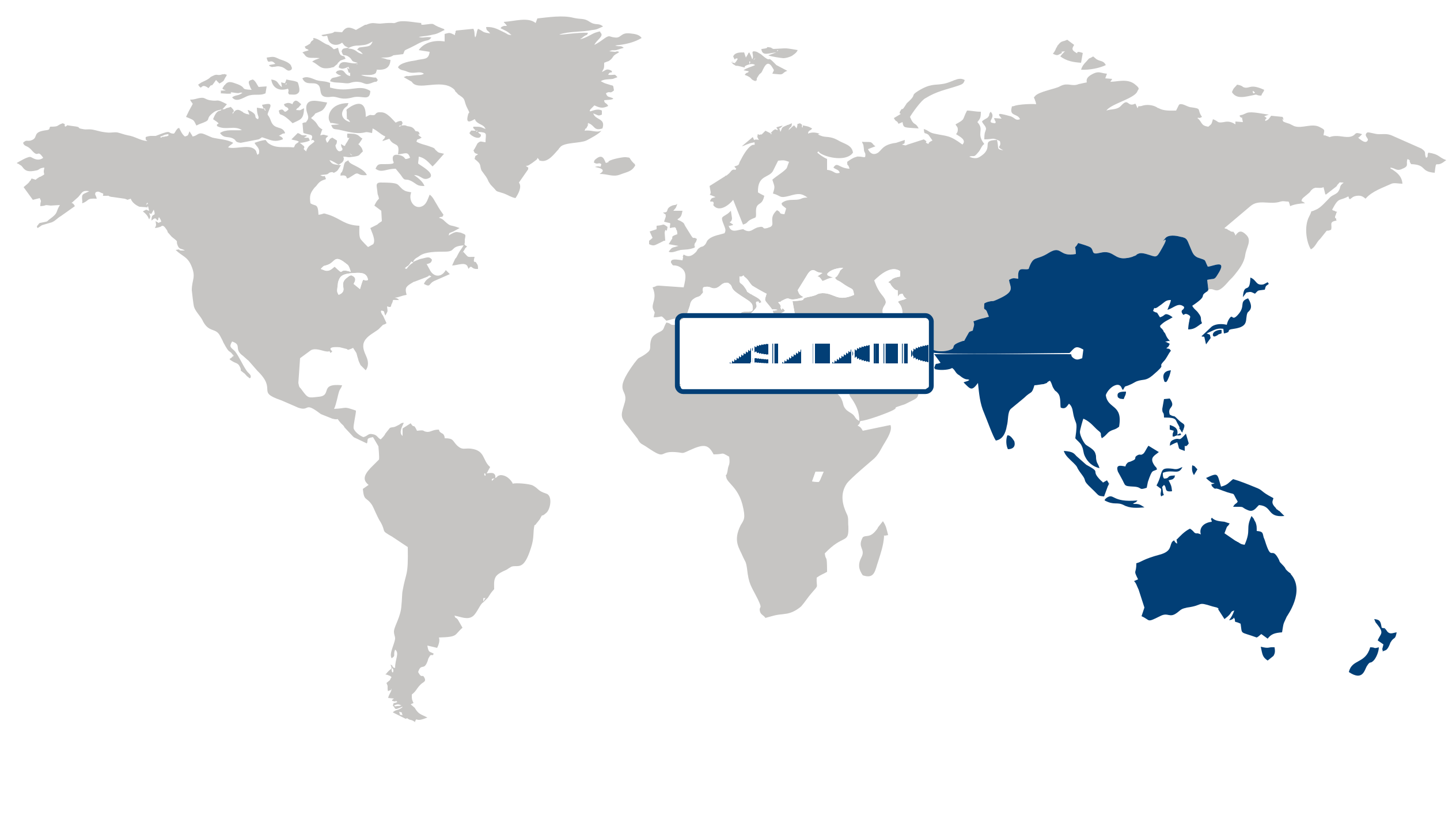
Asia Pacific captured over 43.8% of the calcium hypochlorite market in 2025, establishing it as the largest regional market driven by rapid industrialization and expanding water-treatment capital projects in China and India. Major public programs such as India’s Jal Jeevan Mission (Ministry of Jal Shakti) and large-scale infrastructure reporting from the National Bureau of Statistics of China underpin sustained municipal and industrial demand, while the Ministry of Ecology and Environment (China) has tightened water-quality enforcement that favors reliable disinfectants. Multilateral backers like the Asian Development Bank and World Bank continue to finance regional water projects, and private-sector moves toward operational efficiency and digital monitoring (reported by METI and national water authorities) create opportunities for higher-spec products and supply-chain partnerships across the region.
Japan is positioned as a pivotal hub in the calcium hypochlorite market, supplying technology, quality standards, and premium-demand patterns that influence buyers across Asia Pacific. Japanese institutions such as the Japan Water Works Association and the Ministry of Economy, Trade and Industry (METI) emphasize stringent treatment standards and advanced dosing technologies used by utilities like the Tokyo Waterworks Bureau; this creates stable, higher-margin demand for formulated, consistent-grade disinfectants. Strategic implication: Japan’s regulatory and technical leadership makes it an attractive partner for regional joint ventures and product premiumization strategies.
China anchors the calcium hypochlorite market as both a volume producer and a primary demand center tied to rapid industrial expansion and municipal treatment rollouts. Data from the National Bureau of Statistics of China and project pipelines overseen by the Ministry of Water Resources (PRC), together with financing from the Asian Development Bank, show large-scale plant and distribution expansions that compress unit costs and scale supply. Strategic implication: investors and suppliers that align manufacturing capacity, local regulatory compliance (Ministry of Ecology and Environment), and logistics in China can capture scale advantages while servicing export and regional project needs.
North America Market Analysis:
Emerged as the fastest-growing region, posting a robust CAGR of 13.68%, the calcium hypochlorite market in North America is being propelled by high demand for pool maintenance and municipal water sanitation standards. Growth is anchored in large residential and commercial pool ownership and reinforced municipal procurement driven by U.S. Environmental Protection Agency drinking-water requirements and Centers for Disease Control and Prevention pool-health guidance; the Pool & Hot Tub Alliance standards and American Water infrastructure programs further validate institutional demand. Operational shifts toward bulk supply, localized blending, and logistics optimization are evident as distributors and utilities prioritize residual stability and safety. These dynamics position North America for continued commercial and public-sector uptake, creating durable opportunities across retail, municipal, and industrial channels.
The United States anchors regional demand for the calcium hypochlorite market, where concentrated pool ownership and stringent municipal disinfection rules amplify consumption patterns. In the U.S., CDC recommendations on pool disinfection and EPA regulatory frameworks lead utilities and major retailers like Leslie’s to maintain higher on‑shelf and contract inventory, while large water operators such as American Water influence tendering practices and specification standards. Procurement emphasis on consistent chlorine residuals and safe handling is driving suppliers to expand domestic packaging and service offerings. Strategically, U.S. purchasing behavior and regulatory rigor reinforce North American volume growth and create entry points for value-added supply, technical support, and service-led differentiation.
Europe Market Trends:
The calcium hypochlorite market in Europe experienced moderate growth, maintaining a notable presence driven by steady municipal and industrial disinfection demand and seasonal pool usage; regulatory updates such as the European Commission’s revised Drinking Water Directive and oversight under the European Chemicals Agency (ECHA) have shifted procurement toward certified, lower-impurity products, while guidance from the European Centre for Disease Prevention and Control (ECDC) has sustained baseline demand for reliable disinfectants. Supply-chain concentration around hubs like the Port of Rotterdam Authority, corporate commitments from Veolia and SUEZ on greener water treatment, and Eurostat data on energy price volatility have all shaped production economics. These dynamics create opportunities for suppliers focusing on compliance-ready formulations and logistics resilience to capture incremental share across Europe.
Germany plays a leading role for the calcium hypochlorite market in Europe, where modernization of municipal treatment and industrial effluent controls underpin steady procurement; enforcement and guidance by the Umweltbundesamt (German Federal Environment Agency) and financing programs from KfW support plant upgrades that favor standardized, high-purity chemistries. Large utilities and municipal operators in Germany prioritize lifecycle cost and safety, while manufacturers respond to tighter specification needs—illustrated by public procurement notices and supplier disclosures. Strategic implication: Germany’s rigorous compliance and upgrade cycle make it a high-value target for differentiated, certified products and long-term supply agreements that can be scaled regionally.
France serves as a major adopter in the calcium hypochlorite market in Europe, with national risk assessments by ANSES (French Agency for Food, Environmental and Occupational Health & Safety) and policy signals from the Ministère de la Transition écologique encouraging product stewardship and reduced environmental impact. French utilities such as Veolia and SUEZ emphasize circularity and lower-emission supply chains in their procurement statements, driving demand for formulations that align with corporate sustainability targets. Strategic implication: France offers a gateway for providers that bundle compliance documentation with sustainability credentials, reinforcing broader European market penetration.
| Parameter | North America | Asia Pacific | Europe | Latin America | MEA |
|---|---|---|---|---|---|
| Innovation HubiScaleNascentDeveloping Advanced | |||||
| Cost-Sensitive RegioniScaleLowMedium High | |||||
| Regulatory EnvironmentiScaleRestrictiveNeutral Supportive | |||||
| Demand DriversiScaleWeakModerate Strong | |||||
| Development StageiScaleEmergingDeveloping Developed | |||||
| Adoption RateiScaleLowMedium High | |||||
| New Entrants / StartupsiScaleSparseModerate Dense | |||||
| Macro IndicatorsiScaleWeakStable Strong |
Calcium Hypochlorite Market Share (%), by Product Form, 2026
Go beyond the chart, access full insights & data tables
Request Free Sample ReportPowder dominated the calcium hypochlorite market in 2025 as the largest share, driven by rapid dissolution and proven effectiveness for on-site water treatment and surface disinfection. Its leadership reflects user preference for dosing flexibility and fast action, supply-chain efficiencies in bulk packaging, and compatibility with automated dosing systems used by municipal and industrial operators; Ecolab product guidance and World Health Organization (WHO) recommendations on chlorine-based disinfection underscore operational fit. This segment creates opportunities for formulators and toll manufacturers to supply concentrated powder blends and for service providers to offer integrated dosing solutions, and it should remain central as utilities and emergency-response programs prioritize reliable, easily deployable disinfectants.
Analysis by Application
Water Treatment represented largest share in 2025 of the calcium hypochlorite market, propelled by rising global demand for safe drinking water and tighter sanitation regulations. Regulatory drivers cited by the World Health Organization (WHO), United Nations Children’s Fund (UNICEF), and the United States Environmental Protection Agency (EPA) have expanded municipal and household deployment, while utilities seek cost-effective, proven oxidants amid ageing infrastructure and climate-driven variability in source water. This favors established chemical suppliers securing municipal contracts and niche entrants supplying decentralized treatment kits; the segment’s relevance persists as ongoing World Bank–backed water infrastructure investments and regulatory enforcement sustain demand for robust disinfection solutions.
| Segment | Sub-Segment | Largest Segment | Fastest Growing |
|---|---|---|---|
| Product Form | Powder, Pellet, Granule | ||
| Application | Water Treatment, House Cleaners and Detergents, Agrochemicals, Food and Beverage, Pulp & Paper |
Unlock insights tailored to your business with our bespoke market research solutions.
Click to get your customized report now.
Competitive Landscape and Market Positioning
The competitive environment is defined by moves to secure downstream access, enhance product usability, and tighten supply continuity; market leaders are expanding portfolios, formalizing cross-border supply arrangements, and elevating technical-service offerings. Several have introduced stabilized, low-dust and high-purity grades while ramping pilot-scale process improvements and analytical quality controls. These actions sharpen product differentiation, raise operational thresholds for entrants, and make reliability and regulatory compliance primary competitive levers.
Strategic / Actionable Recommendations for Regional Players
US-based and North American producers should deepen direct engagement with municipal water authorities and large pool-system integrators, co-develop safer, easy-to-handle formulations, and align logistics with emergency-response buyers while piloting digital dosing and inventory visibility with distribution partners.
Producers across India, China and East Asia can leverage proximity to textile and municipal clusters by colocating finishing and packaging lines, working with regional reagent suppliers to tailor lower-dust grades, and adopting incremental automation and in-line quality analytics to meet export-grade specifications.
European manufacturers should focus on compliance-ready, differentiated grades, integrate lower-carbon process improvements and traceability, and secure supply arrangements with industrial bleaching and water-treatment OEMs to defend margin and meet tightening regulatory expectations.
| Company | Market Share | Company Revenue | Revenue CAGR (%) | Product Portfolio | Geographic Presence | Innovation / R&D Focus | Strategic Developments |
|---|---|---|---|---|---|---|---|
| No companies available. | |||||||
Customize Your Report
Explore examples of how this report can be tailored to different research needs, including custom segments, additional topics or chapters, and related reports. Click a section of the wheel or its numbered marker to explore the available options.
Calcium Hypochlorite Market — Custom Segments
| Segment | Sub-Segment |
|---|---|
| No segment data available. | |
Calcium Hypochlorite Market — Custom TOC
| Custom Chapter | Chapter Details |
|---|---|
| No custom TOC data available. | |
Need a different cut of the data?
Request Custom ResearchFrequently Asked Questions
How much is the calcium hypochlorite market worth?
What is the anticipated CAGR of the calcium hypochlorite industry?
Which part of the world represents the largest segment of the calcium hypochlorite market?
Which geographical area is witnessing the highest growth rate in the calcium hypochlorite sector?
Why does powder sub-segment dominate the product form segment of calcium hypochlorite sector?
How does water treatment segment fare in the calcium hypochlorite industry?
What are the key competitors in the calcium hypochlorite landscape?
Our Clients
"The report helped us understand emerging consumer trends in our product category. It clarified where to focus innovation for the next product launch."
LyondellBasell
"The regional forecast section was incredibly useful. We were able to identify two new potential partners in Europe thanks to the vendor mapping you included."
SABIC
"We appreciated how actionable the recommendations were. It guided us to improve supply chain resilience."
Olin Corporation
Our Research Team & Methodology
Every Fundamental Business Insights report is built by a dedicated vertical research team, validated through a structured primary-and-secondary methodology, and reviewed for accuracy before it reaches you.
This report was prepared by the Chemicals & Materials Research Team at Fundamental Business Insights, a dedicated research group specializing in the global chemicals, advanced materials, and industrial manufacturing sectors. Our analysts continuously monitor raw material supply chains, feedstock pricing, production technologies, regulatory developments, sustainability initiatives, environmental compliance, trade dynamics, and evolving end-use applications to deliver timely and reliable market intelligence. The research is developed using a structured methodology that combines primary discussions with manufacturers, raw material suppliers, distributors, and industry experts, along with company annual reports, regulatory publications, government trade statistics, industry associations, technical literature, patent databases, and other authoritative secondary sources. Market estimates are validated through multiple research techniques, including top-down and bottom-up analysis, before undergoing an internal quality review to ensure accuracy, consistency, and methodological integrity prior to publication.
Delivery
Published
Available
Support
- Market Size & Forecast
- Market Segmentation
- Regional Analysis
- Growth Drivers & Challenges
- Market Dynamics
- Competitive Landscape
- Company Profiles
- Competitive Benchmarking
- Mergers & Acquisitions
- Market Share Analysis or Key Company Strategies
- Value Chain Analysis
- Porter's Five Forces
- PESTLE Analysis
- Pricing Trends
- Supply-Demand Analysis
- Technology Landscape
- Regulatory Landscape
- Investment & Funding Landscape
- Emerging Opportunities
- Future Market Outlook