



Canoe and Kayak Market Size & Growth Forecast 2027–2036, By Segments (Type, Distribution Channel, Material, End-use), Regional Demand Trends (North America, Asia Pacific, Europe), Key Country Insights (U.S., Japan, South Korea, Germany, France, Italy), and Competitive Landscape
Market Size and Growth Outlook
Canoe and Kayak Market size was over USD 917.67 million in 2026 and is likely to grow at a 4.18% CAGR between 2027 and 2036, attaining USD 1.38 billion by 2036. The industry revenue for 2027 is calculated at USD 949.97 million.
Base Year Value (2026)
USD 917.67 million
CAGR (2027-2036)
4.18%
Forecast Year Value (2036)
USD 1.38 billion

Historical Data Period
2022-2026

Largest Region
Europe

Forecast Period
2027-2036
Canoe And Kayak Market Intelligence Snapshot:
-
Regional Market Dynamics:
- Europe held a 35.40% market share in 2026, supported by a strong recreational paddling culture, extensive water access, mature retail and club networks, and steady outdoor sports participation.
- Asia Pacific is projected to grow at a 5.13% CAGR, fueled by rising outdoor recreation, expanding adventure tourism, improved distribution, and increasing participation in personal and rental paddling activities.
-
Segment Momentum:
- Inflatable models held a 43.04% share in 2026, driven by easy transport, compact storage, and lower ownership barriers, making them the preferred choice for mainstream recreational paddlesports.
- Online is growing fastest because consumers value broad product selection, easy comparison, competitive pricing, and doorstep delivery when purchasing bulky paddlesports equipment and accessories.
-
Market Expansion Drivers:
- Rising outdoor recreation and adventure tourism demand driving paddling equipment consumption.
- Growing health and wellness trends increasing participation in low-impact water sports activities.
- Expansion of eco-tourism and sustainable travel experiences boosting demand for eco-friendly watercraft.
-
Leading Market Participants:
Prominent companies in the canoe and kayak market include Pelican International Inc. (Canada), Old Town Canoe Co. (United States), Jackson Kayak Inc. (United States), Tahe Outdoors (Estonia), Oru Kayak, Inc. (United States), Riot Kayaks (Canada), Feelfree US, LLC (United States), Nova Craft Canoe Inc. (Canada), Gumotex Co., Ltd. (Czech Republic), Vibe Kayaks (United States).
Global Market Forecast Snapshot:
-
Market Outlook:
- 2026 Market Size: USD 917.67 million
- 2027 Estimated Market Size: USD 949.97 million.
- Projected Market Size: USD 1.38 billion by 2036
- Growth Forecasts: 4.18% CAGR (2027-2036)
-
Regional and Segment Outlook:
- Leading Regional Market: Europe
- High-Growth Regional Hub: Asia Pacific
- Core Revenue Segment: Inflatable (Type) | Online (Distribution Channel) | Kayak Material (Material) | Recreational (End-use)
- Emerging Opportunity Segment: Folded (Type) | Online (Distribution Channel) | Canoe Material (Material) | Tourism (End-use)
Market Growth Drivers and Industry Trends
Rising outdoor recreation and adventure tourism demand driving paddling equipment consumption
Rising participation in outdoor recreation and adventure tourism will drive the canoe and kayak market growth as consumers increasingly seek recreational experiences centered on lakes, rivers, coastal areas, and other natural environments. Growing interest in activities such as paddling, camping, fishing, and recreational touring is encouraging consumers to invest in dedicated watercraft and related equipment for personal use. Adventure tourism operators are also incorporating canoeing and kayaking into guided excursions and outdoor packages, supporting recurring demand for durable and activity-specific boats. The broader availability of recreational destinations and organized paddling experiences further encourages both new and experienced participants to purchase canoes and kayaks suited to different water conditions and usage requirements.
Growing health and wellness trends increasing participation in low-impact water sports activities
Health-conscious consumers are increasingly turning to low-impact outdoor activities, which will propel the canoe and kayak market growth by making paddling an attractive form of recreational exercise. Canoeing and kayaking provide opportunities for cardiovascular activity, upper-body conditioning, balance development, and outdoor engagement without the high-impact stress associated with many conventional sports. The ability to combine physical activity with leisure and exposure to natural environments also appeals to consumers seeking more sustainable and enjoyable wellness routines. As recreational users place greater emphasis on maintaining active lifestyles while minimizing physical strain, demand can increase for watercraft that support casual paddling, fitness-oriented outings, and longer recreational sessions.
Expansion of eco-tourism and sustainable travel experiences boosting demand for eco-friendly watercraft
The expansion of eco-tourism is creating new opportunities for the canoe and kayak market as travelers increasingly favor nature-based experiences with limited environmental impact. Canoeing and kayaking allow visitors to explore waterways, wetlands, forests, and coastal environments using transportation methods that do not depend on fuel-powered propulsion, making them well suited to sustainable tourism activities. Tour operators and destination providers are incorporating paddling experiences into nature excursions, wildlife observation, and conservation-oriented travel programs, increasing the need for reliable and environmentally responsible watercraft. Growing consumer awareness of responsible travel practices is also encouraging preferences for durable products, recyclable materials, and designs that support repeated use across outdoor tourism applications.
| Growth Driver Assessment Framework | |||||
| Growth Driver | Impact On CAGR | Regulatory Influence | Geographic Relevance | Adoption Rate | Impact Timeline |
|---|---|---|---|---|---|
| Rising outdoor recreation and adventure tourism demand driving paddling equipment consumption | 1.70% | Low | Europe, North America | High | Near Term |
| Growing health and wellness trends increasing participation in low-impact water sports activities | 1.50% | Low | Europe | High | Near Term |
| Expansion of eco-tourism and sustainable travel experiences boosting demand for eco-friendly watercraft | 1.30% | Moderate | Europe, Latin America | Medium | Mid Term |
Unlock insights tailored to your business with our bespoke market research solutions - Click to get your customized report now!
Regional Demand Dynamics
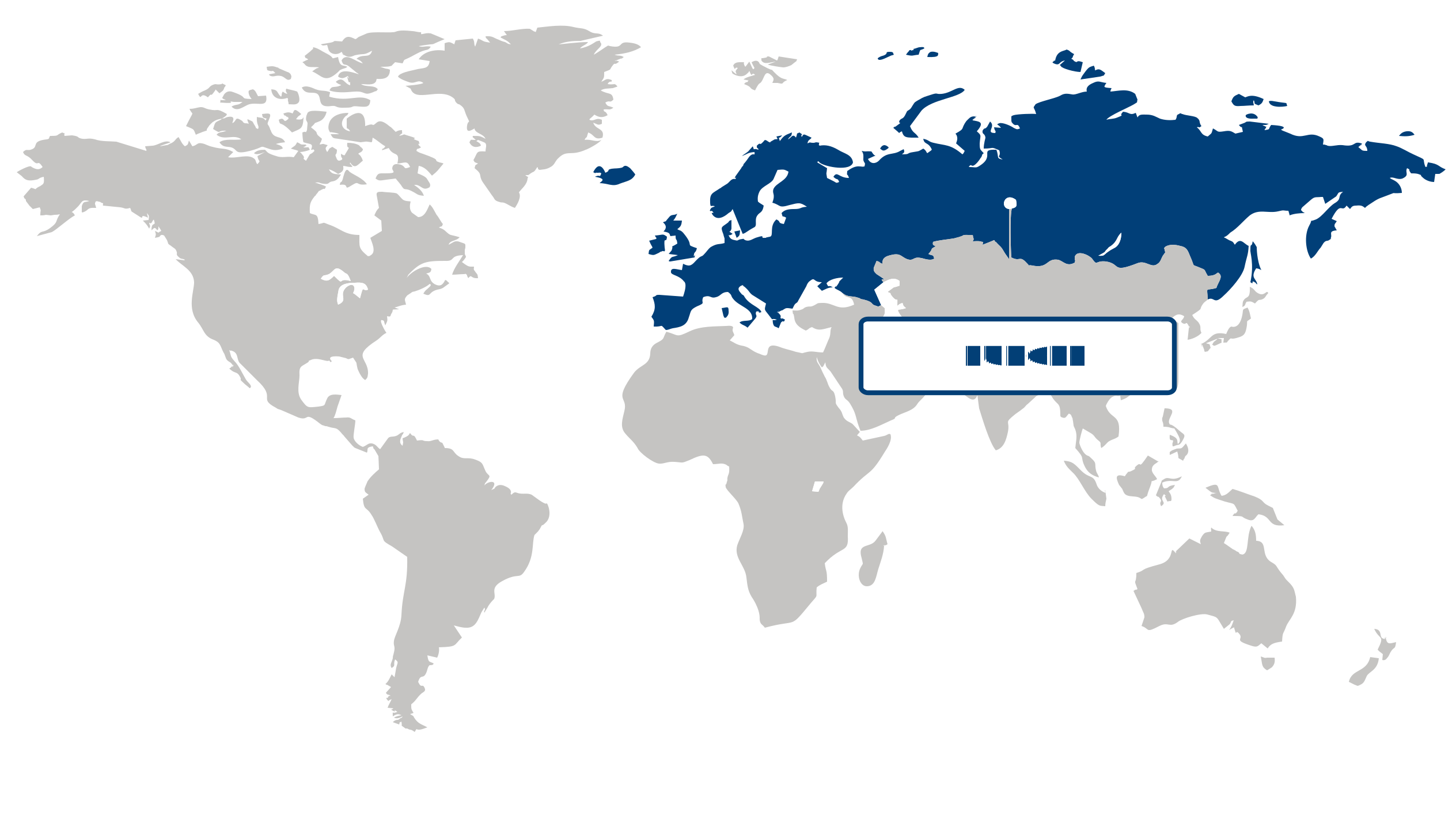
Largest Region
Europe
35.4% Market Share in 2026
Europe (Largest Region) vs Asia Pacific (Fastest-Growing Region)
Europe held the largest share of the canoe and kayak market at 35.40% in 2026, supported by a strong recreational boating culture, extensive waterways, and established participation in outdoor and adventure sports. Favorable access to lakes, rivers, and coastal destinations encourages year-round engagement in paddling activities, while tourism and leisure infrastructure supports equipment rentals and purchases. Growing interest in active lifestyles, nature-based recreation, and sustainable outdoor experiences further strengthens demand for canoes and kayaks across the region.
Asia Pacific is the fastest-growing regional market, driven by rising disposable incomes, expanding adventure tourism, and increasing participation in water-based recreational activities. Improvements in tourism infrastructure and greater consumer interest in outdoor leisure are creating new opportunities for paddling equipment across coastal, river, and inland destinations. Growing recreational communities and wider availability of specialized sporting goods through modern retail and digital channels are also supporting market expansion.
Key Country Insights
The U.S. canoe and kayak market benefits from strong participation in recreational paddling, fishing, and adventure tourism. Manufacturers and retailers in the U.S. are expanding lightweight product portfolios and accessories to address diverse consumer preferences and outdoor activities.
Japan prioritizes compact, lightweight canoe and kayak designs that accommodate limited storage space and diverse recreational environments. Manufacturers in Japan focus on portability, material innovation, and user-friendly products that encourage wider participation in paddlesports.
South Korea is expanding canoe and kayak participation through recreational sports, waterfront tourism, and organized outdoor activities. Local suppliers are increasing product availability while emphasizing lightweight materials and beginner-friendly designs for new participants.
Germany emphasizes technically advanced canoe and kayak products suited for recreational enthusiasts and competitive paddlers. German buyers value durable construction, efficient hull designs, and sustainable manufacturing practices when selecting watercraft.
France supports the canoe and kayak market through recreational tourism, riverside activities, and established paddling communities. French operators and consumers prioritize durable equipment suitable for rental fleets, guided excursions, and individual recreational use.
Italy promotes canoe and kayak adoption across lakes, rivers, and coastal recreation supported by outdoor tourism. Italian suppliers focus on versatile watercraft that combine transport convenience, durability, and recreational performance for varied paddling environments.
Segment Leadership and Growth Trends
Type Segment Analysis: Inflatable (Largest Segment) vs Folded (Fastest-Growing Segment)
Inflatable canoes and kayaks represented the largest type segment of the canoe and kayak market, with a 43.04% share in 2026. Their portability, relatively easy storage, and suitability for recreational water activities make them attractive to consumers who lack dedicated transportation or storage space for rigid watercraft. Lightweight construction and convenient handling also broaden their appeal among recreational users seeking equipment that can be transported and prepared for use with limited logistical requirements.
Folded canoes and kayaks are gaining traction at a faster pace as consumers increasingly value compact equipment that can be transported and stored conveniently. Their collapsible construction addresses space limitations while providing an alternative to both rigid and inflatable designs, particularly for outdoor enthusiasts who travel frequently or have restricted storage capacity. Growing interest in flexible recreational equipment and more accessible outdoor activities is supporting greater attention toward portable folded designs.
Distribution Channel Segment Analysis: Online (Largest & Fastest-Growing Segment)
Online distribution dominated the canoe and kayak market in 2026 and is also the fastest-growing channel, reflecting consumers' increasing preference for researching and purchasing specialized recreational equipment through digital platforms. Online channels provide access to a wider selection of watercraft, accessories, specifications, and product information than many physical outlets, enabling buyers to compare products according to portability, intended use, construction, and storage requirements. The convenience of home delivery is particularly valuable for larger recreational products, further strengthening the role of e-commerce in the purchasing process.
| Report Segmentation | |||
| Segment | Sub-Segment | Largest Segment | Fastest Growing Segment |
|---|---|---|---|
| Type | Rigid, Folded, Inflatable | Inflatable | Folded |
| Distribution Channel | Online, Offline | Online | Online |
| Material | Canoe Material, Kayak Material | Kayak Material | Canoe Material |
| End-use | Recreational, Tourism, Sports | Recreational | Tourism |
 Read our Research Approach
Competitive Landscape and Market Positioning
Prominent players in the canoe and kayak market:
1. Pelican International Inc. (Canada)
2. Old Town Canoe Co. (United States)
3. Jackson Kayak Inc. (United States)
4. Tahe Outdoors (Estonia)
5. Oru Kayak Inc. (United States)
6. Riot Kayaks (Canada)
7. Feelfree US LLC (United States)
8. Nova Craft Canoe Inc. (Canada)
9. Gumotex Co. Ltd. (Czech Republic)
10. Vibe Kayaks (United States)
Recreational outdoor activity preferences are steadily influencing equipment design and material selection in the canoe and kayak market. Lightweight composites and eco-conscious manufacturing approaches are increasingly shaping product development directions. Growing interest in adventure tourism and water-based sports is also broadening consumer participation, supporting sustained category expansion.
Industry Development/News
| Company Name | Date | Key Development |
|---|---|---|
| Pelican | Jun-21 | Pelican, via its subsidiary Confluence Outdoors LLC, acquired Advanced Elements Inc. to expand its portfolio in the inflatable paddlesports segment. This acquisition integrates specialized inflatable technology into Pelican’s existing product range, strengthening its competitive positioning and diversifying its offerings within the broader paddlesports market. |
| Pelican | May-22 | Pelican acquired GSI Outdoors, an outdoor equipment manufacturer, as part of a strategic initiative to expand its presence in North American and international markets. This move enables Pelican to broaden its product ecosystem and scale its commercial reach beyond core paddlesports hardware by leveraging GSI’s established outdoor equipment manufacturing capabilities. |
| Feelfree US | Mar-23 | Feelfree US launched the Moken 10 PDL, a pedal-driven kayak featuring the integrated Rapid Drive Pedal system. This product introduction represents a strategic focus on expanding functional capabilities within the fishing kayak segment, aiming to enhance user efficiency and comfort through technological integration in a premium hardware tier. |
| Cherokee County | Jul-24 | Cherokee County awarded a $2 million construction contract for the Long Swamp Creek Recreation Area, marking a significant investment in regional water-based infrastructure. This development provides essential access points for canoeing and kayaking, directly supporting the expansion of recreational capacity and public infrastructure required for market growth. |
Why Choose Us
Specialized Expertise: Our team comprises industry experts with a deep understanding of your market segment. We bring specialized knowledge and experience that ensures our research and consulting services are tailored to your unique needs.
Customized Solutions: We understand that every client is different. That's why we offer customized research and consulting solutions designed specifically to address your challenges and capitalize on opportunities within your industry.
Proven Results: With a track record of successful projects and satisfied clients, we have demonstrated our ability to deliver tangible results. Our case studies and testimonials speak to our effectiveness in helping clients achieve their goals.
Cutting-Edge Methodologies: We leverage the latest methodologies and technologies to gather insights and drive informed decision-making. Our innovative approach ensures that you stay ahead of the curve and gain a competitive edge in your market.
Client-Centric Approach: Your satisfaction is our top priority. We prioritize open communication, responsiveness, and transparency to ensure that we not only meet but exceed your expectations at every stage of the engagement.
Continuous Innovation: We are committed to continuous improvement and staying at the forefront of our industry. Through ongoing learning, professional development, and investment in new technologies, we ensure that our services are always evolving to meet your evolving needs.
Value for Money: Our competitive pricing and flexible engagement models ensure that you get maximum value for your investment. We are committed to delivering high-quality results that help you achieve a strong return on your investment.
Select Licence Type

