Chess Table Market Size & Growth Forecast 2027–2036, By Segments (Distribution Channel, Type, Material, Application, Design Type), Regional Demand Trends (North America, Asia Pacific, Europe), Key Country Insights (U.S., Japan, South Korea, Germany, France, Italy), and Competitive Landscape
Jump to Content
Market Size and Growth Outlook
Chess Table Market size was assessed at USD 88.79 million in 2026 and is poised to grow at a 4.75% CAGR between 2027 and 2036, surpassing USD 141.22 million by 2036. The industry revenue for 2027 is calculated at USD 92.31 million.
Get more details on this report
Request Free Sample ReportChess Table Market Intelligence Snapshot
Regional Market Dynamics
- Europe held the largest market share in 2026, supported by longstanding chess culture, established recreational demand, and interest in premium gaming furniture across households, clubs, educational institutions, and leisure facilities.
- Asia Pacific is expected to grow fastest as chess participation, educational programs, urban leisure markets, and demand for premium, multifunctional gaming furniture expand across households, schools, and clubs.
Segment Momentum
- Classic chess tables accounted for 40.5% of the market in 2026, supported by demand for traditional aesthetics, familiar playing surfaces, and durable furniture that appeals to households, clubs, educational settings, and recreational spaces.
- Contemporary chess tables are the fastest-growing type segment, driven by interest in modern aesthetics, multifunctional furniture, and distinctive designs that combine gaming functionality with current interior styles in residential and commercial spaces.
Market Expansion Drivers
- Rising demand for specialized gaming & furniture products.
- Customization & premium finishing trends.
- Expansion of experiential & niche retail offerings.
Leading Market Participants
- Leading companies in the chess table market include Chessbazaar (India), Chess House (USA), Colombo Mobili (Italy), Doty & Sons (USA), William Yeoward (UK), Acrila (Brazil), Iron Age Designs (USA), Marsotto (Italy), Morelato (Italy), Sixay Furniture (Vietnam).
Global Market Forecast Snapshot
Market Outlook
- 2026 Market Size: USD 88.79 million
- 2027 Estimated Market Size: USD 92.31 million
- Projected Market Size: USD 141.22 million by 2036
- Growth Forecast: 4.75% CAGR (2027-2036)
Regional and Segment Outlook
- Leading Regional Market: Europe
- High-Growth Regional Hub: Asia Pacific
- Core Revenue Segment: Distribution Channel (Offline) | Type (Classic) | Material (Wood) | Application (Residential) | Design Type (Fixed/non-foldable Tables)
- Emerging Opportunity Segment: Distribution Channel (Online) | Type (Contemporary) | Material (Plastic) | Application (Commercial) | Design Type (Convertible Tables)
Market Growth Drivers and Industry Trends
Rising demand for specialized gaming & furniture products
Rising demand for specialized gaming and furniture products is supporting the chess table market as consumers increasingly seek dedicated products that combine recreational functionality with distinctive interior design. Chess tables serve both as gaming surfaces and decorative furniture pieces, making them attractive for homes, clubs, hospitality environments, educational spaces, and recreational establishments. Growing interest in strategic board games and dedicated leisure spaces is further encouraging demand for purpose-built furniture that enhances the overall playing experience.
Customization & premium finishing trends
Customization and premium finishing trends are creating growth opportunities for chess tables by appealing to consumers seeking distinctive designs, high-quality materials, and personalized gaming furniture. Options involving different wood finishes, board patterns, dimensions, storage configurations, and decorative elements allow products to cater to varied aesthetic preferences and interior styles. Increasing appreciation for craftsmanship and personalized home furnishings is encouraging demand for chess tables that function as both recreational products and visually prominent furniture pieces.
Expansion of experiential & niche retail offerings
Expansion of experiential and niche retail offerings is supporting the chess table market by creating more opportunities to showcase specialized gaming furniture to consumers seeking distinctive leisure experiences. Specialty stores, recreational venues, hospitality spaces, and curated lifestyle environments can use chess tables to create interactive settings that encourage social engagement and extended customer experiences. Growing interest in combining entertainment, interior design, and social interaction is contributing to broader visibility and adoption of specialized chess furniture across diverse settings.
| Growth Driver | Impact on CAGR | Regulatory Influence | Geographic Relevance | Adoption Rate | Impact Timeline |
|---|---|---|---|---|---|
| Rising demand for specialized gaming & furniture products | 1.5% | Short term (≤ 2 yrs) | North America; Europe | Low | Fast |
| Customization & premium finishing trends | 1.3% | Medium term (2–5 yrs) | Asia Pacific; North America | Low | Moderate |
| Expansion of experiential & niche retail offerings | 0.9% | Long term (5+ yrs) | Europe; Latin America spillover | Low | Slow |
Explore Growth Opportunities
Request Free Sample ReportRegional Demand Dynamics
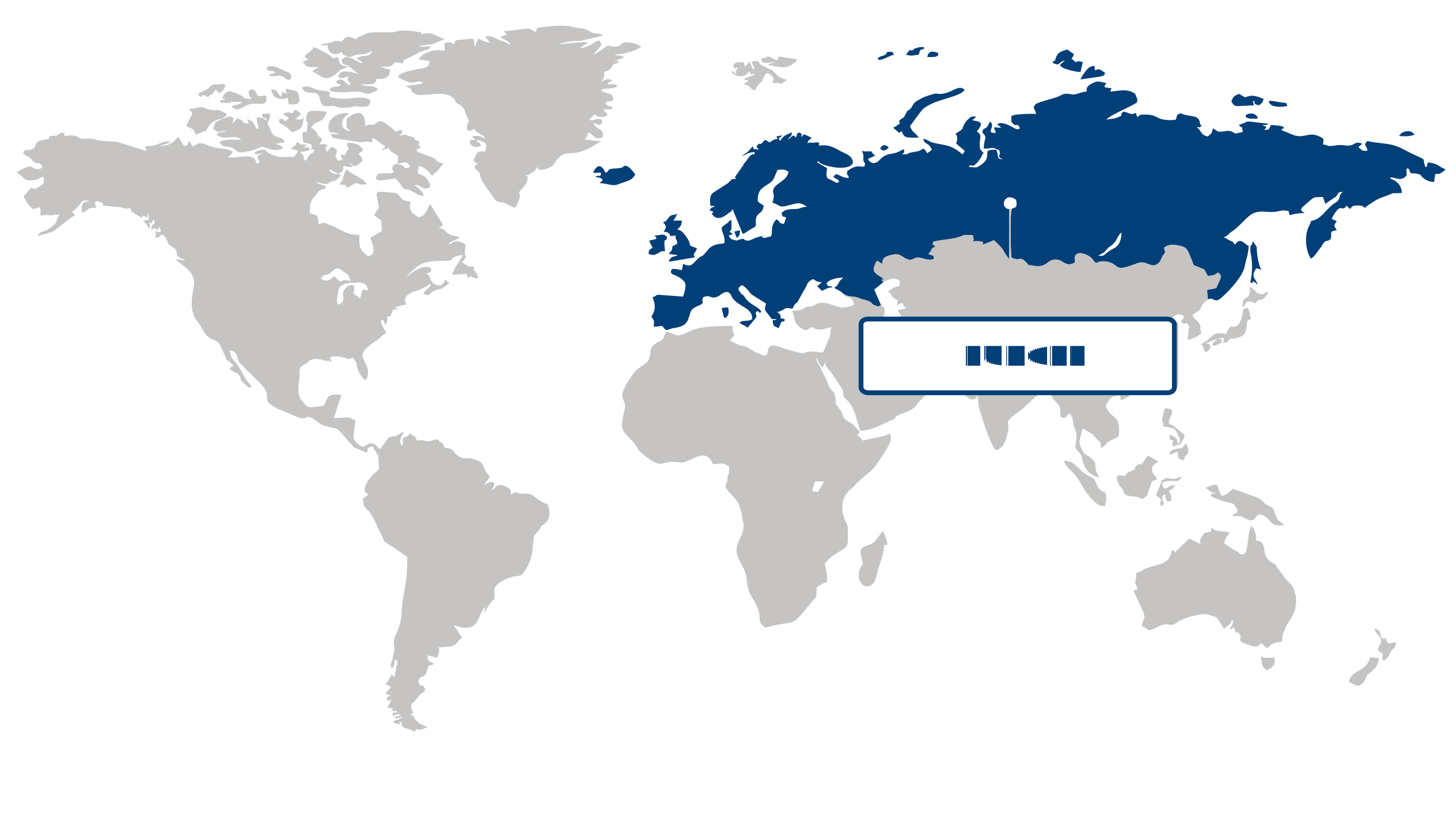
Europe (Largest Region)
Europe held the largest share of the chess table market in 2026, impelled by the region’s longstanding chess culture, strong consumer interest in recreational and strategy-based activities, and established demand for premium gaming furniture. Chess remains an important recreational and competitive activity across several European markets, supporting demand for dedicated chess tables in households, clubs, educational institutions, and leisure facilities. Growing interest in handcrafted and aesthetically designed gaming furniture is further supporting market development, while demand for multifunctional furniture is creating opportunities for innovative chess table designs. Continued interest in board games and indoor recreational activities is also contributing to sustained regional demand.
Asia Pacific (Fastest-Growing Region)
Asia Pacific is expected to register the fastest growth in the chess table market during the forecast period, spurred by rising interest in chess, expanding recreational activities, and increasing participation in organized board-game and educational programs. Growing awareness of chess as a strategic and educational activity is supporting demand among households, schools, clubs, and community organizations. Rising disposable income and expanding urban leisure markets are further encouraging purchases of dedicated gaming furniture. Increasing integration of chess into educational and recreational settings, combined with growing consumer interest in premium and multifunctional gaming products, is expected to create new opportunities for chess table manufacturers across the region.
| Parameter | North America | Asia Pacific | Europe | Latin America | MEA |
|---|---|---|---|---|---|
| Innovation HubiScaleNascentDeveloping Advanced | |||||
| Cost-Sensitive RegioniScaleLowMedium High | |||||
| Regulatory EnvironmentiScaleRestrictiveNeutral Supportive | |||||
| Demand DriversiScaleWeakModerate Strong | |||||
| Development StageiScaleEmergingDeveloping Developed | |||||
| Adoption RateiScaleLowMedium High | |||||
| New Entrants / StartupsiScaleSparseModerate Dense | |||||
| Macro IndicatorsiScaleWeakStable Strong |
Key Country Insights
United States 🇺🇸
Recreational Furniture DemandThe U.S. chess table market spans dedicated game rooms, clubs, hospitality spaces, schools, and home recreation areas. Buyers tend to value attractive furniture design alongside practical board layouts, storage, durability, and multi-use functionality, supporting products that position chess as both a recreational activity and an interior furnishing element.
Germany 🇩🇪
Club and Home PlayGermany's chess table market benefits from established interest in organized and recreational chess, creating demand across clubs, educational settings, and private homes. Product priorities include sturdy construction, comfortable playing dimensions, integrated storage, and designs that suit traditional interiors while remaining practical for regular gameplay.
Japan 🇯🇵
Space-Conscious Game FurnitureJapan's chess table market favors designs that accommodate gameplay within relatively compact living and recreational spaces. Foldable or multifunctional formats, efficient storage, refined craftsmanship, and visually restrained styling can strengthen product appeal, particularly for consumers seeking a dedicated playing surface without sacrificing everyday room functionality.
South Korea 🇰🇷
Modern Leisure FurnitureSouth Korea's chess table market connects board-game recreation with contemporary interior and leisure spaces. Demand can favor visually polished tables with compact footprints, durable playing surfaces, and integrated storage, making design flexibility important for homes, cafés, clubs, and entertainment-oriented venues where furniture serves multiple purposes.
France 🇫🇷
Decorative Chess FurnitureFrance's chess table market places particular value on combining gameplay with furniture aesthetics. Decorative finishes, refined materials, proportionate playing surfaces, and integrated storage can appeal to households, hospitality venues, and leisure spaces, positioning chess tables as functional pieces that also contribute to interior presentation.
Italy 🇮🇹
Design-Led Chess TablesItaly's market provides scope for chess tables that combine practical gameplay with distinctive furniture design. Buyers can value craftsmanship, material quality, elegant finishes, and adaptable formats, particularly across premium residential and hospitality settings where a chess table is expected to function as both a recreational surface and a visually appealing furnishing.
Chess Table Market Share (%), by Distribution Channel, 2026
Go beyond the chart, access full insights & data tables
Request Free Sample ReportDistribution Channel Segment Analysis: Offline (Largest Segment) vs Online (Fastest-Growing Segment)
The offline distribution channel held the largest share of 56.14% in the 2026 chess table market, supported by consumers' preference for physically assessing the table's craftsmanship, dimensions, finish, stability, and overall design before purchase. Chess tables are often considered both functional gaming products and decorative furniture, making in-person evaluation particularly relevant for buyers seeking a specific aesthetic or build quality. Offline channels also benefit from the ability to provide immediate product guidance, facilitate comparisons across designs, and accommodate purchases where customers may have concerns regarding transportation, assembly, or product durability. The continued presence of specialty stores, furniture retailers, and other physical outlets therefore supports the strong position of offline distribution, particularly among consumers who place greater emphasis on tactile evaluation and personalized purchasing experiences.
The online distribution channel is anticipated to register the fastest growth, driven by expanding digital commerce penetration and the increasing convenience associated with researching and purchasing chess tables remotely. Online platforms provide consumers with access to a broader assortment of styles, materials, sizes, and price points, allowing buyers to compare products more efficiently before making a purchase. Detailed product descriptions, customer reviews, visual content, and home-delivery options can further reduce some of the barriers associated with purchasing furniture-oriented gaming products without visiting a physical store. In addition, the growing familiarity with online shopping for specialized and recreational products is expected to encourage more consumers to explore chess tables through digital channels, supporting the rapid expansion of online distribution.
Type Segment Analysis: Classic (Largest Segment) vs Contemporary (Fastest-Growing Segment)
The classic type accounted for the largest share of 40.5% in the 2026 chess table market, reflecting sustained consumer interest in traditional chess aesthetics and designs that emphasize the heritage and strategic character of the game. Classic chess tables commonly appeal to buyers seeking timeless furniture pieces that can complement traditional interiors while providing a dedicated playing surface. Their established design language also makes them suitable for households, clubs, educational settings, and recreational spaces where the visual association with conventional chess remains important. Demand is further supported by consumers who value craftsmanship, familiar board configurations, and furniture designs that can retain their appeal over extended periods rather than being closely tied to changing interior trends.
The contemporary type is expected to experience the fastest growth as consumer preferences increasingly evolve toward modern furniture aesthetics, multifunctional designs, and products that integrate naturally into current interior environments. Contemporary chess tables can appeal to younger and design-conscious consumers by combining the functional requirements of chess with cleaner forms, innovative finishes, and adaptable styling. Their ability to serve as both recreational products and decorative furniture can broaden their relevance beyond dedicated chess enthusiasts, particularly in modern residential and commercial spaces. Increasing interest in personalized interiors and visually distinctive recreational furniture is likely to further support demand for contemporary chess tables as consumers seek products that combine gaming functionality with modern design appeal.
Material Segment Analysis: Wood (Largest Segment) vs Plastic (Fastest-Growing Segment)
The wood material segment held the largest share of 31.21% in the 2026 chess table market, primarily reflecting the material's strong association with traditional chess furniture, durability, visual appeal, and perceived craftsmanship. Wooden chess tables can provide a premium and natural appearance while complementing a wide range of interior styles, making them attractive to consumers seeking a product that functions as both a gaming surface and a furniture piece. The material's versatility also allows manufacturers to incorporate different finishes, grains, detailing, and construction styles, supporting its use across classic and more sophisticated chess table designs. In addition, the established consumer perception of wood as a durable and long-lasting furniture material continues to reinforce its relevance in the market.
The plastic material segment is anticipated to register the fastest growth, supported by its affordability, lightweight characteristics, ease of handling, and suitability for products designed for flexible or casual use. Plastic chess tables can be easier to transport and maintain, making them relevant for consumers who prioritize convenience and practicality over traditional furniture aesthetics. The material also offers greater flexibility in manufacturing shapes, colors, and configurations, enabling products to target recreational environments, younger users, and buyers seeking accessible alternatives to heavier materials. As manufacturers increasingly focus on cost-conscious designs and convenient products for varied usage settings, plastic is positioned to gain greater adoption in the chess table market.
| Segment | Sub-Segment | Largest Segment | Fastest Growing |
|---|---|---|---|
| Distribution Channel | Online, Offline | Offline | Online |
| Type | Contemporary, Classic, Traditional | Classic | Contemporary |
| Material | Wood, Plastic, Metal, Glass, Stone | Wood | Plastic |
| Application | Residential, Commercial, Educational Institutions, Parks & Recreation | Residential | Commercial |
| Design Type | Foldable Tables, Fixed/non-foldable Tables, Convertible Tables, Outdoor Chess Tables | Fixed/non-foldable Tables | Convertible Tables |
Unlock insights tailored to your business with our bespoke market research solutions.
Click to get your customized report now.
Competitive Landscape and Market Positioning
Analyst Perspective:
The chess table market reflects distinct consumer priorities, ranging from decorative appeal and traditional craftsmanship to practical functionality and competitive play. Premium hardwood construction differentiates products through material quality, joinery, finish, and long-term stability, particularly in upscale residential and hospitality settings. By contrast, folding mechanisms and integrated storage address space constraints and ease of handling, provided these features do not compromise structural strength or playing-surface quality. Ergonomic height and appropriate board dimensions further influence suitability for domestic use, clubs, and tournament environments. These requirements create opportunities for differentiated product positioning rather than a single design approach serving every buyer. Manufacturers and retailers must align craftsmanship, functional features, dimensions, and pricing with intended use, whether customers seek statement furniture, space-efficient game tables, or durable equipment for repeated competitive play.
Top players in the chess table market:
- Chessbazaar (India)
- Chess House (USA)
- Colombo Mobili (Italy)
- Doty & Sons (USA)
- William Yeoward (UK)
- Acrila (Brazil)
- Iron Age Designs (USA)
- Marsotto (Italy)
- Morelato (Italy)
- Sixay Furniture (Vietnam)
| Company | Market Share | Company Revenue | Revenue CAGR (%) | Product Portfolio | Geographic Presence | Innovation / R&D Focus | Strategic Developments |
|---|---|---|---|---|---|---|---|
| Chessbazaar (India) | |||||||
| Chess House (USA) | |||||||
| Colombo Mobili (Italy) | |||||||
| Doty & Sons (USA) | |||||||
| William Yeoward (UK) | |||||||
| Acrila (Brazil) | |||||||
| Iron Age Designs (USA) | |||||||
| Marsotto (Italy) | |||||||
| Morelato (Italy) | |||||||
| Sixay Furniture (Vietnam) |
Customize Your Report
Explore examples of how this report can be tailored to different research needs, including custom segments, additional topics or chapters, and related reports. Click a section of the wheel or its numbered marker to explore the available options.
Chess Table Market — Custom Segments
| Segment | Sub-Segment |
|---|---|
| Price Range | Economy, Mid-range, Premium, Luxury |
| Board Configuration | Standard 8×8 board, Tournament-size board, Oversized outdoor board, Multi-game/conversion board |
| Target Buyer Segment | Individual consumers, Schools and educational institutions, Chess clubs and tournament venues, Hospitality and recreational facilities, Municipal and public recreation facilities |
Chess Table Market — Custom TOC
| Custom Chapter | Chapter Details |
|---|---|
| Hospitality & Leisure Venue Adoption |
|
| Institutional & Public-Space Procurement |
|
| Premium Furniture Positioning |
|
Need a different cut of the data?
Request Custom ResearchFrequently Asked Questions
How big is the chess table market?
How is the chess table industry size expected to evolve during the forecast period?
How are customization and premium finishing trends influencing chess table demand?
How are experiential retail and leisure environments expanding opportunities for chess tables?
Why do classic chess tables hold the largest market share?
What is driving demand for contemporary chess tables?
Why does Europe lead the chess table market?
What is driving chess table market growth in Asia Pacific?
What are the key competitors in the chess table landscape?
Our Clients
"The report provided us with a clear direction, and the level of detail was beyond what we expected. I would definitely recommend their services to others."
Haier Appliances
"The collaboration with Fundamental Business Insights has added significant value to our decision-making process, and we look forward to continuing this partnership for our future market research requirements."
Luxottica Group S.p.A.
"The team at FBI delivered an exceptional research report. The insights on industry innovations were particularly impressive and added a lot of value to the overall report."
Nike
Our Research Team & Methodology
Every Fundamental Business Insights report is built by a dedicated vertical research team, validated through a structured primary-and-secondary methodology, and reviewed for accuracy before it reaches you.
This report was prepared by the Consumer Goods & Services Research Team at Fundamental Business Insights, a dedicated research group specializing in global consumer markets, retail industries, and service-oriented businesses. The team closely tracks evolving consumer preferences, purchasing behavior, product innovation, brand strategies, retail and e-commerce developments, pricing trends, distribution channels, sustainability initiatives, demographic shifts, and changing lifestyle patterns to deliver timely and reliable market intelligence. The research is developed using a structured methodology that combines primary discussions with manufacturers, brand owners, retailers, distributors, service providers, industry experts, and other key stakeholders, along with company annual reports, government consumer statistics, regulatory publications, industry associations, retail market data, trade publications, and other authoritative secondary sources. Market estimates are validated through multiple research techniques, including top-down and bottom-up analysis, before undergoing an internal quality review to ensure accuracy, consistency, and methodological integrity prior to publication.
Delivery
Published
Available
Support
- Market Size & Forecast
- Market Segmentation
- Regional Analysis
- Growth Drivers & Challenges
- Market Dynamics
- Competitive Landscape
- Company Profiles
- Competitive Benchmarking
- Mergers & Acquisitions
- Market Share Analysis or Key Company Strategies
- Value Chain Analysis
- Porter's Five Forces
- PESTLE Analysis
- Pricing Trends
- Supply-Demand Analysis
- Technology Landscape
- Regulatory Landscape
- Investment & Funding Landscape
- Emerging Opportunities
- Future Market Outlook