Closed Molding Composites Market Size & Forecasts 2026-2035, By Segments (Fiber Type, Manufacturing Process, Application), Growth Opportunities, Innovation Landscape, Regulatory Shifts, Strategic Regional Insights (U.S., Japan, China, South Korea, UK, Germany, France), and Competitive Dynamics (Owens Corning, Jushi Group, Johns Manville, Hexcel Corporation, Teijin Limited)
Jump to Content
Market Size and Growth Outlook
Closed Molding Composites Market size is forecasted to reach USD 141.66 billion by 2035, rising from USD 76.9 billion in 2025, at a CAGR of more than 6.3% between 2026 and 2035. In 2026, revenue is projected at USD 81.12 billion.
Get more details on this report
Request Free Sample ReportClosed Molding Composites Market Intelligence Snapshot
Regional Market Dynamics
Segment Momentum
Market Expansion Drivers
Leading Market Participants
Global Market Forecast Snapshot
Market Outlook
Regional and Segment Outlook
Market Growth Drivers and Industry Trends
The growing emphasis on fuel efficiency and emission reduction is driving the closed molding composites market, particularly through heightened demand for lightweight materials in automotive and aerospace sectors. Regulatory frameworks such as the U.S. Environmental Protection Agency's tighter fuel economy standards fuel this transition, encouraging manufacturers like Boeing and Ford to integrate advanced composites for weight reduction without compromising performance. This shift alters competitive dynamics by favoring firms that can deliver cost-effective, high-strength composite solutions at scale. Established players stand to deepen client partnerships by expanding portfolio offerings, while new entrants with innovative lightweight composites may rapidly capture niche segments. Observation of automakers' and aircraft manufacturers' ongoing investments suggests sustained growth opportunities as environmental compliance and operational efficiency remain priorities globally.
Innovations in Closed Molding Composite Technologies
Technological advancements in resin infusion, vacuum-assisted resin transfer molding (VARTM), and automation are reshaping the closed molding composites market by enhancing manufacturing precision, cycle time, and cost-efficiency. Organizations such as the American Composites Manufacturers Association (ACMA) report widespread adoption of these innovations, enabling higher throughput and improved product consistency. Digital transformation efforts integrating IoT sensors and real-time monitoring further optimize production workflows, encouraging scalability. These innovations lower barriers for newcomers equipped with next-generation technologies while prompting incumbents to upgrade legacy systems. Continuous refinement in process control and material properties positions the market to meet expanding demand in sectors prioritizing performance and sustainability, validating strategic investments in R&D and factory modernization.
Expansion in Industrial and Infrastructure Applications
The proliferation of closed molding composites in industrial machinery, renewable energy infrastructure, and construction enhances the closed molding composites market by diversifying end-use applications. Government-backed infrastructure initiatives in regions like the European Union foster adoption of composites for corrosion-resistant, lightweight components in bridges, wind turbine blades, and pipelines. For instance, the European Commission’s Green Deal incentives accelerate composite utilization aligned with sustainability and durability goals. This expansion opens avenues for established firms to leverage scale and multidisciplinary expertise, while startups can capitalize on sector-specific customization needs. Monitoring policy-driven infrastructure programs and industrial modernization projects highlights consistent, broad-based demand growth, reinforcing composites’ strategic role beyond traditional transportation sectors.
Industry Restraints:
Environmental Regulation and Compliance Costs
Stringent environmental regulations governing emissions and waste management significantly restrain the closed molding composites market. Compliance with standards such as the U.S. Environmental Protection Agency’s Clean Air Act and the European Union’s REACH regulation imposes costly modifications in manufacturing processes and raw material sourcing. Owens Corning’s public disclosures highlight the rising capital expenditures associated with adopting low-emission resins and volatile organic compounds (VOC) controls. These regulatory pressures increase operational complexity and delay product development timelines, constraining innovation and profitability. Both incumbents and newcomers face heightened barriers to entry, as smaller firms lack the financial capacity to absorb compliance costs. Moving forward, regulatory landscapes are poised to tighten further with growing global emphasis on sustainability and circular economy principles, enforcing stricter lifecycle assessments and end-of-life disposal protocols in composites manufacturing.
Raw Material Supply Chain Constraints
Volatility in the availability and pricing of key raw materials like epoxy resins and glass fibers presents a critical restraint for the closed molding composites market. Recent disruptions reported by LyondellBasell and Owens Corning reveal how geopolitical tensions and logistical bottlenecks have triggered supply shortages and cost inflation. This unpredictability undermines production scheduling and inventory management, compelling manufacturers to adopt conservative capacity utilization strategies that limit market responsiveness. Additionally, the concentration of suppliers in specific regions amplifies vulnerability to trade restrictions and natural disasters. For market participants, this raises the strategic imperative to diversify supply sources and invest in alternative materials research. Given ongoing global trade complexities and raw material demand growth from adjacent sectors, supply chain fragility is expected to persist as a pivotal challenge in the near to medium term.
| Growth Driver | Impact on CAGR | Regulatory Influence | Geographic Relevance | Adoption Rate | Impact Timeline |
|---|---|---|---|---|---|
| Rising demand for lightweight composite materials in automotive and aerospace | 2.00% | Short term (≤ 2 yrs) | North America, Europe | Medium | Fast |
| Innovations in closed molding composite technologies | 2.10% | Medium term (2–5 yrs) | Asia Pacific, Europe | Medium | Moderate |
| Expansion in industrial and infrastructure applications | 2.20% | Long term (5+ yrs) | Asia Pacific, North America | Low | Moderate |
Explore Growth Opportunities
Request Free Sample ReportRegional Demand Dynamics
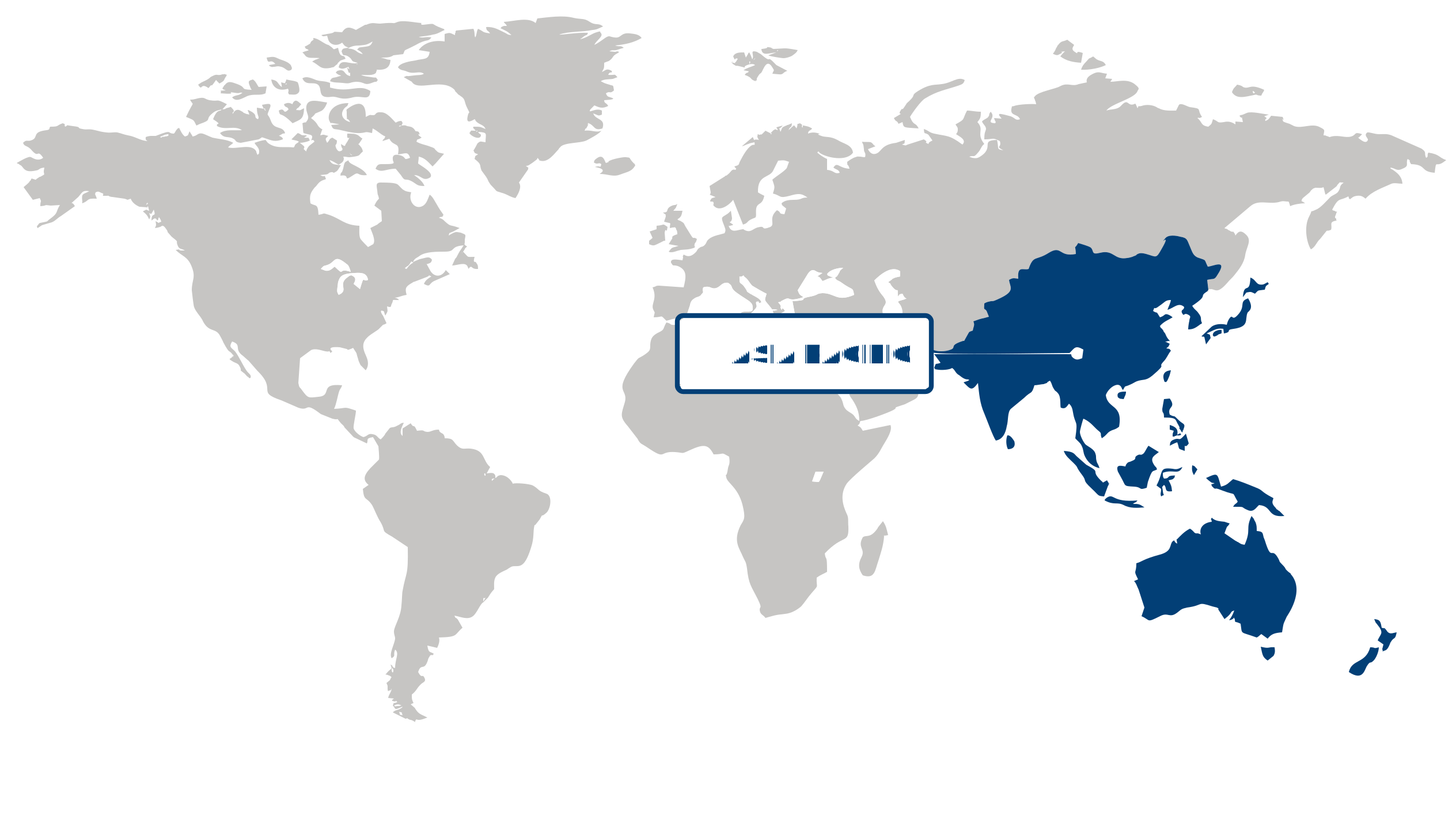
Asia Pacific dominated the closed molding composites market, representing more than 51% of the global share in 2025 and standing as the largest and fastest-growing region with a 7.2% CAGR. This leadership position is primarily propelled by rapid industrialization and escalating demand for automotive and renewable-energy composites, which fuel innovation and capacity expansion. For instance, the Asia Pacific Economic Cooperation (APEC) highlights the region’s significant investments in lightweight automotive materials to enhance fuel efficiency and reduce emissions, aligning with evolving sustainability priorities and tightening regulatory standards. Additionally, advancements in manufacturing technology and robust supply chain networks across countries like China and Japan underpin efficient production and delivery. These factors collectively position Asia Pacific as a critical hub for closed molding composites, offering substantial investment opportunities as industries increasingly adopt durable, lightweight materials to meet evolving consumer and environmental demands.
Japan is positioned as a pivotal hub in Asia Pacific’s closed molding composites market, leveraging its advanced automotive sector and commitment to renewable energy infrastructures. The Japan Automobile Manufacturers Association (JAMA) reports a strong focus on integrating composites to reduce vehicle weight and enhance energy efficiency, reflecting shifting consumer preferences and stringent environmental regulations. Furthermore, government initiatives like METI’s support for green technologies stimulate innovation in composite materials, strengthening Japan’s competitive edge. China anchors the regional market with its vast industrial base and surging renewable energy installation, as highlighted by the China Renewable Energy Engineering Institute, which cites increasing use of closed molding composites in wind turbine blades and electric vehicle components. This scale of production and policy-driven demand solidify China’s role as an epicenter of growth in closed molding composites, reinforcing Asia Pacific’s overall market dominance and opening pathways for sustained technological investment and market expansion.
Europe Market Analysis:
Europe maintained notable market presence in the closed molding composites market, driven by a strong emphasis on sustainability and regulatory frameworks favoring eco-friendly manufacturing. The region's commitment to reducing carbon emissions and adopting energy-efficient production methods has accelerated the use of closed molding techniques, which minimize waste and emissions compared to open molding. European Union initiatives, such as the European Green Deal, have heightened demand for composites in automotive, aerospace, and construction sectors, where lightweight and durable materials are prioritized. Moreover, technological advancements by leading firms like BASF and Covestro are enhancing product quality and reducing costs, which further consolidates Europe’s important role. With a mature industrial base and growing consumer preference for environmentally responsible products, Europe offers sustained opportunities for innovation and expansion in closed molding composites.
Germany plays a pivotal role in Europe’s closed molding composites market through its advanced manufacturing capabilities and stringent environmental regulations. German automakers, including Volkswagen and BMW, have integrated closed molding components to meet fuel efficiency and emissions standards, thereby stimulating demand. Additionally, the country’s investments in Industry 4.0 and smart manufacturing practices, as endorsed by the Fraunhofer Society, optimize production processes and quality control in composite manufacturing. Germany’s well-established supply chains and skilled workforce reinforce its leadership, positioning it as a key market influencer in Europe’s composite sector.
France contributes to Europe's closed molding composites market by leveraging its strength in aerospace and renewable energy industries, sectors where closed molding composites are essential for lightweight and high-performance parts. Companies such as Airbus and EDF have increased use of composites for their structural and energy applications, supported by government incentives aimed at advancing sustainable technologies. French innovation clusters, like Aerospace Valley, foster collaboration among manufacturers and research bodies to accelerate material improvements and reduce environmental impact. This synergy propels France’s role as a strategic hub, complementing Germany’s manufacturing prowess and enhancing Europe’s overall market prospects.
North America Market Trends:
North America held a commanding share in the closed molding composites market, underpinned by its advanced manufacturing infrastructure and sustained emphasis on lightweight, high-performance materials across automotive and aerospace sectors. Increasing regulatory stringency from the U.S. Environmental Protection Agency (EPA) and initiatives like the Advanced Manufacturing Office by the U.S. Department of Energy have accelerated adoption of closed molding techniques that optimize material usage and reduce emissions. This region’s well-integrated supply chains and investment in digital manufacturing tools reported by GE Additive further enhance operational efficiency. Additionally, growing demand for sustainable construction materials, evidenced by collaborations between Owens Corning and the U.S. Green Building Council, highlights evolving consumer priorities. These factors collectively position North America as a dynamic landscape where innovation and regulatory alignment drive significant opportunities in next-generation composite processing.
The U.S. plays a pivotal role in the closed molding composites market, fueled by robust industrial demand and stringent environmental policies encouraging cleaner manufacturing methods. High-profile deployments by Boeing in its 787 Dreamliner program and Ford’s material lightweighting initiatives underscore the strategic integration of closed molding composites for performance and efficiency gains. Furthermore, government-backed research through the National Institute of Standards and Technology (NIST) fosters innovation in composite material durability and sustainability. Competitive intensity is amplified by an ecosystem of established composites producers and startups advancing resin infusion and vacuum-assisted techniques, as highlighted in release statements from Hexcel Corporation. This convergence of demand, regulation, and innovation solidifies the U.S. as a cornerstone within North America, making it an indispensable contributor to regional growth prospects in the closed molding composites market.
| Parameter | North America | Asia Pacific | Europe | Latin America | MEA |
|---|---|---|---|---|---|
| Innovation HubiScaleNascentDeveloping Advanced | |||||
| Cost-Sensitive RegioniScaleLowMedium High | |||||
| Regulatory EnvironmentiScaleRestrictiveNeutral Supportive | |||||
| Demand DriversiScaleWeakModerate Strong | |||||
| Development StageiScaleEmergingDeveloping Developed | |||||
| Adoption RateiScaleLowMedium High | |||||
| New Entrants / StartupsiScaleSparseModerate Dense | |||||
| Macro IndicatorsiScaleWeakStable Strong |
Closed Molding Composites Market Share (%), by Fiber Type, 2026
Go beyond the chart, access full insights & data tables
Request Free Sample ReportGlass fiber composites held largest share in the closed molding composites market in 2025, driven by their cost-effectiveness and extensive use in structural applications. Their leadership is reinforced by strong demand across automotive, construction, and marine industries where performance and affordability are critical. Sustainability trends further support this segment as manufacturers increasingly seek recyclable and lower-emission materials, with organizations like the American Composites Manufacturers Association (ACMA) promoting greener production standards. Supply chain advancements have eased the availability of high-quality glass fibers, enabling broad adoption. This segment offers both established firms and new entrants strategic advantages through economies of scale and versatile use cases. Given continuous technological improvements and regulatory emphasis on lightweight durable materials, glass fiber composites are poised to maintain their dominance in the near to medium term.
Analysis by Manufacturing Process
Resin transfer molding (RTM) dominated the closed molding composites market in 2025, fueled by the growing need for high-precision and low-waste composite manufacturing. RTM’s closed system aligns with strict environmental regulations and rising customer demand for consistent quality across aerospace, automotive, and industrial sectors. Market leaders such as Hexcel and Owens Corning have publicly highlighted RTM’s efficiency in minimizing material loss while achieving complex shapes, enhancing competitiveness. The digital integration of RTM processes is accelerating to optimize production cycles and reduce energy consumption further. For both veteran manufacturers and emerging players, RTM presents opportunities to balance cost control with superior part integrity. Its combination of scalability and quality assurance positions RTM as a core process sustaining market relevance amid evolving industry standards.
Analysis by Application
Transportation represented the largest share in the closed molding composites market in 2025, driven by the rising adoption of lightweight composites in automotive and rail vehicles. This segment benefits from stringent fuel efficiency regulations and the sector’s focus on carbon footprint reduction, as emphasized by policy agencies like the U.S. Department of Transportation. Consumer trends favor lighter, safer vehicles, encouraging manufacturers such as BMW and Siemens to invest in composite-intensive designs. Additionally, increasing urbanization and demand for electric vehicles accelerate this shift. Transportation applications create significant strategic opportunities to innovate in materials and design, fostering competitive differentiation. Given ongoing regulatory mandates and technological advances focused on sustainable mobility, the transportation segment will remain a critical growth driver in closed molding composites markets.
| Segment | Sub-Segment | Largest Segment | Fastest Growing |
|---|---|---|---|
| Fiber Type | Natural Fiber Composites, Chopped Carbon Fiber, Glass Fiber Composites, Other Fiber Composites | ||
| Manufacturing Process | Continuous Lamination, Reaction Injection Molding, Resin Transfer Molding (RTM), Vacuum Infusion & Bagging, Light RTM, Injection Molding, Centrifugal Casting, Compression, VARTM, Others | ||
| Application | Aerospace & Defence, Civil Engineering, Electrical & Electronics, Marine, Industrial, Transportation, Housing, Construction, Wind Energy, Sporting Goods, Others |
Unlock insights tailored to your business with our bespoke market research solutions.
Click to get your customized report now.
Competitive Landscape and Market Positioning
The competitive environment is characterized by intensified efforts to blend material innovation with scalable manufacturing solutions. Leading entities have engaged in collaborative ventures and streamlined acquisitions, enhancing capabilities in resin formulation and fiber reinforcement technologies. For instance, Hexcel Corporation and Teijin Limited have underscored research investments that drive product differentiation, enabling them to meet rising demand for lightweight yet durable composites. Concurrently, firms like 3B Fiberglass and Hyosung Advanced Materials have expanded their technological scope via new product introductions that address stringent environmental norms. Such strategic activities sustain market relevance, foster cross-sector applications, and cultivate competitive advantage through intellectual property enhancement and operational efficiency.
Strategic / Actionable Recommendations for Regional Players
In North America, companies can capitalize on their advanced manufacturing infrastructure by deepening collaborations with automotive and aerospace innovators seeking lightweight solutions. Emphasizing digital integration and automation within production workflows would also enhance responsiveness to evolving performance standards, fostering resilience amid intensifying global competition.
Asian regional players might accelerate progress by aligning with technology startups focused on bio-based resins and recycling processes, thereby addressing sustainability imperatives. Targeting growth segments such as electric mobility and renewable energy components could further consolidate their market standing and differentiate their portfolios through specialized composite materials.
European stakeholders should leverage their strong foothold in high-end applications by partnering more closely with research institutions, advancing next-generation fiber composites suited for aerospace and offshore wind sectors. Additionally, agile adaptation of emerging processing technologies could optimize product performance and reduce lifecycle costs, reinforcing leadership amid stringent regulatory landscapes.
| Company | Market Share | Company Revenue | Revenue CAGR (%) | Product Portfolio | Geographic Presence | Innovation / R&D Focus | Strategic Developments |
|---|---|---|---|---|---|---|---|
| No companies available. | |||||||
Customize Your Report
Explore examples of how this report can be tailored to different research needs, including custom segments, additional topics or chapters, and related reports. Click a section of the wheel or its numbered marker to explore the available options.
Closed Molding Composites Market — Custom Segments
| Segment | Sub-Segment |
|---|---|
| No segment data available. | |
Closed Molding Composites Market — Custom TOC
| Custom Chapter | Chapter Details |
|---|---|
| No custom TOC data available. | |
Need a different cut of the data?
Request Custom ResearchFrequently Asked Questions
What is the market valuation of closed molding composites?
How is the closed molding composites industry size expected to evolve during the forecast period?
Which part of the world shows the greatest dominance in the closed molding composites market?
In which region is the closed molding composites sector expanding most rapidly?
Why is the glass fiber composites segment leading in the closed molding composites industry?
Why does resin transfer molding (RTM) sub-segment dominate the manufacturing process segment of closed molding composites sector?
How much is the transportation segment expected to grow in the closed molding composites industry beyond 2025?
Which companies dominate the closed molding composites landscape?
Our Clients
"The report helped us understand emerging consumer trends in our product category. It clarified where to focus innovation for the next product launch."
LyondellBasell
"The regional forecast section was incredibly useful. We were able to identify two new potential partners in Europe thanks to the vendor mapping you included."
SABIC
"We appreciated how actionable the recommendations were. It guided us to improve supply chain resilience."
Olin Corporation
Our Research Team & Methodology
Every Fundamental Business Insights report is built by a dedicated vertical research team, validated through a structured primary-and-secondary methodology, and reviewed for accuracy before it reaches you.
This report was prepared by the Chemicals & Materials Research Team at Fundamental Business Insights, a dedicated research group specializing in the global chemicals, advanced materials, and industrial manufacturing sectors. Our analysts continuously monitor raw material supply chains, feedstock pricing, production technologies, regulatory developments, sustainability initiatives, environmental compliance, trade dynamics, and evolving end-use applications to deliver timely and reliable market intelligence. The research is developed using a structured methodology that combines primary discussions with manufacturers, raw material suppliers, distributors, and industry experts, along with company annual reports, regulatory publications, government trade statistics, industry associations, technical literature, patent databases, and other authoritative secondary sources. Market estimates are validated through multiple research techniques, including top-down and bottom-up analysis, before undergoing an internal quality review to ensure accuracy, consistency, and methodological integrity prior to publication.
Delivery
Published
Available
Support
- Market Size & Forecast
- Market Segmentation
- Regional Analysis
- Growth Drivers & Challenges
- Market Dynamics
- Competitive Landscape
- Company Profiles
- Competitive Benchmarking
- Mergers & Acquisitions
- Market Share Analysis or Key Company Strategies
- Value Chain Analysis
- Porter's Five Forces
- PESTLE Analysis
- Pricing Trends
- Supply-Demand Analysis
- Technology Landscape
- Regulatory Landscape
- Investment & Funding Landscape
- Emerging Opportunities
- Future Market Outlook