



Commercial Dry Marine Scrubber Systems Market Size & Forecasts 2026-2035, By Segments (Fuel), Growth Opportunities, Innovation Landscape, Regulatory Shifts, Strategic Regional Insights (U.S., Japan, China, South Korea, UK, Germany, France), and Competitive Dynamics (Wärtsilä, Alfa Laval, Yara Marine, DuPont, Panasia)
Market Size and Growth Outlook
Base Year Value (2025)
USD 372.37 Million
CAGR (2026-2035)
10.1%
Forecast Year Value (2035)
USD 974.65 Million

Historical Data Period
2022-2025

Largest Region
Europe

Forecast Period
2026-2035
Key Takeaways
- Europe region gained over 41.2% revenue share in 2025, due to strict maritime emission regulations.
- Asia Pacific region will register over 11.5% CAGR during the forecast period, propelled by growing shipping and environmental compliance.
- The MGO segment stood at a 41.2% market share in 2025, driven by clean-burning properties that reduce engine soot and extend lifespan.
- Major competitors in the commercial dry marine scrubber systems market include Wärtsilä (Finland), Alfa Laval (Sweden), Yara Marine (Norway), DuPont (USA), Panasia (South Korea), Mitsubishi Heavy Industries (Japan), MAN Energy Solutions (Germany), CR Ocean Engineering (USA), Headway Technology (China), Saacke (Germany).
Market Growth Drivers and Industry Trends
IMO 2020 Sulfur Regulations Driving Scrubber Adoption
The implementation of the International Maritime Organization's (IMO) 2020 sulfur regulations has significantly accelerated the adoption of commercial dry marine scrubber systems. These regulations mandate a reduction in sulfur emissions from ships, compelling operators to seek compliant solutions. As a result, many shipping companies are investing in scrubber technology to maintain operational flexibility while adhering to stringent environmental standards. For instance, Maersk has publicly committed to retrofitting a substantial portion of its fleet with scrubbers, showcasing the industry's shift toward compliance-driven innovation. This regulatory landscape not only drives demand for scrubbers but also creates strategic opportunities for manufacturers and suppliers to expand their market presence, particularly as they innovate to enhance efficiency and performance.
Fleet Retrofitting Activities in Commercial Shipping
The ongoing fleet retrofitting activities within the commercial shipping sector are reshaping the landscape for dry marine scrubber systems. As older vessels undergo retrofitting to meet new environmental standards, there is a growing market for scrubber installations. Companies like Carnival Corporation have announced extensive refurbishment plans that include the integration of scrubber systems, highlighting a trend where retrofitting is seen as a cost-effective solution compared to fleet replacement. This presents a dual opportunity: established players can leverage their expertise in retrofitting, while new entrants can target niche markets by offering specialized, innovative scrubber solutions tailored for retrofitting applications. The focus on upgrading existing fleets indicates a robust path toward sustainable shipping practices, further validating the relevance of scrubber systems.
Long-term Transition Toward Hybrid and Green Marine Technologies
The maritime industry's long-term transition toward hybrid and green technologies is a pivotal growth driver for the commercial dry marine scrubber systems market. As environmental concerns intensify and stakeholders demand cleaner shipping practices, there is a concerted push towards integrating scrubbers with alternative fuel technologies, such as LNG and hydrogen. Organizations like the World Economic Forum are advocating for sustainable shipping solutions, underscoring the importance of innovation in this sector. This shift not only opens avenues for existing players to diversify their offerings but also invites new entrants to develop hybrid systems that combine scrubbers with renewable energy sources. The strategic alignment with sustainability trends positions the commercial dry marine scrubber systems market as a critical component in the broader transition to a greener maritime industry.
Industry Restraints:
Operational Complexity in Installation and Maintenance
The operational complexity associated with the installation and maintenance of commercial dry marine scrubber systems significantly restrains market growth. These systems require specialized knowledge and skills for effective operation, creating barriers for shipping companies that may lack the necessary expertise. According to the International Maritime Organization (IMO), the transition to more sophisticated scrubber technologies has led to increased operational demands, which can deter smaller shipping firms from investing in these systems due to the associated risks and costs. Additionally, maintenance challenges can result in unexpected downtime, which not only affects operational efficiency but also raises concerns about compliance with stringent emissions regulations. As a result, established players with robust service networks may gain a competitive advantage, while new entrants face significant hurdles in achieving operational viability.
High Initial Capital Expenditure
The high initial capital expenditure required for the adoption of commercial dry marine scrubber systems presents a formidable restraint for market participants. The upfront costs associated with purchasing and installing these systems can be substantial, often leading to hesitance among shipping operators, particularly in a market characterized by fluctuating freight rates and economic uncertainty. A report from the European Maritime Safety Agency (EMSA) highlights that many operators are prioritizing short-term financial stability over long-term investments in emission-reducing technologies. This financial reluctance can stymie innovation and slow the overall market adoption of dry scrubbers. As established companies leverage economies of scale to absorb these costs more effectively, smaller players may find it increasingly challenging to compete, potentially leading to market consolidation. In the near to medium term, this restraint is likely to persist, with ongoing economic pressures and fluctuating demand further complicating investment decisions in the sector.
| Growth Driver Assessment Framework | |||||
| Growth Driver | Impact On CAGR | Regulatory Influence | Geographic Relevance | Adoption Rate | Impact Timeline |
|---|---|---|---|---|---|
| IMO 2020 sulfur regulations driving scrubber adoption | 3.00% | Short term (≤ 2 yrs) | Europe, Asia Pacific (spillover: North America) | High | Fast |
| Fleet retrofitting activities in commercial shipping | 2.00% | Medium term (2–5 yrs) | North America, Europe (spillover: Latin America) | High | Moderate |
| Long-term transition toward hybrid and green marine technologies | 1.50% | Long term (5+ yrs) | Asia Pacific, Europe (spillover: MEA) | High | Slow |
Unlock insights tailored to your business with our bespoke market research solutions - Click to get your customized report now!
Regional Demand Dynamics
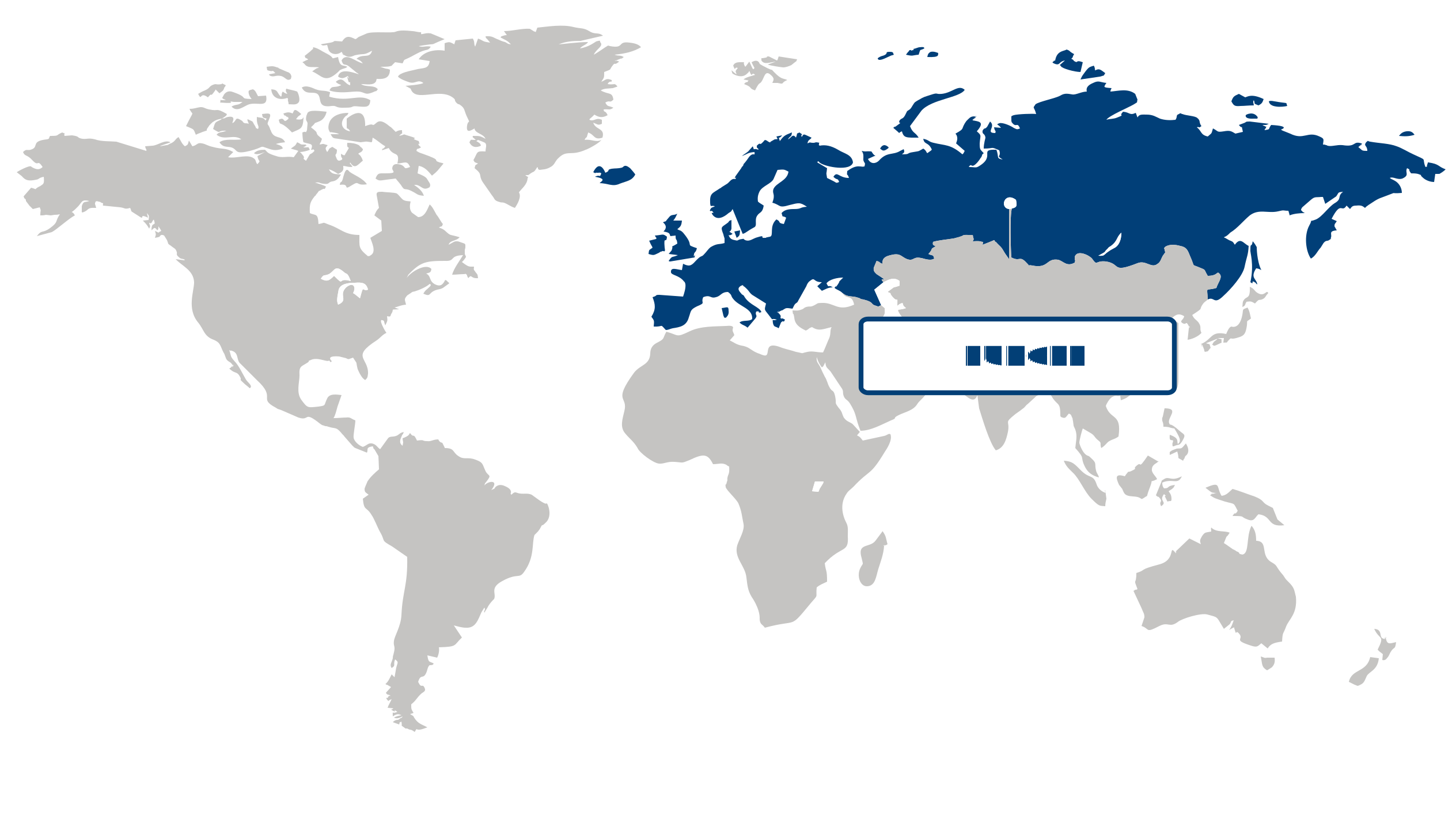
Largest Region
Europe
41.2% Market Share in 2025
Europe Market Statistics:
Europe represented more than 41.2% of the global commercial dry marine scrubber systems market in 2025, establishing itself as the largest region with significant growth potential. This dominance is largely attributed to the region's stringent maritime emission regulations, which have catalyzed the adoption of advanced scrubber technologies among shipping companies. As European nations prioritize sustainability and environmental compliance, demand for these systems has surged, reflecting a broader shift towards greener operations within the maritime sector. The European Union's commitment to reducing greenhouse gas emissions, as outlined by the European Commission, further underscores the urgency for shipping firms to invest in efficient scrubber solutions. This regulatory landscape, combined with technological advancements and a robust supply chain network, positions Europe as a fertile ground for growth in the commercial dry marine scrubber systems market.
Germany anchors the European market for commercial dry marine scrubber systems, driven by its strong manufacturing base and commitment to innovation in maritime technologies. The country's proactive regulatory environment, exemplified by the German Federal Maritime and Hydrographic Agency's stringent emission standards, has spurred local shipowners to retrofit their fleets with scrubber systems. This regulatory push, coupled with a cultural emphasis on sustainability, has fostered a competitive landscape where companies like MAN Energy Solutions are leading the charge in developing efficient scrubber technologies. The strategic implications of Germany's position suggest a ripple effect across Europe, reinforcing the demand for commercial dry marine scrubber systems as other countries look to emulate its success in balancing economic growth with environmental responsibility.
France also plays a pivotal role in the commercial dry marine scrubber systems market, characterized by its strong maritime industry and commitment to environmental stewardship. With the French government's initiatives aimed at enhancing shipping sustainability, such as the implementation of the Energy Transition for Green Growth Act, local shipping companies are increasingly investing in scrubber technologies to meet both regulatory requirements and consumer expectations for greener practices. The competitive landscape is marked by companies like CMA CGM, which are actively integrating scrubber systems into their fleets as part of a broader strategy to reduce emissions. This strategic focus not only enhances France's standing in the regional market but also aligns with the overarching trend of increased investment in commercial dry marine scrubber systems across Europe, indicating a robust future for the industry.
Asia Pacific Market Analysis:
Asia Pacific emerged as the fastest-growing region in the commercial dry marine scrubber systems market, registering a robust CAGR of 11.5%. This growth is primarily driven by the increasing focus on environmental compliance within the shipping industry, as countries in the region implement stringent regulations aimed at reducing emissions. The demand for dry marine scrubber systems is rising as shipping companies seek to meet these standards, reflecting a broader trend towards sustainability. Additionally, advancements in technology and operational efficiencies are enhancing the appeal of these systems, allowing for more effective integration into existing fleets. For instance, the International Maritime Organization (IMO) has set ambitious targets for reducing greenhouse gas emissions, prompting significant investments in scrubber technologies across the region. As such, Asia Pacific presents a landscape ripe with opportunities for innovation and investment in the commercial dry marine scrubber systems market.
Japan plays a pivotal role in the Asia Pacific commercial dry marine scrubber systems market, characterized by its advanced maritime industry and proactive regulatory stance. The country's commitment to environmental compliance is evident through its support for the adoption of green technologies in shipping, aligning with the IMO's regulations. Japanese shipping companies are increasingly investing in dry marine scrubbers to enhance their fleet's environmental performance, reflecting a shift in consumer preferences towards sustainable practices. For example, the Japan Shipowners' Association has been advocating for the use of scrubbers as a viable solution to meet sulfur cap regulations. This proactive approach not only positions Japan as a leader in the market but also reinforces the overall regional growth narrative, highlighting the strategic importance of Japan in driving demand for commercial dry marine scrubber systems.
China, as a major player in the Asia Pacific commercial dry marine scrubber systems market, showcases a unique dynamic driven by its extensive shipping activities and rapid industrial growth. The Chinese government has implemented stringent environmental policies to combat pollution, significantly influencing purchasing behavior among shipping companies. There is a notable shift towards adopting dry marine scrubbers as part of compliance strategies, particularly among state-owned enterprises that dominate the shipping sector. According to the Ministry of Transport of the People's Republic of China, the adoption of scrubber technology is being encouraged to align with national emissions reduction goals. This regulatory environment, coupled with increasing consumer awareness regarding sustainability, positions China as a critical driver of growth in the region's commercial dry marine scrubber systems market. The interplay of these factors not only solidifies China's market presence but also contributes to the broader opportunities available in Asia Pacific.
North America Market Trends:
North America maintained a notable presence in the commercial dry marine scrubber systems market, characterized by moderate growth driven by increasing regulatory pressures and a shift towards sustainable shipping practices. The region's strategic importance is underscored by its robust maritime industry, which is adapting to stricter emissions standards set forth by organizations such as the Environmental Protection Agency (EPA). As shipping companies prioritize compliance and invest in innovative technologies, the demand for efficient scrubber systems is poised for expansion. This evolving landscape is further influenced by consumer preferences leaning towards environmentally responsible practices, alongside advancements in digital solutions that enhance operational efficiencies. Recent reports from the International Maritime Organization (IMO) highlight the region's proactive stance in addressing climate change, signaling significant opportunities for stakeholders in the commercial dry marine scrubber systems market.
The U.S. plays a pivotal role in shaping the commercial dry marine scrubber systems market, driven by its extensive coastline and the presence of major shipping hubs. The country has seen a marked increase in investment in scrubber technology as maritime operators seek to align with the IMO's 2020 sulfur cap regulations. According to the U.S. Coast Guard, the adoption of scrubber systems is gaining traction among domestic shipping lines, reflecting a broader commitment to reducing emissions and enhancing operational sustainability. This trend is supported by initiatives from the American Bureau of Shipping, which emphasizes the need for innovative solutions in the face of evolving environmental standards. As a result, the U.S. market is positioned to capitalize on the growing demand for commercial dry marine scrubber systems, presenting investors with compelling opportunities to engage in a sector marked by regulatory compliance and technological advancement.
No card data available for this language/report.
Segment Leadership and Growth Trends
Analysis by Fuel Segment
The commercial dry marine scrubber systems market in the fuel segment is led by Marine Gas Oil (MGO), which captured over 41.2% share in 2025. MGO's clean-burning properties significantly reduce engine soot and extend the lifespan of marine engines, making it a preferred choice among ship operators focused on efficiency and sustainability. The increasing regulatory pressures for lower emissions, as highlighted by the International Maritime Organization, further bolster the demand for MGO, aligning with the industry's shift towards greener solutions. As customer preferences evolve towards sustainable fuels, established firms have the opportunity to enhance their product offerings while emerging players can capitalize on the growing market for eco-friendly alternatives. Given the ongoing advancements in fuel technology and the tightening of environmental regulations, MGO is poised to remain a vital component of the commercial dry marine scrubber systems market in the near to medium term.
| Report Segmentation | |||
| Segment | Sub-Segment | Largest Segment | Fastest Growing Segment |
|---|---|---|---|
| Fuel | MDO, MGO, Hybrid, Others | ||
 Read our Research Approach
Competitive Landscape and Market Positioning
Key players in the commercial dry marine scrubber systems market include Wärtsilä, Alfa Laval, Yara Marine, DuPont, Panasia, Mitsubishi Heavy Industries, MAN Energy Solutions, CR Ocean Engineering, Headway Technology, and Saacke. These companies hold significant influence due to their advanced technological capabilities and established reputations in the maritime industry. Wärtsilä and Alfa Laval, for instance, are recognized for their innovative solutions and comprehensive service offerings, which enhance their competitive edge. Similarly, Yara Marine and DuPont leverage their expertise in environmental technologies to address stringent regulatory requirements, positioning themselves as leaders in sustainable marine solutions. The presence of these key players underlines a robust competitive framework that drives innovation and sets industry benchmarks.
The competitive landscape in the commercial dry marine scrubber systems market is characterized by strategic maneuvers among the top players that shape their market positioning. Collaborations and technological advancements are prevalent, as companies like Mitsubishi Heavy Industries and MAN Energy Solutions focus on enhancing product efficiency through research and development initiatives. New product launches are frequent, with firms such as CR Ocean Engineering and Headway Technology introducing cutting-edge systems that meet evolving regulatory standards. These strategic actions not only bolster their competitive stance but also foster an environment ripe for innovation, as companies continuously adapt to market demands and technological advancements.
Strategic / Actionable Recommendations for Regional Players
In North America, fostering partnerships with local regulatory bodies and environmental organizations can enhance credibility and market presence. Engaging in collaborative research initiatives with universities could also drive innovation in scrubber technology, positioning companies as thought leaders in the region.
For players in the Asia Pacific region, focusing on emerging technologies such as digital monitoring systems can differentiate offerings. Targeting high-growth sub-segments, such as retrofitting existing vessels with advanced scrubber systems, presents opportunities for expansion and increased market share.
In Europe, responding to competitive initiatives by enhancing customer service and support can strengthen market position. Forming alliances with shipping companies to develop tailored solutions that address specific operational challenges can also lead to deeper market penetration and customer loyalty.
Why Choose Us
Specialized Expertise: Our team comprises industry experts with a deep understanding of your market segment. We bring specialized knowledge and experience that ensures our research and consulting services are tailored to your unique needs.
Customized Solutions: We understand that every client is different. That's why we offer customized research and consulting solutions designed specifically to address your challenges and capitalize on opportunities within your industry.
Proven Results: With a track record of successful projects and satisfied clients, we have demonstrated our ability to deliver tangible results. Our case studies and testimonials speak to our effectiveness in helping clients achieve their goals.
Cutting-Edge Methodologies: We leverage the latest methodologies and technologies to gather insights and drive informed decision-making. Our innovative approach ensures that you stay ahead of the curve and gain a competitive edge in your market.
Client-Centric Approach: Your satisfaction is our top priority. We prioritize open communication, responsiveness, and transparency to ensure that we not only meet but exceed your expectations at every stage of the engagement.
Continuous Innovation: We are committed to continuous improvement and staying at the forefront of our industry. Through ongoing learning, professional development, and investment in new technologies, we ensure that our services are always evolving to meet your evolving needs.
Value for Money: Our competitive pricing and flexible engagement models ensure that you get maximum value for your investment. We are committed to delivering high-quality results that help you achieve a strong return on your investment.
Select Licence Type

