Compact Loaders Market Size & Forecasts 2026-2035, By Segments (Type, Application), Growth Opportunities, Innovation Landscape, Regulatory Shifts, Strategic Regional Insights (U.S., Japan, China, South Korea, UK, Germany, France), and Competitive Dynamics (Bobcat, Caterpillar, JCB, Kubota, John Deere)
Jump to Content
Market Size and Growth Outlook
Compact Loaders Market size is expected to advance from USD 27.76 billion in 2025 to USD 42.29 billion by 2035, registering a CAGR of more than 4.3% across 2026-2035. By 2026, the industry is anticipated to generate USD 28.79 billion in revenue.
Get more details on this report
Request Free Sample ReportCompact Loaders Market Intelligence Snapshot
Regional Market Dynamics
Segment Momentum
Market Expansion Drivers
Leading Market Participants
Global Market Forecast Snapshot
Market Outlook
Regional and Segment Outlook
Market Growth Drivers and Industry Trends
The surge in construction and landscaping activities is a pivotal engine propelling the compact loaders market. Rapid urban development and rising demand for residential and commercial buildings have elevated the need for efficient, maneuverable equipment capable of working in confined spaces. The U.S. Census Bureau highlights sustained growth in building permits and construction starts, reinforcing the trend toward increased use of compact loaders on-site. This heightened activity encourages manufacturers to innovate and optimize for durability and multifunctionality, fostering competitive differentiation. Both established brands and startups can capitalize on this trend by tailoring equipment to specialized applications, tapping into niche landscaping projects, and leveraging close customer engagement. Given ongoing infrastructure demands, the compact loaders market will continue evolving to meet the complex requirements of construction and landscaping ecosystems, enhancing productivity and operational agility.
Adoption of Compact and Versatile Loader Equipment
The drive toward equipment versatility is significantly reshaping the compact loaders market as consumers prioritize multipurpose machinery that reduces capital expenditure and footprint. Equipment manufacturers like Bobcat Company have advanced modular designs and quick-attachment systems that allow a single loader to perform diverse tasks, from material handling to site grading. This shift is further stimulated by the workforce’s preference for simplified, operator-friendly machines, enabling broad adoption across varying skill levels. The competitive landscape is responding with innovations emphasizing digital integration and automation features, aligning with global trends in machinery modernization noted by the Association of Equipment Manufacturers. This dynamic opens pathways for new entrants to introduce differentiated technology-driven solutions while established players expand their portfolios to capture rising demand for versatile loaders in evolving jobsite conditions.
Expansion of Urban Infrastructure and Commercial Projects
The expansion of urban infrastructure and commercial projects dictates growing reliance on compact loaders within dense city environments where space constraints and regulatory compliance impact equipment choices. Initiatives from agencies like the European Investment Bank targeting sustainable urban development underscore increasing demand for compact, low-emission machinery compatible with stringent environmental standards. As cities embrace smart construction principles and green building certifications, compact loaders equipped with eco-friendly engines and noise reduction technologies gain strategic importance. This paradigm invites manufacturers to invest further in R&D and partnerships to align products with sustainability mandates, creating competitive advantage. For market participants, the shifting regulatory and project landscape guarantees that the compact loaders market will intensify its focus on eco-efficient, adaptable solutions suited for complex urban construction and commercial applications.
Industry Restraints:
Emission Regulation Compliance Challenges
Stringent environmental regulations significantly constrain the compact loaders market by imposing costly modifications and certifications on manufacturers. Agencies such as the U.S. Environmental Protection Agency (EPA) and the European Environment Agency (EEA) enforce strict emission standards, requiring advanced diesel engines or alternative-fuel technologies. Caterpillar’s efforts to comply with Stage V emission norms illustrate how meeting these mandates inflates R&D and production expenses, delaying product rollouts. This inhibits smaller manufacturers who face capital limitations and complicates supply chains due to specialized components. Consequently, market players must allocate substantial resources to regulatory compliance rather than innovation or pricing strategies. These evolving regulations are expected to intensify in key regions, necessitating ongoing investment in cleaner technology and potentially driving consolidation as smaller firms exit or merge to manage regulatory burdens.
Supply Chain Disruptions and Component Shortages
The compact loaders market remains vulnerable to disruptions in global supply chains, particularly the scarcity of semiconductor chips and raw materials essential for engine management and electronic control units. For example, Volvo CE reported production setbacks in 2023 due to microchip shortages affecting their compact equipment lines. Such constraints extend manufacturing lead times and inflate costs, limiting inventory availability and deterring buyers who face delayed project timelines. Entry barriers rise as newcomers struggle to secure stable component supplies amid volatile markets. Established firms must strategically diversify suppliers and invest in inventory resilience to mitigate risks. Given ongoing geopolitical tensions and raw material market fluctuations, supply chain constraints will persist as a critical bottleneck, compelling market participants to enhance agility and foster stronger supplier partnerships.
| Growth Driver | Impact on CAGR | Regulatory Influence | Geographic Relevance | Adoption Rate | Impact Timeline |
|---|---|---|---|---|---|
| Growth in construction and landscaping activities | 1.50% | Short term (≤ 2 yrs) | North America, Europe | Medium | Fast |
| Adoption of compact and versatile loader equipment | 1.40% | Medium term (2–5 yrs) | Europe, Asia Pacific | Low | Moderate |
| Expansion of urban infrastructure and commercial projects | 1.40% | Long term (5+ yrs) | Asia Pacific, North America | Low | Moderate |
Go beyond the chart, access full insights & data tables
Request Free Sample ReportRegional Demand Dynamics

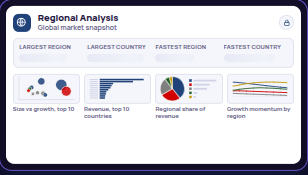
North America dominated the compact loaders market in 2025, capturing approximately 48% of the global share. This region leads primarily due to the widespread demand driven by landscaping and small-site construction activities prevalent across urban and suburban areas. The United States Department of Agriculture highlights surging residential landscaping projects, further boosting equipment demand, while the U.S. Census Bureau reports steady growth in small construction permits, underpinning market expansion. Additionally, advancements in fuel-efficient and electric compact loaders by key manufacturers like Bobcat and Caterpillar enhance operational efficacy, meeting stringent emission norms and customer preferences for sustainable machinery. The robust supply chain infrastructure and a skilled workforce also support rapid market adoption. North America's economic resilience amid fluctuating global conditions positions it as a prime opportunity zone, with increasing emphasis on digital integration and eco-friendly solutions set to drive continued demand for compact loaders.
The United States anchors the North American compact loaders market, fueled by its expansive residential landscaping and commercial construction sectors. According to the U.S. Environmental Protection Agency, regulatory frameworks incentivize use of low-emission construction equipment, prompting manufacturers like John Deere to innovate greener compact loaders tailored for this market. Consumer preferences shift towards machinery that balances power with environmental compliance, supported by increased investments in urban redevelopment and infrastructure modernization reported by the U.S. Department of Transportation. These factors create strategic openings for firms emphasizing sustainable, versatile compact loaders. Consequently, the U.S. serves as a critical growth engine within North America, reinforcing the region’s leadership by fostering cutting-edge product development aligned with evolving market and regulatory demands.
Europe Market Analysis:
Europe emerged as the fastest-growing region in the compact loaders market, registering a robust CAGR of 5.5%. This growth is primarily driven by the expanding demand for construction and landscaping machinery across Europe, which fuels the increased deployment of compact loaders in dense urban projects. Cities across the continent are experiencing intensified infrastructure development and urban renewal initiatives, prompting a shift toward versatile, space-efficient equipment like compact loaders. Regulatory focus on sustainable construction and stricter emissions standards further push manufacturers and users toward compact machines that balance power with environmental compliance. The European Environment Agency’s recent report highlights enhanced urban sustainability policies, encouraging adoption of low-emission machinery. These dynamics, combined with ongoing technological innovations and resilient supply chains in the region, position Europe as a vital and expanding hub for compact loaders, offering substantial opportunities for market stakeholders aiming to capitalize on urban modernization trends.
Germany plays a pivotal role in Europe’s compact loaders market by leveraging its advanced construction sector and innovation-driven manufacturing base. The country’s strong emphasis on precision engineering and environmental standards has led to accelerated adoption of compact loaders suited for intricate urban projects and landscaping needs, as reported by the German Construction Industry Federation (HDB). Robust government incentives to modernize municipal infrastructure and retrofit public spaces are also catalyzing demand for efficient, eco-friendly machinery. Meanwhile, competitive strategies from domestic manufacturers focusing on digital integration and operational efficiency reinforce Germany’s leading position. The strategic blend of technical excellence and regulatory alignment ensures that Germany continues to anchor Europe’s expansion in the compact loaders market, driving regional growth momentum.
France also significantly contributes to Europe’s burgeoning compact loaders market through its extensive urban development programs and green infrastructure policies. Supported by initiatives from the French Ministry of Ecological Transition, there is a growing investment in renovating public parks, recreational areas, and transport corridors that necessitate compact, agile loader solutions. Furthermore, France’s rising construction activity in densely populated city centers highlights a consumer preference for versatile, low-impact equipment that aligns with local environmental targets. French firms are increasingly incorporating digital fleet management and telematics, enhancing operational productivity and sustainability metrics. Together with supportive policy frameworks and a strong focus on eco-friendly technology adoption, France’s market dynamics complement Germany’s role and reinforce Europe’s strategic appeal and sustained advancement in the compact loaders market.
Asia Pacific Market Trends:
Asia Pacific maintained a notable presence in the compact loaders market, driven by the region’s escalating urban construction projects and infrastructure modernization initiatives. The demand for versatile, fuel-efficient machinery aligns with Asia Pacific stakeholders’ emphasis on operational efficiency and environmental compliance, supported by stringent sustainability mandates from agencies like the Asian Development Bank. Additionally, advancements in telematics and automation, as highlighted in Komatsu’s recent corporate release, have enhanced equipment performance and operator safety. The region’s intricate supply chains, leveraging both local manufacturing and global logistics hubs, enable quick adaptation to market shifts. Coupled with rising skilled labor availability and digital integration in construction workflows, Asia Pacific offers a robust platform for sustained expansion in compact loaders, presenting substantial opportunities for investors looking to capitalize on urbanization and green technology trends.
Japan plays a pivotal role in the compact loaders market within Asia Pacific by focusing on technological sophistication and eco-friendly machinery adoption. Japanese firms such as Hitachi Construction Machinery have underscored this direction in corporate communications, emphasizing hybrid and electric compact loader models to meet the country’s strict emission regulations. The aging workforce and high safety standards have accelerated automation adoption, bolstering operational efficiencies. Japan’s strategic investments in Research & Development and government incentives for clean equipment adoption, as reported by the Ministry of Economy, Trade and Industry, position the country as a leader in innovation-driven growth. This focus not only meets domestic demand but also enhances Japan’s export potential, amplifying regional opportunities in compact loaders.
China serves as a growth engine for the compact loaders market in Asia Pacific by rapidly scaling infrastructure and urban renewal projects. The country’s focus on affordable yet durable machinery aligns with its expanding construction sector and increasing government expenditure on smart city initiatives. Significant investments by companies like SANY Group, coupled with supportive policies from the Ministry of Industry and Information Technology, have accelerated local manufacturing capabilities and introduced advanced IoT-enabled machinery for real-time monitoring and predictive maintenance. Competitive intensity among domestic manufacturers drives continuous innovation and cost optimization, fostering broader market penetration. China’s integrated approach to technological adoption and policy support solidifies its critical position, reinforcing Asia Pacific’s overall market momentum in compact loaders.
| Parameter | North America | Asia Pacific | Europe | Latin America | MEA |
|---|---|---|---|---|---|
| Innovation HubiScaleNascentDeveloping Advanced | |||||
| Cost-Sensitive RegioniScaleLowMedium High | |||||
| Regulatory EnvironmentiScaleRestrictiveNeutral Supportive | |||||
| Demand DriversiScaleWeakModerate Strong | |||||
| Development StageiScaleEmergingDeveloping Developed | |||||
| Adoption RateiScaleLowMedium High | |||||
| New Entrants / StartupsiScaleSparseModerate Dense | |||||
| Macro IndicatorsiScaleWeakStable Strong |
Compact Loaders Market Share (%), by Type, 2026
Unlock insights tailored to your business with our bespoke market research solutions.
Click to get your customized report now.
Go beyond the chart, access full insights & data tables
Request Free Sample ReportThe wheeled segment held largest share in the compact loaders market in 2025, driven primarily by its versatility and superior mobility across diverse construction and maintenance environments. This segment benefits from evolving user preferences favoring machines that can swiftly navigate urban and confined spaces, aligning with growing demands for operational efficiency. Additionally, manufacturers like Bobcat Company have highlighted advancements in wheeled loader maneuverability and reduced environmental footprints, supporting stricter emissions standards. Supply chain enhancements facilitating rapid deployment and regional availability further bolster this segment’s leadership. Wheeled compact loaders offer strategic advantages for established firms through product differentiation and for new entrants by targeting niche operational needs. Ongoing innovations and urban infrastructure development suggest this segment’s dominance will sustain well into the near and medium term.
Analysis by Application
The construction segment represented largest share in the compact loaders market, propelled by robust investment in infrastructure and construction projects worldwide. Rising urbanization and government-led public works have heightened demand for compact loaders that enhance agility and productivity on diverse building sites. Organizations such as the U.S. Department of Transportation emphasize modernizing infrastructure, underpinning the critical role of construction-grade equipment. This segment reflects sustained workforce trends toward mechanization and digital tool integration for project efficiency. For industry players, focusing on construction applications offers opportunities to capture long-term contracts and foster product customization. As infrastructure development remains a global priority, the construction segment is poised to maintain its preeminence in the compact loaders market.
| Segment | Sub-Segment | Largest Segment | Fastest Growing |
|---|---|---|---|
| Type | wheeled, tracked | ||
| Application | construction, landscape & maintenance, agriculture & forestry, mining, others |
Competitive Landscape and Market Positioning
The competitive landscape in the compact loaders market has evolved through sustained emphasis on technological refinement and market expansion. Leading companies continuously enhance product lines with smarter automation features and higher fuel efficiency standards, responding dynamically to evolving regulations and customer preferences. Collaborative ventures and selective acquisitions have enabled firms like Caterpillar and Doosan Infracore to diversify offerings while optimizing supply chain resilience. Investments in R&D foster innovation, such as compact designs suited for urban construction and multi-functional attachments boosting versatility. These activities intensify competitive positioning, prompting rivals to accelerate development cycles and strengthen after-sales service networks, ensuring sustained engagement with contractors and rental businesses.
Strategic / Actionable Recommendations for Regional Players
In North America, capitalizing on partnerships with technology startups could elevate machine intelligence and telematics capabilities, addressing demand for operational transparency and remote diagnostics. Engaging with rental agencies through value-added services would provide differentiation in an already consolidated market.
For the Asia Pacific region, expanding into high-growth infrastructure and agricultural sub-segments can unlock new revenue streams. Embracing electrification and localized manufacturing collaborations can reduce costs and enhance market responsiveness, providing a competitive advantage amid rising environmental considerations.
European players should focus on integrating smart energy management systems aligned with stricter emissions regulations. Forming alliances with urban development projects and advancing modular designs offers opportunities to respond swiftly to diverse customer requirements, strengthening footholds across mature economies.
| Company | Market Share | Company Revenue | Revenue CAGR (%) | Product Portfolio | Geographic Presence | Innovation / R&D Focus | Strategic Developments |
|---|---|---|---|---|---|---|---|
| No companies available. | |||||||
Customize Your Report
Explore examples of how this report can be tailored to different research needs, including custom segments, additional topics or chapters, and related reports. Click a section of the wheel or its numbered marker to explore the available options.
Compact Loaders Market — Custom Segments
| Segment | Sub-Segment |
|---|---|
| No segment data available. | |
Compact Loaders Market — Custom TOC
| Custom Chapter | Chapter Details |
|---|---|
| No custom TOC data available. | |
Need a different cut of the data?
Request Custom ResearchFrequently Asked Questions
What is the projected value of the compact loaders industry by 2035?
In which region is the compact loaders market most concentrated?
What region has posted the highest CAGR in the compact loaders sector?
Why does wheeled sub-segment dominate the type segment of compact loaders sector?
How does construction segment fare in the compact loaders industry?
Who are the leading players in the compact loaders landscape?
Our Clients
"Your insights on workforce structures were spot-on. The analysis on mid-to-senior level roles validated some of our hiring decisions and highlighted gaps."
Ateliers De France
"The report gave us insights on competitors in the market. It helped our team refine our bidding strategy for upcoming contracts."
Clark Construction
"The reports provided a deep dive into market trends, and competitive landscape. The strategic insights and recommendations have been very helpful."
Rudolph and Sletten
Our Research Team & Methodology
Every Fundamental Business Insights report is built by a dedicated vertical research team, validated through a structured primary-and-secondary methodology, and reviewed for accuracy before it reaches you.
Delivery
Published
Available
Support
- Market Size & Forecast
- Market Segmentation
- Regional Analysis
- Growth Drivers & Challenges
- Market Dynamics
- Competitive Landscape
- Company Profiles
- Competitive Benchmarking
- Mergers & Acquisitions
- Market Share Analysis or Key Company Strategies
- Value Chain Analysis
- Porter's Five Forces
- PESTLE Analysis
- Pricing Trends
- Supply-Demand Analysis
- Technology Landscape
- Regulatory Landscape
- Investment & Funding Landscape
- Emerging Opportunities
- Future Market Outlook