



Complementary and Alternative Medicine Market Size & Growth Forecast 2027–2036, By Segments (Distribution Method, Intervention), Regional Demand Trends (North America, Asia Pacific, Europe), Key Country Insights (U.S., Japan, South Korea, Germany, France, Italy), and Competitive Landscape
Market Size and Growth Outlook
Complementary and Alternative Medicine Market size was valued at USD 277.5 billion in 2026 and is anticipated to grow at a 25.08% CAGR from 2027 to 2036, attaining USD 2.6 trillion by 2036. The industry revenue for 2027 is assessed at USD 336.11 billion.
Base Year Value (2026)
USD 277.5 billion
CAGR (2027-2036)
25.08%
Forecast Year Value (2036)
USD 2.6 trillion

Historical Data Period
2022-2026

Largest Region
Europe

Forecast Period
2027-2036
Complementary and Alternative Medicine Market Intelligence Snapshot:
-
Regional Market Dynamics:
- Europe’s leadership is driven by strong consumer acceptance of non-conventional therapies, mature wellness infrastructure, and widespread availability of herbal, acupuncture, and naturopathy services supporting consistent repeat demand.
- Asia Pacific is expanding at a 27.28% CAGR, supported by deep-rooted traditional medicine systems, rising wellness spending, and increasing adoption of plant-based and holistic therapies across urban populations.
-
Segment Momentum:
- Direct Sales held a 60.86% share in 2026 because practitioner interaction, personalized guidance, and consumer confidence in product authenticity encourage informed purchases and strong repeat buying.
- Mind Healing is expanding rapidly as consumers increasingly seek non-invasive approaches that support stress management, emotional balance, and mental well-being while fitting easily into everyday wellness routines.
-
Market Expansion Drivers:
- Growing digital wellness platforms expanding accessibility of virtual complementary therapy services.
- Increasing government recognition of traditional medicine supporting broader healthcare integration.
- Rising consumer preference for holistic wellness boosting demand for sound and mind-body therapies.
-
Leading Market Participants:
Major players in the complementary and alternative medicine market include Pure Encapsulations, LLC (United States), Herb Pharm, LLC (United States), AYUSH Ayurvedic Pte Ltd. (Singapore), Nordic Naturals, Inc. (United States), Himalaya Wellness Company (India), Dabur India Ltd. (India), Patanjali Ayurved Limited (India), Sheng Chang Pharmaceutical Company (Taiwan), Columbia Nutritional (United States), The Healing Company Ltd. (United Kingdom).
Global Market Forecast Snapshot:
-
Market Outlook:
- 2026 Market Size: USD 277.5 billion
- 2027 Estimated Market Size: USD 336.11 billion.
- Projected Market Size: USD 2.6 trillion by 2036
- Growth Forecasts: 25.08% CAGR (2027-2036)
-
Regional and Segment Outlook:
- Leading Regional Market: Europe
- High-Growth Regional Hub: Asia Pacific
- Core Revenue Segment: Direct Sales (Distribution Method) | Traditional Alternative Medicine/Botanicals (Intervention)
- Emerging Opportunity Segment: E-sales (Distribution Method) | Mind Healing (Intervention)
Market Growth Drivers and Industry Trends
Growing digital wellness platforms expanding accessibility of virtual complementary therapy services
The growth of digital wellness platforms is making complementary therapies more accessible beyond traditional physical settings, supporting the complementary and alternative medicine market by enabling consumers to access virtual consultations, guided practices, and wellness programs remotely. Digital delivery can reduce geographical barriers and provide greater convenience for individuals seeking complementary approaches alongside their broader wellness routines. The availability of online services also allows practitioners to engage with consumers through flexible formats, broadening the reach of therapies that can be delivered through remote interaction.
Increasing government recognition of traditional medicine supporting broader healthcare integration
Greater institutional recognition of traditional medicine is encouraging its integration into broader healthcare frameworks, creating a more supportive environment for the complementary and alternative medicine market. Increased acceptance can strengthen the visibility of established traditional practices and encourage healthcare stakeholders to consider complementary approaches within wider wellness and care pathways. As these practices receive greater formal attention, providers can benefit from improved integration with healthcare services and consumers may become more comfortable incorporating traditional therapies into their overall approach to health management.
Rising consumer preference for holistic wellness boosting demand for sound and mind-body therapies
A growing focus on holistic wellness is encouraging consumers to seek approaches that address mental, emotional, and physical well-being together, thereby supporting the complementary and alternative medicine market. Sound-based practices and mind-body therapies appeal to individuals looking for relaxation, stress management, mindfulness, and broader lifestyle-oriented wellness experiences. Their emphasis on personal well-being rather than a narrowly defined health intervention is increasing interest among consumers who prefer complementary practices that can be incorporated into regular wellness routines.
| Growth Driver Assessment Framework | |||||
| Growth Driver | Impact On CAGR | Regulatory Influence | Geographic Relevance | Adoption Rate | Impact Timeline |
|---|---|---|---|---|---|
| Growing digital wellness platforms expanding accessibility of virtual complementary therapy services | 2.00% | Moderate | North America, Europe | High | Near Term |
| Increasing government recognition of traditional medicine supporting broader healthcare integration | 1.80% | High | Asia Pacific, Europe | High | Mid Term |
| Rising consumer preference for holistic wellness boosting demand for sound and mind-body therapies | 1.50% | Low | North America, Asia Pacific | Emerging | Mid Term |
Unlock insights tailored to your business with our bespoke market research solutions - Click to get your customized report now!
Regional Demand Dynamics
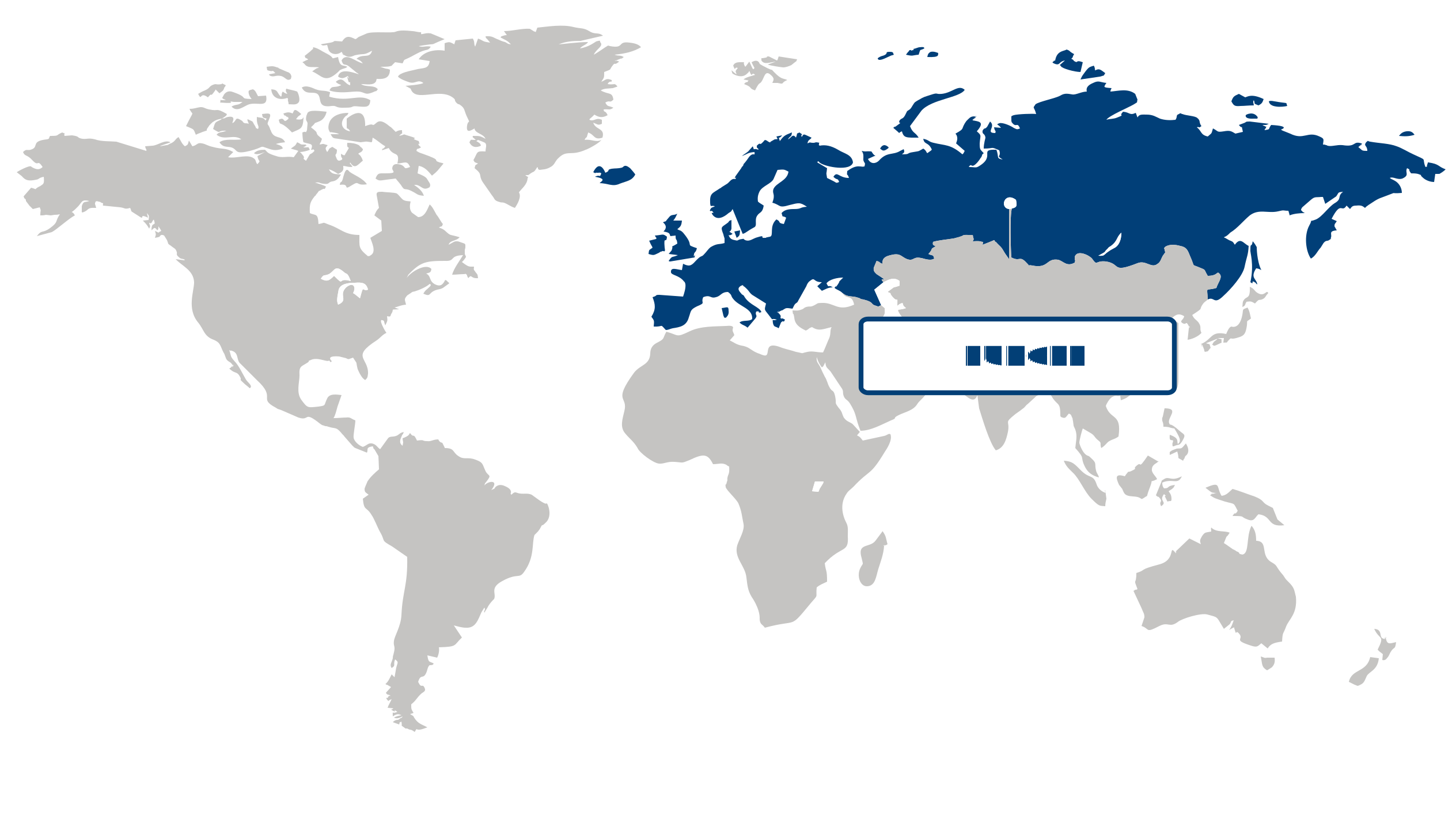
Largest Region
Europe
32.75% Market Share in 2026
Europe (Largest Region) vs Asia Pacific (Fastest-Growing Region)
In the complementary and alternative medicine market, Europe held the largest share, accounting for 32.75% in 2026. The region benefits from growing consumer interest in holistic healthcare, preventive wellness, and treatment approaches that complement conventional medical practices. Increasing awareness of nutrition, herbal therapies, traditional healing methods, and mind-body wellness is supporting demand across different demographic groups. The presence of established healthcare systems and greater integration of selected complementary practices into broader wellness and care programs is also strengthening market acceptance. In addition, consumer focus on personalized health management and quality of life is encouraging continued interest in non-conventional therapeutic options.
Asia Pacific is emerging as the fastest-growing regional market, supported by the longstanding cultural presence of traditional medicine and increasing consumer spending on health and wellness. Growing urban populations and expanding middle-class demographics are creating greater demand for accessible and personalized healthcare approaches, while rising health awareness is encouraging consumers to explore preventive and holistic treatments. Modernization of traditional medicine practices, improvements in healthcare infrastructure, and greater integration of complementary therapies with contemporary healthcare are further supporting market development. Increased interest in natural and wellness-oriented solutions is expected to remain an important driver of regional expansion.
Key Country Insights
The U.S. complementary and alternative medicine market reflects growing consumer interest in preventive healthcare and personalized wellness approaches. Healthcare providers and wellness organizations increasingly incorporate complementary therapies alongside conventional treatment to address diverse patient needs.
Japan combines traditional therapeutic practices with modern healthcare to support the complementary and alternative medicine market. Consumer preference for preventive wellness and natural health products encourages continued development of integrated treatment offerings.
South Korea maintains strong demand for complementary and alternative medicine through the integration of traditional medical practices with contemporary healthcare services. Ongoing interest in herbal formulations and wellness therapies supports product and service innovation.
Germany supports complementary and alternative medicine through established acceptance of natural therapies and structured healthcare practices. Demand continues to favor clinically informed herbal remedies, integrative care, and practitioner-guided treatment options.
France is gradually expanding complementary and alternative medicine offerings as consumers seek holistic wellness solutions alongside conventional healthcare. Interest in practitioner-led therapies and natural health products supports broader commercial activity within the sector.
Italy demonstrates consistent demand for complementary and alternative medicine driven by consumer interest in natural health management and preventive care. Wellness centers, herbal products, and integrative treatment approaches continue to strengthen the market environment.
Segment Leadership and Growth Trends
Distribution Method Segment Analysis: Direct Sales (Largest Segment) vs E-sales (Fastest-Growing Segment)
Direct sales accounted for the largest share of the complementary and alternative medicine market, representing 60.86% in 2026, supported by the continued preference for personalized purchasing and direct interaction between consumers and providers. Direct distribution allows practitioners and specialized providers to explain product characteristics, usage considerations, and treatment approaches while building greater consumer confidence. The established presence of direct purchasing channels and continued demand for personalized wellness solutions are helping sustain the segment's leading position.
E-sales is the fastest-growing distribution method, fueled by the increasing use of digital commerce for accessing complementary health and wellness products. Online channels provide consumers with convenient product discovery, broader purchasing access, and the ability to compare different offerings without relying on physical retail locations. Greater consumer familiarity with digital shopping and the expanding availability of complementary medicine products through online platforms are accelerating the shift toward e-sales.
Intervention Segment Analysis: Traditional Alternative Medicine/Botanicals (Largest Segment) vs Mind Healing (Fastest-Growing Segment)
Traditional alternative medicine/botanicals led the complementary and alternative medicine market with a 35.81% share in 2026, reflecting longstanding consumer interest in plant-based remedies and established traditional approaches to health and wellness. Botanical interventions are widely incorporated into complementary healthcare practices and are often perceived as accessible approaches for supporting general well-being. Increasing consumer attention to natural products and holistic health practices is reinforcing demand for traditional alternative medicine and botanical-based interventions.
The mind healing segment is the fastest-growing intervention category, supported by increasing recognition of mental and emotional well-being as an important component of holistic health. Consumers are showing greater interest in approaches that emphasize relaxation, stress management, mindfulness, and psychological balance alongside physical wellness. The broader movement toward preventive and integrative health practices is encouraging greater adoption of mind-focused complementary interventions.
| Report Segmentation | |||
| Segment | Sub-Segment | Largest Segment | Fastest Growing Segment |
|---|---|---|---|
| Distribution Method | Direct Sales, E-sales, Distance Correspondence | Direct Sales | E-sales |
| Intervention | Traditional Alternative Medicine/Botanicals, Mind Healing, Body Healing, External Energy, Aromatherapy | Traditional Alternative Medicine/Botanicals | Mind Healing |
 Read our Research Approach
Competitive Landscape and Market Positioning
Prominent players in the complementary and alternative medicine market:
1. Pure Encapsulations LLC (United States)
2. Herb Pharm LLC (United States)
3. AYUSH Ayurvedic Pte Ltd. (Singapore)
4. Nordic Naturals Inc. (United States)
5. Himalaya Wellness Company (India)
6. Dabur India Ltd. (India)
7. Patanjali Ayurved Limited (India)
8. Sheng Chang Pharmaceutical Company (Taiwan)
9. Columbia Nutritional (United States)
10. The Healing Company Ltd. (United Kingdom)
The complementary and alternative medicine market is growing due to rising interest in holistic wellness, preventive care, and natural healing approaches. Increasing adoption of personalized wellness solutions is shaping product development and service delivery. The market is increasingly influenced by lifestyle-driven health management trends.
Industry Development/News
| Company Name | Date | Key Development |
|---|---|---|
| World Health Assembly | May-25 | The 78th World Health Assembly formally adopted the WHO Global Traditional Medicine Strategy 2025–2034. This strategic framework commits member states to standardize regulation, strengthen clinical evidence, ensure quality control, and formalize the integration of traditional, complementary, and integrative medicine (TCIM) into national health systems globally over the next decade. |
| AYUSH-ICMR | Mar-24 | The AYUSH-ICMR Advanced Centre for Integrated Health Research was established at AIIMS to formalize collaborative research in integrative medicine. This initiative focuses on conducting high-quality multicenter clinical trials and building a robust scientific validation framework for traditional medicine systems, bridging the gap between traditional healing and evidence-based conventional medical practice. |
| Apollo AyurVAID | Sep-25 | Apollo AyurVAID and Vivekananda Yoga University signed a Memorandum of Understanding to co-develop accredited continuing education and research programs. This partnership aims to standardize professional training in Ayurveda, Yoga, and Integrative Medicine, professionalizing the workforce and enhancing the clinical rigor of holistic health service delivery. |
| Gynoveda | Mar-23 | Ayurveda-focused femtech brand Gynoveda secured USD 10 million in Series A funding led by the India Alternatives Fund. The capital is earmarked for intensifying clinical research and development, expanding its Ayurvedic product pipeline, and scaling its digital platform to address women’s health conditions, signaling increased investor confidence in tech-enabled traditional medicine solutions. |
| WHO/ITU/WIPO | Jul-25 | The WHO, ITU, and WIPO released a joint technical report on the application of artificial intelligence in traditional medicine. The framework outlines global standards for deploying digital tools to support clinical traditional medicine practices while prioritizing the protection of indigenous cultural heritage, data sovereignty, and the ethical integration of AI into global healthcare systems. |
| Bay Clinic of Chiropractic | Dec-25 | Bay Clinic of Chiropractic expanded its functional medicine service offerings in Florida to meet rising demand for integrative, root-cause healthcare. This expansion reflects the broader market trend toward integrating complementary diagnostic and therapeutic models into chronic disease management, catering to patients seeking personalized, non-conventional interventions for long-term health maintenance. |
| HCOWA | Apr-25 | The Health Community of West Africa Association (HCOWA) initiated a collaborative program to integrate artificial intelligence into indigenous healthcare systems. By modernizing traditional medicine through AI-enabled research and decision-support tools, the project aims to improve diagnostic accuracy and clinical outcomes, positioning traditional medicine within modern, technology-assisted healthcare frameworks. |
| WHO (TCIM Program) | Nov-24 | China committed USD 5 million over a five-year period to support the WHO’s Traditional, Complementary, and Integrative Medicine (TCIM) program. This significant funding contribution is designed to accelerate the implementation of the WHO’s global strategic objectives, specifically targeting institutional strengthening and the expansion of regulatory oversight for traditional medicine providers worldwide. |
Why Choose Us
Specialized Expertise: Our team comprises industry experts with a deep understanding of your market segment. We bring specialized knowledge and experience that ensures our research and consulting services are tailored to your unique needs.
Customized Solutions: We understand that every client is different. That's why we offer customized research and consulting solutions designed specifically to address your challenges and capitalize on opportunities within your industry.
Proven Results: With a track record of successful projects and satisfied clients, we have demonstrated our ability to deliver tangible results. Our case studies and testimonials speak to our effectiveness in helping clients achieve their goals.
Cutting-Edge Methodologies: We leverage the latest methodologies and technologies to gather insights and drive informed decision-making. Our innovative approach ensures that you stay ahead of the curve and gain a competitive edge in your market.
Client-Centric Approach: Your satisfaction is our top priority. We prioritize open communication, responsiveness, and transparency to ensure that we not only meet but exceed your expectations at every stage of the engagement.
Continuous Innovation: We are committed to continuous improvement and staying at the forefront of our industry. Through ongoing learning, professional development, and investment in new technologies, we ensure that our services are always evolving to meet your evolving needs.
Value for Money: Our competitive pricing and flexible engagement models ensure that you get maximum value for your investment. We are committed to delivering high-quality results that help you achieve a strong return on your investment.
Select Licence Type

