



Corrugated Board Packaging Market Size & Forecasts 2026-2035, By Segments (Type, Product Type, Flute Type, End Use Industry), Growth Opportunities, Innovation Landscape, Regulatory Shifts, Strategic Regional Insights (U.S., Japan, China, South Korea, UK, Germany, France), and Competitive Dynamics (WestRock, Smurfit Kappa, International Paper, Mondi, DS Smith)
Market Size and Growth Outlook
Corrugated Board Packaging Market size is set to grow from USD 193.52 billion in 2025 to USD 300.53 billion by 2035, reflecting a CAGR greater than 4.5% through 2026-2035. Industry revenues in 2026 are estimated at USD 201.01 billion.
Base Year Value (2025)
USD 193.52 Billion
CAGR (2026-2035)
4.5%
Forecast Year Value (2035)
USD 300.53 Billion

Historical Data Period
2022-2025

Largest Region
Asia Pacific

Forecast Period
2026-2035
Key Takeaways
- Asia Pacific region secured around 46.35% revenue share in 2025, owing to booming e-commerce and packaging demand.
- Asia Pacific region will record around 5% CAGR from 2026 to 2035, impelled by expansion in retail and sustainable packaging solutions.
- The single wall segment dominated the market with a 63.46% share in 2025, driven by cost-effective and sufficient strength for lightweight product transportation.
- In 2025, the boxes segment contributed a 58.2% share to the corrugated board packaging market, propelled by versatility in shipping and storage needs across e-commerce and retail sectors.
- Capturing a 28.35% revenue share, the type C flute segment led the market in 2025, fueled by the optimal balance of strength, cushioning, and printability for versatile applications.
- Top companies in the corrugated board packaging market comprise WestRock (USA), Smurfit Kappa (Ireland), International Paper (USA), Mondi (UK), DS Smith (UK), Stora Enso (Finland), Nine Dragons Paper (China), Rengo (Japan), Graphic Packaging (USA), Amcor (Australia).
Market Growth Drivers and Industry Trends
Adoption of Corrugated Board Packaging in FMCG & E-commerce
The increasing adoption of corrugated board packaging in the fast-moving consumer goods (FMCG) and e-commerce sectors is significantly reshaping the corrugated board packaging market. As consumer preferences shift towards sustainable and recyclable materials, companies like Unilever and Procter & Gamble have embraced corrugated solutions to enhance their eco-friendly credentials. This trend is fueled by a growing consumer consciousness regarding environmental impacts, prompting brands to prioritize packaging that aligns with sustainability goals. The rise of e-commerce has further accelerated this shift, as the need for protective, lightweight, and space-efficient packaging becomes paramount in logistics. For both established players and new entrants, this presents opportunities to innovate in design and functionality, creating packaging that meets the demands of a rapidly evolving retail landscape.
Technological Advancements in Board Strength & Printing
Innovations in board strength and printing technologies are transforming the capabilities of the corrugated board packaging market. Companies like Smurfit Kappa are leveraging advancements in manufacturing processes to produce stronger, more durable corrugated boards that can withstand the rigors of transportation and handling. Enhanced printing technologies allow for high-quality graphics and branding on packaging, which is increasingly important in a competitive marketplace. As businesses strive to differentiate their products, the ability to create visually appealing packaging that also meets performance standards becomes a critical advantage. This technological evolution opens avenues for both established manufacturers and startups to explore niche markets, such as customized packaging solutions that cater to specific consumer preferences or product requirements.
Regulatory Compliance for Packaging Materials
The tightening of regulatory standards surrounding packaging materials is shaping the corrugated board packaging market by driving innovation and compliance across the industry. Regulatory bodies, such as the European Union's Packaging and Packaging Waste Directive, are setting stringent guidelines aimed at reducing environmental impact and promoting recycling. This has prompted companies like Mondi Group to invest in sustainable packaging solutions that not only comply with regulations but also appeal to environmentally conscious consumers. As regulations evolve, there is a clear opportunity for both established firms and new entrants to develop compliant products that leverage sustainable materials and processes. Observing these regulatory trends will be crucial for industry players, as proactive compliance can enhance brand reputation and foster consumer loyalty in an increasingly eco-aware market.
Industry Restraints:
Sustainability Compliance Challenges
The corrugated board packaging market faces significant constraints due to increasing sustainability compliance challenges. As consumers and regulatory bodies demand more environmentally friendly practices, companies are pressured to adopt sustainable materials and production methods. This shift requires substantial investment in research and development, which can strain operational budgets and slow down innovation. For instance, the European Union's Green Deal aims to make Europe climate-neutral by 2050, necessitating stricter regulations on packaging waste and recycling (European Commission). This regulatory environment creates barriers for companies that may lack the resources to adapt quickly, particularly impacting smaller firms that struggle to meet these evolving standards. As a result, established players may benefit from economies of scale in sustainable practices, while new entrants could face significant hurdles in gaining market access, thereby reinforcing the competitive advantages of larger corporations.
Raw Material Price Volatility
Another critical restraint affecting the corrugated board packaging market is the volatility of raw material prices, particularly for paper and wood-based products. Fluctuations in the prices of these materials, driven by global supply chain disruptions and changing demand dynamics, can significantly impact profit margins and operational stability. For example, according to the American Forest & Paper Association, the cost of recycled paper has seen dramatic increases due to supply shortages and heightened demand from various sectors (AF&PA). This volatility can lead to unpredictable pricing for manufacturers, complicating long-term contracts and pricing strategies. Consequently, established companies may need to invest in hedging strategies or diversify their supply sources, while new entrants might find it challenging to secure stable pricing, thus limiting their ability to compete effectively. In the near to medium term, these economic pressures are likely to persist, compelling market participants to innovate in sourcing and materials management to mitigate risks associated with price fluctuations.
| Growth Driver Assessment Framework | |||||
| Growth Driver | Impact On CAGR | Regulatory Influence | Geographic Relevance | Adoption Rate | Impact Timeline |
|---|---|---|---|---|---|
| Adoption of Corrugated Board Packaging in FMCG & E-commerce | 1.50% | Short term (≤ 2 yrs) | North America, Europe (spillover: Asia Pacific) | Medium | Fast |
| Technological Advancements in Board Strength & Printing | 1.50% | Medium term (2–5 yrs) | Europe, North America (spillover: Asia Pacific) | Low | Moderate |
| Regulatory Compliance for Packaging Materials | 1.50% | Long term (5+ yrs) | North America, Europe (spillover: MEA) | High | Moderate |
Unlock insights tailored to your business with our bespoke market research solutions - Click to get your customized report now!
Regional Demand Dynamics
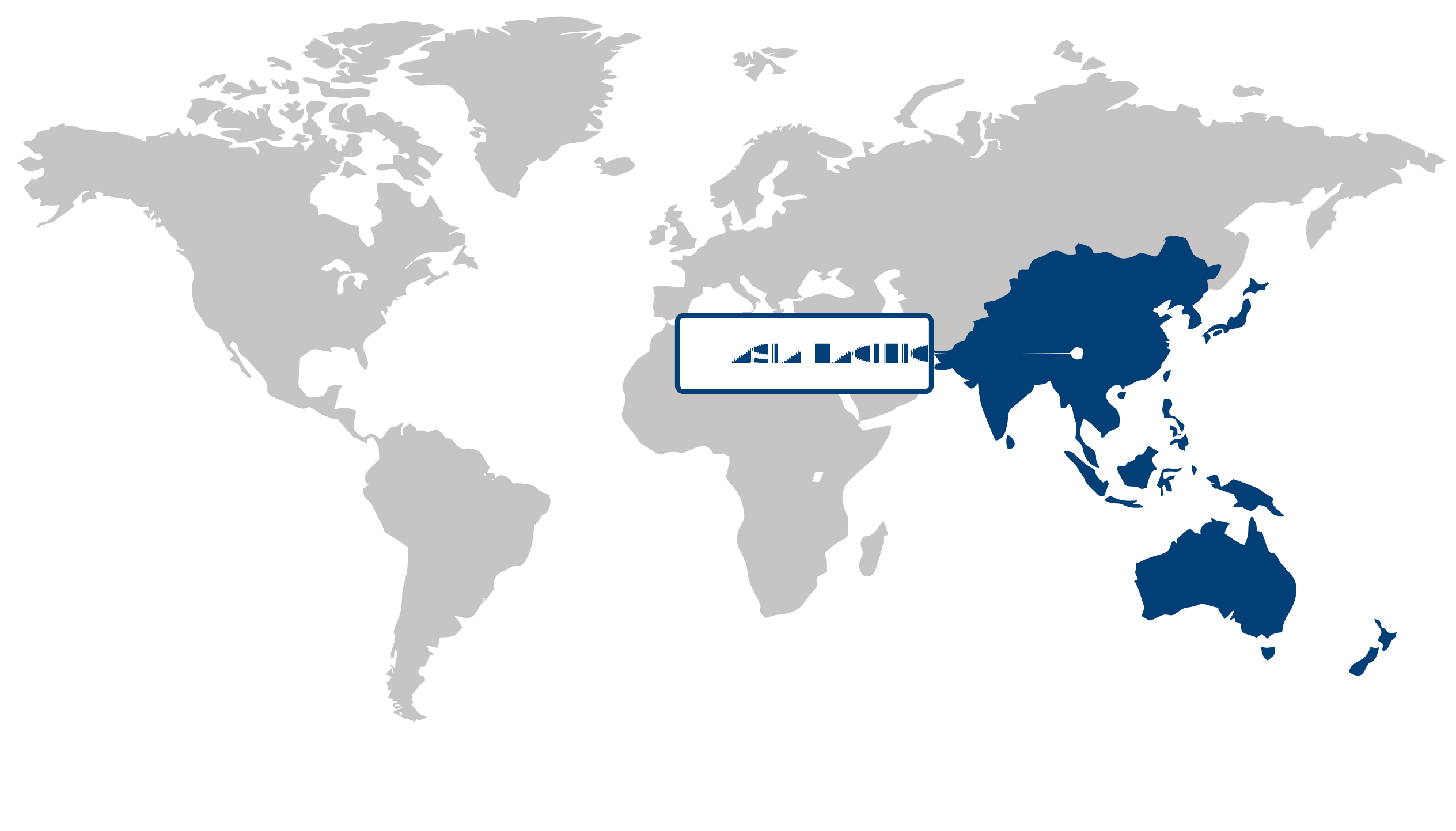
Largest Region
Asia Pacific
46.35% Market Share in 2025
Asia Pacific Market Statistics:
The Asia Pacific region represented more than 46.35% of the global corrugated board packaging market in 2025, establishing itself as both the largest and fastest-growing segment. This dominance is primarily driven by the booming e-commerce sector, which has significantly increased packaging demand as consumers shift towards online shopping. The region's rapid urbanization and rising disposable incomes further fuel this trend, leading to heightened consumer expectations for sustainable and efficient packaging solutions. Notably, the Asia Pacific region is witnessing a transformation in spending patterns, with an increasing emphasis on environmentally friendly materials, as highlighted by the United Nations Environment Programme, which underscores the region's commitment to sustainability initiatives. As a result, the corrugated board packaging market in Asia Pacific is poised for substantial growth, offering significant opportunities for investors and businesses alike.
China is positioned as a pivotal hub in Asia Pacific's corrugated board packaging market, driven by its robust manufacturing capabilities and a rapidly expanding e-commerce landscape. The country's regulatory environment increasingly favors sustainable practices, encouraging companies like Alibaba Group to prioritize eco-friendly packaging solutions that meet consumer demand for sustainability. For instance, the China National Packaging Association has reported a rise in the adoption of recyclable materials in packaging, reflecting a cultural shift towards environmental consciousness. This strategic alignment not only enhances China's competitive edge in the corrugated board packaging sector but also positions it as a key player in the region's growth trajectory.
Japan anchors the corrugated board packaging market in Asia Pacific through its advanced technological innovations and high-quality standards. The country's unique consumer preferences lean towards premium packaging solutions, driving companies such as Nippon Paper Industries to invest in cutting-edge production techniques that enhance durability and aesthetic appeal. The Japan Packaging Institute emphasizes the importance of design and functionality in packaging, which resonates with the local consumer base's expectations. This strategic focus on quality and consumer-centric solutions reinforces Japan's role in the regional market, highlighting the significant opportunities available in the corrugated board packaging sector across Asia Pacific.
Asia Pacific Market Analysis:
North America emerged as the fastest-growing region in the corrugated board packaging market, posting a robust CAGR of 5.8%. This growth is primarily driven by the increasing demand for sustainable packaging solutions, as consumers and businesses alike shift towards environmentally friendly alternatives. The region's significant market presence is underscored by its strong manufacturing capabilities, coupled with a well-established logistics network that enhances distribution efficiency. Furthermore, evolving consumer preferences for recyclable and biodegradable materials have prompted companies to innovate their packaging solutions, aligning with sustainability priorities. Recent initiatives by the American Forest & Paper Association highlight the industry's commitment to reducing waste and promoting sustainable practices, which is reshaping the competitive landscape. Looking ahead, North America offers substantial opportunities for growth in the corrugated board packaging market, driven by technological advancements and a heightened focus on sustainability.
The U.S. plays a pivotal role in the North American corrugated board packaging market, leveraging its vast consumer base and advanced manufacturing infrastructure. The country's shift towards sustainable packaging solutions is evident in the increasing adoption of recycled materials, supported by regulatory changes aimed at reducing plastic waste. Major companies, such as International Paper, are investing in innovative technologies to enhance the recyclability of their products, reflecting a broader trend towards eco-friendly practices. This commitment to sustainability resonates with American consumers, who are increasingly prioritizing environmentally responsible products in their purchasing decisions. The U.S. market's dynamic nature, characterized by a blend of traditional and e-commerce retail channels, further amplifies the demand for efficient and sustainable packaging solutions. Consequently, the U.S. not only reinforces North America's leadership in the corrugated board packaging market but also presents strategic opportunities for companies to align with evolving consumer expectations and regulatory frameworks.
Canada also significantly contributes to the North American corrugated board packaging market, driven by its strong emphasis on sustainability and innovation. The Canadian market is witnessing a transition towards sustainable packaging practices, with government policies encouraging the use of recyclable materials and the reduction of single-use plastics. Companies like WestRock are at the forefront of this movement, developing advanced packaging solutions that meet both consumer demand and regulatory requirements. The Canadian consumer base is increasingly favoring products that prioritize environmental responsibility, prompting businesses to adapt their strategies accordingly. Additionally, Canada's robust transportation infrastructure facilitates efficient distribution, enabling companies to meet the growing demand for sustainable packaging solutions. As Canada continues to embrace sustainability and innovation, it enhances the overall opportunities within the North American corrugated board packaging market.
North America Market Trends:
The corrugated board packaging market in Europe holds a substantial share, reflecting its pivotal role in the global supply chain and packaging solutions. This region has maintained a notable presence due to its diverse industrial base, which includes a robust manufacturing sector and a growing e-commerce landscape. The increasing consumer preference for sustainable packaging solutions has driven innovations in this market, with companies investing in eco-friendly materials and production processes. For instance, the European Federation of Corrugated Board Manufacturers (FEFCO) reports a significant rise in demand for recyclable packaging, aligning with the European Union's stringent sustainability goals. Furthermore, advancements in digital technologies and automation have optimized production efficiency, enhancing competitiveness. As a result, Europe presents significant opportunities for growth, with its commitment to sustainability and innovation positioning it favorably for future market expansion.
Germany plays a critical role in the corrugated board packaging market, driven by its strong industrial output and export-oriented economy. The country has seen a surge in demand for corrugated packaging solutions, particularly in the automotive and consumer goods sectors, as companies increasingly prioritize efficient and sustainable packaging methods. According to the German Packaging Institute (DVI), there is a growing trend towards lightweight and recyclable packaging options, which aligns with consumer expectations for environmentally responsible products. This shift not only supports local manufacturers but also attracts international firms seeking to capitalize on Germany's advanced technological landscape. The strategic implication is clear: Germany's leadership in innovation and sustainability enhances its position within the broader European market, creating opportunities for collaboration and investment in corrugated board packaging.
France, another key player in the European corrugated board packaging market, is experiencing moderate growth driven by evolving consumer preferences and regulatory frameworks. The French market is characterized by a strong emphasis on sustainability, with the government implementing policies that encourage the use of recyclable materials. The French Packaging Association (Packaging France) highlights that brands are increasingly adopting corrugated solutions to meet both consumer demand and regulatory requirements. This cultural shift towards sustainability, combined with a robust logistics network, facilitates the efficient distribution of goods, further driving the demand for corrugated packaging. As such, France's commitment to sustainable practices and its strategic geographic location within Europe present considerable opportunities for growth in the corrugated board packaging market, reinforcing the region's overall potential.
No card data available for this language/report.
Segment Leadership and Growth Trends
Analysis by Type
The corrugated board packaging market is primarily dominated by the single wall segment, which held a commanding 63.46% share in 2025. This leadership is attributed to its cost-effective nature and sufficient strength, making it ideal for lightweight product transportation. As businesses increasingly prioritize efficiency and cost management, the single wall segment has become a preferred choice, particularly in sectors emphasizing sustainability and streamlined logistics. Companies like International Paper and WestRock have highlighted the importance of lightweight packaging solutions in their sustainability initiatives. This segment creates strategic advantages for both established firms and emerging players by catering to the growing demand for affordable and efficient packaging options. Given the ongoing trends in e-commerce and the push for sustainable practices, the single wall segment is expected to remain a key player in the corrugated board packaging market in the near to medium term.
Analysis by Product Type
In the corrugated board packaging market, the boxes segment captured over 58.2% share in 2025, reflecting its critical role in meeting the diverse shipping and storage needs across e-commerce and retail sectors. The versatility of boxes allows them to adapt to various product sizes and shapes, which is essential in a rapidly evolving marketplace driven by consumer preferences for convenience and efficiency. Major players like Smurfit Kappa have noted the increasing demand for customizable box solutions as a response to shifting retail dynamics. This segment offers significant opportunities for established firms to innovate while enabling new entrants to carve out niches through specialized designs. With the continued rise of online shopping and the need for effective packaging solutions, the boxes segment is poised to maintain its relevance in the corrugated board packaging market moving forward.
Analysis by Flute Type
The corrugated board packaging market features the Type C flute segment, which represented more than 28.35% of the market share in 2025. Its optimal balance of strength, cushioning, and printability makes it a favored choice for various applications, especially where product protection and branding are vital. As consumer expectations evolve, companies such as Mondi have recognized the importance of providing packaging solutions that not only protect goods but also enhance brand visibility. This segment presents strategic advantages for both established firms and startups by allowing them to offer tailored solutions that meet specific customer needs. With increasing focus on product integrity during shipping and the growing importance of aesthetic appeal in packaging, the Type C flute segment is expected to sustain its significance in the corrugated board packaging market in the near future.
| Report Segmentation | |||
| Segment | Sub-Segment | Largest Segment | Fastest Growing Segment |
|---|---|---|---|
| Type | Single wall, Double wall, Triple wall | ||
| Product Type | Boxes, Trays, Sheets, Pallets | ||
| Flute Type | Type A flute, Type B flute, Type C flute, Type E flute, Type F flute | ||
| End Use Industry | Food & beverages, Pharmaceuticals, Cosmetics & personal care, Automotive, Transportation & logistics, Others | ||
 Read our Research Approach
Competitive Landscape and Market Positioning
Key players in the corrugated board packaging market include industry leaders such as WestRock, Smurfit Kappa, International Paper, and Mondi, each demonstrating significant influence and operational excellence. WestRock, based in the USA, is recognized for its innovative packaging solutions that cater to diverse sectors, while Smurfit Kappa from Ireland stands out for its sustainable practices and extensive product portfolio. International Paper, also from the USA, leverages its vast resources to deliver high-quality packaging solutions, whereas Mondi in the UK is notable for its commitment to environmentally friendly materials. Other prominent names include DS Smith, which emphasizes circular economy principles, Stora Enso from Finland, known for its advanced wood-based packaging technologies, and Nine Dragons Paper from China, a key player in the Asian market. Rengo in Japan, Graphic Packaging in the USA, and Amcor from Australia further enrich this competitive landscape, each contributing unique strengths and capabilities that shape market dynamics.
The competitive environment within the corrugated board packaging market is characterized by a series of strategic maneuvers among the top players. Collaborations and partnerships are increasingly prevalent, enabling companies to enhance their technological capabilities and expand their market reach. For instance, several key players are focusing on innovation through the development of eco-friendly packaging solutions, which not only meet consumer demand but also align with regulatory trends. Mergers and acquisitions have also been instrumental in consolidating market positions, allowing companies to integrate complementary strengths and streamline operations. New product launches are frequently observed, showcasing advancements in design and functionality that cater to evolving customer needs, thereby reinforcing competitive advantages and fostering a culture of continuous improvement.
Strategic / Actionable Recommendations for Regional Players
In North America, players are encouraged to explore partnerships with technology firms specializing in automation and smart packaging solutions. This collaboration can enhance operational efficiency and provide innovative offerings that resonate with environmentally conscious consumers. Additionally, engaging in joint ventures with local businesses can facilitate market penetration and foster community relationships, essential for brand loyalty in this competitive landscape.
In the Asia Pacific region, focusing on high-growth sub-segments such as e-commerce packaging can yield substantial benefits. Companies should consider investing in R&D to develop lightweight yet durable packaging solutions that cater to the specific needs of online retailers. Furthermore, aligning with local sustainability initiatives can enhance brand reputation and attract eco-conscious consumers.
In Europe, leveraging emerging technologies such as digital printing and smart tracking can differentiate market players and improve customer engagement. Emphasizing sustainability through innovative materials and processes will not only meet regulatory demands but also appeal to a growing demographic that prioritizes eco-friendly options. Collaborating with logistics firms can also streamline supply chains, enhancing service delivery and responsiveness to market demands.
Why Choose Us
Specialized Expertise: Our team comprises industry experts with a deep understanding of your market segment. We bring specialized knowledge and experience that ensures our research and consulting services are tailored to your unique needs.
Customized Solutions: We understand that every client is different. That's why we offer customized research and consulting solutions designed specifically to address your challenges and capitalize on opportunities within your industry.
Proven Results: With a track record of successful projects and satisfied clients, we have demonstrated our ability to deliver tangible results. Our case studies and testimonials speak to our effectiveness in helping clients achieve their goals.
Cutting-Edge Methodologies: We leverage the latest methodologies and technologies to gather insights and drive informed decision-making. Our innovative approach ensures that you stay ahead of the curve and gain a competitive edge in your market.
Client-Centric Approach: Your satisfaction is our top priority. We prioritize open communication, responsiveness, and transparency to ensure that we not only meet but exceed your expectations at every stage of the engagement.
Continuous Innovation: We are committed to continuous improvement and staying at the forefront of our industry. Through ongoing learning, professional development, and investment in new technologies, we ensure that our services are always evolving to meet your evolving needs.
Value for Money: Our competitive pricing and flexible engagement models ensure that you get maximum value for your investment. We are committed to delivering high-quality results that help you achieve a strong return on your investment.
Select Licence Type

