Dairy Enzymes Market Size & Growth Forecast 2027–2036, By Segments (Application, Product), Regional Demand Trends (North America, Asia Pacific, Europe), Key Country Insights (U.S., Japan, South Korea, Germany, France, Italy), and Competitive Landscape
Jump to Content
Market Size and Growth Outlook
Dairy Enzymes Market size was worth USD 747.15 million in 2026 and is expected to grow at a 7.74% CAGR between 2027 and 2036, crossing USD 1.57 billion by 2036. The industry revenue for 2027 is assessed at USD 796.24 million.
Get more details on this report
Request Free Sample ReportDairy Enzymes Market Intelligence Snapshot
Regional Market Dynamics
- Europe leads through its mature dairy processing industry, established cheese and fermented dairy production, and demand for specialized enzymes that improve processing efficiency, product consistency, and functionality.
- Asia Pacific is growing fastest as dairy consumption, modern food processing, and demand for lactose-reduced, premium, and functional dairy products increase enzyme adoption.
Segment Momentum
- Cheese accounted for 43.2% of the market, supported by enzyme applications in milk coagulation, curd formation, texture development, and flavor enhancement. Proteases also help manufacturers maintain product consistency and optimize cheese maturation.
- Lipases are the fastest-growing product segment, driven by demand for distinctive flavor and aroma profiles in specialty cheeses and differentiated dairy products. Their ability to break down milk fats supports targeted sensory characteristics.
Market Expansion Drivers
- Functional dairy product demand.
- Process optimization in dairy manufacturing.
- Enzyme innovation for clean-label products.
Leading Market Participants
- Top companies in the dairy enzymes market include Novonesis (Denmark), IFF (USA), DSM-Firmenich (Netherlands), Kerry Group (Ireland), Advanced Enzymes Technologies (India), Amano Enzyme (Japan), Biocatalysts Ltd. (UK), SternEnzym GmbH (Germany), Enmex (Mexico), Novus International (USA).
Global Market Forecast Snapshot
Market Outlook
- 2026 Market Size: USD 747.15 million
- 2027 Estimated Market Size: USD 796.24 million
- Projected Market Size: USD 1.57 billion by 2036
- Growth Forecast: 7.74% CAGR (2027-2036)
Regional and Segment Outlook
- Leading Regional Market: Europe
- High-Growth Regional Hub: Asia Pacific
- Core Revenue Segment: Application (Cheese) | Product (Proteases)
- Emerging Opportunity Segment: Application (Yogurt) | Product (Lipases)
Market Growth Drivers and Industry Trends
Functional dairy product demand
The rising consumer preference for functional dairy products is driving the adoption of dairy enzymes that can support enhanced nutritional and sensory characteristics. Enzymes are increasingly utilized to improve digestibility, modify dairy components, and facilitate the development of products designed around specific dietary and wellness preferences. Growing interest in differentiated dairy offerings is encouraging manufacturers to incorporate enzyme-based processing solutions into product development and formulation strategies.
Process optimization in dairy manufacturing
The growing emphasis on efficient dairy processing is supporting demand for enzymes that can improve manufacturing consistency, product quality, and processing flexibility. Dairy enzymes assist manufacturers in controlling key production stages such as coagulation, lactose conversion, protein modification, and flavor development. Their ability to optimize processing conditions while supporting efficient resource utilization is encouraging broader adoption across dairy manufacturing operations.
Enzyme innovation for clean-label products
Increasing demand for clean-label dairy products is encouraging innovation in enzyme-based processing solutions that can help manufacturers achieve desired product characteristics through more recognizable and process-oriented approaches. Enzymes can support texture development, lactose reduction, flavor enhancement, and other formulation objectives while helping manufacturers respond to consumer interest in simpler ingredient profiles. This trend is creating opportunities for continued development of specialized enzyme applications tailored to evolving dairy product requirements.
| Growth Driver | Impact on CAGR | Regulatory Influence | Geographic Relevance | Adoption Rate | Impact Timeline |
|---|---|---|---|---|---|
| Functional dairy product demand | 2% | Short term (≤ 2 yrs) | Europe; North America | Medium | Moderate |
| Process optimization in dairy manufacturing | 1.5% | Medium term (2–5 yrs) | Asia Pacific; Europe | Low | Moderate |
| Enzyme innovation for clean-label products | 1% | Long term (5+ yrs) | North America; Asia Pacific | Low | Slow |
Explore Growth Opportunities
Request Free Sample ReportRegional Demand Dynamics
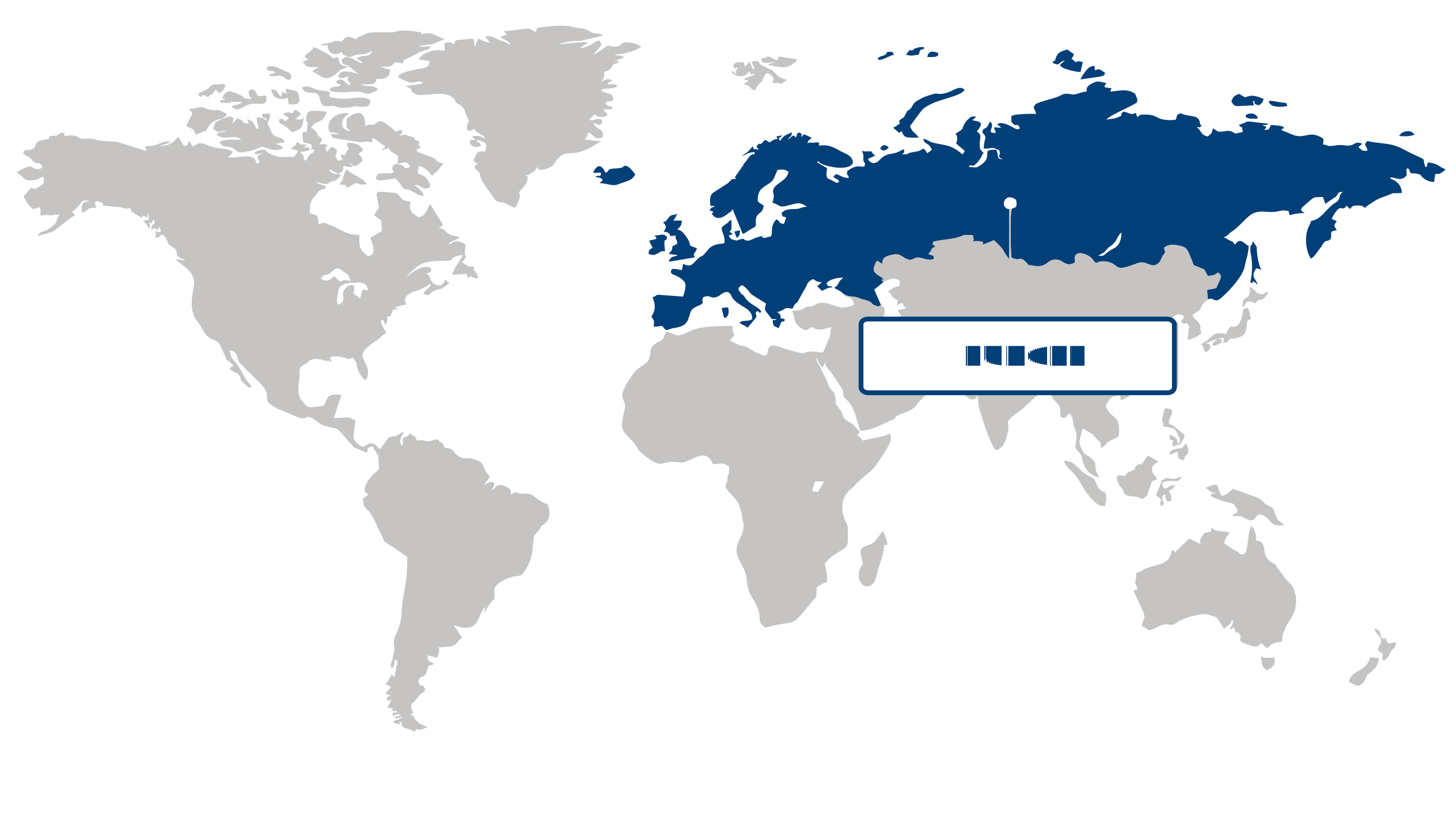
Europe (Largest Region)
Europe held the largest share of the dairy enzymes market in 2026, led by a mature dairy processing industry, strong consumer demand for high-quality dairy products, and widespread adoption of advanced food-processing technologies. The region has a well-established ecosystem for cheese, fermented dairy products, milk-based beverages, and other processed dairy applications that rely on enzymes to improve processing efficiency, texture, flavor, yield, and product consistency. Growing consumer interest in lactose-reduced and specialized dairy products is also supporting enzyme utilization in product formulation. In addition, stringent food-quality standards and continued investment in dairy processing innovation are encouraging manufacturers to adopt specialized enzyme solutions. The expansion of functional and value-added dairy products further contributes to demand, while ongoing efforts to optimize production efficiency and reduce processing waste support the broader adoption of dairy enzymes.
Asia Pacific (Fastest-Growing Region)
Asia Pacific is expected to experience the fastest growth in the dairy enzymes market, influenced by expanding dairy consumption, increasing investments in food processing infrastructure, and rising demand for value-added dairy products. Changing dietary preferences and growing urban populations are encouraging consumers to seek convenient, nutritious, and functional dairy products, creating new applications for enzyme-based processing technologies. Dairy manufacturers are increasingly adopting enzymes to improve product consistency, processing efficiency, and the development of lactose-reduced and specialty products. The expansion of organized dairy processing and modern retail channels is further supporting commercialization of innovative dairy products. In addition, rising awareness of digestive health and increasing demand for premium and functional foods are creating favorable conditions for greater enzyme adoption across the regional dairy industry.
| Parameter | North America | Asia Pacific | Europe | Latin America | MEA |
|---|---|---|---|---|---|
| Innovation HubiScaleNascentDeveloping Advanced | |||||
| Cost-Sensitive RegioniScaleLowMedium High | |||||
| Regulatory EnvironmentiScaleRestrictiveNeutral Supportive | |||||
| Demand DriversiScaleWeakModerate Strong | |||||
| Development StageiScaleEmergingDeveloping Developed | |||||
| Adoption RateiScaleLowMedium High | |||||
| New Entrants / StartupsiScaleSparseModerate Dense | |||||
| Macro IndicatorsiScaleWeakStable Strong |
Key Country Insights
United States 🇺🇸
Process Optimization FocusThe U.S. dairy enzymes market centers on improving processing efficiency, product consistency, and functionality across cheese, dairy beverages, and other processed products. Dairy manufacturers increasingly value enzyme solutions that support controlled production outcomes while helping tailor texture, flavor, lactose content, and other product characteristics to consumer requirements.
Germany 🇩🇪
Specialty Dairy ProcessingGermany's dairy enzymes market is closely connected with sophisticated cheese, fermented dairy, and specialty product processing. Manufacturers prioritize enzyme systems that provide predictable results, support formulation flexibility, and improve processing control, particularly as producers differentiate products through texture, flavor, and functional characteristics.
Japan 🇯🇵
Functional Dairy InnovationJapan's dairy enzymes market is influenced by demand for specialized dairy products with carefully controlled taste, texture, digestibility, and nutritional characteristics. Enzyme suppliers can address these needs through precise processing solutions, particularly for fermented products and formulations where consistent sensory performance is important to manufacturers.
South Korea 🇰🇷
Fermented Product ProcessingSouth Korea's dairy enzymes market benefits from applications in fermented and functional dairy products, where processing control and product consistency are central considerations. Manufacturers focus on enzyme technologies that can help optimize texture, flavor development, and formulation performance while adapting dairy products to evolving consumption preferences.
France 🇫🇷
Cheese Processing ExpertiseFrance's dairy enzymes market has strong relevance to cheese and cultured dairy processing, where enzymes influence texture, flavor development, and production consistency. Dairy producers prioritize solutions that provide controlled maturation and processing outcomes while supporting differentiated product profiles across traditional and specialty dairy categories.
Italy 🇮🇹
Cheese Quality OptimizationItaly's dairy enzymes market is strongly connected with cheese manufacturing, where controlled enzymatic activity supports coagulation, texture development, flavor, and production consistency. Producers place emphasis on enzyme solutions that integrate with established processing methods while enabling reliable quality across diverse cheese formulations and production scales.
Dairy Enzymes Market Share (%), by Application, 2026
Go beyond the chart, access full insights & data tables
Request Free Sample ReportApplication Segment Analysis: Cheese (Largest Segment) vs Yogurt (Fastest-Growing Segment)
The cheese application accounted for the largest share of the dairy enzymes market, representing 43.2% of the market share. Dairy enzymes play an important role in cheese manufacturing by supporting milk coagulation, curd formation, texture development, and flavor enhancement. Enzymatic processing helps manufacturers achieve consistent product quality while improving production efficiency and controlling ripening characteristics across different cheese varieties. Proteolytic enzymes also contribute to the development of desirable flavor profiles during maturation, making enzyme selection an important factor in product differentiation and process optimization. Growing demand for specialty cheeses, processed cheese products, and consistent manufacturing outcomes continues to support the use of dairy enzymes in this application. Meanwhile, the yogurt application is gaining momentum as manufacturers focus on improving fermentation efficiency, texture, viscosity, and flavor consistency. Dairy enzymes can support the modification of milk components and help optimize product characteristics, particularly in formulations targeting creaminess, digestibility, and differentiated nutritional profiles. Increasing interest in functional, protein-enriched, and lactose-reduced dairy products is further encouraging enzyme use in yogurt production.
Product Segment Analysis: Proteases (Largest Segment) vs Lipases (Fastest-Growing Segment)
Proteases represent the largest product segment in the dairy enzymes market, reflecting their essential role in milk protein breakdown and cheese processing. These enzymes facilitate casein coagulation, support curd formation, and influence the texture, firmness, and maturation characteristics of cheese. Their application extends across different cheese varieties, where controlled protein hydrolysis helps develop distinctive flavors and desired product consistency. Proteases are also relevant to improving processing efficiency and tailoring product attributes to specific manufacturing requirements. Their established use in dairy production and versatility across cheese-making processes continue to underpin demand. In contrast, lipases are gaining momentum as dairy manufacturers seek greater control over flavor development and product differentiation. These enzymes break down milk fats into fatty acids, contributing to the characteristic flavor and aroma profiles of selected cheeses and other dairy products. Their use enables manufacturers to develop distinctive sensory attributes and refine formulations for specialized dairy applications. Growing interest in premium cheeses, regionally differentiated flavors, and innovative dairy formulations is supporting the adoption of lipases, particularly where precise flavor control and product differentiation are important.
| Segment | Sub-Segment | Largest Segment | Fastest Growing |
|---|---|---|---|
| Application | Milk, Cheese, Butter, Yogurt, Whey Protein, Ice Cream & Desserts, Infant Formula, Others | Cheese | Yogurt |
| Product | Proteases, Carbohydrases, Lipases, Transglutaminase, Catalase, Others | Proteases | Lipases |
Unlock insights tailored to your business with our bespoke market research solutions.
Click to get your customized report now.
Competitive Landscape and Market Positioning
Analyst Perspective:
Competitive standing among dairy enzyme providers relies on optimizing catalytic activity under precise pasteurization and processing parameters to maximize yield and processing speed. In lactose-free and yield-enhancement applications, high-speed conversion must be carefully calibrated with thermal stability profiles to prevent off-flavors, bitterness, or unwanted textural breakdown. Beyond functional throughput, commercial adoption is heavily driven by ingredient transparency and clean-label demands. Manufacturers are leveraging precision fermentation to produce high-purity, non-GMO enzymes with clear regulatory traceability. To gain market share across cheese, yogurt, and specialized milk products, enzyme suppliers must offer tailored enzymatic solutions that predictably cultivate specific sensory and physical attributes while integrating seamlessly into existing dairy processing workflows.
Key companies in the dairy enzymes market:
- Novonesis (Denmark)
- IFF (USA)
- DSM-Firmenich (Netherlands)
- Kerry Group (Ireland)
- Advanced Enzymes Technologies (India)
- Amano Enzyme (Japan)
- Biocatalysts Ltd. (UK)
- SternEnzym GmbH (Germany)
- Enmex (Mexico)
- Novus International (USA)
| Company | Market Share | Company Revenue | Revenue CAGR (%) | Product Portfolio | Geographic Presence | Innovation / R&D Focus | Strategic Developments |
|---|---|---|---|---|---|---|---|
| Novonesis (Denmark) | |||||||
| IFF (USA) | |||||||
| DSM-Firmenich (Netherlands) | |||||||
| Kerry Group (Ireland) | |||||||
| Advanced Enzymes Technologies (India) | |||||||
| Amano Enzyme (Japan) | |||||||
| Biocatalysts Ltd. (UK) | |||||||
| SternEnzym GmbH (Germany) | |||||||
| Enmex (Mexico) | |||||||
| Novus International (USA) |
Industry Development/News
| Company Name | Date | Key Development |
|---|---|---|
| Azelis | July 2026 | Azelis expanded its distribution agreement with dsm-firmenich for Food and Beverage Ingredient Solutions across Singapore and Malaysia, strengthening its specialty food ingredient distribution network and commercial presence in the regional markets. |
| Milram | April 2026 | DMK Group subsidiary Milram launched a sweetened lactose-free whipped cream designed for the foodservice sector at Horecava in Amsterdam, marking an expansion of its specialized product offering within the professional dairy category. |
| Kerry Group plc | April 2026 | Kerry Group plc opened an expanded biotechnology manufacturing hub in Carrigaline, County Cork, Ireland, to scale production capacity of lactase enzymes for lactose-free and reduced-sugar dairy, strengthening supply chain assurance for industrial-scale processors. |
| dsm-firmenich | September 2025 | dsm-firmenich introduced its Dairy Safe culture rotation series featuring nisin-producing and nisin-immune strains for bioprotection and fermentation control in hard and semi-hard cheeses, expanding solutions for manufacturers addressing spoilage and process variability. |
| Biocatalysts Ltd. | May 2024 | Biocatalysts Ltd. launched Promod 327L and Promod 295L protease enzymes for tailored protein hydrolysis in food and beverage applications, broadening design toolkits for flavor and functionality in dairy formulations. |
| dsm-firmenich | June 2023 | dsm-firmenich launched Maxilact Next, a lactase enzyme for efficient lactose-free dairy production that doses hydrolysis approximately 25 percent faster than previous market references, reducing milk processing time at equal dosages. |
| Biocatalysts Ltd. | April 2021 | Biocatalysts Ltd. introduced Promod517MDP, an efficient exopeptidase capable of freeing over 40 percent of the degree of hydrolysis of casein protein into peptides and amino acids, thereby enhancing solubility and digestibility within dairy processing applications. |
Customize Your Report
Explore examples of how this report can be tailored to different research needs, including custom segments, additional topics or chapters, and related reports. Click a section of the wheel or its numbered marker to explore the available options.
Dairy Enzymes Market — Custom Segments
| Segment | Sub-Segment |
|---|---|
| Enzyme Source | Microbial-Derived, Animal-Derived, Plant-Derived |
| Enzyme Form | Liquid Enzymes, Powdered Enzymes |
Dairy Enzymes Market — Custom TOC
| Custom Chapter | Chapter Details |
|---|---|
| Enzyme Adoption Economics Across Dairy Processing |
|
| Clean-Label Reformulation Opportunities |
|
| Precision Fermentation Impact on Enzyme Demand |
|
Need a different cut of the data?
Request Custom ResearchFrequently Asked Questions
What is the market size of the dairy enzymes market?
How will the dairy enzymes industry grow in terms of size and CAGR by 2036?
How is demand for functional dairy products influencing enzyme adoption?
Why is process optimization becoming a key driver of dairy enzyme adoption?
Why does cheese lead demand in the dairy enzymes market?
What is driving the growing use of lipases in the dairy enzymes market?
What factors support Europe's leadership in the dairy enzymes market?
Why is Asia Pacific expected to experience the fastest growth in dairy enzymes?
What are the prominent companies operating in the dairy enzymes landscape?
Our Clients
"The report provided a thorough look at market trends, technological advancements, and the competitive landscape. The depth of insights was really valuable."
ITC Limited
"We would highly recommend Fundamental Business Insights & Consulting to anyone looking for reliable, detailed, and comprehensive market research in the Food industry."
Tyson Foods
"The clarity and presentation of the information were commendable. The report was delivered timely, which made the overall experience smooth and convenient."
Mondelēz International
Our Research Team & Methodology
Every Fundamental Business Insights report is built by a dedicated vertical research team, validated through a structured primary-and-secondary methodology, and reviewed for accuracy before it reaches you.
This report was prepared by the Food & Beverage Research Team at Fundamental Business Insights, a dedicated research group specializing in the global food, beverage, ingredients, and food processing industries. Our analysts continuously monitor evolving consumer preferences, product innovation, ingredient developments, food safety regulations, manufacturing technologies, supply chain dynamics, pricing trends, sustainability initiatives, and changing retail and foodservice landscapes to deliver timely and reliable market intelligence. The research is developed using a structured methodology that combines primary discussions with food manufacturers, ingredient suppliers, distributors, retailers, industry experts, and other key stakeholders, along with company annual reports, regulatory publications, government trade statistics, food safety authorities, industry associations, technical publications, and other authoritative secondary sources. Market estimates are validated through multiple research techniques, including top-down and bottom-up analysis, before undergoing an internal quality review to ensure accuracy, consistency, and methodological integrity prior to publication.
Delivery
Published
Available
Support
- Market Size & Forecast
- Market Segmentation
- Regional Analysis
- Growth Drivers & Challenges
- Market Dynamics
- Competitive Landscape
- Company Profiles
- Competitive Benchmarking
- Mergers & Acquisitions
- Market Share Analysis or Key Company Strategies
- Value Chain Analysis
- Porter's Five Forces
- PESTLE Analysis
- Pricing Trends
- Supply-Demand Analysis
- Technology Landscape
- Regulatory Landscape
- Investment & Funding Landscape
- Emerging Opportunities
- Future Market Outlook