Deflectable Catheters Market Size & Forecasts 2026-2035, By Segments (Product Type, End User, Application), Growth Opportunities, Innovation Landscape, Regulatory Shifts, Strategic Regional Insights (U.S., Japan, China, South Korea, UK, Germany, France), and Competitive Dynamics (Abbott, Biosense Webster, Medtronic, Boston Scientific, St. Jude Medical)
Jump to Content
Market Size and Growth Outlook
Deflectable Catheters Market size is estimated to increase from USD 11.68 billion in 2025 to USD 20.14 billion by 2035, supported by a CAGR exceeding 5.6% during 2026-2035. In 2026, revenues are forecast to reach USD 12.25 billion.
Get more details on this report
Request Free Sample ReportDeflectable Catheters Market Intelligence Snapshot
Regional Market Dynamics
Segment Momentum
Market Expansion Drivers
Leading Market Participants
Global Market Forecast Snapshot
Market Outlook
Regional and Segment Outlook
Market Growth Drivers and Industry Trends
The growing incidence of cardiovascular diseases globally is a pivotal driver shaping the deflectable catheters market. With organizations like the World Health Organization consistently highlighting cardiovascular disorders as the leading cause of mortality, there is a heightened demand for minimally invasive interventions that offer reduced patient recovery times and lower complication risks. This trend is prompting hospitals and clinics to replace traditional surgical approaches with catheter-based treatments, positioning the deflectable catheters market favorably. Established players can leverage this shift by expanding product lines tailored to diverse cardiovascular applications, while newcomers may focus on niche innovations that improve procedure safety. As healthcare systems invest more in patient-centric, cost-effective treatments, the deflectable catheters market will continue evolving in tandem with these clinical needs.
Rising Adoption of Electrophysiology and Ablation Procedures
The deflectable catheters market is increasingly energized by the widespread adoption of electrophysiology (EP) and ablation therapies, which have become standard care for arrhythmia management. According to the Heart Rhythm Society, there has been a significant rise in ablation cases worldwide due to enhanced clinical guidelines and better procedural outcomes. This increase fosters demand for advanced catheters capable of precise navigation and effective energy delivery. Market leaders are positioned to capitalize by investing in catheter designs that optimize maneuverability and minimize procedural risks, while new entrants might pursue differentiated features addressing specific EP sub-procedures. Continuous improvements alongside regulatory endorsements of EP treatments will sustain momentum in the deflectable catheters market, driving innovation responsive to clinician and patient expectations.
Technological Innovations Improving Catheter Flexibility
Advancements in materials science and engineering have propelled improvements in the flexibility and steerability of deflectable catheters, significantly influencing market dynamics. Companies such as Boston Scientific and Abbott have announced new product launches emphasizing enhanced catheter control to navigate complex cardiac anatomies more effectively. These innovations reduce procedural complications and improve operator confidence, directly impacting clinical adoption rates. For incumbents, investing in R&D that integrates flexible, durable polymers and advanced tip designs presents compelling competitive advantages. Meanwhile, startups can explore emerging technologies like shape-memory alloys and sensor integration to differentiate offerings. As healthcare providers prioritize precision and patient safety, ongoing technological evolution will remain a critical growth driver for the deflectable catheters market.
Industry Restraints:
Stringent Regulatory Approval Processes
The extended and complex regulatory approval pathways significantly slow the adoption and market growth of deflectable catheters. These devices must meet rigorous standards set by agencies such as the U.S. Food and Drug Administration (FDA) and the European Medicines Agency (EMA), requiring extensive clinical data to prove safety and efficacy. For instance, Abbott’s recent submission delays highlighted the protracted timelines caused by additional data requests from regulatory bodies. This complexity deters smaller entrants lacking resources and strains established firms' R&D pipelines, delaying product launches and inflating costs. Strategically, companies must prioritize regulatory expertise and early engagement with approval authorities to mitigate risks. As regulatory frameworks evolve to address newer catheter technologies, stringent oversight is expected to persist, maintaining high entry barriers and rewarding those with robust compliance capabilities.
Supply Chain Disruptions and Material Scarcity
Persistent supply chain constraints, especially shortages of specialized polymers and precision components, hamper production continuity and scalability of deflectable catheters. The COVID-19 pandemic exposed vulnerabilities in global medical device supply chains, with industry leaders like Medtronic reporting intermittent raw material delays impacting manufacturing schedules. Such disruptions lead to production bottlenecks and elevated costs, adversely affecting inventory management and customer fulfillment. Both incumbents and startups face operational challenges, emphasizing the need for diversified supplier networks and localized sourcing strategies. Moving forward, ongoing geopolitical tensions and raw material inflation are likely to sustain supply chain volatility, compelling market players to invest in resilient procurement frameworks to safeguard growth trajectories.
| Growth Driver | Impact on CAGR | Regulatory Influence | Geographic Relevance | Adoption Rate | Impact Timeline |
|---|---|---|---|---|---|
| Increasing prevalence of cardiovascular disorders requiring minimally invasive procedures | 1.30% | Medium term (2–5 yrs) | North America, Europe | Medium | Moderate |
| Rising adoption of electrophysiology and ablation procedures | 1.10% | Short term (≤ 2 yrs) | Europe, North America | Low | Fast |
| Technological innovations improving catheter flexibility | 0.90% | Long term (5+ yrs) | Asia Pacific, Latin America | Low | Moderate |
Explore Growth Opportunities
Request Free Sample ReportRegional Demand Dynamics
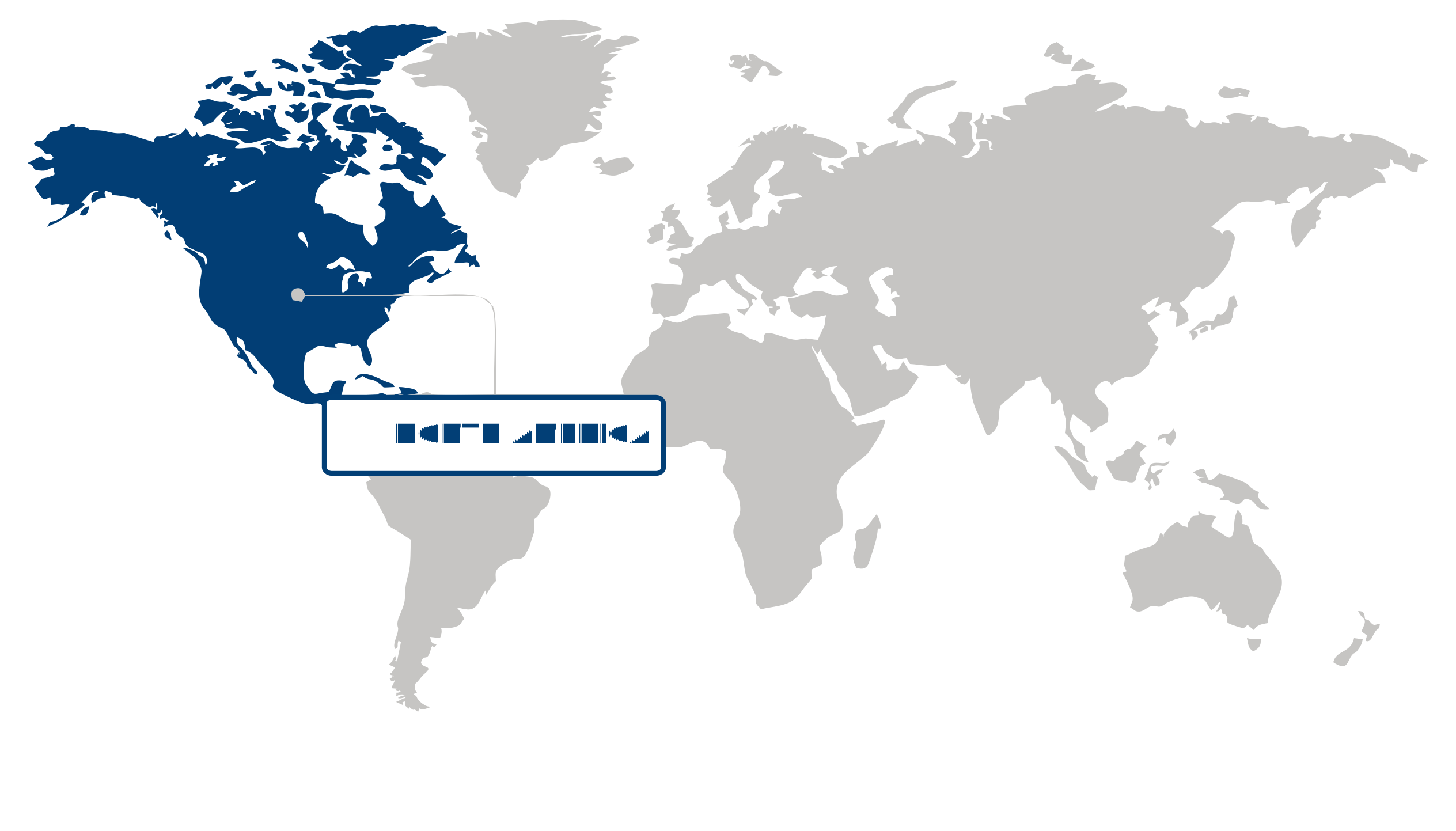
North America captured over 43.5% of the global deflectable catheters market in 2025, maintaining its position as the largest regional segment. This dominance is driven primarily by the high prevalence of cardiovascular diseases, which fuels demand for advanced electrophysiological interventions. The widespread availability of electrophysiology labs, especially in urban centers, ensures readiness to adopt novel catheter technologies. Moreover, the presence of favorable reimbursement frameworks, as supported by the Centers for Medicare & Medicaid Services (CMS), facilitates broader patient access to these sophisticated devices. Leading medical device manufacturers such as Abbott Laboratories have also introduced innovative deflectable catheter solutions tailored to North American clinical requirements, further reinforcing market leadership. These combined dynamics suggest that North America will continue to offer significant growth opportunities, particularly as healthcare providers seek precision tools to optimize arrhythmia management and reduce procedure-related complications.
The United States anchors the North American deflectable catheters market, propelled by its expansive network of specialized electrophysiology centers and robust investment in healthcare infrastructure. The U.S. Food and Drug Administration’s (FDA) streamlined regulatory pathways for cardiovascular devices encourage rapid market entry and iteration of catheter designs. Additionally, reimbursement policies under Medicare and private insurers enhance adoption rates by reducing out-of-pocket costs for patients. For instance, Boston Scientific’s recent FDA clearance and subsequent rollout of a next-generation deflectable catheter highlight ongoing innovation driven by U.S. market incentives. This environment positions the United States as a critical strategic hub, amplifying regional demand and attracting continued capital influx into the deflectable catheters market in North America.
Asia Pacific Market Analysis:
Asia Pacific emerged as the fastest-growing region in the deflectable catheters market, registering a robust CAGR of 7.84%. This rapid growth is primarily driven by the escalating burden of cardiovascular diseases, which has intensified the demand for advanced interventional procedures. Coupled with expanding private healthcare investments and the growing number of catheterization and electrophysiology (EP) labs across the region, these factors have collectively bolstered market expansion. Enhanced spending on healthcare infrastructure, coupled with regional economic resilience and rising patient awareness, has further cultivated a favorable environment. For example, according to the Asia-Pacific Society of Cardiology, several countries in this region have increased healthcare budgets, enabling better access to cutting-edge cardiac technologies. Looking ahead, Asia Pacific’s demographic shift toward an aging population and digital transformation in healthcare delivery present substantial opportunities for further innovation and market penetration in deflectable catheters.
Japan plays a pivotal role in Asia Pacific’s deflectable catheters market, leveraging its advanced healthcare infrastructure and strong focus on medical technology innovation. Rising cardiovascular disease cases have heightened demand for minimally invasive devices, supported by Japan’s progressive regulatory environment and significant corporate investments in catheter technology R&D. Medtronic Japan’s recent announcement of refining catheter designs to improve procedural precision exemplifies the market’s dynamic innovation landscape. Additionally, Japan’s mature healthcare system emphasizes quality and efficacy, shaping purchasing behaviors towards premium deflectable catheter offerings. This strategic positioning reinforces Japan’s contribution to the regional growth trajectory, providing a model for technology adoption and market sophistication.
China significantly amplifies Asia Pacific’s growth in deflectable catheters through its expanding private healthcare sector and a rapidly increasing number of catheterization labs. The country’s efforts to improve cardiovascular care infrastructure are underscored by government initiatives such as the Healthy China 2030 plan, aimed at enhancing healthcare accessibility and quality. Leading medical device companies, including Boston Scientific China, have announced collaborations with local hospitals to deploy innovative catheter systems, driving adoption. The younger demographic’s growing health awareness and a rising middle class also fuel demand for advanced cardiovascular interventions. China’s large-scale capacity building and digital health integration position it as a crucial growth engine consolidating Asia Pacific’s dominant market stance in deflectable catheters.
Europe Market Trends:
Europe held a commanding share in the deflectable catheters market, driven by the region's sophisticated healthcare infrastructure and proactive regulatory environment. The presence of leading medical device manufacturers and continuous technological advancements have fostered high adoption rates of innovative catheter designs tailored to complex cardiovascular procedures. Enhanced reimbursement frameworks and increasing patient awareness around minimally invasive treatments in Europe have further fueled demand. For instance, the European Medicines Agency’s recent endorsement of advanced catheter technologies has streamlined market access, reflecting regulatory agility. Additionally, Europe’s commitment to sustainability is evident through the integration of eco-friendly manufacturing processes by companies like BIOTRONIK, enhancing market appeal. These dynamics, coupled with robust supply chains and a skilled workforce, position Europe for sustained growth, underscoring the region’s potential as a hotspot for strategic investments in the deflectable catheters market.
Germany plays a pivotal role in Europe’s deflectable catheters market, leveraging its advanced medical technology sector and stringent clinical standards that encourage innovation and quality. The German Federal Institute for Drugs and Medical Devices (BfArM) facilitates expedited approvals for cutting-edge devices, supporting rapid product launches by key players such as Siemens Healthineers. Rising cardiovascular disease prevalence, alongside an aging population, drives clinical demand for sophisticated catheter solutions, bolstered by high healthcare expenditure. Additionally, Germany's focus on digital health integration enables seamless procedural planning and catheter navigation, enhancing treatment precision. This technological leadership and strong domestic demand solidify Germany’s position as a critical hub that fuels broader European market expansion.
France maintains notable presence in the deflectable catheters market through targeted public health initiatives and growing hospital infrastructure investment that improve access to cardiovascular interventions. The French National Agency for Medicines and Health Products Safety (ANSM) supports stringent safety protocols, fostering trust and widespread adoption of advanced catheters. French healthcare providers’ increasing preference for minimally invasive solutions is complemented by reimbursement support from the National Health Insurance (Assurance Maladie), accelerating market penetration. Industry collaboration, exemplified by partnerships between companies like Edwards Lifesciences and French research institutions, drives innovation tailored to regional clinical needs. France’s emphasis on integrated care models and public health strategy creates a foundation for scalable growth, enhancing Europe’s overall prominence in the deflectable catheters market.
| Parameter | North America | Asia Pacific | Europe | Latin America | MEA |
|---|---|---|---|---|---|
| Innovation HubiScaleNascentDeveloping Advanced | |||||
| Cost-Sensitive RegioniScaleLowMedium High | |||||
| Regulatory EnvironmentiScaleRestrictiveNeutral Supportive | |||||
| Demand DriversiScaleWeakModerate Strong | |||||
| Development StageiScaleEmergingDeveloping Developed | |||||
| Adoption RateiScaleLowMedium High | |||||
| New Entrants / StartupsiScaleSparseModerate Dense | |||||
| Macro IndicatorsiScaleWeakStable Strong |
Deflectable Catheters Market Share (%), by Product Type, 2026
Go beyond the chart, access full insights & data tables
Request Free Sample ReportBi-directional catheters held the largest share in the deflectable catheters market in 2025, driven primarily by clinical preference for enhanced navigation and precision in interventional procedures. Their dual-direction control capabilities align with growing demands from electrophysiologists and interventional cardiologists for superior maneuverability, as noted in recent clinical guidelines published by the American College of Cardiology. Advancements in catheter tip flex technology and integration with digital imaging platforms by companies like Abbott enhance procedure success rates and patient outcomes. This segment offers strategic advantages through its compatibility with complex anatomies, appealing to both established medical device leaders and innovative startups aiming to differentiate via precision engineering. Given ongoing investments in minimally invasive therapies and regulatory support emphasizing procedure efficacy, bi-directional catheters are poised to maintain dominant relevance in evolving catheter markets.
Analysis by End User
Hospitals represented the largest share in the deflectable catheters market in 2025, propelled by extensive adoption within cardiology and electrophysiology suites. Their capability to support complex cardiac procedures, backed by hospital infrastructure investment and specialist staffing, drives ongoing demand. The push for integrated device ecosystems, as highlighted by initiatives from Mayo Clinic and Cleveland Clinic, encourages the use of advanced catheters that enhance procedural efficiency and patient safety. Furthermore, hospitals benefit from supply chain resilience and bulk procurement economies, which smaller clinics may lack. This segment strategically enables market entry through volume contracts while providing a platform for clinical validation of emerging technologies. With hospitals continuously upgrading cardiovascular intervention capabilities and investment in high-acuity care, their leadership in deflectable catheter utilization is expected to persist.
Analysis by Application
Cardiology accounted for the largest share in the deflectable catheters market in 2025, propelled by the rising prevalence of cardiovascular diseases necessitating advanced catheter technologies. The segment benefits from increasing procedural volumes of complex arrhythmia ablations and structural heart interventions, which demand precise catheter navigation. Endorsements by the European Society of Cardiology and integration of deflectable catheters into standard care protocols at institutions like Mount Sinai reinforce clinical adoption. Patient demographics, including aging populations with comorbidities, further sustain demand. Innovations focusing on improving catheter durability and biocompatibility align with broader healthcare sustainability trends. For market players, this segment presents growth by addressing unmet clinical needs and leveraging reimbursement support. Given continuous cardiovascular innovation and aging global demographics, cardiology will remain a cornerstone for deflectable catheter market growth.
| Segment | Sub-Segment | Largest Segment | Fastest Growing |
|---|---|---|---|
| Product Type | Uni-directional Catheters, Bi-directional Catheters | ||
| End User | Hospitals, Clinics, Ambulatory Surgical Centers | ||
| Application | Cardiology, Electrophysiology, Urology, Gastroenterology, Neurology |
Unlock insights tailored to your business with our bespoke market research solutions.
Click to get your customized report now.
Competitive Landscape and Market Positioning
The competitive landscape is shaped by the proactive efforts of these key players to fortify their market presence through synergistic partnerships and innovative product introductions. Many leaders have enhanced their portfolios by integrating next-generation steering mechanisms and improved biocompatible materials. Cross-border alliances and technology sharing have accelerated advancements, allowing quicker adaptation to clinical needs and regulatory standards. Meanwhile, investments in research and development underpin continuous performance improvements and have bolstered differentiation strategies, enabling leading firms to maintain competitiveness in a rapidly evolving sector defined by precision and safety.
Strategic / Actionable Recommendations for Regional Players
In North America, focusing on collaborative ventures with cutting-edge electrophysiology centers and leveraging AI-driven navigation technologies offers a pathway to fortify market share, while targeting the growing demand for minimally invasive procedures can unlock further traction.
For Asia Pacific, expanding partnerships that harness local manufacturing capabilities paired with innovation hubs can deepen market penetration. Emphasizing affordability alongside incremental technological enhancements will resonate with emerging healthcare markets across this region.
European stakeholders could benefit from aligning with regulatory initiatives and integrating sustainability-driven design innovations into their offerings. Prioritizing high-growth segments like pediatric cardiology and complex arrhythmia treatments may stimulate differentiation and reinforce leadership in the region.
| Company | Market Share | Company Revenue | Revenue CAGR (%) | Product Portfolio | Geographic Presence | Innovation / R&D Focus | Strategic Developments |
|---|---|---|---|---|---|---|---|
| No companies available. | |||||||
Customize Your Report
Explore examples of how this report can be tailored to different research needs, including custom segments, additional topics or chapters, and related reports. Click a section of the wheel or its numbered marker to explore the available options.
Deflectable Catheters Market — Custom Segments
| Segment | Sub-Segment |
|---|---|
| No segment data available. | |
Deflectable Catheters Market — Custom TOC
| Custom Chapter | Chapter Details |
|---|---|
| No custom TOC data available. | |
Need a different cut of the data?
Request Custom ResearchFrequently Asked Questions
What is the expected industry size of deflectable catheters by 2035?
Which geographical area accounts for the highest portion of the deflectable catheters market?
What is the fastest growing region in the deflectable catheters sector?
What factors give bi-directional catheters segment a competitive edge in the deflectable catheters sector?
Which is the largest sub-segment within the end user segment for deflectable catheters industry?
Why does cardiology sub-segment dominate the application segment of deflectable catheters sector?
Who holds a significant market share in the deflectable catheters landscape?
Our Clients
"The team took the time to understand our specific business needs and delivered a report that was well aligned with our objectives. Their expertise and understanding of the industry were clearly reflected in the quality and relevance of the insights provided."
Siemens Healthcare
"Our experience in acquiring the research report has been excellent. The depth of analysis, and actionable insights provided have been extremely valuable in supporting our ongoing R&D efforts."
GC Biopharma
"The report offered a comprehensive view of the market trends. The in-depth segmentation and analysis of emerging opportunities gave us a better understanding of the market."
Medtronic
Our Research Team & Methodology
Every Fundamental Business Insights report is built by a dedicated vertical research team, validated through a structured primary-and-secondary methodology, and reviewed for accuracy before it reaches you.
This report was prepared by the Healthcare & Medical Devices Research Team at Fundamental Business Insights, a dedicated research group specializing in the global healthcare and medical technology industry. Our analysts continuously monitor advancements in medical technologies, clinical adoption trends, regulatory developments, reimbursement policies, healthcare infrastructure investments, competitive strategies, and evolving patient care requirements to deliver timely and reliable market intelligence. The research is developed using a structured methodology that combines primary discussions with healthcare stakeholders, company financial disclosures, regulatory publications, clinical literature, government healthcare databases, medical associations, and other authoritative secondary sources. Market estimates are validated through multiple research techniques, including top-down and bottom-up analysis, before undergoing an internal quality review to ensure accuracy, consistency, and methodological integrity prior to publication.
Delivery
Published
Available
Support
- Market Size & Forecast
- Market Segmentation
- Regional Analysis
- Growth Drivers & Challenges
- Market Dynamics
- Competitive Landscape
- Company Profiles
- Competitive Benchmarking
- Mergers & Acquisitions
- Market Share Analysis or Key Company Strategies
- Value Chain Analysis
- Porter's Five Forces
- PESTLE Analysis
- Pricing Trends
- Supply-Demand Analysis
- Technology Landscape
- Regulatory Landscape
- Investment & Funding Landscape
- Emerging Opportunities
- Future Market Outlook