Dental Sterilization Market Size & Forecasts 2026-2035, By Segments (Product, End-User), Growth Opportunities, Innovation Landscape, Regulatory Shifts, Strategic Regional Insights (U.S., Japan, China, South Korea, UK, Germany, France), and Competitive Dynamics (3M, Getinge, Steris, SciCan, Tuttnauer)
Jump to Content
Market Size and Growth Outlook
Dental Sterilization Market size is forecast to climb from USD 1.62 billion in 2025 to USD 3.28 billion by 2035, expanding at a CAGR of over 7.3% during 2026-2035. Industry revenue in 2026 is projected at USD 1.72 billion.
Get more details on this report
Request Free Sample ReportDental Sterilization Market Intelligence Snapshot
Regional Market Dynamics
Segment Momentum
Market Expansion Drivers
Leading Market Participants
Global Market Forecast Snapshot
Market Outlook
Regional and Segment Outlook
Market Growth Drivers and Industry Trends
The surge in dental procedures worldwide directly amplifies the demand for effective sterilization, driving growth in the dental sterilization market. The World Health Organization emphasizes stringent infection control to curb disease transmission during dental treatments, underscoring the critical need for reliable sterilization equipment. This trend is fueled by growing consumer awareness of oral health and a rise in preventive and cosmetic dentistry. Established manufacturers can capitalize on upgrading sterilization devices to meet heightened procedural volumes, while new entrants might focus on affordable, scalable solutions tailored for high-demand settings. As dental care becomes more routine globally, evolving guidelines and procedural complexities will reinforce the necessity for advanced sterilization, solidifying demand for innovations that improve safety and throughput.
Adoption of Automated and Digital Sterilization Solutions
The dental sterilization market is experiencing transformational growth due to the integration of automated and digital sterilization technologies. Leading industry players such as Tuttnauer and Midmark are unveiling smart sterilizers equipped with IoT-enabled monitoring and data logging, responding to evolving regulatory requirements from agencies like the U.S. Centers for Disease Control and Prevention (CDC). These solutions reduce human error and optimize workflow efficiency, appealing to clinics prioritizing compliance and productivity. This technological shift creates avenues for incumbents to enhance product portfolios and for startups to offer software-driven platforms that facilitate predictive maintenance and remote diagnostics. Continued digital transformation across healthcare segments suggests sustained momentum for smart sterilization tools that improve operational transparency and patient safety.
Expansion of Dental Clinics and Hygiene Standards in Emerging Markets
The rapid growth and modernization of dental clinics across Asia-Pacific, Latin America, and Africa are pivotal in expanding the dental sterilization market. Governments and health bodies such as the Asian Development Bank are promoting higher hygiene standards through investments in healthcare infrastructure and training, raising sterilization demands in previously underserved regions. Both multinational and local firms have opportunities to penetrate these developing markets by tailoring cost-effective, robust sterilization solutions compatible with fluctuating supply chains and resource constraints. The focus on elevating infection control aligns with a broader push to boost healthcare quality standards, ensuring that market participants who adapt to regional nuances and regulatory environments will benefit from prolonged, organic demand increases.
Industry Restraints:
Stringent Regulatory Compliance and Certification Requirements
The dental sterilization market faces significant hurdles due to complex regulatory frameworks governing medical device sterilizers and consumables. Agencies such as the U.S. Food and Drug Administration (FDA) and the European Medicines Agency (EMA) enforce rigorous pre-market approvals, post-market surveillance, and quality certifications, which extend development cycles and increase compliance costs. For example, companies like 3M and Midmark Corporation have reported delays and heightened expenses to satisfy ISO 13485 and FDA 510(k) clearances. This complexity disproportionately challenges smaller firms and new entrants lacking regulatory expertise, limiting innovation and market entry velocity. Consequently, incumbents with established regulatory infrastructure leverage these barriers to maintain market control. Regulatory burdens are poised to persist, as authorities tighten sterilization standards in response to infection control concerns, ensuring continued pressure on firms to sustain high compliance investments.
High Operational Costs and Infrastructure Constraints in Dental Facilities
Operational inefficiencies and capital-intensive sterilization equipment requirements restrict the dental sterilization market’s expansion, particularly in resource-constrained clinics. The necessity for specialized autoclaves, sterilants, and maintenance limits adoption in smaller practices and emerging markets. According to the American Dental Association (ADA), cost concerns and space constraints impede widespread integration of advanced sterilization technologies, as many smaller providers rely on outdated or manual sterilization methods. This financial barrier slows technology diffusion and hinders scale economies that could reduce unit costs industry-wide. Established market leaders must balance investment in cost-optimizing innovations without alienating price-sensitive segments, while startups face hurdles in proposing competitive alternatives. Given ongoing economic pressures on healthcare providers, operational cost challenges will remain a defining restraint in near-term market evolution.
| Growth Driver | Impact on CAGR | Regulatory Influence | Geographic Relevance | Adoption Rate | Impact Timeline |
|---|---|---|---|---|---|
| Increasing dental procedures and sterilization requirements | 2.50% | Short term (≤ 2 yrs) | North America, Europe | Medium | Fast |
| Adoption of automated and digital sterilization solutions | 2.30% | Medium term (2–5 yrs) | North America, Europe | Medium | Moderate |
| Expansion of dental clinics and hygiene standards in emerging markets | 2.50% | Long term (5+ yrs) | Asia Pacific, Latin America | Low | Slow |
Explore Growth Opportunities
Request Free Sample ReportRegional Demand Dynamics
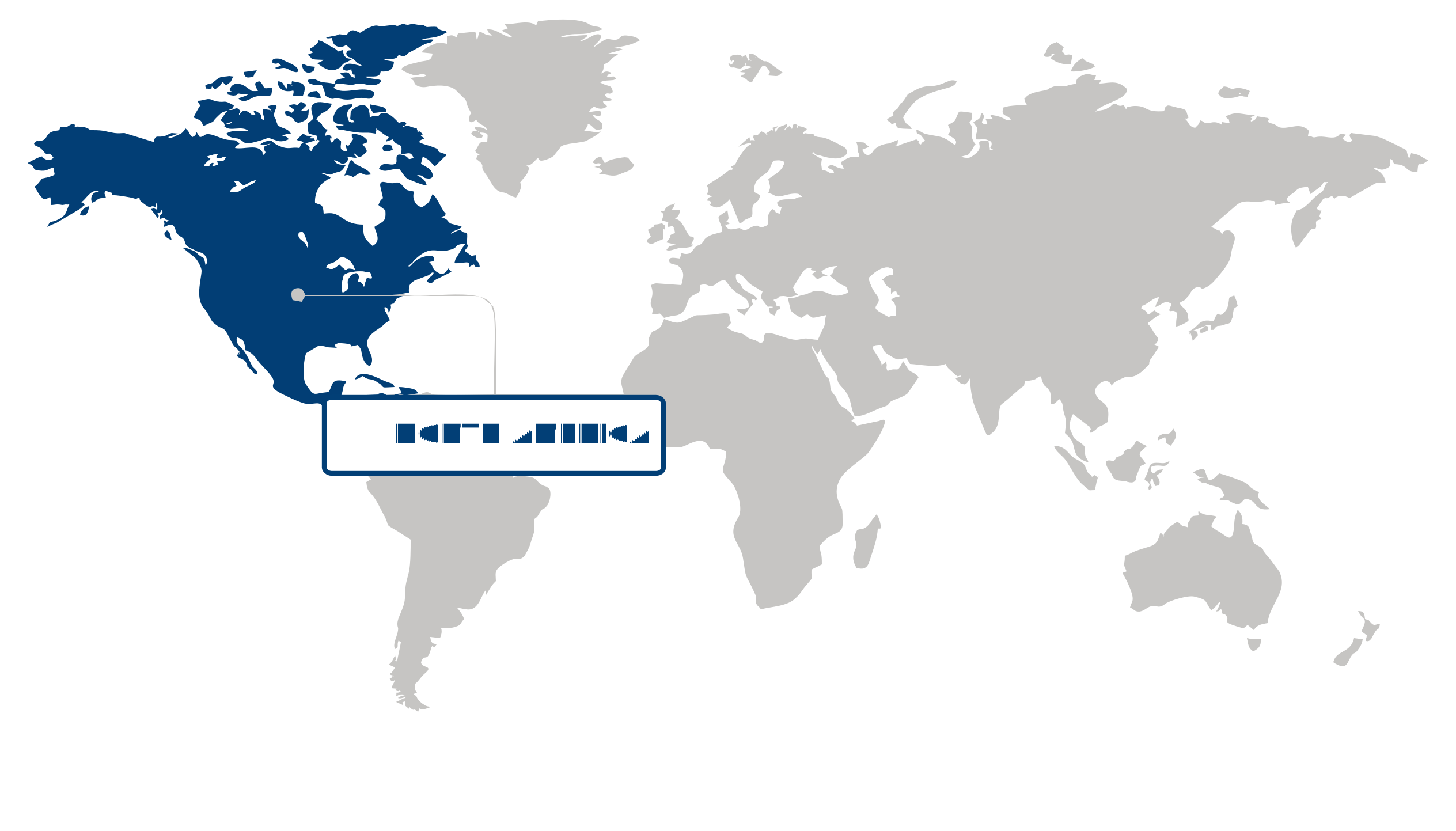
North America dominated the dental sterilization market in 2025, capturing over 43.6% of the global share. This region leads primarily due to stringent infection control regulations and widespread adoption of advanced dental equipment, which fuel consistent demand for reliable sterilization solutions. Agencies such as the U.S. Centers for Disease Control and Prevention (CDC) impose rigorous guidelines that drive dental clinics toward enhanced sterilization compliance. Furthermore, prominent manufacturers like Midmark Corporation continuously innovate sterilization technology, responding to evolving clinical needs. The region’s robust healthcare infrastructure and proactive policy enforcement ensure sustained market growth. These factors, combined with increasing awareness about patient safety and stringent hygiene standards across dental practices, position North America as a lucrative landscape for future market expansion in dental sterilization.
The United States anchors the North American dental sterilization market with its advanced regulatory environment and large dental services sector. The U.S. Food and Drug Administration (FDA) enforces precise sterilization product standards, pushing dental providers to invest in certified sterilization technologies. Additionally, rapid technological developments by companies such as SciCan Ltd. enable streamlined workflows in dental practices, enhancing operational efficiency and compliance. Consumer focus on safety and quality care amplifies demand for sterilization innovation. As the largest contributor within North America, U.S. trends strongly influence regional growth dynamics, reinforcing North America’s leadership in the dental sterilization market and underpinning strategic opportunities for industry stakeholders.
Asia Pacific Market Analysis:
Asia Pacific emerged as the fastest-growing region in the dental sterilization market, registering a robust CAGR of 9.1%. This rapid expansion is primarily driven by the substantial growth of dental clinic infrastructure alongside increasing public and professional awareness of cross-contamination risks in healthcare settings. Governments and private sectors across APAC are investing heavily in upgrading medical and dental facilities, prompted by heightened regulatory scrutiny and evolving patient safety protocols, as highlighted by the Asia Pacific Dental Federation’s recent initiatives. Moreover, digital transformation in clinical sterilization processes and stringent hygiene standards are reshaping operational efficiencies. These trends are fostering sustainable demand for advanced sterilization equipment and consumables, positioning the region as a critical growth hub with significant opportunities for innovation and partnerships to meet rising patient safety expectations.
Japan plays a pivotal role in the Asia Pacific dental sterilization market due to its well-established healthcare infrastructure and advanced technology adoption. The country’s stringent regulatory framework on infection control, supported by the Ministry of Health, Labour and Welfare, drives consistent demand for sophisticated sterilization solutions. Japanese dental clinics increasingly integrate automated sterilization systems to comply with rigorous safety standards and enhance operational workflows. Notably, companies like NSK and J. Morita Corporation emphasize development in high-efficiency sterilizers, aligning with the country’s demographic shift toward older populations requiring frequent dental care. This technological leadership and demand stability underpin Japan’s strategic significance in reinforcing Asia Pacific’s market momentum.
China, as another key contributor to the Asia Pacific dental sterilization market, reflects rapid expansion due to a surge in dental clinic establishments and growing awareness of infection control among urban populations. Regulatory bodies such as the National Health Commission have intensified efforts to standardize sterilization protocols following the COVID-19 pandemic, accelerating equipment upgrades. The Chinese market also benefits from rising disposable incomes and patient preference for advanced dental treatments, which promote adoption of cutting-edge sterilization technologies. Prominent industry players like W&H China are capitalizing on this trend by localizing production and distribution to enhance supply chain responsiveness. China’s dynamic growth environment strengthens Asia Pacific’s leadership in the dental sterilization market by boosting regional capacity and innovation adaptability.
Europe Market Trends:
Europe held a commanding share in the dental sterilization market, driven by a combination of stringent healthcare regulations and advanced technological adoption. The region's focus on enhancing infection control standards in medical and dental facilities has significantly bolstered demand for sophisticated sterilization solutions. Notably, the European Centre for Disease Prevention and Control (ECDC) has reinforced sterilization protocols following increased awareness of cross-contamination risks, encouraging investment in state-of-the-art autoclaves and sterilants. Europe's mature healthcare infrastructure and rising preference for sustainable sterilization practices have further catalyzed market expansion. Additionally, logistical efficiencies within the single market and collaborative innovation efforts, exemplified by the European Dental Association's initiatives, underpin robust supply chains and accelerate technological dissemination. Looking ahead, Europe’s regulatory rigor combined with its commitment to eco-friendly sterilization technologies positions it as a prime hub for growth and innovation in the dental sterilization market.
Germany plays a pivotal role within the European dental sterilization market, attributed to its status as one of Europe’s largest healthcare economies. The country’s rigorous enforcement of the German Infection Protection Act has amplified demand for reliable dental sterilization products, incentivizing manufacturers to integrate cutting-edge sterilization cycles and digital monitoring technologies. Dental equipment suppliers such as W&H Dentalwerk have recently introduced innovative sterilization units tailored to the German market’s high standards, reinforcing the competitive landscape. Furthermore, Germany’s strong industrial base and skilled workforce facilitate rapid prototyping and production scalability, essential for meeting the evolving clinical demands. These characteristics underscore Germany’s strategic importance in shaping regional supply trends and advancing quality benchmarks in dental sterilization.
France also maintains a significant position in Europe’s dental sterilization market, largely propelled by its evolving healthcare policies emphasizing patient safety and hygiene. The French Ministry of Health’s recent guidelines for dental clinics emphasize the use of validated sterilization protocols, driving adoption of advanced sterilization technologies and consumables. Companies like SES Implants Technologies have capitalized on the growing demand, increasing localized production of sterilization systems that comply with France’s rigorous medical device regulations. Additionally, France’s growing dental tourism sector favors high-standard sterilization practices to attract international patients, reinforcing market growth. This dynamic strengthens France’s role as a crucial contributor to Europe’s overall dental sterilization market, providing substantial opportunities for technology integration and market penetration across the region.
| Parameter | North America | Asia Pacific | Europe | Latin America | MEA |
|---|---|---|---|---|---|
| Innovation HubiScaleNascentDeveloping Advanced | |||||
| Cost-Sensitive RegioniScaleLowMedium High | |||||
| Regulatory EnvironmentiScaleRestrictiveNeutral Supportive | |||||
| Demand DriversiScaleWeakModerate Strong | |||||
| Development StageiScaleEmergingDeveloping Developed | |||||
| Adoption RateiScaleLowMedium High | |||||
| New Entrants / StartupsiScaleSparseModerate Dense | |||||
| Macro IndicatorsiScaleWeakStable Strong |
Dental Sterilization Market Share (%), by Product, 2026
Go beyond the chart, access full insights & data tables
Request Free Sample ReportInstruments represented the largest share in the dental sterilization market in 2025, driven primarily by the broad adoption of sterilization instruments essential for daily dental procedures. This segment’s leadership reflects rising demand for reliable and standardized sterilization tools aligned with stringent infection control protocols. Regulatory authorities like the U.S. Food and Drug Administration (FDA) emphasize compliance with sterilization standards, reinforcing the use of specialized instruments. Furthermore, technological advancements improving instrument durability and ease of sterilization enhance user trust in clinical settings. Established firms benefit from scale economies, while emerging players can leverage innovation in materials and design. As infection prevention remains a healthcare priority globally, instruments will continue to hold critical importance, supported by evolving practices and digital tracking of sterilization efficacy.
Analysis by End-User
Dental clinics held the largest share in the dental sterilization market in 2025, propelled by high volumes of routine dental treatments and an intensified focus on infection control within outpatient setups. The segment’s dominance is linked to the increasing patient footfall and regulatory mandates for stringent sterilization compliance, as underscored by guidelines from the Centers for Disease Control and Prevention (CDC). Patient safety concerns and growing awareness among consumers elevate demand for certified sterilization processes. Clinics also benefit from streamlined supply chains and specialized sterilization training programs for staff, enhancing operational efficiency. This segment presents robust opportunities for both established providers emphasizing integrated solutions and new entrants offering cost-effective sterilization products. Given the consistent demand for dental care and heightened infection control standards, dental clinics will sustain their pivotal role in market growth.
| Segment | Sub-Segment | Largest Segment | Fastest Growing |
|---|---|---|---|
| Product | Instruments, Consumables and Accessories | ||
| End-User | Hospitals, Dental Clinics, Dental Laboratories |
Unlock insights tailored to your business with our bespoke market research solutions.
Click to get your customized report now.
Competitive Landscape and Market Positioning
The competitive landscape is marked by continuous refinement and expansion driven by product innovation and strategic alliances. Leading companies often introduce advancements that enhance sterilization efficiency and compliance with evolving health standards. Partnerships focused on digital integration and automation underpin differentiation, especially within segments demanding rapid cycle times and validated processes. Several firms have broadened portfolios through acquisitions to address end-to-end dental instrument care. This dynamic fosters advancement and heightened competition, prompting incumbents to invest heavily in research and precision engineering to maintain technological leadership and regulatory adherence, ensuring ongoing market relevance and influence.
Strategic / Actionable Recommendations for Regional Players
In North America, aligning with digital health platforms can enhance sterilization monitoring and traceability, meeting rising regulatory demands. Collaboration with dental service providers and technology firms could accelerate adoption of integrated sterilization solutions tailored to evolving practitioner workflows.
Asia Pacific entities should focus on customizing sterilization products for emerging economies where demand for affordable and scalable solutions is increasing. Partnerships with local distributors and leveraging telehealth infrastructure may facilitate broader penetration into under-served markets, especially in dental clinics expanding their infection control capabilities.
European players can benefit from emphasizing sustainable and energy-efficient sterilization technologies, aligning with stringent environmental regulations. Collaborating with research institutions for innovative materials and sterilization cycles can position firms favorably amid rising emphasis on green healthcare practices and patient safety standards.
| Company | Market Share | Company Revenue | Revenue CAGR (%) | Product Portfolio | Geographic Presence | Innovation / R&D Focus | Strategic Developments |
|---|---|---|---|---|---|---|---|
| No companies available. | |||||||
Customize Your Report
Explore examples of how this report can be tailored to different research needs, including custom segments, additional topics or chapters, and related reports. Click a section of the wheel or its numbered marker to explore the available options.
Dental Sterilization Market — Custom Segments
| Segment | Sub-Segment |
|---|---|
| No segment data available. | |
Dental Sterilization Market — Custom TOC
| Custom Chapter | Chapter Details |
|---|---|
| No custom TOC data available. | |
Need a different cut of the data?
Request Custom ResearchFrequently Asked Questions
What is the forecasted size of the dental sterilization industry?
Which region holds the largest share of the dental sterilization market?
Which region is experiencing the fastest growth in the dental sterilization sector?
How does instruments segment fare in the dental sterilization industry?
What share does dental clinics segment hold in the dental sterilization sector as of 2025?
Which companies dominate the dental sterilization landscape?
Our Clients
"The team took the time to understand our specific business needs and delivered a report that was well aligned with our objectives. Their expertise and understanding of the industry were clearly reflected in the quality and relevance of the insights provided."
Siemens Healthcare
"Our experience in acquiring the research report has been excellent. The depth of analysis, and actionable insights provided have been extremely valuable in supporting our ongoing R&D efforts."
GC Biopharma
"The report offered a comprehensive view of the market trends. The in-depth segmentation and analysis of emerging opportunities gave us a better understanding of the market."
Medtronic
Our Research Team & Methodology
Every Fundamental Business Insights report is built by a dedicated vertical research team, validated through a structured primary-and-secondary methodology, and reviewed for accuracy before it reaches you.
This report was prepared by the Healthcare & Medical Devices Research Team at Fundamental Business Insights, a dedicated research group specializing in the global healthcare and medical technology industry. Our analysts continuously monitor advancements in medical technologies, clinical adoption trends, regulatory developments, reimbursement policies, healthcare infrastructure investments, competitive strategies, and evolving patient care requirements to deliver timely and reliable market intelligence. The research is developed using a structured methodology that combines primary discussions with healthcare stakeholders, company financial disclosures, regulatory publications, clinical literature, government healthcare databases, medical associations, and other authoritative secondary sources. Market estimates are validated through multiple research techniques, including top-down and bottom-up analysis, before undergoing an internal quality review to ensure accuracy, consistency, and methodological integrity prior to publication.
Delivery
Published
Available
Support
- Market Size & Forecast
- Market Segmentation
- Regional Analysis
- Growth Drivers & Challenges
- Market Dynamics
- Competitive Landscape
- Company Profiles
- Competitive Benchmarking
- Mergers & Acquisitions
- Market Share Analysis or Key Company Strategies
- Value Chain Analysis
- Porter's Five Forces
- PESTLE Analysis
- Pricing Trends
- Supply-Demand Analysis
- Technology Landscape
- Regulatory Landscape
- Investment & Funding Landscape
- Emerging Opportunities
- Future Market Outlook