Disinfectant Spray Market Size & Growth Forecast 2027–2036, By Segments (Type, End Use), Regional Demand Trends (North America, Asia Pacific, Europe), Key Country Insights (U.S., Japan, South Korea, Germany, France, Italy), and Competitive Landscape
Jump to Content
Market Size and Growth Outlook
Disinfectant Spray Market size was over USD 13.5 billion in 2026 and is likely to grow at a 7.79% CAGR between 2027 and 2036, exceeding USD 28.58 billion by 2036. The industry revenue for 2027 is assessed at USD 14.39 billion.
Get more details on this report
Request Free Sample ReportDisinfectant Spray Market Intelligence Snapshot
Regional Market Dynamics
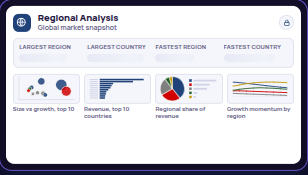
- North America holds 35.72% share due to strong hygiene routines, high institutional demand, and widespread retail availability across healthcare, commercial, and residential sectors.
- Asia Pacific is expanding at 9.27% CAGR driven by rising hygiene awareness, urban consumption growth, expanding retail access, and stronger adoption of ready-to-use cleaning products.
Segment Momentum
- Conventional sprays hold 80.18% share due to broad availability, strong efficacy perception, and established usage patterns across institutional and household cleaning where reliable disinfection is prioritized.
- B2C is growing as households increasingly adopt routine cleaning habits, with wider retail access and shifting hygiene behavior supporting more frequent and consistent consumer-level purchases.
Market Expansion Drivers
- Rising hygiene awareness and infection prevention practices increasing disinfectant spray consumption.
- Growing hospital-acquired infection concerns accelerating disinfectant adoption across healthcare facilities.
- Expansion of eco-friendly and surface-specific formulations supporting premium product penetration.
Leading Market Participants
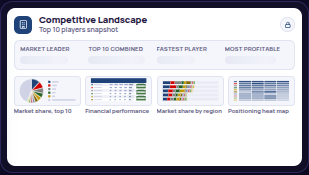
- Key companies in the disinfectant spray market include Reckitt Benckiser Group plc (United Kingdom), Ecolab Inc. (United States), Procter & Gamble Company (United States), 3M Company (United States), The Clorox Company (United States), SC Johnson & Son, Inc. (United States), Kimberly-Clark Corporation (United States), Medline Industries, LP (United States), Whiteley Corporation Pty Ltd (Australia).
Global Market Forecast Snapshot
Market Outlook
- 2026 Market Size: USD 13.5 billion
- 2027 Estimated Market Size: USD 14.39 billion.
- Projected Market Size: USD 28.58 billion by 2036
- Growth Forecast: 7.79% CAGR (2027-2036)
Regional and Segment Outlook
- Leading Regional Market: North America
- High-Growth Regional Hub: Asia Pacific
- Core Revenue Segment: Conventional (Type) | B2B (End Use)
- Emerging Opportunity Segment: Organic (Type) | B2C (End Use)
Market Growth Drivers and Industry Trends
Rising hygiene awareness and infection prevention practices increasing disinfectant spray consumption
Heightened awareness of hygiene and infection prevention will drive the disinfectant spray market growth as households, businesses, and institutions place greater emphasis on maintaining clean and hygienic environments. Disinfectant sprays provide a convenient method for treating frequently touched surfaces and shared areas, making them suitable for routine cleaning practices across residential, commercial, educational, and public settings. Increased attention to sanitation has also encouraged consumers and facility operators to incorporate disinfection more regularly into cleaning routines rather than relying solely on conventional cleaning products. The convenience of spray-based application, combined with demand for quick surface treatment, is supporting broader consumption across diverse end-use environments.
Growing hospital-acquired infection concerns accelerating disinfectant adoption across healthcare facilities
Growing concerns surrounding hospital-acquired infections will boost the disinfectant spray market demand as healthcare facilities strengthen environmental hygiene and surface disinfection practices. Hospitals, clinics, and other healthcare environments contain numerous high-contact surfaces where consistent cleaning and disinfection are important for infection control procedures. Disinfectant sprays offer healthcare personnel a practical format for treating equipment exteriors, work surfaces, patient-care areas, and other applicable locations within established cleaning protocols. As healthcare providers place greater emphasis on maintaining hygienic clinical environments and reducing potential sources of contamination, demand for effective and convenient disinfection solutions is increasing across healthcare facilities.
Expansion of eco-friendly and surface-specific formulations supporting premium product penetration
The expansion of environmentally conscious and application-specific formulations is creating new opportunities within the disinfectant spray market by addressing consumers' preferences for products that align with particular cleaning requirements and sustainability considerations. Manufacturers are increasingly developing formulations designed for specific surface types, helping users select products that provide appropriate cleaning performance while reducing concerns about material compatibility. Eco-friendly formulations can also appeal to consumers and organizations seeking alternatives that align with broader environmental and responsible consumption priorities. Product differentiation through formulation characteristics, surface compatibility, packaging, and application convenience is supporting the adoption of premium disinfectant sprays in households, commercial facilities, and specialized cleaning environments.
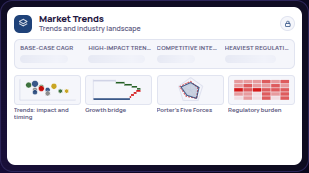
| Growth Driver | Impact on CAGR | Regulatory Influence | Geographic Relevance | Adoption Rate | Impact Timeline |
|---|---|---|---|---|---|
| Rising hygiene awareness and infection prevention practices increasing disinfectant spray consumption | 2.20% | Moderate | North America, Asia Pacific | High | Near Term |
| Growing hospital-acquired infection concerns accelerating disinfectant adoption across healthcare facilities | 1.90% | High | North America, Europe | High | Mid Term |
| Expansion of eco-friendly and surface-specific formulations supporting premium product penetration | 1.50% | Moderate | Europe, North America | Emerging | Long Term |
Unlock insights tailored to your business with our bespoke market research solutions.
Click to get your customized report now.
Regional Demand Dynamics

North America (Largest Region)
North America dominated the disinfectant spray market with a 35.72% share in 2026, supported by strong awareness of hygiene, established sanitation practices, and sustained demand for convenient surface-disinfection products across residential, commercial, healthcare, and institutional environments. Consumers and organizations continue to prioritize products that enable rapid and practical cleaning, particularly in settings where maintaining sanitary conditions is essential. Well-developed retail and distribution networks, established cleaning-product consumption patterns, and heightened attention to infection prevention further contribute to the region's market strength.
Asia Pacific (Fastest-Growing Region)
Asia Pacific is poised for the fastest growth, driven by rising urbanization, expanding healthcare and hospitality infrastructure, and increasing consumer awareness of hygiene and sanitation. Greater attention to infection prevention in public and commercial environments is encouraging the use of convenient disinfectant formats, while improving household purchasing power is supporting wider access to packaged cleaning products. The expansion of modern retail and e-commerce channels is also broadening product availability, enabling disinfectant sprays to reach a wider range of consumers and institutional users across the region.
| Parameter | North America | Asia Pacific | Europe | Latin America | MEA |
|---|---|---|---|---|---|
| Innovation HubiScaleNascentDeveloping Advanced | |||||
| Cost-Sensitive RegioniScaleLowMedium High | |||||
| Regulatory EnvironmentiScaleRestrictiveNeutral Supportive | |||||
| Demand DriversiScaleWeakModerate Strong | |||||
| Development StageiScaleEmergingDeveloping Developed | |||||
| Adoption RateiScaleLowMedium High | |||||
| New Entrants / StartupsiScaleSparseModerate Dense | |||||
| Macro IndicatorsiScaleWeakStable Strong |
Key Country Insights
Germany 🇩🇪
Professional Sanitation StandardsGermany emphasizes disinfectant sprays for healthcare facilities, industrial environments, and commercial buildings requiring consistent hygiene practices. German customers prioritize high-performance products with proven efficacy and compliance with established quality expectations.
France 🇫🇷
Public Health ApplicationsFrance utilizes disinfectant sprays across healthcare, hospitality, education, and commercial facilities to maintain sanitation standards. French purchasers focus on effective formulations that support routine cleaning while addressing environmental and user safety considerations.
Italy 🇮🇹
Multi-Sector Cleaning NeedsItaly applies disinfectant sprays across healthcare institutions, food service, workplaces, and residential environments. Italian buyers increasingly favor reliable products that combine practical usability with effective surface disinfection for daily operations.
Japan 🇯🇵
Everyday Hygiene SolutionsJapan maintains consistent demand for disinfectant sprays in public spaces, healthcare settings, and residential use. Japanese consumers value compact packaging, dependable performance, and formulations suitable for frequent everyday application.
South Korea 🇰🇷
Consumer Hygiene InnovationSouth Korea continues expanding disinfectant spray usage across homes, commercial venues, and healthcare environments. South Korean consumers increasingly select products offering convenient formats, broad surface compatibility, and enhanced ease of use.
United States 🇺🇸
Institutional Hygiene DemandThe U.S. disinfectant spray market remains supported by ongoing hygiene practices across healthcare, workplaces, and households. U.S. buyers increasingly favor effective formulations that balance rapid disinfection with user safety and convenient application methods.
Disinfectant Spray Market Share (%), by Type, 2026
Go beyond the chart, access full insights & data tables
Request Free Sample ReportType Segment Analysis: Conventional (Largest Segment) vs Organic (Fastest-Growing Segment)
The conventional segment led the disinfectant spray market, accounting for an 80.18% share in 2026, supported by its widespread use across healthcare facilities, commercial establishments, households, and institutional environments. Conventional formulations benefit from established efficacy, broad availability, and familiarity among professional and everyday users. Their ability to provide reliable surface disinfection across diverse applications continues to support strong demand, particularly where consistent hygiene protocols and rapid sanitization are essential.
Organic disinfectant sprays are gaining momentum as consumers and organizations increasingly prioritize formulations perceived as safer and more environmentally responsible. Growing awareness of chemical exposure, sustainability considerations, and demand for plant-derived or less harsh ingredients are encouraging greater interest in organic alternatives. Improvements in formulation performance and expanding availability across retail and professional channels are further supporting adoption as users seek effective disinfection solutions aligned with evolving health and environmental preferences.
End Use Segment Analysis: B2B (Largest Segment) vs B2C (Fastest-Growing Segment)
B2B applications represented the largest share of the disinfectant spray market at 61.11% in 2026, driven by extensive demand from healthcare institutions, offices, hospitality establishments, educational facilities, and other commercial environments. These users require regular and systematic surface sanitation to maintain hygiene standards and protect employees, customers, and visitors. Frequent cleaning requirements, institutional hygiene protocols, and the need for dependable disinfection products reinforce the importance of B2B demand.
The B2C segment is expanding rapidly as household consumers place greater emphasis on routine sanitation and convenient cleaning solutions. Increased awareness of hygiene practices has encouraged consumers to incorporate disinfectant sprays into everyday cleaning activities across kitchens, bathrooms, frequently touched surfaces, and other household areas. Easy-to-use packaging and growing product availability through consumer-oriented retail channels are also making disinfectant sprays more accessible for home use.
| Segment | Sub-Segment | Largest Segment | Fastest Growing |
|---|---|---|---|
| Type | Conventional, Organic | Conventional | Organic |
| End Use | B2B, B2C | B2B | B2C |
Competitive Landscape and Market Positioning
Key companies in the disinfectant spray market:
1. Reckitt Benckiser Group plc (United Kingdom)
2. Ecolab Inc. (United States)
3. Procter & Gamble Company (United States)
4. 3M Company (United States)
5. The Clorox Company (United States)
6. SC Johnson & Son Inc. (United States)
7. Kimberly-Clark Corporation (United States)
8. Medline Industries LP (United States)
9. Whiteley Corporation Pty Ltd (Australia)
Heightened awareness surrounding hygiene and infection prevention continues to influence the disinfectant spray market. Manufacturers are expanding product lines with eco-conscious formulations, rapid-action disinfectants, and user-friendly dispensing systems to align with evolving consumer expectations. Compliance with safety and environmental standards is also becoming a major factor shaping product development and competitive positioning.
| Company | Market Share | Company Revenue | Revenue CAGR (%) | Product Portfolio | Geographic Presence | Innovation / R&D Focus | Strategic Developments |
|---|---|---|---|---|---|---|---|
| Reckitt Benckiser Group plc (United Kingdom) | |||||||
| Ecolab Inc. (United States) | |||||||
| Procter & Gamble Company (United States) | |||||||
| 3M Company (United States) | |||||||
| The Clorox Company (United States) | |||||||
| SC Johnson & Son Inc. (United States) | |||||||
| Kimberly-Clark Corporation (United States) | |||||||
| Medline Industries LP (United States) | |||||||
| Whiteley Corporation Pty Ltd (Australia). |
Industry Development/News
| Company Name | Date | Key Development |
|---|---|---|
| CloroxPro | Jul-24 | CloroxPro Canada expanded its professional disinfectant portfolio with the launch of the EcoClean line, featuring plant-based active ingredients. This strategic entry addresses professional demand for eco-conscious cleaning solutions that maintain high-efficacy standards against viruses, including flu and COVID-19, in high-traffic shared environments like schools and offices, while optimizing operational efficiency for facility managers. |
| Byotrol | Jan-24 | Byotrol launched a 4-in-1 multi-surface disinfectant spray designed for professional environments, consolidating various cleaning and antimicrobial functions. By targeting a broad spectrum of microbes—including Norovirus, Influenza, and MRSA—the product offers a consolidated solution aimed at reducing operational complexity and cost for professional cleaning applications by replacing the need for multiple single-purpose agents. |
| Clorox Company | Mar-21 | The Clorox Company established a strategic partnership with the Cleveland Clinic and the CDC to provide disinfectant solutions and standardized cleaning protocols to major commercial clients, including United Airlines, Uber, and Enterprise Holdings. This initiative significantly expanded the company’s distribution reach and operational footprint within the North American transportation and public venue sectors through integrated health-safety service models. |
Customize Your Report
Explore examples of how this report can be tailored to different research needs, including custom segments, additional topics or chapters, and related reports. Click a section of the wheel or its numbered marker to explore the available options.
Disinfectant Spray Market — Custom Segments
| Segment | Sub-Segment |
|---|---|
| Active Ingredient Class | Alcohol-Based, Quaternary Ammonium Compounds, Chlorine-Based, Hydrogen Peroxide-Based, Organic Acid-Based |
| Pack Size | Small Packs, Medium Packs, Large Packs, Bulk Packs |
| Buyer Segment | Households, Healthcare Facilities, Commercial & Institutional Facilities, Food Service & Hospitality, Industrial Facilities |
Disinfectant Spray Market — Custom TOC
| Custom Chapter | Chapter Details |
|---|---|
| Infection Control Strategy Evolution |
|
| Sustainable Disinfectant Innovation Pathways |
|
| Consumer Hygiene Behavior Evolution |
|
Need a different cut of the data?
Request Custom ResearchFrequently Asked Questions
What is the current size of the disinfectant spray market?
What is the forecasted size of the disinfectant spray industry?
How is rising hygiene awareness changing consumption behavior in the disinfectant spray market?
How is hospital infection control pressure influencing adoption of disinfectant sprays in healthcare settings?
Why does the Conventional segment dominate the disinfectant spray market?
How is the B2C segment driving faster growth in this market?
Why does North America lead the disinfectant spray market?
What is driving Asia Pacific growth in the disinfectant spray market?
Who are the leading players in the disinfectant spray landscape?
Our Clients
"The report helped us understand emerging consumer trends in our product category. It clarified where to focus innovation for the next product launch."
LyondellBasell
"The regional forecast section was incredibly useful. We were able to identify two new potential partners in Europe thanks to the vendor mapping you included."
SABIC
"We appreciated how actionable the recommendations were. It guided us to improve supply chain resilience."
Olin Corporation
Our Research Team & Methodology
Every Fundamental Business Insights report is built by a dedicated vertical research team, validated through a structured primary-and-secondary methodology, and reviewed for accuracy before it reaches you.
Delivery
Published
Available
Support
- Market Size & Forecast
- Market Segmentation
- Regional Analysis
- Growth Drivers & Challenges
- Market Dynamics
- Competitive Landscape
- Company Profiles
- Competitive Benchmarking
- Mergers & Acquisitions
- Market Share Analysis or Key Company Strategies
- Value Chain Analysis
- Porter's Five Forces
- PESTLE Analysis
- Pricing Trends
- Supply-Demand Analysis
- Technology Landscape
- Regulatory Landscape
- Investment & Funding Landscape
- Emerging Opportunities
- Future Market Outlook