Disposable Lancets Market Size & Forecasts 2026-2035, By Segments (Application, Type, End-User), Growth Opportunities, Innovation Landscape, Regulatory Shifts, Strategic Regional Insights (U.S., Japan, China, South Korea, UK, Germany, France), and Competitive Dynamics (Roche, BD, Ascensia, Owen Mumford, Arkray)
Jump to Content
Market Size and Growth Outlook
Disposable Lancets Market size is forecast to climb from USD 3.26 billion in 2025 to USD 8.01 billion by 2035, expanding at a CAGR of over 9.4% during 2026-2035. Industry revenue in 2026 is projected at USD 3.53 billion.
Get more details on this report
Request Free Sample ReportDisposable Lancets Market Intelligence Snapshot
Regional Market Dynamics
Segment Momentum
Market Expansion Drivers
Leading Market Participants
Global Market Forecast Snapshot
Market Outlook
Regional and Segment Outlook
Market Growth Drivers and Industry Trends
The rising global prevalence of diabetes is a critical growth driver for the disposable lancets market, as effective self-monitoring becomes essential for disease management. The International Diabetes Federation highlights that over 537 million adults live with diabetes worldwide, intensifying demand for convenient, safe blood sampling tools. This epidemiological trend has triggered a cultural shift towards self-care and patient empowerment, with regulatory agencies such as the U.S. FDA encouraging at-home glucose monitoring. For manufacturers, this presents opportunities to augment product portfolios with user-friendly lancets tailored for diverse demographics. Startups focusing on innovative, pain-minimizing designs may capture emerging segments, while incumbents can leverage established distribution networks. As diabetes rates continue to rise, the market evolution will be closely tied to sustained consumer emphasis on regular and accurate self-testing.
Technological Advancements Elevating Disposable Lancets
Innovation in the disposable lancets market has accelerated through developments like ultra-fine needles and integrated safety features that reduce contamination risks and enhance user comfort. Siemens Healthineers and Roche have publicly introduced lancets incorporating micro-needle technology to optimize patient experience and compliance. These advancements respond to shifting consumer expectations favoring minimally invasive solutions and align with tightening regulatory standards on device safety. For industry players, investing in R&D enables differentiation in a competitive landscape increasingly attentive to ergonomic design and reliability. New entrants equipped with cutting-edge manufacturing methods can disrupt supply chains traditionally dominated by legacy brands. As digital integration and material science progress, technological evolution will remain a pivotal vector shaping market dynamics and product innovation.
Expansion of Healthcare Access and Homecare Solutions
Expanding healthcare infrastructure and the growing emphasis on homecare treatments are reshaping demand patterns within the disposable lancets market. Government-led initiatives, such as the NHS England’s Long Term Plan, aim to decentralize care and promote home monitoring for chronic diseases, empowering patients while reducing healthcare system burdens. This transition stimulates demand for cost-effective, disposable lancets suited for independent use. The trend also aligns with rising telemedicine adoption, with companies like Abbott enhancing remote patient diagnostics through integrated blood glucose monitoring systems. For established vendors, this creates avenues to bundle lancets with digital platforms, while emerging businesses may find niches in homecare-specific lancet designs. Continued healthcare accessibility improvements and home-based management policies will decisively influence market expansion trajectories.
Industry Restraints:
Regulatory Compliance Complexity
Stringent regulations on medical devices, including disposable lancets, significantly slow market progression by imposing costly and time-consuming approval processes. The U.S. Food and Drug Administration (FDA) enforces rigorous safety and sterility standards, while the European Medicines Agency (EMA) mandates conformity assessments under the Medical Device Regulation (MDR). These multifaceted requirements delay product launches and increase compliance costs, particularly burdening smaller manufacturers lacking extensive regulatory teams. Established companies often leverage greater resources to navigate this landscape, whereas new entrants face higher entry barriers, limiting innovation diffusion. As regulatory bodies continue tightening controls amid patient safety concerns, market participants must allocate substantial efforts to compliance, constraining agility and prolonging product development cycles.
Environmental Sustainability Pressures
Growing emphasis on environmental responsibility presents a formidable restraint, as disposable lancets contribute to medical waste and plastic pollution, drawing scrutiny from healthcare institutions and regulators globally. The World Health Organization (WHO) has highlighted the environmental impact of single-use medical devices, fueling demand for eco-friendlier alternatives and waste reduction policies. Companies like Becton Dickinson are increasingly pressured to innovate with biodegradable materials or implement take-back programs, which escalates production complexity and costs. This dynamic challenges market players to reconcile device safety with sustainability goals, potentially limiting adoption rates. Going forward, escalating sustainability mandates and evolving patient preferences will compel sustained investment in environmentally compatible solutions, reshaping competitive strategies across the industry.
| Growth Driver | Impact on CAGR | Regulatory Influence | Geographic Relevance | Adoption Rate | Impact Timeline |
|---|---|---|---|---|---|
| Growing diabetes prevalence and self-testing adoption | 3.50% | Short term (≤ 2 yrs) | North America, Europe | Low | Fast |
| Technological advancements in disposable lancets | 3.00% | Medium term (2–5 yrs) | Asia Pacific, North America | Medium | Moderate |
| Expansion of healthcare access and homecare solutions | 3.00% | Long term (5+ yrs) | Europe, Asia Pacific | Low | Moderate |
Explore Growth Opportunities
Request Free Sample ReportRegional Demand Dynamics
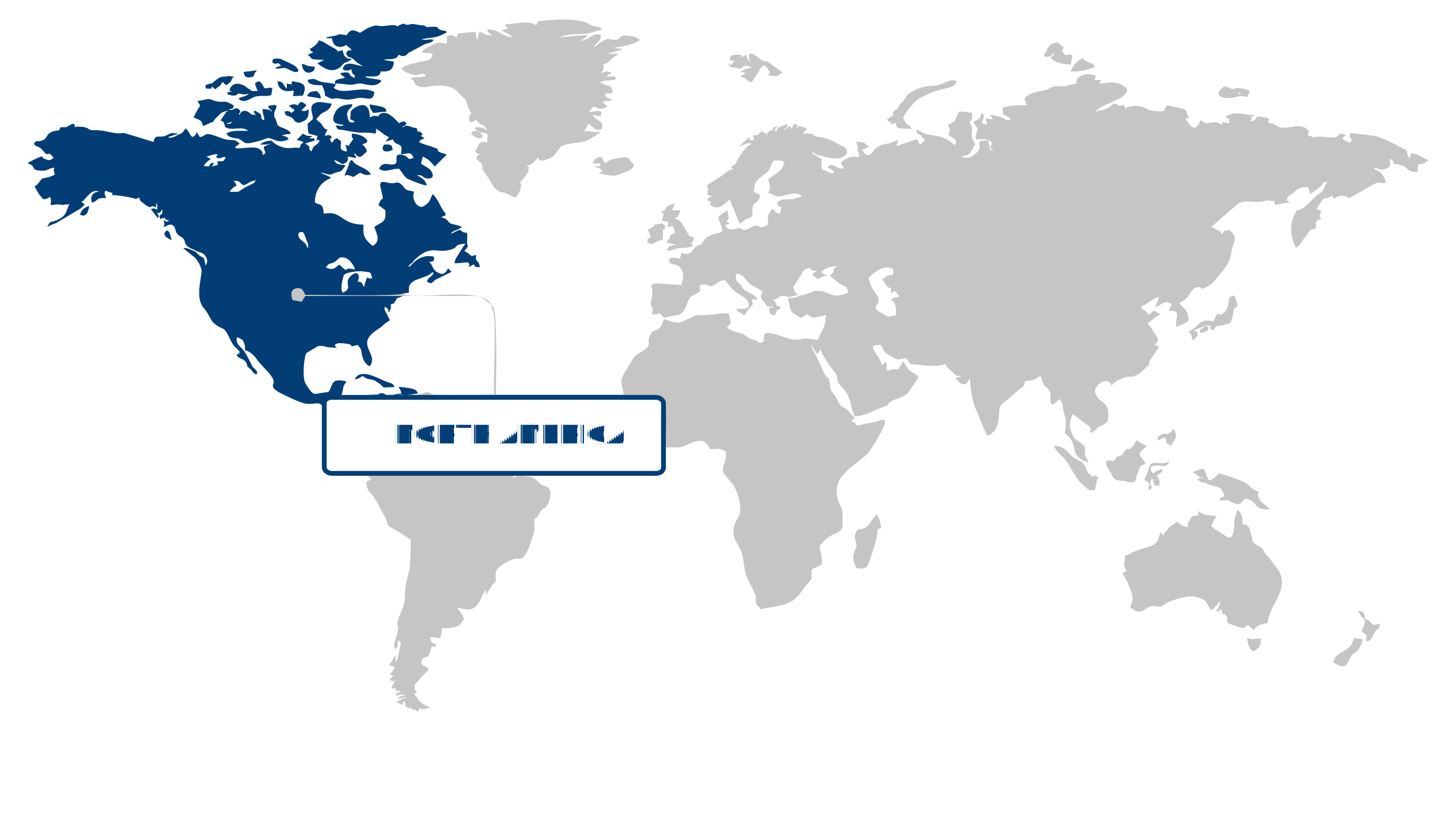
North America captured over 42.30% of the global disposable lancets market in 2025, establishing itself as the largest regional contributor. This leadership is largely driven by the region’s high diabetes prevalence and widespread adoption of self-monitoring blood glucose practices. The U.S. Centers for Disease Control and Prevention (CDC) highlights that over 34 million Americans live with diabetes, fueling demand for convenient, safe, and reliable lancet products. Furthermore, advanced home-healthcare adoption across North America has accelerated access to disposable lancets, supported by innovations in user-friendly devices and rising consumer preference for self-care. Policy frameworks encouraging chronic disease management and favorable reimbursement schemes from bodies like the Centers for Medicare & Medicaid Services (CMS) further enhance market penetration. These dynamics, coupled with robust healthcare infrastructure and significant investment in digital health technologies, present lucrative growth avenues for stakeholders in the disposable lancets market across North America.
The United States anchors the North American disposable lancets market, reflecting both the scale of diabetes incidence and a proactive regulatory environment. The U.S. Food and Drug Administration (FDA) maintains stringent quality standards, enhancing product trust and encouraging innovation among manufacturers. Leading companies such as Roche Diagnostics and BD have expanded their lancet offerings, emphasizing ease of use and minimized pain, which aligns with patient-centric healthcare delivery models popular in the U.S. Meanwhile, widespread insurance coverage encourages patients to regularly monitor glucose levels, sustaining lancet demand. This dynamic fosters a competitive yet fertile landscape ripe for technological advancements and strategic partnerships. Consequently, the U.S. continues to reinforce North America’s position as the dominant and most promising market for disposable lancets globally.
Asia Pacific Market Analysis:
Asia Pacific emerged as the fastest-growing region in the disposable lancets market, registering a robust CAGR of 11%. The market’s rapid expansion is primarily driven by an increasing diabetes burden, heightened emphasis on preventive healthcare, and the growing adoption of home-testing, particularly across emerging markets within the region. These dynamics align with shifting consumer preferences towards convenient and user-friendly health monitoring solutions and escalating health awareness initiatives by regional governments. For instance, the Asia Pacific Economic Cooperation (APEC) has recently underscored regional health programs prioritizing diabetes prevention and control, further stimulating demand for disposable lancets. Additionally, advancements in supply chain efficiency, coupled with digital health integration led by local healthcare providers, have reinforced market accessibility. Looking forward, Asia Pacific’s diverse demographic base and evolving healthcare infrastructure present significant opportunities for sustained growth in disposable lancets, supported by rising investments in wellness technologies and public health campaigns.
Japan plays a pivotal role in the Asia Pacific disposable lancets market through its mature healthcare ecosystem and robust regulatory framework that supports medical device innovation. The country’s aging demographic and high incidence of diabetes have driven consistent consumer demand for reliable and safe lancet devices, with major players like Terumo Corporation pioneering advancements in precision and pain-reducing features. The Japanese Ministry of Health, Labour and Welfare’s regulatory approvals and reimbursement policies further facilitate market penetration and product adoption among both hospital and home users. This environment encourages continuous innovation and competitive positioning, reinforcing Japan’s status as a key influencer in regional market trends.
China represents one of the fastest-growing segments within Asia Pacific due to an expanding middle class, improved healthcare access in rural areas, and increased government-led preventive healthcare initiatives. The National Health Commission’s recent campaigns to enhance diabetes screening and management have boosted uptake of disposable lancets, especially in home-testing scenarios. Consumer shifts toward convenient self-monitoring solutions coincide with digital health platforms such as Ping An Healthcare’s telemedicine services, which integrate diagnostic device usage into patient care programs. China’s growing medical manufacturing capabilities and supply chain enhancements further support cost-effective distribution and scaling. Consequently, China’s market dynamics complement regional growth, underscoring Asia Pacific’s strategic importance in the disposable lancets market.
Europe Market Trends:
Europe maintained a substantial share in the disposable lancets market, driven by its advanced healthcare infrastructure and heightened patient awareness around diabetes management. The region’s emphasis on regulatory compliance and quality standards, highlighted by frameworks from the European Medicines Agency (EMA), enhances market reliability and consumer trust. Shifts toward patient-centric care models and increased adoption of home healthcare devices by aging populations further contribute to demand. Moreover, sustainability initiatives across Europe encourage manufacturers to integrate eco-friendly materials and optimize supply chains, as evidenced by Medtronic’s recent commitment to greener production announced at the European Diabetes Forum. These factors, coupled with competitive intensity among leading players to innovate with safety and convenience, position Europe as a critical hub offering considerable growth prospects in the disposable lancets market.
Germany plays a pivotal role within Europe’s disposable lancets market, underpinned by its robust healthcare spending and technological advancements in medical devices. The country’s proactive regulatory environment, spearheaded by the Federal Institute for Drugs and Medical Devices (BfArM), ensures rigorous product validation and market entry, reinforcing consumer confidence. German consumers’ preference for precision and innovation is reflected in companies like B. Braun Melsungen AG investing in lancets with enhanced safety mechanisms, as per their 2023 corporate statement. The well-established distribution networks and integrated health insurance frameworks facilitate widespread access, amplifying market penetration. Germany’s leadership in stringent quality and innovation standards translates into strategic leverage supporting broader European opportunities.
France contributes significantly to the European disposable lancets market through growing patient populations with chronic conditions and increasing digital health integration. The French National Authority for Health (HAS) actively promotes best practices for diabetes care, indirectly stimulating lancet utilization in home-testing kits. Growing adoption of telemedicine during the COVID-19 pandemic has accelerated demand for user-friendly and reliable disposable lancets, as noted by the French Diabetes Federation’s 2023 report. French manufacturers' collaboration with tech startups to develop lancets compatible with smart glucometers exemplifies innovation-driven adoption. France’s evolving healthcare delivery models reinforce its strategic importance for expanding disposable lancets market share within Europe.
| Parameter | North America | Asia Pacific | Europe | Latin America | MEA |
|---|---|---|---|---|---|
| Innovation HubiScaleNascentDeveloping Advanced | |||||
| Cost-Sensitive RegioniScaleLowMedium High | |||||
| Regulatory EnvironmentiScaleRestrictiveNeutral Supportive | |||||
| Demand DriversiScaleWeakModerate Strong | |||||
| Development StageiScaleEmergingDeveloping Developed | |||||
| Adoption RateiScaleLowMedium High | |||||
| New Entrants / StartupsiScaleSparseModerate Dense | |||||
| Macro IndicatorsiScaleWeakStable Strong |
Disposable Lancets Market Share (%), by Application, 2026
Go beyond the chart, access full insights & data tables
Request Free Sample ReportThe adults segment represented the largest share in the disposable lancets market in 2025, driven primarily by the global rise in diabetes prevalence among adults. This demographic's increasing need for routine blood glucose monitoring and self-testing has positioned adults as the dominant application segment. Growing awareness campaigns by organizations such as the International Diabetes Federation underscore the importance of accessible, user-friendly lancets, shaping demand patterns favoring convenience and reliability. Moreover, healthcare providers have prioritized adult patient education, further cementing this segment’s leadership. The robust demand offers strategic advantages for companies to innovate disposable lancets tailored to adult ergonomic preferences and skin sensitivity. Given the persistent rise in adult diabetes incidence and ongoing digital health integration, this segment is poised to sustain its prominence in the near to medium term.
Analysis by Type
Safety disposable lancets held the largest share of the disposable lancets market in 2025, fueled by the increasing global prevalence of diabetes and chronic diseases that require frequent blood glucose monitoring. The demand for safety mechanisms that prevent needle-stick injuries aligns with stringent regulatory standards enforced by bodies such as the U.S. Food and Drug Administration (FDA) and the European Medicines Agency (EMA). These regulatory milestones encourage widespread adoption in both clinical and homecare settings, appealing to health systems’ growing focus on occupational safety and patient protection. Leading manufacturers, including BD (Becton, Dickinson and Company), emphasize innovation in safety lancets, which opens avenues for differentiation and market penetration. The trend toward safer healthcare delivery and improved user experience ensures this segment’s ongoing relevance driven by evolving compliance and consumer preferences.
Analysis by End-User
Hospitals held the largest share in the disposable lancets market in 2025, driven by their extensive use in clinical blood testing and diagnostic procedures. The hospital segment benefits from institutional procurement processes emphasizing standardized, single-use lancets to minimize infection risks and comply with infection control protocols promoted by the World Health Organization (WHO). Additionally, the integration of digital health records and point-of-care testing devices within hospital workflows improves operational efficiency, augmenting demand for reliable lancets. Key healthcare networks globally are investing in supply chain optimization to maintain consistent lancet availability, strengthening competitive positioning for suppliers. This segment offers significant growth opportunities for firms adept at meeting bulk hospital requirements and evolving clinical standards. As infection control and rapid diagnostics remain pivotal in healthcare, the hospital segment will likely continue to drive disposable lancet consumption.
| Segment | Sub-Segment | Largest Segment | Fastest Growing |
|---|---|---|---|
| Application | Adults, Newborn | ||
| Type | Homecare disposable lancets, Safety disposable lancets, Others | ||
| End-User | Medical Device Companies, Pharmaceutical industries, Hospitals, Others |
Unlock insights tailored to your business with our bespoke market research solutions.
Click to get your customized report now.
Competitive Landscape and Market Positioning
The competitive environment is marked by dynamic efforts to integrate novel technologies and expand market footprint. Leading firms frequently explore synergistic agreements to enhance supply chain robustness and access emerging markets. New device designs that improve patient comfort and safety are regularly introduced, with investments in R&D underpinning these advances. The interplay between these initiatives fosters product differentiation and operational efficiencies, solidifying the incumbents’ leadership. Cross-border alliances and selective acquisitions further amplify these players’ capabilities, allowing them to not only respond to shifting regulatory standards but also to anticipate needs from chronic disease management frameworks globally.
Strategic / Actionable Recommendations for Regional Players
In North America, leveraging collaborations with technology startups specialized in digital health and remote patient monitoring can strengthen product offerings. Emphasizing user-friendly lancet systems that integrate with telemedicine platforms may capture growing demand from home healthcare sub-segments.
For Asia Pacific, fostering partnerships with local manufacturers and healthcare providers can facilitate tailored solutions addressing diverse patient needs and regulatory environments. Incorporating cost-effective manufacturing technologies can enhance competitiveness in high-growth emerging markets.
European players should concentrate on advancing eco-friendly materials and devices aligning with increasing sustainability standards. Collaborating with research institutions to pioneer next-generation lancets focused on reducing discomfort and infection risks can provide a crucial differentiation in mature markets.
| Company | Market Share | Company Revenue | Revenue CAGR (%) | Product Portfolio | Geographic Presence | Innovation / R&D Focus | Strategic Developments |
|---|---|---|---|---|---|---|---|
| No companies available. | |||||||
Customize Your Report
Explore examples of how this report can be tailored to different research needs, including custom segments, additional topics or chapters, and related reports. Click a section of the wheel or its numbered marker to explore the available options.
Disposable Lancets Market — Custom Segments
| Segment | Sub-Segment |
|---|---|
| No segment data available. | |
Disposable Lancets Market — Custom TOC
| Custom Chapter | Chapter Details |
|---|---|
| No custom TOC data available. | |
Need a different cut of the data?
Request Custom ResearchFrequently Asked Questions
What is the forecasted size of the disposable lancets industry?
Which geographical area accounts for the highest portion of the disposable lancets market?
Which region has emerged as the fastest-growing for the disposable lancets sector?
When did adults sub-segment emerge as the largest sub-segment in the application segment of disposable lancets sector?
Why is the safety disposable lancets segment leading in the disposable lancets industry?
Why does hospitals sub-segment dominate the end-user segment of disposable lancets sector?
Which companies are driving growth in the disposable lancets landscape?
Our Clients
"The team took the time to understand our specific business needs and delivered a report that was well aligned with our objectives. Their expertise and understanding of the industry were clearly reflected in the quality and relevance of the insights provided."
Siemens Healthcare
"Our experience in acquiring the research report has been excellent. The depth of analysis, and actionable insights provided have been extremely valuable in supporting our ongoing R&D efforts."
GC Biopharma
"The report offered a comprehensive view of the market trends. The in-depth segmentation and analysis of emerging opportunities gave us a better understanding of the market."
Medtronic
Our Research Team & Methodology
Every Fundamental Business Insights report is built by a dedicated vertical research team, validated through a structured primary-and-secondary methodology, and reviewed for accuracy before it reaches you.
This report was prepared by the Healthcare & Medical Devices Research Team at Fundamental Business Insights, a dedicated research group specializing in the global healthcare and medical technology industry. Our analysts continuously monitor advancements in medical technologies, clinical adoption trends, regulatory developments, reimbursement policies, healthcare infrastructure investments, competitive strategies, and evolving patient care requirements to deliver timely and reliable market intelligence. The research is developed using a structured methodology that combines primary discussions with healthcare stakeholders, company financial disclosures, regulatory publications, clinical literature, government healthcare databases, medical associations, and other authoritative secondary sources. Market estimates are validated through multiple research techniques, including top-down and bottom-up analysis, before undergoing an internal quality review to ensure accuracy, consistency, and methodological integrity prior to publication.
Delivery
Published
Available
Support
- Market Size & Forecast
- Market Segmentation
- Regional Analysis
- Growth Drivers & Challenges
- Market Dynamics
- Competitive Landscape
- Company Profiles
- Competitive Benchmarking
- Mergers & Acquisitions
- Market Share Analysis or Key Company Strategies
- Value Chain Analysis
- Porter's Five Forces
- PESTLE Analysis
- Pricing Trends
- Supply-Demand Analysis
- Technology Landscape
- Regulatory Landscape
- Investment & Funding Landscape
- Emerging Opportunities
- Future Market Outlook