



Earthen Plasters Market Size & Forecasts 2026-2035, By Segments (Composition, Application, Building Type), Growth Opportunities, Innovation Landscape, Regulatory Shifts, Strategic Regional Insights (U.S., Japan, China, South Korea, UK, Germany, France), and Competitive Dynamics (Clayworks, American Clay, Claytec, ClayLime, Earth Plaster)
Market Size and Growth Outlook
Earthen Plasters Market size is forecast to climb from USD 93.31 billion in 2025 to USD 131.62 billion by 2035, expanding at a CAGR of over 3.5% during 2026-2035. Industry revenue in 2026 is projected at USD 96.08 billion.
Base Year Value (2025)
USD 93.31 Billion
CAGR (2026-2035)
3.5%
Forecast Year Value (2035)
USD 131.62 Billion

Historical Data Period
2022-2025

Largest Region
Europe

Forecast Period
2026-2035
Key Takeaways
- Europe region held over 37.59% market share in 2025, due to sustainable building trends and eco-friendly policies drive use.
- Asia Pacific region will register over 4.9% CAGR between 2026 and 2035, propelled by growing green construction and affordability spur adoption.
- In 2025, the clay-based plasters segment dominated the market with a 67.9% share, driven by natural and breathable properties for construction.
- The interior plasters segment contributed a 51.5% share to the earthen plasters market in 2025, propelled by eco-friendly and aesthetic appeal in homes.
- The residential segment accounted for a 58.2% share of the market in 2025, fueled by growing trend toward sustainable building materials.
- Leading organizations shaping the earthen plasters market include Clayworks (UK), American Clay (USA), Claytec (Germany), ClayLime (Canada), Earth Plaster (Australia), Tierrafino (Netherlands), Argilus (France), Clay Plaster Company (UK), Eco Plaster (USA), Natural Building Technologies (UK).
Market Growth Drivers and Industry Trends
Rising Eco-Conscious Construction Practices
The earthen plasters market is significantly influenced by the increasing preference for eco-conscious construction practices among consumers and builders alike. This trend is driven by a growing awareness of environmental issues, leading to a shift towards sustainable materials that minimize carbon footprints. Organizations such as the World Green Building Council have reported that eco-friendly building materials, including earthen plasters, are gaining traction due to their natural composition and low environmental impact. Established players in the market can leverage this trend by enhancing their product offerings to meet the demand for sustainable solutions, while new entrants can capitalize on the opportunity to innovate with eco-friendly formulations that resonate with environmentally aware consumers.
Government Incentives for Sustainable Building
Government policies promoting sustainable building practices are acting as a catalyst for growth in the earthen plasters market. Various regulatory bodies, including the U.S. Green Building Council, have introduced incentives such as tax breaks and subsidies for using sustainable materials in construction projects. These initiatives not only encourage builders to adopt earthen plasters but also create a competitive landscape where companies that prioritize sustainability can differentiate themselves. For both established firms and new market entrants, aligning product development with these regulations presents a strategic opportunity to enhance brand reputation and capture a growing segment of environmentally conscious consumers.
Expansion in Emerging Markets Construction
The earthen plasters market is also benefiting from the rapid expansion of construction activities in emerging markets, where there is a rising demand for affordable and sustainable building materials. Nations such as India and Brazil are witnessing a construction boom, driven by urbanization and a growing middle class seeking eco-friendly housing solutions. According to the International Finance Corporation, investments in sustainable construction in these regions are increasing, providing a fertile ground for earthen plasters to gain market share. Established players can explore partnerships with local builders, while new entrants can focus on tailored marketing strategies that cater to the unique cultural and economic contexts of these emerging markets, ultimately positioning themselves for success as these markets continue to evolve.
Industry Restraints:
Regulatory Compliance Challenges
The earthen plasters market faces significant hurdles due to stringent regulatory compliance requirements that impact production processes and product formulations. Regulations concerning environmental sustainability, safety standards, and building codes can complicate the market landscape, leading to operational inefficiencies for manufacturers. For instance, the European Union’s REACH (Registration, Evaluation, Authorisation and Restriction of Chemicals) regulation imposes rigorous testing and documentation requirements, which can deter smaller companies from entering the market due to high compliance costs. As highlighted by the International Energy Agency, the push for sustainable building materials is leading to increased scrutiny of traditional materials, thus pressuring earthen plaster producers to adapt quickly or risk losing market access. This compliance burden creates a challenging environment for both established players and new entrants, as they must navigate complex regulatory frameworks while maintaining competitive pricing and product quality.
Supply Chain Constraints
The earthen plasters market is also significantly restrained by supply chain vulnerabilities that affect the availability and cost of raw materials. Many earthen plasters rely on locally sourced ingredients, which can be subject to fluctuations in supply due to climate change, geopolitical tensions, or trade restrictions. For example, the Food and Agriculture Organization has reported that extreme weather events increasingly disrupt agricultural supply chains, impacting the availability of key components like clay and straw. This instability not only raises production costs but also leads to delays in product delivery, undermining customer trust and satisfaction. Established companies may have the resources to mitigate these risks through diversified sourcing strategies, but new entrants often lack the capital to build resilient supply chains. As the demand for sustainable building materials continues to rise, addressing these supply chain challenges will be crucial for market participants aiming to secure their positions in the evolving earthen plasters landscape.
| Growth Driver Assessment Framework | |||||
| Growth Driver | Impact On CAGR | Regulatory Influence | Geographic Relevance | Adoption Rate | Impact Timeline |
|---|---|---|---|---|---|
| Rising eco-conscious construction practices | 1.20% | Short term (≤ 2 yrs) | Europe, North America (spillover: Asia Pacific) | Medium | Moderate |
| Government incentives for sustainable building | 1.00% | Medium term (2–5 yrs) | Europe, North America (spillover: MEA) | High | Moderate |
| Expansion in emerging markets construction | 1.30% | Long term (5+ yrs) | Asia Pacific, Latin America (spillover: MEA) | Low | Slow |
Unlock insights tailored to your business with our bespoke market research solutions - Click to get your customized report now!
Regional Demand Dynamics
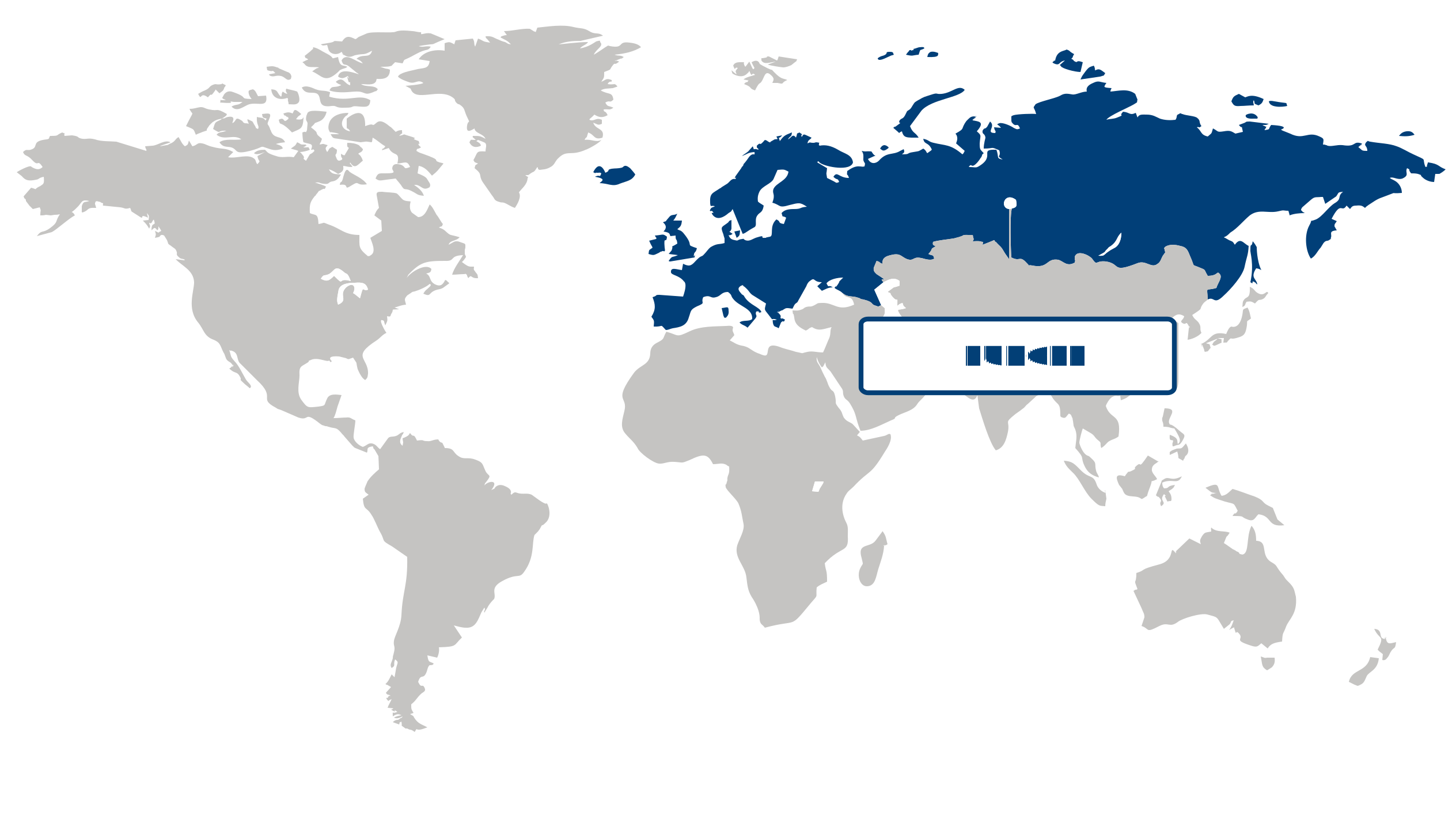
Largest Region
Europe
37.59% Market Share in 2025
Europe Market Statistics:
Europe represented more than 37.59% of the global earthen plasters market in 2025, establishing itself as the largest and fastest-growing region in this sector. This dominance is primarily attributed to a pronounced shift towards sustainable building practices and eco-friendly policies, which resonate strongly with consumer preferences for environmentally responsible materials. The region's robust regulatory framework encourages the adoption of natural building materials, aligning with broader sustainability goals set by organizations such as the European Union's Green Deal. Moreover, the increasing consumer awareness regarding the environmental impact of construction materials is driving demand for earthen plasters, which are perceived as both aesthetically pleasing and sustainable. As a result, the European earthen plasters market is poised for significant growth, presenting ample opportunities for investors and stakeholders seeking to capitalize on this trend.
Germany anchors the earthen plasters market in Europe, leveraging its strong commitment to sustainability and innovative building practices. The country's regulatory environment promotes the use of eco-friendly materials, with initiatives from the Federal Ministry for Economic Affairs and Energy advocating for green construction methods. This has fostered a competitive landscape where companies are increasingly adopting earthen plasters as a viable alternative to conventional materials. For instance, the German Sustainable Building Council has recognized various projects that utilize earthen plasters, highlighting their contribution to energy efficiency and indoor air quality. As consumer demand for sustainable options continues to rise, Germany's strategic positioning in the earthen plasters market reinforces its role as a leader in the region.
France also plays a pivotal role in the European earthen plasters market, driven by a cultural appreciation for traditional building techniques and a growing emphasis on sustainability. The French government has implemented several eco-friendly policies that encourage the use of natural materials in construction, aligning with the national objective of reducing carbon emissions. For example, the Ministry of Ecological Transition has supported initiatives that promote the use of earthen materials, showcasing their benefits through various public projects. This cultural inclination towards sustainable practices, combined with regulatory support, positions France as a significant player in the earthen plasters market, thereby enhancing regional opportunities for growth and investment.
Asia Pacific Market Analysis:
The Asia Pacific region has emerged as the fastest-growing market for earthen plasters, registering a robust CAGR of 4.9%. This growth is primarily driven by the increasing emphasis on green construction and affordability, which resonate strongly with consumer preferences for sustainable building materials. As urbanization accelerates and environmental concerns rise, the demand for eco-friendly alternatives like earthen plasters is gaining momentum. This shift reflects broader trends in consumer spending patterns, where sustainability is becoming a key criterion in purchasing decisions. Recent reports from the Asian Development Bank highlight a significant push towards sustainable construction practices, further validating the region's pivotal role in the earthen plasters market. With a growing awareness of the benefits of natural materials, the Asia Pacific market presents substantial opportunities for innovation and expansion in the earthen plasters segment.
Japan plays a crucial role in the earthen plasters market, characterized by a strong cultural inclination towards traditional building practices and sustainable living. The growing green construction movement aligns with Japan's commitment to environmental sustainability, as evidenced by the Ministry of the Environment’s initiatives promoting eco-friendly materials. Consumers in Japan are increasingly valuing the aesthetic and health benefits of earthen plasters, driving demand in both residential and commercial sectors. Additionally, the regulatory environment is supportive of sustainable building practices, with incentives for using natural materials. This trend not only enhances the market position of earthen plasters but also fosters innovation in product development. As Japan continues to embrace sustainable construction, it reinforces the region's overall growth potential in the earthen plasters market.
China's role in the earthen plasters market is equally significant, driven by rapid urbanization and a burgeoning middle class seeking affordable yet sustainable housing options. The government’s focus on green building initiatives, as outlined in the 13th Five-Year Plan, has spurred interest in natural construction materials, including earthen plasters. Chinese consumers are increasingly aware of the environmental impact of their choices, leading to a shift in purchasing behavior towards sustainable products. The competitive landscape is evolving, with local manufacturers investing in technology to enhance the performance of earthen plasters while maintaining affordability. This dynamic not only meets the growing demand for eco-friendly materials but also positions China as a key player in the Asia Pacific earthen plasters market. The country's commitment to sustainable development, coupled with its large consumer base, underscores the significant opportunities that lie ahead in this sector.
North America Market Trends:
The earthen plasters market in North America has maintained a notable presence, characterized by moderate growth driven by increasing consumer awareness of sustainable building materials and a shift towards eco-friendly construction practices. This region is significant due to its robust demand for natural alternatives in the construction sector, influenced by heightened sustainability priorities among both consumers and regulatory bodies. The growing emphasis on environmentally responsible building solutions, coupled with advancements in technology and operational efficiencies, has fostered a competitive landscape where innovative products are emerging. For instance, the U.S. Green Building Council has reported a rise in LEED-certified projects, reflecting a shift in spending patterns toward sustainable materials, which enhances the attractiveness of earthen plasters. As the market evolves, North America presents substantial opportunities for growth, particularly as consumers increasingly prioritize health-conscious and environmentally friendly living spaces.
In the U.S., the earthen plasters market plays a pivotal role, benefiting from a cultural shift towards sustainability and natural building materials. This is exemplified by the growing popularity of earthen plaster workshops and educational programs, such as those offered by the Natural Building Network, which aim to equip builders and homeowners with knowledge about sustainable practices. Regulatory support, including initiatives to reduce carbon footprints in construction, has further catalyzed this trend, making earthen plasters an appealing choice for both new constructions and renovations. The competitive intensity in the U.S. market is underscored by the presence of companies like American Clay, which has successfully positioned itself as a leader in the natural plaster segment through innovative product offerings. As the U.S. continues to embrace sustainable building trends, it reinforces the region's potential in the earthen plasters market, presenting strategic opportunities for investors and stakeholders.
No card data available for this language/report.
Segment Leadership and Growth Trends
Analysis by Composition
The earthen plasters market is predominantly represented by clay-based plasters, which held a commanding 67.9% share in 2025. This segment leads due to its natural and breathable properties, making it a preferred choice for sustainable construction practices. The increasing consumer preference for environmentally friendly materials aligns with global sustainability initiatives, as evidenced by the United Nations Environment Programme's emphasis on eco-friendly building solutions. Established firms can leverage this trend to enhance their product lines, while emerging players can capitalize on the growing demand for organic materials. As awareness of environmental impacts continues to rise, clay-based plasters are expected to remain a staple in construction projects.
Analysis by Application
In the earthen plasters market, interior plasters captured over 51.5% share in 2025, underscoring their significant role in residential and commercial applications. The segment's leadership stems from its eco-friendly and aesthetic appeal, which resonates with homeowners seeking sustainable yet visually pleasing options. This trend is reinforced by the Green Building Council's advocacy for sustainable interior materials, driving demand for products that enhance indoor air quality. Established firms can benefit from this shift by innovating in design and functionality, while new entrants can find opportunities in niche markets focused on bespoke interior solutions. As consumer preferences evolve towards sustainability and aesthetics, interior plasters are poised for continued relevance.
Analysis by Building Type
The earthen plasters market is significantly influenced by the residential segment, which contributed 58.2% in 2025. This dominance is driven by the growing trend toward sustainable building materials among homeowners and builders alike. Regulatory support for green construction, highlighted by initiatives from the International Code Council, further fuels this segment's growth. Established companies can enhance their market positions by adopting innovative practices and expanding their product offerings, while emerging players can tap into the increasing demand for sustainable residential solutions. Given the ongoing focus on eco-friendly construction, the residential segment is likely to maintain its prominence in the near future.
| Report Segmentation | |||
| Segment | Sub-Segment | Largest Segment | Fastest Growing Segment |
|---|---|---|---|
| Composition | Clay-Based Plasters, Straw-Clay Plasters | ||
| Application | Interior Plasters, Exterior Plasters, Structural Plasters | ||
| Building Type | Residential, Commercial, Public and Community Buildings | ||
 Read our Research Approach
Competitive Landscape and Market Positioning
Key players in the earthen plasters market include prominent companies such as Clayworks, American Clay, Claytec, ClayLime, Earth Plaster, Tierrafino, Argilus, Clay Plaster Company, Eco Plaster, and Natural Building Technologies. These organizations are recognized not only for their innovative product offerings but also for their commitment to sustainability and eco-friendly construction practices. For instance, Clayworks and American Clay have established themselves as leaders in promoting natural building materials, effectively influencing market trends and consumer preferences towards environmentally responsible choices. Each player brings unique strengths to the table, with regional expertise and specialized product lines that cater to diverse customer needs and preferences within the earthen plaster segment.
The competitive landscape of the earthen plasters market is characterized by dynamic interactions among these top players, who are actively engaging in initiatives that enhance their market presence and drive innovation. Collaborations and partnerships are increasingly common, allowing companies to pool resources and knowledge, thereby accelerating product development and market penetration. Recent advancements in technology and research have led to the introduction of novel formulations that improve performance and application methods, positioning these players favorably against emerging competitors. As the market evolves, the strategic maneuvers of these companies, including targeted product launches and adaptations to consumer demands, are shaping a more competitive and resilient environment in the earthen plaster sector.
Strategic / Actionable Recommendations for Regional Players
In North America, there is a growing interest in sustainable building practices, creating opportunities for local players to forge partnerships with architects and builders who prioritize eco-friendly materials. By aligning with influential stakeholders in the construction industry, companies can enhance their visibility and credibility, fostering a stronger market presence. Additionally, leveraging advancements in application technologies can streamline processes and improve customer satisfaction, ultimately contributing to market growth.
In the Asia Pacific region, the rising demand for natural and sustainable building materials presents a unique opportunity for companies to target high-growth sub-segments, particularly in urban areas where green building initiatives are gaining traction. Engaging with local communities and educational institutions can facilitate knowledge sharing and innovation, enabling players to tailor their offerings to meet specific regional needs while enhancing brand loyalty.
For players in Europe, responding to competitive initiatives through strategic alliances with environmental organizations can amplify their sustainability credentials and differentiate their products in a crowded market. Emphasizing the health benefits of earthen plasters, particularly in residential applications, can resonate with environmentally conscious consumers. Investing in marketing campaigns that highlight these attributes can further solidify their position as leaders in the sustainable construction sector.
Why Choose Us
Specialized Expertise: Our team comprises industry experts with a deep understanding of your market segment. We bring specialized knowledge and experience that ensures our research and consulting services are tailored to your unique needs.
Customized Solutions: We understand that every client is different. That's why we offer customized research and consulting solutions designed specifically to address your challenges and capitalize on opportunities within your industry.
Proven Results: With a track record of successful projects and satisfied clients, we have demonstrated our ability to deliver tangible results. Our case studies and testimonials speak to our effectiveness in helping clients achieve their goals.
Cutting-Edge Methodologies: We leverage the latest methodologies and technologies to gather insights and drive informed decision-making. Our innovative approach ensures that you stay ahead of the curve and gain a competitive edge in your market.
Client-Centric Approach: Your satisfaction is our top priority. We prioritize open communication, responsiveness, and transparency to ensure that we not only meet but exceed your expectations at every stage of the engagement.
Continuous Innovation: We are committed to continuous improvement and staying at the forefront of our industry. Through ongoing learning, professional development, and investment in new technologies, we ensure that our services are always evolving to meet your evolving needs.
Value for Money: Our competitive pricing and flexible engagement models ensure that you get maximum value for your investment. We are committed to delivering high-quality results that help you achieve a strong return on your investment.
Select Licence Type

