Electric Baseboard Heater Market Size & Growth Forecast 2027–2036, By Segments (Type, Product, Application, Distribution Channel), Regional Demand Trends (North America, Asia Pacific, Europe), Key Country Insights (U.S., Japan, South Korea, Germany, France, Italy), and Competitive Landscape
Jump to Content
Market Size and Growth Outlook
Electric Baseboard Heater Market size was more than USD 2.98 billion in 2026 and is set to grow at a 4.1% CAGR between 2027 and 2036, exceeding USD 4.45 billion by 2036. The industry revenue for 2027 is assessed at USD 3.08 billion.
Get more details on this report
Request Free Sample ReportElectric Baseboard Heater Market Intelligence Snapshot
Regional Market Dynamics
- Europe held 55.41% of the market, benefiting from established residential heating infrastructure, demand for localized temperature control, property modernization, and replacement of aging heating systems.
- Asia Pacific growth is supported by residential construction, urbanization, expanding electrical infrastructure, and increasing demand for convenient indoor heating and programmable temperature-control solutions in colder areas.
Segment Momentum
- Fixed baseboard heaters held 75.07% of the market in 2026, reflecting demand for dependable, permanent, room-specific heating. Their compatibility with existing electrical systems and ability to provide consistent warmth support adoption across residential and other buildings.
- Portable baseboard heaters are gaining momentum because they offer flexible supplemental heating without permanent installation. Their ability to move between rooms suits renters, temporary workspaces, and households seeking targeted warmth based on changing comfort requirements.
Market Expansion Drivers
- Adoption in residential and renovation projects.
- Integration with smart home and energy-efficient systems.
- Energy efficiency regulations and incentives.
Leading Market Participants
- Key companies in the electric baseboard heater market include Stelpro (Canada), Cadet Manufacturing (USA), Marley Engineered Products (USA), King Electric (USA), Dimplex (Ireland), Chromalox (USA), Fahrenheat (USA), Ouellet (Canada), Convectair (France), Thermolec (Canada).
Global Market Forecast Snapshot
Market Outlook
- 2026 Market Size: USD 2.98 billion
- 2027 Estimated Market Size: USD 3.08 billion
- Projected Market Size: USD 4.45 billion by 2036
- Growth Forecast: 4.1% CAGR (2027-2036)
Regional and Segment Outlook
- Leading Regional Market: Europe
- High-Growth Regional Hub: Asia Pacific
- Core Revenue Segment: Type (Fixed Baseboard Heater) | Product (Electric Type) | Application (Residential) | Distribution Channel (Retail Stores)
- Emerging Opportunity Segment: Type (Portable Baseboard Heater) | Product (Electric Type) | Application (Residential) | Distribution Channel (Retail Stores)
Market Growth Drivers and Industry Trends
Adoption in residential and renovation projects
Adoption in residential and renovation projects is supporting demand for electric baseboard heaters as homeowners seek practical heating solutions that can be installed with limited structural modifications. Their compatibility with room-specific heating requirements, straightforward installation, and suitability for spaces without extensive ductwork make them relevant for both new construction and remodeling activities. Growing interest in improving indoor comfort during renovation projects is further encouraging the replacement or supplementation of existing heating systems with localized electric heating solutions.
Integration with smart home and energy-efficient systems
Integration with smart home and energy-efficient systems is creating new growth opportunities by enabling electric baseboard heaters to become part of connected residential heating environments. Compatibility with programmable controls, smart thermostats, occupancy-based settings, and remote temperature management allows users to adjust heating according to household schedules and room usage. This greater level of control can improve heating management while supporting consumer demand for connected home technologies that prioritize convenience, comfort, and efficient energy use.
Energy efficiency regulations and incentives
Energy efficiency regulations and incentives are influencing the adoption of electric baseboard heating by encouraging consumers and property developers to consider heating technologies that align with evolving efficiency requirements. Regulatory efforts focused on reducing energy consumption and improving building performance are prompting greater attention toward controllable and efficient heating systems. Incentive programs and efficiency-oriented renovation initiatives can further encourage upgrades, particularly where electric heating can be incorporated into broader residential modernization and energy management strategies.
| Growth Driver | Impact on CAGR | Regulatory Influence | Geographic Relevance | Adoption Rate | Impact Timeline |
|---|---|---|---|---|---|
| Adoption in residential and renovation projects | 1.5% | Short term (≤ 2 yrs) | North America; Europe; spillover Asia Pacific | Low | Fast |
| Integration with smart home and energy-efficient systems | 1.8% | Medium term (2–5 yrs) | North America; Europe; spillover Asia Pacific | Medium | Moderate |
| Energy efficiency regulations and incentives | 0.7% | Long term (5+ yrs) | Europe; North America; spillover Asia Pacific | High | Slow |
Explore Growth Opportunities
Request Free Sample ReportRegional Demand Dynamics
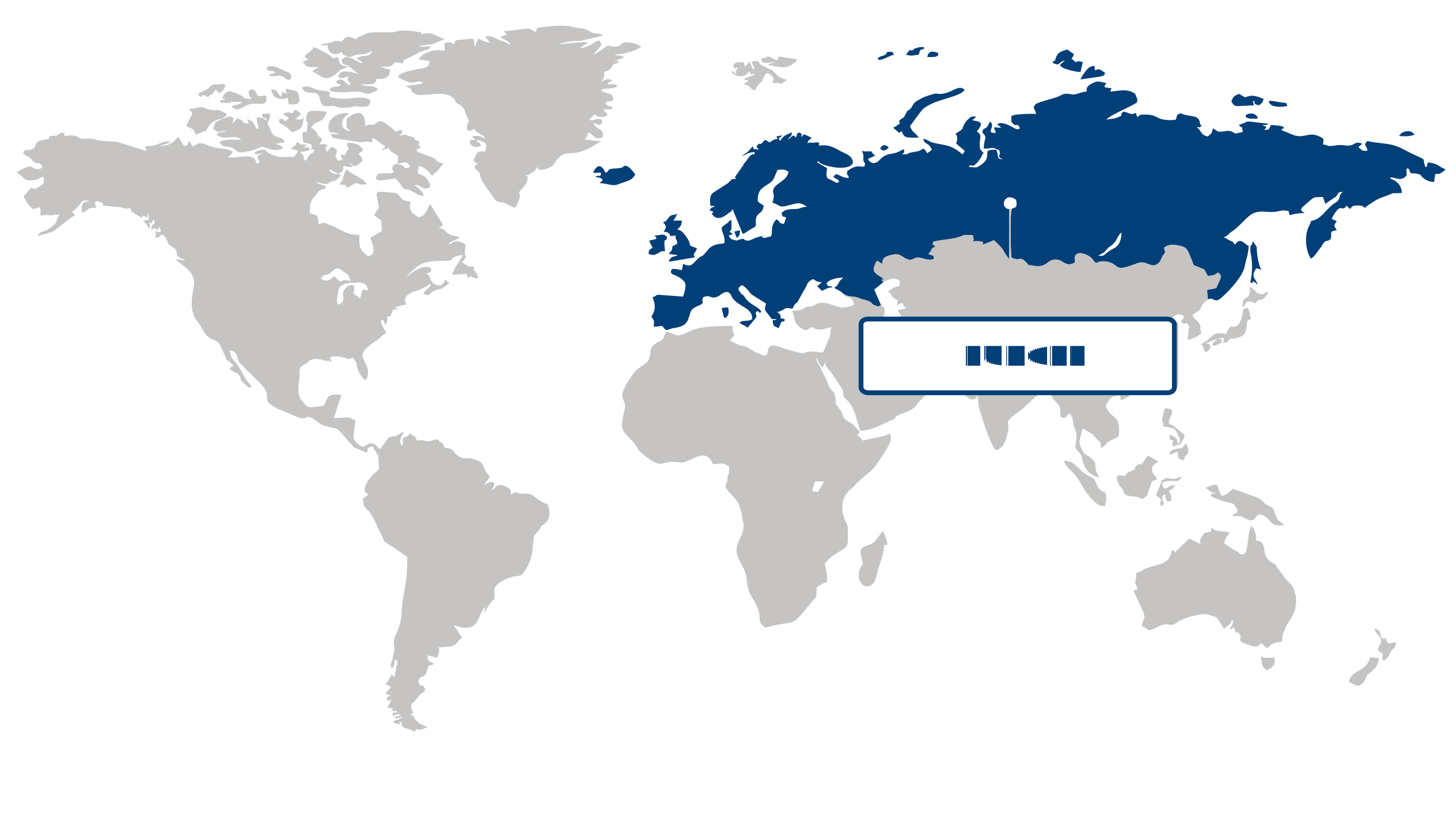
Europe (Largest Region)
The Europe electric baseboard heater market accounted for the largest market share of 55.41%. This dominance is supported by established residential heating infrastructure, demand for localized temperature control, and the continued use of electric heating solutions in homes and smaller commercial spaces. Electric baseboard heaters offer a relatively straightforward heating option for individual rooms, making them suitable for applications where centralized heating systems may be impractical or where supplementary heating is required. The region’s varied climate conditions and emphasis on indoor thermal comfort contribute to demand for dependable heating equipment. In addition, the modernization of residential properties and the need to replace aging heating systems are supporting opportunities for electric baseboard heater adoption. Growing attention to energy efficiency is also influencing purchasing decisions, with consumers increasingly considering thermostat control, programmable operation, and improved temperature management. The integration of electric heating into buildings with upgraded insulation and energy-management systems further supports its role in localized heating applications.
Asia Pacific (Fastest-Growing Region)
Asia Pacific is expected to be the fastest-growing region in the electric baseboard heater market, driven by residential construction, urbanization, and increasing demand for indoor heating in colder climates. Expanding housing development and improvements in residential living standards are creating opportunities for modern heating equipment across markets with seasonal or regionally concentrated heating requirements. In colder areas, consumers are increasingly focused on maintaining comfortable indoor temperatures, particularly in bedrooms, living spaces, and other rooms requiring independent temperature control. The development of modern residential buildings and the expansion of electrical infrastructure are also improving the feasibility of adopting electric heating solutions. Furthermore, demand for convenient installation and localized heating is creating opportunities for electric baseboard heaters in properties where extensive centralized heating systems may be less practical. Growing interest in programmable thermostats and temperature-control features is encouraging demand for more manageable heating solutions. However, adoption will continue to vary according to regional climate conditions, electricity costs, and the availability of competing heating technologies. Continued residential modernization and increasing attention to indoor comfort are expected to support the region’s market expansion.
| Parameter | North America | Asia Pacific | Europe | Latin America | MEA |
|---|---|---|---|---|---|
| Innovation HubiScaleNascentDeveloping Advanced | |||||
| Cost-Sensitive RegioniScaleLowMedium High | |||||
| Regulatory EnvironmentiScaleRestrictiveNeutral Supportive | |||||
| Demand DriversiScaleWeakModerate Strong | |||||
| Development StageiScaleEmergingDeveloping Developed | |||||
| Adoption RateiScaleLowMedium High | |||||
| New Entrants / StartupsiScaleSparseModerate Dense | |||||
| Macro IndicatorsiScaleWeakStable Strong |
Key Country Insights
United States 🇺🇸
Retrofit Heating SolutionsIn the U.S., electric baseboard heaters remain relevant for room-level heating, supplemental heat, and retrofit applications where centralized systems are impractical. Manufacturers can prioritize programmable controls, energy-efficient operation, quiet performance, straightforward installation, and smart-home integration for residential replacement and renovation demand.
Germany 🇩🇪
Efficient Electric HeatingGermany's electric baseboard heater market is closely tied to energy efficiency, building modernization, and precise room-level temperature control. Product priorities include advanced thermostatic controls, efficient heat management, compact designs, and compatibility with increasingly electrified residential heating systems and renovation projects.
Japan 🇯🇵
Space-Efficient Room HeatingJapan's market benefits from demand for localized heating suited to compact residential spaces and room-specific comfort needs. Suppliers can emphasize slim form factors, quiet operation, precise temperature regulation, safety features, and controls that integrate conveniently into space-conscious household environments.
South Korea 🇰🇷
Zoned Residential HeatingSouth Korea's opportunity centers on controllable room-level heating within increasingly technology-enabled homes. Manufacturers can develop compact baseboard systems with responsive thermostats, programmable operation, safety controls, and smart connectivity, particularly for supplemental heating and applications where localized temperature management is valuable.
France 🇫🇷
Supplemental Electric HeatingFrance's electric baseboard heater demand is relevant to supplemental heating, renovations, and properties requiring flexible room-level temperature control. Market priorities include efficient thermostats, programmable scheduling, unobtrusive designs, and straightforward installation that can complement broader residential heating systems without extensive structural changes.
Italy 🇮🇹
Retrofit Room HeatingItaly offers a practical market for electric baseboard heaters in residential renovations, secondary heating applications, and spaces where extending central heating is less convenient. Suppliers can focus on compact installation, precise controls, low-maintenance operation, and designs that fit varied residential interiors.
Electric Baseboard Heater Market Share (%), by Type, 2026
Go beyond the chart, access full insights & data tables
Request Free Sample ReportType Segment Analysis: Fixed Baseboard Heater (Largest Segment) vs Portable Baseboard Heater (Fastest-Growing Segment)
Fixed baseboard heaters accounted for the largest market share of 75.07% in 2026, supported by their established use as a dependable and permanent heating solution across residential and other built environments. Fixed baseboard heaters are integrated into designated spaces and provide consistent, room-specific heating without requiring users to reposition the equipment during operation. Their suitability for continuous or seasonal heating, straightforward installation, and compatibility with existing electrical systems has supported widespread adoption in homes and other applications where stable indoor temperature control is required. The ability to provide dedicated heating across individual rooms also makes fixed systems suitable for buildings where zonal temperature management is preferred. These characteristics, combined with established consumer familiarity and their role as a conventional electric heating option, continue to reinforce the leading position of fixed baseboard heaters within the type segment.
The portable baseboard heater segment is expected to grow at the fastest CAGR during the forecast period, driven by increasing demand for flexible and convenient supplemental heating solutions. Portable units allow users to move heating capacity between rooms according to changing occupancy patterns, weather conditions, and individual comfort requirements, making them particularly suitable for spaces where permanent heating installation is impractical or unnecessary. Their flexibility can also benefit renters, temporary workspaces, and households seeking additional warmth in specific areas without modifying existing infrastructure. Growing preference for convenient household appliances and targeted heating solutions is further supporting interest in portable formats. As consumers increasingly seek adaptable heating options that can complement existing systems and respond to varying room-level requirements, demand for portable baseboard heaters is expected to expand their market share at a faster pace in 2026.
Product Segment Analysis: Electric Type (Largest & Fastest-Growing Segment)
Electric heating products accounted for the largest market share of 79.87% in 2026 in the electric baseboard heater market and are also expected to register the fastest growth during the forecast period. The strong position of electric heating products is supported by their ability to provide direct, controllable heat without requiring fuel storage, combustion infrastructure, or extensive distribution systems. Electric baseboard heaters are particularly suitable for buildings where room-by-room heating is preferred, allowing users to regulate temperatures according to individual occupancy and comfort requirements. Their relatively straightforward installation and compatibility with existing electrical infrastructure further support adoption across residential and other building environments. Increasing attention toward efficient household energy use and the demand for convenient heating technologies are also encouraging the use of electric heating solutions. As consumers and property owners seek flexible temperature control and reliable supplemental heating, the established advantages of electric baseboard heaters are expected to support both their dominant position and continued growth.
Application Segment Analysis: Residential (Largest & Fastest-Growing Segment)
Residential application accounted for the largest share of 47.28% in 2026 and is also projected to experience the fastest market share growth during the forecast period. Residential demand is supported by the widespread need for dependable space heating in homes, particularly where individual room temperature control and localized heating are important. Electric baseboard heaters can provide dedicated warmth to bedrooms, living areas, and other occupied spaces while allowing households to adjust heating according to room usage and personal comfort preferences. Their suitability for supplemental heating also makes them relevant in homes where existing heating systems do not adequately address specific areas. Increasing attention to indoor comfort, renovation activity, and the adoption of convenient electric heating appliances are expected to further support residential demand. The flexibility of baseboard heating for both primary and supplementary applications positions the residential sector as an important contributor to continued market expansion in 2026.
| Segment | Sub-Segment | Largest Segment | Fastest Growing |
|---|---|---|---|
| Type | Portable Baseboard Heater, Fixed Baseboard Heater | Fixed Baseboard Heater | Portable Baseboard Heater |
| Product | Electric Type, Hydronic Type | Electric Type | Electric Type |
| Application | Residential, Commercial, Industrial | Residential | Residential |
| Distribution Channel | Online, Retail Stores, Wholesale Stores, Others | Retail Stores | Retail Stores |
Unlock insights tailored to your business with our bespoke market research solutions.
Click to get your customized report now.
Competitive Landscape and Market Positioning
Analyst Perspective:
Manufacturers of electric baseboard heaters compete primarily by balancing heating control, functional design, and consumer safety. Advanced offerings incorporate room-level zoning and programmable thermostat compatibility, enabling localized temperature schedules that appeal to cost-conscious households. Beyond digital controls, physical architecture plays a decisive role: slim-profile units with versatile wall-mount configurations help preserve floor space in modern apartments and retrofit projects. Because electric resistance heating relies on fixed point-of-use energy conversion, suppliers optimize operational efficiency through precise wattage options and accurate thermal sensors. Underlying these functional choices is a strong focus on safety, where reliable thermal cutoffs and controlled surface temperatures ensure consistent regulatory compliance and build consumer confidence in residential settings.
Prominent players in the electric baseboard heater market:
- Stelpro (Canada)
- Cadet Manufacturing (USA)
- Marley Engineered Products (USA)
- King Electric (USA)
- Dimplex (Ireland)
- Chromalox (USA)
- Fahrenheat (USA)
- Ouellet (Canada)
- Convectair (France)
- Thermolec (Canada)
| Company | Market Share | Company Revenue | Revenue CAGR (%) | Product Portfolio | Geographic Presence | Innovation / R&D Focus | Strategic Developments |
|---|---|---|---|---|---|---|---|
| Stelpro (Canada) | |||||||
| Cadet Manufacturing (USA) | |||||||
| Marley Engineered Products (USA) | |||||||
| King Electric (USA) | |||||||
| Dimplex (Ireland) | |||||||
| Chromalox (USA) | |||||||
| Fahrenheat (USA) | |||||||
| Ouellet (Canada) | |||||||
| Convectair (France) | |||||||
| Thermolec (Canada) |
Industry Development/News
| Company Name | Date | Key Development |
|---|---|---|
| King Electric | May 2025 | King Electric introduced the KBSH Series stainless steel unit heater, engineered to elevate temperatures in unoccupied industrial and commercial environments up to 160°F. The system features durable stainless steel construction, a sealed enclosure for harsh settings, and a remote-mounted control panel to ensure precise temperature maintenance in demanding applications like curing chambers and food processing areas. |
| Danfoss | April 2025 | Danfoss expanded its partnership with Assemblin Caverion Group through a strategic agreement aimed at advancing energy-efficient and sustainable building solutions. The collaboration focuses on upgrading diverse facility types, such as hospitals, schools, and data centers, with modern, high-performance energy systems to improve overall operational efficiency and sustainability. |
Customize Your Report
Explore examples of how this report can be tailored to different research needs, including custom segments, additional topics or chapters, and related reports. Click a section of the wheel or its numbered marker to explore the available options.
Electric Baseboard Heater Market — Custom Segments
| Segment | Sub-Segment |
|---|---|
| Heating Capacity | Up to 1,000 W, 1,001–2,000 W, 2,001–3,000 W, Above 3,000 W |
| Thermostat Control | Manual Thermostat, Programmable Thermostat, Digital Thermostat, Smart Thermostat |
| Installation Status | New Construction, Replacement & Retrofit |
Electric Baseboard Heater Market — Custom TOC
| Custom Chapter | Chapter Details |
|---|---|
| Electrification-Driven Replacement Opportunity |
|
| Smart Heating Controls Integration |
|
| Utility Rebate & Incentive Landscape |
|
Need a different cut of the data?
Request Custom ResearchFrequently Asked Questions
What is the market size of the electric baseboard heater market?
How much is the electric baseboard heater industry expected to grow by 2036?
How is residential modernization supporting demand for electric baseboard heaters?
How are smart-home technologies changing electric baseboard heating adoption?
Why do fixed baseboard heaters dominate the electric baseboard heater market?
Why are portable baseboard heaters expected to grow faster than fixed models?
What supports Europe's leading position in the electric baseboard heater market?
Why is Asia Pacific expected to grow fastest in the electric baseboard heater market?
Who are the leading players in the electric baseboard heater landscape?
Our Clients
"The information presented in the report was genuinely insightful. The data was clear and easy to understand, which made it much easier to interpret the findings."
Amara Raja Group
"The responsiveness and professionalism exhibited by the team were exemplary. They were readily available to address queries, provide clarifications, and offer additional insights."
ONGC
"The reports offered a comprehensive analysis of various segments within the market. The detailed insights into market trends, and regulatory landscapes were excellent."
TotalEnergies
Our Research Team & Methodology
Every Fundamental Business Insights report is built by a dedicated vertical research team, validated through a structured primary-and-secondary methodology, and reviewed for accuracy before it reaches you.
This report was prepared by the Energy & Power Research Team at Fundamental Business Insights, a dedicated research group specializing in global energy markets, power generation technologies, and energy infrastructure. Our analysts continuously monitor developments in renewable energy, conventional power generation, grid modernization, energy storage, transmission and distribution infrastructure, decarbonization initiatives, regulatory policies, energy investments, and evolving electricity demand across residential, commercial, and industrial sectors to deliver timely and reliable market intelligence. The research is developed using a structured methodology that combines primary discussions with utility companies, equipment manufacturers, technology providers, project developers, energy consultants, and industry experts, along with company annual reports, government energy statistics, regulatory publications, industry associations, technical publications, and other authoritative secondary sources. Market estimates are validated through multiple research techniques, including top-down and bottom-up analysis, before undergoing an internal quality review to ensure accuracy, consistency, and methodological integrity prior to publication.
Delivery
Published
Available
Support
- Market Size & Forecast
- Market Segmentation
- Regional Analysis
- Growth Drivers & Challenges
- Market Dynamics
- Competitive Landscape
- Company Profiles
- Competitive Benchmarking
- Mergers & Acquisitions
- Market Share Analysis or Key Company Strategies
- Value Chain Analysis
- Porter's Five Forces
- PESTLE Analysis
- Pricing Trends
- Supply-Demand Analysis
- Technology Landscape
- Regulatory Landscape
- Investment & Funding Landscape
- Emerging Opportunities
- Future Market Outlook