Electric Underfloor Heating Market Size & Growth Forecast 2027–2036, By Segments (Facility, Application), Regional Demand Trends (North America, Asia Pacific, Europe), Key Country Insights (U.S., Japan, South Korea, Germany, France, Italy), and Competitive Landscape
Jump to Content
Market Size and Growth Outlook
Electric Underfloor Heating Market size stood at USD 2.8 billion in 2026 and is predicted to grow at a 4.75% CAGR from 2027 to 2036, surpassing USD 4.45 billion by 2036. The industry revenue for 2027 is estimated at USD 2.91 billion.
Get more details on this report
Request Free Sample ReportElectric Underfloor Heating Market Intelligence Snapshot
Regional Market Dynamics
- Europe held the largest revenue share in 2026, driven by energy-efficiency standards, sustainable construction, building electrification, and renovation activity across residential and commercial properties.
- Expanding construction, urbanization, and premium housing development are supporting demand, while rising purchasing power, smart home adoption, and greater energy-efficiency awareness encourage deployment.
Segment Momentum
- New buildings represent the largest and fastest-growing facility segment, as integrating electric underfloor heating during construction simplifies installation, improves space planning, and supports energy-efficient building designs with modern heating controls.
- Residential applications lead market demand as homeowners prioritize consistent warmth, space-efficient interiors, and smart temperature controls. Compatibility with programmable thermostats and zoning systems further supports adoption across bathrooms, kitchens, and bedrooms.
Market Expansion Drivers
- Growing adoption of energy-efficient electric underfloor heating systems.
- Technological improvements in smart and automated heating solutions.
- Expansion of residential and commercial construction in emerging regions.
Leading Market Participants
- Top players in the electric underfloor heating market include Warmup (UK), nVent Electric (USA), Danfoss (Denmark), Nexans (France), ThermoSoft (USA), Raychem (USA), Magnum Heating (Netherlands), Devi (Denmark), SunTouch (USA), Flexel International (UK).
Global Market Forecast Snapshot
Market Outlook
- 2026 Market Size: USD 2.8 billion
- 2027 Estimated Market Size: USD 2.91 billion
- Projected Market Size: USD 4.45 billion by 2036
- Growth Forecast: 4.75% CAGR (2027-2036)
Regional and Segment Outlook
- Leading Regional Market: Europe
- High-Growth Regional Hub: Asia Pacific
- Core Revenue Segment: Facility (New Buildings) | Application (Residential)
- Emerging Opportunity Segment: Facility (New Buildings) | Application (Residential)
Market Growth Drivers and Industry Trends
Growing adoption of energy-efficient electric underfloor heating systems
The growing adoption of energy-efficient electric underfloor heating systems is supporting market growth as consumers and building operators increasingly seek heating solutions that provide consistent indoor comfort while improving energy utilization. Electric underfloor heating distributes heat evenly across floor surfaces, reducing reliance on conventional heating methods and enabling greater control over indoor temperatures. Increasing awareness of energy conservation, combined with the demand for comfortable and space-efficient heating systems, is encouraging adoption across residential and commercial buildings.
Technological improvements in smart and automated heating solutions
Technological improvements in smart and automated heating solutions are enhancing the functionality and attractiveness of electric underfloor heating systems. Integration with smart thermostats, sensors, mobile controls, and automated scheduling enables users to regulate heating according to occupancy, room conditions, and individual preferences. These capabilities can improve temperature management and energy efficiency while simplifying system operation, supporting greater adoption in modern connected buildings and renovation projects.
Expansion of residential and commercial construction in emerging regions
The expansion of residential and commercial construction in emerging regions is creating new opportunities for electric underfloor heating systems as modern buildings increasingly incorporate advanced heating and energy-management technologies. Rising urbanization, changing construction standards, and increasing demand for improved indoor comfort are encouraging developers to consider efficient heating solutions during building design. The integration of underfloor heating during new construction can also simplify installation and enable systems to be incorporated alongside modern insulation and building automation technologies.
| Growth Driver | Impact on CAGR | Regulatory Influence | Geographic Relevance | Adoption Rate | Impact Timeline |
|---|---|---|---|---|---|
| Growing adoption of energy-efficient electric underfloor heating systems | 1.5% | Short term (≤ 2 yrs) | Europe; North America | Medium | Fast |
| Technological improvements in smart and automated heating solutions | 1.2% | Medium term (2–5 yrs) | Asia Pacific; Europe | Low | Moderate |
| Expansion of residential and commercial construction in emerging regions | 1.9% | Long term (5+ yrs) | North America; Asia Pacific | Medium | Moderate |
Explore Growth Opportunities
Request Free Sample ReportRegional Demand Dynamics
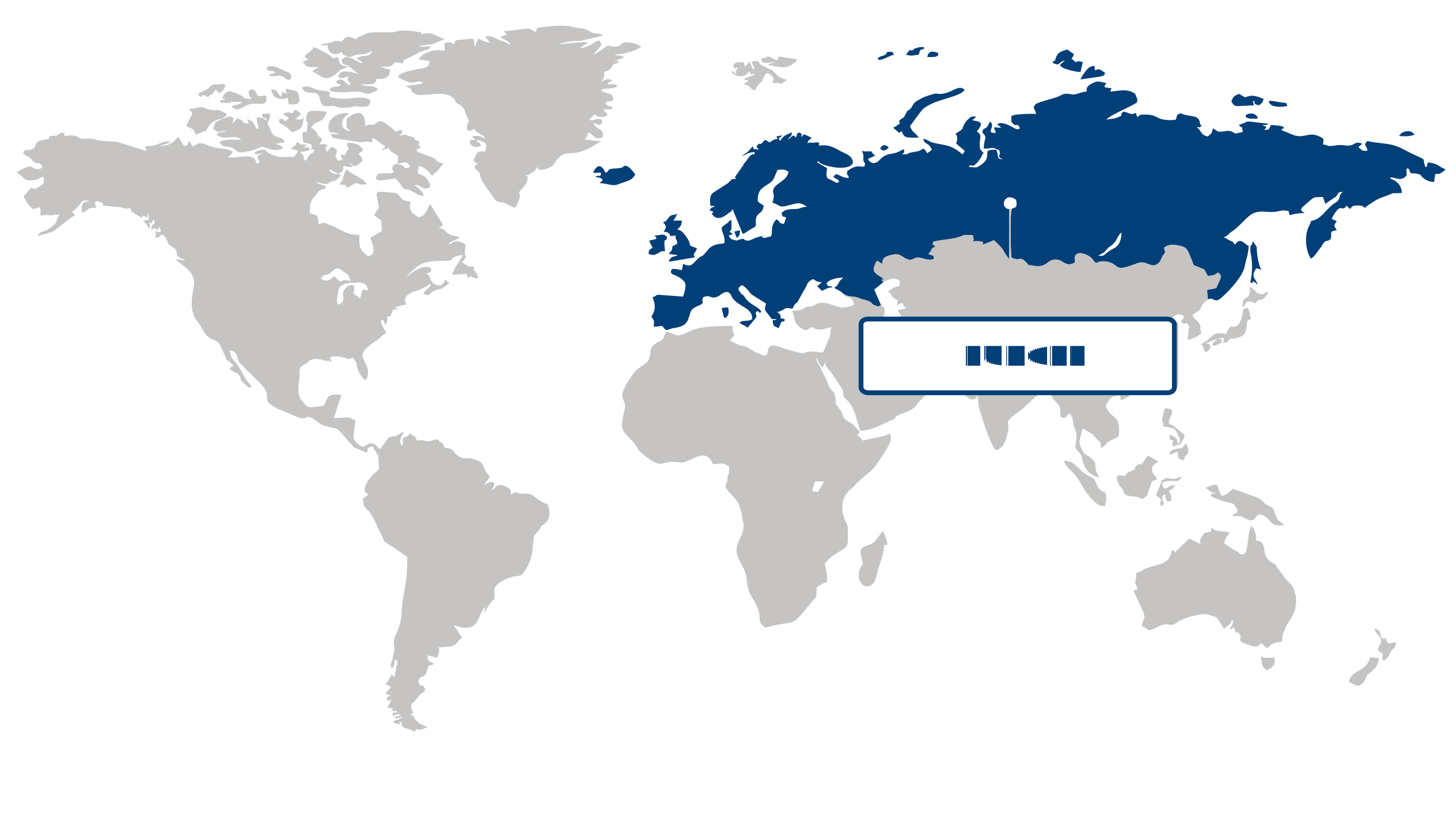
Europe (Largest Region)
Europe held the largest revenue share in 2026, backed by strong demand for energy-efficient heating technologies, stringent building efficiency standards, and increasing emphasis on reducing energy consumption in residential and commercial buildings. Electric underfloor heating systems are gaining adoption as a convenient and controllable heating solution that can complement modern building designs and renovation projects. The region’s focus on sustainable construction, building electrification, and improved indoor comfort is encouraging the integration of electric heating technologies. Growing renovation activity and increasing interest in smart home energy management are further supporting market development, while the transition toward low-carbon heating solutions is creating additional opportunities for electric underfloor heating across residential and commercial applications.
Asia Pacific (Fastest-Growing Region)
Asia Pacific is experiencing rapid growth in the electric underfloor heating market, driven by expanding construction activity, urbanization, and rising demand for modern indoor heating solutions. Increasing development of residential buildings, commercial properties, hospitality facilities, and premium housing is creating new application opportunities for electric heating systems. Growing awareness of energy-efficient technologies and improving household purchasing power are encouraging consumers to adopt advanced heating solutions that provide greater temperature control and comfort. The expansion of smart home technologies and increasing focus on building energy efficiency are also supporting the integration of electric underfloor heating systems across the region.
| Parameter | North America | Asia Pacific | Europe | Latin America | MEA |
|---|---|---|---|---|---|
| Innovation HubiScaleNascentDeveloping Advanced | |||||
| Cost-Sensitive RegioniScaleLowMedium High | |||||
| Regulatory EnvironmentiScaleRestrictiveNeutral Supportive | |||||
| Demand DriversiScaleWeakModerate Strong | |||||
| Development StageiScaleEmergingDeveloping Developed | |||||
| Adoption RateiScaleLowMedium High | |||||
| New Entrants / StartupsiScaleSparseModerate Dense | |||||
| Macro IndicatorsiScaleWeakStable Strong |
Key Country Insights
United States 🇺🇸
Retrofit Heating DemandThe U.S. market prioritizes electric underfloor heating for residential renovations, comfort-focused spaces, and selected new construction applications. Installation flexibility, zoning capabilities, and compatibility with existing electrical systems are important considerations, particularly where homeowners seek localized heating without extensive changes to conventional HVAC arrangements.
Germany 🇩🇪
Energy-Efficient Home HeatingGermany’s priorities center on efficient, controllable heating systems that can integrate with modern residential energy strategies. Electric underfloor heating benefits from applications in renovations and well-insulated buildings, with system controls, installation quality, and compatibility with broader home-energy solutions influencing purchasing decisions.
Japan 🇯🇵
Space-Efficient Comfort HeatingJapan emphasizes compact and controllable heating solutions suited to residential spaces where comfort and installation practicality matter. Electric underfloor heating can address room-specific heating needs, with consumer priorities extending to temperature control, unobtrusive installation, and reliable operation within modern housing environments.
South Korea 🇰🇷
Smart Home Heating IntegrationSouth Korea’s priorities increasingly align electric underfloor heating with digitally controlled residential environments. System connectivity, room-level temperature management, and compatibility with smart-home infrastructure are commercially relevant as homeowners and developers evaluate more flexible ways to manage indoor comfort.
France 🇫🇷
Renovation Heating SolutionsFrance places emphasis on heating solutions that fit residential renovation and comfort-improvement projects. Electric underfloor heating can be positioned around easier integration, room-level control, and unobtrusive installation, particularly where property upgrades require alternatives to bulky conventional heating equipment.
Italy 🇮🇹
Residential Comfort UpgradesItaly’s market priorities are centered on residential comfort, particularly in renovation projects and selectively designed new homes. Electric underfloor heating offers discreet room heating and flexible installation, while system efficiency, controllability, and suitability for different floor constructions remain important factors for adoption.
Electric Underfloor Heating Market Share (%), by Facility, 2026
Go beyond the chart, access full insights & data tables
Request Free Sample ReportFacility Segment Analysis: New Buildings (Largest & Fastest-Growing Segment)
The new buildings segment leads the electric underfloor heating market in 2026 and is also expected to experience the fastest growth, supported by the increasing integration of energy-efficient heating systems during the design and construction of modern properties. Installing electric underfloor heating during new construction allows systems to be incorporated directly into floor structures, enabling efficient space planning and avoiding many of the installation constraints associated with retrofitting existing buildings. The technology provides uniform heat distribution across rooms while eliminating the need for conventional radiators, creating greater flexibility for interior layouts and improving overall occupant comfort. Growing emphasis on building energy efficiency, improved thermal performance, and modern heating infrastructure is encouraging developers and property owners to consider underfloor heating as part of broader building design strategies. In addition, advances in heating elements, controls, and smart thermostatic systems are making electric underfloor heating easier to integrate into contemporary building management environments. These factors are strengthening adoption in new construction projects and supporting the segment's leading position.
Application Segment Analysis: Residential (Largest & Fastest-Growing Segment)
The residential segment leads the electric underfloor heating market and is also projected to grow at the fastest pace in 2026, driven by rising demand for comfortable, energy-conscious, and space-efficient heating solutions in homes. Electric underfloor heating provides consistent warmth across floor surfaces and can improve indoor comfort by reducing cold spots compared with conventional heating arrangements. Its concealed installation also removes the need for wall-mounted radiators, offering homeowners greater flexibility in room design and furniture placement. Increasing interest in smart home technologies is further supporting adoption, as electric underfloor heating systems can be paired with programmable thermostats, zoning controls, and automated temperature management to provide more precise operation. The solution is particularly attractive in bathrooms, kitchens, bedrooms, and other residential spaces where localized comfort is important. As homeowners and developers increasingly prioritize efficient building systems, modern interior design, and controllable heating solutions, residential applications are expected to remain a major contributor to market expansion.
| Segment | Sub-Segment | Largest Segment | Fastest Growing |
|---|---|---|---|
| Facility | New Buildings, Retrofit | New Buildings | New Buildings |
| Application | Residential, Commercial, Industrial | Residential | Residential |
Unlock insights tailored to your business with our bespoke market research solutions.
Click to get your customized report now.
Competitive Landscape and Market Positioning
Analyst Perspective:
Installation flexibility, intelligent temperature control, and long-term reliability define important competitive dimensions in the electric underfloor heating market. Thin-profile heating mats appeal to renovation projects where floor height and installation complexity constrain system selection, while thermal responsiveness depends on the complete floor assembly rather than the heating element alone. Smart thermostats and multi-zone controls strengthen product differentiation by enabling room-specific scheduling and remote adjustment, although realized energy savings remain dependent on insulation, tariffs, and user behavior. In wet-room applications, certified components, compatible waterproofing systems, and clear installation guidance are essential to safe, compliant operation. Cable insulation durability and uniform heat distribution further influence product reliability and user comfort. Manufacturers therefore need to demonstrate dependable system-level performance, compatibility with different floor constructions, and straightforward installation rather than relying solely on individual component specifications.
Key companies in the electric underfloor heating market:
- Warmup (UK)
- nVent Electric (USA)
- Danfoss (Denmark)
- Nexans (France)
- ThermoSoft (USA)
- Raychem (USA)
- Magnum Heating (Netherlands)
- Devi (Denmark)
- SunTouch (USA)
- Flexel International (UK)
| Company | Market Share | Company Revenue | Revenue CAGR (%) | Product Portfolio | Geographic Presence | Innovation / R&D Focus | Strategic Developments |
|---|---|---|---|---|---|---|---|
| Warmup (UK) | |||||||
| nVent Electric (USA) | |||||||
| Danfoss (Denmark) | |||||||
| Nexans (France) | |||||||
| ThermoSoft (USA) | |||||||
| Raychem (USA) | |||||||
| Magnum Heating (Netherlands) | |||||||
| Devi (Denmark) | |||||||
| SunTouch (USA) | |||||||
| Flexel International (UK) |
Industry Development/News
| Company Name | Date | Key Development |
|---|---|---|
| DEVI by Danfoss | January 2026 | DEVI by Danfoss established a new innovation centre at the Building Centre in London to support its innovation activities in electric underfloor heating. The initiative strengthens the company’s dedicated infrastructure for developing and showcasing heating solutions and technologies, reinforcing its operational presence within the built-environment sector. |
| Watts | May 2024 | Watts introduced a new range of electric underfloor heating products for new construction and renovation projects, comprising TapeMat, WarmWire, and HeatMatrix. The portfolio addresses different installation requirements, including adaptable floor layouts and moisture-prone tile or stone applications, while HeatMatrix is designed to simplify and accelerate WarmWire installation. |
| ThermoSphere | May 2023 | ThermoSphere introduced its Membrane Cable featuring in-line joint technology, which integrates hot and cold cable sections during manufacturing. The design creates a more robust cable with joints resistant to installation damage, addressing installation-related failure risks and representing a material functional innovation in electric underfloor heating system installation. |
Customize Your Report
Explore examples of how this report can be tailored to different research needs, including custom segments, additional topics or chapters, and related reports. Click a section of the wheel or its numbered marker to explore the available options.
Electric Underfloor Heating Market — Custom Segments
| Segment | Sub-Segment |
|---|---|
| Heating Technology | Electric Cable Systems, Electric Mat Systems, Electric Foil Systems |
| Control System | Manual Controls, Programmable Thermostats, Smart/Connected Controls |
| Installation Configuration | Wet-Room Systems, Dry-Room Systems, Under-Tile Systems |
Electric Underfloor Heating Market — Custom TOC
| Custom Chapter | Chapter Details |
|---|---|
| Building Electrification Adoption Pathways |
|
| Retrofit Market Opportunity Assessment |
|
| Smart Heating Integration Roadmap |
|
Need a different cut of the data?
Request Custom ResearchFrequently Asked Questions
What is the estimated worth of the electric underfloor heating market?
What is the forecasted size of the electric underfloor heating industry?
How are energy-efficiency priorities accelerating adoption of electric underfloor heating?
Why are smart controls becoming strategically important for electric underfloor heating adoption?
Why do new buildings lead demand in the electric underfloor heating market?
What is driving residential adoption of electric underfloor heating systems?
Why does Europe lead the electric underfloor heating market?
What is driving electric underfloor heating adoption in Asia Pacific?
Which companies are driving growth in the electric underfloor heating landscape?
Our Clients
"Your insights on workforce structures were spot-on. The analysis on mid-to-senior level roles validated some of our hiring decisions and highlighted gaps."
Ateliers De France
"The report gave us insights on competitors in the market. It helped our team refine our bidding strategy for upcoming contracts."
Clark Construction
"The reports provided a deep dive into market trends, and competitive landscape. The strategic insights and recommendations have been very helpful."
Rudolph and Sletten
Our Research Team & Methodology
Every Fundamental Business Insights report is built by a dedicated vertical research team, validated through a structured primary-and-secondary methodology, and reviewed for accuracy before it reaches you.
This report was prepared by the Construction & Manufacturing Research Team at Fundamental Business Insights, a dedicated research group specializing in global construction, building materials, manufacturing processes, and industrial infrastructure markets. The team closely tracks construction activity, infrastructure investments, manufacturing technologies, raw material trends, equipment adoption, labor and productivity developments, sustainability initiatives, regulatory standards, and supply chain dynamics to provide timely and reliable market intelligence. The research is developed using a structured methodology that combines primary discussions with manufacturers, construction companies, equipment suppliers, distributors, contractors, and industry experts, along with company annual reports, government infrastructure statistics, regulatory publications, industry associations, engineering standards, technical publications, and other authoritative secondary sources. Market estimates are validated through multiple research techniques, including top-down and bottom-up analysis, before undergoing an internal quality review to ensure accuracy, consistency, and methodological integrity prior to publication.
Delivery
Published
Available
Support
- Market Size & Forecast
- Market Segmentation
- Regional Analysis
- Growth Drivers & Challenges
- Market Dynamics
- Competitive Landscape
- Company Profiles
- Competitive Benchmarking
- Mergers & Acquisitions
- Market Share Analysis or Key Company Strategies
- Value Chain Analysis
- Porter's Five Forces
- PESTLE Analysis
- Pricing Trends
- Supply-Demand Analysis
- Technology Landscape
- Regulatory Landscape
- Investment & Funding Landscape
- Emerging Opportunities
- Future Market Outlook