Electrochromic Materials Market Size & Growth Forecast 2027–2036, By Segments (Material Type, End-Use Industry, Technology, Application), Regional Demand Trends (North America, Asia Pacific, Europe), Key Country Insights (U.S., Japan, South Korea, Germany, France, Italy), and Competitive Landscape
Jump to Content
Market Size and Growth Outlook
Electrochromic Materials Market size was valued at USD 2.49 billion in 2026 and is anticipated to grow at a 10.92% CAGR from 2027 to 2036, attaining USD 7.02 billion by 2036. The industry revenue for 2027 is assessed at USD 2.73 billion.
Get more details on this report
Request Free Sample ReportElectrochromic Materials Market Intelligence Snapshot
Regional Market Dynamics
- Europe leads through strong smart glass adoption, sustainable construction initiatives, and investment in advanced materials, supporting electrochromic applications in energy-efficient buildings, automotive systems, and displays.
- Rapid urbanization, expanding automotive production, and smart infrastructure investment are increasing demand for electrochromic materials, particularly in energy-efficient buildings, automotive applications, and electronic technologies requiring dynamic optical control.
Segment Momentum
- Metal oxides accounted for 79.33% of the market in 2026, supported by their durability, electrochemical performance, and optical modulation capabilities across smart windows, displays, mirrors, and adaptive optical systems.
- Vapor deposition is the fastest-growing technology segment, driven by demand for uniform, precisely engineered coatings that improve optical performance, switching characteristics, device reliability, and long-term stability.
Market Expansion Drivers
- Development of Smart Windows & Automotive Applications.
- Adoption in Architectural & Consumer Electronics.
- Advances in Material Efficiency & Manufacturing Scalability.
Leading Market Participants
- Major players in the electrochromic materials market include Gentex (USA), Saint-Gobain (France), View Inc. (USA), ChromoGenics (Sweden), AGC (Japan), PPG Industries (USA), Soladigm (USA), Nippon Sheet Glass (Japan), Gauzy (Israel), Kinestral Technologies (USA).
Global Market Forecast Snapshot
Market Outlook
- 2026 Market Size: USD 2.49 billion
- 2027 Estimated Market Size: USD 2.73 billion
- Projected Market Size: USD 7.02 billion by 2036
- Growth Forecast: 10.92% CAGR (2027-2036)
Regional and Segment Outlook
- Leading Regional Market: Europe
- High-Growth Regional Hub: Asia Pacific
- Core Revenue Segment: Material Type (Metal Oxides) | End-Use Industry (Construction & Architecture) | Technology (Solution Processing) | Application (Smart Windows)
- Emerging Opportunity Segment: Material Type (Metal Oxides) | End-Use Industry (Construction & Architecture) | Technology (Vapor Deposition) | Application (Smart Windows)
Market Growth Drivers and Industry Trends
Development of Smart Windows & Automotive Applications
The development of smart windows and automotive applications is accelerating demand for electrochromic materials because of their ability to dynamically regulate light transmission and solar heat without relying on conventional mechanical shading systems. In buildings, electrochromic glazing can improve occupant comfort while supporting energy-efficient lighting and climate control strategies, whereas automotive applications can enhance cabin comfort and reduce heat accumulation. Increasing interest in intelligent surfaces, energy-conscious building designs, and advanced vehicle interiors is expanding the potential application scope of electrochromic technologies across both architectural and mobility environments.
Adoption in Architectural & Consumer Electronics
Increasing adoption of electrochromic materials in architectural projects and consumer electronic devices is driven by the growing demand for adaptive surfaces that combine functionality, aesthetics, and energy efficiency. In commercial and residential buildings, electrochromic glazing can support daylight management, privacy control, and improved indoor environmental conditions, while electronic applications benefit from controllable optical properties in displays and other smart components. The broader shift toward connected, intelligent, and energy-conscious products is encouraging manufacturers and designers to explore electrochromic technologies across a wider range of applications.
Advances in Material Efficiency & Manufacturing Scalability
Advances in material composition, switching performance, durability, and manufacturing processes are strengthening the commercial potential of electrochromic technologies. Improvements in optical switching speed, color stability, transparency, and operational lifetime are helping address limitations associated with earlier electrochromic systems and expanding their suitability for demanding applications. At the same time, efforts to simplify fabrication and improve production scalability are supporting more consistent manufacturing and helping reduce barriers to broader adoption, particularly as demand increases for smart glazing and other adaptive optical products.
| Growth Driver | Impact on CAGR | Regulatory Influence | Geographic Relevance | Adoption Rate | Impact Timeline |
|---|---|---|---|---|---|
| Development of Smart Windows & Automotive Applications | 4% | Short term (≤ 2 yrs) | North America; Europe; Spillover: Asia Pacific | Medium | Fast |
| Adoption in Architectural & Consumer Electronics | 3% | Medium term (2–5 yrs) | North America; Asia Pacific | Medium | Moderate |
| Advances in Material Efficiency & Manufacturing Scalability | 4% | Long term (5+ yrs) | North America; Europe | Low | Moderate |
Explore Growth Opportunities
Request Free Sample ReportRegional Demand Dynamics
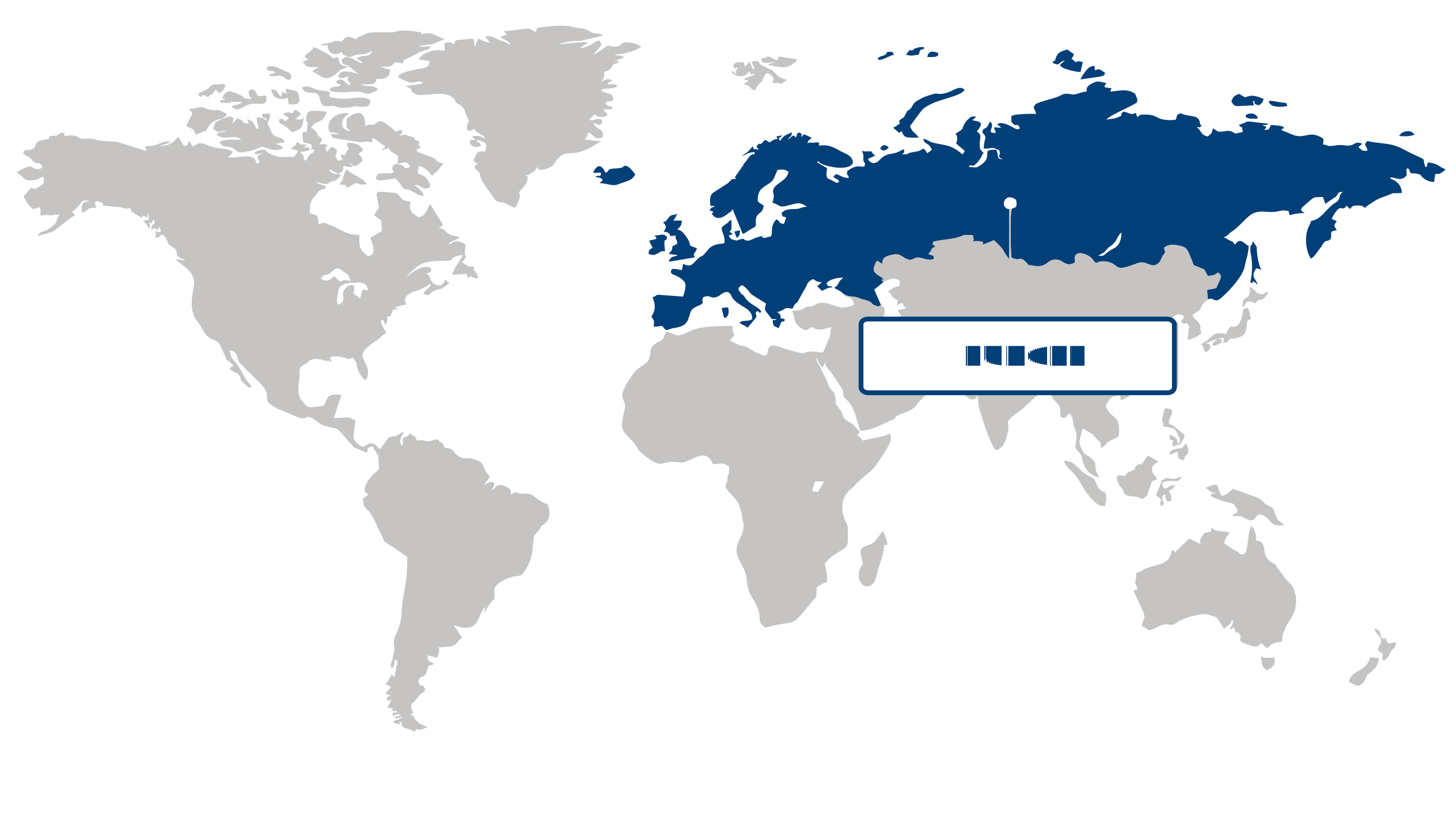
Europe (Largest Region)
Europe accounted for the majority share of the electrochromic materials market in 2026, propelled by strong adoption of smart glass technologies, increasing emphasis on energy-efficient buildings, and growing investments in advanced functional materials. Electrochromic materials are increasingly being incorporated into windows, displays, automotive applications, and other technologies where dynamic control of light transmission and energy consumption can provide operational benefits. The region’s focus on sustainable construction and energy conservation is encouraging the adoption of smart glazing solutions across commercial and residential buildings. Continued research and development in advanced materials, combined with increasing demand for energy-efficient architectural and transportation solutions, is expected to support the region’s leading position in the market.
Asia Pacific (Fastest-Growing Region)
Asia Pacific is projected to experience the fastest growth in the electrochromic materials market, led by rapid urbanization, expanding construction activity, growing automotive production, and increasing adoption of smart building technologies. The region is witnessing greater demand for energy-efficient building materials as governments, developers, and businesses focus on reducing energy consumption and improving building performance. Electrochromic technologies are also gaining attention across automotive and electronic applications as manufacturers seek advanced materials capable of providing dynamic optical control and enhanced user functionality. Expanding manufacturing capabilities, rising investments in smart infrastructure, and increasing adoption of advanced materials are expected to accelerate market growth across Asia Pacific.
| Parameter | North America | Asia Pacific | Europe | Latin America | MEA |
|---|---|---|---|---|---|
| Innovation HubiScaleNascentDeveloping Advanced | |||||
| Cost-Sensitive RegioniScaleLowMedium High | |||||
| Regulatory EnvironmentiScaleRestrictiveNeutral Supportive | |||||
| Demand DriversiScaleWeakModerate Strong | |||||
| Development StageiScaleEmergingDeveloping Developed | |||||
| Adoption RateiScaleLowMedium High | |||||
| New Entrants / StartupsiScaleSparseModerate Dense | |||||
| Macro IndicatorsiScaleWeakStable Strong |
Key Country Insights
United States 🇺🇸
Smart Glazing AdoptionThe U.S. market benefits from interest in dynamic glazing for commercial buildings, transportation, and advanced architectural applications. Electrochromic materials are being evaluated for controllable solar transmission and glare management, with commercialization priorities centered on durability, switching performance, integration with building controls, and installation economics.
Germany 🇩🇪
Building Energy OptimizationGermany provides a strong application environment for electrochromic materials through its emphasis on energy-efficient building envelopes and intelligent building systems. Market priorities include durable smart-glazing solutions that can integrate with automated controls while helping manage solar heat gain, daylight, and occupant comfort.
Japan 🇯🇵
Advanced Window TechnologiesJapan’s technology-oriented building and automotive industries create opportunities for electrochromic materials in smart windows and controlled-visibility applications. Commercial development is likely to emphasize compact device architectures, optical consistency, long operating life, and seamless integration into increasingly sophisticated vehicle and building control systems.
South Korea 🇰🇷
Display Technology SynergiesSouth Korea’s advanced electronics and materials ecosystem supports development and commercialization of electrochromic technologies requiring precise optical and material engineering. Key priorities include scalable manufacturing, switching reliability, transparent conductive components, and applications extending beyond conventional glazing into specialized optical and electronic products.
France 🇫🇷
Architectural Smart GlazingFrance’s architectural sector offers a practical application base for electrochromic materials through demand for adaptive façades, daylight management, and improved building performance. Suppliers can differentiate through aesthetically consistent glazing, reliable optical control, and compatibility with intelligent building-management systems used in modern commercial and institutional projects.
Italy 🇮🇹
Design-Led Smart WindowsItaly’s strength in architectural design and premium building products creates opportunities for electrochromic materials where aesthetics and functional performance must coexist. Commercial priorities center on visually integrated smart glazing, dependable switching behavior, and customization for high-end façades, interiors, transportation, and specialized architectural applications.
Electrochromic Materials Market Share (%), by Material Type, 2026
Go beyond the chart, access full insights & data tables
Request Free Sample ReportMaterial Type Segment Analysis: Metal Oxides (Largest & Fastest-Growing Segment)
The metal oxides segment held the largest share of 79.33% in the electrochromic materials market in 2026 and is also expected to grow at the fastest pace, driven by the established electrochemical performance, durability, and optical modulation capabilities of metal oxide-based materials. These materials are widely suited to electrochromic applications because their ability to reversibly change optical properties under an applied electrical stimulus enables controlled regulation of light transmission and solar radiation. Their compatibility with smart windows, displays, mirrors, and other adaptive optical systems further supports broad utilization across applications where energy efficiency and dynamic light management are increasingly important. In addition, ongoing advances in material engineering are improving switching performance, coloration efficiency, stability, and device longevity, making metal oxides increasingly suitable for next-generation electrochromic technologies. Growing demand for intelligent glazing and energy-efficient building solutions, together with continued development of electronically controlled optical devices, is reinforcing the adoption of metal oxide electrochromic materials and supporting their position as both the largest and fastest-growing material type.
End-Use Industry Segment Analysis: Construction & Architecture (Largest & Fastest-Growing Segment)
The construction & architecture segment held the largest share of 48.87% in the electrochromic materials market in 2026 and is also expected to grow at the fastest rate, supported by increasing adoption of smart glazing and energy-efficient building technologies. Electrochromic materials enable architectural glass to dynamically regulate light transmission and solar heat entering buildings, helping improve occupant comfort while reducing reliance on artificial lighting and climate-control systems. Their integration into windows, facades, skylights, and other building elements aligns with the growing emphasis on sustainable construction, energy conservation, and intelligent building management. In addition, architects and building developers are increasingly incorporating adaptive glazing into modern commercial and institutional structures to combine aesthetic flexibility with functional energy performance. Rising demand for green buildings, stricter energy-efficiency considerations, and greater integration of automation and building-control systems are further creating opportunities for electrochromic technologies in construction. These trends are strengthening the role of construction and architecture as a major application area while supporting its rapid expansion in the market.
Technology Segment Analysis: Solution Processing (Largest Segment) vs Vapor Deposition (Fastest-Growing Segment)
The solution processing segment held the largest position in the electrochromic materials market in 2026, supported by its suitability for scalable material deposition and its potential to simplify the manufacturing of electrochromic coatings and devices. Solution-based techniques can facilitate the application of functional materials across large or irregular surfaces while offering flexibility in material formulation and processing conditions. This makes the technology particularly relevant for applications such as smart windows and architectural glazing, where uniform coating coverage and manufacturing adaptability are important considerations. Solution processing can also support cost-conscious production by enabling comparatively straightforward deposition approaches and compatibility with a range of substrate configurations. As demand for electrochromic devices expands beyond specialized applications toward larger-area installations, the ability to adapt coating processes to different manufacturing environments is supporting continued use of solution processing technology.
The vapor deposition segment is expected to grow at the fastest rate, driven by its ability to produce controlled, uniform, and high-quality functional coatings for advanced electrochromic devices. Vapor-based deposition approaches provide greater control over film thickness, composition, surface characteristics, and multilayer structures, which can be important for achieving consistent electrochromic performance and long-term stability. The technology is particularly relevant as manufacturers seek improved device reliability, optical uniformity, switching characteristics, and integration of complex material architectures. Increasing development of sophisticated electrochromic systems and the need for precisely engineered thin films are creating greater opportunities for vapor deposition methods. Furthermore, continued progress in coating equipment and deposition processes is helping expand their applicability across advanced glazing and other emerging electrochromic applications, supporting faster adoption of vapor deposition technology.
| Segment | Sub-Segment | Largest Segment | Fastest Growing |
|---|---|---|---|
| Material Type | Metal Oxides, Conducting Polymers, Viologens, Prussian Blue Analogs, Liquid Crystals, Hybrid & Composite Materials, Others | Metal Oxides | Metal Oxides |
| End-Use Industry | Construction & Architecture, Automotive & Transportation, Aerospace & Defense, Electronics & Displays, Marine, Healthcare & Medical, Others | Construction & Architecture | Construction & Architecture |
| Technology | Solution Processing, Vapor Deposition, Printing Technologies, Others | Solution Processing | Vapor Deposition |
| Application | Smart Windows, Smart Mirrors, Displays, Automotive Applications, Aerospace Applications, Wearable Devices, Energy Storage Devices, Others | Smart Windows | Smart Windows |
Unlock insights tailored to your business with our bespoke market research solutions.
Click to get your customized report now.
Competitive Landscape and Market Positioning
Analyst Perspective:
Although electrochromic materials offer opportunities across smart glazing, adaptive displays, and flexible devices, commercial competitiveness depends on combining optical functionality with durability and scalable manufacturing. Switching speed can differentiate products requiring rapid optical adjustment, whereas architectural glazing may place greater emphasis on optical-state retention, consistent contrast, and long-term stability. These priorities make application-specific performance more important than any single material specification. Flexible substrate integration offers additional design possibilities, but bending tolerance must be achieved without compromising transparency, conductivity, layer adhesion, or production yield. Ultimately, manufacturing economics remain a critical constraint: material inputs, coating processes, assembly complexity, and process consistency influence whether promising laboratory results translate into commercially viable products. Suppliers able to preserve predictable switching behavior and optical quality at production scale are better positioned to address applications where reliability and unit cost govern adoption.
Key companies in the electrochromic materials market:
- Gentex (USA)
- Saint-Gobain (France)
- View Inc. (USA)
- ChromoGenics (Sweden)
- AGC (Japan)
- PPG Industries (USA)
- Soladigm (USA)
- Nippon Sheet Glass (Japan)
- Gauzy (Israel)
- Kinestral Technologies (USA)
| Company | Market Share | Company Revenue | Revenue CAGR (%) | Product Portfolio | Geographic Presence | Innovation / R&D Focus | Strategic Developments |
|---|---|---|---|---|---|---|---|
| Gentex (USA) | |||||||
| Saint-Gobain (France) | |||||||
| View Inc. (USA) | |||||||
| ChromoGenics (Sweden) | |||||||
| AGC (Japan) | |||||||
| PPG Industries (USA) | |||||||
| Soladigm (USA) | |||||||
| Nippon Sheet Glass (Japan) | |||||||
| Gauzy (Israel) | |||||||
| Kinestral Technologies (USA) |
Industry Development/News
| Company Name | Date | Key Development |
|---|---|---|
| Gentex | April 2026 | Gentex signed a cooperation agreement with Antolin to introduce next-generation electrochromic dimmable sun visors to the European automotive market, extending electrochromic capabilities from mirrors into integrated cabin systems for OEM platforms. |
| Mativ Holdings | January 2026 | Mativ Holdings announced an equity investment in Miru Smart Technologies and expanded their partnership to accelerate the commercialization of Miru eWindow electrochromic technology for automotive applications, strengthening upstream material supply and industrialization support. |
| SageGlass | February 2025 | SageGlass introduced SageGlass RealTone, an advanced electrochromic glazing offering featuring a high-performance base designed to provide neutral aesthetics by reducing traditional blue hues to support architectural design approvals. |
| Miru | August 2024 | Miru secured USD 20.19 million in Series A funding to accelerate the commercialization of its electronically tintable window technology, providing capital for its smart windows startup as it prepares for large-scale market introduction. |
Customize Your Report
Explore examples of how this report can be tailored to different research needs, including custom segments, additional topics or chapters, and related reports. Click a section of the wheel or its numbered marker to explore the available options.
Electrochromic Materials Market — Custom Segments
| Segment | Sub-Segment |
|---|---|
| Electrochromic Device Architecture | Monolithic architecture, Multilayer architecture, Polymer-based architecture |
| Switching Mode | Single-state switching, Multi-state switching, Continuous switching |
| Substrate Type | Glass substrates, Polymer substrates, Metal substrates, Ceramic substrates |
Electrochromic Materials Market — Custom TOC
| Custom Chapter | Chapter Details |
|---|---|
| Smart Glass Adoption & Building Specification Trends |
|
| Automotive Glazing Commercialization Pathways |
|
| Manufacturing Scale-Up & Cost Reduction Pathways |
|
Need a different cut of the data?
Request Custom ResearchFrequently Asked Questions
What is the market valuation of the electrochromic materials market?
What is the projected value of the electrochromic materials industry by 2036?
Which application trends are accelerating commercial adoption of electrochromic materials?
How are manufacturing advances improving the commercial outlook for electrochromic technologies?
Why do metal oxides dominate the electrochromic materials market?
How is vapor deposition creating growth opportunities in the electrochromic materials market?
What makes Europe the leading region in the electrochromic materials market?
Why is Asia Pacific emerging as the fastest-growing electrochromic materials market?
Who holds a significant market share in the electrochromic materials landscape?
Our Clients
"The report helped us understand emerging consumer trends in our product category. It clarified where to focus innovation for the next product launch."
LyondellBasell
"The regional forecast section was incredibly useful. We were able to identify two new potential partners in Europe thanks to the vendor mapping you included."
SABIC
"We appreciated how actionable the recommendations were. It guided us to improve supply chain resilience."
Olin Corporation
Our Research Team & Methodology
Every Fundamental Business Insights report is built by a dedicated vertical research team, validated through a structured primary-and-secondary methodology, and reviewed for accuracy before it reaches you.
This report was prepared by the Chemicals & Materials Research Team at Fundamental Business Insights, a dedicated research group specializing in the global chemicals, advanced materials, and industrial manufacturing sectors. Our analysts continuously monitor raw material supply chains, feedstock pricing, production technologies, regulatory developments, sustainability initiatives, environmental compliance, trade dynamics, and evolving end-use applications to deliver timely and reliable market intelligence. The research is developed using a structured methodology that combines primary discussions with manufacturers, raw material suppliers, distributors, and industry experts, along with company annual reports, regulatory publications, government trade statistics, industry associations, technical literature, patent databases, and other authoritative secondary sources. Market estimates are validated through multiple research techniques, including top-down and bottom-up analysis, before undergoing an internal quality review to ensure accuracy, consistency, and methodological integrity prior to publication.
Delivery
Published
Available
Support
- Market Size & Forecast
- Market Segmentation
- Regional Analysis
- Growth Drivers & Challenges
- Market Dynamics
- Competitive Landscape
- Company Profiles
- Competitive Benchmarking
- Mergers & Acquisitions
- Market Share Analysis or Key Company Strategies
- Value Chain Analysis
- Porter's Five Forces
- PESTLE Analysis
- Pricing Trends
- Supply-Demand Analysis
- Technology Landscape
- Regulatory Landscape
- Investment & Funding Landscape
- Emerging Opportunities
- Future Market Outlook