Electronic Parking Brake System Market Size & Growth Forecast 2027–2036, By Segments (Vehicles, Sales Channel, System, Propulsion, Component), Regional Demand Trends (North America, Asia Pacific, Europe), Key Country Insights (U.S., Japan, South Korea, Germany, France, Italy), and Competitive Landscape
Jump to Content
Market Size and Growth Outlook
Electronic Parking Brake (EPB) System Market size was assessed at USD 6.85 billion in 2026 and is poised to grow at a 9.65% CAGR between 2027 and 2036, surpassing USD 17.21 billion by 2036. The industry revenue for 2027 is calculated at USD 7.41 billion.
Get more details on this report
Request Free Sample ReportElectronic Parking Brake (EPB) System Market Intelligence Snapshot
Regional Market Dynamics
- Europe accounted for 37.8% of the market in 2026, supported by strong automotive manufacturing, vehicle electrification, and demand for advanced safety and convenience features integrated into modern vehicle platforms.
- Expanding vehicle production, rising demand for advanced automotive features, and electric vehicle manufacturing are accelerating adoption. Investments in connected vehicles and modern electronic vehicle architectures further support EPB integration.
Segment Momentum
- Passenger cars accounted for 61.8% of the market in 2026, driven by demand for convenience, safety, and compact vehicle packaging. EPB integration also supports electronically coordinated braking functions across modern vehicle architectures.
- OEMs accounted for 83.3% of the market in 2026 and represent the fastest-growing sales channel. Factory integration enables compatibility with vehicle control systems, consistent calibration, and coordinated implementation of electronic braking functions.
Market Expansion Drivers
- OEM adoption of EPB systems as standard safety features.
- Growth in electric and hybrid vehicle production.
- Advancements in vehicle automation and brake-by-wire technologies.
Leading Market Participants
- Leading companies in the electronic parking brake system market include ZF Group (Germany), Continental (Germany), Bosch (Germany), Aisin (Japan), Mando (South Korea), Brembo (Italy), Hitachi Astemo (Japan), ADVICS (Japan), WABCO (United States), Nissin Kogyo (Japan).
Global Market Forecast Snapshot
Market Outlook
- 2026 Market Size: USD 6.85 billion
- 2027 Estimated Market Size: USD 7.41 billion
- Projected Market Size: USD 17.21 billion by 2036
- Growth Forecast: 9.65% CAGR (2027-2036)
Regional and Segment Outlook
- Leading Regional Market: Europe
- High-Growth Regional Hub: Asia Pacific
- Core Revenue Segment: Vehicles (Passenger Cars) | Sales Channel (OEM) | System (Caliper Integrated EPB) | Propulsion (Internal Combustion (ICE)) | Component (Electronic Control Unit (ECU))
- Emerging Opportunity Segment: Vehicles (Passenger Cars) | Sales Channel (OEM) | System (Caliper Integrated EPB) | Propulsion (Battery Electric Vehicle (BEV)) | Component (Electronic Control Unit (ECU))
Market Growth Drivers and Industry Trends
OEM adoption of EPB systems as standard safety features
Growing adoption of electronic parking brake systems by vehicle manufacturers is supporting market expansion as automotive platforms increasingly integrate electronically controlled braking functions. EPB systems provide convenient parking brake operation while enabling integration with broader vehicle safety and control architectures. Their compact design also allows manufacturers greater flexibility in vehicle packaging compared with conventional mechanical parking brake arrangements. Furthermore, integration with automated functions such as hill-hold assistance and automatic parking features enhances vehicle usability, encouraging manufacturers to incorporate EPB technology across a wider range of passenger and commercial vehicle platforms.
Growth in electric and hybrid vehicle production
Increasing production of electric and hybrid vehicles is creating favorable conditions for electronic parking brake adoption because these vehicles rely extensively on electronically managed systems and optimized vehicle architectures. EPB technology complements the electrical and electronic integration of modern powertrains while reducing dependence on conventional mechanical control mechanisms. In addition, the packaging flexibility of electronic parking brakes supports vehicle designs that prioritize efficient use of interior and underbody space. As electrified vehicle platforms continue to evolve, greater integration of electronically controlled braking functions is supporting demand for EPB systems across new vehicle programs.
Advancements in vehicle automation and brake-by-wire technologies
Advancements in vehicle automation and brake-by-wire technologies are strengthening the integration of electronic parking brakes with increasingly sophisticated vehicle control systems. Modern vehicles require coordinated communication between braking, stability, parking, and automated driving functions, creating demand for electronically controlled braking architectures. EPB systems can be integrated with these systems to enable automated parking functions, coordinated braking control, and enhanced vehicle operating convenience. Furthermore, continued development of electronic control units, sensors, software, and actuator technologies is improving system responsiveness and integration capabilities, supporting broader adoption of EPB technology in next-generation vehicles.
| Growth Driver | Impact on CAGR | Regulatory Influence | Geographic Relevance | Adoption Rate | Impact Timeline |
|---|---|---|---|---|---|
| OEM adoption of EPB systems as standard safety features | 1.6% | Short term (≤ 2 yrs) | Europe; Asia Pacific (North America) | Medium | Fast |
| Growth in electric and hybrid vehicle production | 1.4% | Medium term (2–5 yrs) | Asia Pacific; Europe (North America) | Medium | Moderate |
| Advancements in vehicle automation and brake-by-wire technologies | 1.2% | Long term (5+ yrs) | Europe; North America (Asia Pacific) | Low | Slow |
Explore Growth Opportunities
Request Free Sample ReportRegional Demand Dynamics
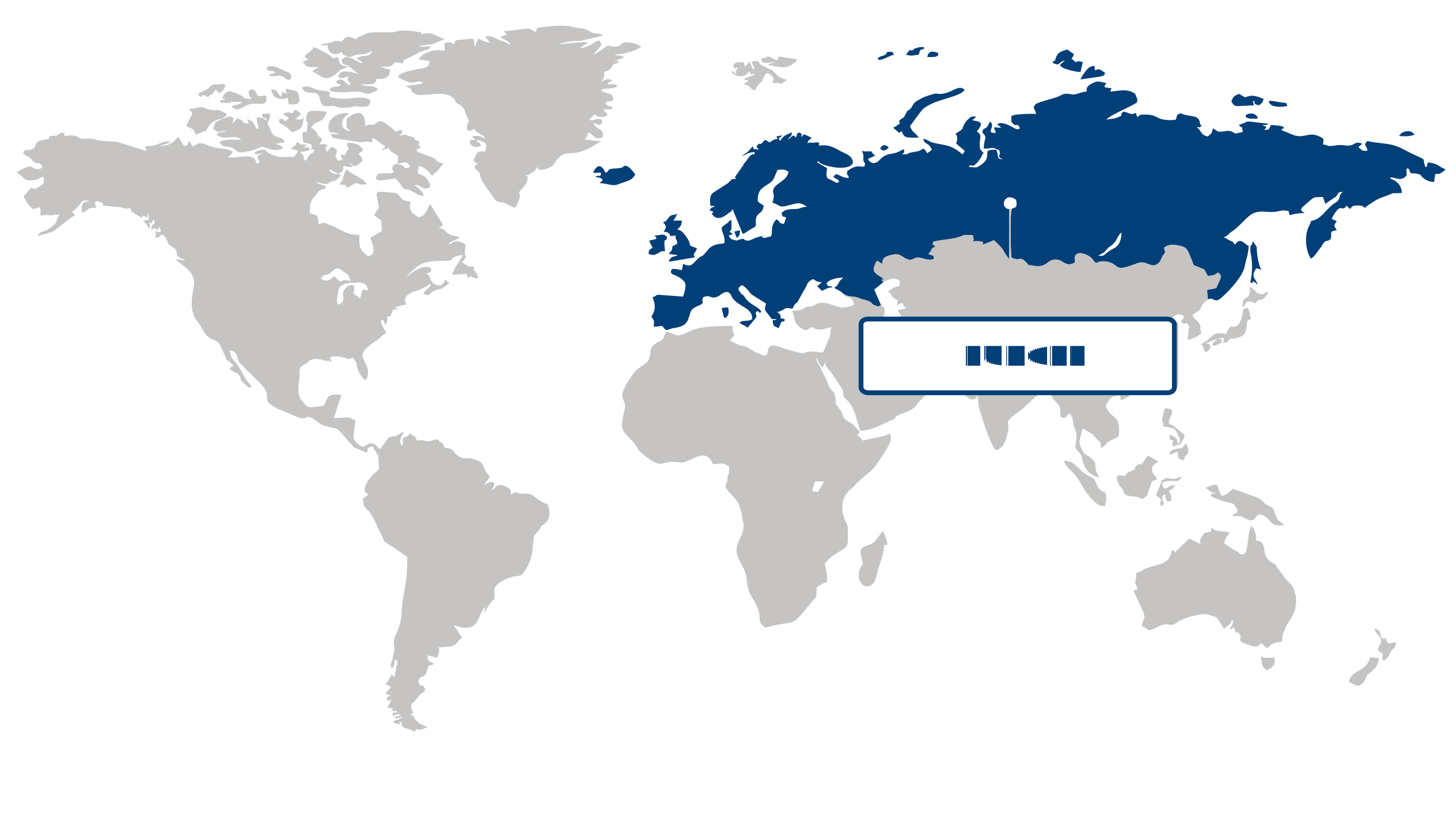
Europe (Largest Region)
Europe accounted for a 37.8% share of the electronic parking brake (EPB) system market in 2026, led by strong automotive manufacturing capabilities, increasing vehicle electrification, and growing adoption of advanced vehicle safety and convenience technologies. Electronic parking brakes provide improved functionality, packaging flexibility, and integration with other electronic vehicle systems, making them increasingly suitable for modern vehicle platforms. Automakers are focusing on advanced vehicle architectures that incorporate electronic control systems and automated driving features, supporting demand for EPB technology. The region’s emphasis on vehicle safety, efficiency, and technological advancement is also encouraging the transition from conventional mechanical parking brakes to electronically controlled systems. Increasing integration of electronic systems across passenger and commercial vehicles is therefore strengthening the regional market.
Asia Pacific (Fastest-Growing Region)
Asia Pacific is emerging as the fastest-growing region in the electronic parking brake (EPB) system market, influenced by expanding vehicle production, rising consumer demand for advanced automotive features, and increasing adoption of electric and connected vehicles. Automotive manufacturers across the region are incorporating electronic braking and control technologies to improve vehicle functionality, convenience, and integration with advanced driver assistance systems. Growing urbanization and increasing demand for passenger vehicles are further supporting the adoption of modern vehicle technologies. The expansion of electric vehicle manufacturing is creating additional opportunities because electronically controlled braking systems align well with the electronic architecture of next-generation vehicles. Increasing investments in automotive technology and the modernization of vehicle platforms are therefore accelerating EPB adoption across Asia Pacific.
| Parameter | North America | Asia Pacific | Europe | Latin America | MEA |
|---|---|---|---|---|---|
| Innovation HubiScaleNascentDeveloping Advanced | |||||
| Cost-Sensitive RegioniScaleLowMedium High | |||||
| Regulatory EnvironmentiScaleRestrictiveNeutral Supportive | |||||
| Demand DriversiScaleWeakModerate Strong | |||||
| Development StageiScaleEmergingDeveloping Developed | |||||
| Adoption RateiScaleLowMedium High | |||||
| New Entrants / StartupsiScaleSparseModerate Dense | |||||
| Macro IndicatorsiScaleWeakStable Strong |
Key Country Insights
United States 🇺🇸
Connected Brake IntegrationThe U.S. EPB market is increasingly tied to electronically controlled vehicle architectures and advanced driver-assistance features. Automakers and suppliers prioritize compact actuator designs, reliable electronic control, and integration with broader braking and vehicle-control systems.
Germany 🇩🇪
Premium Chassis ElectronicsGermany’s EPB demand is closely connected to sophisticated passenger-vehicle platforms and electronically managed chassis systems. Market priorities include precise actuation, packaging efficiency, system reliability, and seamless integration with automated driving and vehicle stability functions.
Japan 🇯🇵
Compact Brake TechnologyJapan’s EPB market emphasizes compact, reliable systems suitable for space-efficient vehicle architectures. Manufacturers focus on actuator miniaturization, low-noise operation, dependable electronic control, and integration with increasingly automated parking and vehicle-management functions.
South Korea 🇰🇷
Smart Vehicle ControlsSouth Korea’s EPB market is shaped by advanced vehicle electronics and increasing integration of automated driving functions. Suppliers prioritize responsive electronic actuation, compact packaging, reliability, and compatibility with connected chassis and driver-assistance architectures.
France 🇫🇷
Mass-Market Brake IntegrationFrance’s EPB market is supported by increasing electronic content across passenger vehicles. Commercial priorities include cost-efficient actuation, reliable electronic control, compact packaging, and integration with braking, parking-assistance, and broader vehicle-control systems.
Italy 🇮🇹
Performance Vehicle ElectronicsItaly’s EPB demand reflects the integration of electronic braking technologies across passenger and performance-oriented vehicle platforms. Priorities include responsive actuation, compact system design, reliability, and coordination with advanced chassis and driver-assistance functions.
Electronic Parking Brake (EPB) System Market Share (%), by Vehicles, 2026
Go beyond the chart, access full insights & data tables
Request Free Sample ReportVehicles Segment Analysis: Passenger Cars (Largest & Fastest-Growing Segment)
The passenger cars segment accounted for a 2026 market share of 61.8%, driven by the increasing integration of electronic parking brake systems into modern passenger vehicles as manufacturers emphasize convenience, safety, packaging efficiency, and advanced vehicle functionality. EPB systems replace conventional mechanically operated parking brakes with electronically controlled solutions that can be integrated with broader vehicle control architectures, enabling features such as automatic engagement and coordinated braking functions. Rising consumer expectations for enhanced driving convenience and the expanding adoption of electronic vehicle systems are supporting their incorporation across passenger car platforms. The compact design of EPB components also provides greater flexibility for vehicle interior and chassis packaging, while compatibility with automated vehicle functions further increases their relevance in contemporary vehicle architectures. As passenger vehicles continue to incorporate more electronically managed features, demand for integrated parking brake technologies is expected to remain strong.
Sales Channel Segment Analysis: OEM (Largest & Fastest-Growing Segment)
The OEM sales channel segment represented 83.3% market share in 2026, reflecting the importance of direct integration of electronic parking brake systems during vehicle manufacturing. OEM adoption enables EPB systems to be incorporated into vehicle architectures from the design and production stages, supporting compatibility with braking controls, electronic control units, safety functions, and other onboard systems. Automakers increasingly favor factory-installed electronic technologies that can be calibrated and integrated consistently across vehicle platforms, while standardized production processes can also support quality control and system reliability. The growing use of electronic braking and vehicle control technologies further strengthens the role of OEM supply relationships, as manufacturers seek components designed to meet specific platform requirements and regulatory expectations. Increasing vehicle electrification and the broader shift toward software-enabled vehicle architectures are also creating additional opportunities for integrated EPB solutions through OEM channels.
System Segment Analysis: Caliper Integrated EPB (Largest & Fastest-Growing Segment)
The caliper integrated EPB segment accounted for 50.88% market share in 2026, supported by its ability to integrate the parking brake mechanism with the brake caliper assembly in a compact and electronically controlled configuration. This architecture can reduce mechanical complexity and facilitate efficient packaging across modern vehicle braking systems, making it suitable for passenger vehicles where space utilization and system integration are increasingly important. Caliper integrated EPB solutions can also support responsive electronic actuation and coordination with vehicle control systems, enabling manufacturers to incorporate parking brake functionality alongside broader electronic braking features. The growing preference for compact, lightweight, and electronically managed chassis components is encouraging adoption of integrated system designs. In addition, increasing vehicle automation and the expansion of electronically controlled safety and convenience functions are strengthening the need for parking brake systems that can communicate effectively with other vehicle systems, supporting continued growth of the caliper integrated EPB segment.
| Segment | Sub-Segment | Largest Segment | Fastest Growing |
|---|---|---|---|
| Vehicles | Passenger Cars, Commercial Vehicles | Passenger Cars | Passenger Cars |
| Sales Channel | OEM, Aftermarket | OEM | OEM |
| System | Cable-pull Systems, Electric-hydraulic Caliper Systems, Caliper Integrated EPB, Others | Caliper Integrated EPB | Caliper Integrated EPB |
| Propulsion | Internal Combustion (ICE), Hybrid Electric Vehicle (HEV / PHEV), Battery Electric Vehicle (BEV) | Internal Combustion (ICE) | Battery Electric Vehicle (BEV) |
| Component | Electronic Control Unit (ECU), Actuators, Sensors, Switches & Wiring Harnesses, Others | Electronic Control Unit (ECU) | Electronic Control Unit (ECU) |
Unlock insights tailored to your business with our bespoke market research solutions.
Click to get your customized report now.
Competitive Landscape and Market Positioning
Analyst Perspective:
Competitive differentiation among EPB suppliers centers on advancing control calibration and deep architectural integration rather than relying solely on hardware speed. As system adoption expands into diverse vehicle weight classes and platforms, manufacturers prioritize precise clamp force management to prevent mechanical stress while maintaining holding security. Crucially, success depends on seamlessly embedding electronic control units into complex vehicle software to handle diagnostics, cybersecurity, and emergency dynamic stability without compromising driver safety. Suppliers that deliver quiet, vibration-managed actuator operation across extended service lives while offering flexible, platform-specific software engineering stand best positioned to secure broad OEM adoption and long-term supply partnerships.
Major players in the electronic parking brake (EPB) system market:
- ZF Group (Germany)
- Continental (Germany)
- Bosch (Germany)
- Aisin (Japan)
- Mando (South Korea)
- Brembo (Italy)
- Hitachi Astemo (Japan)
- ADVICS (Japan)
- WABCO (United States)
- Nissin Kogyo (Japan)
| Company | Market Share | Company Revenue | Revenue CAGR (%) | Product Portfolio | Geographic Presence | Innovation / R&D Focus | Strategic Developments |
|---|---|---|---|---|---|---|---|
| ZF Group (Germany) | |||||||
| Continental (Germany) | |||||||
| Bosch (Germany) | |||||||
| Aisin (Japan) | |||||||
| Mando (South Korea) | |||||||
| Brembo (Italy) | |||||||
| Hitachi Astemo (Japan) | |||||||
| ADVICS (Japan) | |||||||
| WABCO (United States) | |||||||
| Nissin Kogyo (Japan) |
Industry Development/News
| Company Name | Date | Key Development |
|---|---|---|
| Hitachi Astemo | April 2025 | Hitachi Astemo introduced a compact electronic parking brake (EPB) module engineered specifically for hybrid and electric vehicles. The system integrates advanced controls and predictive diagnostic capabilities, optimizing automated braking performance and enhancing compatibility with autonomous driving architectures for vehicle manufacturers. |
| Knorr-Bremse | February 2025 | Knorr-Bremse released an upgraded electronic parking brake (EPB) system designed for heavy-duty commercial trucks and buses. The updated architecture improves actuator durability and reliability while facilitating seamless integration with existing electronic braking and vehicle stability control systems across European and North American fleets. |
| Robert Bosch | December 2024 | Robert Bosch commercialized a new series of electronic parking brakes featuring enhanced energy efficiency for hybrid and electric vehicle platforms. Equipped with compact actuators and embedded diagnostic software, the system assists automotive original equipment manufacturers in satisfying stringent global safety and electrification standards. |
| ZF Friedrichshafen | November 2024 | ZF Friedrichshafen launched its next-generation TRW electronic parking brake solution, incorporating predictive health monitoring and advanced actuator mechanics. Optimized for electric and autonomous mobility, the system delivers precise braking response and integrates directly with centralized electronic chassis and brake control networks. |
Customize Your Report
Explore examples of how this report can be tailored to different research needs, including custom segments, additional topics or chapters, and related reports. Click a section of the wheel or its numbered marker to explore the available options.
Electronic Parking Brake (EPB) System Market — Custom Segments
| Segment | Sub-Segment |
|---|---|
| Niveau d'automatisation du véhicule | Systèmes d'assistance à la conduite conventionnels, automatisation partielle de la conduite, automatisation avancée de la conduite |
| Interface de commande du frein de stationnement | Commande de la console centrale, commande du tableau de bord, intégration du sélecteur de vitesse électronique, télécommande et porte-clés |
| Fonctionnalités intégrées EPB | Frein de stationnement autonome, fonction Auto-Hold intégrée, assistance au démarrage en côte intégrée, freinage lié aux systèmes ADAS |
Electronic Parking Brake (EPB) System Market — Custom TOC
| Custom Chapter | Chapter Details |
|---|---|
| OEM Adoption & Platform Integration Outlook |
|
| Safety & Homologation Landscape |
|
| Next-Generation Brake-by-Wire Transition |
|
Need a different cut of the data?
Request Custom ResearchFrequently Asked Questions
How large is the electronic parking brake (EPB) system market?
How is the electronic parking brake system industry size expected to evolve during the forecast period?
How is OEM integration of electronic parking brakes changing automotive braking system adoption?
How are vehicle electrification and automation expanding demand for electronic parking brake systems?
Why do passenger cars dominate the electronic parking brake system market?
How does the OEM channel support growth in the electronic parking brake system market?
Why does Europe lead the electronic parking brake system market?
What is driving the fastest growth of the EPB system market in Asia Pacific?
What are the key competitors in the electronic parking brake (EPB) system landscape?
Our Clients
"The team surpassed our expectations with the report depth. The actionable insights provided proved crucial in navigating market challenges."
Tata Motors
"We found the report to be very informative. The expertise and attention to market nuances significantly influenced our business direction."
DENSO Corporation
"The consumer survey findings were quite good. We now have a clearer picture of the customer churning and retention strategy."
HL Mando
Our Research Team & Methodology
Every Fundamental Business Insights report is built by a dedicated vertical research team, validated through a structured primary-and-secondary methodology, and reviewed for accuracy before it reaches you.
This report was prepared by the Automotive & Transportation Research Team at Fundamental Business Insights, a dedicated research group specializing in the global automotive, mobility, and transportation industries. Our analysts continuously monitor vehicle technology advancements, electrification trends, autonomous and connected mobility, manufacturing developments, supply chain dynamics, regulatory standards, emissions policies, aftermarket activities, and evolving consumer and commercial transportation requirements to deliver timely and reliable market intelligence. The research is developed using a structured methodology that combines primary discussions with vehicle manufacturers, component suppliers, technology providers, distributors, logistics stakeholders, and industry experts, along with company annual reports, regulatory publications, government transportation statistics, industry associations, technical standards, and other authoritative secondary sources. Market estimates are validated through multiple research techniques, including top-down and bottom-up analysis, before undergoing an internal quality review to ensure accuracy, consistency, and methodological integrity prior to publication.
Delivery
Published
Available
Support
- Market Size & Forecast
- Market Segmentation
- Regional Analysis
- Growth Drivers & Challenges
- Market Dynamics
- Competitive Landscape
- Company Profiles
- Competitive Benchmarking
- Mergers & Acquisitions
- Market Share Analysis or Key Company Strategies
- Value Chain Analysis
- Porter's Five Forces
- PESTLE Analysis
- Pricing Trends
- Supply-Demand Analysis
- Technology Landscape
- Regulatory Landscape
- Investment & Funding Landscape
- Emerging Opportunities
- Future Market Outlook