Energy Retrofit Systems Market Size & Growth Forecast 2027–2036, By Segments (Application, Product), Regional Demand Trends (North America, Asia Pacific, Europe), Key Country Insights (U.S., Japan, South Korea, Germany, France, Italy), and Competitive Landscape
Jump to Content
Market Size and Growth Outlook
Energy Retrofit Systems Market size was around USD 181.68 billion in 2026 and is slated to grow at a 9.75% CAGR from 2027 to 2036, surpassing USD 460.63 billion by 2036. The industry revenue for 2027 is assessed at USD 196.72 billion.
Get more details on this report
Request Free Sample ReportEnergy Retrofit Systems Market Intelligence Snapshot
Regional Market Dynamics
- Europe held 50.88% of the market in 2026, driven by building-efficiency requirements, extensive renovation activity, aging building stock, and efforts to reduce energy consumption and emissions.
- Rapid urbanization, expanding building stock, rising electricity demand, and energy-efficiency initiatives are encouraging investment in insulation, efficient equipment, smart controls, and upgraded building systems.
Segment Momentum
- Commercial applications accounted for 50.88% market share in 2026 and are also expected to grow fastest. High building energy requirements, aging infrastructure, and the need to reduce operating costs are encouraging efficiency upgrades across offices, retail facilities, hotels, and educational institutions.
- Envelope products held 53.56% market share in 2026 and are also the fastest-growing product segment. Upgrades to insulation, walls, roofs, windows, and doors reduce heat transfer, improve indoor comfort, and help lower building energy consumption.
Market Expansion Drivers
- Growing retrofit initiatives for energy efficiency in buildings.
- Government incentives and standards for energy conservation.
- Technological advancements in energy retrofit system solutions.
Leading Market Participants
- Top players in the energy retrofit systems market include Schneider Electric (France), Siemens (Germany), Johnson Controls (USA), Honeywell (USA), ABB (Switzerland), Eaton (Ireland), Emerson Electric (USA), Trane Technologies (USA), Rockwell Automation (USA), Legrand (France).
Global Market Forecast Snapshot
Market Outlook
- 2026 Market Size: USD 181.68 billion
- 2027 Estimated Market Size: USD 196.72 billion
- Projected Market Size: USD 460.63 billion by 2036
- Growth Forecast: 9.75% CAGR (2027-2036)
Regional and Segment Outlook
- Leading Regional Market: Europe
- High-Growth Regional Hub: Asia Pacific
- Core Revenue Segment: Application (Commercial) | Product (Envelope)
- Emerging Opportunity Segment: Application (Commercial) | Product (Envelope)
Market Growth Drivers and Industry Trends
Growing retrofit initiatives for energy efficiency in buildings
The increasing focus on improving building energy efficiency is driving the adoption of energy retrofit systems across residential, commercial, and institutional properties. Aging buildings often have outdated insulation, heating, cooling, lighting, and energy management systems that contribute to unnecessary energy consumption. Retrofit solutions enable property owners to modernize existing infrastructure without complete reconstruction while improving thermal performance, occupant comfort, and overall building efficiency.
Government incentives and standards for energy conservation
Government initiatives promoting energy conservation are encouraging building owners to invest in retrofit solutions. Incentives, efficiency programs, building performance requirements, and evolving energy standards are creating greater awareness of the benefits associated with upgrading existing properties. These measures are supporting the integration of energy-efficient equipment, improved insulation, and intelligent energy management technologies as part of broader efforts to reduce building energy consumption.
Technological advancements in energy retrofit system solutions
Advancements in energy-efficient building technologies are expanding the capabilities of retrofit systems and improving their suitability for existing structures. Innovations in smart controls, energy monitoring, heating and cooling equipment, insulation materials, and building automation enable more precise management of energy use. Improved system integration also allows retrofit projects to combine multiple efficiency measures, supporting better building performance and facilitating the modernization of older properties.
| Growth Driver | Impact on CAGR | Regulatory Influence | Geographic Relevance | Adoption Rate | Impact Timeline |
|---|---|---|---|---|---|
| Growing retrofit initiatives for energy efficiency in buildings | 2.5% | Short term (≤ 2 yrs) | Europe; North America | Medium | Fast |
| Government incentives and standards for energy conservation | 3% | Medium term (2–5 yrs) | Asia Pacific; Europe | High | Moderate |
| Technological advancements in energy retrofit system solutions | 2.27% | Long term (5+ yrs) | North America; Asia Pacific | Low | Moderate |
Explore Growth Opportunities
Request Free Sample ReportRegional Demand Dynamics
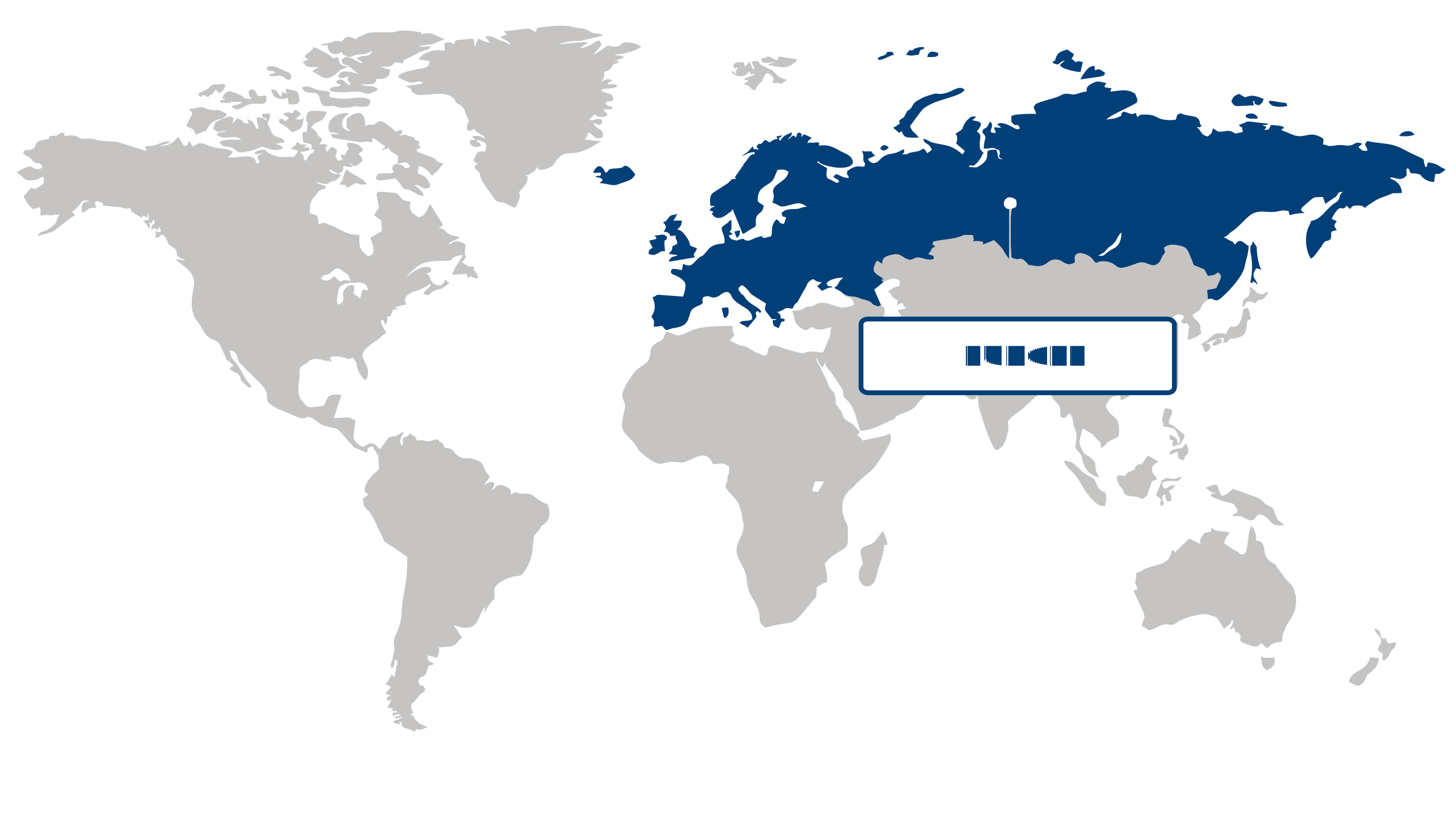
Europe (Largest Region)
Europe accounted for the largest share of 50.88% in the energy retrofit systems market in 2026, backed by strong building-efficiency requirements, extensive renovation activity, and growing efforts to reduce energy consumption across existing structures. Aging building stock and increasing emphasis on improving energy performance are encouraging property owners and institutions to invest in insulation, efficient heating and cooling systems, smart controls, and other retrofit technologies. Regulatory initiatives and sustainability targets are further accelerating the modernization of residential, commercial, and public buildings. In addition, rising energy-cost awareness and the need to reduce building emissions are strengthening demand for comprehensive energy retrofit solutions throughout Europe.
Asia Pacific (Fastest-Growing Region)
Asia Pacific is expected to be the fastest-growing region in the energy retrofit systems market, driven by rapid urbanization, expanding building stock, and increasing investments in energy-efficient infrastructure. Growing electricity demand is encouraging building owners and developers to improve energy performance through efficient equipment, insulation, smart energy management, and upgraded building systems. Government efforts to improve energy efficiency and reduce environmental impact are also supporting retrofit adoption. Moreover, increasing construction activity, expanding commercial facilities, and growing awareness of operational cost savings are creating substantial opportunities for energy retrofit systems across the region.
| Parameter | North America | Asia Pacific | Europe | Latin America | MEA |
|---|---|---|---|---|---|
| Innovation HubiScaleNascentDeveloping Advanced | |||||
| Cost-Sensitive RegioniScaleLowMedium High | |||||
| Regulatory EnvironmentiScaleRestrictiveNeutral Supportive | |||||
| Demand DriversiScaleWeakModerate Strong | |||||
| Development StageiScaleEmergingDeveloping Developed | |||||
| Adoption RateiScaleLowMedium High | |||||
| New Entrants / StartupsiScaleSparseModerate Dense | |||||
| Macro IndicatorsiScaleWeakStable Strong |
Key Country Insights
United States 🇺🇸
Building Modernization FocusThe U.S. market is centered on upgrading aging commercial and residential buildings through integrated improvements in insulation, HVAC, controls, and energy management. Retrofit decisions increasingly emphasize measurable energy savings, electrification compatibility, and solutions that can be deployed across diverse building portfolios.
Germany 🇩🇪
Efficiency-Led RenovationGermany prioritizes deep building renovation, with demand centered on improving thermal performance and reducing heating energy use. The market favors high-efficiency insulation, heat pumps, building controls, and integrated retrofit packages that address stringent building performance and decarbonization requirements.
Japan 🇯🇵
Aging Building UpgradesJapan's retrofit activity is shaped by the need to modernize existing buildings while improving energy efficiency and occupant comfort. Demand supports compact, high-performance HVAC equipment, advanced controls, insulation upgrades, and retrofit solutions suited to dense urban building environments.
South Korea 🇰🇷
Smart Retrofit IntegrationSouth Korea combines building energy upgrades with digital technologies, creating demand for smart controls, energy management systems, and efficient HVAC solutions. Retrofit strategies increasingly focus on integrating connected systems that optimize building operations alongside improvements in energy performance.
France 🇫🇷
Regulatory Renovation DriveFrance places significant emphasis on improving the energy performance of existing residential and commercial buildings. The market supports demand for insulation, heating-system replacement, renewable energy integration, and comprehensive renovation solutions designed to reduce operational energy consumption.
Italy 🇮🇹
Residential Renovation ActivityItaly's energy retrofit market is strongly influenced by the modernization of an extensive existing building stock. Residential projects create demand for façade and insulation upgrades, efficient heating and cooling systems, and integrated solutions that improve energy performance while accommodating varied building designs.
Energy Retrofit Systems Market Share (%), by Application, 2026
Go beyond the chart, access full insights & data tables
Request Free Sample ReportApplication Segment Analysis: Commercial (Largest & Fastest-Growing Segment)
The commercial application segment accounted for 50.88% market share in 2026 for the energy retrofit systems market and is expected to register the fastest growth during the forecast period. Commercial buildings such as offices, retail facilities, hotels, educational institutions, and other large properties have substantial energy requirements, creating significant opportunities for retrofit solutions aimed at improving energy efficiency and reducing operating costs. Aging building infrastructure, rising emphasis on energy conservation, and the need to meet increasingly stringent building performance and sustainability requirements are encouraging property owners and facility managers to upgrade existing systems. Energy retrofits can improve building performance through enhancements to insulation, heating and cooling systems, lighting, controls, and other energy-consuming components without requiring complete reconstruction. Growing adoption of sustainable building practices and increasing awareness of lifecycle operating costs are further supporting investment in commercial energy efficiency improvements. As businesses and property owners seek to modernize existing facilities while improving energy performance and occupant comfort, demand for energy retrofit systems in commercial applications is expected to remain strong.
Product Segment Analysis: Envelope (Largest & Fastest-Growing Segment)
The envelope product segment accounted for 53.56% market share in 2026 for the energy retrofit systems market and is expected to grow at the fastest pace during the forecast period. Building envelope retrofit solutions, including improvements to walls, roofs, windows, doors, and insulation, play an important role in reducing heat transfer and improving the overall energy performance of existing buildings. Inefficient building envelopes can contribute substantially to heating and cooling losses, increasing energy consumption and operating expenses. Consequently, building owners are increasingly focusing on envelope improvements as a practical approach to enhance thermal performance while extending the useful life of existing properties. Growing emphasis on energy-efficient construction practices, building decarbonization, and improved indoor comfort is supporting demand for advanced insulation materials, high-performance glazing, and other envelope retrofit solutions. In addition, upgrading the envelope can complement other energy efficiency measures by reducing the overall energy load placed on building systems. These benefits are contributing to strong adoption of envelope products and supporting their position as the largest and fastest-growing product segment.
| Segment | Sub-Segment | Largest Segment | Fastest Growing |
|---|---|---|---|
| Application | Residential, Commercial, Institutional | Commercial | Commercial |
| Product | Envelope, LED Retrofit Lighting, HVAC Retrofit, Appliances | Envelope | Envelope |
Unlock insights tailored to your business with our bespoke market research solutions.
Click to get your customized report now.
Competitive Landscape and Market Positioning
Analyst Perspective:
The competitive landscape of the energy retrofit systems market is shaped by providers’ ability to deliver measurable efficiency improvements while managing installation complexity and investment constraints. Building envelope insulation and HVAC modernization remain important approaches, but their effectiveness depends on building characteristics, climate conditions, occupancy patterns, and integration with existing infrastructure. Providers that combine tailored retrofit solutions with smart controls can better align energy consumption with actual operating requirements. Financing models, particularly energy performance contracting, also influence competitiveness by helping building owners address upfront capital limitations. However, contract credibility depends on transparent savings calculations and appropriate performance-risk allocation. Post-retrofit monitoring further differentiates providers by verifying results, identifying operational inefficiencies, and demonstrating whether projected savings translate into sustained building performance.
Top players in the energy retrofit systems market:
- Schneider Electric (France)
- Siemens (Germany)
- Johnson Controls (USA)
- Honeywell (USA)
- ABB (Switzerland)
- Eaton (Ireland)
- Emerson Electric (USA)
- Trane Technologies (USA)
- Rockwell Automation (USA)
- Legrand (France)
| Company | Market Share | Company Revenue | Revenue CAGR (%) | Product Portfolio | Geographic Presence | Innovation / R&D Focus | Strategic Developments |
|---|---|---|---|---|---|---|---|
| Schneider Electric (France) | |||||||
| Siemens (Germany) | |||||||
| Johnson Controls (USA) | |||||||
| Honeywell (USA) | |||||||
| ABB (Switzerland) | |||||||
| Eaton (Ireland) | |||||||
| Emerson Electric (USA) | |||||||
| Trane Technologies (USA) | |||||||
| Rockwell Automation (USA) | |||||||
| Legrand (France) |
Customize Your Report
Explore examples of how this report can be tailored to different research needs, including custom segments, additional topics or chapters, and related reports. Click a section of the wheel or its numbered marker to explore the available options.
Energy Retrofit Systems Market — Custom Segments
| Segment | Sub-Segment |
|---|---|
| Building Size | Small Buildings, Medium Buildings, Large Buildings |
| Retrofit Scope | Single-System Retrofit, Multi-System Retrofit, Whole-Building Retrofit |
| Financing Model | Self-Funded, Energy Performance Contracting, Third-Party Financed, Incentive-Supported Financing |
Energy Retrofit Systems Market — Custom TOC
| Custom Chapter | Chapter Details |
|---|---|
| Building Stock Retrofit Prioritization |
|
| Retrofit Financing & Payback Strategies |
|
| ESCO & Energy Performance Contracting Models |
|
Need a different cut of the data?
Request Custom ResearchFrequently Asked Questions
What is the overall size of the energy retrofit systems market?
What is the forecasted size of the energy retrofit systems industry?
How are building efficiency initiatives reshaping demand for energy retrofit systems?
Why are smart technologies becoming increasingly important in energy retrofit investments?
Why does the commercial sector dominate the energy retrofit systems market?
Why are envelope products leading growth in the energy retrofit systems market?
Why does Europe dominate the energy retrofit systems market?
What is accelerating energy retrofit systems adoption in Asia Pacific?
Which organizations are considered leaders in the energy retrofit systems landscape?
Our Clients
"Your insights on workforce structures were spot-on. The analysis on mid-to-senior level roles validated some of our hiring decisions and highlighted gaps."
Ateliers De France
"The report gave us insights on competitors in the market. It helped our team refine our bidding strategy for upcoming contracts."
Clark Construction
"The reports provided a deep dive into market trends, and competitive landscape. The strategic insights and recommendations have been very helpful."
Rudolph and Sletten
Our Research Team & Methodology
Every Fundamental Business Insights report is built by a dedicated vertical research team, validated through a structured primary-and-secondary methodology, and reviewed for accuracy before it reaches you.
This report was prepared by the Construction & Manufacturing Research Team at Fundamental Business Insights, a dedicated research group specializing in global construction, building materials, manufacturing processes, and industrial infrastructure markets. The team closely tracks construction activity, infrastructure investments, manufacturing technologies, raw material trends, equipment adoption, labor and productivity developments, sustainability initiatives, regulatory standards, and supply chain dynamics to provide timely and reliable market intelligence. The research is developed using a structured methodology that combines primary discussions with manufacturers, construction companies, equipment suppliers, distributors, contractors, and industry experts, along with company annual reports, government infrastructure statistics, regulatory publications, industry associations, engineering standards, technical publications, and other authoritative secondary sources. Market estimates are validated through multiple research techniques, including top-down and bottom-up analysis, before undergoing an internal quality review to ensure accuracy, consistency, and methodological integrity prior to publication.
Delivery
Published
Available
Support
- Market Size & Forecast
- Market Segmentation
- Regional Analysis
- Growth Drivers & Challenges
- Market Dynamics
- Competitive Landscape
- Company Profiles
- Competitive Benchmarking
- Mergers & Acquisitions
- Market Share Analysis or Key Company Strategies
- Value Chain Analysis
- Porter's Five Forces
- PESTLE Analysis
- Pricing Trends
- Supply-Demand Analysis
- Technology Landscape
- Regulatory Landscape
- Investment & Funding Landscape
- Emerging Opportunities
- Future Market Outlook