Fatty Methyl Ester Sulfonate Market Size & Growth Forecast 2027–2036, By Segments (Application), Regional Demand Trends (North America, Asia Pacific, Europe), Key Country Insights (U.S., Japan, South Korea, Germany, France, Italy), and Competitive Landscape
Jump to Content
Market Size and Growth Outlook
Fatty Methyl Ester Sulfonate Market size was over USD 2.04 billion in 2026 and is likely to grow at a 23.87% CAGR between 2027 and 2036, surpassing USD 17.35 billion by 2036. The industry revenue for 2027 is estimated at USD 2.47 billion.
Get more details on this report
Request Free Sample ReportFatty Methyl Ester Sulfonate Market Intelligence Snapshot
Regional Market Dynamics
- Europe accounted for 34.88% market share in 2026, supported by demand for biodegradable surfactants, established chemical manufacturing, green chemistry initiatives, and environmentally responsible cleaning formulations.
- Expanding consumer goods manufacturing, rising demand for sustainable cleaning products, and improving access to renewable raw materials are supporting adoption across detergents, personal care, and industrial cleaning applications.
Segment Momentum
- Detergents accounted for 40.93% of the market in 2026, supported by the surfactant's detergency, wetting, and emulsification properties. Its biodegradability also aligns with manufacturers' interest in cleaning formulations with improved environmental performance.
- Personal care is the fastest-growing application, driven by demand for mild, biodegradable, and environmentally considerate ingredients. Innovation in skin cleansing, hair care, and rinse-off formulations is expanding opportunities for these surfactants.
Market Expansion Drivers
- Rising demand for eco-friendly surfactants in personal care.
- Adoption in industrial cleaning and household products.
- R&D for enhanced performance and sustainability.
Leading Market Participants
- Leading companies in the fatty methyl ester sulfonate market include Stepan Company (USA), Huntsman (USA), Galaxy Surfactants (India), Solvay (Belgium), Kao Chemicals (Japan), Croda (UK), BASF (Germany), Evonik (Germany), Godrej (India), Sinopec (China).
Global Market Forecast Snapshot
Market Outlook
- 2026 Market Size: USD 2.04 billion
- 2027 Estimated Market Size: USD 2.47 billion
- Projected Market Size: USD 17.35 billion by 2036
- Growth Forecast: 23.87% CAGR (2027-2036)
Regional and Segment Outlook
- Leading Regional Market: Europe
- High-Growth Regional Hub: Asia Pacific
- Core Revenue Segment: Application (Detergents)
- Emerging Opportunity Segment: Application (Personal Care)
Market Growth Drivers and Industry Trends
Growth Drivers
The rising demand for eco-friendly surfactants in personal care is supporting the adoption of fatty methyl ester sulfonates as formulators increasingly seek biodegradable and renewable alternatives to conventional surfactants. Their favorable environmental profile, combined with effective cleansing, emulsifying, and foaming properties, makes them suitable for a broad range of personal care formulations. Growing consumer awareness of sustainable ingredients and increasing emphasis on environmentally responsible product development are encouraging manufacturers to incorporate bio-based surfactants into shampoos, cleansers, body washes, and other personal care products, thereby supporting market growth.
Growth Drivers
The adoption of fatty methyl ester sulfonates in industrial cleaning and household products is increasing as end users seek effective cleaning agents with improved environmental characteristics. These surfactants offer desirable detergency and wetting properties while supporting formulations designed to reduce reliance on petroleum-derived ingredients. Their applicability across household cleaners, institutional cleaning formulations, and industrial maintenance products is encouraging manufacturers to explore their use in diverse cleaning applications, creating broader demand for sustainable surfactant technologies.
Growth Drivers
Research and development focused on enhancing performance and sustainability is creating opportunities for the fatty methyl ester sulfonate market by addressing formulation requirements across diverse applications. Ongoing innovation is focused on improving properties such as detergency, stability, compatibility, foaming behavior, and biodegradability while maintaining the advantages associated with renewable feedstocks. Continued development of optimized formulations is expected to expand application potential and encourage wider adoption where manufacturers require surfactants that balance functional performance with environmental considerations.
| Growth Driver | Impact on CAGR | Regulatory Influence | Geographic Relevance | Adoption Rate | Impact Timeline |
|---|---|---|---|---|---|
| Rising demand for eco-friendly surfactants in personal care | 8% | Medium term (2–5 yrs) | Asia Pacific; North America | Low | Fast |
| Adoption in industrial cleaning and household products | 7% | Short term (≤ 2 yrs) | North America; Europe; Asia Pacific | Low | Fast |
| R&D for enhanced performance and sustainability | 6% | Long term (5+ yrs) | Europe; North America | Medium | Moderate |
Explore Growth Opportunities
Request Free Sample ReportRegional Demand Dynamics
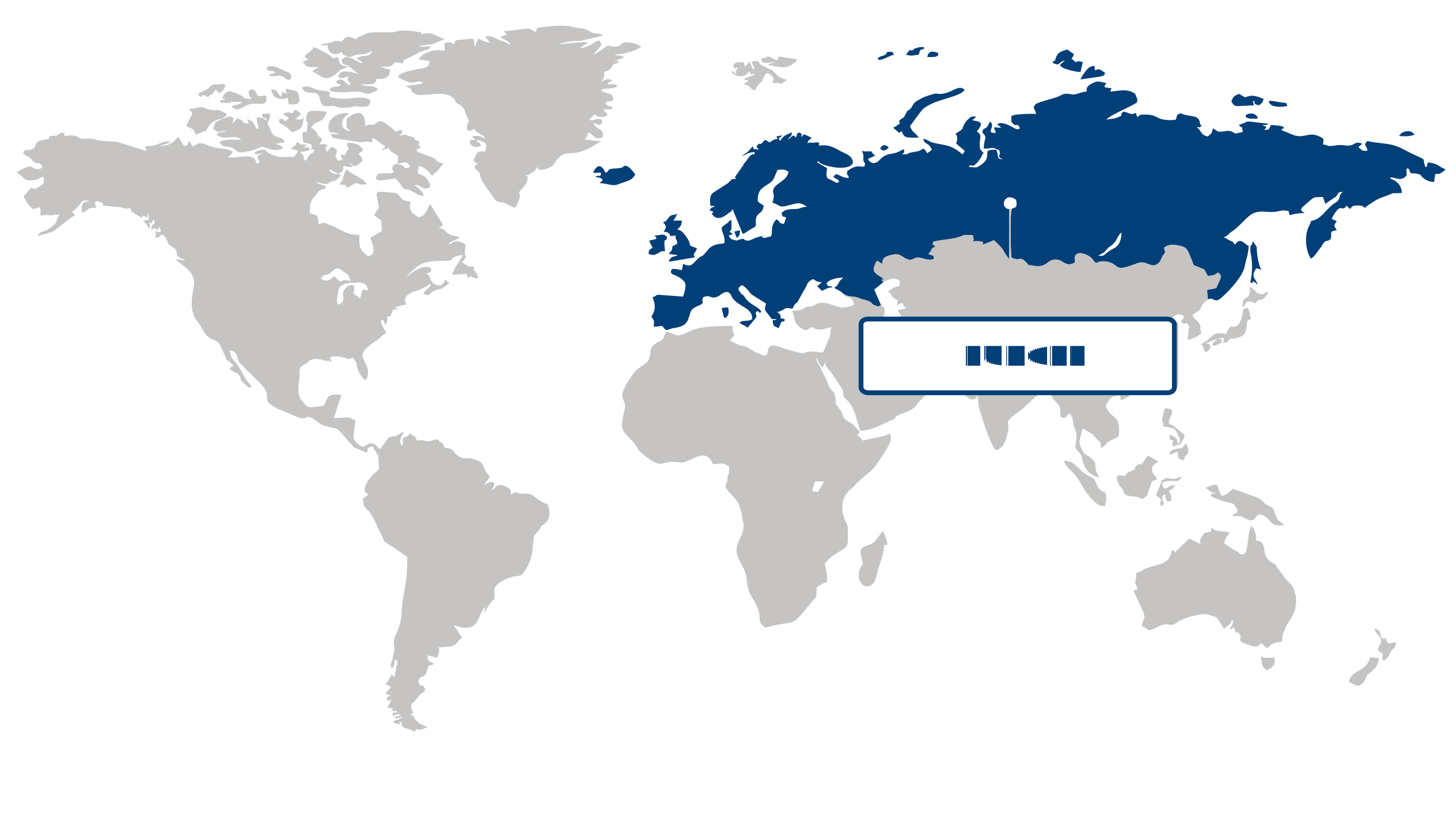
Europe (Largest Region)
The Europe fatty methyl ester sulfonate market accounted for a 34.88% share in 2026, supported by increasing demand for biodegradable surfactants, growing emphasis on sustainable chemical products, and strong adoption of environmentally responsible formulations. Fatty methyl ester sulfonates are gaining attention as alternatives to conventional surfactants across household cleaning, personal care, and industrial applications. Growing environmental awareness and stricter sustainability objectives are encouraging manufacturers to adopt renewable and biodegradable raw materials. The region's established chemical industry and focus on green chemistry are also supporting the development and commercialization of bio-based surfactant technologies. Increasing consumer preference for environmentally friendly detergents and cleaning products is creating additional opportunities for sustainable surfactant formulations. Continued emphasis on reducing environmental impact and improving product biodegradability is expected to support market development across Europe.
Asia Pacific (Fastest-Growing Region)
The Asia Pacific fatty methyl ester sulfonate market is anticipated to witness the fastest growth, driven by expanding consumer goods manufacturing, rising demand for sustainable cleaning products, and increasing adoption of bio-based chemical ingredients. Rapid industrialization and urbanization are increasing consumption of detergents, personal care products, and industrial cleaning formulations across the region. Manufacturers are increasingly exploring renewable feedstocks and biodegradable surfactants to address changing environmental expectations and product sustainability requirements. Growing middle-class populations are also supporting demand for packaged household and personal care products that incorporate environmentally conscious formulations. Expanding chemical manufacturing capabilities and improving access to sustainable raw materials are creating favorable conditions for regional production. Increasing investments in green chemistry and sustainable formulation technologies are expected to further accelerate adoption of fatty methyl ester sulfonates across Asia Pacific.
| Parameter | North America | Asia Pacific | Europe | Latin America | MEA |
|---|---|---|---|---|---|
| Innovation HubiScaleNascentDeveloping Advanced | |||||
| Cost-Sensitive RegioniScaleLowMedium High | |||||
| Regulatory EnvironmentiScaleRestrictiveNeutral Supportive | |||||
| Demand DriversiScaleWeakModerate Strong | |||||
| Development StageiScaleEmergingDeveloping Developed | |||||
| Adoption RateiScaleLowMedium High | |||||
| New Entrants / StartupsiScaleSparseModerate Dense | |||||
| Macro IndicatorsiScaleWeakStable Strong |
Key Country Insights
United States 🇺🇸
Bio-Based Surfactant FormulationThe U.S. fatty methyl ester sulfonate market is focused on incorporating bio-based surfactants into detergents and cleaning formulations without compromising cleaning performance or formulation stability. Priorities include feedstock consistency, compatibility with existing product systems, biodegradability attributes, and scalable processing for household and institutional applications.
Germany 🇩🇪
Sustainable Detergent ChemistryGermany’s fatty methyl ester sulfonate market is shaped by demand for surfactant solutions aligned with sustainability and environmental performance requirements. Formulators are prioritizing renewable feedstocks, biodegradability, effective low-temperature cleaning, and reliable formulation behavior across household and industrial detergent applications.
Japan 🇯🇵
High-Purity Surfactant ApplicationsJapan’s fatty methyl ester sulfonate market emphasizes consistent quality and controlled formulation performance for detergents, personal care products, and specialty cleaning applications. Suppliers are prioritizing purity, mildness, stability, and compatibility with concentrated formulations where precise surfactant characteristics support product differentiation.
South Korea 🇰🇷
Specialty Cleaning FormulationsSouth Korea’s fatty methyl ester sulfonate market is oriented toward advanced detergent and cleaning formulations where renewable surfactant options can complement performance requirements. Priorities include formulation flexibility, stable supply of suitable feedstocks, compatibility with concentrated products, and performance in consumer and industrial cleaning systems.
France 🇫🇷
Renewable Surfactant IntegrationFrance’s fatty methyl ester sulfonate market prioritizes renewable and biodegradable surfactant alternatives for household, institutional, and personal care formulations. Commercial focus includes environmentally oriented product development, formulation efficiency, and compatibility with established detergent systems while maintaining the sensory and cleaning characteristics expected by end users.
Italy 🇮🇹
Formulation-Focused Surfactant DemandItaly’s fatty methyl ester sulfonate market centers on specialty detergent and cleaning formulations where renewable surfactants can provide both functional and environmental value. Suppliers are prioritizing formulation compatibility, processing reliability, and tailored performance for household, institutional, and personal care product applications.
Fatty Methyl Ester Sulfonate Market Share (%), by Application, 2026
Go beyond the chart, access full insights & data tables
Request Free Sample ReportApplication Segment Analysis: Detergents (Largest Segment) vs Personal Care (Fastest-Growing Segment)
The detergents application segment accounted for a 40.93% share of the fatty methyl ester sulfonate market in 2026, supported by its strong suitability as a surfactant for household and institutional cleaning formulations. Fatty methyl ester sulfonates offer effective detergency, wetting, and emulsification properties, making them suitable for formulations designed to remove oils, grease, and particulate soils. Their biodegradability and compatibility with formulations focused on improved environmental performance are also supporting their adoption as detergent manufacturers seek alternatives to conventional surfactants. Growing consumer and regulatory emphasis on sustainable cleaning products, together with continued demand for laundry and household cleaning formulations, is reinforcing the use of fatty methyl ester sulfonates in detergent applications. Their functional performance across diverse formulations further supports the market share position of detergents as the largest application segment in 2026.
The personal care application segment is expected to register the fastest growth in 2026, driven by increasing interest in mild, biodegradable, and environmentally considerate ingredients for cleansing and personal hygiene formulations as it captures a rising share of the fatty methyl ester sulfonate market. Fatty methyl ester sulfonates can provide surfactant functionality suitable for products requiring effective cleansing while supporting formulation strategies centered on improved environmental profiles. Growing consumer awareness of ingredient sustainability and increasing preference for personal care products perceived as gentler and more responsible are encouraging formulators to explore alternative surfactant technologies. In addition, innovation in skin cleansing, hair care, and other rinse-off formulations is expanding opportunities for specialty surfactants with favorable performance characteristics. The increasing focus on sustainable beauty and personal care formulations is therefore accelerating adoption of fatty methyl ester sulfonates in personal care applications to expand its market share in 2026.
| Segment | Sub-Segment | Largest Segment | Fastest Growing |
|---|---|---|---|
| Application | Personal Care, Detergents, Others | Detergents | Personal Care |
Unlock insights tailored to your business with our bespoke market research solutions.
Click to get your customized report now.
Competitive Landscape and Market Positioning
Analyst Perspective:
The commercial viability of fatty methyl ester sulfonate (FMES) depends on maintaining feedstock security while mastering advanced chemical processing to satisfy stringent detergent requirements. Sourcing bio-based palm and palm kernel oils exposes manufacturers to agricultural pricing volatility and mandatory sustainability criteria, making supply chain traceability a primary differentiator. In formulation, FMES serves as an eco-friendly surfactant capable of high-performance cold-water cleaning, though actual efficacy varies based on water hardness and specific soil interactions. Suppliers face additional technical challenges in producing high-concentration paste formulations, where high active-matter content must be balanced against high viscosity and phase separation. Furthermore, investing in advanced bleaching processes ensures color stability over extended storage, preventing product discoloration in cost-sensitive cleaning and personal care applications.
Key companies in the fatty methyl ester sulfonate market:
- Stepan Company (USA)
- Huntsman (USA)
- Galaxy Surfactants (India)
- Solvay (Belgium)
- Kao Chemicals (Japan)
- Croda (UK)
- BASF (Germany)
- Evonik (Germany)
- Godrej (India)
- Sinopec (China)
| Company | Market Share | Company Revenue | Revenue CAGR (%) | Product Portfolio | Geographic Presence | Innovation / R&D Focus | Strategic Developments |
|---|---|---|---|---|---|---|---|
| Stepan Company (USA) | |||||||
| Huntsman (USA) | |||||||
| Galaxy Surfactants (India) | |||||||
| Solvay (Belgium) | |||||||
| Kao Chemicals (Japan) | |||||||
| Croda (UK) | |||||||
| BASF (Germany) | |||||||
| Evonik (Germany) | |||||||
| Godrej (India) | |||||||
| Sinopec (China) |
Industry Development/News
| Company Name | Date | Key Development |
|---|---|---|
| Stepan Company | June 2026 | Stepan Company prioritized ongoing investments in specialty surfactants and process capabilities to reinforce its position in performance-driven formulations. This operational focus supports downstream customers requiring consistent quality and documentation for renewable and mild surfactant systems used across detergent and personal care sectors. |
| Wilmar International Limited | June 2025 | Wilmar International Limited agreed to acquire PZ Cussons plc's 50 percent stake in the Nigerian joint venture PZ Wilmar to secure full ownership. This transaction integrates sustainable palm oil operations, strengthening feedstock availability for downstream oleochemical chains and supporting the production of bio-based surfactant intermediates. |
| KLK OLEO | February 2025 | KLK OLEO established a new representative office in Mumbai, India, operating as KLK OLEO India (KLKOI), to enhance its regional market presence. This strategic expansion strengthens technical-commercial engagement and distribution capabilities within a growing manufacturing base for sustainable, bio-based surfactants and personal care formulations. |
Customize Your Report
Explore examples of how this report can be tailored to different research needs, including custom segments, additional topics or chapters, and related reports. Click a section of the wheel or its numbered marker to explore the available options.
Fatty Methyl Ester Sulfonate Market — Custom Segments
| Segment | Sub-Segment |
|---|---|
| Feedstock | Palm-Based Feedstock, Tallow-Based Feedstock, Other Vegetable Oil Feedstocks |
| Formulation Type | Powder, Liquid, Paste |
| Distribution Channel | Direct Sales, Distributors & Wholesalers, Online Channels |
Fatty Methyl Ester Sulfonate Market — Custom TOC
| Custom Chapter | Chapter Details |
|---|---|
| Feedstock Security & Sourcing Strategy |
|
| Bio-based Surfactant Substitution Potential |
|
| Sustainable Procurement & Certification Landscape |
|
Need a different cut of the data?
Request Custom ResearchFrequently Asked Questions
What is the estimated worth of the fatty methyl ester sulfonate market?
How is the fatty methyl ester sulfonate industry size expected to evolve during the forecast period?
How is the shift toward sustainable formulations influencing demand in the fatty methyl ester sulfonate market?
How are industrial cleaning applications and formulation innovation expanding commercial opportunities for fatty methyl ester sulfonates?
Why do detergents dominate the fatty methyl ester sulfonate market?
What is driving personal care adoption of fatty methyl ester sulfonates?
Why does Europe lead the fatty methyl ester sulfonate market?
What is driving fatty methyl ester sulfonate market growth in Asia Pacific?
Who are the major participants shaping the fatty methyl ester sulfonate landscape?
Our Clients
"The report helped us understand emerging consumer trends in our product category. It clarified where to focus innovation for the next product launch."
LyondellBasell
"The regional forecast section was incredibly useful. We were able to identify two new potential partners in Europe thanks to the vendor mapping you included."
SABIC
"We appreciated how actionable the recommendations were. It guided us to improve supply chain resilience."
Olin Corporation
Our Research Team & Methodology
Every Fundamental Business Insights report is built by a dedicated vertical research team, validated through a structured primary-and-secondary methodology, and reviewed for accuracy before it reaches you.
This report was prepared by the Chemicals & Materials Research Team at Fundamental Business Insights, a dedicated research group specializing in the global chemicals, advanced materials, and industrial manufacturing sectors. Our analysts continuously monitor raw material supply chains, feedstock pricing, production technologies, regulatory developments, sustainability initiatives, environmental compliance, trade dynamics, and evolving end-use applications to deliver timely and reliable market intelligence. The research is developed using a structured methodology that combines primary discussions with manufacturers, raw material suppliers, distributors, and industry experts, along with company annual reports, regulatory publications, government trade statistics, industry associations, technical literature, patent databases, and other authoritative secondary sources. Market estimates are validated through multiple research techniques, including top-down and bottom-up analysis, before undergoing an internal quality review to ensure accuracy, consistency, and methodological integrity prior to publication.
Delivery
Published
Available
Support
- Market Size & Forecast
- Market Segmentation
- Regional Analysis
- Growth Drivers & Challenges
- Market Dynamics
- Competitive Landscape
- Company Profiles
- Competitive Benchmarking
- Mergers & Acquisitions
- Market Share Analysis or Key Company Strategies
- Value Chain Analysis
- Porter's Five Forces
- PESTLE Analysis
- Pricing Trends
- Supply-Demand Analysis
- Technology Landscape
- Regulatory Landscape
- Investment & Funding Landscape
- Emerging Opportunities
- Future Market Outlook