Fava Bean Protein Market Size & Growth Forecast 2027–2036, By Segments (Application, Product, Type), Regional Demand Trends (North America, Asia Pacific, Europe), Key Country Insights (U.S., Japan, South Korea, Germany, France, Italy), and Competitive Landscape
Jump to Content
Market Size and Growth Outlook
Fava Bean Protein Market size was estimated at USD 1.06 billion in 2026 and is projected to grow at a 3.67% CAGR from 2027 to 2036, crossing USD 1.52 billion by 2036. The industry revenue for 2027 is calculated at USD 1.09 billion.
Get more details on this report
Request Free Sample ReportFava Bean Protein Market Intelligence Snapshot
Regional Market Dynamics
- Europe held the largest market share in 2026, driven by established alternative protein markets, sustainable nutrition preferences, and growing use of fava bean ingredients in plant-based foods and functional products.
- Asia Pacific is expanding rapidly as health awareness, food processing capacity, and demand for protein-enriched products increase, creating opportunities for sustainable plant proteins across food, beverage, and nutritional applications.
Segment Momentum
- Human nutrition accounted for 61.8% of the market in 2026, driven by demand for plant-based protein in nutritional powders, beverages, meal replacements, and snack bars. Functional versatility supports broader food formulation opportunities.
- Organic fava bean protein is gaining traction as consumers prioritize certified organic sourcing and clean-label formulations. Its expansion depends on certified ingredient availability, production costs, and functional performance in finished products.
Market Expansion Drivers
- Growing consumer preference for plant-based proteins.
- Innovations in fava bean protein extraction & formulation.
- Expansion of plant-based food markets in emerging regions.
Leading Market Participants
- Prominent players in the fava bean protein market include Roquette (France), Puris (USA), Ingredion (USA), Vestkorn (Norway), Emsland Group (Germany), Axiom Foods (USA), ADM (USA), AGT Food and Ingredients (Canada), Kerry Group (Ireland), Cargill (USA).
Global Market Forecast Snapshot
Market Outlook
- 2026 Market Size: USD 1.06 billion
- 2027 Estimated Market Size: USD 1.09 billion
- Projected Market Size: USD 1.52 billion by 2036
- Growth Forecast: 3.67% CAGR (2027-2036)
Regional and Segment Outlook
- Leading Regional Market: Europe
- High-Growth Regional Hub: Asia Pacific
- Core Revenue Segment: Application (Human Nutrition) | Product (Fava Bean Protein Isolate) | Type (Conventional)
- Emerging Opportunity Segment: Application (Human Nutrition) | Product (Fava Bean Protein Isolate) | Type (Organic)
Market Growth Drivers and Industry Trends
Growing Consumer Preference for Plant-Based Proteins
Growing consumer interest in plant-based nutrition is driving demand for alternative protein ingredients such as fava bean protein. Consumers are increasingly seeking protein sources that align with preferences for sustainable diets, clean-label foods, and reduced reliance on animal-derived ingredients. Fava bean protein offers useful nutritional and functional characteristics, making it suitable for incorporation into a broad range of food and beverage applications, while its plant origin supports its growing relevance within the expanding alternative protein landscape.
Innovations in Fava Bean Protein Extraction & Formulation
Innovations in fava bean protein extraction and formulation are improving the functional performance and versatility of the ingredient across food applications. Advances in processing techniques are helping enhance protein purity, solubility, texture, taste, and nutritional characteristics while addressing formulation challenges associated with plant-based ingredients. These improvements are enabling broader incorporation of fava bean protein into products such as beverages, nutritional foods, meat alternatives, bakery products, and other protein-enriched formulations.
Expansion of Plant-Based Food Markets in Emerging Regions
The expansion of plant-based food markets in emerging regions is creating new opportunities for fava bean protein applications as consumers gain greater access to alternative protein products. Urbanization, changing dietary preferences, increasing awareness of nutrition, and the development of modern food processing capabilities are supporting the introduction of plant-based offerings across diverse markets. Growing local demand for affordable and versatile protein ingredients is further encouraging manufacturers to explore fava bean protein as an adaptable component for emerging plant-based food categories.
| Growth Driver | Impact on CAGR | Regulatory Influence | Geographic Relevance | Adoption Rate | Impact Timeline |
|---|---|---|---|---|---|
| Growing consumer preference for plant-based proteins | 2% | Short term (≤ 2 yrs) | North America; Europe; Spillover: Asia Pacific | Medium | Fast |
| Innovations in fava bean protein extraction & formulation | 1% | Medium term (2–5 yrs) | Europe; North America | Medium | Moderate |
| Expansion of plant-based food markets in emerging regions | 0.5% | Long term (5+ yrs) | Asia Pacific; Latin America | Low | Moderate |
Explore Growth Opportunities
Request Free Sample ReportRegional Demand Dynamics
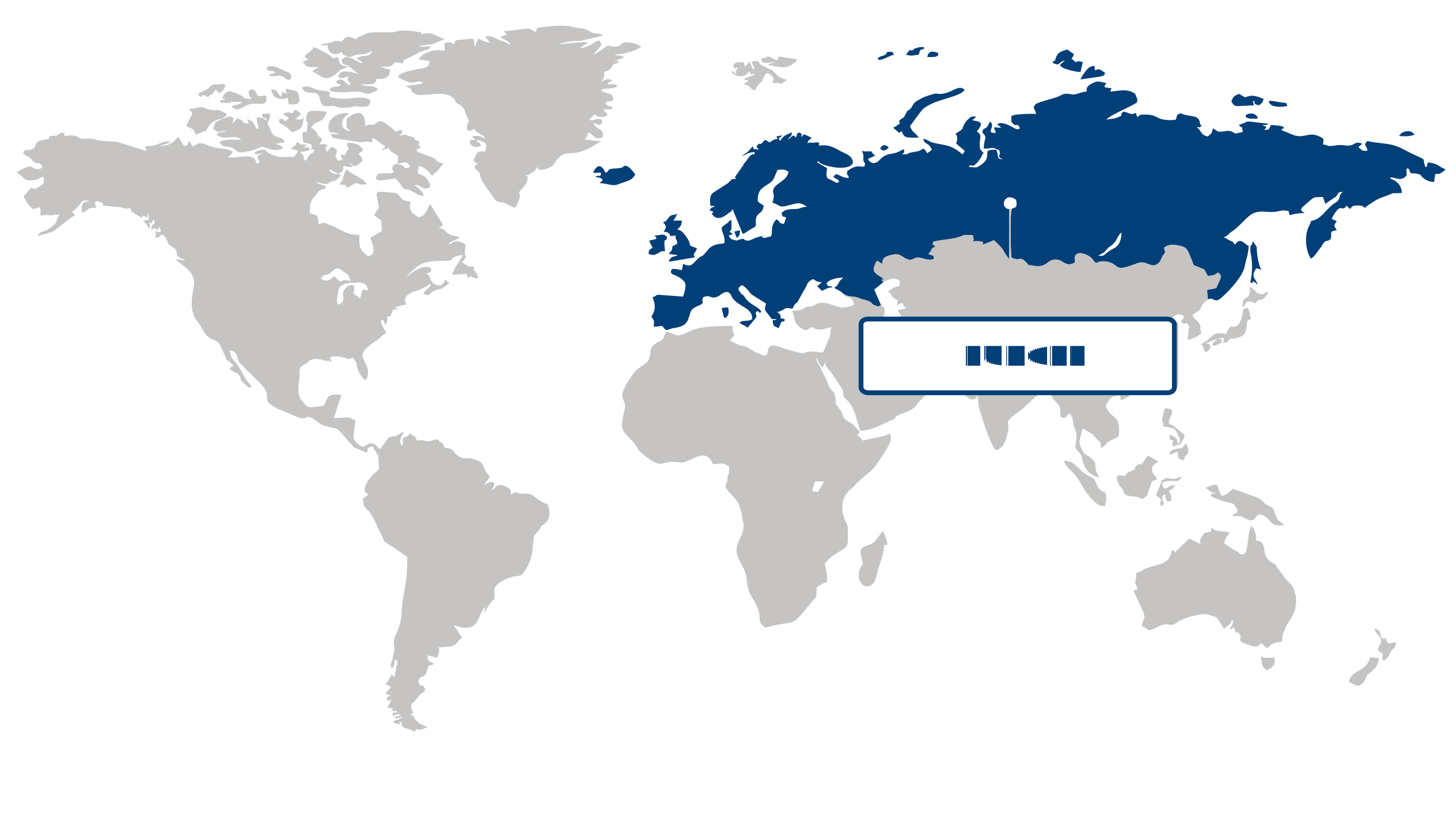
Europe (Largest Region)
Europe held the largest share in 2026, supported by strong consumer interest in plant-based nutrition, growing demand for sustainable protein sources, established alternative protein markets, and increasing preference for clean-label and environmentally conscious food products. The region benefits from expanding plant-based food innovation and widespread consumer awareness of sustainable dietary choices, creating favorable demand for fava bean protein across food and beverage applications. Increasing use of plant proteins in meat alternatives, nutritional products, bakery formulations, and functional foods is further broadening application opportunities, while continued interest in reducing reliance on conventional animal-based proteins supports the development of fava bean-based ingredients.
Asia Pacific (Fastest-Growing Region)
Asia Pacific is projected to be the fastest-growing region, propelled by rising demand for plant-based and protein-enriched foods, expanding food processing industries, growing health awareness, and increasing interest in sustainable nutritional ingredients. The region's large consumer base and evolving dietary preferences are creating new opportunities for alternative protein sources, while growing urbanization and changing lifestyles are encouraging demand for convenient and nutritious food products. Increasing innovation in plant-based formulations, expanding availability of protein-rich food products, and greater adoption of sustainable ingredients across emerging markets are expected to support broader use of fava bean protein in food, beverage, and nutritional applications.
| Parameter | North America | Asia Pacific | Europe | Latin America | MEA |
|---|---|---|---|---|---|
| Innovation HubiScaleNascentDeveloping Advanced | |||||
| Cost-Sensitive RegioniScaleLowMedium High | |||||
| Regulatory EnvironmentiScaleRestrictiveNeutral Supportive | |||||
| Demand DriversiScaleWeakModerate Strong | |||||
| Development StageiScaleEmergingDeveloping Developed | |||||
| Adoption RateiScaleLowMedium High | |||||
| New Entrants / StartupsiScaleSparseModerate Dense | |||||
| Macro IndicatorsiScaleWeakStable Strong |
Key Country Insights
United States 🇺🇸
Plant Protein InnovationThe U.S. fava bean protein market is driven by product developers seeking differentiated plant-based protein sources for food, beverage, and nutrition applications. Commercial priorities include neutral sensory profiles, functional performance, formulation versatility, and scalable ingredient supply for products positioned around protein quality and clean-label attributes.
Germany 🇩🇪
Sustainable Ingredient FormulationGermany’s fava bean protein market aligns with demand for plant-based ingredients that support sustainability-oriented product development. Food manufacturers are particularly focused on functional performance, European sourcing narratives, allergen considerations, and the ability to incorporate fava protein into meat alternatives, bakery products, and nutritional formulations.
Japan 🇯🇵
Functional Nutrition ApplicationsJapan offers opportunities for fava bean protein in applications where nutrition, texture, and convenient consumption are important. Ingredient suppliers and food manufacturers prioritize mild sensory characteristics and formulation flexibility for protein-enriched beverages, snacks, prepared foods, and other products adapted to established consumer preferences.
South Korea 🇰🇷
Alternative Protein FormulationSouth Korea’s fava bean protein market is closely connected to innovation in plant-based and protein-enriched foods. Manufacturers prioritize ingredients that deliver desirable texture and taste while supporting formulations for meat alternatives, beverages, snacks, and convenience-oriented nutrition products.
France 🇫🇷
Premium Plant ProteinFrance’s fava bean protein market is shaped by interest in plant-based formulations that combine nutritional positioning with appealing taste and ingredient quality. Commercial priorities include culinary performance, clean-label formulation, and applications spanning meat alternatives, prepared foods, bakery, and premium nutrition products.
Italy 🇮🇹
Food-Centric Protein IntegrationItaly’s fava bean protein market is particularly relevant to manufacturers adapting plant proteins to familiar food formats. Product development priorities include taste, texture, and compatibility with pasta, bakery, snacks, prepared foods, and other formulations where fava-derived protein can add nutritional value without compromising established eating experiences.
Fava Bean Protein Market Share (%), by Application, 2026
Go beyond the chart, access full insights & data tables
Request Free Sample ReportApplication Segment Analysis: Human Nutrition (Largest & Fastest-Growing Segment)
In 2026, human nutrition accounts for a 61.8% market share in the fava bean protein market, reflecting the growing use of plant-based protein ingredients in everyday diets, nutritional products, and specialized food formulations. Fava bean protein offers a valuable balance of protein content, plant-based origin, and versatility, making it suitable for applications such as protein-enriched beverages, nutritional powders, meal replacements, snack bars, and alternative dairy products. Rising consumer interest in diversifying protein sources, alongside demand for products that support active lifestyles and balanced nutrition, is strengthening adoption across food and nutrition categories. Its functional properties, including emulsification and water-binding capabilities, can also help manufacturers develop formulations with desirable texture and consistency. As food producers continue to improve the taste, solubility, and overall performance of plant proteins, human nutrition is positioned to remain a central application area and a key driver of market expansion.
Product Segment Analysis: Fava Bean Protein Isolate (Largest & Fastest-Growing Segment)
Fava bean protein isolate holds the leading position in the product segment and is also the fastest-growing product category, capturing a dominant market share in 2026 supported by demand for concentrated plant-based protein ingredients that can be incorporated into a broad range of formulations. Its relatively high protein concentration makes it attractive to manufacturers seeking to increase protein content while managing the contribution of other components to the finished product. Applications include protein powders, fortified foods, meat alternatives, nutritional beverages, and products designed for consumers seeking alternatives to animal-derived proteins. Isolates can also offer formulation flexibility by helping manufacturers tailor protein levels, texture, and ingredient composition to specific product requirements. Continued progress in processing methods is important for improving flavor, solubility, dispersibility, and sensory performance, which can influence consumer acceptance and repeat purchases. As demand grows for protein-rich foods with recognizable plant-based ingredients, fava bean protein isolate is well positioned to benefit from both established nutritional applications and expanding product innovation.
Type Segment Analysis: Conventional (Largest Segment) vs Organic (Fastest-Growing Segment)
Conventional fava bean protein represents the largest segment of the market, maintaining a substantial market share in 2026 supported by its established availability, broader sourcing options, and suitability for large-scale food manufacturing. Conventional production can offer processors greater flexibility in ingredient procurement and cost management, making it attractive for applications where consistent supply, reliable functionality, and competitive pricing are important. Its use across protein-enriched foods, meat alternatives, nutritional products, and other plant-based formulations benefits from growing interest in diversifying protein sources without relying exclusively on established soy- or dairy-based ingredients. Manufacturers can also incorporate conventional fava bean protein into existing product-development and production processes, supporting wider commercial adoption. Improvements in processing efficiency, ingredient consistency, and flavor management may further strengthen its position as food producers seek practical ways to expand plant-protein offerings across mainstream markets.
Organic fava bean protein is the fastest-growing type segment as consumers increasingly consider production practices, ingredient sourcing, and environmental responsibility when choosing food products, expanding its 2026 share of the market. Organic positioning can appeal to shoppers who prioritize ingredients produced under certified organic standards, particularly within natural foods, premium nutrition products, and clean-label formulations. For manufacturers, organic fava bean protein provides an opportunity to differentiate plant-based products and respond to demand for ingredients that align with specific sourcing and certification preferences. Growth will depend on the availability and consistency of certified organic raw materials, the ability to manage production and certification costs, and the ingredient's functional performance in finished products. As brands expand organic protein powders, fortified foods, and plant-based alternatives, organic fava bean protein may gain traction among consumers willing to prioritize production standards alongside nutritional value and product quality.
| Segment | Sub-Segment | Largest Segment | Fastest Growing |
|---|---|---|---|
| Application | Human Nutrition, Food Processing, Nutraceutical, Animal Feed, Others | Human Nutrition | Human Nutrition |
| Product | Fava Bean Protein Isolate, Fava Bean Protein Concentrate | Fava Bean Protein Isolate | Fava Bean Protein Isolate |
| Type | Conventional, Organic | Conventional | Organic |
Unlock insights tailored to your business with our bespoke market research solutions.
Click to get your customized report now.
Competitive Landscape and Market Positioning
Analyst Perspective:
Commercial differentiation among fava bean protein suppliers centers on balancing ingredient refinement with practical application performance. Rather than competing solely on high protein purity, manufacturers must optimize functional properties like solubility and emulsification while addressing sensory hurdles such as naturally occurring off-flavors. Delivering consistent, application-neutral flavor profiles without compromising protein functionality or inflating formulation complexity remains a critical value driver. Additionally, capitalizing on soy-free and non-GMO positioning requires robust supply transparency, rigorous cross-contact controls, and reliable documentation to navigate potential legume sensitivities and substantiate label claims effectively.
Top players in the fava bean protein market:
- Roquette (France)
- Puris (USA)
- Ingredion (USA)
- Vestkorn (Norway)
- Emsland Group (Germany)
- Axiom Foods (USA)
- ADM (USA)
- AGT Food and Ingredients (Canada)
- Kerry Group (Ireland)
- Cargill (USA)
| Company | Market Share | Company Revenue | Revenue CAGR (%) | Product Portfolio | Geographic Presence | Innovation / R&D Focus | Strategic Developments |
|---|---|---|---|---|---|---|---|
| Roquette (France) | |||||||
| Puris (USA) | |||||||
| Ingredion (USA) | |||||||
| Vestkorn (Norway) | |||||||
| Emsland Group (Germany) | |||||||
| Axiom Foods (USA) | |||||||
| ADM (USA) | |||||||
| AGT Food and Ingredients (Canada) | |||||||
| Kerry Group (Ireland) | |||||||
| Cargill (USA) |
Industry Development/News
| Company Name | Date | Key Development |
|---|---|---|
| Phytokana Ingredients | July 2026 | Phytokana Ingredients secured C$25 million in funding to construct a dedicated dry fractionation facility for plant-based proteins in Canada. This investment significantly expands regional production capacity and strengthens the operational footprint within the fava bean protein supply chain. |
| Phytokana Ingredients | June 2026 | Phytokana Ingredients finalized C$450 million in offtake agreements to support its planned processing facility in Alberta. These commercial commitments provide financial backing for facility operations and establish strong distribution channels for scaled fava bean protein production. |
| Happy Plant Protein | May 2025 | Happy Plant Protein introduced a textured vegetable protein derived from fava beans to target affordable vegan food segments. This development expands the utilization of fava bean ingredients in alternative protein product formats. |
| Cosun Protein | April 2025 | Cosun Protein launched an organic fava bean protein isolate targeted at sports nutrition applications. The commercial addition broadens the company's specialty ingredient portfolio for functional food and beverage markets. |
| Phytokana Ingredients | December 2024 | Phytokana Ingredients developed a 70% pure fava bean protein concentrate utilizing advanced automation and crop science. The specialized processing method preserves native crop functionality while lowering anti-nutritional factors for alternative meat applications. |
| Califia Farms | May 2024 | Califia Farms commercialized a plant-based milk formulation blending pea, chickpea, and fava bean proteins. The product launch incorporates fava bean ingredients into fortified beverage applications to meet consumer nutritional requirements. |
Customize Your Report
Explore examples of how this report can be tailored to different research needs, including custom segments, additional topics or chapters, and related reports. Click a section of the wheel or its numbered marker to explore the available options.
Fava Bean Protein Market — Custom Segments
| Segment | Sub-Segment |
|---|---|
| Sales Channel | Direct Sales, Foodservice & Industrial Distribution, Retail, E-Commerce |
| Product Form | Powder, Liquid, Granules & Crystals, Other Forms |
| Price Tier | Economy, Mid-Range, Premium |
Fava Bean Protein Market — Custom TOC
| Custom Chapter | Chapter Details |
|---|---|
| Alternative Protein Consumer Adoption Analysis |
|
| Formulation and Application Opportunity Mapping |
|
| Plant-Based Protein Substitution Economics |
|
Need a different cut of the data?
Request Custom ResearchFrequently Asked Questions
What is the total addressable market for fava bean protein?
What are the growth projections for the fava bean protein industry?
How is plant-based food expansion creating opportunities for fava bean protein?
How are extraction and formulation innovations improving fava bean protein adoption?
Why does human nutrition lead demand in the fava bean protein market?
What is driving the rapid growth of organic fava bean protein?
What makes Europe the leading market for fava bean protein?
Why is Asia Pacific expected to grow fastest in the fava bean protein market?
Which companies dominate the fava bean protein landscape?
Our Clients
"The report provided a thorough look at market trends, technological advancements, and the competitive landscape. The depth of insights was really valuable."
ITC Limited
"We would highly recommend Fundamental Business Insights & Consulting to anyone looking for reliable, detailed, and comprehensive market research in the Food industry."
Tyson Foods
"The clarity and presentation of the information were commendable. The report was delivered timely, which made the overall experience smooth and convenient."
Mondelēz International
Our Research Team & Methodology
Every Fundamental Business Insights report is built by a dedicated vertical research team, validated through a structured primary-and-secondary methodology, and reviewed for accuracy before it reaches you.
This report was prepared by the Food & Beverage Research Team at Fundamental Business Insights, a dedicated research group specializing in the global food, beverage, ingredients, and food processing industries. Our analysts continuously monitor evolving consumer preferences, product innovation, ingredient developments, food safety regulations, manufacturing technologies, supply chain dynamics, pricing trends, sustainability initiatives, and changing retail and foodservice landscapes to deliver timely and reliable market intelligence. The research is developed using a structured methodology that combines primary discussions with food manufacturers, ingredient suppliers, distributors, retailers, industry experts, and other key stakeholders, along with company annual reports, regulatory publications, government trade statistics, food safety authorities, industry associations, technical publications, and other authoritative secondary sources. Market estimates are validated through multiple research techniques, including top-down and bottom-up analysis, before undergoing an internal quality review to ensure accuracy, consistency, and methodological integrity prior to publication.
Delivery
Published
Available
Support
- Market Size & Forecast
- Market Segmentation
- Regional Analysis
- Growth Drivers & Challenges
- Market Dynamics
- Competitive Landscape
- Company Profiles
- Competitive Benchmarking
- Mergers & Acquisitions
- Market Share Analysis or Key Company Strategies
- Value Chain Analysis
- Porter's Five Forces
- PESTLE Analysis
- Pricing Trends
- Supply-Demand Analysis
- Technology Landscape
- Regulatory Landscape
- Investment & Funding Landscape
- Emerging Opportunities
- Future Market Outlook