Feldspar Market Size & Forecasts 2026-2035, By Segments (Type, End-Use), Growth Opportunities, Innovation Landscape, Regulatory Shifts, Strategic Regional Insights (U.S., Japan, China, South Korea, UK, Germany, France), and Competitive Dynamics (Imerys, Ciner Group, Unimin Corporation, Minerals Technologies, Sibelco)
Jump to Content
Market Size and Growth Outlook
Feldspar Market size is anticipated to rise from USD 680.14 million in 2025 to USD 1.22 billion by 2035, reflecting a CAGR surpassing 6% over the forecast horizon of 2026-2035. The estimated revenue for 2026 is USD 715.65 million.
Get more details on this report
Request Free Sample ReportFeldspar Market Intelligence Snapshot
Regional Market Dynamics
Segment Momentum
Market Expansion Drivers
Leading Market Participants
Global Market Forecast Snapshot
Market Outlook
Regional and Segment Outlook
Market Growth Drivers and Industry Trends
The feldspar market is increasingly shaped by expanding construction and ceramics sectors, driven by urbanization and infrastructure investments worldwide. Urban development projects reported by the World Bank illustrate surging demand for building materials, where feldspar’s role as a flux in ceramic tiles and sanitaryware production becomes critical. This trend influences consumer preferences for durable, aesthetically attractive surfaces, emphasizing innovation in ceramic formulations incorporating feldspar. Leading manufacturers like Mohawk Industries have announced increased capacity for feldspar-containing products to meet these evolving demands. Consequently, established firms can leverage scale efficiencies while new entrants might focus on niche ceramic applications or regional construction booms. The consolidation of infrastructure plans by governments signals sustained feldspar demand from these industries, supporting steady market expansion.
Growth in Glass and Porcelain Industries
The feldspar market benefits substantially from advancements in glass and porcelain manufacturing, sectors focused on quality and performance enhancements. Industry leaders such as AGC Inc. have highlighted feldspar’s value in enhancing glass melting processes, improving clarity and strength, which aligns with consumers’ growing expectations for durable and eco-friendly glass products. Additionally, porcelain producers emphasize feldspar’s role in reducing firing temperatures, thereby decreasing energy consumption—a priority amid increasing regulatory pressure for sustainability, reported by the International Energy Agency. This development offers strategic openings for firms optimizing feldspar sourcing and processing, encouraging innovation in eco-efficient production. Continuous investment in glass and porcelain technologies underscores a durable improvement in feldspar utilization within these value chains.
Exploration of High-Purity Feldspar Sources
The exploration and development of high-purity feldspar deposits are emerging as pivotal factors fueling the feldspar market’s evolution, responding to industries’ demand for refined raw materials. Reports from the U.S. Geological Survey reveal heightened activity in identifying deposits with superior chemical composition, which improve product quality in glass, ceramics, and electronics. This trend attracts mining companies to invest in advanced geological surveys and sustainable extraction techniques, enhancing environmental and regulatory compliance. The strategic value lies in reducing impurities, which aligns with manufacturers’ push for performance consistency in final products. Both incumbents and new market entrants have the opportunity to secure premium supply contracts by prioritizing high-purity feldspar, supporting the field’s transition to more specialized, high-value applications.
Industry Restraints:
Environmental Regulation and Sustainability Compliance
Stringent environmental regulations on mining and feldspar processing significantly restrain market expansion due to the high costs and operational complexities they impose. Regulatory bodies such as the U.S. Environmental Protection Agency (EPA) and the European Chemicals Agency (ECHA) enforce strict pollution control, land rehabilitation, and waste management standards that compel producers to invest heavily in compliance infrastructure. This adds layers of operational inefficiency and elevates barriers for smaller players lacking capital, while even large incumbents face rising scrutiny and potential halts in operations. For example, RHI Magnesita’s sustainability disclosures highlight increased expenditure on eco-friendly technology to meet evolving regulations. Strategically, firms must allocate resources for continuous compliance upgrades, impacting margins and limiting rapid scaling. Going forward, tightening global environmental policies will sustain these challenges, compelling feldspar producers to innovate in sustainable extraction and processing to remain competitive.
Volatility in Raw Material Supply and Logistics Constraints
The feldspar market is increasingly constrained by supply chain uncertainties tied to raw material availability and transportation bottlenecks. Key mining regions in countries such as Turkey, Italy, and India have encountered logistical disruptions stemming from geopolitical tensions, infrastructure limitations, and regulatory export restrictions, as reported by the International Mining Association. These factors yield volatile supply volumes and elevate raw material costs, challenging manufacturers’ ability to maintain consistent output. Strategic implications include heightened vulnerability for both established firms reliant on stable imports and new entrants struggling to secure reliable sourcing. Companies like Imerys have underscored supply chain resilience as a critical focus in their investor communications. In the foreseeable future, persistent geopolitical and infrastructural issues will prolong supply side fragility, compelling market players to diversify sourcing strategies and invest in logistics optimization to buffer operational risks.
| Growth Driver | Impact on CAGR | Regulatory Influence | Geographic Relevance | Adoption Rate | Impact Timeline |
|---|---|---|---|---|---|
| Rising construction and ceramics demand | 2.00% | Short term (≤ 2 yrs) | Asia Pacific (Primary), North America (Spillover) | Medium | Fast |
| Growth in glass and porcelain industries | 1.50% | Medium term (2–5 yrs) | Europe, North America | Low | Moderate |
| Exploration of high-purity feldspar sources | 0.80% | Long term (5+ yrs) | Asia Pacific (Primary), Europe | Low | Slow |
Explore Growth Opportunities
Request Free Sample ReportRegional Demand Dynamics
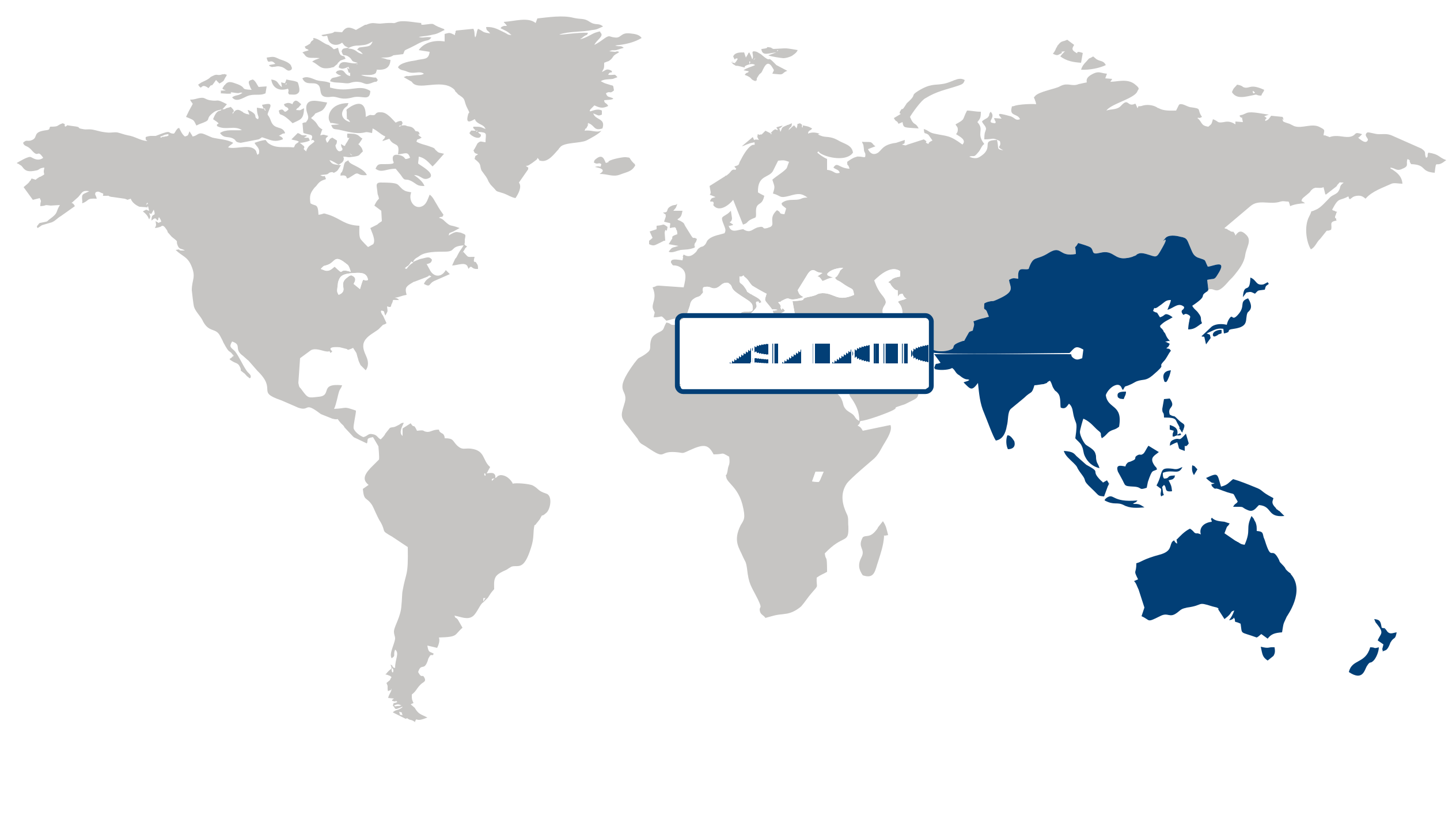
Asia Pacific dominated the feldspar market in 2025, capturing over 51% of the global share and showcasing a robust 6.8% CAGR, making it both the largest and fastest-growing region. This leadership is primarily driven by rapid infrastructure development and the expanding glass packaging sector, where countries are intensifying investments in urbanization and smart city projects. For instance, the Asian Development Bank highlights massive infrastructure spending across India and Southeast Asia, boosting demand for feldspar as a key mineral in construction materials and glass manufacturing. Additionally, companies like LG Chem emphasize sustainability initiatives, adopting feldspar-based glass packaging to meet rising eco-conscious consumer preferences. These factors, combined with improvements in production technologies and streamlined supply chains, position Asia Pacific as a critical market with significant growth prospects in the coming years.
Japan is positioned as a pivotal hub in the Asia Pacific feldspar market, leveraging its advanced manufacturing capabilities and strong regulatory focus on material efficiency. The country’s commitment to circular economy principles fosters innovative uses of feldspar in eco-friendly glass and ceramics, as underlined in reports from the Ministry of Economy, Trade and Industry (METI). Meanwhile, Japan’s corporate sector, including firms like NGK Insulators, integrates feldspar in high-performance products that cater to both domestic demand and export-oriented industries. This strategic emphasis on sustainability and innovation amplifies Japan’s influence within the regional feldspar market, supporting Asia Pacific’s overall growth trajectory.
China anchors the feldspar market in Asia Pacific with its vast industrial base and surging consumer demand for packaged goods. The country’s State Council actively promotes infrastructure upgrades and green building initiatives, fueling feldspar consumption, especially in glass production. Leading companies such as China National Building Material Group implement high-volume feldspar utilization in glass packaging, aligning with tighter environmental standards to reduce carbon footprints. China’s extensive logistics networks and skilled workforce further enhance feldspar supply chain efficiencies. This robust industrial ecosystem underpins China’s dominant role and reinforces growth opportunities throughout Asia Pacific’s feldspar market.
North America Market Analysis:
North America held a substantial share in the feldspar market, driven by its well-established ceramics and glass manufacturing industries, which rely heavily on feldspar as a key raw material. The region's mature industrial base benefits from advanced mining infrastructure and supply chain networks that facilitate steady feldspar availability. Furthermore, growing emphasis on sustainability and resource efficiency, coupled with regulatory frameworks like those enforced by the U.S. Environmental Protection Agency (EPA), is encouraging producers to adopt cleaner processing technologies. According to the U.S. Geological Survey (USGS), consistent domestic feldspar production supports competitive pricing and supply stability. These factors position North America as a resilient market with ongoing opportunities to integrate innovation in feldspar extraction and processing, catering to evolving industrial demands and sustainability goals.
The U.S. plays a pivotal role in the North American feldspar market, with strong demand stemming from its ceramics, glass, and filler industries. Consumer preferences are shifting towards environmentally friendly products, prompting manufacturers to prioritize feldspar sourced and processed with minimal environmental footprint. The U.S. Bureau of Land Management’s (BLM) oversight ensures responsible mining practices that align with federal environmental standards, fostering long-term resource sustainability. Additionally, advancements in automation and digitalization in U.S. feldspar mining, highlighted by companies like Imerys, improve operational efficiency and reduce costs. This dynamic makes the U.S. a critical contributor to North America’s stable feldspar supply chain and a strategic focal point for ongoing market expansion.
Europe Market Trends:
Europe maintained a notable presence in the feldspar market, driven by its established ceramics and glass manufacturing industries, which contribute to steady demand. The region’s focus on sustainable industrial practices and adherence to stringent environmental regulations—highlighted by directives from the European Chemicals Agency (ECHA)—have incentivized the adoption of high-purity feldspar for cleaner production processes. Additionally, advancements in mining technologies and efficient supply chain frameworks across Europe, supported by initiatives from the Federation of European Mineral Programs, have facilitated consistent product availability. Companies such as Imerys have publicly emphasized innovation in feldspar extraction to reduce environmental footprints. This combination of regulatory rigor, technological progress, and consumer preference for environmentally responsible materials positions Europe for moderate growth and significant investment opportunities in the feldspar market.
Germany serves as a central player in Europe’s feldspar market, propelled by its robust industrial base in automotive, ceramics, and glass sectors, which have consistently integrated feldspar to enhance product quality and durability. The country’s proactive policies on resource efficiency, as promoted by Germany’s Federal Ministry for Economic Affairs and Climate Action, have accelerated the adoption of feldspar sourced with minimal environmental impact. Market participants like Sibelco emphasize Germany’s role in piloting sustainable feldspar mining practices and incorporating advanced beneficiation methods. This creates a competitive yet collaborative environment, fostering innovation and reinforcing Germany’s strategic importance in sustaining regional feldspar market growth. Consequently, Germany’s leadership underpins broader European opportunities through its commitment to industrial excellence and sustainability.
France holds a strategic position within Europe’s feldspar market, with significant demand emerging from its thriving ceramics sector and expanding glass manufacturing capacity. The French Agency for Ecological Transition (ADEME) has influenced production and consumption patterns by promoting eco-friendly raw materials, indirectly boosting feldspar utilization under sustainable frameworks. Corporations like Imerys France have reported investments in feldspar processing technologies that enhance compositional consistency and reduce energy usage. Furthermore, France’s active participation in cross-border mineral resource collaborations enhances supply security. These developments highlight France’s role in supporting Europe’s feldspar market moderate growth, offering investors and strategists a regionally diversified landscape enriched by innovation and environmental stewardship.
| Parameter | North America | Asia Pacific | Europe | Latin America | MEA |
|---|---|---|---|---|---|
| Innovation HubiScaleNascentDeveloping Advanced | |||||
| Cost-Sensitive RegioniScaleLowMedium High | |||||
| Regulatory EnvironmentiScaleRestrictiveNeutral Supportive | |||||
| Demand DriversiScaleWeakModerate Strong | |||||
| Development StageiScaleEmergingDeveloping Developed | |||||
| Adoption RateiScaleLowMedium High | |||||
| New Entrants / StartupsiScaleSparseModerate Dense | |||||
| Macro IndicatorsiScaleWeakStable Strong |
Feldspar Market Share (%), by Type, 2026
Go beyond the chart, access full insights & data tables
Request Free Sample ReportPlagioclase feldspar represented the largest share in the feldspar market in 2025, driven by its essential role as a fluxing agent in glass and ceramics production. This segment leads due to its capacity to lower melting points, enhancing energy efficiency and product quality in construction materials, aligning with industry demands for sustainable manufacturing. Companies like AGC Inc. and SCHOTT AG emphasize plagioclase’s benefits in reducing production costs and waste, reflecting growing sustainability priorities. The segment benefits from established supply chains and ongoing innovation in flux formulations, enabling firms to meet stringent regulatory standards while optimizing performance. The strategic advantage lies in its critical function across diverse industrial applications, offering resilience amid fluctuating raw material availability. Considering ongoing investments in energy-efficient processes and rising construction activity, plagioclase feldspar is poised to maintain relevance with steady demand for high-quality, eco-conscious materials.
Analysis by End-Use
The glass segment held the largest share of the feldspar market in 2025, fueled by escalating glass consumption in packaging, automotive, and construction sectors. This leadership stems from feldspar’s indispensable use in glass manufacturing to improve durability and thermal stability, critical to meet rising global packaging standards and vehicle lightweighting initiatives. Industry leaders like Corning Inc. highlight feldspar’s role in specialty glass development, which supports evolving consumer preferences toward sustainable and performance-driven products. Enhanced supply chain integration and advancements in glass formulations have fortified this segment’s competitive positioning. The segment offers significant opportunities for both incumbents and new entrants to innovate in eco-friendly glass applications and circular economy models. With regulatory emphasis on reducing carbon footprints and increasing glass recycling rates, the demand for feldspar in glass production is expected to sustain robust growth in the medium term.
| Segment | Sub-Segment | Largest Segment | Fastest Growing |
|---|---|---|---|
| Type | Plagioclase Feldspar, K-Feldspar | ||
| End-Use | Glass, Ceramics, Fillers, Others |
Unlock insights tailored to your business with our bespoke market research solutions.
Click to get your customized report now.
Competitive Landscape and Market Positioning
The competitive landscape is defined by collaborative ventures and innovation-driven investments among these top players, heightening market responsiveness. Several have pursued synergistic growth by aligning upstream mining activities with downstream specialty product development, boosting operational efficiency and product differentiation. Expansion into niche feldspar variants and applications reflects adaptive R&D priorities, supporting sustainable competitive advantages. New beneficiation methods and enhanced product purity have emerged from intensive technological pursuits, while strategic collaborations across continents enable access to emerging markets. This dynamic environment reinforces the criticality of leveraging integrated supply chains and fostering innovation ecosystems to address evolving industrial demands effectively.
Strategic / Actionable Recommendations for Regional Players
In North America, firms should deepen collaborative frameworks, integrating advanced mineral processing techniques with specialty chemicals sectors to exploit mature infrastructure and skilled labor pools. Emphasis on product innovation aligned to high-demand industrial uses will solidify market relevance amid intensifying competition.
Within Asia Pacific, tapping into regional industrial expansion by leveraging cost-effective extraction and production technologies can unlock new growth corridors. Aligning closely with downstream industries and fostering partnerships with technology providers will enhance adaptability and regional market penetration.
European stakeholders can benefit from intensifying efforts in sustainable feldspar sourcing and eco-efficient processing innovations. Strengthening alliances with research institutions will accelerate development of high-purity feldspar grades catering to advanced manufacturing requirements, thereby maintaining positioning in value-driven market segments.
| Company | Market Share | Company Revenue | Revenue CAGR (%) | Product Portfolio | Geographic Presence | Innovation / R&D Focus | Strategic Developments |
|---|---|---|---|---|---|---|---|
| No companies available. | |||||||
Customize Your Report
Explore examples of how this report can be tailored to different research needs, including custom segments, additional topics or chapters, and related reports. Click a section of the wheel or its numbered marker to explore the available options.
Feldspar Market — Custom Segments
| Segment | Sub-Segment |
|---|---|
| No segment data available. | |
Feldspar Market — Custom TOC
| Custom Chapter | Chapter Details |
|---|---|
| No custom TOC data available. | |
Need a different cut of the data?
Request Custom ResearchFrequently Asked Questions
What is the anticipated CAGR of the feldspar industry?
Which geographic area exhibits the highest level of feldspar market penetration?
What is the fastest growing region in the feldspar sector?
Why does plagioclase feldspar sub-segment dominate the type segment of feldspar sector?
How does glass segment fare in the feldspar industry?
Who are the major participants shaping the feldspar landscape?
Our Clients
"The report helped us understand emerging consumer trends in our product category. It clarified where to focus innovation for the next product launch."
LyondellBasell
"The regional forecast section was incredibly useful. We were able to identify two new potential partners in Europe thanks to the vendor mapping you included."
SABIC
"We appreciated how actionable the recommendations were. It guided us to improve supply chain resilience."
Olin Corporation
Our Research Team & Methodology
Every Fundamental Business Insights report is built by a dedicated vertical research team, validated through a structured primary-and-secondary methodology, and reviewed for accuracy before it reaches you.
This report was prepared by the Chemicals & Materials Research Team at Fundamental Business Insights, a dedicated research group specializing in the global chemicals, advanced materials, and industrial manufacturing sectors. Our analysts continuously monitor raw material supply chains, feedstock pricing, production technologies, regulatory developments, sustainability initiatives, environmental compliance, trade dynamics, and evolving end-use applications to deliver timely and reliable market intelligence. The research is developed using a structured methodology that combines primary discussions with manufacturers, raw material suppliers, distributors, and industry experts, along with company annual reports, regulatory publications, government trade statistics, industry associations, technical literature, patent databases, and other authoritative secondary sources. Market estimates are validated through multiple research techniques, including top-down and bottom-up analysis, before undergoing an internal quality review to ensure accuracy, consistency, and methodological integrity prior to publication.
Delivery
Published
Available
Support
- Market Size & Forecast
- Market Segmentation
- Regional Analysis
- Growth Drivers & Challenges
- Market Dynamics
- Competitive Landscape
- Company Profiles
- Competitive Benchmarking
- Mergers & Acquisitions
- Market Share Analysis or Key Company Strategies
- Value Chain Analysis
- Porter's Five Forces
- PESTLE Analysis
- Pricing Trends
- Supply-Demand Analysis
- Technology Landscape
- Regulatory Landscape
- Investment & Funding Landscape
- Emerging Opportunities
- Future Market Outlook