Field Hockey Equipment Market Size & Growth Forecast 2027–2036, By Segments (Product, Distribution Channel), Regional Demand Trends (North America, Asia Pacific, Europe), Key Country Insights (U.S., Japan, South Korea, Germany, France, Italy), and Competitive Landscape
Jump to Content
Market Size and Growth Outlook
Field Hockey Equipment Market size was valued at USD 6.92 billion in 2026 and is anticipated to grow at a 4% CAGR from 2027 to 2036, attaining USD 10.24 billion by 2036. The industry revenue for 2027 is calculated at USD 7.15 billion.
Get more details on this report
Request Free Sample ReportField Hockey Equipment Market Intelligence Snapshot
Regional Market Dynamics
- Europe held a 42.23% share in 2026, supported by established participation, organized clubs, sporting infrastructure, and sustained demand for equipment across youth, amateur, and professional competitions.
- Expanding sports participation, investments in training facilities, and stronger youth development programs are increasing equipment demand, while greater attention to player safety supports replacement and specialized product purchases.
Segment Momentum
- Gears and accessories represented 62.78% of the market in 2026, supported by demand for products used in training, competition, and player protection. Regular replacement and upgrades of supporting products also create recurring purchasing opportunities across different participation levels.
- Online retail is the fastest-growing distribution channel, offering broader product selection, convenient ordering, and easier comparison of features and prices. Digital platforms also help players access specialized equipment beyond local store inventories, supporting purchases by individual athletes and sporting organizations.
Market Expansion Drivers
- Rising participation in field hockey programs.
- Introduction of advanced hockey equipment.
- Growth of grassroots & youth hockey initiatives.
Leading Market Participants
- Major players in the field hockey equipment market include Grays (UK), TK Hockey (Germany), Adidas (Germany), STX (USA), Dita (Netherlands), Mazon (Argentina), Ritual Hockey (Australia), Gryphon Hockey (Australia), OBO (New Zealand), Princess Sportsgear (Netherlands).
Global Market Forecast Snapshot
Market Outlook
- 2026 Market Size: USD 6.92 billion
- 2027 Estimated Market Size: USD 7.15 billion
- Projected Market Size: USD 10.24 billion by 2036
- Growth Forecast: 4% CAGR (2027-2036)
Regional and Segment Outlook
- Leading Regional Market: Europe
- High-Growth Regional Hub: Asia Pacific
- Core Revenue Segment: Product (Gears and Accessories) | Distribution Channel (Specialty & Sports Shops)
- Emerging Opportunity Segment: Product (Equipment) | Distribution Channel (Online Retail)
Market Growth Drivers and Industry Trends
Rising participation in field hockey programs
Increasing participation in organized field hockey programs is creating sustained demand for equipment used across training, recreational, and competitive activities. The expansion of school, collegiate, community, and organized sporting programs is encouraging new participants to purchase essential equipment while established players increasingly seek products suited to their playing requirements. Growing awareness of the physical and recreational benefits of field hockey is also supporting participation across different age groups and contributing to broader demand for sticks, protective equipment, footwear, and other playing accessories.
Introduction of advanced hockey equipment
The development of technologically advanced field hockey equipment is encouraging players and teams to replace conventional products with equipment designed to improve performance, comfort, durability, and safety. Innovations in material composition, product construction, weight distribution, protective features, and ergonomic design are enabling manufacturers to address increasingly specific player requirements. The growing emphasis on equipment performance among competitive and recreational players is consequently supporting demand for newer and more specialized field hockey products.
Growth of grassroots & youth hockey initiatives
The expansion of grassroots and youth hockey initiatives is strengthening the participant base by introducing the sport to younger players through schools, academies, clubs, and community programs. These initiatives encourage early participation, structured training, and long-term engagement with the sport, creating recurring demand for age-appropriate sticks, protective gear, footwear, and training equipment. Increased emphasis on developing youth talent and establishing accessible pathways into organized competition is further supporting the adoption of field hockey equipment among emerging players.
| Growth Driver | Impact on CAGR | Regulatory Influence | Geographic Relevance | Adoption Rate | Impact Timeline |
|---|---|---|---|---|---|
| Rising participation in field hockey programs | 1.5% | Short term (≤ 2 yrs) | Europe; Asia Pacific; spillover: North America | Low | Fast |
| Introduction of advanced hockey equipment | 1% | Medium term (2–5 yrs) | North America; Europe; spillover: Asia Pacific | Medium | Moderate |
| Growth of grassroots & youth hockey initiatives | 0.8% | Long term (5+ yrs) | Asia Pacific; Latin America; spillover: MEA | Low | Moderate |
Explore Growth Opportunities
Request Free Sample ReportRegional Demand Dynamics
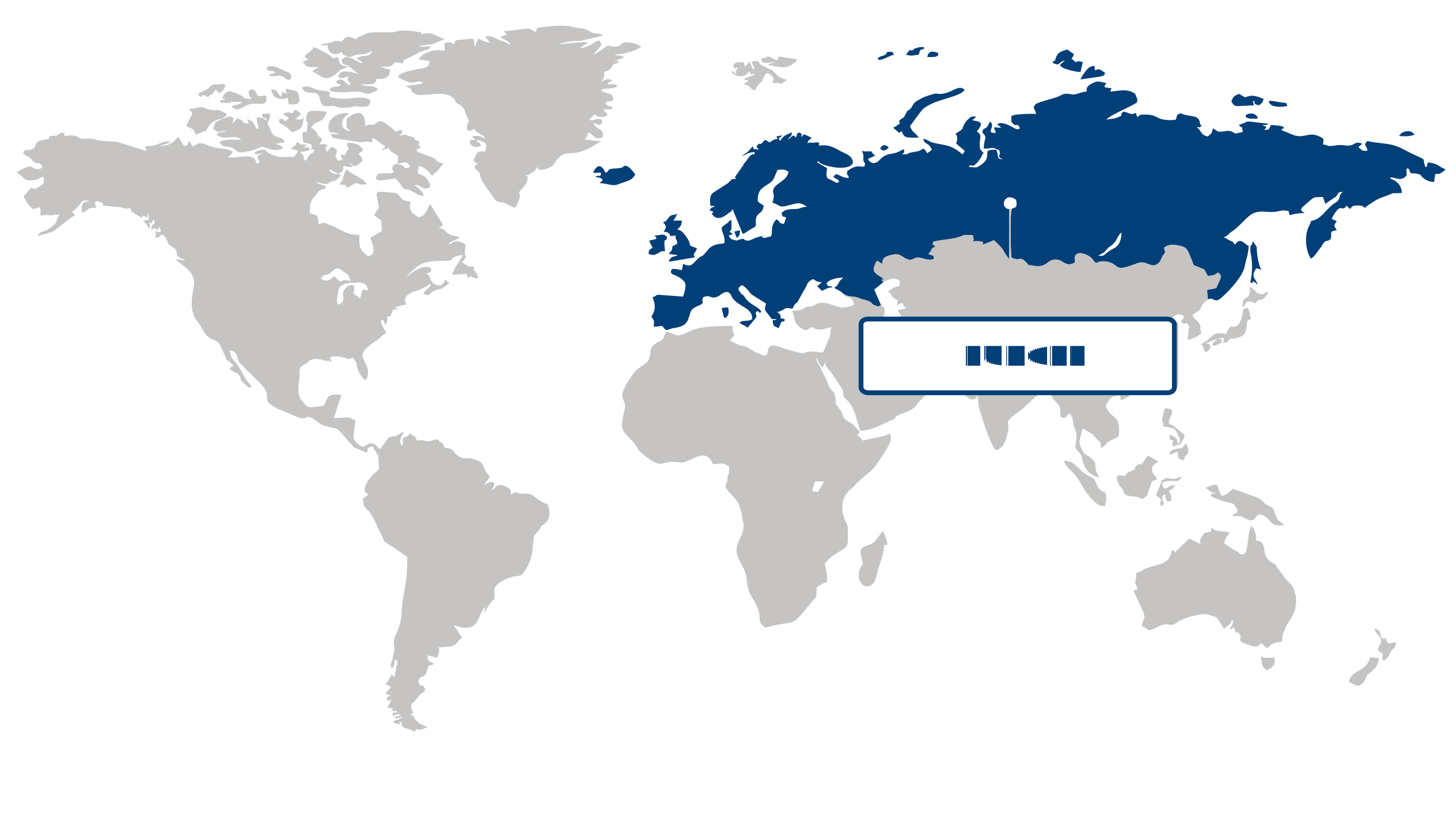
Europe (Largest Region)
Europe accounted for the largest share of the field hockey equipment market, contributing 42.23% share in 2026, supported by the sport’s established participation base, strong sporting infrastructure, and widespread presence of organized clubs and competitions. Field hockey has a long-standing presence across several European countries, creating consistent demand for sticks, protective equipment, footwear, apparel, and other sporting accessories. Well-developed youth and professional development systems are also supporting participation and equipment demand across different age groups. In addition, established sporting clubs, schools, and training facilities provide a strong foundation for continued participation in the sport. Regular replacement of equipment, participation in organized competitions, and growing interest in performance-oriented sporting products are further supporting market demand throughout the region.
Asia Pacific (Fastest-Growing Region)
The Asia Pacific field hockey equipment market is witnessing the fastest growth, driven by expanding sports participation, improving sporting infrastructure, and increasing interest in organized field hockey activities. The region has a strong field hockey tradition in several countries, while investment in sports facilities and training programs is creating opportunities for broader participation. Growing emphasis on youth sports and organized athletic development is also encouraging schools, clubs, and training institutions to invest in field hockey equipment. Rising interest in competitive sports and increasing access to modern sporting facilities are further supporting demand for performance-oriented equipment. In addition, greater awareness of player safety and improvements in equipment design are encouraging athletes and institutions to replace older products with newer and more specialized field hockey equipment.
| Parameter | North America | Asia Pacific | Europe | Latin America | MEA |
|---|---|---|---|---|---|
| Innovation HubiScaleNascentDeveloping Advanced | |||||
| Cost-Sensitive RegioniScaleLowMedium High | |||||
| Regulatory EnvironmentiScaleRestrictiveNeutral Supportive | |||||
| Demand DriversiScaleWeakModerate Strong | |||||
| Development StageiScaleEmergingDeveloping Developed | |||||
| Adoption RateiScaleLowMedium High | |||||
| New Entrants / StartupsiScaleSparseModerate Dense | |||||
| Macro IndicatorsiScaleWeakStable Strong |
Key Country Insights
United States 🇺🇸
Institutional Adoption PotentialIn the U.S., field hockey equipment demand is closely tied to school, collegiate, and organized club programs, making durable sticks, protective gear, and goalkeeper equipment important purchasing priorities. Suppliers can benefit from targeted institutional relationships and product ranges suited to structured team procurement.
Germany 🇩🇪
Performance Equipment HubGermany’s established field hockey ecosystem supports demand for technically refined sticks, footwear, protective equipment, and goalkeeper gear. Equipment providers should emphasize performance characteristics, product durability, and specialist ranges that serve competitive clubs and organized development programs.
Japan 🇯🇵
Technical Product AdaptationJapan’s field hockey market favors equipment that aligns with disciplined playing structures and organized club and school participation. For Japan, manufacturers can prioritize technically consistent sticks, lightweight protective products, and fit-focused equipment while adapting distribution and product communication to established sporting channels.
South Korea 🇰🇷
Structured Team DemandSouth Korea’s organized field hockey environment creates demand for reliable team equipment across schools, clubs, and competitive programs. Suppliers should focus on consistent product specifications, protective gear, and team-oriented purchasing packages that support repeat institutional procurement.
France 🇫🇷
Club-Centered Equipment DemandFrance’s field hockey equipment demand is closely connected to club participation and structured competitive play. Suppliers can prioritize versatile sticks, protective gear, and footwear while strengthening specialist retail and club distribution to reach players across recreational and competitive segments.
Italy 🇮🇹
Specialist Club MarketItaly presents a specialist-oriented field hockey equipment environment where club networks and competitive participation influence purchasing. Brands should concentrate on dependable sticks, protective equipment, and goalkeeper ranges, supported by focused specialist distribution and product positioning around technical play.
Field Hockey Equipment Market Share (%), by Product, 2026
Go beyond the chart, access full insights & data tables
Request Free Sample ReportProduct Segment Analysis: Gears and Accessories (Largest Segment) vs Equipment (Fastest-Growing Segment)
The gears and accessories product segment accounted for the largest share of 62.78% in 2026, supported by the broad range of complementary products required by field hockey players for training, competition, safety, and performance. Items such as protective gear, bags, grips, footwear-related accessories, and other supporting products are regularly required by players across different levels of participation, creating a diversified source of demand in the field hockey equipment market. Frequent replacement and upgrading of accessories can also contribute to recurring purchases as players seek improved comfort, protection, and playing efficiency. Growing participation in organized field hockey and greater attention to player safety are supporting continued demand for specialized gears and accessories alongside core sporting equipment.
The equipment product segment is anticipated to grow at the fastest rate, driven by ongoing demand for essential playing equipment as participation expands and players increasingly seek products designed to enhance performance and control. Advances in equipment design, material selection, weight distribution, durability, and grip characteristics are encouraging players to replace older products with newer alternatives. Clubs, schools, training academies, and competitive players also require equipment to support regular practice and organized matches, creating demand across multiple user groups. Increasing investment in sports infrastructure and growing interest in performance-oriented field hockey products are further contributing to the expansion of the equipment segment.
Distribution Channel Segment Analysis: Specialty & Sports Shops (Largest Segment) vs Online Retail (Fastest-Growing Segment)
The specialty & sports shops distribution channel accounted for the largest share of 48.55% in 2026, supported by the importance of physical retail environments where field hockey players can examine products and receive guidance before making purchasing decisions. Specialty stores provide access to a focused selection of hockey-specific equipment, while knowledgeable staff can assist customers in selecting products based on playing style, fit, protection requirements, and skill level. The ability to physically assess equipment such as sticks, protective gear, footwear, and accessories remains valuable for players who prioritize comfort and product suitability. Established relationships between specialty retailers, sporting communities, clubs, and local players also contribute to the continued relevance of this distribution channel.
The online retail distribution channel is expected to grow at the fastest pace as digital purchasing provides players with broader product selection, convenient ordering, and easier comparison of equipment features and prices. Online platforms enable consumers to access specialized field hockey products beyond the inventory available in local stores, making them particularly useful for players in areas with limited specialty retail coverage. Product reviews, detailed specifications, instructional content, and digital recommendations can also support purchasing decisions. Increasing consumer familiarity with e-commerce, alongside improvements in delivery services and online product availability, is encouraging more players and sporting organizations to use online retail for both routine purchases and specialized equipment needs.
| Segment | Sub-Segment | Largest Segment | Fastest Growing |
|---|---|---|---|
| Product | Gears and Accessories, Equipment | Gears and Accessories | Equipment |
| Distribution Channel | Online Retail, Specialty & Sports Shops, Department & Discount Stores | Specialty & Sports Shops | Online Retail |
Unlock insights tailored to your business with our bespoke market research solutions.
Click to get your customized report now.
Competitive Landscape and Market Positioning
Analyst Perspective:
In the field hockey sector, performance innovation centers on optimizing composite stick stiffness and carbon fiber ratios to achieve the ideal balance of power, weight, and durability for distinct player profiles. Parallel advancements in protective gear emphasize anatomical shaping and ventilation, prioritizing mobility and high-impact absorption over traditional bulky padding. Furthermore, footwear manufacturers are refining cleat geometries to maximize synthetic turf traction without restricting quick pivot movements or risking joint strain. Beyond product engineering, establishing grassroots partnerships with academic programs, regional clubs, and institutional teams serves as the primary engine for building long-term brand loyalty and driving equipment adoption as athletes progress.
Key companies in the field hockey equipment market:
- Grays (UK)
- TK Hockey (Germany)
- Adidas (Germany)
- STX (USA)
- Dita (Netherlands)
- Mazon (Argentina)
- Ritual Hockey (Australia)
- Gryphon Hockey (Australia)
- OBO (New Zealand)
- Princess Sportsgear (Netherlands)
| Company | Market Share | Company Revenue | Revenue CAGR (%) | Product Portfolio | Geographic Presence | Innovation / R&D Focus | Strategic Developments |
|---|---|---|---|---|---|---|---|
| Grays (UK) | |||||||
| TK Hockey (Germany) | |||||||
| Adidas (Germany) | |||||||
| STX (USA) | |||||||
| Dita (Netherlands) | |||||||
| Mazon (Argentina) | |||||||
| Ritual Hockey (Australia) | |||||||
| Gryphon Hockey (Australia) | |||||||
| OBO (New Zealand) | |||||||
| Princess Sportsgear (Netherlands) |
Industry Development/News
| Company Name | Date | Key Development |
|---|---|---|
| Adidas | June 2026 | Adidas introduced its 2026/27 field hockey stick and shoe range while overhauling its stick power rating system from a .1-.8 format to a .10-.95 scale, enhancing performance transparency for specialty retail and e-commerce channels. |
| Gray-Nicolls Sports | May 2026 | Gray-Nicolls Sports acquired Russell Corp Australia, expanding the group's regional footprint within the Australian sporting goods ecosystem and strengthening local distribution leverage for hockey equipment through enhanced retail and club channels. |
| Kookaburra Sport | October 2025 | Kookaburra Sport extended its long-term partnership with Hockey Australia through 2027, securing its position as the official equipment partner for national teams including the Kookaburras and Hockeyroos alongside official ball supplier rights. |
| Adidas | May 2025 | Adidas launched its 2025/26 field hockey equipment range, featuring updated composite sticks and protective gear integrated with refreshed graphics and product enhancements tailored to performance demands for the upcoming competitive season. |
| Nike | December 2024 | Nike entered the British field hockey stick market with its debut collection comprising Laser, Shadow, and Pursuit models across multiple carbon tiers, introducing new competitive pressure into the mid-to-premium segment. |
Customize Your Report
Explore examples of how this report can be tailored to different research needs, including custom segments, additional topics or chapters, and related reports. Click a section of the wheel or its numbered marker to explore the available options.
Field Hockey Equipment Market — Custom Segments
| Segment | Sub-Segment |
|---|---|
| Playing Level | Recreational, School & Youth, Collegiate, Professional |
| Buyer Type | Individual Consumers, Schools & Educational Institutions, Field Hockey Clubs & Academies, Professional Teams & Organizations |
Field Hockey Equipment Market — Custom TOC
| Custom Chapter | Chapter Details |
|---|---|
| Player-Level Equipment Buying Insights |
|
| Retail & Distribution Channel Optimization |
|
| Grassroots Hockey Development Impact |
|
Need a different cut of the data?
Request Custom ResearchFrequently Asked Questions
What is the total addressable market for field hockey equipment?
What is the projected value of the field hockey equipment industry by 2036?
How are grassroots and youth programs influencing equipment demand?
Why are advanced equipment technologies becoming more important in field hockey purchasing?
Why do gears and accessories account for the largest share of the field hockey equipment market?
How is online retail changing purchasing behavior in the field hockey equipment market?
What supports Europe's leading position in the field hockey equipment market?
How is Asia Pacific creating new growth opportunities for field hockey equipment suppliers?
Who holds a significant market share in the field hockey equipment landscape?
Our Clients
"The report provided us with a clear direction, and the level of detail was beyond what we expected. I would definitely recommend their services to others."
Haier Appliances
"The collaboration with Fundamental Business Insights has added significant value to our decision-making process, and we look forward to continuing this partnership for our future market research requirements."
Luxottica Group S.p.A.
"The team at FBI delivered an exceptional research report. The insights on industry innovations were particularly impressive and added a lot of value to the overall report."
Nike
Our Research Team & Methodology
Every Fundamental Business Insights report is built by a dedicated vertical research team, validated through a structured primary-and-secondary methodology, and reviewed for accuracy before it reaches you.
This report was prepared by the Consumer Goods & Services Research Team at Fundamental Business Insights, a dedicated research group specializing in global consumer markets, retail industries, and service-oriented businesses. The team closely tracks evolving consumer preferences, purchasing behavior, product innovation, brand strategies, retail and e-commerce developments, pricing trends, distribution channels, sustainability initiatives, demographic shifts, and changing lifestyle patterns to deliver timely and reliable market intelligence. The research is developed using a structured methodology that combines primary discussions with manufacturers, brand owners, retailers, distributors, service providers, industry experts, and other key stakeholders, along with company annual reports, government consumer statistics, regulatory publications, industry associations, retail market data, trade publications, and other authoritative secondary sources. Market estimates are validated through multiple research techniques, including top-down and bottom-up analysis, before undergoing an internal quality review to ensure accuracy, consistency, and methodological integrity prior to publication.
Delivery
Published
Available
Support
- Market Size & Forecast
- Market Segmentation
- Regional Analysis
- Growth Drivers & Challenges
- Market Dynamics
- Competitive Landscape
- Company Profiles
- Competitive Benchmarking
- Mergers & Acquisitions
- Market Share Analysis or Key Company Strategies
- Value Chain Analysis
- Porter's Five Forces
- PESTLE Analysis
- Pricing Trends
- Supply-Demand Analysis
- Technology Landscape
- Regulatory Landscape
- Investment & Funding Landscape
- Emerging Opportunities
- Future Market Outlook