



Fish Oil Market Size & Growth Forecast 2027–2036, By Segments (Application, Species), Regional Demand Trends (North America, Asia Pacific, Europe), Key Country Insights (U.S., Japan, South Korea, Germany, France, Italy), and Competitive Landscape
Market Size and Growth Outlook
Fish Oil Market size was around USD 3.5 billion in 2026 and is slated to grow at a 4.37% CAGR from 2027 to 2036, surpassing USD 5.37 billion by 2036. The industry revenue for 2027 is assessed at USD 3.63 billion.
Base Year Value (2026)
USD 3.5 billion
CAGR (2027-2036)
4.37%
Forecast Year Value (2036)
USD 5.37 billion

Historical Data Period
2022-2026

Largest Region
Europe

Forecast Period
2027-2036
Fish Oil Market Intelligence Snapshot:
-
Regional Market Dynamics:
- Europe captured a 40.39% market share in 2026, supported by mature supply chains, strong processing capabilities, and consistent demand through established nutrition and retail distribution channels.
- Asia Pacific is forecast to grow at a 5.36% CAGR, driven by rising nutritional supplement consumption, expanding health awareness, and improving retail, e-commerce, processing, and distribution networks.
-
Segment Momentum:
- Aquaculture held a 62.58% share in 2026 because fish oil remains a core ingredient in aquafeed, creating stable, large-scale demand linked to routine farmed seafood production.
- Tilapia is growing fastest as producers diversify raw material sources, expanding fish processing inputs and capturing greater value from alternative species for commercial fish oil production.
-
Market Expansion Drivers:
- Rising cardiovascular disease prevalence increasing demand for omega-3 supplementation.
- Growing mental wellness and cognitive health awareness driving omega-3 consumption.
- Expanding sports nutrition applications boosting demand for recovery and performance supplements.
-
Leading Market Participants:
Top players in the fish oil market include Omega Protein Corporation (United States), Pelagia AS (Norway), GC Rieber VivoMega AS (Norway), TripleNine Group A/S (Denmark), OLVEA Fish Oils SAS (France), KD Pharma Group SA (Switzerland), Cargill Incorporated (United States), BASF SE (Germany), Nordic Naturals (United States).
Global Market Forecast Snapshot:
-
Market Outlook:
- 2026 Market Size: USD 3.5 billion
- 2027 Estimated Market Size: USD 3.63 billion.
- Projected Market Size: USD 5.37 billion by 2036
- Growth Forecasts: 4.37% CAGR (2027-2036)
-
Regional and Segment Outlook:
- Leading Regional Market: Europe
- High-Growth Regional Hub: Asia Pacific
- Core Revenue Segment: Aquaculture (Application) | Traditional Pelagic and Demersal Species (Species)
- Emerging Opportunity Segment: Human Consumption (Application) | Tilapia (Species)
Market Growth Drivers and Industry Trends
Rising cardiovascular disease prevalence increasing demand for omega-3 supplementation
Increasing awareness of cardiovascular health and the role of dietary habits in maintaining heart health is supporting the fish oil market as consumers seek convenient sources of omega-3 fatty acids. Fish oil supplements are commonly associated with EPA and DHA, nutrients that are widely incorporated into cardiovascular wellness strategies and dietary supplementation routines. Greater attention to preventive health, combined with consumer interest in nutritional approaches that complement healthy lifestyles, is encouraging demand for omega-3 supplements among individuals seeking targeted nutritional support.
Growing mental wellness and cognitive health awareness driving omega-3 consumption
Heightened awareness of mental wellness, brain health, and cognitive function is expanding the range of applications associated with the fish oil market, particularly as consumers become more attentive to the nutritional factors connected with overall neurological well-being. Omega-3 fatty acids, including DHA, are important components of brain tissue and are consequently featured in supplements positioned around cognitive and brain-health support. Increasing interest in maintaining mental performance across different stages of life is encouraging consumers to incorporate omega-3 products into broader wellness routines, alongside growing demand for nutrition-focused approaches to long-term health.
Expanding sports nutrition applications boosting demand for recovery and performance supplements
The expansion of sports nutrition is creating another demand channel for the fish oil market as athletes, fitness participants, and active consumers increasingly incorporate specialized nutritional products into performance and recovery routines. Fish oil supplements are used in sports-oriented nutrition because omega-3 fatty acids are associated with nutritional support for exercise recovery and overall physical wellness. The broader shift toward structured fitness programs, targeted supplementation, and convenient nutrition products is increasing the relevance of omega-3 formulations within sports and active-lifestyle product portfolios.
| Growth Driver Assessment Framework | |||||
| Growth Driver | Impact On CAGR | Regulatory Influence | Geographic Relevance | Adoption Rate | Impact Timeline |
|---|---|---|---|---|---|
| Rising cardiovascular disease prevalence increasing demand for omega-3 supplementation | 2.20% | Moderate | North America, Europe | High | Near Term |
| Growing mental wellness and cognitive health awareness driving omega-3 consumption | 1.80% | Low | Asia Pacific, North America | High | Mid Term |
| Expanding sports nutrition applications boosting demand for recovery and performance supplements | 1.50% | Low | Europe, Asia Pacific | High | Mid Term |
Unlock insights tailored to your business with our bespoke market research solutions - Click to get your customized report now!
Regional Demand Dynamics
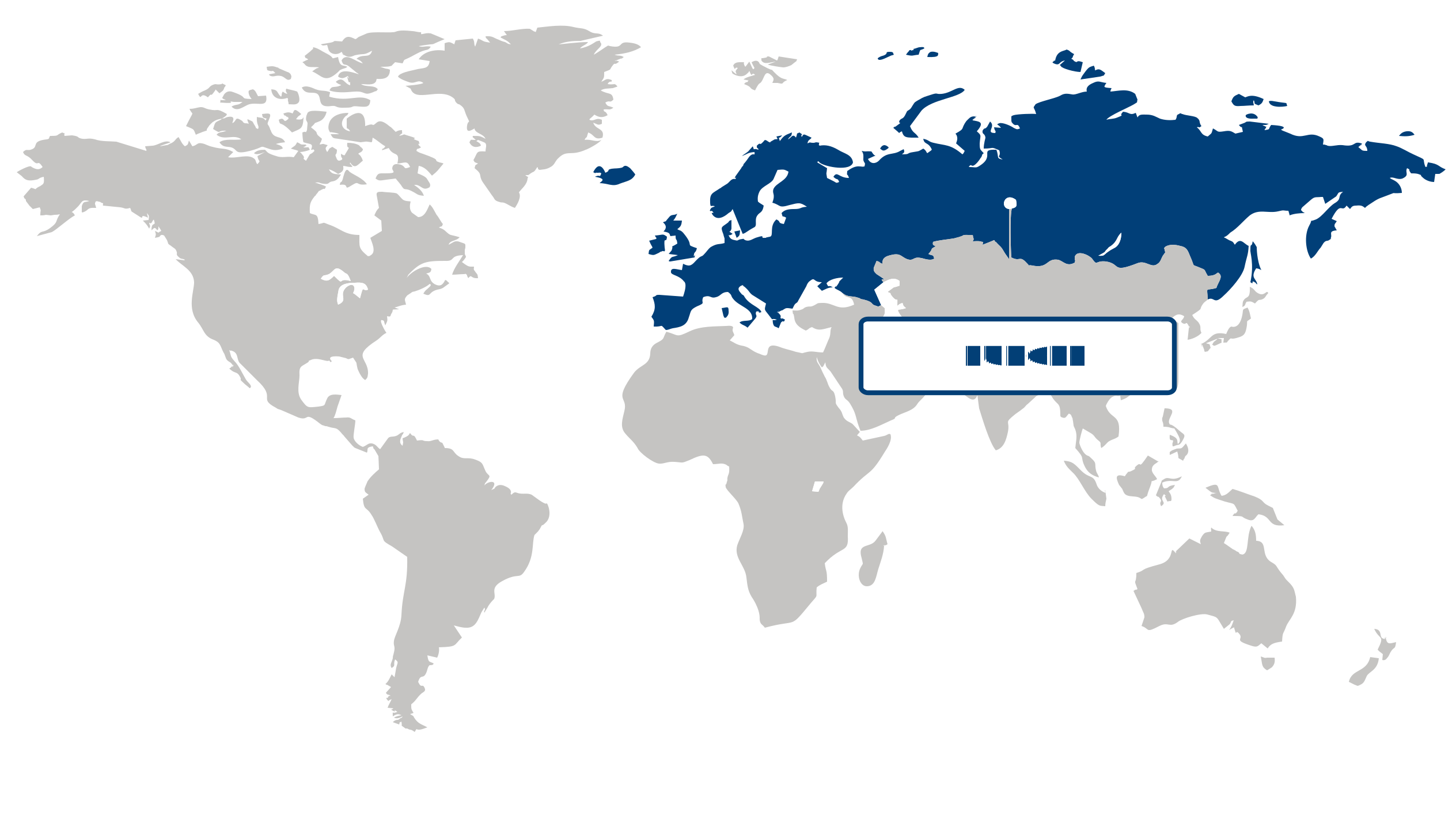
Largest Region
Europe
40.39% Market Share in 2026
Europe (Largest Region) vs Asia Pacific (Fastest-Growing Region)
Europe accounted for the largest share of the fish oil market at 40.39% in 2026, supported by established demand for nutritional ingredients, dietary supplements, and functional food products. Strong consumer awareness of the health benefits associated with omega-rich nutrition supports consistent use of fish oil across wellness and nutrition applications. The region also benefits from mature food and supplement industries, established quality standards, and increasing emphasis on traceability and sustainable sourcing. Growing interest in preventive health and nutritional products is encouraging manufacturers to develop refined and high-purity fish oil formulations, while regulatory attention to product quality strengthens consumer confidence and supports the region's established market position.
Asia Pacific represents the fastest-growing regional market, driven by rising health awareness, expanding middle-class populations, and increasing consumer interest in nutritional supplements and functional foods. Improvements in retail and e-commerce infrastructure are making fish oil products more accessible across both urban and emerging markets. Growing demand for products associated with cardiovascular, cognitive, and general wellness benefits is also supporting consumption. In addition, expanding pharmaceutical and nutraceutical manufacturing capabilities, greater awareness of omega-rich nutrition, and improving household purchasing power are creating favorable conditions for broader adoption of fish oil-based products throughout the region.
Key Country Insights
The U.S. fish oil market is supported by widespread consumer interest in nutritional supplements for heart, brain, and joint health. Companies continue expanding purified formulations, sustainability certifications, and convenient dosage formats to strengthen retail and online sales.
Japan incorporates fish oil into functional food and dietary supplement categories targeting healthy aging and everyday wellness. Japanese companies are developing highly refined formulations with improved taste and stability to enhance consumer acceptance.
South Korea is expanding premium fish oil offerings featuring concentrated omega-3 content and convenient delivery formats. Local demand is supported by consumers seeking preventive health products alongside stringent quality and safety expectations.
Germany places strong emphasis on high-purity fish oil products supported by rigorous quality testing and traceable sourcing. Manufacturers are investing in refined processing techniques to satisfy consumer expectations for reliable nutritional supplements.
France is encouraging fish oil products sourced through responsible fisheries and transparent supply chains. French consumers increasingly value sustainability credentials together with product purity when selecting nutritional supplements.
Italy continues to strengthen fish oil consumption through growing awareness of preventive nutrition and healthy lifestyles. Manufacturers are broadening supplement portfolios with formulations tailored for different age groups and wellness applications.
Segment Leadership and Growth Trends
Application Segment Analysis: Aquaculture (Largest Segment) vs Human Consumption (Fastest-Growing Segment)
The aquaculture segment dominated the fish oil market with a 62.58% share in 2026, reflecting the established use of fish oil as a nutritional ingredient in aquafeed. Its contribution to essential fatty acid intake supports growth, physiological development, and overall health across farmed aquatic species. Increasing focus on efficient aquaculture production and the nutritional quality of feed continues to sustain demand, while the expansion of farmed seafood production reinforces the importance of fish oil within commercial feed formulations.
Human consumption is gaining momentum as consumers increasingly recognize fish oil as a source of omega-3 fatty acids associated with nutritional and wellness benefits. Demand is supported by growing interest in dietary supplementation, preventive health, and functional nutrition. Greater consumer awareness of the role of omega-3s in supporting cardiovascular, cognitive, and general health is encouraging broader incorporation of fish oil into nutrition-focused products and supplement routines.
Species Segment Analysis: Traditional Pelagic and Demersal Species (Largest Segment) vs Tilapia (Fastest-Growing Segment)
Traditional pelagic and demersal species accounted for the largest share of the fish oil market at 64.6% in 2026, supported by their established role as primary raw materials for fish oil production. These species provide a well-established supply base for extracting oils used across aquaculture feed, human nutrition, and other applications. Established processing infrastructure and familiarity with these raw materials across the supply chain continue to reinforce their leading position.
Tilapia is emerging as the fastest-growing species segment as the expansion of tilapia aquaculture increases demand for nutritional inputs that support efficient fish production. Fish oil can contribute essential fatty acids to tilapia diets, supporting growth, health, and feed quality. Rising consumption of farmed tilapia and increasing attention to optimized aquaculture nutrition are creating additional opportunities for fish oil utilization within this species category.
| Report Segmentation | |||
| Segment | Sub-Segment | Largest Segment | Fastest Growing Segment |
|---|---|---|---|
| Application | Human Consumption, Aquaculture, Pet Food, Others | Aquaculture | Human Consumption |
| Species | Traditional Pelagic and Demersal Species, Tuna, Salmon, Pangasius, Tilapia | Traditional Pelagic and Demersal Species | Tilapia |
 Read our Research Approach
Competitive Landscape and Market Positioning
Major players in the fish oil market:
1. Omega Protein Corporation (United States)
2. Pelagia AS (Norway)
3. GC Rieber VivoMega AS (Norway)
4. TripleNine Group A/S (Denmark)
5. OLVEA Fish Oils SAS (France)
6. KD Pharma Group SA (Switzerland)
7. Cargill Incorporated (United States)
8. BASF SE (Germany)
9. Nordic Naturals (United States)
Growing awareness of nutritional supplements is fueling expansion in the fish oil market. Improved extraction and purification techniques are enhancing product quality and bioavailability. Continuous innovation is strengthening health benefits across the fish oil market.
Industry Development/News
| Company Name | Date | Key Development |
|---|---|---|
| KD Pharma Group | Feb-26 | KD Pharma Group finalized the acquisition of dsm-firmenich’s Marine Lipids business, a strategic move that significantly scales its omega-3 production capacity. This consolidation positions KD Pharma as a dominant global manufacturer, fundamentally altering the competitive landscape and supply structure within the fish oil and marine-derived ingredients market. |
| Brim | Mar-26 | Brim acquired Icelandic fish oil producer Lysi for approximately USD 248 million, significantly strengthening its footprint in the marine ingredients sector. The acquisition provides vertical integration across the omega-3 value chain, enhancing Brim’s processing capabilities and market share in the premium fish oil segment. |
| Cooke Inc. | Mar-26 | Cooke Inc. completed the acquisition of Copeinca, one of Peru's primary anchoveta fishing enterprises. This integration provides Cooke with critical, large-scale access to raw material supplies, directly strengthening its global marine ingredients business and securing supply chain stability for its fishmeal and fish oil production operations. |
| GC Rieber VivoMega | Jun-24 | GC Rieber VivoMega commissioned a new omega-3 manufacturing facility in Norway, powered by 100% renewable energy. Designed to double production capacity for both triglyceride marine omega-3s and vegan algal oils, the facility significantly expands the company's manufacturing footprint to meet the escalating global demand for high-quality omega-3 supplements. |
| GC Rieber VivoMega | Apr-26 | GC Rieber VivoMega launched a next-generation high-concentration ingredient offering 90% omega-3 content per gram. This product innovation addresses the growing industry demand for premium, high-potency formulations, allowing the company to further differentiate its omega-3 portfolio and strengthen its position in specialized health and nutrition segments. |
| dsm-firmenich | Apr-26 | dsm-firmenich introduced Veramaris O3 Max Pure, a microalgal-based oil formulated to mirror the EPA-to-DHA ratio of traditional fish oil. By providing a sustainable, non-marine alternative for the pet nutrition market, the company is strategically addressing supply chain dependencies on raw fish oil and diversifying its ingredient portfolio for long-term sustainability. |
| Zinzino | Mar-26 | Zinzino acquired a stake in Xion International Group to establish a joint venture focused on algae production via bioreactor technology. This investment is aimed at scaling sustainable omega-3 supply chains, reducing reliance on conventional marine sourcing, and supporting the volume requirements for the company’s flagship BalanceOil+ product range. |
| Quinlan Brothers | Mar-26 | Quinlan Brothers partnered with NutriShell on a USD 5 million project to convert seafood processing byproducts into valuable ingredients. The initiative targets the efficient utilization of waste streams to produce marine-derived ingredients, representing a strategic effort to improve resource efficiency and sustainability within the fish oil and secondary marine products value chain. |
| Aker BioMarine | Feb-26 | Aker BioMarine secured a patent for a proprietary delivery technology combining krill phospholipids with EPA and DHA derived from processed fish oil. This intellectual property advancement enables the company to offer highly differentiated omega-3 products, strengthening its competitive positioning in the specialized delivery systems market. |
| Austral Group | Apr-26 | Austral Group became the first company in Peru to validate its fishmeal and fish oil products within the GFLI database. This certification enhances the traceability and sustainability credentials of its marine ingredients, providing a transparent operational framework that appeals to global supply chain partners requiring rigorous environmental and sourcing documentation. |
Why Choose Us
Specialized Expertise: Our team comprises industry experts with a deep understanding of your market segment. We bring specialized knowledge and experience that ensures our research and consulting services are tailored to your unique needs.
Customized Solutions: We understand that every client is different. That's why we offer customized research and consulting solutions designed specifically to address your challenges and capitalize on opportunities within your industry.
Proven Results: With a track record of successful projects and satisfied clients, we have demonstrated our ability to deliver tangible results. Our case studies and testimonials speak to our effectiveness in helping clients achieve their goals.
Cutting-Edge Methodologies: We leverage the latest methodologies and technologies to gather insights and drive informed decision-making. Our innovative approach ensures that you stay ahead of the curve and gain a competitive edge in your market.
Client-Centric Approach: Your satisfaction is our top priority. We prioritize open communication, responsiveness, and transparency to ensure that we not only meet but exceed your expectations at every stage of the engagement.
Continuous Innovation: We are committed to continuous improvement and staying at the forefront of our industry. Through ongoing learning, professional development, and investment in new technologies, we ensure that our services are always evolving to meet your evolving needs.
Value for Money: Our competitive pricing and flexible engagement models ensure that you get maximum value for your investment. We are committed to delivering high-quality results that help you achieve a strong return on your investment.
Select Licence Type

