Football Merchandise Market Size & Growth Forecast 2027–2036, By Segments (End Use, Distribution Channel, Type, Category, Price), Regional Demand Trends (North America, Asia Pacific, Europe), Key Country Insights (U.S., Japan, South Korea, Germany, France, Italy), and Competitive Landscape
Jump to Content
Market Size and Growth Outlook
Football Merchandise Market size was assessed at USD 16.45 billion in 2026 and is poised to grow at a 7.21% CAGR between 2027 and 2036, reaching USD 33 billion by 2036. The industry revenue for 2027 is assessed at USD 17.46 billion.
Get more details on this report
Request Free Sample ReportFootball Merchandise Market Intelligence Snapshot
Regional Market Dynamics
- Europe held a 41.69% share in 2026, supported by established football culture, strong club loyalty, major competitions, and mature retail and e-commerce channels.
- Expanding fan communities, digital engagement, e-commerce accessibility, and rising disposable incomes are increasing demand for jerseys, collectibles, and sports-inspired apparel across Asia Pacific.
Segment Momentum
- Adults represent the largest end-use segment, supported by purchases of team apparel, accessories, and collectibles for match attendance, casual wear, gifting, and personal fan identity. Strong engagement with clubs and competitions encourages recurring merchandise purchases.
- The kids segment is growing fastest as younger audiences engage more with football culture. Youth participation, digital media exposure, and family-oriented sporting activities encourage demand for children's apparel and accessories, including merchandise featuring favorite teams and players.
Market Expansion Drivers
- Expansion of global football fan base and club brand monetization.
- Growth of e-commerce and direct-to-consumer merchandise channels.
- Increased demand for sustainable and officially licensed merchandise.
Leading Market Participants
- Major companies in the football merchandise market include Nike (United States), Adidas (Germany), Puma (Germany), Fanatics (United States), New Era Cap (United States), Under Armour (United States), Castore (United Kingdom), Macron (Italy), Umbro (United Kingdom), Mitre Sports (United Kingdom).
Global Market Forecast Snapshot
Market Outlook
- 2026 Market Size: USD 16.45 billion
- 2027 Estimated Market Size: USD 17.46 billion
- Projected Market Size: USD 33 billion by 2036
- Growth Forecast: 7.21% CAGR (2027-2036)
Regional and Segment Outlook
- Leading Regional Market: Europe
- High-Growth Regional Hub: Asia Pacific
- Core Revenue Segment: End Use (Adults) | Distribution Channel (Online) | Type (Apparel) | Category (Club Football) | Price (Medium)
- Emerging Opportunity Segment: End Use (Kids) | Distribution Channel (Online) | Type (Apparel) | Category (Club Football) | Price (Medium)
Market Growth Drivers and Industry Trends
Expansion of Global Football Fan Base and Club Brand Monetization
The continued expansion of the global football fan base is driving demand for merchandise as supporters increasingly seek products that represent their connection with clubs, players, and competitions. Football merchandise serves both as a form of fan expression and as a means of strengthening engagement beyond live matches. Growing international interest in football, expanding supporter communities, and increasing efforts to monetize fan relationships through apparel, accessories, collectibles, and lifestyle products are creating sustained opportunities across the merchandise market.
Growth of E-Commerce and Direct-to-Consumer Merchandise Channels
The rapid expansion of e-commerce and direct-to-consumer merchandise channels is making football products more accessible to fans across different regions. Online purchasing enables supporters to discover a broader selection of apparel, accessories, collectibles, and seasonal products without relying on physical retail locations. Social media engagement, digital storefronts, personalized promotions, and convenient delivery options are further strengthening online merchandise purchasing, while direct distribution allows football organizations to maintain closer relationships with their supporter communities.
Increased Demand for Sustainable and Officially Licensed Merchandise
Growing consumer awareness of sustainability and product authenticity is increasing demand for responsibly produced and officially licensed football merchandise. Supporters are becoming more attentive to material sourcing, manufacturing practices, product durability, and the legitimacy of merchandise they purchase. The adoption of recycled and lower-impact materials, combined with stronger consumer preference for authentic products, is encouraging the market to develop merchandise that balances fan identity, product quality, environmental considerations, and official affiliation.
| Growth Driver | Impact on CAGR | Regulatory Influence | Geographic Relevance | Adoption Rate | Impact Timeline |
|---|---|---|---|---|---|
| Expansion of global football fan base and club brand monetization | 1.5% | Short term (≤ 2 yrs) | Europe; Asia Pacific (North America) | Low | Fast |
| Growth of e-commerce and direct-to-consumer merchandise channels | 1.2% | Medium term (2–5 yrs) | North America; Europe (Asia Pacific) | Low | Moderate |
| Increased demand for sustainable and officially licensed merchandise | 0.9% | Long term (5+ yrs) | Europe; North America (Asia Pacific) | Medium | Slow |
Explore Growth Opportunities
Request Free Sample ReportRegional Demand Dynamics
Europe (Largest Region)
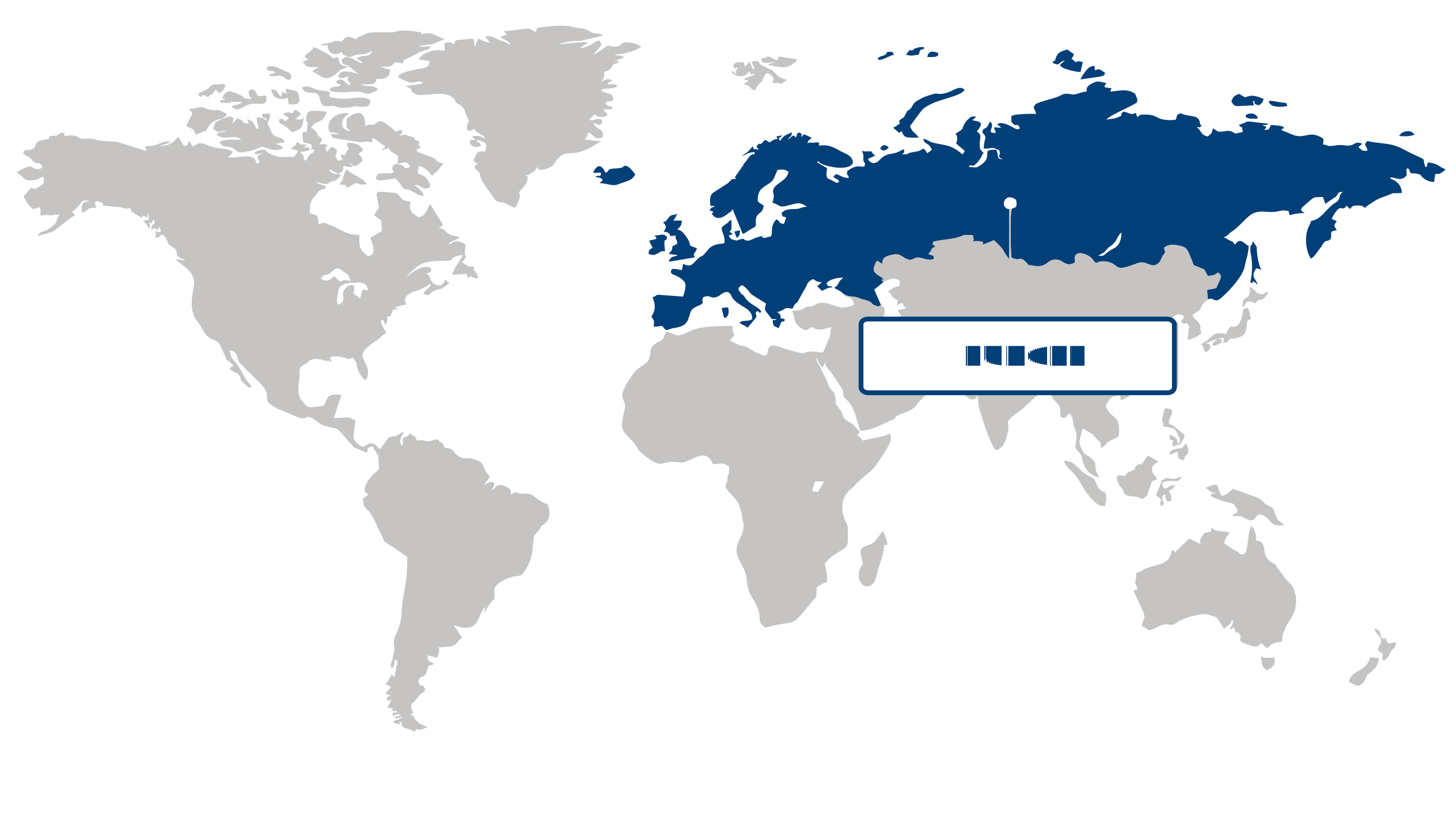
The Europe football merchandise market held a 41.69% share in 2026, led by the region's deep football culture, established professional competitions, and strong consumer engagement with clubs, national teams, and football-related products. Football merchandise has become an important part of fan participation, with demand spanning apparel, accessories, collectibles, footwear, and other licensed products. Strong football traditions across European countries support consistent purchasing activity among dedicated supporters, while major tournaments and competitive events stimulate seasonal demand. The continued expansion of e-commerce and digital retail channels is also making merchandise more accessible to consumers and enabling personalized shopping experiences. In addition, growing interest in limited-edition products, collectibles, and lifestyle-oriented football apparel is broadening the consumer base beyond traditional match-day purchases. Strong retail infrastructure and established fan communities continue to support the region's substantial market presence.
Asia Pacific (Fastest-Growing Region)
The Asia Pacific football merchandise market is growing at the fastest pace, influenced by increasing football participation, expanding fan communities, and rising exposure to international football competitions. Growing interest in European and domestic football leagues is encouraging consumers to purchase jerseys, apparel, accessories, collectibles, and other fan-oriented products. The expansion of digital media and social platforms is strengthening engagement between football clubs, players, and regional audiences, helping merchandise reach new consumer groups. E-commerce development is also improving product accessibility across emerging markets and enabling consumers to purchase official and lifestyle-oriented football merchandise more conveniently. Rising disposable incomes and the growing popularity of sports-inspired fashion are further supporting demand. In addition, increasing investment in local football infrastructure and the development of domestic competitions are contributing to the broader commercialization of football culture across the region.
| Parameter | North America | Asia Pacific | Europe | Latin America | MEA |
|---|---|---|---|---|---|
| Innovation HubiScaleNascentDeveloping Advanced | |||||
| Cost-Sensitive RegioniScaleLowMedium High | |||||
| Regulatory EnvironmentiScaleRestrictiveNeutral Supportive | |||||
| Demand DriversiScaleWeakModerate Strong | |||||
| Development StageiScaleEmergingDeveloping Developed | |||||
| Adoption RateiScaleLowMedium High | |||||
| New Entrants / StartupsiScaleSparseModerate Dense | |||||
| Macro IndicatorsiScaleWeakStable Strong |
Key Country Insights
United States 🇺🇸
Licensed Sports Retail ExpansionThe U.S. football merchandise market is supported by demand for licensed apparel, accessories, and fan products connected with professional and international football. Commercial priorities include broad retail availability, digital commerce, and merchandise assortments that capture interest across diverse football audiences.
Germany 🇩🇪
Club Merchandise CultureGermany’s football merchandise market is closely connected with strong club identities and recurring demand for officially licensed fan products. Commercial opportunities center on club apparel, match-related merchandise, retail engagement, and digital channels that support year-round purchasing by dedicated supporters.
Japan 🇯🇵
Fan Merchandise LocalizationJapan’s market combines interest in domestic and international football with demand for localized merchandise offerings. Commercial priorities include officially licensed apparel and collectibles, targeted retail assortments, and digital purchasing channels that make club and tournament products accessible to engaged fans.
South Korea 🇰🇷
Digital Fan CommerceSouth Korea’s football merchandise market benefits from digitally engaged fan communities and interest in domestic and international clubs. Commercial priorities include online merchandise sales, licensed apparel and collectibles, and product assortments that connect football fandom with convenient digital purchasing experiences.
France 🇫🇷
Club-Led Merchandise DemandFrance’s football merchandise market is strongly connected to club and national-team fandom, supporting recurring demand for licensed apparel and accessories. Commercial focus centers on club-specific products, supporter retail channels, and merchandise linked to competitions and major football events.
Italy 🇮🇹
Heritage Club MerchandisingItaly’s football merchandise market benefits from deep club affiliations and demand for products reflecting established football identities. Commercial priorities include officially licensed apparel, supporter merchandise, collectibles, and retail strategies that translate longstanding club loyalty into recurring merchandise purchases.
Football Merchandise Market Share (%), by End Use, 2026
Go beyond the chart, access full insights & data tables
Request Free Sample ReportEnd Use Segment Analysis: Adults (Largest Segment) vs Kids (Fastest-Growing Segment)
The adults segment accounted for the largest share of the football merchandise market in 2026, reflecting strong demand for team-related apparel, accessories, and other merchandise among adult supporters. Football merchandise serves as a means of demonstrating team affiliation and fan identity, with adult consumers purchasing products for match attendance, casual wear, collections, and gifting. Strong engagement with professional football clubs and competitions continues to encourage recurring merchandise purchases, while the availability of diverse product categories broadens demand among different consumer groups. Meanwhile, the kids segment is expected to register the fastest growth, supported by increasing participation in football culture among younger audiences and rising interest in merchandise featuring favorite teams and players. Children's football apparel and accessories also benefit from their appeal as gifts and fan products, while growing exposure to football through digital media, youth participation, and family-oriented sporting activities is encouraging parents and young fans to engage more actively with football merchandise.
Distribution Channel Segment Analysis: Online (Largest & Fastest-Growing Segment)
The online distribution channel represents both the largest and fastest-growing segment of the football merchandise market in 2026, supported by the convenience, accessibility, and broad product selection offered through digital purchasing platforms. Online channels enable consumers to browse a wide range of team apparel, accessories, collectibles, and fan products without geographic limitations, making them particularly suitable for supporters seeking specific team-related merchandise. Digital shopping also facilitates product discovery through targeted promotions, personalized recommendations, social media exposure, and online football communities, strengthening consumer engagement and purchase intent. The continued expansion of e-commerce infrastructure and digital payment adoption is further supporting online merchandise transactions, while consumers increasingly value convenient ordering, home delivery, and access to products that may not be readily available through physical retail outlets.
Type Segment Analysis: Apparel (Largest & Fastest-Growing Segment)
The apparel segment represents both the largest and fastest-growing segment of the football merchandise market, driven by strong consumer demand for jerseys, shirts, jackets, and other football-themed clothing. Apparel provides supporters with a visible way to express team affiliation and is widely used during matches, sporting events, casual activities, and everyday wear, creating broad and recurring demand. The popularity of team-inspired clothing is further supported by strong fan engagement and the frequent introduction of new designs, player-related merchandise, and seasonal collections. In addition, the expanding influence of football culture across younger and international audiences is increasing interest in branded fan apparel, while improvements in online retail access are making a broader range of football clothing readily available to consumers.
| Segment | Sub-Segment | Largest Segment | Fastest Growing |
|---|---|---|---|
| End Use | Adults, Kids | Adults | Kids |
| Distribution Channel | Online, Offline | Online | Online |
| Type | Apparel, Footwear, Toys & Games, Bags, Homeware, Others | Apparel | Apparel |
| Category | Club Football, Country Football | Club Football | Club Football |
| Price | Low, Medium, High | Medium | Medium |
Unlock insights tailored to your business with our bespoke market research solutions.
Click to get your customized report now.
Competitive Landscape and Market Positioning
Analyst Perspective:
Market power in football merchandise is fundamentally defined by access to exclusive official league licensing rights, which grants authorized brand status and protects intellectual property across key retail channels. To capture fan spending, manufacturers leverage advanced jersey fabric technology to replicate professional-grade apparel, balancing premium performance features with retail affordability. Operational agility also plays a decisive role; fast customization capabilities for player names and numbers allow retailers to capitalize immediately on volatile, event-driven demand spikes triggered by player transfers or major tournament wins. Furthermore, brands are bridging physical goods with digital fan engagement, utilizing connected features to deepen supporter loyalty beyond the matchday purchase. Success ultimately depends on pairing swift fulfillment and secure IP rights with high-quality, digitally connected apparel.
Prominent players in the football merchandise market:
- Nike (United States)
- Adidas (Germany)
- Puma (Germany)
- Fanatics (United States)
- New Era Cap (United States)
- Under Armour (United States)
- Castore (United Kingdom)
- Macron (Italy)
- Umbro (United Kingdom)
- Mitre Sports (United Kingdom)
| Company | Market Share | Company Revenue | Revenue CAGR (%) | Product Portfolio | Geographic Presence | Innovation / R&D Focus | Strategic Developments |
|---|---|---|---|---|---|---|---|
| Nike (United States) | |||||||
| Adidas (Germany) | |||||||
| Puma (Germany) | |||||||
| Fanatics (United States) | |||||||
| New Era Cap (United States) | |||||||
| Under Armour (United States) | |||||||
| Castore (United Kingdom) | |||||||
| Macron (Italy) | |||||||
| Umbro (United Kingdom) | |||||||
| Mitre Sports (United Kingdom) |
Industry Development/News
| Company Name | Date | Key Development |
|---|---|---|
| Fanatics | January 2026 | Fanatics established a Fine Art division through a Super Bowl LX collection, expanding its sports product portfolio into officially themed art merchandise. The initiative represents a product-category extension for the company, diversifying its offerings beyond conventional apparel into collectible merchandise associated with a major football event. |
| Pacha | December 2025 | Pacha entered into a commercial partnership as a shirt sponsor for an Ibiza football team, establishing a formal relationship tied to club football apparel. The agreement places the brand directly on team kits and leverages sports sponsorships to enhance visibility within the football merchandise segment. |
| JD.com | March 2025 | JD.com secured an e-commerce innovation partnership with the UEFA Champions League, establishing a strategic relationship focused on digital commerce around a major competition. The collaboration strengthens the company's operational role in the digital commercialization and online distribution ecosystem for football merchandise. |
| Topher | March 2025 | Topher secured a deal with the Nigerian Football Federation as the official designer for the AFCON campaign. This agreement positions the company directly within the development and commercial execution of football-related apparel and merchandise connected to an international national team organization. |
| Foudys | February 2025 | Foudys expanded its women's football merchandise offering to Europe, bringing National Women’s Soccer League products to international markets. The development broadens international access to women's football apparel and supports the category's commercial reach outside of its domestic footprint. |
| Fanatics | June 2024 | Fanatics and Juventus entered into a European football merchandise partnership to collaborate on the distribution and development of official club merchandise. This strategic agreement expands Fanatics' presence within European club football and strengthens its retail and distribution positioning across the broader soccer ecosystem. |
| R-GOL | June 2024 | R-GOL and Unisport combined operations to support further international expansion within the football retail and merchandise market. This strategic consolidation strengthens their collective presence in football-related product distribution and broadens market reach across additional European geographies. |
| Nike | May 2024 | Nike extended its long-term partnership with the French Football Federation, securing kit rights for the national team for an additional eight-year cycle. This agreement reinforces Nike's competitive dominance in the international football merchandise market following its acquisition of the German national team kit rights. |
Customize Your Report
Explore examples of how this report can be tailored to different research needs, including custom segments, additional topics or chapters, and related reports. Click a section of the wheel or its numbered marker to explore the available options.
Football Merchandise Market — Custom Segments
| Segment | Sub-Segment |
|---|---|
| Licensing Model | Official Licensed Merchandise, Club- or Federation-Produced Merchandise, Unlicensed Merchandise |
| Purchase Occasion | Regular Personal Purchase, Matchday Purchase, Seasonal Purchase, Gifting |
| Product Customization | Standard Products, Personalized Products, Limited-Edition Products |
Football Merchandise Market — Custom TOC
| Custom Chapter | Chapter Details |
|---|---|
| Fan Monetization & Merchandise Economics |
|
| Club Licensing Opportunity Assessment |
|
| E-Commerce & Direct-to-Fan Strategy |
|
Need a different cut of the data?
Request Custom ResearchFrequently Asked Questions
What is the market size of the football merchandise market?
How is the football merchandise industry expected to grow over the next 10 years?
How are e-commerce and direct-to-consumer channels reshaping football merchandise purchasing?
Why is sustainability becoming more important in football merchandise purchasing?
Why do adults account for the largest share of football merchandise demand?
How is the kids segment creating new growth opportunities in football merchandise?
Why does Europe lead the football merchandise market?
What is driving the fastest growth in Asia Pacific's football merchandise market?
What are the key competitors in the football merchandise landscape?
Our Clients
"The report provided us with a clear direction, and the level of detail was beyond what we expected. I would definitely recommend their services to others."
Haier Appliances
"The collaboration with Fundamental Business Insights has added significant value to our decision-making process, and we look forward to continuing this partnership for our future market research requirements."
Luxottica Group S.p.A.
"The team at FBI delivered an exceptional research report. The insights on industry innovations were particularly impressive and added a lot of value to the overall report."
Nike
Our Research Team & Methodology
Every Fundamental Business Insights report is built by a dedicated vertical research team, validated through a structured primary-and-secondary methodology, and reviewed for accuracy before it reaches you.
This report was prepared by the Consumer Goods & Services Research Team at Fundamental Business Insights, a dedicated research group specializing in global consumer markets, retail industries, and service-oriented businesses. The team closely tracks evolving consumer preferences, purchasing behavior, product innovation, brand strategies, retail and e-commerce developments, pricing trends, distribution channels, sustainability initiatives, demographic shifts, and changing lifestyle patterns to deliver timely and reliable market intelligence. The research is developed using a structured methodology that combines primary discussions with manufacturers, brand owners, retailers, distributors, service providers, industry experts, and other key stakeholders, along with company annual reports, government consumer statistics, regulatory publications, industry associations, retail market data, trade publications, and other authoritative secondary sources. Market estimates are validated through multiple research techniques, including top-down and bottom-up analysis, before undergoing an internal quality review to ensure accuracy, consistency, and methodological integrity prior to publication.
Delivery
Published
Available
Support
- Market Size & Forecast
- Market Segmentation
- Regional Analysis
- Growth Drivers & Challenges
- Market Dynamics
- Competitive Landscape
- Company Profiles
- Competitive Benchmarking
- Mergers & Acquisitions
- Market Share Analysis or Key Company Strategies
- Value Chain Analysis
- Porter's Five Forces
- PESTLE Analysis
- Pricing Trends
- Supply-Demand Analysis
- Technology Landscape
- Regulatory Landscape
- Investment & Funding Landscape
- Emerging Opportunities
- Future Market Outlook