Forensic Imaging Market Size & Growth Forecast 2027–2036, By Segments (Application, End-use, Modality), Regional Demand Trends (North America, Asia Pacific, Europe), Key Country Insights (U.S., Japan, South Korea, Germany, France, Italy), and Competitive Landscape
Jump to Content
Market Size and Growth Outlook
Forensic Imaging Market size was more than USD 110.58 million in 2026 and is set to grow at a 10.92% CAGR between 2027 and 2036, attaining USD 311.73 million by 2036. The industry revenue for 2027 is estimated at USD 121.03 million.
Get more details on this report
Request Free Sample ReportForensic Imaging Market Intelligence Snapshot
Regional Market Dynamics
- Europe held 36.94% market share in 2026, supported by established forensic infrastructure, advanced imaging technologies, standardized procedures, and investments in laboratory modernization and evidence-based investigations.
- Asia Pacific is the fastest-growing region, driven by forensic infrastructure expansion, law enforcement modernization, and investments in digital investigation technologies that improve evidence preservation and analysis.
Segment Momentum
- Death investigations held 72.58% of the market in 2026, driven by demand for detailed injury documentation, trauma assessment, and digital evidence preservation that complements conventional autopsy procedures.
- Hospitals are the fastest-growing end-use segment as established imaging infrastructure supports trauma assessment, forensic documentation, and medico-legal investigations, enabling faster injury evaluation and better coordination between medical and investigative professionals.
Market Expansion Drivers
- Increasing demand for forensic analysis and crime investigation services.
- Technological advancements in forensic imaging and AI analytics.
- Regulatory emphasis on legal compliance and evidence accuracy.
Leading Market Participants
- Prominent companies in the forensic imaging market include Leica Microsystems (Germany), Nikon Instruments (Japan), Zeiss (Germany), GE HealthCare (USA), Canon Medical Systems (Japan), Thermo Fisher Scientific (USA), Bruker (USA), Fujifilm (Japan), Evident Scientific (Japan), 3D Systems (USA).
Global Market Forecast Snapshot
Market Outlook
- 2026 Market Size: USD 110.58 million
- 2027 Estimated Market Size: USD 121.03 million
- Projected Market Size: USD 311.73 million by 2036
- Growth Forecast: 10.92% CAGR (2027-2036)
Regional and Segment Outlook
- Leading Regional Market: Europe
- High-Growth Regional Hub: Asia Pacific
- Core Revenue Segment: Application (Death Investigations) | End-use (Forensic Institutes) | Modality (CT)
- Emerging Opportunity Segment: Application (Death Investigations) | End-use (Hospitals) | Modality (CT)
Market Growth Drivers and Industry Trends
Increasing demand for forensic analysis and crime investigation services
The growing need for forensic analysis and crime investigation services is driving demand for advanced forensic imaging solutions. Law enforcement agencies, forensic laboratories, and investigative institutions increasingly rely on high-quality imaging to document, examine, and interpret physical evidence. Rising criminal activity, complex investigations, and the growing importance of scientific evidence in legal proceedings are encouraging the adoption of imaging technologies that can reveal details not easily identified through conventional examination methods. Moreover, the increasing use of forensic imaging for documenting crime scenes, analyzing biological evidence, and examining trace materials is further supporting market growth.
Technological advancements in forensic imaging and AI analytics
Technological advancements in forensic imaging and artificial intelligence are transforming the way evidence is captured, processed, and analyzed. Improved imaging techniques enable investigators to visualize minute details, enhance obscured evidence, and generate clearer representations of forensic samples. The integration of AI analytics can support automated image enhancement, pattern recognition, evidence classification, and identification of relevant visual characteristics, helping investigators streamline complex examination processes. Furthermore, advancements in three-dimensional imaging, digital reconstruction, and automated analysis are improving investigative efficiency and expanding the application of forensic imaging across diverse evidence types.
Regulatory emphasis on legal compliance and evidence accuracy
Increasing regulatory emphasis on legal compliance, evidence integrity, and accuracy is encouraging forensic institutions to adopt reliable imaging technologies. Proper documentation and visualization of evidence are essential for maintaining traceability and supporting the admissibility of forensic findings during legal proceedings. Imaging systems that provide consistent, detailed, and reproducible evidence records can help organizations strengthen investigation protocols and reduce the risk of errors during evidence examination. In addition, stricter procedural requirements and growing expectations for scientifically supported investigations are encouraging forensic laboratories and law enforcement organizations to modernize their imaging capabilities.
| Growth Driver | Impact on CAGR | Regulatory Influence | Geographic Relevance | Adoption Rate | Impact Timeline |
|---|---|---|---|---|---|
| Increasing demand for forensic analysis and crime investigation services | 4% | Short term (≤ 2 yrs) | North America; Europe; Spillover: Asia Pacific | Medium | Fast |
| Technological advancements in forensic imaging and AI analytics | 3% | Medium term (2–5 yrs) | North America; Europe; Spillover: Asia Pacific | Low | Moderate |
| Regulatory emphasis on legal compliance and evidence accuracy | 2% | Long term (5+ yrs) | North America; Europe; Spillover: Asia Pacific | High | Moderate |
Explore Growth Opportunities
Request Free Sample ReportRegional Demand Dynamics
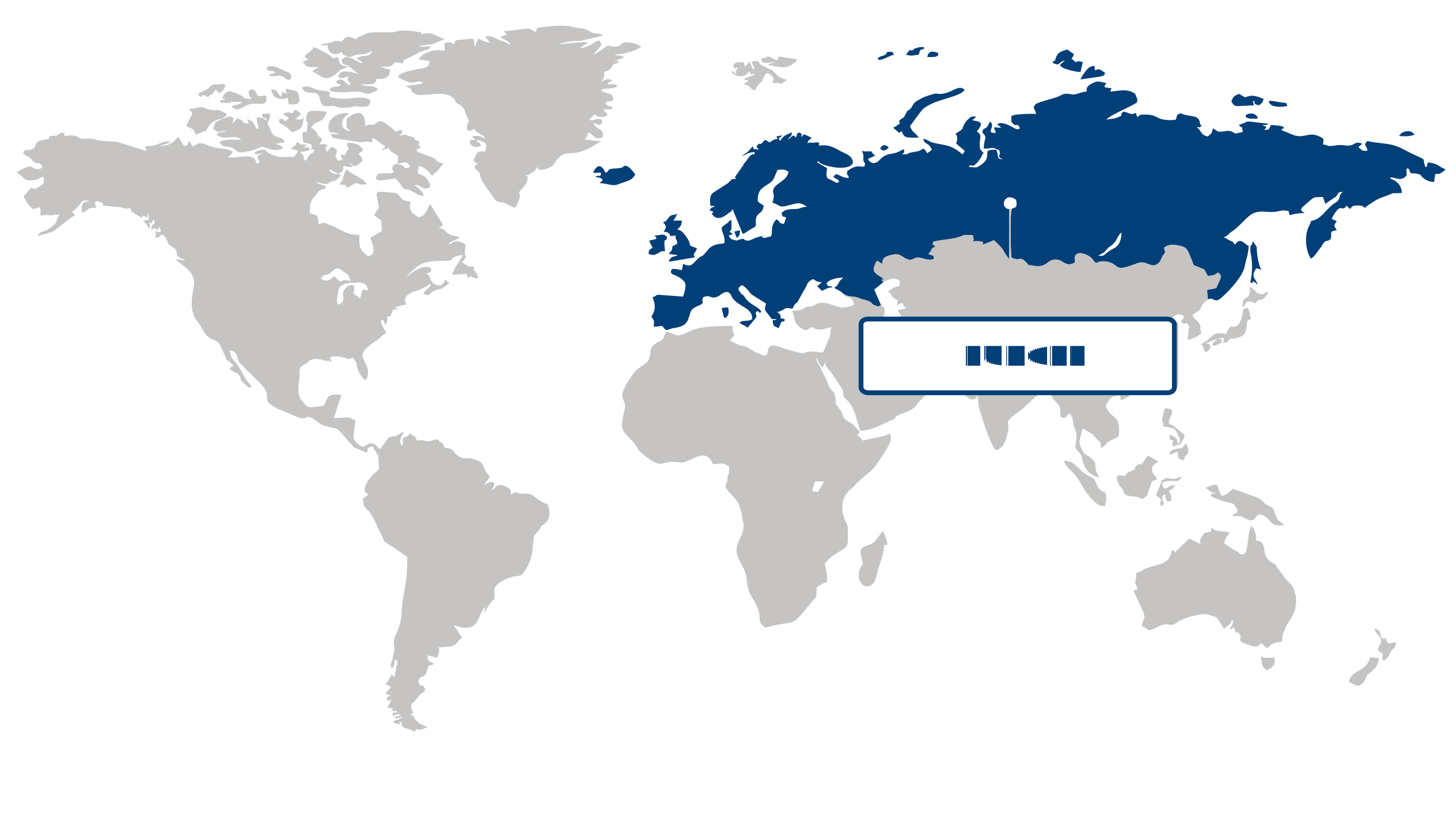
Europe (Largest Region)
Europe accounted for a 36.94% share of the forensic imaging market in 2026, maintaining its position as the largest regional market due to the region’s well-established forensic infrastructure, advanced imaging technologies, and strong emphasis on evidence-based investigations. The region benefits from sophisticated law enforcement and forensic laboratories that increasingly rely on digital imaging solutions to document, analyze, and preserve evidence with greater accuracy. Growing adoption of high-resolution imaging, three-dimensional visualization, and digital documentation technologies is enhancing the examination of crime scenes, biological evidence, fingerprints, and other forensic materials. In addition, established regulatory frameworks and standardized forensic procedures are encouraging the use of advanced imaging systems that improve evidence quality and support reliable investigative workflows. Continued investments in forensic laboratory modernization, technological innovation, and law enforcement capabilities are further strengthening market development across the region.
Asia Pacific (Fastest-Growing Region)
Asia Pacific is expected to experience the fastest growth in the forensic imaging market, driven by expanding forensic infrastructure, increasing investments in law enforcement modernization, and growing adoption of advanced digital investigation technologies. Countries across the region are strengthening forensic capabilities to improve crime investigation, evidence documentation, and judicial processes, creating greater demand for sophisticated imaging solutions. Rising awareness of the importance of accurate evidence preservation and analysis is encouraging forensic laboratories and investigative agencies to adopt modern imaging technologies. The expansion of specialized forensic facilities, combined with improvements in digital investigation capabilities, is further supporting market adoption. Moreover, increasing technological integration within criminal justice systems and growing investments in laboratory equipment are expected to create favorable conditions for sustained market growth across Asia Pacific.
| Parameter | North America | Asia Pacific | Europe | Latin America | MEA |
|---|---|---|---|---|---|
| Innovation HubiScaleNascentDeveloping Advanced | |||||
| Cost-Sensitive RegioniScaleLowMedium High | |||||
| Regulatory EnvironmentiScaleRestrictiveNeutral Supportive | |||||
| Demand DriversiScaleWeakModerate Strong | |||||
| Development StageiScaleEmergingDeveloping Developed | |||||
| Adoption RateiScaleLowMedium High | |||||
| New Entrants / StartupsiScaleSparseModerate Dense | |||||
| Macro IndicatorsiScaleWeakStable Strong |
Key Country Insights
United States 🇺🇸
Advanced Evidence ImagingThe U.S. prioritizes high-resolution forensic imaging across law enforcement, federal agencies, and forensic laboratories, with continued emphasis on digital evidence workflows, 3D imaging, and automated analysis. Interoperability with existing investigative systems and evidentiary reliability remain important purchasing considerations.
Germany 🇩🇪
Laboratory Imaging PrecisionGermany places strong emphasis on scientifically validated forensic imaging for trace evidence, questioned documents, and crime-scene reconstruction. Demand is supported by modern laboratory workflows, standardized procedures, and imaging systems capable of producing reproducible evidence suitable for rigorous forensic examination and courtroom presentation.
Japan 🇯🇵
Precision Crime AnalysisJapan’s forensic imaging priorities center on precise documentation of physical evidence and detailed examination of crime scenes, documents, and trace materials. Compact, high-resolution imaging technologies and efficient laboratory workflows are particularly relevant where agencies seek greater analytical detail without adding unnecessary operational complexity.
South Korea 🇰🇷
Digital Forensic IntegrationSouth Korea increasingly connects forensic imaging with digitally enabled investigative workflows, supporting detailed evidence capture and analysis across police and forensic institutions. Systems that integrate imaging, documentation, data management, and advanced analytical capabilities can strengthen operational efficiency while supporting increasingly technology-driven investigations.
France 🇫🇷
Multimodal Evidence CaptureFrance emphasizes comprehensive forensic documentation, creating demand for imaging solutions that support varied evidence types and examination environments. Multimodal systems combining high-resolution photography, microscopy, and specialized visualization can improve evidence interpretation while fitting established laboratory and investigative procedures.
Italy 🇮🇹
Crime Scene VisualizationItaly’s forensic imaging requirements focus strongly on accurate crime-scene documentation and visual examination of physical evidence. Imaging technologies that improve scene reconstruction, microscopic inspection, and evidence archiving can support forensic laboratories and investigative teams seeking clearer documentation throughout the examination process.
Forensic Imaging Market Share (%), by Application, 2026
Go beyond the chart, access full insights & data tables
Request Free Sample ReportApplication Segment Analysis: Death Investigations (Largest & Fastest-Growing Segment)
The death investigations segment accounted for the largest 2026 share of 72.58% in the forensic imaging market, supported by the growing use of advanced imaging techniques to document injuries, identify trauma patterns, and provide detailed visual evidence during postmortem examinations. Forensic imaging can complement conventional autopsy procedures by enabling non-invasive or minimally invasive examination of internal structures, helping investigators assess fractures, foreign objects, and other findings that may be difficult to evaluate externally. Increasing emphasis on accurate documentation and evidence preservation is encouraging forensic authorities to incorporate imaging into death investigation workflows. The ability to digitally capture, store, review, and share detailed anatomical information is also improving collaboration among forensic professionals and investigative teams. As imaging technologies become more capable and their integration into forensic procedures expands, death investigations are expected to remain a key area of demand and continue driving growth for this application.
End-use Segment Analysis: Forensic Institutes (Largest Segment) vs Hospitals (Fastest-Growing Segment)
The forensic institutes segment accounted for the largest 2026 share of 60.29% in the forensic imaging market, reflecting the central role of specialized forensic facilities in conducting postmortem examinations, documenting evidence, and supporting investigations involving unexplained or suspicious deaths. These institutions increasingly rely on imaging technologies to supplement conventional forensic procedures with detailed visualization of internal injuries and anatomical structures. Digital imaging can improve the documentation and preservation of findings while enabling forensic specialists to review evidence without repeatedly disturbing physical specimens. Growing efforts to modernize forensic infrastructure and improve the accuracy and consistency of medico-legal investigations are supporting adoption across forensic institutes. Greater integration of imaging into standardized forensic workflows is further strengthening demand for advanced forensic imaging systems in these specialized facilities.
The hospitals segment is expected to witness the fastest growth, driven by the increasing integration of imaging capabilities into clinical environments that may be involved in forensic examinations, trauma assessment, and medico-legal investigations. Hospitals possess established imaging infrastructure and specialized diagnostic expertise, creating opportunities to extend these capabilities to cases requiring forensic documentation and evaluation. The growing need for rapid assessment of injuries and improved coordination between medical and investigative professionals is supporting greater use of advanced imaging in hospital settings. In addition, increasing awareness of non-invasive forensic examination methods is encouraging healthcare facilities to participate more actively in evidence documentation and postmortem imaging, supporting the expanding role of hospitals in forensic imaging applications.
Modality Segment Analysis: CT (Largest & Fastest-Growing Segment)
The CT segment held a 51.3% share in 2026, while also representing the fastest-growing modality in the forensic imaging market, supported by its ability to generate detailed cross-sectional images of internal anatomical structures without requiring extensive physical intervention. CT imaging is particularly valuable in forensic examinations because it can reveal fractures, skeletal injuries, foreign objects, and other internal findings that may be difficult to identify through external examination alone. The technology also enables rapid acquisition and digital preservation of detailed evidence, supporting efficient documentation and subsequent review by forensic specialists. Increasing acceptance of virtual autopsy techniques and growing interest in minimally invasive approaches are further expanding the role of CT in forensic workflows. As forensic organizations seek more comprehensive imaging-based evidence and improved examination efficiency, CT is expected to maintain strong adoption across a broad range of forensic investigations.
| Segment | Sub-Segment | Largest Segment | Fastest Growing |
|---|---|---|---|
| Application | Death Investigations, Clinical Studies | Death Investigations | Death Investigations |
| End-use | Forensic Institutes, Hospitals, Others | Forensic Institutes | Hospitals |
| Modality | X-ray, CT, Ultrasound, MRI | CT | CT |
Unlock insights tailored to your business with our bespoke market research solutions.
Click to get your customized report now.
Competitive Landscape and Market Positioning
Analyst Perspective:
The forensic imaging market is defined by rigorous demands for spatial accuracy, chain-of-custody security, and field mobility. While high-resolution 3D surface and radiographic scanners ensure precise, repeatable evidence capture, vendors are increasingly leveraging AI-assisted pattern matching to streamline artifact screening across extensive datasets. However, because legal scrutiny mandates strict transparency, software solutions must maintain auditable data security and explicit human-in-the-loop oversight. Additionally, the market sees strong differentiation in ruggedized, portable scanning hardware, allowing investigators to document scene-of-crime evidence rapidly under unpredictable field conditions without compromising image fidelity or documentation protocols.
Major players in the forensic imaging market:
- Leica Microsystems (Germany)
- Nikon Instruments (Japan)
- Zeiss (Germany)
- GE HealthCare (USA)
- Canon Medical Systems (Japan)
- Thermo Fisher Scientific (USA)
- Bruker (USA)
- Fujifilm (Japan)
- Evident Scientific (Japan)
- 3D Systems (USA)
| Company | Market Share | Company Revenue | Revenue CAGR (%) | Product Portfolio | Geographic Presence | Innovation / R&D Focus | Strategic Developments |
|---|---|---|---|---|---|---|---|
| Leica Microsystems (Germany) | |||||||
| Nikon Instruments (Japan) | |||||||
| Zeiss (Germany) | |||||||
| GE HealthCare (USA) | |||||||
| Canon Medical Systems (Japan) | |||||||
| Thermo Fisher Scientific (USA) | |||||||
| Bruker (USA) | |||||||
| Fujifilm (Japan) | |||||||
| Evident Scientific (Japan) | |||||||
| 3D Systems (USA) |
Industry Development/News
| Company Name | Date | Key Development |
|---|---|---|
| King George's Medical University | January 2026 | King George's Medical University secured ₹8 crore in state funding to procure and establish an advanced CT scan system dedicated to virtual autopsies. The infrastructure initiative creates the first virtual post-mortem facility in Uttar Pradesh for road accident investigations, transforming traditional autopsy workflows through non-invasive medical imaging. |
| Canon Medical Systems USA | December 2024 | Canon Medical Systems USA introduced an advanced suite of artificial intelligence-driven solutions designed to automate end-to-end workflows across its computed tomography portfolio. The integrated system streamlines clinical protocols, remote scan support, and automated processing for neuro and chest imaging to enhance operational efficiency in healthcare environments. |
| Dubai Police | August 2024 | Dubai Police developed an advanced forensic examination facility engineered to streamline crime detection, testing, and autopsy workflows. The installation significantly optimizes processing timelines from days down to hours while targeting an operational diagnostic accuracy of up to 95 percent. |
| General Atomics Electromagnetic Systems | March 2024 | General Atomics Electromagnetic Systems launched the Full Spectrum Imaging System Crime Scene Examiner, a portable forensic tool tailored for rapid evidence capture in confined spaces. The compact, tablet-integrated high-resolution system optimizes field operation efficiency for law enforcement agencies and specialized forensic laboratories. |
| GE Healthcare | January 2023 | GE Healthcare acquired IMACTIS, a prominent leader in computed tomography interventional guidance technologies across diverse healthcare domains. This strategic acquisition strengthens the company's competitive positioning and expands its advanced operational footprint within the medical imaging sector. |
Customize Your Report
Explore examples of how this report can be tailored to different research needs, including custom segments, additional topics or chapters, and related reports. Click a section of the wheel or its numbered marker to explore the available options.
Forensic Imaging Market — Custom Segments
| Segment | Sub-Segment |
|---|---|
| Subject Type | Human Remains, Living Subjects, Crime Scene Evidence, Documents & Trace Evidence |
| Portability | Fixed Systems, Portable Systems, Handheld Systems |
| Procurement Model | Government & Public Procurement, Institutional Direct Purchase, Distributor-Based Procurement, Leasing & Managed Equipment Models |
Forensic Imaging Market — Custom TOC
| Custom Chapter | Chapter Details |
|---|---|
| Forensic Workflow Digitization Roadmap |
|
| Evidence Management & Chain-of-Custody Transformation |
|
| Courtroom Adoption & Evidentiary Acceptance |
|
Need a different cut of the data?
Request Custom ResearchFrequently Asked Questions
What is the estimated worth of the forensic imaging market?
How is the forensic imaging industry projected to perform over the next decade?
How is the growing complexity of investigations driving investment in forensic imaging?
How are AI and advanced imaging technologies changing forensic evidence analysis?
Why do death investigations account for the largest share of the forensic imaging market?
Why are hospitals becoming an increasingly important end-use segment for forensic imaging?
Why does Europe lead the forensic imaging market?
What is driving forensic imaging market growth in Asia Pacific?
Who are the leading players in the forensic imaging landscape?
Our Clients
"The team took the time to understand our specific business needs and delivered a report that was well aligned with our objectives. Their expertise and understanding of the industry were clearly reflected in the quality and relevance of the insights provided."
Siemens Healthcare
"Our experience in acquiring the research report has been excellent. The depth of analysis, and actionable insights provided have been extremely valuable in supporting our ongoing R&D efforts."
GC Biopharma
"The report offered a comprehensive view of the market trends. The in-depth segmentation and analysis of emerging opportunities gave us a better understanding of the market."
Medtronic
Our Research Team & Methodology
Every Fundamental Business Insights report is built by a dedicated vertical research team, validated through a structured primary-and-secondary methodology, and reviewed for accuracy before it reaches you.
This report was prepared by the Healthcare & Medical Devices Research Team at Fundamental Business Insights, a dedicated research group specializing in the global healthcare and medical technology industry. Our analysts continuously monitor advancements in medical technologies, clinical adoption trends, regulatory developments, reimbursement policies, healthcare infrastructure investments, competitive strategies, and evolving patient care requirements to deliver timely and reliable market intelligence. The research is developed using a structured methodology that combines primary discussions with healthcare stakeholders, company financial disclosures, regulatory publications, clinical literature, government healthcare databases, medical associations, and other authoritative secondary sources. Market estimates are validated through multiple research techniques, including top-down and bottom-up analysis, before undergoing an internal quality review to ensure accuracy, consistency, and methodological integrity prior to publication.
Delivery
Published
Available
Support
- Market Size & Forecast
- Market Segmentation
- Regional Analysis
- Growth Drivers & Challenges
- Market Dynamics
- Competitive Landscape
- Company Profiles
- Competitive Benchmarking
- Mergers & Acquisitions
- Market Share Analysis or Key Company Strategies
- Value Chain Analysis
- Porter's Five Forces
- PESTLE Analysis
- Pricing Trends
- Supply-Demand Analysis
- Technology Landscape
- Regulatory Landscape
- Investment & Funding Landscape
- Emerging Opportunities
- Future Market Outlook