Fosfomycin Trometamol Market Size & Forecasts 2026-2035, By Segments (Type, Application), Growth Opportunities, Innovation Landscape, Regulatory Shifts, Strategic Regional Insights (U.S., Japan, China, South Korea, UK, Germany, France), and Competitive Dynamics (Pfizer, Sandoz, Hikma Pharmaceuticals, Lupin, Teva Pharmaceuticals)
Jump to Content
Market Size and Growth Outlook
Fosfomycin Trometamol Market size is set to grow from USD 61.22 million in 2025 to USD 92.38 million by 2035, reflecting a CAGR greater than 4.2% through 2026-2035. Industry revenues in 2026 are estimated at USD 63.42 million.
Get more details on this report
Request Free Sample ReportFosfomycin Trometamol Market Intelligence Snapshot
Regional Market Dynamics
Segment Momentum
Market Expansion Drivers
Leading Market Participants
Global Market Forecast Snapshot
Market Outlook
Regional and Segment Outlook
Market Growth Drivers and Industry Trends
The increasing incidence of urinary tract infections (UTIs) globally is a critical driver in the fosfomycin trometamol market’s expansion. According to the World Health Organization (WHO), UTIs are among the most common bacterial infections, particularly affecting women and the elderly. This growing patient population amplifies demand for effective oral antibiotics such as fosfomycin trometamol, known for its targeted efficacy and single-dose convenience. The market benefits from shifting consumer preferences toward drugs that offer quick relief with minimal side effects, creating opportunities for pharmaceutical companies to tailor educational campaigns and optimize supply chains. As antimicrobial resistance concerns rise, strategic investment in next-generation fosfomycin formulations or combination therapies could distinguish market leaders, responding to clinical needs identified by health agencies like the U.S. Centers for Disease Control and Prevention (CDC).
Expansion in Outpatient and Hospital Pharmacies
The broadening footprint of outpatient and hospital pharmacies significantly bolsters the fosfomycin trometamol market by enhancing accessibility and prescription reach. Regulatory frameworks encouraging decentralized healthcare delivery, such as those propagated by the European Medicines Agency (EMA), have facilitated medication availability beyond traditional hospital settings. This dynamic supports patient adherence and timely treatment, especially for UTIs that require prompt management. Pharmaceutical companies, including legacy players like Zambon SpA, can leverage partnerships with pharmacy chains to ensure steady product distribution, while new entrants benefit from digital supply chain innovations reducing entry barriers. As healthcare systems continue to emphasize outpatient care efficiency, this trend is poised to sustainably channel demand for fosfomycin trometamol across diverse markets.
Innovation in Fosfomycin Trometamol Formulations
Advancements in fosfomycin trometamol formulations are reshaping the competitive landscape by addressing unmet clinical and patient-centric needs. Firms such as Meiji Seika Pharma have announced development programs focusing on enhanced bioavailability, taste masking, and extended shelf-life. These innovations align with evolving patient preferences for user-friendly treatments and healthcare provider demands for optimized dosage forms. Regulatory approvals for novel formulations can expedite market penetration and foster differentiation amid generic competition. Innovation also complements global sustainability goals by streamlining manufacturing processes and reducing waste, as highlighted in corporate sustainability reports from leading pharmaceutical companies. Continued investment in formulation research not only strengthens product pipelines but also supports long-term market resilience in response to shifting therapeutic standards globally.
Industry Restraints:
Regulatory Approval Complexities
Stringent regulatory approval processes for fosfomycin trometamol significantly restrain market expansion by delaying product launches and increasing compliance costs. Agencies such as the U.S. Food and Drug Administration (FDA) and the European Medicines Agency (EMA) require extensive clinical data demonstrating safety and efficacy, creating entry barriers for smaller firms lacking the resources to navigate complex trials. For instance, the EMA’s rigorous evaluation has prolonged market access for several antibiotics, including fosfomycin formulations, as noted in the European Centre for Disease Prevention and Control (ECDC) reports. This complexity forces incumbents to allocate substantial investment toward regulatory affairs, limiting their agility in addressing competitive pressures. New entrants face heightened challenges in securing timely approvals, curbing innovation and competitive diversity. Going forward, evolving regulatory landscapes, with increasing demand for antimicrobial stewardship and pharmacovigilance, are expected to maintain these constraints, prompting companies to prioritize regulatory expertise and strategic partnerships to mitigate approval delays.
Limited Awareness and Utilization in Primary Care Settings
Underutilization of fosfomycin trometamol in primary care, primarily due to limited physician awareness and conservative prescribing patterns, hampers market growth. The World Health Organization (WHO) has highlighted that despite fosfomycin’s efficacy against multidrug-resistant urinary tract infections, many general practitioners remain hesitant to prescribe it, favoring more familiar antibiotics. This hesitancy is compounded by insufficient clinical guidelines endorsing fosfomycin as a first-line therapy, as documented in national treatment protocols issued by entities such as the National Institute for Health and Care Excellence (NICE) in the UK. Consequently, demand growth is restricted, particularly in outpatient sectors where most urinary tract infections are treated. Market leaders must invest in educational initiatives and clinical data dissemination to overcome this barrier. Over the near to medium term, increasing antimicrobial resistance awareness and updated clinical guidelines are expected to gradually increase fosfomycin prescribing, but entrenched practices will continue to moderate adoption rates.
| Growth Driver | Impact on CAGR | Regulatory Influence | Geographic Relevance | Adoption Rate | Impact Timeline |
|---|---|---|---|---|---|
| Rising prevalence of urinary tract infections and bacterial infections | 1.60% | Short term (≤ 2 yrs) | North America, Europe; Spillover: Asia Pacific | Medium | Moderate |
| Expansion in outpatient and hospital pharmacies | 1.40% | Medium term (2–5 yrs) | Europe, North America; Spillover: Asia Pacific | Low | Moderate |
| Innovation in fosfomycin trometamol formulations | 1.20% | Long term (5+ yrs) | North America, Europe; Spillover: Asia Pacific | Low | Slow |
Explore Growth Opportunities
Request Free Sample ReportRegional Demand Dynamics
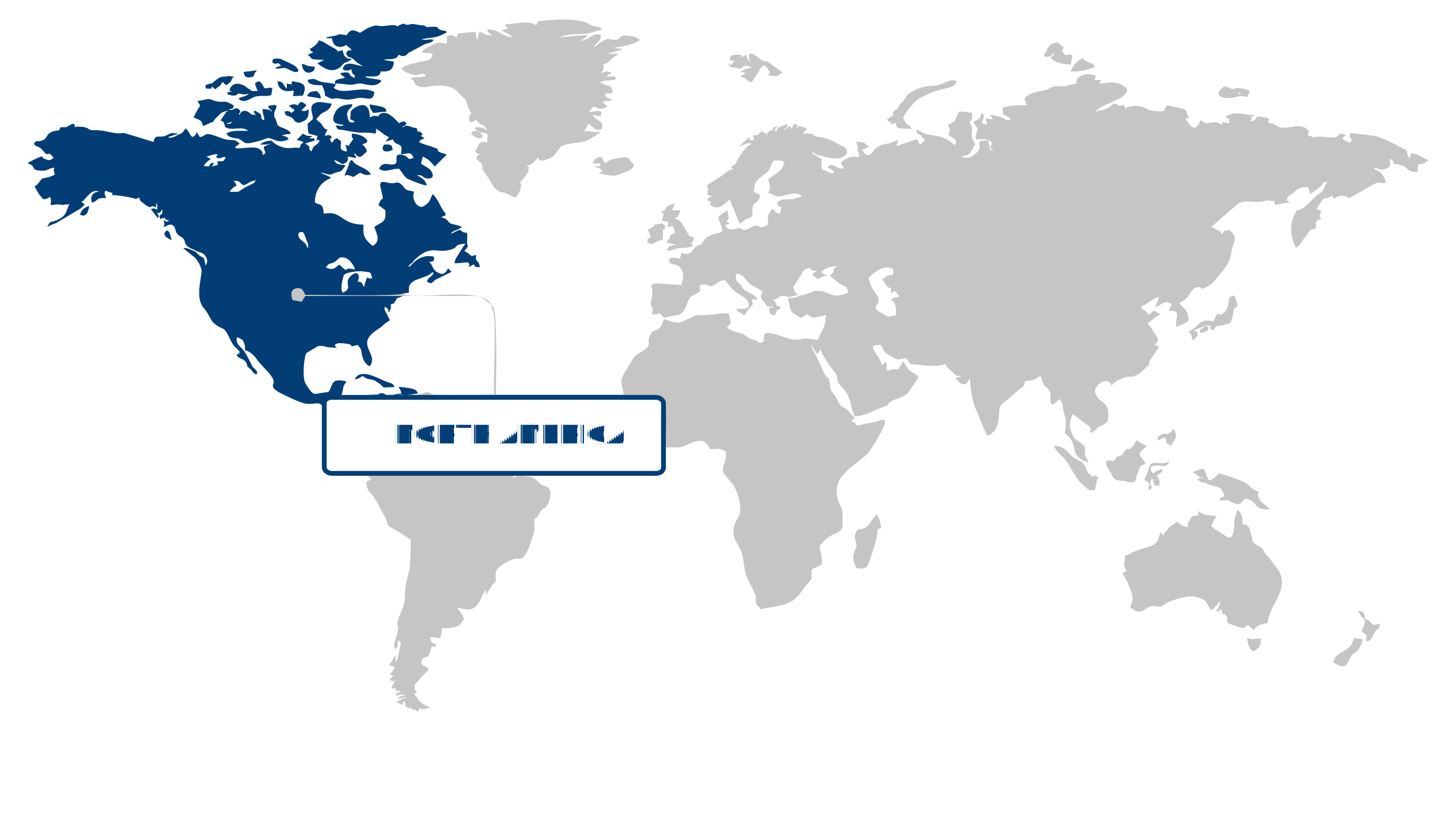
North America dominated the fosfomycin trometamol market in 2025, representing more than 40% of the global share. This leadership is anchored by the region's advanced healthcare infrastructure and high antibiotic adoption rates, which drive robust demand for effective antibacterial treatments. The U.S. Centers for Disease Control and Prevention (CDC) highlights widespread use of fosfomycin in combating urinary tract infections amid rising antibiotic resistance, showcasing regional commitment to innovative therapies. Additionally, stringent regulatory frameworks from the U.S. Food and Drug Administration (FDA) ensure quality and safety, fostering trust among healthcare providers and patients alike. These dynamics, combined with strategic investments in healthcare technology and pharmaceutical R&D, position North America as a durable market leader with promising growth prospects in the fosfomycin trometamol market.
The United States anchors the North American fosfomycin trometamol market, driven by extensive consumer demand for targeted antibiotic therapies and a regulatory environment that prioritizes rapid drug approvals. Initiatives by the FDA to fast-track antibiotics addressing unmet medical needs have accelerated market entry for novel fosfomycin formulations. Furthermore, major pharmaceutical players such as Pfizer and Zydus Cadila reinforce market expansion through ongoing clinical trials and product portfolio enhancements, reflecting a competitive yet innovation-focused landscape. This strong foundation supports the U.S. as a critical growth engine, underpinning broader North American opportunities in delivering effective antibacterial treatments.
Asia Pacific Market Analysis:
Asia Pacific emerged as the fastest-growing region in the fosfomycin trometamol market, registering a robust CAGR of 6.3%. This impressive growth is primarily driven by rising infection rates coupled with expanding healthcare access across the region. Increasing urbanization and economic development have facilitated broader insurance coverage and improved medical infrastructure, particularly in emerging economies. Nations like China and India are investing heavily in healthcare modernization, supporting increased demand for effective antibiotic treatments such as fosfomycin trometamol. Regulatory frameworks are gradually harmonizing with international standards, streamlining product approvals, while digital health initiatives are enhancing diagnosis and treatment efficiency. For instance, the Asia Pacific Society of Infection Control has recently emphasized antibiotic stewardship programs, which further substantiates treatment protocol adherence. Consequently, the region offers significant growth opportunities for innovative pharmaceutical companies aiming to address local infectious disease challenges and capitalize on expanding patient access.
Japan plays a pivotal role in the Asia Pacific fosfomycin trometamol market due to its advanced healthcare system and strong focus on antimicrobial resistance management. Consumer preference in Japan leans towards well-established, clinically proven drugs, supported by stringent regulatory oversight from authorities like the Pharmaceuticals and Medical Devices Agency (PMDA). Strategic collaborations among local pharmaceutical companies and international firms have facilitated the introduction of newer fosfomycin formulations, aligning with Japan’s aging population suffering from higher infection susceptibility. Companies such as Kyowa Kirin have demonstrated their commitment through recent clinical trials targeting resistant bacterial strains, strengthening the country’s market position. This focus on innovation and regulatory rigor enhances Japan’s influence on the broader regional market, stimulating demand for high-quality, accessible antibiotic solutions.
China, as a key driver of the Asia Pacific market, reflects the expanding healthcare access that fuels fosfomycin trometamol growth. Rapid urbanization and government initiatives, like the Healthy China 2030 strategy, are increasing healthcare affordability and outreach, especially in rural areas previously underserved. Large-scale procurement programs and centralized drug purchasing reforms by the National Health Commission have improved supply chain efficiency and reduced costs, encouraging wider adoption of essential antibiotics. Leading pharmaceutical companies such as China National Pharmaceutical Group (Sinopharm) have actively promoted strategic partnerships and local manufacturing capacities, reducing dependency on imports. This dynamic fosters a robust competitive landscape, enabling China to serve as a growth engine for the regional fosfomycin trometamol market and underscore Asia Pacific’s expanding healthcare footprint.
Europe Market Trends:
Europe held a substantial share in the fosfomycin trometamol market, underscoring its strategic importance driven by robust healthcare infrastructure and stringent antimicrobial stewardship policies. The region’s emphasis on combating antibiotic resistance through regulatory frameworks from the European Medicines Agency has catalyzed demand for alternative treatment options like fosfomycin trometamol. Additionally, Europe's aging population and higher prevalence of urinary tract infections have sustained consistent consumption. Advances in supply chain integration and digital health technologies, as evidenced by Bayer’s clinical collaboration announcements, have streamlined distribution and enhanced patient adherence. These multi-dimensional factors, combined with growing environmental and safety compliance standards, position Europe as a vital and dynamic market offering substantial growth opportunities in the near term.
Germany plays a pivotal role in the European fosfomycin trometamol market, driven by its expansive pharmaceutical industry and proactive reimbursement policies. German regulatory bodies, such as the Federal Institute for Drugs and Medical Devices (BfArM), have expedited approvals for novel antimicrobial agents, facilitating market penetration. The country’s widespread adoption of precision medicine has encouraged physicians to prescribe targeted therapies like fosfomycin trometamol, particularly in outpatient care settings. Fresenius Kabi’s recent product launch highlights Germany’s competitive pharmaceutical landscape, which continually fosters innovation and supply chain robustness. Germany’s leadership in regulatory innovation and healthcare spending underscores its central role in propelling regional market momentum.
France maintains a notable presence in the fosfomycin trometamol market, characterized by a growing clinical preference for narrow-spectrum antibiotics amid rising antimicrobial resistance concerns. The French National Agency for the Safety of Medicines and Health Products (ANSM) has implemented guidelines prioritizing fosfomycin trometamol for uncomplicated urinary tract infections, reinforcing its utilization. The country’s integrated healthcare delivery model supports widespread adoption in both hospital and community settings, illustrated by Sanofi’s collaborative efforts with regional health authorities. Cultural trust in evidence-based prescribing further enhances consumer uptake, while ongoing public health initiatives drive awareness. France’s concerted policy environment and innovation-friendly ecosystem consolidate its status as a key contributor to Europe’s overall market potential.
| Parameter | North America | Asia Pacific | Europe | Latin America | MEA |
|---|---|---|---|---|---|
| Innovation HubiScaleNascentDeveloping Advanced | |||||
| Cost-Sensitive RegioniScaleLowMedium High | |||||
| Regulatory EnvironmentiScaleRestrictiveNeutral Supportive | |||||
| Demand DriversiScaleWeakModerate Strong | |||||
| Development StageiScaleEmergingDeveloping Developed | |||||
| Adoption RateiScaleLowMedium High | |||||
| New Entrants / StartupsiScaleSparseModerate Dense | |||||
| Macro IndicatorsiScaleWeakStable Strong |
Fosfomycin Trometamol Market Share (%), by Type, 2026
Go beyond the chart, access full insights & data tables
Request Free Sample ReportFosfomycin trometamol market is dominated by the fosfomycin tromethamine granules segment, which holds the largest share in 2025. The segment’s leadership stems primarily from its ease of administration and high patient compliance, as granular formulations enable simpler dosing and enhanced bioavailability. Patient preference for convenient treatments, coupled with streamlined supply chain logistics ensuring consistent product availability, further consolidates its position. Regulatory endorsements, such as approvals by the U.S. FDA for oral granule formulations, underscore its clinical acceptance, while companies like Zambon emphasize granules in their commercial portfolios. This segment offers strategic opportunities for both established pharmaceutical manufacturers and emerging generic producers to leverage cost-effective, patient-friendly products. Given the ongoing emphasis on compliance and oral administration advancements, the granules segment is poised to sustain its leading role in the fosfomycin trometamol market in the near to medium term.
Analysis by Application
In the fosfomycin trometamol market, the common urinary tract infection segment represented the largest share in 2025, driven by the high prevalence of uncomplicated UTIs and strong preference for single-dose therapy. This segment’s dominance reflects widespread clinical adoption supported by guidelines from institutions like the Infectious Diseases Society of America (IDSA), which endorse fosfomycin trometamol as a first-line option. Cultural and demographic factors, including rising UTI incidence among women globally, reinforce demand patterns. Additionally, streamlined hospital procurement and outpatient prescription practices facilitate broader access. Leading pharmaceutical companies such as Sanofi have highlighted this application in their product strategies. The common UTI segment offers strategic growth avenues for both seasoned market participants and new entrants aiming to address a large, well-defined patient population. Its ongoing relevance is underpinned by sustained epidemiological trends and evolving treatment protocols favoring fosfomycin’s efficacy and convenience.
| Segment | Sub-Segment | Largest Segment | Fastest Growing |
|---|---|---|---|
| Type | Fosfomycin Tromethamine Powder, Fosfomycin Tromethamine Granules | ||
| Application | Postoperative Urinary Tract Infection, Common Urinary Tract Infection, Preoperative Urinary Tract Infection |
Unlock insights tailored to your business with our bespoke market research solutions.
Click to get your customized report now.
Competitive Landscape and Market Positioning
The competitive landscape reflects intensified initiatives aimed at consolidating market presence and fostering product differentiation. These players are actively integrating complementary assets and negotiating strategic alignments to broaden their therapeutic offerings. The engagement in pioneering formulation improvements and enhanced delivery mechanisms is evident, stimulating innovation cycles. Investments in clinical research bolster efficacy claims, while selective market entries and collaborations support enhanced distribution networks. These maneuvers heighten barriers to entry and increase competitive resilience, positioning key companies to respond fluidly to shifting regulatory and patient demands.
Strategic / Actionable Recommendations for Regional Players
In North America, cultivating partnerships with healthcare providers and technology firms can enhance fosfomycin trometamol’s integration into antimicrobial stewardship programs. Emphasizing advanced drug delivery platforms may address unmet therapeutic needs while navigating stringent regulatory frameworks.
For the Asia Pacific region, regional manufacturers should explore alliances with multinational pharmaceutical companies to accelerate product development and market penetration. Leveraging digital health technologies to optimize patient adherence and treatment outcomes can unlock value in rapidly evolving healthcare systems.
In Europe, aligning with research institutions to innovate novel formulations tailored to resistant infections will sustain competitiveness. Engaging in cross-border collaborations can also facilitate knowledge exchange and streamline regulatory approvals, fostering a responsive and agile market posture.
| Company | Market Share | Company Revenue | Revenue CAGR (%) | Product Portfolio | Geographic Presence | Innovation / R&D Focus | Strategic Developments |
|---|---|---|---|---|---|---|---|
| No companies available. | |||||||
Customize Your Report
Explore examples of how this report can be tailored to different research needs, including custom segments, additional topics or chapters, and related reports. Click a section of the wheel or its numbered marker to explore the available options.
Fosfomycin Trometamol Market — Custom Segments
| Segment | Sub-Segment |
|---|---|
| No segment data available. | |
Fosfomycin Trometamol Market — Custom TOC
| Custom Chapter | Chapter Details |
|---|---|
| No custom TOC data available. | |
Need a different cut of the data?
Request Custom ResearchFrequently Asked Questions
How is the fosfomycin trometamol industry projected to perform over the next decade?
Which global region commands the highest percentage of the fosfomycin trometamol market?
Who is driving the fastest regional growth in the fosfomycin trometamol sector?
How much is the fosfomycin tromethamine granules segment expected to grow in the fosfomycin trometamol industry beyond 2025?
What factors give common urinary tract infection segment a competitive edge in the fosfomycin trometamol sector?
What are the key competitors in the fosfomycin trometamol landscape?
Our Clients
"The team took the time to understand our specific business needs and delivered a report that was well aligned with our objectives. Their expertise and understanding of the industry were clearly reflected in the quality and relevance of the insights provided."
Siemens Healthcare
"Our experience in acquiring the research report has been excellent. The depth of analysis, and actionable insights provided have been extremely valuable in supporting our ongoing R&D efforts."
GC Biopharma
"The report offered a comprehensive view of the market trends. The in-depth segmentation and analysis of emerging opportunities gave us a better understanding of the market."
Medtronic
Our Research Team & Methodology
Every Fundamental Business Insights report is built by a dedicated vertical research team, validated through a structured primary-and-secondary methodology, and reviewed for accuracy before it reaches you.
This report was prepared by the Healthcare & Medical Devices Research Team at Fundamental Business Insights, a dedicated research group specializing in the global healthcare and medical technology industry. Our analysts continuously monitor advancements in medical technologies, clinical adoption trends, regulatory developments, reimbursement policies, healthcare infrastructure investments, competitive strategies, and evolving patient care requirements to deliver timely and reliable market intelligence. The research is developed using a structured methodology that combines primary discussions with healthcare stakeholders, company financial disclosures, regulatory publications, clinical literature, government healthcare databases, medical associations, and other authoritative secondary sources. Market estimates are validated through multiple research techniques, including top-down and bottom-up analysis, before undergoing an internal quality review to ensure accuracy, consistency, and methodological integrity prior to publication.
Delivery
Published
Available
Support
- Market Size & Forecast
- Market Segmentation
- Regional Analysis
- Growth Drivers & Challenges
- Market Dynamics
- Competitive Landscape
- Company Profiles
- Competitive Benchmarking
- Mergers & Acquisitions
- Market Share Analysis or Key Company Strategies
- Value Chain Analysis
- Porter's Five Forces
- PESTLE Analysis
- Pricing Trends
- Supply-Demand Analysis
- Technology Landscape
- Regulatory Landscape
- Investment & Funding Landscape
- Emerging Opportunities
- Future Market Outlook