Fruit Beer Market Size & Growth Forecast 2027–2036, By Segments (Flavor, Distribution Channel), Regional Demand Trends (North America, Asia Pacific, Europe), Key Country Insights (U.S., Japan, South Korea, Germany, France, Italy), and Competitive Landscape
Jump to Content
Market Size and Growth Outlook
Fruit Beer Market size was around USD 360.8 million in 2026 and is slated to grow at a 4.18% CAGR from 2027 to 2036, exceeding USD 543.39 million by 2036. The industry revenue for 2027 is estimated at USD 373.5 million.
Get more details on this report
Request Free Sample ReportFruit Beer Market Intelligence Snapshot
Regional Market Dynamics
- Europe leads the market due to its established brewing culture, mature retail and on-trade distribution, broad product availability, and continuous innovation in flavors, packaging, and premium offerings.
- Asia Pacific is expected to expand at a 5.47% CAGR, driven by growing interest in flavored alcoholic beverages, urban retail expansion, and increasing adoption among younger legal-age consumers.
Segment Momentum
- Raspberry led the fruit beer market with a 31.64% share in 2026, supported by strong consumer familiarity, balanced flavor appeal, and consistent repeat purchases across a broad customer base.
- Off-Trade is expanding fastest as consumers increasingly favor convenient retail purchases for at-home consumption, supported by easier product comparison and more frequent repeat buying.
Market Expansion Drivers
- Growing consumer preference for low-alcohol flavored beverages boosting fruit beer consumption.
- Expansion of craft breweries increasing availability of innovative fruit-infused beer varieties.
- Rising off-trade retail distribution strengthening supermarket and e-commerce fruit beer sales channels.
Leading Market Participants
- Leading players in the fruit beer market include The Boston Beer Company, Inc. (United States), New Belgium Brewing Company, Inc. (United States), Founders Brewing Co. (United States), Allagash Brewing Company (United States), New Glarus Brewing Company (United States), Anchor Brewing Company (United States), Sixpoint Brewery (United States), Siren Craft Brew (United Kingdom), The Golden Road Brewing Company (United States), Jester King Craft Brewery LLC (United States).
Global Market Forecast Snapshot
Market Outlook
- 2026 Market Size: USD 360.8 million
- 2027 Estimated Market Size: USD 373.5 million.
- Projected Market Size: USD 543.39 million by 2036
- Growth Forecast: 4.18% CAGR (2027-2036)
Regional and Segment Outlook
- Leading Regional Market: Europe
- High-Growth Regional Hub: Asia Pacific
- Core Revenue Segment: Raspberry (Flavor) | On-Trade (Distribution Channel)
- Emerging Opportunity Segment: Cherry (Flavor) | Off-Trade (Distribution Channel)
Market Growth Drivers and Industry Trends
Growing consumer preference for low-alcohol flavored beverages boosting fruit beer consumption
Shifting drinking preferences toward lighter and more approachable alcoholic beverages are supporting the fruit beer market, as consumers increasingly seek products that combine moderate alcohol content with distinctive fruit flavors. Fruit-infused beers can appeal to consumers who prefer sweeter, more refreshing taste profiles over conventional beer styles, particularly during casual social occasions and warm-weather consumption. The growing interest in moderation is also encouraging experimentation with beverages perceived as less intense while retaining an alcoholic component. This combination of flavor variety and lower-alcohol positioning broadens the appeal of fruit beer across consumers who are exploring alternatives to traditional beer.
Expansion of craft breweries increasing availability of innovative fruit-infused beer varieties
The continued development of craft brewing is creating greater product variety within the fruit beer market as breweries experiment with different fruits, brewing techniques, flavor combinations, and seasonal formulations. Craft producers can respond rapidly to changing consumer tastes and introduce distinctive beverages that emphasize experimentation and sensory differentiation. Fruit ingredients also provide opportunities to create products with unique aromas, colors, and taste characteristics, helping breweries distinguish their offerings within crowded beer categories. Increased consumer interest in specialty and artisanal beverages further encourages exploration of unconventional beer styles, supporting broader exposure to fruit-infused products across taprooms, specialty retailers, and hospitality venues.
Rising off-trade retail distribution strengthening supermarket and e-commerce fruit beer sales channels
Greater availability through supermarkets, convenience retailers, online platforms, and other off-trade channels is expanding the purchasing opportunities for the fruit beer market and making specialty flavored beverages more accessible to consumers. Wider retail placement allows shoppers to discover fruit beer outside traditional bars and restaurants, while e-commerce platforms can provide access to a broader assortment of products and flavor profiles. Off-trade purchasing also supports at-home consumption during social gatherings and casual occasions, increasing the relevance of fruit beer within household beverage choices. Improved shelf visibility, product variety, and convenient purchasing options can further encourage consumers to experiment with flavored beer categories.
| Growth Driver | Impact on CAGR | Regulatory Influence | Geographic Relevance | Adoption Rate | Impact Timeline |
|---|---|---|---|---|---|
| Growing consumer preference for low-alcohol flavored beverages boosting fruit beer consumption | 1.90% | Low | North America, Europe | High | Near Term |
| Expansion of craft breweries increasing availability of innovative fruit-infused beer varieties | 1.60% | Low | Europe, North America | High | Mid Term |
| Rising off-trade retail distribution strengthening supermarket and e-commerce fruit beer sales channels | 1.30% | Moderate | Asia Pacific, North America | Medium | Mid Term |
Unlock insights tailored to your business with our bespoke market research solutions.
Click to get your customized report now.
Regional Demand Dynamics
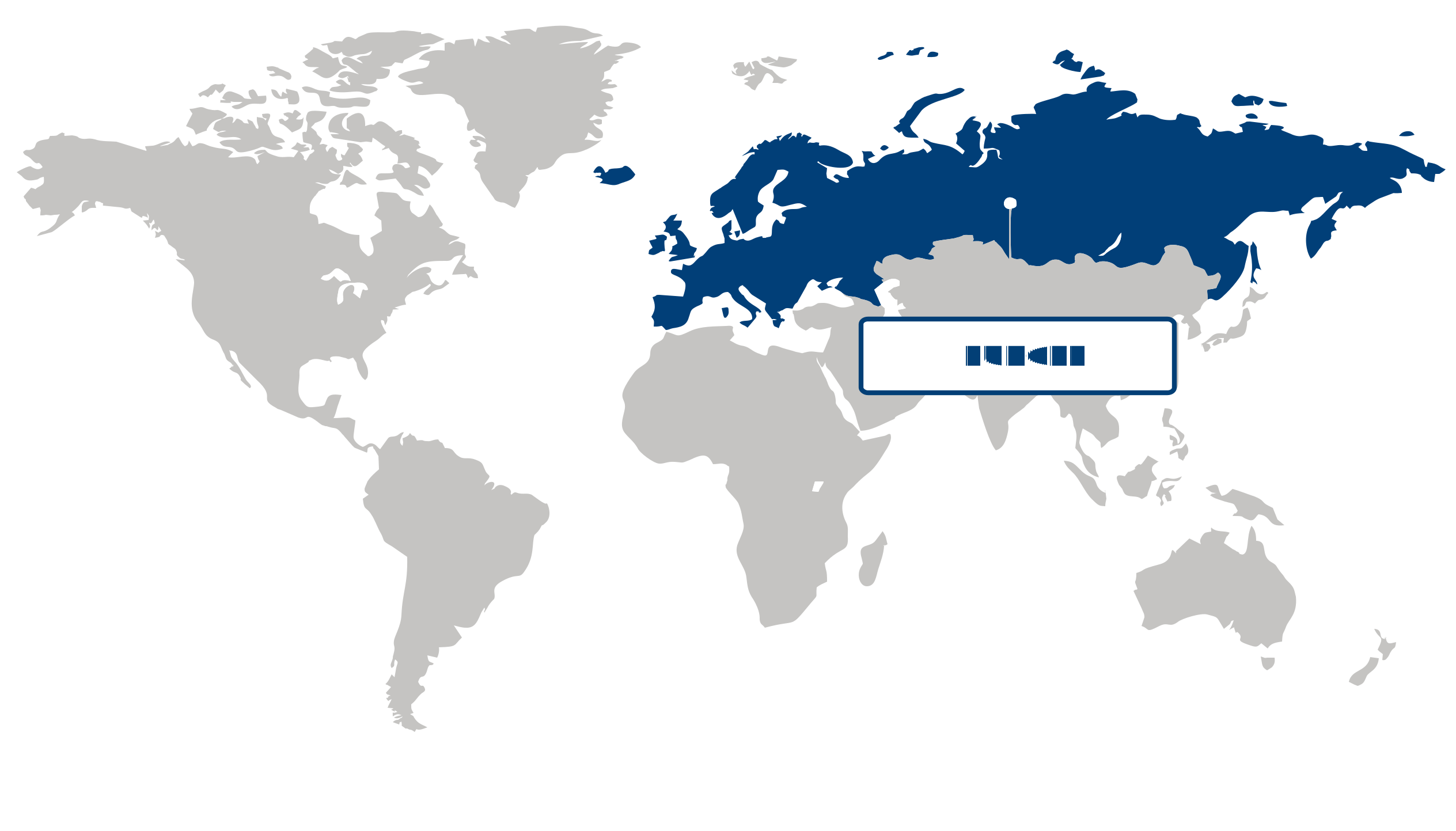
Europe (Largest Region)
Europe held the largest share of the fruit beer market in 2026, reflecting the region's established beer culture, strong consumer acceptance of specialty beverages, and growing interest in innovative flavor combinations. Fruit-infused beer products appeal to consumers seeking alternatives to conventional beer while retaining familiar brewing characteristics. The region's mature beverage industry and well-developed hospitality and retail channels provide manufacturers with effective routes to market. Increasing demand for premium, flavored, and experiential beverages is also encouraging product diversification, supporting the continued strength of the market across European countries.
Asia Pacific (Fastest-Growing Region)
Asia Pacific is projected to be the fastest-growing region in the fruit beer market, driven by evolving consumer preferences, expanding urban populations, and growing interest in novel alcoholic beverages. Younger consumers are increasingly exploring flavored and contemporary drink options, creating opportunities for fruit-based beer products with differentiated taste profiles. Rising disposable incomes and the expansion of modern retail, hospitality, and e-commerce channels are further improving access to specialty beverages. As local consumers become more receptive to premium and experiential drinking occasions, fruit beer is gaining potential as an alternative to traditional alcoholic beverages.
| Parameter | North America | Asia Pacific | Europe | Latin America | MEA |
|---|---|---|---|---|---|
| Innovation HubiScaleNascentDeveloping Advanced | |||||
| Cost-Sensitive RegioniScaleLowMedium High | |||||
| Regulatory EnvironmentiScaleRestrictiveNeutral Supportive | |||||
| Demand DriversiScaleWeakModerate Strong | |||||
| Development StageiScaleEmergingDeveloping Developed | |||||
| Adoption RateiScaleLowMedium High | |||||
| New Entrants / StartupsiScaleSparseModerate Dense | |||||
| Macro IndicatorsiScaleWeakStable Strong |
Key Country Insights
Germany 🇩🇪
Heritage Brewing BalanceGermany combines traditional brewing expertise with carefully developed fruit beer offerings that respect established quality expectations. Brewers in Germany emphasize ingredient quality and balanced flavor development to broaden product portfolios.
France 🇫🇷
Premium Craft SelectionFrance supports fruit beer offerings that emphasize artisanal production and distinctive flavor combinations. Breweries in France strengthen premium positioning by incorporating locally inspired ingredients and carefully crafted brewing techniques.
Italy 🇮🇹
Seasonal Flavor AppealItaly develops fruit beer products that complement seasonal consumption and diverse dining occasions. Brewers in Italy continue introducing fruit-based variants with premium ingredients while expanding specialty retail and hospitality presence.
Japan 🇯🇵
Refined Flavor ProfilesJapan favors fruit beer with subtle fruit notes, premium presentation, and balanced taste characteristics. Producers in Japan develop limited-edition varieties and convenient packaging that align with evolving consumer preferences.
South Korea 🇰🇷
Contemporary Beverage TrendsSouth Korea's fruit beer market is shaped by interest in approachable flavors and innovative alcoholic beverages. Breweries in South Korea expand fruit-infused selections through modern branding and retail partnerships targeting younger adult consumers.
United States 🇺🇸
Craft Flavor InnovationThe U.S. fruit beer market continues to diversify through craft brewing, seasonal flavors, and experimental fruit combinations. Breweries in the U.S. focus on differentiated taste profiles and premium positioning to attract consumers seeking variety.
Fruit Beer Market Share (%), by Flavor, 2026
Go beyond the chart, access full insights & data tables
Request Free Sample ReportFlavor Segment Analysis: Raspberry (Largest Segment) vs Cherry (Fastest-Growing Segment)
Raspberry flavor dominated the fruit beer market with a 31.64% share in 2026, supported by its distinctive balance of fruity sweetness and tartness, which appeals to consumers seeking flavorful alternatives to conventional beer. Its versatility across different beer styles and ability to provide a recognizable fruit profile have strengthened its acceptance among both established beer consumers and those exploring flavored alcoholic beverages. The broader trend toward experimentation with novel and approachable flavor experiences continues to support the segment's leading position.
Cherry flavor is expected to be the fastest-growing segment as demand rises for differentiated fruit-based beer varieties with distinctive and indulgent taste profiles. Consumers are increasingly exploring premium and specialty alcoholic beverages that offer new sensory experiences, creating opportunities for more diverse flavor innovations. The growing popularity of seasonal and craft-oriented offerings is also expected to support the expansion of cherry-flavored fruit beer.
Distribution Channel Segment Analysis: On-Trade (Largest Segment) vs Off-Trade (Fastest-Growing Segment)
The on-trade channel held the largest share in 2026, supported by the importance of bars, pubs, restaurants, and other hospitality venues in introducing consumers to new and specialized fruit beer varieties. These establishments provide opportunities for product sampling and discovery, while social drinking occasions encourage consumers to experiment with different flavors. The growing preference for experience-driven beverage consumption and the ability of hospitality venues to showcase premium and specialty offerings continue to strengthen the segment's position.
The off-trade channel is expected to be the fastest-growing as consumers increasingly purchase fruit beer for at-home consumption and social occasions outside hospitality venues. Supermarkets, specialty stores, and other retail outlets provide convenient access to a growing assortment of packaged products, supporting broader household penetration. Rising demand for convenient alcohol purchases, coupled with increasing availability of premium and flavored beer varieties through retail channels, is expected to drive the segment's expansion.
| Segment | Sub-Segment | Largest Segment | Fastest Growing |
|---|---|---|---|
| Flavor | Peach, Raspberry, Cherry, Apricot, Others | Raspberry | Cherry |
| Distribution Channel | On-Trade, Off-Trade | On-Trade | Off-Trade |
Competitive Landscape and Market Positioning
Key companies in the fruit beer market:
1. The Boston Beer Company Inc. (United States)
2. New Belgium Brewing Company Inc. (United States)
3. Founders Brewing Co. (United States)
4. Allagash Brewing Company (United States)
5. New Glarus Brewing Company (United States)
6. Anchor Brewing Company (United States)
7. Sixpoint Brewery (United States)
8. Siren Craft Brew (United Kingdom)
9. The Golden Road Brewing Company (United States)
10. Jester King Craft Brewery LLC (United States)
The fruit beer market is being influenced by growing experimentation with exotic fruit blends and craft brewing techniques aimed at attracting younger consumers. Seasonal launches and low-alcohol variants are also helping brands address evolving taste preferences and lifestyle trends.
| Company | Market Share | Company Revenue | Revenue CAGR (%) | Product Portfolio | Geographic Presence | Innovation / R&D Focus | Strategic Developments |
|---|---|---|---|---|---|---|---|
| The Boston Beer Company Inc. (United States) | |||||||
| New Belgium Brewing Company Inc. (United States) | |||||||
| Founders Brewing Co. (United States) | |||||||
| Allagash Brewing Company (United States) | |||||||
| New Glarus Brewing Company (United States) | |||||||
| Anchor Brewing Company (United States) | |||||||
| Sixpoint Brewery (United States) | |||||||
| Siren Craft Brew (United Kingdom) | |||||||
| The Golden Road Brewing Company (United States) | |||||||
| Jester King Craft Brewery LLC (United States). |
Industry Development/News
| Company Name | Date | Key Development |
|---|---|---|
| Heineken UK | May-26 | Heineken UK reported a 34% increase in sales within the UK fruit beer segment during 2026. The company identified this category as a critical driver of total on-trade market growth, validating the commercial viability of fruit-flavored beer and signaling a shift in consumer demand that is influencing the company's long-term product focus and distribution priorities in the region. |
| Molson Coors Beverage Company | Apr-26 | Molson Coors expanded its portfolio by launching Madrí Excepcional Limón, a premium lager infused with natural lemon flavoring. This launch is a strategic response to rising consumer demand for fruit-forward beer products. By leveraging its premium brand identity, the company aims to capture additional market share and broaden its reach within the increasingly competitive fruit-flavored beer category. |
| Prime Time | Sep-25 | Prime Time entered the fruit beer category with the launch of its first product, a pear-flavored beer utilizing British-grown Nashi pears. This market entry reflects the company's objective to diversify its portfolio through flavor-led innovation. By targeting the growing consumer preference for unique, fruit-based beer experiences, Prime Time is positioning itself to capture emerging demand within the specialty craft segment. |
| BrewDog | May-25 | BrewDog introduced two fruit-focused beer products specifically engineered for the convenience retail channel. Developed through a strategic collaboration with Co-op and Booker, these products are designed to penetrate high-traffic distribution points. This initiative highlights the company's focus on securing shelf space and expanding its commercial footprint by aligning targeted product innovation with specific retail partnership strategies. |
| Gipsy Hill Brewing | Nov-24 | Gipsy Hill Brewing was acquired by Sunrise Alliance Beverages, a move designed to accelerate growth and strengthen operational focus on brewing quality and sustainability. This acquisition integrates Gipsy Hill into a broader organizational structure, providing the necessary strategic and financial support to scale production capacity and enhance competitive positioning within the evolving specialty beer market. |
| Bira 91 | Mar-24 | Bira 91 collaborated with New Belgium Brewing to launch "Chutney Sour," a specialty beer combining Indian flavor profiles with established craft brewing techniques. This product launch represents a strategic effort to innovate within the sour and fruit-adjacent beer space, leveraging cross-brand expertise to create distinctive, market-differentiated offerings aimed at engaging evolving consumer tastes and expanding competitive relevance. |
Customize Your Report
Explore examples of how this report can be tailored to different research needs, including custom segments, additional topics or chapters, and related reports. Click a section of the wheel or its numbered marker to explore the available options.
Fruit Beer Market — Custom Segments
| Segment | Sub-Segment |
|---|---|
| Alcohol Content | Alcohol-Free & Low-Alcohol, Standard Alcohol, High-Alcohol |
| Consumption Occasion | Social & Recreational Drinking, Meal Accompaniment, Celebrations & Special Occasions, At-Home Consumption |
| Price Tier | Economy, Mid-Range, Premium |
Fruit Beer Market — Custom TOC
| Custom Chapter | Chapter Details |
|---|---|
| Craft Beverage Innovation Landscape |
|
| Premium Alcoholic Beverage Positioning |
|
| Distribution Channel Expansion Opportunities |
|
Need a different cut of the data?
Request Custom ResearchFrequently Asked Questions
How much is the fruit beer market worth?
How will the fruit beer industry grow in terms of size and CAGR by 2036?
How are changing alcohol preferences influencing expansion opportunities in the fruit beer market?
How is craft brewery innovation shaping product development in the fruit beer market?
Which flavor segment holds the largest share of the fruit beer market?
Why is the Off-Trade channel the fastest-growing distribution segment in the fruit beer market?
Why does Europe dominate the fruit beer market?
What is fueling fruit beer market growth in Asia Pacific?
What are the key competitors in the fruit beer landscape?
Our Clients
"The report provided a thorough look at market trends, technological advancements, and the competitive landscape. The depth of insights was really valuable."
ITC Limited
"We would highly recommend Fundamental Business Insights & Consulting to anyone looking for reliable, detailed, and comprehensive market research in the Food industry."
Tyson Foods
"The clarity and presentation of the information were commendable. The report was delivered timely, which made the overall experience smooth and convenient."
Mondelēz International
Our Research Team & Methodology
Every Fundamental Business Insights report is built by a dedicated vertical research team, validated through a structured primary-and-secondary methodology, and reviewed for accuracy before it reaches you.
Delivery
Published
Available
Support
- Market Size & Forecast
- Market Segmentation
- Regional Analysis
- Growth Drivers & Challenges
- Market Dynamics
- Competitive Landscape
- Company Profiles
- Competitive Benchmarking
- Mergers & Acquisitions
- Market Share Analysis or Key Company Strategies
- Value Chain Analysis
- Porter's Five Forces
- PESTLE Analysis
- Pricing Trends
- Supply-Demand Analysis
- Technology Landscape
- Regulatory Landscape
- Investment & Funding Landscape
- Emerging Opportunities
- Future Market Outlook