Fruit Beverages Market Size & Growth Forecast 2027–2036, By Segments (Type, Distribution Channel), Regional Demand Trends (North America, Asia Pacific, Europe), Key Country Insights (U.S., Japan, South Korea, Germany, France, Italy), and Competitive Landscape
Jump to Content
Market Size and Growth Outlook
Fruit Beverages Market size stood at USD 171.2 billion in 2026 and is predicted to grow at a 4.75% CAGR from 2027 to 2036, reaching USD 272.3 billion by 2036. The industry revenue for 2027 is calculated at USD 178.05 billion.
Get more details on this report
Request Free Sample ReportFruit Beverages Market Intelligence Snapshot
Regional Market Dynamics
- North America accounted for 31.43% of the market in 2026, supported by mature retail networks, extensive product availability, strong distribution capabilities, and steady demand for ready-to-drink beverages.
- Asia Pacific is expected to expand at a 7.35% CAGR as urban consumption rises, packaged beverage availability improves, and expanding retail and distribution networks strengthen product adoption.
Segment Momentum
- Canned and Fresh accounted for 61.01% of the market in 2026, supported by strong retail presence, routine household purchases, and consistent demand for both immediate consumption and everyday use.
- Online distribution is expanding fastest as consumers increasingly value home delivery, broader product selection, and convenient repeat purchasing that aligns with digital shopping habits.
Market Expansion Drivers
- Rising health-conscious consumer shift boosting demand for natural vitamin-rich fruit beverages globally.
- Cold-pressed processing and nutritional innovation improving functional beverage value proposition and differentiation.
- Expanding ready-to-drink convenience consumption driven by urban lifestyles and busy working populations.
Leading Market Participants
- Key players in the fruit beverages market include The Coca-Cola Company (United States), PepsiCo, Inc. (United States), Keurig Dr Pepper Inc. (United States), Danone S.A. (France), Campbell Soup Company (United States), Tropicana Brands Group, Inc. (United States), Ocean Spray Cranberries, Inc. (United States), Lassonde Industries Inc. (Canada), Fresh Del Monte Produce Inc. (United States), Ceres Fruit Juices Pty Ltd. (South Africa).
Global Market Forecast Snapshot
Market Outlook
- 2026 Market Size: USD 171.2 billion
- 2027 Estimated Market Size: USD 178.05 billion.
- Projected Market Size: USD 272.3 billion by 2036
- Growth Forecast: 4.75% CAGR (2027-2036)
Regional and Segment Outlook
- Leading Regional Market: North America
- High-Growth Regional Hub: Asia Pacific
- Core Revenue Segment: Canned and Fresh (Type) | Hypermarket/Supermarket (Distribution Channel)
- Emerging Opportunity Segment: Non-carbonated Drinks (Type) | Online (Distribution Channel)
Market Growth Drivers and Industry Trends
Rising health-conscious consumer shift boosting demand for natural vitamin-rich fruit beverages globally
Growing awareness of nutrition, wellness, and preventive health is reshaping beverage preferences, and the fruit beverages market is benefiting from stronger consumer interest in naturally sourced drinks containing vitamins and other nutritional components. Consumers increasingly seek alternatives to beverages perceived as high in artificial ingredients or excessive sugar, creating opportunities for fruit-based formulations positioned around natural nourishment and refreshment. Manufacturers are responding by emphasizing fruit content, recognizable ingredients, and nutritional attributes across juices, fruit drinks, and other beverage formats, while developing formulations that align with wellness-oriented purchasing behavior. This shift is particularly relevant among consumers who incorporate convenient sources of nutrients into their everyday diets and prefer beverages that combine hydration with perceived health benefits.
Cold-pressed processing and nutritional innovation improving functional beverage value proposition and differentiation
Advancements in processing methods are strengthening the premium positioning of the fruit beverages market, particularly as cold-pressed techniques help producers develop products associated with fresh fruit characteristics and nutritional quality. Cold-pressed beverages can support differentiation through their positioning around minimal processing, fresh taste, and preservation of naturally occurring fruit components, while nutritional innovation is enabling manufacturers to introduce formulations with added functional attributes. The development of beverages incorporating ingredients associated with immunity, energy, digestion, or general wellness gives consumers more specific reasons to choose fruit-based drinks over conventional refreshments. Such innovation also allows producers to address diverse dietary preferences and create differentiated product offerings within an increasingly competitive beverage landscape.
Expanding ready-to-drink convenience consumption driven by urban lifestyles and busy working populations
Demand for convenient beverage formats is increasing as urban consumers manage faster-paced routines, longer working hours, commuting, and limited time for meal and beverage preparation, supporting the fruit beverages market through greater adoption of ready-to-drink products. Packaged fruit beverages provide an accessible option for consumers seeking quick refreshments that can be consumed at workplaces, during travel, or between daily activities without preparation. The availability of portable packaging and multiple serving formats further supports consumption across retail and on-the-go channels, while changing household routines encourage greater reliance on convenient packaged foods and beverages. Working populations and urban consumers therefore increasingly value fruit beverages that combine portability, ease of consumption, and fruit-based refreshment within their everyday schedules.
| Growth Driver | Impact on CAGR | Regulatory Influence | Geographic Relevance | Adoption Rate | Impact Timeline |
|---|---|---|---|---|---|
| Rising health-conscious consumer shift boosting demand for natural vitamin-rich fruit beverages globally | 2.10% | Low | North America, Europe | High | Near Term |
| Cold-pressed processing and nutritional innovation improving functional beverage value proposition and differentiation | 1.80% | Moderate | North America, Europe | High | Mid Term |
| Expanding ready-to-drink convenience consumption driven by urban lifestyles and busy working populations | 1.50% | Low | Asia Pacific, Latin America | High | Near Term |
Unlock insights tailored to your business with our bespoke market research solutions.
Click to get your customized report now.
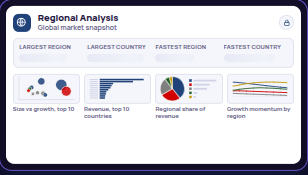
Regional Demand Dynamics

North America (Largest Region)
North America accounted for the largest share of the fruit beverages market, at 31.43% in 2026. The region benefits from strong consumer demand for convenient and refreshing beverage options, supported by established food and beverage distribution networks and broad product availability across retail channels. Growing interest in natural ingredients, functional nutrition, and lower-sugar formulations is also encouraging manufacturers to diversify fruit-based beverage offerings and respond to evolving preferences around healthier consumption.
Asia Pacific (Fastest-Growing Region)
Asia Pacific is positioned for the fastest growth as rising urbanization, expanding middle-class populations, and changing beverage consumption habits increase demand for packaged fruit-based drinks. Improvements in modern retail and foodservice infrastructure are widening product accessibility, while growing health awareness is strengthening interest in beverages perceived as more natural and nutritious. Localized flavors, product innovation, and expanding beverage manufacturing capabilities are further supporting the region’s market development.
| Parameter | North America | Asia Pacific | Europe | Latin America | MEA |
|---|---|---|---|---|---|
| Innovation HubiScaleNascentDeveloping Advanced | |||||
| Cost-Sensitive RegioniScaleLowMedium High | |||||
| Regulatory EnvironmentiScaleRestrictiveNeutral Supportive | |||||
| Demand DriversiScaleWeakModerate Strong | |||||
| Development StageiScaleEmergingDeveloping Developed | |||||
| Adoption RateiScaleLowMedium High | |||||
| New Entrants / StartupsiScaleSparseModerate Dense | |||||
| Macro IndicatorsiScaleWeakStable Strong |
Key Country Insights
Germany 🇩🇪
Clean Label RefreshmentGermany prioritizes fruit beverages with transparent ingredient lists, authentic fruit content, and sustainable packaging. Manufacturers in Germany are strengthening premium and organic offerings while responding to evolving preferences for healthier everyday beverage choices.
France 🇫🇷
Authentic Fruit AppealFrance maintains strong preference for fruit beverages made with high-quality ingredients and recognizable fruit sources. Producers in France continue balancing traditional juice offerings with lower-sugar formulations and premium product positioning across retail channels.
Italy 🇮🇹
Mediterranean Flavor PortfolioItaly leverages its strong fruit heritage to expand beverages featuring citrus, berries, and regional fruit varieties. Italian manufacturers continue introducing premium recipes and practical packaging formats that support both household consumption and foodservice applications.
Japan 🇯🇵
Premium Flavor InnovationJapan emphasizes fruit beverages that combine premium quality, seasonal fruit varieties, and convenient packaging. Beverage producers in Japan continue introducing refined flavor combinations and functional formulations that appeal to health-conscious consumers seeking product differentiation.
South Korea 🇰🇷
Wellness Beverage TrendsSouth Korea's fruit beverages market is driven by demand for nutritious drinks featuring natural ingredients and innovative flavors. Companies in South Korea increasingly develop functional beverages that align with wellness-focused lifestyles and convenient on-the-go consumption.
United States 🇺🇸
Functional Beverage DemandThe U.S. fruit beverages market is increasingly shaped by consumer interest in functional ingredients, reduced sugar formulations, and premium juice blends. Brands in the U.S. continue expanding product portfolios with natural ingredients and convenient ready-to-drink formats.
Fruit Beverages Market Share (%), by Type, 2026
Go beyond the chart, access full insights & data tables
Request Free Sample ReportType Segment Analysis: Canned and Fresh (Largest Segment) vs Non-carbonated Drinks (Fastest-Growing Segment)
Canned and fresh beverages accounted for a 61.01% share of the fruit beverages market in 2026, supported by their broad consumer appeal and convenient availability across a variety of consumption occasions. These products can combine recognizable fruit flavors with convenient packaging and accessible formats, making them suitable for everyday consumption and on-the-go use. Consumer interest in fruit-based refreshments, along with the established presence of canned and fresh offerings across retail channels, continues to reinforce the segment's leading position.
Non-carbonated drinks are expected to register the fastest growth as consumers increasingly explore fruit beverages that provide refreshing taste without carbonation. This category can appeal to consumers seeking lighter and more natural-feeling beverage options while supporting a wide range of fruit flavors and formulations. Increasing attention to hydration, fruit-based refreshment, and diversified beverage choices is encouraging product innovation within the non-carbonated category. Its versatility across different consumption occasions further strengthens its growth potential.
Distribution Channel Segment Analysis: Hypermarket/Supermarket (Largest Segment) vs Online (Fastest-Growing Segment)
In the fruit beverages market, the Hypermarket/Supermarket segment held a 52.68% share in 2026, reflecting the importance of large-format retail outlets in providing consumers with broad product selections and convenient access to packaged beverages. These channels offer extensive shelf visibility and allow shoppers to compare different fruit beverage varieties within a single purchasing environment. Their established distribution networks and ability to serve routine household shopping needs continue to support the strong position of hypermarkets and supermarkets.
Online distribution is experiencing the fastest growth as digital purchasing becomes increasingly integrated into consumers' everyday grocery and beverage shopping habits. Online channels provide convenience, product discoverability, and the ability to purchase beverages without visiting a physical store. Improvements in digital grocery platforms and delivery services are expanding access to fruit beverage products while allowing consumers to explore a wider assortment. The increasing preference for convenient purchasing and home delivery is therefore supporting greater momentum for online distribution.
| Segment | Sub-Segment | Largest Segment | Fastest Growing |
|---|---|---|---|
| Type | Canned and Fresh, Non-carbonated Drinks, Frozen Juices | Canned and Fresh | Non-carbonated Drinks |
| Distribution Channel | Hypermarket/Supermarket, Convenience Stores, Online, Others | Hypermarket/Supermarket | Online |
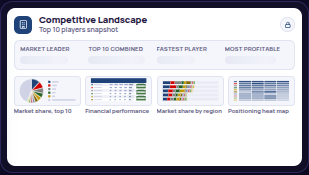
Competitive Landscape and Market Positioning
Top players in the fruit beverages market:
1. The Coca-Cola Company (United States)
2. PepsiCo Inc. (United States)
3. Keurig Dr Pepper Inc. (United States)
4. Danone S.A. (France)
5. Campbell Soup Company (United States)
6. Tropicana Brands Group Inc. (United States)
7. Ocean Spray Cranberries Inc. (United States)
8. Lassonde Industries Inc. (Canada)
9. Fresh Del Monte Produce Inc. (United States)
10. Ceres Fruit Juices Pty Ltd. (South Africa)
The fruit beverages market is expanding due to increasing consumer preference for healthier and natural drink options. The fruit beverages market is witnessing innovation in functional beverages enriched with vitamins and natural extracts. Continuous focus on sustainability and product diversification is strengthening market competitiveness.
| Company | Market Share | Company Revenue | Revenue CAGR (%) | Product Portfolio | Geographic Presence | Innovation / R&D Focus | Strategic Developments |
|---|---|---|---|---|---|---|---|
| The Coca-Cola Company (United States) | |||||||
| PepsiCo Inc. (United States) | |||||||
| Keurig Dr Pepper Inc. (United States) | |||||||
| Danone S.A. (France) | |||||||
| Campbell Soup Company (United States) | |||||||
| Tropicana Brands Group Inc. (United States) | |||||||
| Ocean Spray Cranberries Inc. (United States) | |||||||
| Lassonde Industries Inc. (Canada) | |||||||
| Fresh Del Monte Produce Inc. (United States) | |||||||
| Ceres Fruit Juices Pty Ltd. (South Africa). |
Industry Development/News
| Company Name | Date | Key Development |
|---|---|---|
| Jumex | May-26 | Jumex initiated a comprehensive strategic overhaul to transition its 40-year U.S. operations into a broader multi-category and multi-channel growth platform. The enterprise will focus on structural portfolio expansion and product innovation to strengthen its competitive positioning in the North American fruit beverages market. |
| Premier Group | Apr-26 | Premier Group announced the strategic acquisition of RFG Holdings to advance its long-term growth objectives. The transaction strengthens the company's food and beverage portfolio, providing foundational capacity for expansion across related consumer beverage categories. |
| Suntory Beverage & Food GB&I | Apr-26 | Suntory Beverage & Food GB&I committed a £25 million investment to construct a high-speed production line at its Coleford facility in the UK. The new line consolidates Lucozade and Ribena manufacturing, materially expanding production capacity while optimizing operational and environmental efficiency. |
| Kist | Apr-26 | Kist partnered with USAID CATALYZE Sri Lanka to advance its high-tech tomato outgrower project. The agricultural initiative modernizes raw material sourcing and cultivates localized agricultural capabilities, building long-term supply chain resilience for the company's fruit beverage production. |
| RockClimber | Apr-26 | RockClimber accelerated its geographic growth strategy in India's beverage sector by prioritizing fruit-based products. The initiative establishes a sustainable ecosystem for local fruit growers, aiming to minimize post-harvest agricultural wastage and stabilize raw material supply chains. |
| Kalimark | Apr-26 | Kalimark diversified its operations by launching a new range of juice beverages and premium food products. The portfolio expansion transitions the company beyond its traditional carbonated soft drink segments and establishes a direct commercial presence in the fruit beverage market. |
| Dabur | Apr-26 | Dabur expanded its established Réal portfolio through the commercial launch of Réal Bites, a specialized beverage line containing physical fruit chunks. The introduction represents material product innovation aimed at capturing new consumption occasions within the competitive fruit beverage segment. |
| Tropicana | Apr-25 | Tropicana launched its Fresh + Light reduced-sugar juice portfolio in the United Kingdom. Featuring 40% less sugar without the use of artificial sweeteners, this product introduction addresses shifting regulatory and consumer health trends, altering competitive dynamics within the premium juice category. |
| Agro Tech Foods | Feb-25 | Agro Tech Foods completed the strategic acquisition of Del Monte's India business. The transaction integrates Del Monte's packaged fruit-based portfolio and established distribution network, accelerating Agro Tech's competitive positioning and commercial reach within the Indian food and beverage sector. |
Customize Your Report
Explore examples of how this report can be tailored to different research needs, including custom segments, additional topics or chapters, and related reports. Click a section of the wheel or its numbered marker to explore the available options.
Fruit Beverages Market — Custom Segments
| Segment | Sub-Segment |
|---|---|
| Packaging Format | PET Bottles, Glass Bottles, Cans, Cartons & Pouches |
| Sweetener Type | Sugar-Sweetened, Naturally Sweetened, Artificially Sweetened, Unsweetened |
| Consumption Occasion | Everyday Consumption, Breakfast & Meal Pairing, On-the-Go Consumption, Sports & Active Lifestyle, Social & Recreational Occasions |
Fruit Beverages Market — Custom TOC
| Custom Chapter | Chapter Details |
|---|---|
| Functional Beverage Innovation Landscape |
|
| Consumer Health and Wellness Trend Assessment |
|
| Distribution Channel Expansion Opportunities |
|
Need a different cut of the data?
Request Custom ResearchFrequently Asked Questions
What is the market valuation of fruit beverages?
How is the fruit beverages industry size expected to evolve during the forecast period?
How are health-conscious purchasing trends influencing competition in the fruit beverages market?
How is convenience consumption shaping growth opportunities in the fruit beverages market?
Why do canned and fresh beverages lead the fruit beverages market?
Why is the online channel the fastest-growing distribution segment in the fruit beverages market?
What factors make North America the largest fruit beverages market?
Why is Asia Pacific the fastest-growing region for fruit beverages?
Which companies dominate the fruit beverages landscape?
Our Clients
"The report provided a thorough look at market trends, technological advancements, and the competitive landscape. The depth of insights was really valuable."
ITC Limited
"We would highly recommend Fundamental Business Insights & Consulting to anyone looking for reliable, detailed, and comprehensive market research in the Food industry."
Tyson Foods
"The clarity and presentation of the information were commendable. The report was delivered timely, which made the overall experience smooth and convenient."
Mondelēz International
Our Research Team & Methodology
Every Fundamental Business Insights report is built by a dedicated vertical research team, validated through a structured primary-and-secondary methodology, and reviewed for accuracy before it reaches you.
Delivery
Published
Available
Support
- Market Size & Forecast
- Market Segmentation
- Regional Analysis
- Growth Drivers & Challenges
- Market Dynamics
- Competitive Landscape
- Company Profiles
- Competitive Benchmarking
- Mergers & Acquisitions
- Market Share Analysis or Key Company Strategies
- Value Chain Analysis
- Porter's Five Forces
- PESTLE Analysis
- Pricing Trends
- Supply-Demand Analysis
- Technology Landscape
- Regulatory Landscape
- Investment & Funding Landscape
- Emerging Opportunities
- Future Market Outlook