Fuelwood Market Size & Growth Forecast 2027–2036, By Segments (Source Type, End Use), Regional Demand Trends (North America, Asia Pacific, Europe), Key Country Insights (U.S., Japan, South Korea, Germany, France, Italy), and Competitive Landscape
Jump to Content
Market Size and Growth Outlook
Fuelwood Market size was estimated at USD 39.34 billion in 2026 and is projected to grow at a 3.89% CAGR from 2027 to 2036, exceeding USD 57.62 billion by 2036. The industry revenue for 2027 is estimated at USD 40.61 billion.
Get more details on this report
Request Free Sample ReportFuelwood Market Intelligence Snapshot
Regional Market Dynamics
- Europe accounted for 61.47% of the market in 2026, supported by established residential heating practices, forestry resources, demand for renewable energy, and continued interest in biomass-based heating solutions.
- Asia Pacific is the fastest-growing region, driven by expanding energy demand, rural energy needs, and continued reliance on affordable, locally available biomass fuels for household and commercial cooking and heating.
Segment Momentum
- Natural forests accounted for 53.05% of the market in 2026, reflecting established wood collection practices and continued reliance on locally available biomass for household energy, particularly where modern energy alternatives have limited accessibility.
- Residential heating and cooking represented 56.34% of the market in 2026 and remain the fastest-growing end-use segment. Local availability, household affordability considerations, seasonal heating needs, and traditional cooking practices sustain demand.
Market Expansion Drivers
- Adoption of Fuelwood in Rural Areas.
- Government Initiatives for Sustainable Fuel.
- Innovations in Efficient Biomass Stoves.
Leading Market Participants
- Leading players in the fuelwood market include Enviva (USA), Drax Group (UK), Graanul Invest (Estonia), Pinnacle Renewable Energy (Canada), Westervelt Company (USA), Fram Renewable Fuels (USA), Lignetics (USA), German Pellets (Germany), Viridis Energy (Australia), Zilkha Biomass (USA).
Global Market Forecast Snapshot
Market Outlook
- 2026 Market Size: USD 39.34 billion
- 2027 Estimated Market Size: USD 40.61 billion
- Projected Market Size: USD 57.62 billion by 2036
- Growth Forecast: 3.89% CAGR (2027-2036)
Regional and Segment Outlook
- Leading Regional Market: Europe
- High-Growth Regional Hub: Asia Pacific
- Core Revenue Segment: Source Type (Natural Forests) | End Use (Residential Heating & Cooking)
- Emerging Opportunity Segment: Source Type (Natural Forests) | End Use (Residential Heating & Cooking)
Market Growth Drivers and Industry Trends
Adoption of Fuelwood in Rural Areas
Fuelwood remains an important source of household energy in rural and remote areas where access to modern cooking fuels and reliable energy infrastructure can be limited. Its availability through local sources, ease of storage, and suitability for traditional cooking practices support continued consumption. Dependence on biomass for household heating and cooking, particularly in communities with limited energy alternatives, further sustains demand for fuelwood across rural regions.
Government Initiatives for Sustainable Fuel
Government initiatives promoting sustainable energy use and improved biomass management are supporting the continued role of fuelwood within the renewable energy landscape. Programs focused on efficient resource utilization, sustainable forestry practices, and cleaner household energy solutions are encouraging more responsible fuelwood consumption. These efforts can also improve access to sustainably sourced biomass while reducing pressure on forest resources.
Innovations in Efficient Biomass Stoves
Advancements in biomass stove technologies are supporting fuelwood demand by improving combustion efficiency, heat utilization, and household cooking performance. Modern stove designs can reduce smoke generation and improve indoor air quality compared with traditional open-fire cooking methods. Greater awareness of efficient biomass technologies is encouraging households to adopt improved cooking systems, strengthening the continued use of fuelwood as an accessible energy source.
| Growth Driver | Impact on CAGR | Regulatory Influence | Geographic Relevance | Adoption Rate | Impact Timeline |
|---|---|---|---|---|---|
| Adoption of Fuelwood in Rural Areas | 1.5% | Short term (≤ 2 yrs) | Asia Pacific; Africa | Low | Fast |
| Government Initiatives for Sustainable Fuel | 1.3% | Medium term (2–5 yrs) | North America; Europe | Medium | Moderate |
| Innovations in Efficient Biomass Stoves | 1% | Long term (5+ yrs) | Asia Pacific; Latin America | Low | Moderate |
Explore Growth Opportunities
Request Free Sample ReportRegional Demand Dynamics
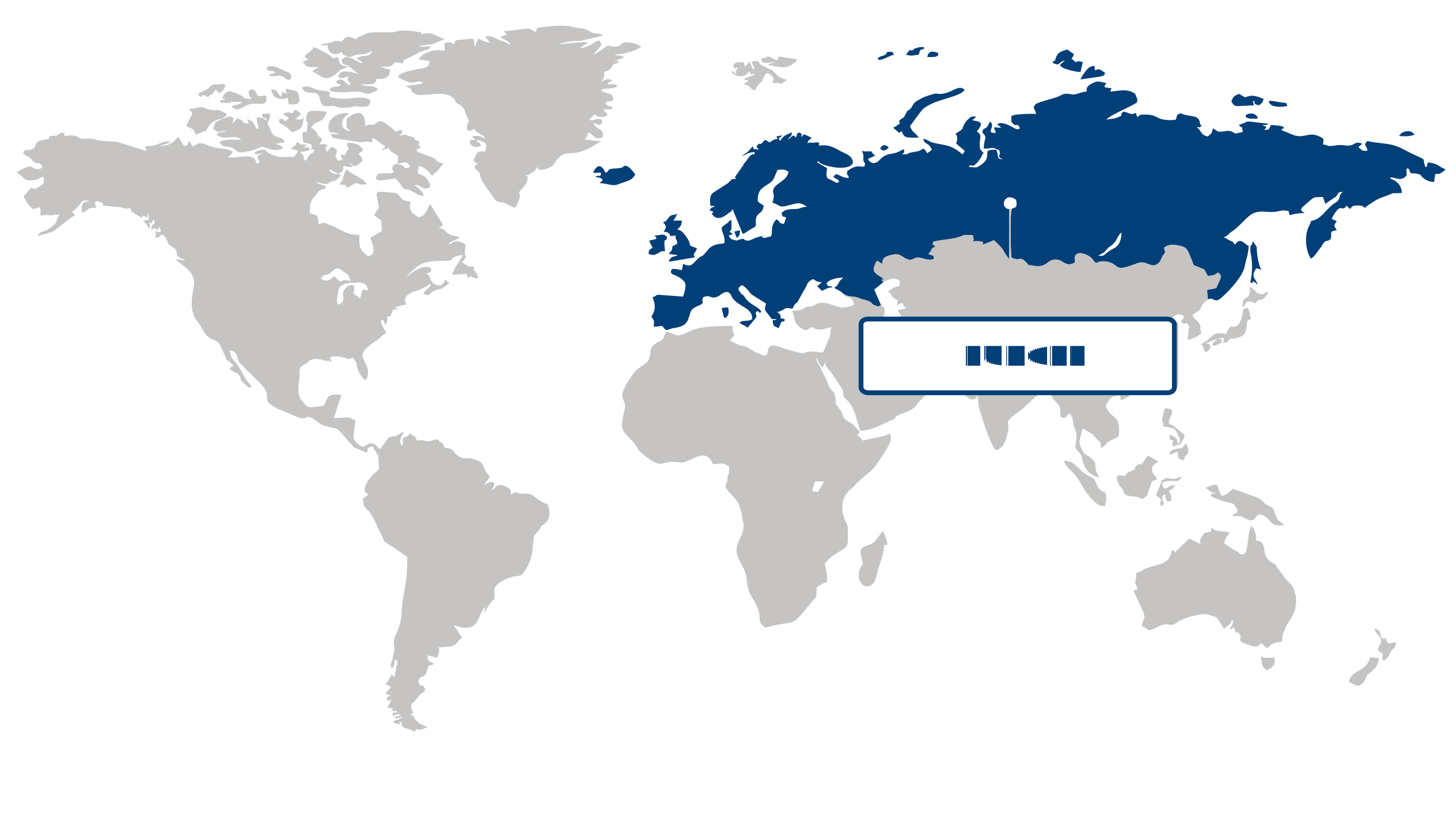
Europe (Largest Region)
Europe accounted for a 61.47% share of the fuelwood market in 2026, backed by established residential heating practices, demand for renewable energy sources, and growing interest in biomass-based heating solutions. Fuelwood continues to play an important role in heating applications, particularly in areas where households seek accessible and locally available energy sources. Increasing emphasis on renewable energy and efforts to reduce dependence on conventional fossil fuels are supporting continued demand for wood-based heating fuels. In addition, established forestry resources, consumer awareness of biomass energy, and the use of efficient wood-burning heating systems are contributing to the sustained development of the fuelwood market across Europe.
Asia Pacific (Fastest-Growing Region)
Asia Pacific is expected to register the fastest growth in the fuelwood market, driven by expanding energy demand, increasing rural populations, and continued reliance on biomass fuels for household and commercial applications. Fuelwood remains an important source of energy in areas where access to modern energy infrastructure is limited, particularly for cooking and heating purposes. Growing demand for affordable and locally available energy resources is supporting consumption across developing economies. Furthermore, increasing efforts to improve energy access, growing utilization of biomass resources, and the availability of forest-based materials are contributing to the expansion of the fuelwood market throughout Asia Pacific.
| Parameter | North America | Asia Pacific | Europe | Latin America | MEA |
|---|---|---|---|---|---|
| Innovation HubiScaleNascentDeveloping Advanced | |||||
| Cost-Sensitive RegioniScaleLowMedium High | |||||
| Regulatory EnvironmentiScaleRestrictiveNeutral Supportive | |||||
| Demand DriversiScaleWeakModerate Strong | |||||
| Development StageiScaleEmergingDeveloping Developed | |||||
| Adoption RateiScaleLowMedium High | |||||
| New Entrants / StartupsiScaleSparseModerate Dense | |||||
| Macro IndicatorsiScaleWeakStable Strong |
Key Country Insights
United States 🇺🇸
Residential Heating DemandIn the U.S., fuelwood demand is closely tied to household heating, outdoor-use applications, and regional wood availability. Market priorities center on reliable seasoned firewood supply, convenient delivery formats, and compliance with increasingly attentive emissions and combustion-efficiency expectations.
Germany 🇩🇪
Regulated Biomass UseGermany’s fuelwood market is shaped by household heating demand alongside stringent sustainability and emissions considerations. Suppliers must emphasize certified sourcing, efficient combustion products, and dependable local distribution as consumers balance traditional wood heating with environmental and regulatory requirements.
Japan 🇯🇵
Compact Heating ApplicationsJapan’s fuelwood market is supported by localized residential heating, rural demand, and specialty uses where wood-fired systems retain practical appeal. Commercial priorities include consistent moisture quality, compact packaging, dependable distribution, and compatibility with efficient modern stoves and heating equipment.
South Korea 🇰🇷
Specialty Wood-Fuel DemandSouth Korea’s fuelwood demand is concentrated around residential, leisure, and specialty heating applications rather than broad household energy use. Suppliers can differentiate through kiln-dried quality, convenient packaged formats, dependable sourcing, and products designed for efficient combustion in modern equipment.
France 🇫🇷
Local Wood HeatingFrance’s fuelwood market benefits from established household wood-heating practices and access to domestic forestry resources. Market priorities include professionally prepared firewood, moisture consistency, convenient delivery, and cleaner-burning formats that align with tighter expectations around residential heating emissions.
Italy 🇮🇹
Regional Heating SupplyItaly’s fuelwood demand varies substantially by region, with wood heating remaining relevant in colder and rural areas. Suppliers should focus on localized sourcing, dependable seasonal availability, appropriate wood species and moisture levels, and distribution models suited to fragmented household demand.
Fuelwood Market Share (%), by Source Type, 2026
Go beyond the chart, access full insights & data tables
Request Free Sample ReportSource Type Segment Analysis: Natural Forests (Largest & Fastest-Growing Segment)
The natural forests source type segment accounted for the largest market share at 53.05% in 2026 and is also expected to register the fastest growth, reflecting the continued importance of naturally sourced wood in fuelwood supply, particularly in regions where traditional biomass remains an important household and energy resource. Natural forests provide access to wood resources that can be collected or supplied for heating, cooking, and other energy needs. The availability of forest-derived biomass, combined with established collection and distribution practices, supports its continued use across areas where modern energy alternatives may have limited accessibility or higher costs. Fuelwood sourced from forests can also remain an important component of household energy consumption in rural and developing communities. Growing energy requirements, dependence on locally available biomass, and continued use of traditional heating and cooking practices are supporting demand for natural forest sources to maintain a strong fuelwood market share throughout 2026. At the same time, sustainable forest management and responsible harvesting practices are becoming increasingly important for maintaining long-term resource availability and balancing fuelwood demand with forest conservation.
End Use Segment Analysis: Residential Heating & Cooking (Largest & Fastest-Growing Segment)
The residential heating and cooking end-use segment accounted for the largest market share at 56.34% in 2026 and is also projected to experience the fastest growth, driven by the continued reliance on fuelwood as an accessible household energy source in regions where biomass remains widely available. Fuelwood is commonly used for cooking and space heating because it can be obtained locally and stored for household consumption. Its importance is particularly pronounced in areas where access to modern energy infrastructure is limited or where households seek affordable alternatives for meeting basic thermal energy needs. Seasonal heating requirements can further increase household fuelwood consumption in colder regions, while traditional cooking practices continue to sustain demand in many communities. Population growth, household energy requirements, and continued reliance on biomass-based heating and cooking are supporting the segment's expansion. As residential users continue to depend on locally accessible fuel sources, heating and cooking applications are expected to retain a dominant market share in 2026, remaining central to overall fuelwood demand.
| Segment | Sub-Segment | Largest Segment | Fastest Growing |
|---|---|---|---|
| Source Type | Natural Forests, Plantation Forests, Agroforestry, Others | Natural Forests | Natural Forests |
| End Use | Residential Heating & Cooking, Industrial Heating, Power Generation, Others | Residential Heating & Cooking | Residential Heating & Cooking |
Unlock insights tailored to your business with our bespoke market research solutions.
Click to get your customized report now.
Competitive Landscape and Market Positioning
Analyst Perspective:
Value creation in the fuelwood market revolves around balancing dependable, legally compliant sourcing with standardized product quality and optimized distribution. Suppliers differentiate themselves by guaranteeing kiln-dried or seasoned firewood with verified low moisture content and consistent log density, enabling predictable heating performance for residential and commercial end-users. Sustainable forestry practices and credible verification mechanisms are increasingly crucial for securing long-term timber resources amid varying regional regulations. Simultaneously, the expansion of e-commerce delivery models is transforming customer acquisition by streamlining doorstep logistics. However, sustaining profitability requires tight regional inventory management, route density optimization, and transport efficiency to mitigate seasonal demand fluctuations and high freight overheads.
Major players in the fuelwood market:
- Enviva (USA)
- Drax Group (UK)
- Graanul Invest (Estonia)
- Pinnacle Renewable Energy (Canada)
- Westervelt Company (USA)
- Fram Renewable Fuels (USA)
- Lignetics (USA)
- German Pellets (Germany)
- Viridis Energy (Australia)
- Zilkha Biomass (USA)
| Company | Market Share | Company Revenue | Revenue CAGR (%) | Product Portfolio | Geographic Presence | Innovation / R&D Focus | Strategic Developments |
|---|---|---|---|---|---|---|---|
| Enviva (USA) | |||||||
| Drax Group (UK) | |||||||
| Graanul Invest (Estonia) | |||||||
| Pinnacle Renewable Energy (Canada) | |||||||
| Westervelt Company (USA) | |||||||
| Fram Renewable Fuels (USA) | |||||||
| Lignetics (USA) | |||||||
| German Pellets (Germany) | |||||||
| Viridis Energy (Australia) | |||||||
| Zilkha Biomass (USA) |
Customize Your Report
Explore examples of how this report can be tailored to different research needs, including custom segments, additional topics or chapters, and related reports. Click a section of the wheel or its numbered marker to explore the available options.
Fuelwood Market — Custom Segments
| Segment | Sub-Segment |
|---|---|
| Fuel Form | Logs and Split Wood, Wood Chips, Sawdust and Wood Residues, Wood Briquettes and Densified Wood |
| Trade Channel | Direct Producer Sales, Wholesalers and Distributors, Retailers, Local and Informal Markets |
Fuelwood Market — Custom TOC
| Custom Chapter | Chapter Details |
|---|---|
| Household Energy Transition Pathways |
|
| Sustainable Biomass Sourcing Models |
|
| Clean Cooking Policy Impact |
|
Need a different cut of the data?
Request Custom ResearchFrequently Asked Questions
What is the estimated worth of the fuelwood market?
What is the expected industry size of fuelwood by 2036?
How are rural energy conditions sustaining demand for fuelwood?
How are efficient biomass stove technologies influencing fuelwood use?
Why does natural forest sourcing dominate the fuelwood market?
How is residential heating and cooking sustaining fuelwood market growth?
Why does Europe hold the largest share of the fuelwood market?
What is driving fuelwood market growth across Asia Pacific?
Which companies dominate the fuelwood landscape?
Our Clients
"The information presented in the report was genuinely insightful. The data was clear and easy to understand, which made it much easier to interpret the findings."
Amara Raja Group
"The responsiveness and professionalism exhibited by the team were exemplary. They were readily available to address queries, provide clarifications, and offer additional insights."
ONGC
"The reports offered a comprehensive analysis of various segments within the market. The detailed insights into market trends, and regulatory landscapes were excellent."
TotalEnergies
Our Research Team & Methodology
Every Fundamental Business Insights report is built by a dedicated vertical research team, validated through a structured primary-and-secondary methodology, and reviewed for accuracy before it reaches you.
This report was prepared by the Energy & Power Research Team at Fundamental Business Insights, a dedicated research group specializing in global energy markets, power generation technologies, and energy infrastructure. Our analysts continuously monitor developments in renewable energy, conventional power generation, grid modernization, energy storage, transmission and distribution infrastructure, decarbonization initiatives, regulatory policies, energy investments, and evolving electricity demand across residential, commercial, and industrial sectors to deliver timely and reliable market intelligence. The research is developed using a structured methodology that combines primary discussions with utility companies, equipment manufacturers, technology providers, project developers, energy consultants, and industry experts, along with company annual reports, government energy statistics, regulatory publications, industry associations, technical publications, and other authoritative secondary sources. Market estimates are validated through multiple research techniques, including top-down and bottom-up analysis, before undergoing an internal quality review to ensure accuracy, consistency, and methodological integrity prior to publication.
Delivery
Published
Available
Support
- Market Size & Forecast
- Market Segmentation
- Regional Analysis
- Growth Drivers & Challenges
- Market Dynamics
- Competitive Landscape
- Company Profiles
- Competitive Benchmarking
- Mergers & Acquisitions
- Market Share Analysis or Key Company Strategies
- Value Chain Analysis
- Porter's Five Forces
- PESTLE Analysis
- Pricing Trends
- Supply-Demand Analysis
- Technology Landscape
- Regulatory Landscape
- Investment & Funding Landscape
- Emerging Opportunities
- Future Market Outlook