Germanium Market Size & Forecasts 2026-2035, By Segments (Type, Application), Growth Opportunities, Innovation Landscape, Regulatory Shifts, Strategic Regional Insights (U.S., Japan, China, South Korea, UK, Germany, France), and Competitive Dynamics (UMICORE, 5N Plus, Yunnan Germanium, Teck Resources, Greater Than)
Jump to Content
Market Size and Growth Outlook
Germanium Market size is forecast to climb from USD 321.81 million in 2025 to USD 467.28 million by 2035, expanding at a CAGR of over 3.8% during 2026-2035. Industry revenue in 2026 is projected at USD 332.24 million.
Get more details on this report
Request Free Sample ReportGermanium Market Intelligence Snapshot
Regional Market Dynamics
Segment Momentum
Market Expansion Drivers
Leading Market Participants
Global Market Forecast Snapshot
Market Outlook
Regional and Segment Outlook
Market Growth Drivers and Industry Trends
Semiconductor and Photonics Industry Expansion: Integration of germanium into photonic and advanced node semiconductor processes is driving strategic demand that alters the germanium market. Research and development from Intel and device demonstrations by IMEC on germanium and GeSn photonic components illustrate a shift toward on‑chip detection and light‑emission using germanium alloys, signaling system-level adoption across data-center and telecom players. Larger wafer-tool vendors can capitalize by qualifying germanium-compatible process modules, while agile suppliers and foundry partners can win business by offering rapid pilot runs. With public technical roadmaps from Intel and IMEC validating component viability, adoption will proceed through staged qualification in high-volume fabs and collaborative ecosystem pilots.
Advances in Germanium-Based Alloys and High-Purity Processing: Progress in Ge‑based alloys (e.g., GeSn) and high-purity refining is improving material properties and yield, directly influencing the germanium market. Technical publications and demonstrations from IMEC and process-equipment vendors such as Applied Materials, together with supply-side reporting from the U.S. Geological Survey (USGS) and recycling/refining activity by Umicore, document tangible improvements in alloy integration and metal recovery. Incumbent metal processors can expand offerings into high-purity substrates and specialty ingots, while new entrants can focus on niche alloy development or contract purification services. Observable investments in processing equipment and published recovery data indicate a steady industry transition toward higher-specification germanium materials and closed-loop sourcing models.
Industry Restraints:
Concentrated Chinese Production and Trade‑policy Exposure
The germanium market is constrained by extreme geographic concentration of production and processing capacity in China, which the U.S. Geological Survey (U.S. Geological Survey, USGS) documents as the dominant global supplier; the European Commission’s critical raw materials work underscores Europe’s import dependency. This concentration transmits operational shocks—export restrictions, plant outages, or policy shifts—directly into procurement risk, inventory hoarding, and longer lead times for manufacturers of fiber‑optics, infrared optics, and semiconductor components. Incumbent downstream firms face margin pressure and must pursue vertical integration or long‑dated contracts; new entrants confront capital intensity and supplier access barriers. Absent significant upstream diversification or new primary sources, geopolitical and trade‑policy dynamics will remain a primary limiting factor on market flexibility in the near to medium term.
Limited Secondary Recovery and Tight Environmental/End‑of‑Life Regulation
Secondary supply is underdeveloped: the U.S. Geological Survey notes most germanium is recovered as a byproduct of zinc processing or coal ash, with recycling rates low compared with demand, while the European Parliament and Council’s WEEE Directive and EU circular‑economy targets are raising recovery obligations. Environmental enforcement—illustrated by tougher oversight of coal‑ash processors reported by the Ministry of Ecology and Environment of the People’s Republic of China—raises compliance costs and can curtail informal recovery channels that previously supplied secondary material. The strategic consequence is higher feedstock cost and entry capital needs for recyclers and producers; OEMs face sourcing complexity and scope‑3 exposure. Unless capacity for certified secondary recovery expands alongside clearer cross‑border waste‑stream rules, constrained secondary supply will continue to limit resilience and raise procurement premiums in the medium term.
| Growth Driver | Impact on CAGR | Regulatory Influence | Geographic Relevance | Adoption Rate | Impact Timeline |
|---|---|---|---|---|---|
| Growing applications in infrared optics and electronics | 1.50% | Short term (≤ 2 yrs) | North America, Europe | Medium | Fast |
| Semiconductor and photonics industry expansion | 1.30% | Medium term (2–5 yrs) | Asia Pacific, North America | Medium | Moderate |
| Advances in germanium-based alloys and high-purity processing | 1.00% | Long term (5+ yrs) | Europe, Asia Pacific | Low | Slow |
Explore Growth Opportunities
Request Free Sample ReportRegional Demand Dynamics
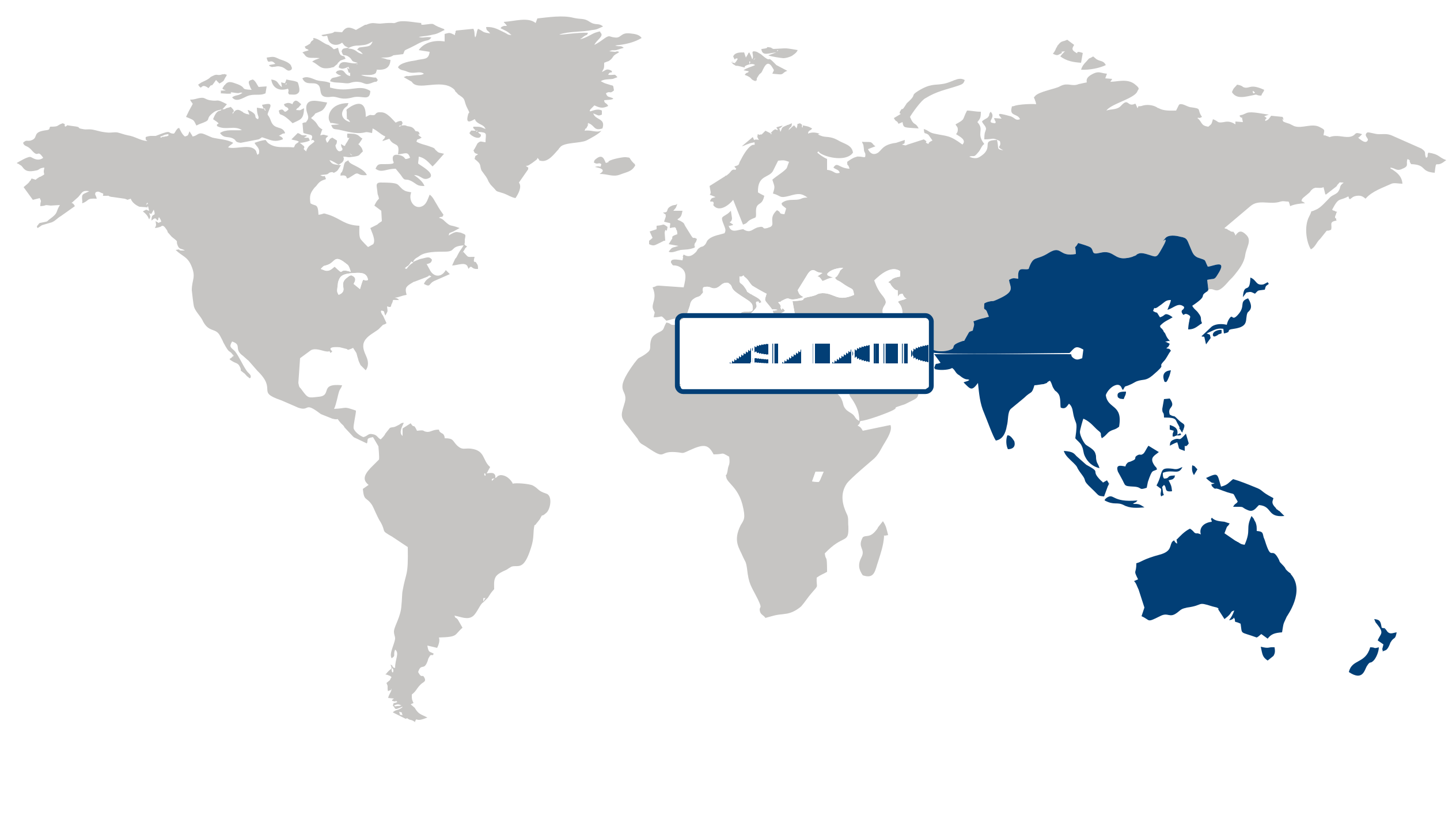
captured over 40.9% of the germanium market in 2025, Asia Pacific is the largest region by share, driven principally by a dominant electronics sector and robust solar cell manufacturing demand. Large contract manufacturing platforms such as Foxconn and major device makers like Samsung Electronics sustain steady downstream consumption, while solar manufacturers including JinkoSolar and LONGi have announced capacity expansions that amplify feedstock needs; these trends are corroborated by guidance from the China National Energy Administration and industrial policy signals from the Japan Ministry of Economy, Trade and Industry (METI). Given this mix of scale, technology intensity, and policy support, Asia Pacific presents sizable near-term opportunities across refined germanium grades and integrated supply-chain investments.
germanium market Japan is positioned as a pivotal hub in Asia Pacific for high-purity and specialty germanium applications, where precision electronics and optical component demand command premium grades. Domestic players such as Sumitomo Electric and supply-chain initiatives noted by METI emphasize advanced materials processing and quality controls that favor value-added germanium products for fiber optics and infrared sensors. These dynamics make Japan a natural partner for technology-driven ventures and pilot production that complement regional mass-production capacity. Strategically, Japan’s specialization increases the region’s ability to serve differentiated end-markets and capture higher margins.
germanium market China anchors the region through scale, policy support, and vertical integration across solar and electronics manufacturing, with companies like JinkoSolar and LONGi expanding module and cell output and the National Energy Administration outlining capacity targets that underpin material demand. Large OEMs and EMS providers in China provide stable off-take and logistics advantages that lower unit costs for downstream users; combined with supplier announcements of upstream integration, this creates supply resilience. For investors and strategists, China’s scale offers pathways to secure volume, optimize cost structures, and pursue integrated investments that reinforce Asia Pacific’s leadership in the germanium value chain.
North America Market Analysis:
North America emerged as the fastest-growing region in the germanium market, registering a CAGR of 5%, driven largely by rising defense budgets and expanded aerospace-grade infrared optics production. Increased U.S. Department of Defense procurement and modernization programs—alongside capacity expansion at suppliers such as Teledyne Technologies and demand from primes like Raytheon Technologies—are elevating feedstock needs for infrared-grade germanium. Policy moves from the U.S. Department of Commerce prioritizing supply-chain resilience, plus investments in domestic refining and recycling, reinforce secure sourcing and higher-value local processing. Recent DOD budget documents and Teledyne press activity illustrate tangible order pipelines. Collectively, these dynamics position North America for continued supplier integration and niche high-margin optics opportunities.
The U.S. anchors the germanium market regionally as the primary demand center for defense and aerospace infrared components. U.S. Department of Defense programs, NASA missions requiring space-qualified optics, and procurement by Lockheed Martin and Northrop Grumman are creating sustained, specification-driven demand that favors domestic sourcing and closer OEM-supplier collaboration. Companies such as Teledyne have signaled capacity and product investments to serve military and aerospace customers, while U.S. industrial policy tools facilitate upstream processing and recycling initiatives. For investors and strategists, the U.S. role implies concentrated opportunities in specialized refining, qualified optical-grade germanium supply, and long-term off-take partnerships tied to defense and space programs.
Europe Market Trends:
Europe maintained a significant share of the germanium market, driven by concentrated demand for infrared optics, fiber-optic components and semiconductor applications across advanced manufacturing clusters; European Commission initiatives on raw materials and strategic autonomy, plus industry-level recycling and circularity efforts, have heightened sourcing resilience (European Commission). Recent project activity at Fraunhofer Gesellschaft and procurement patterns from Airbus demonstrate industrial demand for optical-grade germanium, while logistics hubs in the Benelux and Rhine regions support export flows. These dynamics, supported by supplier initiatives and policy attention, create opportunities for vertically integrated supply, recycling pilots, and premium optical-materials niches.
Germany serves as a manufacturing and processing hub in the germanium market, leveraging heavy-chemicals capacity and speciality-metals expertise to scale downstream components; BASF’s materials R&D and Heraeus’s specialty-metals operations exemplify supply-side depth and recycling potential. Fraunhofer Gesellschaft research programs linking photonics and materials science accelerate adoption of higher-purity germanium for sensors and telecom, and Germany’s skilled workforce and automation capabilities reduce unit costs. Strategic implication: Germany can anchor regional supply chains and scale industrial recycling to lower import exposure.
France plays a technology- and defense-driven role in the germanium market, where R&D intensity and high-value end uses concentrate demand; CEA research into optoelectronics and corporate procurement by Thales and Safran for infrared systems illustrate a premium applications focus. Public–private collaboration on semiconductor and photonics projects supports rapid prototyping and qualification of germanium-based components, while defense procurement rhythms stabilize demand. Strategic implication: France’s innovation and defense procurement create a regional market for high-margin, certified germanium products that complement German scale capabilities.
| Parameter | North America | Asia Pacific | Europe | Latin America | MEA |
|---|---|---|---|---|---|
| Innovation HubiScaleNascentDeveloping Advanced | |||||
| Cost-Sensitive RegioniScaleLowMedium High | |||||
| Regulatory EnvironmentiScaleRestrictiveNeutral Supportive | |||||
| Demand DriversiScaleWeakModerate Strong | |||||
| Development StageiScaleEmergingDeveloping Developed | |||||
| Adoption RateiScaleLowMedium High | |||||
| New Entrants / StartupsiScaleSparseModerate Dense | |||||
| Macro IndicatorsiScaleWeakStable Strong |
Germanium Market Share (%), by Type, 2026
Go beyond the chart, access full insights & data tables
Request Free Sample ReportGermanium ingot dominated the germanium market in 2025 as the largest share in the Type segment, driven by widespread use of ingots for semiconductor wafers and IR-optics manufacturing. Its leadership reflects concentration of wafer suppliers and demand from high-performance IR programs, with II‑VI Incorporated and NASA Jet Propulsion Laboratory publications underscoring commercial and mission-critical use of germanium substrates for detectors and optics. Customer preference for higher sensitivity and tighter supply chains, along with sustainability-driven recycling initiatives, favors vertically integrated suppliers and specialty refiners. This creates strategic openings for established materials producers to expand wafer services and for entrants to offer recycling and precision finishing; continued demand for IR and niche semiconductor applications supports near- to mid-term relevance.
Analysis by Application
Fiber optics represented largest share in the germanium market in 2025 within the Application segment, propelled by surging demand for fiber-optic telecommunications and broadband infrastructure. Growth is reinforced by deployment trends reported by the International Telecommunication Union (ITU) and commercial expansion from Corning Incorporated and Deutsche Telekom, increasing need for germanium-doped fibers and preforms. Trends toward low-loss, high-capacity networks, European Commission broadband targets, and supply-chain digitization favor manufacturers who secure feedstock and improve production yields. Opportunities exist for incumbents to integrate refined materials into fiber production and for specialists to supply doped preforms; sustained broadband and data-center expansion underpin the segment’s near-term strategic importance.
| Segment | Sub-Segment | Largest Segment | Fastest Growing |
|---|---|---|---|
| Type | Germanium Ingot, Germanium Tetrachloride, High Purity GeO2, Others | ||
| Application | PET, Electronics & Solar, Fiber Optics, IR Optics, Others |
Unlock insights tailored to your business with our bespoke market research solutions.
Click to get your customized report now.
Competitive Landscape and Market Positioning
The competitive environment is characterized by consolidation of supply foundations, tighter alignment between feedstock access and high-purity output, and targeted moves to broaden technical capabilities and application reach. Players are reinforcing differentiation through enhanced purification capabilities, closer coordination with downstream OEMs, expanded specialty product portfolios, and selective integration of complementary capabilities, which together drive higher barriers to entry and a premium on technical and supply reliability.
Strategic / Actionable Recommendations for Regional Players
North America: Deepen coordination between resource owners and electronic-material fabricators to secure high-purity streams, accelerate adoption of advanced purification methods, and broaden offerings for semiconductor and sensor segments to capture upstream value.
Asia Pacific: Build on regional manufacturing scale by strengthening refining and specialty-product lines, align product development with optics and photonics producers, and scale technologies that raise purity and recoverability to meet downstream demand.
Europe: Focus on high-value, compliance-driven niches by integrating circular recovery processes, partnering with advanced-fiber and specialty-material firms, and emphasizing product traceability and technical certifications to differentiate offerings.
| Company | Market Share | Company Revenue | Revenue CAGR (%) | Product Portfolio | Geographic Presence | Innovation / R&D Focus | Strategic Developments |
|---|---|---|---|---|---|---|---|
| No companies available. | |||||||
Customize Your Report
Explore examples of how this report can be tailored to different research needs, including custom segments, additional topics or chapters, and related reports. Click a section of the wheel or its numbered marker to explore the available options.
Germanium Market — Custom Segments
| Segment | Sub-Segment |
|---|---|
| No segment data available. | |
Germanium Market — Custom TOC
| Custom Chapter | Chapter Details |
|---|---|
| No custom TOC data available. | |
Need a different cut of the data?
Request Custom ResearchFrequently Asked Questions
What is the current revenue of the germanium market?
What is the forecasted size of the germanium industry?
Which geographical area accounts for the highest portion of the germanium market?
What region has posted the highest CAGR in the germanium sector?
What factors give germanium ingot segment a competitive edge in the germanium sector?
Which is the largest sub-segment within the application segment for germanium industry?
Which companies are driving growth in the germanium landscape?
Our Clients
"The report helped us understand emerging consumer trends in our product category. It clarified where to focus innovation for the next product launch."
LyondellBasell
"The regional forecast section was incredibly useful. We were able to identify two new potential partners in Europe thanks to the vendor mapping you included."
SABIC
"We appreciated how actionable the recommendations were. It guided us to improve supply chain resilience."
Olin Corporation
Our Research Team & Methodology
Every Fundamental Business Insights report is built by a dedicated vertical research team, validated through a structured primary-and-secondary methodology, and reviewed for accuracy before it reaches you.
This report was prepared by the Chemicals & Materials Research Team at Fundamental Business Insights, a dedicated research group specializing in the global chemicals, advanced materials, and industrial manufacturing sectors. Our analysts continuously monitor raw material supply chains, feedstock pricing, production technologies, regulatory developments, sustainability initiatives, environmental compliance, trade dynamics, and evolving end-use applications to deliver timely and reliable market intelligence. The research is developed using a structured methodology that combines primary discussions with manufacturers, raw material suppliers, distributors, and industry experts, along with company annual reports, regulatory publications, government trade statistics, industry associations, technical literature, patent databases, and other authoritative secondary sources. Market estimates are validated through multiple research techniques, including top-down and bottom-up analysis, before undergoing an internal quality review to ensure accuracy, consistency, and methodological integrity prior to publication.
Delivery
Published
Available
Support
- Market Size & Forecast
- Market Segmentation
- Regional Analysis
- Growth Drivers & Challenges
- Market Dynamics
- Competitive Landscape
- Company Profiles
- Competitive Benchmarking
- Mergers & Acquisitions
- Market Share Analysis or Key Company Strategies
- Value Chain Analysis
- Porter's Five Forces
- PESTLE Analysis
- Pricing Trends
- Supply-Demand Analysis
- Technology Landscape
- Regulatory Landscape
- Investment & Funding Landscape
- Emerging Opportunities
- Future Market Outlook