Gingerbread Market Size & Growth Forecast 2027–2036, By Segments (Ingredient Type, End Use, Product, Distribution Channel, Packaging Type), Regional Demand Trends (North America, Asia Pacific, Europe), Key Country Insights (U.S., Japan, South Korea, Germany, France, Italy), and Competitive Landscape
Jump to Content
Market Size and Growth Outlook
Gingerbread Market size was around USD 3.22 billion in 2026 and is slated to grow at a 9.01% CAGR from 2027 to 2036, surpassing USD 7.63 billion by 2036. The industry revenue for 2027 is calculated at USD 3.47 billion.
Get more details on this report
Request Free Sample ReportGingerbread Market Intelligence Snapshot
Regional Market Dynamics
- Europe holds the largest share due to established bakery traditions, cultural associations with gingerbread, seasonal celebrations, and extensive retail distribution. Premium, artisanal, and traditional baked products further sustain demand.
- Asia Pacific is expected to grow fastest as international bakery exposure, rising disposable incomes, modern retail, and expanding cafés and bakeries increase access to gingerbread and other Western-style confectionery products.
Segment Momentum
- Conventional ingredients account for 62.59% of the market in 2026, supported by established consumer preferences, familiar flavors and textures, reliable ingredient availability, and compatibility with traditional commercial and home-baking processes.
- Gingerbread-flavored products are the fastest-growing product segment, extending the familiar spice profile into desserts, confectionery, snacks, and breakfast items while enabling manufacturers to introduce seasonal innovations and reach new consumption occasions.
Market Expansion Drivers
- Seasonal & cultural demand peaks.
- Expansion of retail & e‑commerce channels.
- Product innovation (healthier variants).
Leading Market Participants
- Top players in the gingerbread market include Pepperidge Farm (USA), Lotus Bakeries (Belgium), Bahlsen (Germany), McVitie’s/Pladis (UK), Lotus Biscoff (Belgium), Stroopwafel producers (Netherlands), La Mere Poulard (France), Snyder’s-Lance (USA), Loacker (Italy), Jules Destrooper (Belgium).
Global Market Forecast Snapshot
Market Outlook
- 2026 Market Size: USD 3.22 billion
- 2027 Estimated Market Size: USD 3.47 billion
- Projected Market Size: USD 7.63 billion by 2036
- Growth Forecast: 9.01% CAGR (2027-2036)
Regional and Segment Outlook
- Leading Regional Market: Europe
- High-Growth Regional Hub: Asia Pacific
- Core Revenue Segment: Ingredient Type (Conventional Ingredients) | End Use (Direct Consumption) | Product (Gingerbread Cookies) | Distribution Channel (Supermarkets and Hypermarkets) | Packaging Type (Boxes and Cartons)
- Emerging Opportunity Segment: Ingredient Type (Vegan and Plant-Based Options) | End Use (Direct Consumption) | Product (Gingerbread-flavored Products) | Distribution Channel (Online Retail and E-Commerce) | Packaging Type (Pouches and Bags)
Market Growth Drivers and Industry Trends
Seasonal & Cultural Demand Peaks
Strong seasonal and cultural associations continue to drive recurring demand for gingerbread, particularly during festive periods and traditional celebrations. Its connection with holiday traditions, gifting, family activities, and decorative food occasions supports significant consumption peaks while reinforcing its cultural relevance. Seasonal product offerings and themed formats further encourage repeat purchases and enable manufacturers and retailers to capitalize on established consumer traditions.
Expansion of Retail & E-Commerce Channels
Broader availability through supermarkets, specialty food stores, convenience outlets, and e-commerce platforms is improving consumer access to gingerbread products throughout the year. Online channels also enable greater product variety, convenient purchasing, and access to specialty or regionally inspired offerings. The expansion of these distribution channels is helping producers reach wider consumer groups while supporting product discovery beyond traditional seasonal retail environments.
Product Innovation (Healthier Variants)
Growing consumer interest in healthier indulgence is encouraging innovation in gingerbread formulations, including products with reduced sugar, alternative sweeteners, cleaner ingredient profiles, and other nutrition-focused attributes. Manufacturers are adapting traditional recipes to address changing dietary preferences while retaining familiar flavors and textures. Such innovation is broadening the category's appeal among consumers seeking a balance between traditional baked goods and contemporary wellness-oriented eating habits.
| Growth Driver | Impact on CAGR | Regulatory Influence | Geographic Relevance | Adoption Rate | Impact Timeline |
|---|---|---|---|---|---|
| Seasonal & cultural demand peaks | 1.2% | Short term (≤ 2 yrs) | North America; Europe; spillover Asia Pacific | Low | Fast |
| Expansion of retail & e‑commerce channels | 1% | Medium term (2–5 yrs) | Asia Pacific; North America | Low | Moderate |
| Product innovation (healthier variants) | 0.8% | Long term (5+ yrs) | Europe; North America | Low | Moderate |
Explore Growth Opportunities
Request Free Sample ReportRegional Demand Dynamics
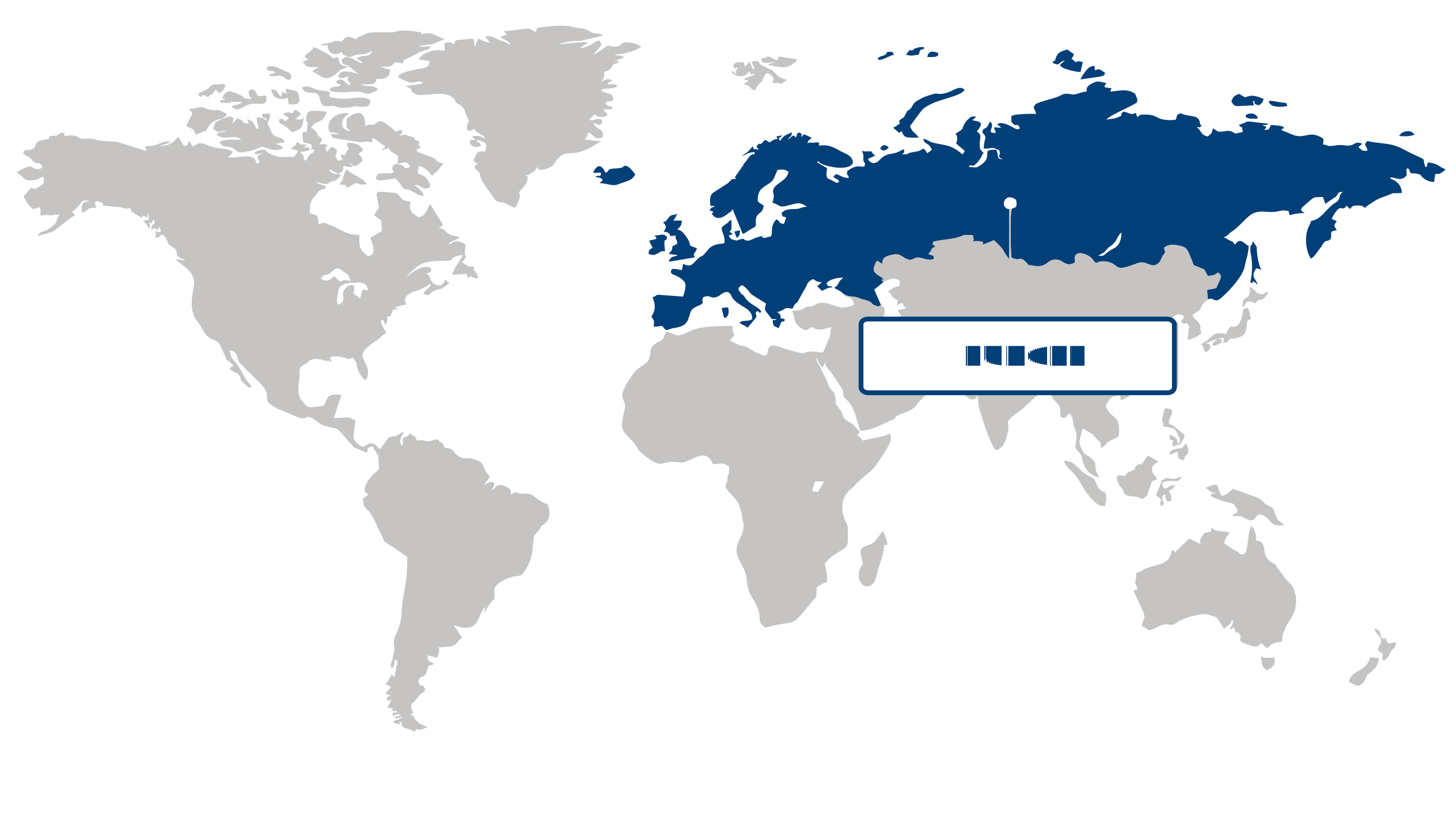
Europe (Largest Region)
Europe held the largest share of the gingerbread market in 2026. The region’s strong cultural association with gingerbread, established bakery traditions, and widespread consumer familiarity with traditional baked products are supporting market growth. Gingerbread is closely connected with seasonal celebrations, festivals, and traditional food customs across many European markets, creating consistent demand during key consumption periods. The product is also available in a broad range of formats, including cookies, biscuits, cakes, and decorative baked goods, allowing manufacturers to serve diverse consumer preferences. Growing demand for premium bakery products and increasing interest in traditional and artisanal foods are further supporting the market. In addition, established bakery industries and extensive retail distribution networks make gingerbread products readily accessible to consumers. Continued innovation in flavors, shapes, packaging, and product positioning is helping maintain consumer interest while preserving the traditional appeal of gingerbread across Europe.
Asia Pacific (Fastest-Growing Region)
Asia Pacific is expected to be the fastest-growing region in the gingerbread market during the forecast period. Increasing exposure to international bakery products, changing consumer preferences, and the expansion of modern retail are creating new opportunities for gingerbread products across the region. Rising disposable incomes and urban lifestyles are encouraging consumers to explore diverse baked goods and western-style confectionery products. The growth of cafés, bakeries, foodservice outlets, and organized retail is also improving the availability and visibility of gingerbread products. Seasonal gifting and growing interest in festive foods are providing additional opportunities for product consumption, particularly as consumers become more familiar with international holiday traditions. Manufacturers are also adapting products to local preferences through different flavors, formats, and packaging approaches. As bakery consumption expands and consumer interest in premium and culturally diverse food products increases, the gingerbread market is expected to develop rapidly across Asia Pacific.
| Parameter | North America | Asia Pacific | Europe | Latin America | MEA |
|---|---|---|---|---|---|
| Innovation HubiScaleNascentDeveloping Advanced | |||||
| Cost-Sensitive RegioniScaleLowMedium High | |||||
| Regulatory EnvironmentiScaleRestrictiveNeutral Supportive | |||||
| Demand DriversiScaleWeakModerate Strong | |||||
| Development StageiScaleEmergingDeveloping Developed | |||||
| Adoption RateiScaleLowMedium High | |||||
| New Entrants / StartupsiScaleSparseModerate Dense | |||||
| Macro IndicatorsiScaleWeakStable Strong |
Key Country Insights
United States 🇺🇸
Premium Seasonal BakingThe U.S. gingerbread market benefits from strong holiday baking traditions, with branded cookies, decorative kits, and premium seasonal products supporting retail demand. Manufacturers can emphasize convenience, gifting formats, distinctive flavors, and visually appealing products to capture seasonal purchases across supermarkets, specialty retailers, and e-commerce.
Germany 🇩🇪
Traditional Festive DemandGermany has deep cultural ties to gingerbread, particularly through established regional specialties and Christmas markets. Producers can prioritize authentic recipes, heritage positioning, premium ingredients, and packaged seasonal assortments, while retailers benefit from strong demand for traditional formats alongside contemporary gift-oriented and decorative offerings.
Japan 🇯🇵
Giftable Seasonal ProductsJapan's gingerbread opportunity is closely linked to premium confectionery, seasonal gifting, and visually distinctive products. Market participants can adapt gingerbread into refined packaging, limited-edition designs, and localized flavors, using department stores, specialty confectionery channels, and e-commerce to reach consumers seeking novelty and presentation value.
South Korea 🇰🇷
Novelty Confectionery FormatsSouth Korea's gingerbread market can leverage strong consumer interest in visually appealing and themed confectionery. Bakeries and packaged-food brands can differentiate through character designs, customized decorating kits, seasonal collaborations, and social-media-friendly presentation, extending gingerbread beyond traditional holiday consumption into gifting and experiential purchases.
France 🇫🇷
Artisanal Flavor PositioningFrance offers scope for gingerbread products that emphasize craftsmanship, refined flavors, and premium presentation. Producers can build on interest in artisanal bakery and confectionery through spiced variations, high-quality ingredients, regional-inspired recipes, and elegant packaging suited to seasonal gifting and specialty retail.
Italy 🇮🇹
Bakery Innovation PotentialItaly's gingerbread market can develop through integration with established bakery and confectionery traditions, particularly around Christmas and gifting. Brands can experiment with premium inclusions, Italian-inspired flavor combinations, decorative formats, and gift boxes while using established pastry channels to introduce gingerbread to broader seasonal audiences.
Gingerbread Market Share (%), by Ingredient Type, 2026
Go beyond the chart, access full insights & data tables
Request Free Sample ReportIngredient Type Segment Analysis: Conventional Ingredients (Largest Segment) vs Vegan and Plant-Based Options (Fastest-Growing Segment)
Conventional ingredients account for the largest share of the gingerbread market at a 62.59% market share in 2026, reflecting the continued popularity of traditional recipes and established consumer preferences for familiar flavors, textures, and baking characteristics. Ingredients such as wheat flour, sugar, butter, eggs, and traditional sweeteners remain central to gingerbread production, helping manufacturers maintain the characteristic taste, aroma, softness, or crispness associated with different gingerbread varieties. Their widespread availability, established supply chains, and compatibility with conventional baking processes also support consistent product quality and efficient manufacturing. Conventional formulations appeal to consumers who value authentic gingerbread experiences, particularly during seasonal celebrations, holidays, and other occasions associated with traditional baked goods. Retail bakeries, commercial manufacturers, and home bakers continue to rely on these ingredients because they offer predictable results and flexibility across cookies, cakes, decorative biscuits, and other gingerbread products. Although consumer preferences are gradually diversifying, the familiarity and broad applicability of conventional ingredients continue to underpin their leading market share position in the gingerbread market.
Vegan and plant-based options represent the fastest-growing gingerbread market segment in the ingredient type category in 2026, driven by increasing interest in products that accommodate dietary preferences, ingredient sensitivities, and evolving lifestyle choices. Manufacturers are exploring alternatives to conventional dairy and egg ingredients, including plant-based fats, non-dairy beverages, and suitable binding agents, while seeking to preserve the distinctive flavor, texture, and structural qualities of gingerbread. This transition creates opportunities to attract consumers who follow vegan diets as well as those interested in reducing their consumption of animal-derived ingredients. The growth of plant-based bakery products is also encouraging product innovation, with manufacturers adapting traditional gingerbread recipes to provide more inclusive choices without sacrificing their recognizable seasonal appeal. However, achieving the appropriate balance of moisture, softness, flavor development, and shelf stability remains an important formulation consideration. As ingredient technologies improve and consumer awareness of plant-based alternatives expands, vegan and plant-based gingerbread products are gaining a larger market share across specialty bakeries, mainstream retail channels, and seasonal product collections. Their growth reflects the broader diversification of bakery preferences while allowing the gingerbread market to reach consumers beyond its conventional customer base.
End Use Segment Analysis: Direct Consumption (Largest & Fastest-Growing Segment)
Direct consumption is the largest and fastest-growing end-use segment, securing a dominant market share in 2026 and reflecting the gingerbread product's strong association with everyday snacking, seasonal enjoyment, gifting, and personal indulgence. Gingerbread cookies, cakes, biscuits, and other ready-to-eat baked products appeal to consumers because they offer convenient consumption without requiring additional preparation. Their distinctive blend of warming spices, sweetness, and characteristic baked aroma also contributes to their popularity during festive periods and family gatherings. Beyond seasonal occasions, packaged gingerbread products provide opportunities for year-round consumption as snacks, accompaniments to hot beverages, and small treats between meals. Manufacturers and retailers support this demand through varied product formats, portion sizes, decorative designs, and packaging options that appeal to different age groups and purchasing occasions. The availability of both traditional recipes and contemporary flavor variations further strengthens the segment's consumer reach. At the same time, convenient retail access and the appeal of ready-to-eat bakery products help encourage repeat purchases. Although demand may fluctuate with seasonal celebrations and discretionary spending, direct consumption benefits from gingerbread's versatility as both a familiar treat and an occasion-oriented product. Continued innovation in packaging, flavor profiles, and dietary options is expected to support its importance and revenue share in the gingerbread market's end-use landscape.
Product Segment Analysis: Gingerbread Cookies (Largest Segment) vs Gingerbread-flavored Products (Fastest-Growing Segment)
Gingerbread cookies represent the largest product segment in the market, maintaining a high market share in 2026 supported by their established consumer recognition, versatility, and strong association with traditional baking and festive celebrations. Their distinctive spice profile, appealing aroma, and adaptability to different shapes, textures, and decorative styles make them popular across household consumption, gifting, seasonal retail collections, and specialty bakery offerings. Gingerbread cookies can be produced in crisp, crunchy, or softer formats, allowing manufacturers to address varied taste preferences and consumption occasions. Their suitability for individual packaging, gift assortments, decorated products, and themed seasonal collections also creates multiple commercial opportunities. In addition, familiar recipes and established production methods allow manufacturers to maintain recognizable flavor characteristics while introducing variations in sweetness, spice intensity, texture, and ingredients. Retail availability across supermarkets, bakeries, specialty food outlets, and online shopping channels further supports their overall market share. While purchasing patterns can be influenced by holiday demand and changing preferences for healthier or more inclusive food choices, gingerbread cookies retain a strong competitive advantage through their traditional appeal, convenient consumption, and adaptability to product innovation.
Gingerbread-flavored products constitute the fastest-growing product segment in 2026, capturing an expanding market share as manufacturers increase the use of gingerbread's distinctive spice profile beyond conventional cookies and baked goods. Manufacturers are incorporating gingerbread-inspired flavors into a wider range of products, including cakes, confectionery, desserts, snack foods, breakfast items, and seasonal specialty treats. This diversification enables brands and retailers to appeal to consumers seeking familiar seasonal flavors in new formats while extending the appeal of gingerbread beyond its traditional product category. The harmony of warming spices and sweet flavor notes lends itself to experimentation across different textures and product applications, creating opportunities for limited-edition launches and festive product collections. Gingerbread-flavored products can also benefit from consumer interest in novelty, seasonal indulgence, and distinctive food experiences, particularly when introduced through attractive packaging and creative product positioning. Their expansion allows manufacturers to capitalize on the familiarity of gingerbread without relying exclusively on conventional cookie formats. However, maintaining a recognizable gingerbread flavor while ensuring compatibility with different product formulations remains important for consumer acceptance. As food manufacturers continue to explore flavor extensions and seasonal innovation, gingerbread-flavored products are positioned to broaden the gingerbread market's reach and create additional consumption occasions throughout the year.
| Segment | Sub-Segment | Largest Segment | Fastest Growing |
|---|---|---|---|
| Ingredient Type | Conventional Ingredients, Organic and Natural Ingredients, Gluten-free Variants, Vegan and Plant-Based Options | Conventional Ingredients | Vegan and Plant-Based Options |
| End Use | Direct Consumption, Decorative and Display Purposes, Gift and Souvenir Market, Foodservice Applications | Direct Consumption | Direct Consumption |
| Product | Gingerbread Cookies, Gingerbread Houses and Kits, Gingerbread-flavored Products, Pre-built Decorative Items, Others | Gingerbread Cookies | Gingerbread-flavored Products |
| Distribution Channel | Supermarkets and Hypermarkets, Specialty Stores and Bakeries, Online Retail and E-Commerce, Convenience Stores, Others | Supermarkets and Hypermarkets | Online Retail and E-Commerce |
| Packaging Type | Boxes and Cartons, Pouches and Bags, Clamshells and Trays, Gift Packaging, Others | Boxes and Cartons | Pouches and Bags |
Unlock insights tailored to your business with our bespoke market research solutions.
Click to get your customized report now.
Competitive Landscape and Market Positioning
Analyst Perspective:
Competitive success in the gingerbread sector requires balancing sensory heritage with specialized structural and dietary modifications. Maintaining a consistent, recognizable spice blend across production batches remains crucial for consumer retention during high-volume seasonal windows. To support wider distribution and mitigate advance-production waste, manufacturers rely on targeted moisture-barrier packaging tailored to either soft or crisp textures. Beyond conventional consumption, architectural applications like display kits mandate precise physical rigidity and dimensional uniformity, creating a technical baseline distinct from standard confectionery. Simultaneously, expanding into gluten-free and allergen-conscious segments demands alternative binding systems that can preserve traditional texture and flavor without compromising cross-contact protocols or label credibility.
Top players in the gingerbread market:
- Pepperidge Farm (USA)
- Lotus Bakeries (Belgium)
- Bahlsen (Germany)
- McVitie’s/Pladis (UK)
- Lotus Biscoff (Belgium)
- Stroopwafel producers (Netherlands)
- La Mere Poulard (France)
- Snyder’s-Lance (USA)
- Loacker (Italy)
- Jules Destrooper (Belgium)
| Company | Market Share | Company Revenue | Revenue CAGR (%) | Product Portfolio | Geographic Presence | Innovation / R&D Focus | Strategic Developments |
|---|---|---|---|---|---|---|---|
| Pepperidge Farm (USA) | |||||||
| Lotus Bakeries (Belgium) | |||||||
| Bahlsen (Germany) | |||||||
| McVitie’s/Pladis (UK) | |||||||
| Lotus Biscoff (Belgium) | |||||||
| Stroopwafel producers (Netherlands) | |||||||
| La Mere Poulard (France) | |||||||
| Snyder’s-Lance (USA) | |||||||
| Loacker (Italy) | |||||||
| Jules Destrooper (Belgium) |
Customize Your Report
Explore examples of how this report can be tailored to different research needs, including custom segments, additional topics or chapters, and related reports. Click a section of the wheel or its numbered marker to explore the available options.
Gingerbread Market — Custom Segments
| Segment | Sub-Segment |
|---|---|
| Flavor Profile | Classic ginger-spiced, Chocolate and cocoa-based, Fruit and citrus-infused, Nut and caramel-based, Other flavored variants |
| Price Positioning | Economy, Mid-range, Premium, Luxury and specialty |
| Consumer Demographics | Children, Adults, Families and households, Seniors |
Gingerbread Market — Custom TOC
| Custom Chapter | Chapter Details |
|---|---|
| Seasonal Demand & Revenue Optimization |
|
| Premiumization & Flavor Innovation |
|
| Holiday Retail Strategy |
|
Need a different cut of the data?
Request Custom ResearchFrequently Asked Questions
How big is the gingerbread market?
What is the forecasted size of the gingerbread industry?
How are retail and e-commerce expansion changing gingerbread purchasing patterns?
How is healthier product innovation broadening the gingerbread market?
Why do conventional ingredients dominate the gingerbread market?
How are gingerbread-flavored products creating new growth opportunities?
Why does Europe lead the gingerbread market?
What is driving gingerbread market growth in Asia Pacific?
Which organizations are considered leaders in the gingerbread landscape?
Our Clients
"The report provided a thorough look at market trends, technological advancements, and the competitive landscape. The depth of insights was really valuable."
ITC Limited
"We would highly recommend Fundamental Business Insights & Consulting to anyone looking for reliable, detailed, and comprehensive market research in the Food industry."
Tyson Foods
"The clarity and presentation of the information were commendable. The report was delivered timely, which made the overall experience smooth and convenient."
Mondelēz International
Our Research Team & Methodology
Every Fundamental Business Insights report is built by a dedicated vertical research team, validated through a structured primary-and-secondary methodology, and reviewed for accuracy before it reaches you.
This report was prepared by the Food & Beverage Research Team at Fundamental Business Insights, a dedicated research group specializing in the global food, beverage, ingredients, and food processing industries. Our analysts continuously monitor evolving consumer preferences, product innovation, ingredient developments, food safety regulations, manufacturing technologies, supply chain dynamics, pricing trends, sustainability initiatives, and changing retail and foodservice landscapes to deliver timely and reliable market intelligence. The research is developed using a structured methodology that combines primary discussions with food manufacturers, ingredient suppliers, distributors, retailers, industry experts, and other key stakeholders, along with company annual reports, regulatory publications, government trade statistics, food safety authorities, industry associations, technical publications, and other authoritative secondary sources. Market estimates are validated through multiple research techniques, including top-down and bottom-up analysis, before undergoing an internal quality review to ensure accuracy, consistency, and methodological integrity prior to publication.
Delivery
Published
Available
Support
- Market Size & Forecast
- Market Segmentation
- Regional Analysis
- Growth Drivers & Challenges
- Market Dynamics
- Competitive Landscape
- Company Profiles
- Competitive Benchmarking
- Mergers & Acquisitions
- Market Share Analysis or Key Company Strategies
- Value Chain Analysis
- Porter's Five Forces
- PESTLE Analysis
- Pricing Trends
- Supply-Demand Analysis
- Technology Landscape
- Regulatory Landscape
- Investment & Funding Landscape
- Emerging Opportunities
- Future Market Outlook