



Glamping Market Size & Growth Forecast 2027–2036, By Segments (Booking Mode, Age Group, Accommodation), Regional Demand Trends (North America, Asia Pacific, Europe), Key Country Insights (U.S., Japan, South Korea, Germany, France, Italy), and Competitive Landscape
Market Size and Growth Outlook
Glamping Market size was valued at USD 4.2 billion in 2026 and is projected to grow at a 9.03% CAGR from 2027 to 2036, surpassing USD 9.97 billion by 2036. The industry revenue for 2027 is estimated at USD 4.52 billion.
Base Year Value (2026)
USD 4.2 billion
CAGR (2027-2036)
9.03%
Forecast Year Value (2036)
USD 9.97 billion

Historical Data Period
2022-2026

Largest Region
Europe

Forecast Period
2027-2036
Glamping Market Intelligence Snapshot:
-
Regional Market Dynamics:
- Europe holds 37.10% share supported by mature outdoor hospitality networks, strong experiential tourism demand, and successful conversion of campsites into premium, design-led accommodation experiences.
- Asia Pacific is projected at 11.42% CAGR, driven by rising domestic tourism, demand for nature-based stays, and expansion of resort-style outdoor accommodations across key destinations.
-
Segment Momentum:
- Direct booking captured a 57.75% share in 2026 because it helps operators control pricing, availability, guest communication, and margins while supporting experience-focused reservation decisions.
- The 33–50 years segment is growing fastest as more travelers seek comfortable outdoor stays that balance recreation, privacy, and service quality for couples, families, and premium weekend trips.
-
Market Expansion Drivers:
- Rising demand for luxury outdoor travel experiences boosting premium glamping accommodation adoption.
- Growing eco-tourism trends accelerating investment in sustainable glamping infrastructure and operations.
- Expansion of digital booking platforms improving accessibility and personalized outdoor hospitality experiences.
-
Leading Market Participants:
Top players in the glamping market include Under Canvas (United States), Collective Retreats (United States), Tentrr (United States), Eco Retreats (United Kingdom), Baillie Lodges (Australia), Nightfall Camp Pty Ltd (Australia), Tanja Lagoon Camp (Australia), Wildman Wilderness Lodge (Australia), Paperbark Camp (Australia), Hoshino Resorts (Japan).
Global Market Forecast Snapshot:
-
Market Outlook:
- 2026 Market Size: USD 4.2 billion
- 2027 Estimated Market Size: USD 4.52 billion.
- Projected Market Size: USD 9.97 billion by 2036
- Growth Forecasts: 9.03% CAGR (2027-2036)
-
Regional and Segment Outlook:
- Leading Regional Market: Europe
- High-Growth Regional Hub: Asia Pacific
- Core Revenue Segment: Direct Booking (Booking Mode) | 18 - 32 Years (Age Group) | Cabins & Pods (Accommodation)
- Emerging Opportunity Segment: Online Travel Agencies (Booking Mode) | 33 - 50 Years (Age Group) | Tents (Accommodation)
Market Growth Drivers and Industry Trends
Rising demand for luxury outdoor travel experiences boosting premium glamping accommodation adoption
Consumers seeking outdoor experiences without sacrificing comfort are increasing demand for premium accommodations, which will boost the glamping market growth. Luxury tents, cabins, pods, and other upscale structures allow travelers to combine access to natural surroundings with amenities associated with conventional hospitality. This appeal is broadening the customer base beyond traditional campers, while operators can differentiate properties through distinctive accommodation concepts, enhanced services, private settings, and curated nature-based experiences that support higher-value bookings.
Growing eco-tourism trends accelerating investment in sustainable glamping infrastructure and operations
The increasing interest in responsible travel is creating opportunities for environmentally focused accommodation models and will support the glamping market growth as operators invest in lower-impact infrastructure and operating practices. Sustainable construction materials, renewable energy solutions, efficient water management, waste reduction, and integration with surrounding landscapes can strengthen the environmental positioning of glamping properties. These features also align with travelers who increasingly consider ecological practices when selecting destinations and accommodation, encouraging investment in nature-oriented properties with sustainability built into their operating models.
Expansion of digital booking platforms improving accessibility and personalized outdoor hospitality experiences
Digital reservation channels are making specialized outdoor accommodations easier to discover, compare, and book, thereby supporting the glamping market growth. Online platforms allow travelers to review accommodation types, amenities, locations, availability, and customer feedback before making purchasing decisions, reducing barriers associated with planning unfamiliar outdoor stays. Digital tools can also enable operators to tailor offers according to traveler preferences, manage reservations more efficiently, communicate directly with guests, and promote distinctive experiences to broader customer segments.
| Growth Driver Assessment Framework | |||||
| Growth Driver | Impact On CAGR | Regulatory Influence | Geographic Relevance | Adoption Rate | Impact Timeline |
|---|---|---|---|---|---|
| Rising demand for luxury outdoor travel experiences boosting premium glamping accommodation adoption | 1.90% | Low | Europe, North America | High | Near Term |
| Growing eco-tourism trends accelerating investment in sustainable glamping infrastructure and operations | 1.70% | Moderate | Europe, Asia Pacific | High | Mid Term |
| Expansion of digital booking platforms improving accessibility and personalized outdoor hospitality experiences | 1.40% | Low | North America, Asia Pacific | Emerging | Mid Term |
Unlock insights tailored to your business with our bespoke market research solutions - Click to get your customized report now!
Regional Demand Dynamics
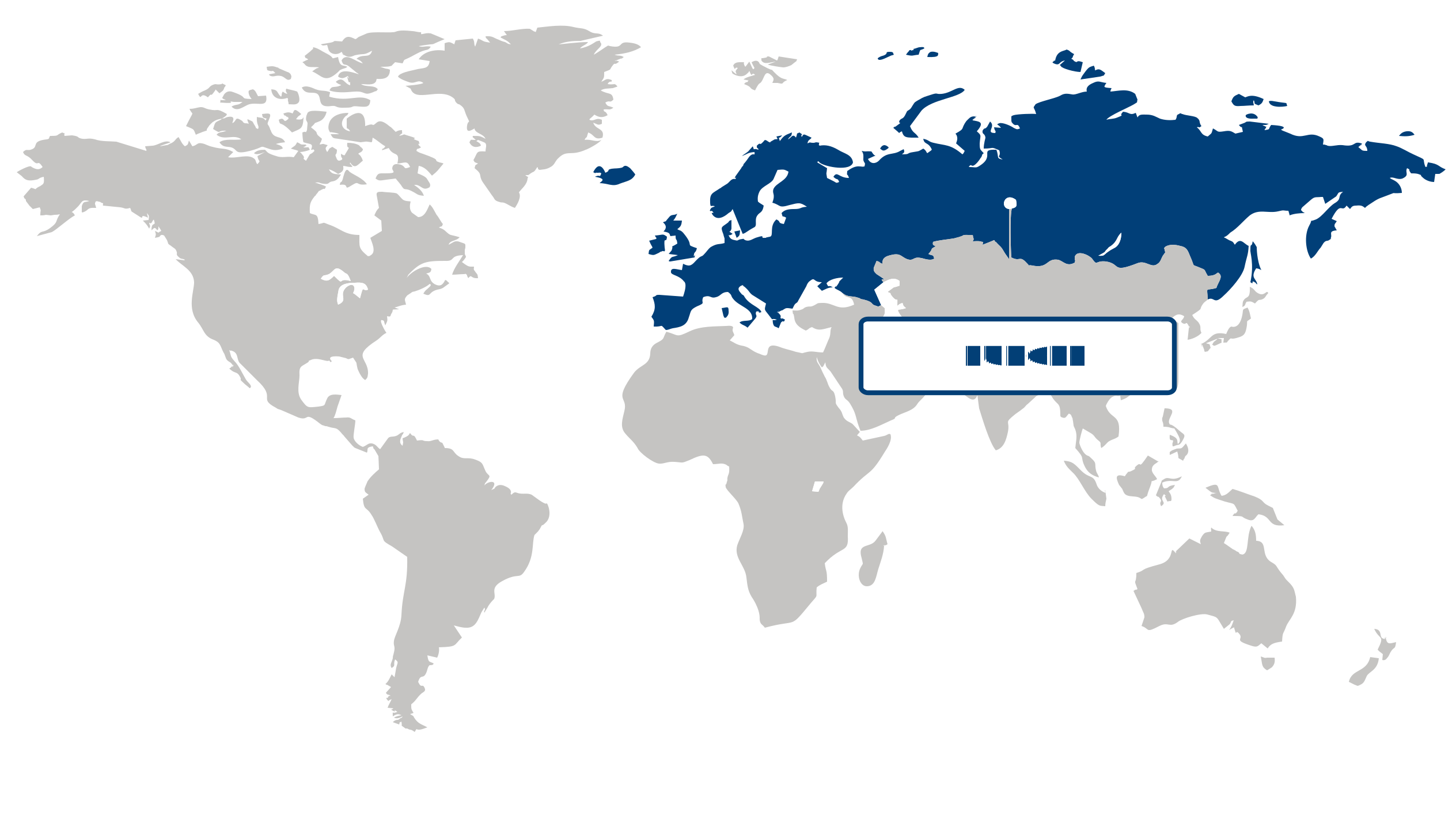
Largest Region
Europe
37.1% Market Share in 2026
Europe (Largest Region) vs Asia Pacific (Fastest-Growing Region)
Europe led the glamping market with a 37.10% share in 2026, reflecting the region's mature tourism ecosystem, strong consumer interest in experiential travel, and extensive availability of nature-oriented destinations. Glamping has benefited from growing demand for outdoor experiences that combine proximity to nature with greater comfort and convenience than conventional camping. Established tourism infrastructure, diverse landscapes, and increasing interest in wellness, sustainable travel, and distinctive accommodation formats support the expansion of premium outdoor stays. The region's strong domestic and international tourism flows also provide operators with a broad customer base seeking differentiated leisure experiences.
Asia Pacific is emerging as the fastest-growing region, supported by expanding tourism activity, rising disposable incomes, and increasing consumer interest in unique travel experiences. The region offers diverse natural attractions, including coastal, mountainous, forest, and rural destinations that are well suited to glamping development. Growing domestic tourism and greater interest in experiential and wellness-focused travel are encouraging investment in alternative accommodation formats. Improvements in transportation infrastructure, digital booking channels, and tourism facilities are further increasing the accessibility and visibility of glamping destinations across the region.
Key Country Insights
The U.S. glamping market emphasizes premium outdoor accommodation that combines comfort with nature-based experiences. Operators continue expanding distinctive lodging concepts and wellness-focused amenities to attract travelers seeking flexible leisure options.
Japan is developing the glamping market through boutique accommodation concepts that blend local landscapes with premium hospitality. Operators focus on curated guest experiences and convenient access to scenic destinations for domestic and international visitors.
South Korea is expanding the glamping market by combining outdoor recreation with modern hospitality and lifestyle-oriented amenities. Providers continue introducing themed accommodations and family-friendly facilities that encourage short leisure getaways.
Germany's glamping market reflects strong interest in environmentally responsible tourism and high-quality outdoor accommodations. Operators increasingly incorporate sustainable infrastructure and nature-focused experiences that appeal to travelers seeking low-impact leisure stays.
France strengthens the glamping market through distinctive countryside accommodations that complement its established tourism sector. Operators increasingly differentiate offerings with regional experiences, gourmet dining, and eco-conscious lodging concepts.
Italy's glamping market benefits from demand for immersive outdoor stays across coastal, rural, and mountain destinations. Accommodation providers focus on blending natural surroundings with comfortable facilities that enhance experiential leisure travel.
Segment Leadership and Growth Trends
Booking Mode Segment Analysis: Direct Booking (Largest Segment) vs Online Travel Agencies (Fastest-Growing Segment)
The direct booking segment dominated the glamping market in 2026, accounting for 57.75% of the market, as travelers increasingly seek personalized accommodation experiences and direct access to property information. Direct reservations allow glamping operators to communicate amenities, experiences, location details, and customized packages more effectively while giving travelers greater control over their booking decisions. The distinctive nature of glamping accommodations also encourages consumers to interact directly with operators when evaluating specialized stays and experience-oriented offerings.
Online travel agencies are gaining traction by giving travelers convenient access to a broader selection of glamping properties through centralized digital platforms. Search functionality, customer reviews, visual content, pricing comparisons, and streamlined reservation processes make these channels increasingly useful for consumers discovering unfamiliar destinations. Growing digital travel planning and the rising importance of online visibility are supporting greater participation of glamping operators across online travel agency platforms.
Age Group Segment Analysis: 18 - 32 Years (Largest Segment) vs 33 - 50 Years (Fastest-Growing Segment)
Travelers aged 18 - 32 years represented the largest age group in the glamping market in 2026, with a 45.58% share, reflecting strong interest among younger consumers in experiential travel, outdoor recreation, and distinctive accommodation concepts. Glamping combines nature-based experiences with greater comfort and convenience than conventional camping, making it attractive to travelers seeking social, visually engaging, and experience-driven trips. The influence of digital travel discovery and preference for unique leisure experiences further supports participation from this demographic.
The 33 - 50 years age group is gaining momentum as established travelers increasingly seek outdoor experiences without sacrificing comfort, convenience, or quality amenities. Glamping provides an alternative to traditional camping by combining access to natural environments with upgraded accommodation and services, appealing to families, couples, and professionals seeking restorative leisure experiences. Growing interest in wellness-oriented travel, short recreational escapes, and premium nature stays is broadening glamping demand among this age group.
| Report Segmentation | |||
| Segment | Sub-Segment | Largest Segment | Fastest Growing Segment |
|---|---|---|---|
| Booking Mode | Direct Booking, Travel Agents, Online Travel Agencies | Direct Booking | Online Travel Agencies |
| Age Group | 18 - 32 Years, 33 - 50 Years, 51 - 65 Years, Above 65 Years | 18 - 32 Years | 33 - 50 Years |
| Accommodation | Cabins & Pods, Tents, Yurts, Treehouses, Others | Cabins & Pods | Tents |
 Read our Research Approach
Competitive Landscape and Market Positioning
Major players in the glamping market:
1. Under Canvas (United States)
2. Collective Retreats (United States)
3. Tentrr (United States)
4. Eco Retreats (United Kingdom)
5. Baillie Lodges (Australia)
6. Nightfall Camp Pty Ltd (Australia)
7. Tanja Lagoon Camp (Australia)
8. Wildman Wilderness Lodge (Australia)
9. Paperbark Camp (Australia)
10. Hoshino Resorts (Japan)
The glamping market is witnessing strong growth as travelers increasingly seek luxury outdoor experiences that combine comfort, nature, and eco-conscious tourism. Operators are expanding into unique destination concepts while integrating sustainable accommodations and digital booking technologies to enhance customer experiences. Demand for experiential travel and wellness-focused tourism is further driving diversification within the market.
Industry Development/News
| Company Name | Date | Key Development |
|---|---|---|
| Marriott International | Jan-25 | Marriott International entered the outdoor hospitality segment through strategic acquisitions and partnerships with operators like Postcard Cabins and Trailborn. This initiative integrates nature-based lodging into its global portfolio, allowing the brand to capture rising demand for experiential, hybrid luxury-nature travel while diversifying its accommodation offerings beyond traditional hotel models. |
| KSL Capital Partners | Mar-25 | KSL Capital Partners announced a $50 million investment plan to upgrade and expand its glamping portfolio. The capital injection focuses on scaling the geographic footprint and enhancing existing properties, signaling a commitment to professionalizing and institutionalizing upscale outdoor hospitality assets to meet growing consumer demand for premium, amenity-rich nature stays. |
| Hyatt Hotels Corporation | Jul-24 | Hyatt Hotels Corporation partnered with Under Canvas to integrate 13 luxury outdoor resorts into the World of Hyatt loyalty program. This strategic collaboration expands Hyatt's presence in the experiential travel market, providing loyalty members with access to upscale glamping destinations and reinforcing the company's competitive positioning in the growing nature-based hospitality sector. |
| Highway West Vacations | Apr-25 | Highway West Vacations expanded its outdoor hospitality footprint through the acquisition of three California properties, including RV resorts and campgrounds. The transaction supports the company’s strategy of scaling a diversified portfolio of lodging assets, including cabins and glamping-style resorts, to strengthen its regional market position and operational capacity. |
| BWH Hotels | May-26 | BWH Hotels launched the WorldHotels Backdrop brand, dedicated to glamping and nature-based accommodations. This move marks a significant entry into the experiential lodging sector for the global hotel operator, aiming to capture market share by integrating upscale outdoor stays into its broader hospitality distribution network and global brand infrastructure. |
| Pennsylvania DCNR | Oct-25 | The Pennsylvania Department of Conservation and Natural Resources introduced a statewide glamping program across eight parks, integrating premium Timberline-style accommodations. This development modernizes public park infrastructure by embedding comfort-oriented, high-end lodging into state-managed outdoor recreation, directly expanding market capacity to accommodate rising demand for nature-based tourism. |
| Huttopia | May-25 | Huttopia expanded its North American footprint by converting a traditional campground into a premium outdoor hospitality destination in the Berkshires. This project reflects the company's strategic focus on revitalizing existing outdoor sites into high-end, nature-based lodging environments, catering to the increasing consumer preference for professionalized, experiential outdoor travel. |
Why Choose Us
Specialized Expertise: Our team comprises industry experts with a deep understanding of your market segment. We bring specialized knowledge and experience that ensures our research and consulting services are tailored to your unique needs.
Customized Solutions: We understand that every client is different. That's why we offer customized research and consulting solutions designed specifically to address your challenges and capitalize on opportunities within your industry.
Proven Results: With a track record of successful projects and satisfied clients, we have demonstrated our ability to deliver tangible results. Our case studies and testimonials speak to our effectiveness in helping clients achieve their goals.
Cutting-Edge Methodologies: We leverage the latest methodologies and technologies to gather insights and drive informed decision-making. Our innovative approach ensures that you stay ahead of the curve and gain a competitive edge in your market.
Client-Centric Approach: Your satisfaction is our top priority. We prioritize open communication, responsiveness, and transparency to ensure that we not only meet but exceed your expectations at every stage of the engagement.
Continuous Innovation: We are committed to continuous improvement and staying at the forefront of our industry. Through ongoing learning, professional development, and investment in new technologies, we ensure that our services are always evolving to meet your evolving needs.
Value for Money: Our competitive pricing and flexible engagement models ensure that you get maximum value for your investment. We are committed to delivering high-quality results that help you achieve a strong return on your investment.
Select Licence Type

